Nantes In Summer
Nantes, in the Loire-Atlantique department of the Pays de la Loire region in western France, turns itself into an open-air art gallery each summer, and the numbers behind that transformation are worth knowing before you pack.
Short answer
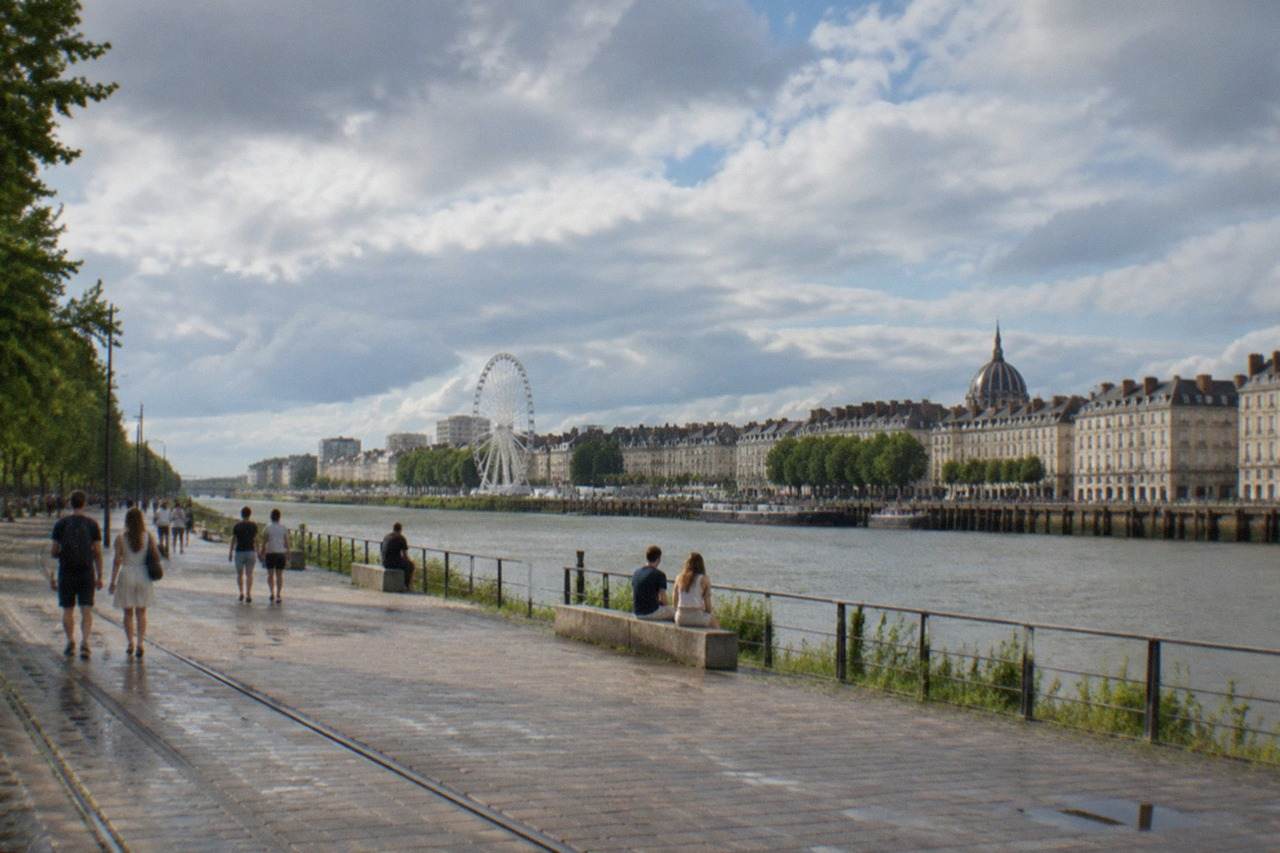
Summer is high season in Nantes: mean daily highs run from 23.0 C in June to 25.4 C in August, the Le Voyage a Nantes art trail runs from early July to early September, and the city's rivers, Navibus boats and evening markets do most of the work of keeping visitors cool.
Nantes, in the Loire-Atlantique department of the Pays de la Loire region of western France, does summer differently from the beach towns downstream. The city sits on the Loire and the Erdre, its climate is temperate oceanic rather than Mediterranean, and from early July to early September it hosts Le Voyage a Nantes, a city-wide art trail that turns streets, moats and crypts into temporary gallery space. That combination, water, art and long light evenings, is what a Nantes summer is actually built on, and this guide sets out the facts behind it: what the climate normals really say, which museums shift their hours for July and August, which events land on which dates, and where the day-trip trains go.
What Is The Weather Like In Nantes In Summer?
Summer in Nantes is mild to warm, not hot by default: Météo-France's 1991-2020 normals for the Nantes-Bouguenais station give a mean daily maximum of 23.0 C in June, 25.1 C in July and 25.4 C in August, with mean minima of 12.7 C, 14.3 C and 14.2 C, and monthly rainfall of 48.5, 44.2 and 50.3 mm. August is the sunniest month at 232.6 hours. The climate is temperate oceanic, never Mediterranean.
That is the baseline. What the normals cannot capture is that recent summers have been stretching the upper end: the station's all-time record high is 42.2 C, set on 24 June 2026, with 40.4 C on 13 August 2026 as the August record, and 2026 logged 40 days at or above 30 C by late July, the most on record for the station. July 2026 also set a sunshine record of 382 hours in Nantes, reported by Météo France. So pack for both shapes of summer: the normal one, where a light jacket serves the evenings, and the heatwave one, where the middle of the afternoon belongs indoors or on the water.
| Month | Mean max C | Mean C | Mean min C | Rain mm | Sunshine h | Days at or above 30 C |
|---|---|---|---|---|---|---|
| June | 23.0 | 17.8 | 12.7 | 48.5 | 213.1 | 1.9 |
| July | 25.1 | 19.7 | 14.3 | 44.2 | 229.0 | 4.3 |
| August | 25.4 | 19.8 | 14.2 | 50.3 | 232.6 | 4.3 |
| September | 22.4 | 17.1 | 11.8 | 59.5 | 198.7 | 1.1 |
July is the driest month of the whole year at 44.2 mm and December the wettest at 101.0 mm, out of an annual total of 819.5 mm, so summer is genuinely the dry window. If you want the fuller picture across the year, including the wet winters, the Nantes weather month by month guide and the best time to visit Nantes carry it. For this page the short version is: late June through September is the reliable stretch, and September's 22.4 C mean maximum with thinner crowds makes it the connoisseur's pick.
What Are The Best Things To Do In Nantes In Summer?
The best things to do in Nantes in summer split into three layers: follow the green line and the Le Voyage a Nantes artworks from 4 July to 6 September, ride the Machines de l'île attractions on the Île de Nantes, and use the rivers, either the Navibus boats or the Erdre, as your moving network between them. Summer opening hours are longer at the main museums, the château courtyard stays open to 20:00, and the guinguettes along the banks run from April into October.
The Machines de l'île are the headline act for most first visits, and summer is when they run at full capacity. The Galerie des Machines, the Carrousel des Mondes Marins and the Grand Éléphant ride each operate as a separate ticketed attraction, and the elephant's slots sell out ahead in the high season, so book the ride early in your trip rather than saving it for the last day. One detail worth knowing from the site's own schedule: the Carrousel closed for maintenance 22 to 25 September 2026, reopening 26 September, which shows how short-notice the maintenance pauses can be, and the elephant itself pauses for its own maintenance from 2 November 2026, so summer is the safe window for both. The Arbre aux Hérons, often described in older guides as an upcoming attraction, was abandoned by Nantes Métropole in September 2023; only the prototype branch is visitable, included with attraction tickets.
The château des ducs de Bretagne anchors the historic end of the city. Its courtyard and ramparts are free and open daily, and in July and August they stay open until 20:00, with the moat garden from 8:00. Inside, the Musée d'histoire de Nantes runs its extended summer schedule too, daily rather than closed on Mondays, and the 2026 summer sat alongside the Expression(s) décoloniale(s) #4 exhibition, which ran 8 May to 8 November across the château and the Mémorial de l'abolition de l'esclavage. If you want the whole story of the building, the Château des ducs de Bretagne guide covers it in depth.
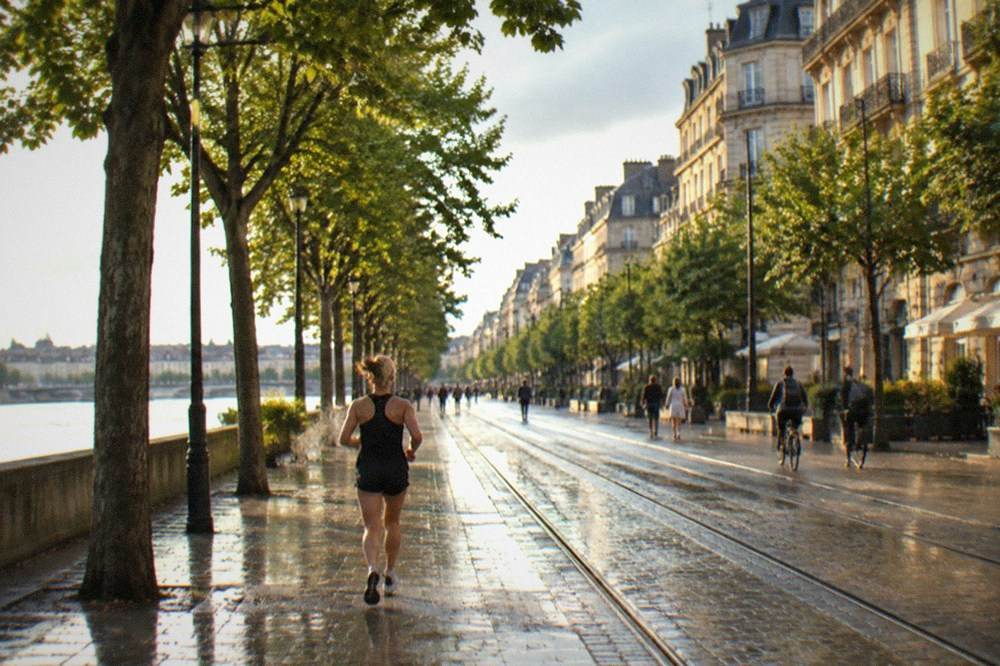
A walking tour earns its place in summer for a simple scheduling reason: the useful sightseeing hours are 9:00 to 12:00 and 17:00 to 20:00, and a guide who knows the city will front-load the open spaces into the cool end of the day and save the interiors, the Passage Pommeraye or the Nantes cathedral, for the afternoon. The cathedral, which partially reopened on 27 September 2025 after the 2020 fire with full reopening planned for 2028, is genuinely one of the coolest buildings in the city in both senses, and its stone interior is a heatwave refuge with a five-century pedigree.
For a self-directed version of the same idea, the free things to do in Nantes page maps the no-cost layer: the courtyard, the Jardin des Plantes, the Île de Versailles, the green line itself. Families have their own calculus, and Nantes with kids handles it, but summer makes the Machines, the carrousel and the Erdre playground a genuinely easy city for children.
What Is Le Voyage à Nantes And The Green Line?
Le Voyage à Nantes is the city's summer art programme, running in 2026 from 4 July to 6 September as its 15th edition, themed around Earth, with roughly nine to fourteen new artworks installed in public space and temporary venues, all linked by a painted green line running about 20 km through the city. The parcours itself is free, needs no ticket, and is the single best structure for a first-time summer visit.
The green line is painted on the pavement and simply followed. Its length is quoted as 22 km on the event's own "to see" page, while a 2026 maintenance report measured the painted total at 20.5 km, which is why "about 20 km" is the honest figure. Either way it stitches together the permanent sights, the château, the cathedral, the Passage Pommeraye, the Île de Nantes, with the summer's temporary installations, and in 2026 it reached into the cathedral's crypts and the Jardin Extraordinaire for the first time. The 2026 edition included Théo Mercier's sand sculpture Fossil Opera on Place Graslin, Ali Cherri's La Machine du Sacré, and Louis Guillaume's 14-metre metal palm tree planted in the château's moat.
The summer edition also carries a parallel layer of ticketed exhibitions, including INTERSTELLAR: Ré-imaginer la Terre at the HAB Galerie on the Hangar à Bananes, which ran 23 May to 27 September 2026 with around twenty artists. Some pieces extend past the official closing date, and the Le Voyage à Nantes guide tracks the year-round programme. For summer specifically, three seasonal venues run alongside the trail and are worth building a day around, and their 2026 seasons were confirmed by the event itself:
| Summer venue | 2026 season | What it is |
|---|---|---|
| Station Nuage | 1 April to 20 September | Floating leisure platform on the Loire |
| Bateau-Lavoir | 30 March to 11 October | Washhouse-turned-exhibition and workshop space on the Erdre |
| Cantine du Voyage | 2 April to 13 September | Open-air canteen and bar, food traders all summer |
| Summer parcours (green line) | 4 July to 6 September | Free city-wide art trail, 15th edition, Earth theme |
| Nuit du VAN opening | 4 July | Launch night with late openings along the trail |
The Cantine du Voyage deserves a specific mention because it solves the summer dinner problem: shared tables, food traders rotating through the season, and a location that puts you on the trail rather than detouring off it.
How Do You Cool Down In Nantes On A Hot Summer Day?
The reliable ways to cool down in Nantes are the water and the shade: the Navibus river boats, which run on normal Naolib tickets across the Loire and up the Erdre, the tree cover of the Jardin des Plantes and the Île de Versailles, and the free, thick-walled interiors of the cathedral and the château ramparts. The Mémorial de l'abolition de l'esclavage extends its summer hours to 20:00 from 15 May to 15 September, and the riverside lawns do the rest.
The Navibus network is the underrated summer tool. Three routes run as part of the ordinary Naolib system: N1 from the Gare Maritime to Trentemoult Sablières, N2 between the Hangar à Bananes area in Bas-Chantenay and Trentemoult, and N3 on the Erdre between Gachet and Grimaudière. A standard 1-hour ticket, 1.80 €, covers them, and the N2 extension only launched on 12 November 2025, so plenty of guides written earlier miss it entirely. Crossing the Loire by boat at golden hour, with Trentemoult's coloured fishermen's houses on the far bank, is as good as the city gets; the Trentemoult and Île de Nantes pages cover both banks.
For a slower version of the same river, the Erdre cruise is the bookable option, and its operator does not publish a price, so the listing carries it. The Erdre is lined with country houses and tree cover, and it is the coolest corridor in the city on a 35 C afternoon. The Erdre river guide maps the banks and the access points if you would rather walk than float.
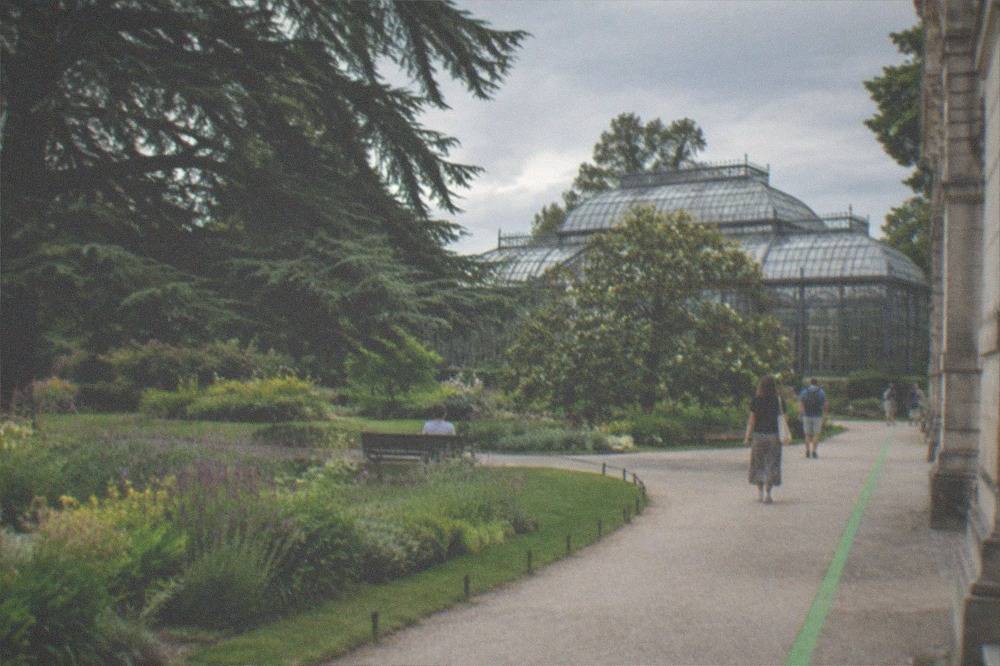
Shade, in ascending order of grandeur: the Jardin des Plantes, one of the notable botanical gardens of France, free and open until late evening in summer; the Île de Versailles, the Japanese garden set on an island in the Erdre, also free; and the cathedral, where the interior temperature barely moves on the hottest day. The cathedral's own status matters here: it partially reopened on 27 September 2025, the west facade is still under scaffolding, and full reopening is planned for 2028, so arrive via the side portals and expect works, not closure. The Muséum d'histoire naturelle is the one to strike from any rainy-day or hot-day list entirely: it has been closed for works since November 2025 and reopens in 2029.
Where To Eat And Drink Outdoors In Nantes In Summer?
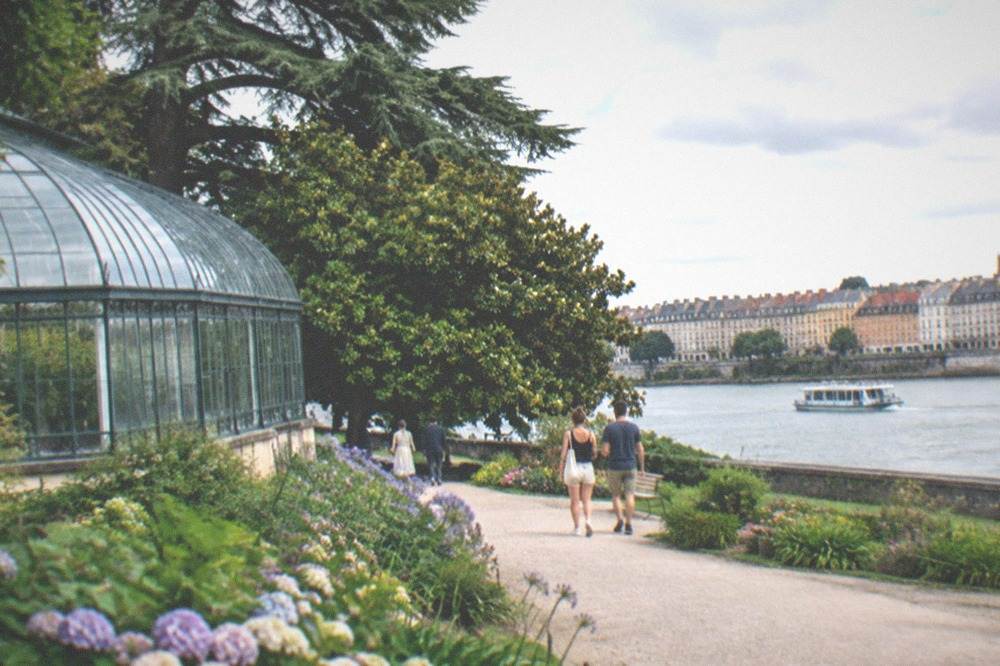
Eating outdoors in a Nantes summer runs through the Cantine du Voyage on the trail, the guinguettes along the Loire and Erdre banks, the terraces of the Bouffay old town around place Graslin, and the Hangar à Bananes bars on the Île de Nantes, with Talensac market running 8:00 to 13:30 on Saturday and Sunday mornings as the daytime anchor. The local summer plate is Muscadet, the Melon de Bourgogne white wine of the surrounding vineyards, plus river fish and beurre blanc.
Start at Talensac, the city's main market, before the heat arrives: it runs Tuesday to Friday 8:00 to 13:00 and Saturday to Sunday 8:00 to 13:30, closed Mondays except public holidays. The markets in Nantes and Nantes food pages carry the detail, but summer adds its own layer: the guinguettes, the seasonal open-air bars that the métropole runs along the banks, open from April and run into September or October depending on the site.
The wine deserves a sentence of its own, because 2026 was an odd year for it: the Muscadet harvest ban was declared on 11 August 2026, a record eight days earlier than the previous mark, with yields down at around 30 to 40 hectolitres per hectare after the summer heat, and quality reported as good thanks to the sunshine. That is a harvest fact, not a price fact, and it is exactly the kind of thing a local producer will talk about at a tasting. The Muscadet Experience, a sensory tour and tasting, is the city-based way into it, and the Muscadet vineyards day-trip page covers the surrounding appellation for those who want to go to the source.
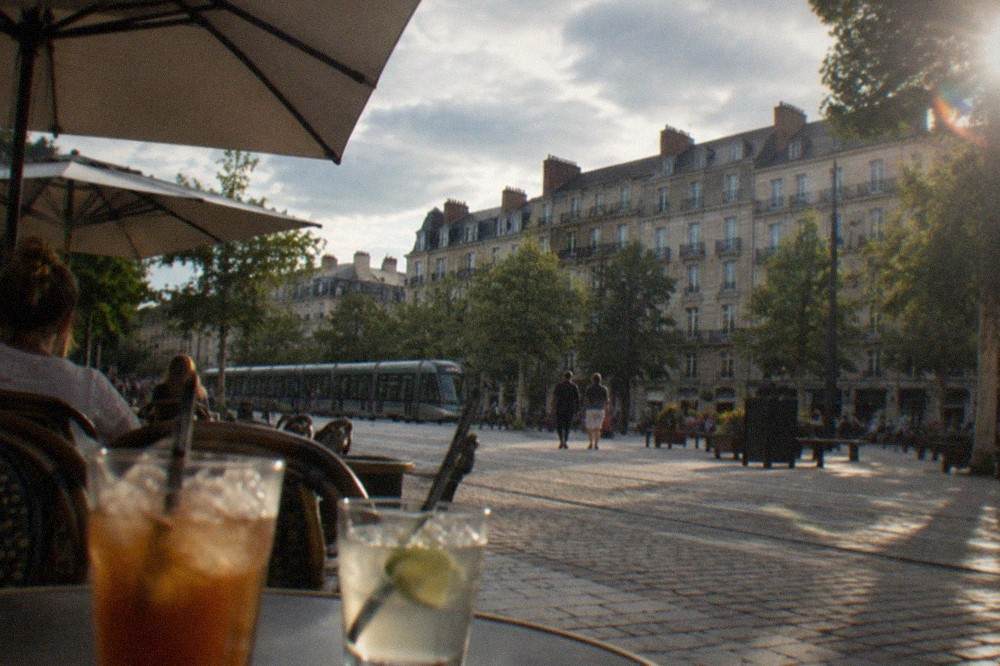
For the evening, the shape of a Nantes summer night is simple: aperitif on a terrace in Graslin or Bouffay, dinner late, and the green line walked in the dark, when the artworks are lit and the day's heat has gone. The best restaurants in Nantes and Nantes at night pages cover both ends of that evening, and the rooftop bars page is worth a caveat: Le Nid, the Tour Bretagne rooftop bar, closed on 30 June 2020 and the tower has no public access in 2026, with a free public belvedere at 107 m planned as part of the tower's rehabilitation, so any guide sending you up there is out of date.
Which Events And Festivals Fill The Nantes Summer?
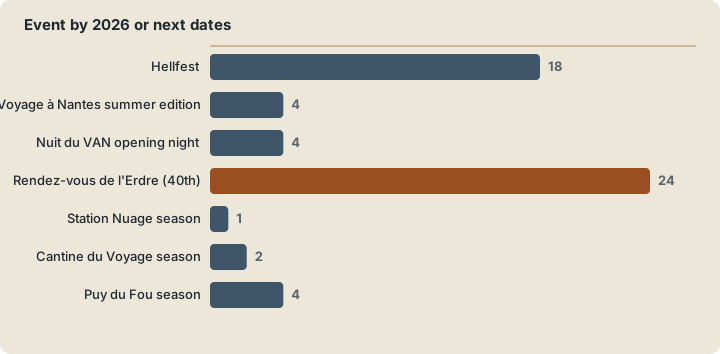
The 2026 Nantes summer ran Le Voyage à Nantes from 4 July to 6 September, the 40th Rendez-vous de l'Erdre free jazz festival from 24 to 30 August along the Erdre and the Nantes-Brest canal, Hellfest at Clisson from 18 to 21 June, and the long seasons of the Station Nuage, the Bateau-Lavoir and the Cantine du Voyage, with the next Folle Journée classical festival confirmed for 27 to 31 January 2027, outside summer entirely.
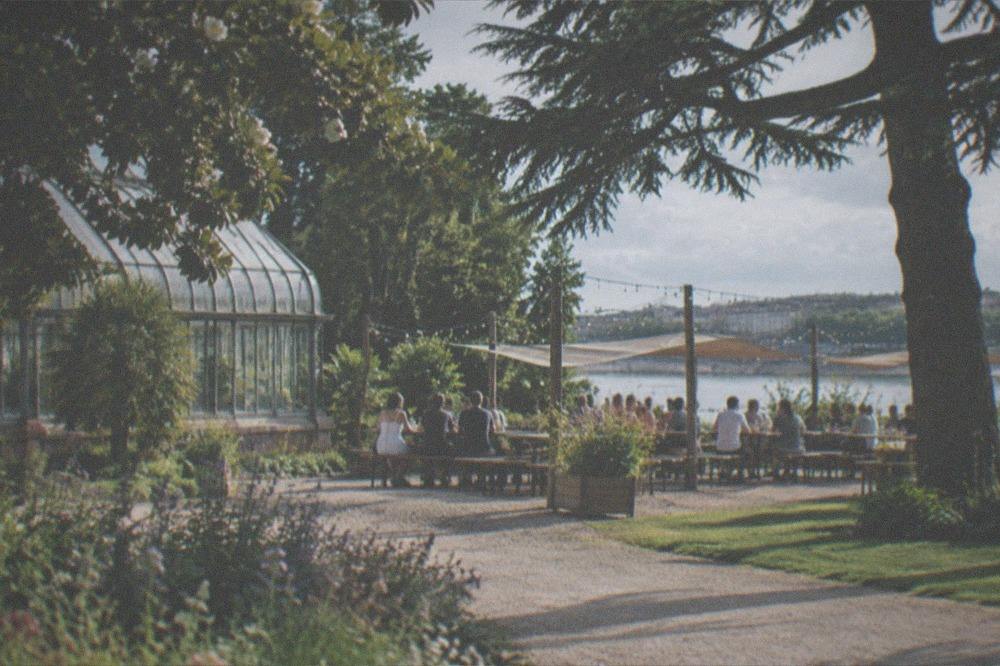
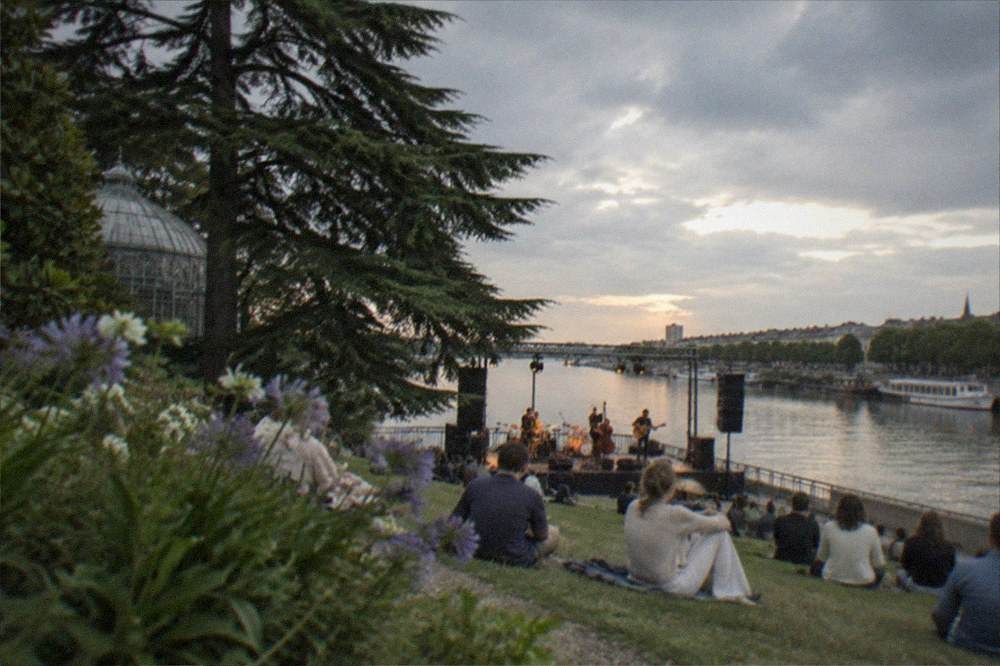
The Rendez-vous de l'Erdre is the summer event that belongs to the city rather than to visitors, and it is free: around 110 to 120 concerts across the Erdre's banks and quays, combined with a gathering of classic boats, culminating in Nantes. The 2026 edition was the 40th, and the 2027 dates are already set for 23 to 29 August. Hellfest, by contrast, is a national event that happens to sit 30-odd minutes from Nantes by train: the 2026 edition ran 18 to 21 June at Clisson, and the 2027 edition, the 20th anniversary, is scheduled for 17 to 20 June with expansion to around 300 groups across 10 stages, and its four-day pass sits at the pricier end of the festival spectrum, a step up on the prior edition.
| Event | 2026 or next dates | Where | Ticketed |
|---|---|---|---|
| Hellfest | 18 to 21 June 2026 (2027: 17 to 20 June) | Clisson | Yes, passes |
| Le Voyage à Nantes summer edition | 4 July to 6 September 2026 | City-wide green line | Free |
| Nuit du VAN opening night | 4 July 2026 | City-wide | Free |
| Rendez-vous de l'Erdre (40th) | 24 to 30 August 2026 (2027: 23 to 29 August) | Erdre banks | Free |
| Station Nuage season | 1 April to 20 September 2026 | Loire, Île de Nantes | Entry as listed |
| Cantine du Voyage season | 2 April to 13 September 2026 | Île de Nantes | Pay as you eat |
| Puy du Fou season | 4 April to 1 November 2026 | Les Epesses, around 1 h drive | Yes |
One summer-adjacent change worth flagging for anyone planning a return trip around music: the Cité des Congrès, the main conference and concert venue, began auditorium works in July 2026 and closes fully from February to December 2027, which is why Folle Journée's 2027 edition, themed Galaxie Beethoven, is being planned with alternative venues such as the Lieu Unique and the Conservatoire under consideration. If classical music in Nantes is your reason to travel, La Folle Journée carries the detail, and late January, not summer, is its season.
What Are The Best Summer Day Trips From Nantes?
The best summer day trips from Nantes follow the rail lines out of the city: Clisson, around 15 to 23 minutes by TER, with its Italianate architecture and château; the beaches at La Baule around 51 minutes and Pornic around an hour; Saint-Nazaire at around 33 minutes with the Escal'Atlantic liner museum; and Le Croisic at around 1 h 03 for the oyster coast, with Guérande's walled salt town about an hour by road and Puy du Fou about an hour's drive.
The Loire estuary is the point: Nantes is not itself on the coast, which surprises visitors who assume a Loire city must be, and the question of how far the ocean actually is has its own answer on the beaches near Nantes page. The nearest proper beach towns are a short TER ride away, and the trains run often enough that a beach morning and a city evening is a realistic day.
| Destination | Fastest TER from Nantes | Summer reason to go |
|---|---|---|
| Clisson | around 15-23 min | Château, Italianate town, vineyards |
| Saint-Nazaire | around 33 min | Escal'Atlantic, estuary, liner exhibition |
| La Baule | around 51 min | Long bay beach, resort town |
| Pornic | around 59-65 min | Rocky coves, old port, castle |
| Le Croisic | around 1 h 03 | Oyster ports, coastal path |
| Guérande | about 1 h by road | Walled medieval town, salt marshes |
Escal'Atlantic in Saint-Nazaire, the liner museum in the former submarine base, priced its 2026 adult ticket at 15 € with children 4 to 17 at 7.50 €, and ran a Normandie photography exhibition from July 2026 through September 2027. Guérande had an exceptional 2026 salt harvest, with production roughly double an average year thanks to the summer heat, around 1.5 tonnes per salt pan and more than 3 tonnes in the best cases. The dedicated pages, Clisson, Guérande, La Baule and day trips from Nantes, carry each one in full.
A private custom walk is also the right answer to the day-trip question's opposite: days when the heat argues for skipping the train and letting someone who knows the shade plan your route through the city instead. The operator's live listing shows the current price and availability.
Practical Tips For Visiting Nantes In Summer
The practical keys to a Nantes summer are the weekend-free Naolib network, free for everyone from 00:00 Saturday to 23:59 Sunday across the whole network, the 10 € airport shuttle, which is excluded from that rule and always costs 10 €, and the Pass Nantes, which from 1 April 2026 runs 30 € for 24 hours up to 75 € for 7 days and includes one airport shuttle return, unlimited transport, and entries to the château museum, the Galerie and the Carrousel.
The elephant exclusion matters: the Pass Nantes covers the Galerie and the Carrousel but not the Grand Éléphant ride, so budget that separately. The full Pass Nantes price ladder, valid from 1 April 2026, is:
| Pass Nantes | Full | Reduced (4-17, students under 26, disability card) | Family (2 adults + 2 children) |
|---|---|---|---|
| 24 h | 30 € | 20 € | 80 € |
| 48 h | 40 € | 26 € | 106 € |
| 72 h | 49 € | 31 € | 129 € |
| 7 days | 75 € | 45 € | 195 € |
Summer also shifts the museum hours, and the differences are worth a table of their own because they are the difference between a 10:00 start and a wasted morning:
| Site | Standard hours | Summer (July-August) change |
|---|---|---|
| Musée d'histoire de Nantes (château) | 10:00-18:00, closed Monday | Daily 10:00-19:00 |
| Château courtyard and ramparts | Free, 8:30-19:00 | To 20:00 |
| Musée d'arts de Nantes | 11:00-19:00, closed Tuesday | From 10:00 daily |
| Musée Jules Verne | Afternoons, closed Tuesday | Daily 10:00-19:00 |
| Musée Dobrée | 10:00-18:00, Wed-Sun | Until 19:00 |
| Mémorial de l'abolition | 9:00-18:00 (mid-Sept to mid-May) | 9:00-20:00, 15 May to 15 September |
Three more practical notes. The airport shuttle's stop moved on 30 March 2026 to the Gare routière at Gare Sud, quai A, and the shuttle runs every 20 minutes from April to October and every 30 minutes from November to March, taking around 20 minutes to the airport; the airport to city centre page covers the whole journey. Tourist tax applies per person per night and is tiered by hotel rating, reported at 2.86 € for a 4-star, 1.87 € for a 3-star and 1.10 € for a 2-star property in 2026, collected through your accommodation. And getting around by bike is the summer default for locals, with the Loire à Vélo route leaving the city westward; cycling in Nantes and getting around Nantes have the detail.
Whether summer in Nantes is worth the trip at all has a short answer on the is Nantes worth visiting page, and the budget version of the season, including what the free weekend transport does to a two-day plan, is laid out in Nantes on a budget. This page, alongside the rest of Nantes Travel Guide, keeps the seasonal detail in one place so you can plan the summer shape of your trip before you commit a single day to it.
Common Questions About Nantes In Summer
Is Nantes too hot in summer?
No, not by default. The 1991-2020 normals give mean daily maxima of 25.1 C in July and 25.4 C in August, and the nights average 14.3 C and 14.2 C, which is the oceanic climate doing its work. The caveat is the recent record: 42.2 C on 24 June 2026 is the station's all-time high, and 2026 logged 40 days at or above 30 C, so heatwaves now happen, but they are spikes rather than the season's baseline.
When does Le Voyage à Nantes run?
The summer edition of Le Voyage à Nantes ran 4 July to 6 September 2026, its 15th edition, themed around Earth. The green line parcours itself is free and permanent, so you can follow it outside the festival window, but the temporary artworks and the Cantine du Voyage season, 2 April to 13 September in 2026, belong to the festival period.
Are the Machines de l'île open all summer?
Yes, summer is their main season, with the Galerie des Machines, the Carrousel des Mondes Marins and the Grand Éléphant ride each running as a separate ticketed attraction. The elephant's slots sell out ahead in high season, so book the ride early. Note the maintenance windows: the Carrousel closed 22 to 25 September 2026, and elephant rides pause entirely from 2 November 2026 to 28 February 2027.
Is transport free at the weekend in Nantes?
Yes, the Naolib network, trams, buses and Navibus river boats, is free for everyone from 00:00 Saturday to 23:59 Sunday, a rule in place since 2021. The airport shuttle is the one exclusion and always costs 10 €, valid for one hour on the rest of the network.
Can you swim near Nantes in summer?
Nantes itself is a river city, not a swimming city, and the Loire through Nantes is not a bathing river. The sea is reached by TER: La Baule in around 51 minutes, Pornic in around an hour, Le Croisic in around 1 h 03. The beaches near Nantes page maps the options in full.
What should I pack for a Nantes summer?
Daywear for 23-25 C means daily highs, a light layer for evenings that average 14 C, and real preparation for heatwave spikes: the record is 42.2 C, set on 24 June 2026. Rain is the lowest of the year, 44.2 mm in July against 101.0 mm in December, but a compact layer for a shower is never wasted in an oceanic climate.