Nantes Weather
Nantes, in the Loire-Atlantique department of western France, has a temperate oceanic climate: mild, green and rainier than the Mediterranean south, with warm summers and cool winters.
Short answer
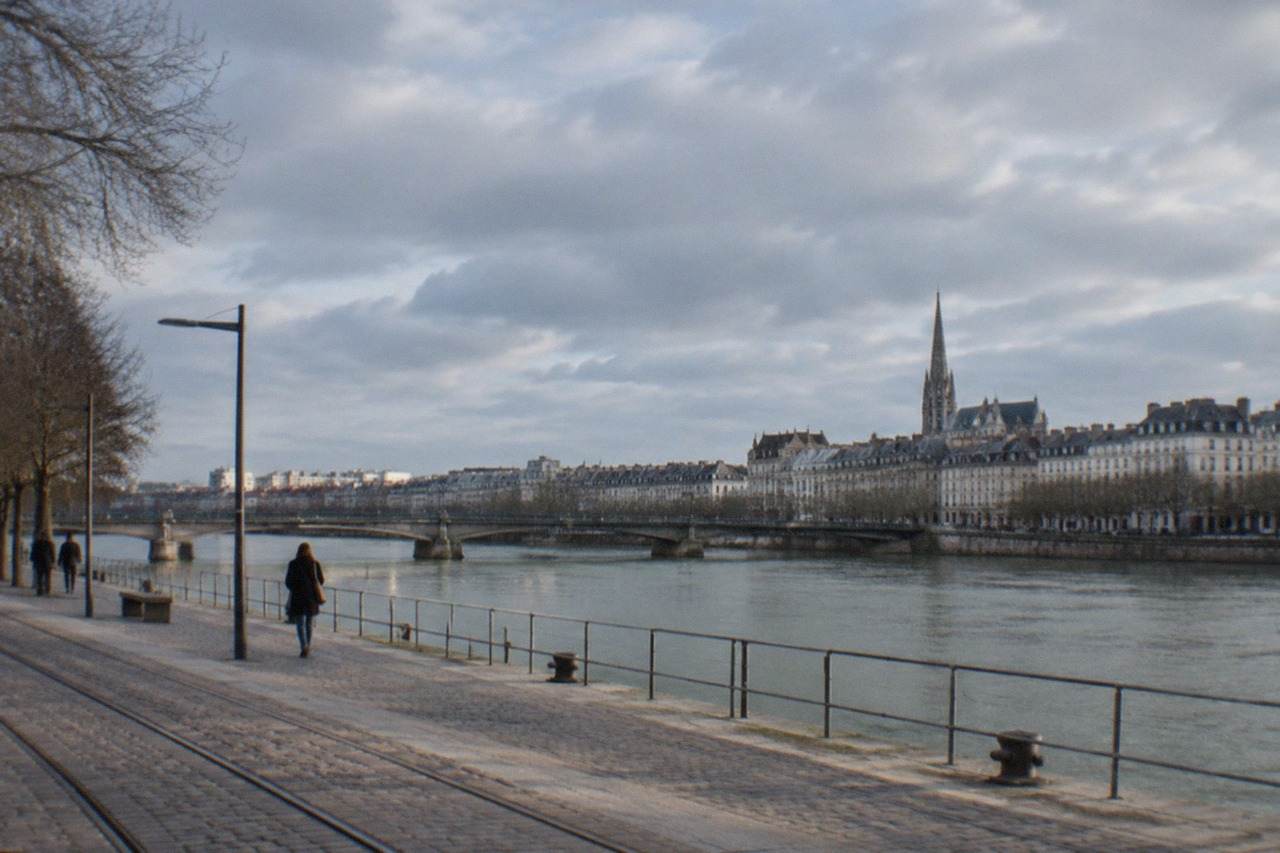
Nantes has a temperate oceanic climate, with average daily highs rising from 9.3 °C in January to 25.4 °C in August and around 819.5 mm of rain spread across the year. Winters are cool but rarely severe, summers are warm rather than hot, and the city is at its brightest in July and August. Rain can arrive in any month, so a light waterproof layer belongs in the bag whenever you travel.
Nantes, a city in the Loire-Atlantique department of the Pays de la Loire region of western France, sits inland on the Loire where the Erdre and Sèvre Nantaise join it. Its weather is shaped by that position: close enough to the Atlantic for mild, moist air to dominate, far enough upriver for the sea's moderating hand to be softened a little. The Météo-France normals for the Nantes-Bouguenais station, covering the 1991 to 2020 period, give the full picture, and they describe a temperate oceanic climate, never a Mediterranean one. This guide sets out the month by month detail, the records, the packing logic and the way Nantes weather touches everything from the green line to the Erdre cruise boats.
What Is The Weather Like In Nantes, France?
Nantes enjoys a temperate oceanic climate, meaning mild winters, pleasantly warm summers, and rain spread across every month of the year. Winter temperatures rarely drop to freezing, while summer days are generally comfortable rather than hot. Because rain falls year-round, visitors should pack a light rain jacket no matter when they travel, though showers are often brief and interspersed with cloudy or clear spells. Average daily highs run from 9.3 °C in January to 25.4 °C in August, average nightly lows run from 3.0 °C in February to 14.3 °C in July, and annual rainfall totals 819.5 mm across roughly 119.7 days with at least 1 mm. The city receives about 1,873.3 hours of sunshine a year, with August the sunniest month at 232.6 hours. The climate is Atlantic in character, never Mediterranean.
Those numbers come from the official Météo-France normals for station 44020001, and they are worth reading carefully because two popular myths about western France fall apart against them. The first is that the Loire valley is grey and damp year round. In fact the sunniest months, July and August, each average more than 229 hours of sunshine, which is a genuinely summery figure for a city at 47 degrees north. The second myth is that Nantes shares the heat of the Mediterranean south. It does not: the average high even in the warmest month stays well below what the Mediterranean south would deliver, and the Atlantic influence keeps nights comparatively cool even after warm days.
What the numbers mean in practice is variety without extremes, at least most of the time. A typical year brings cool, damp winters where frost appears on an average of 29.1 mornings; a quick, bright spring; warm, mainly dry summers with an average of about 11.8 days reaching 30 °C or more; and long, gentle autumns. Snow is rare, appearing on average just 4.7 days a year, and when it falls it rarely settles for long.
For trip planning, the headline is that there is no bad month, only different ones. Summer suits the riverside and the parks, spring suits the gardens, autumn suits the vineyards and the green line, and winter suits the museums, the Créateur Christmas market and the Folle Journée festival. The deeper seasonal breakdown, including how each month compares on temperature, rain and sun, is covered section by section below.
How Much Does It Rain In Nantes?
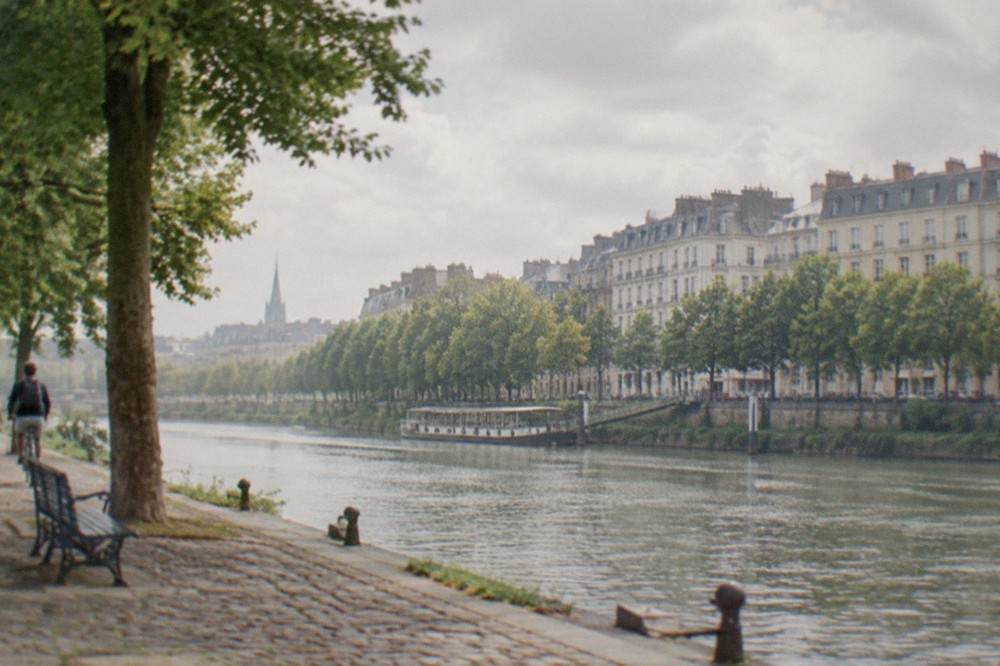
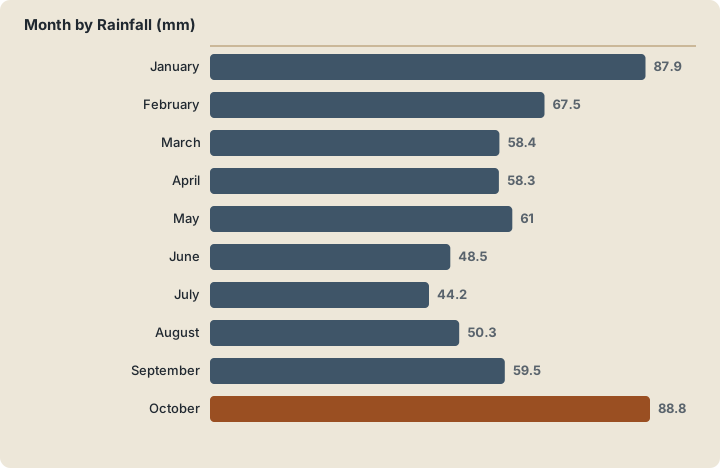
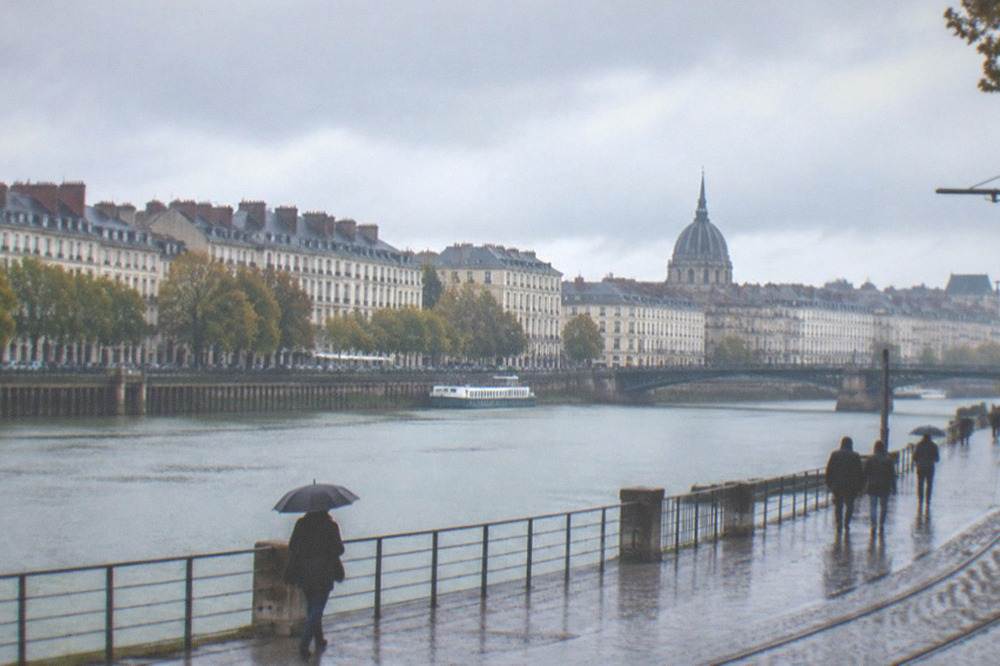
Nantes receives 819.5 mm of rain per year, spread across 119.7 days with at least 1 mm of precipitation. That makes it wetter than Paris overall, though the difference feels most pronounced in winter, when rainy days cluster together. The rest of the year stays comparatively manageable, so pack for damp weather but don't expect constant downpours. December is the wettest month at 101.0 mm, followed by November at 94.1 mm and October at 88.8 mm, while July is the driest at 44.2 mm. Rain falls in every month, but summer rain tends to come in short, heavy bursts rather than the long drizzle of winter, so the umbrella earns its keep mainly from October to January.
The seasonal rhythm matters more than the annual total. From late autumn through early spring, rain arrives in slow-moving Atlantic fronts that can keep the sky overcast for days, which is why November to January is the period when visitors most often need an umbrella and a museum plan in reserve. From May to August, the pattern flips: rain is less frequent, and when it does fall it is often a shower that passes within the hour, leaving the rest of the day bright.
| Month | Rainfall (mm) | Days with 1 mm or more |
|---|---|---|
| January | 87.9 | 12.5 |
| February | 67.5 | 10.6 |
| March | 58.4 | 9.4 |
| April | 58.3 | 9.7 |
| May | 61.0 | 9.6 |
| June | 48.5 | 7.6 |
| July | 44.2 | 7.1 |
| August | 50.3 | 7.2 |
| September | 59.5 | 7.8 |
| October | 88.8 | 11.8 |
| November | 94.1 | 13.0 |
| December | 101.0 | 13.5 |
| Year | 819.5 | 119.7 |
Two practical consequences follow from this table. First, the driest window runs from June through September, when the number of rain days drops to between seven and eight per month, and this is the period when the city's outdoor programme, from the Machines de l'île to the guinguettes along the Loire, is in full swing. Second, the wettest months are also the coldest, so a November or January visit needs both the waterproof layer and a plan for indoor hours; the museums in Nantes are the standard fallback, and they are strong enough to carry a whole wet day.
One point that surprises visitors used to Mediterranean France: rain in Nantes rarely ruins a day, it interrupts one. Because the totals are moderate rather than torrential, and because the tram and bus network covers the city so completely, a shower is usually a matter of waiting twenty minutes in a café rather than abandoning plans. The detailed month by month table in the seasonal section below folds rainfall, temperature and sunshine together.
When Is The Best Time Of Year For Nantes Weather?
The best weather in Nantes falls between mid June and mid September, when average highs sit between 23 °C and 25 °C, rain days drop to their annual low of about seven per month and sunshine runs above 200 hours. July and August are the warmest, sunniest and driest months, at 25.1 °C and 25.4 °C average highs, 44.2 mm and 50.3 mm of rain. May, June and September offer nearly as good weather with fewer crowds.
The choice within that window is a matter of taste. July and August bring peak brightness, the full summer art trail of Le Voyage à Nantes, and the long evenings along the Erdre; they also bring high demand for the riverside terraces. June is close behind on every measure and often feels calmer. September is the connoisseur's pick: the average high is still 22.4 °C, the sea of summer crowds has receded, and the light takes on the golden quality that makes the Île de Nantes and Trentemoult photogenic.
| Period | Average high | Rain | Character |
|---|---|---|---|
| March to May | 13.5 to 19.6 °C | 58.3 to 61.0 mm | Bright, changeable, gardens at their best |
| June to August | 23.0 to 25.4 °C | 44.2 to 50.3 mm | Warmest, sunniest, main festival season |
| September to October | 22.4 to 17.6 °C | 59.5 to 88.8 mm | Mild, golden, quietest good-weather window |
| November to February | 9.3 to 12.9 °C | 67.5 to 101.0 mm | Cool and damp, indoor and festival season |
Shoulder seasons reward the flexible traveller. April and May average highs of 16.2 °C and 19.6 °C respectively, which is pleasant for walking the Bouffay old town and the Jardin des Plantes, and the spring light along the Loire is excellent. The trade-off is changeability: a warm afternoon can be followed by a cool, showery morning, so layers matter more than in August. The fuller month by month comparison, including which specific weather to expect for the green line and the vineyards, sits in the seasonal section near the end of this guide, and the broader planning questions around crowds and prices are handled in the dedicated best time to visit Nantes guide.
Whatever the month, a guided walk is the most weather-flexible way to see the centre, and the private custom walking tour can be shaped around the forecast on the day:

How Hot And How Cold Does Nantes Get?
Nantes has recorded a high of 42.2 °C, set on 24 June 2026, and a low of -15.6 °C, set on 15 February 1956. Those two extremes mark the outer limits of what the city has experienced, with the record high arriving in early summer and the record low landing in midwinter. They show just how far temperatures in Nantes can swing between the hottest and coldest moments in its recorded history. Those are extremes, not expectations: the average summer high is 25.4 °C in August, the average winter low is 3.0 °C in February, and frost occurs on an average of 29.1 mornings a year. Heat days above 30 °C average 11.8 per year, most of them in July and August, while snow days average just 4.7.
The June 2026 heatwave rewrote the station's record book, and it is worth understanding what happened because it illustrates the climate's new edges. Multiple days that month exceeded 40 °C, with 41.7 °C on 22 June and 42.1 °C on 23 June preceding the 42.2 °C record on 24 June, and the June heat pushed Loire-Atlantique into the red heat vigilance level. That single year set the station's records for annual days at or above 30 °C, at 40 days by late July, and for days at or above 35 °C and 40 °C. August 2026 then logged a new August record of 40.4 °C on 13 August, and May 2026 a May record of 35.7 °C on 25 May. July 2026 also set a monthly sunshine record of 382 hours according to the Météo-France data reported at the time.
| Measure | Value | Date or period |
|---|---|---|
| Record high | 42.2 °C | 24 June 2026 |
| Second highest | 42.1 °C | 23 June 2026 |
| August record | 40.4 °C | 13 August 2026 |
| May record | 35.7 °C | 25 May 2026 |
| Record low | -15.6 °C | 15 February 1956 |
| Average frost mornings | 29.1 | Per year |
| Average days at 30 °C or above | 11.8 | Per year |
| Average snow days | 4.7 | Per year |
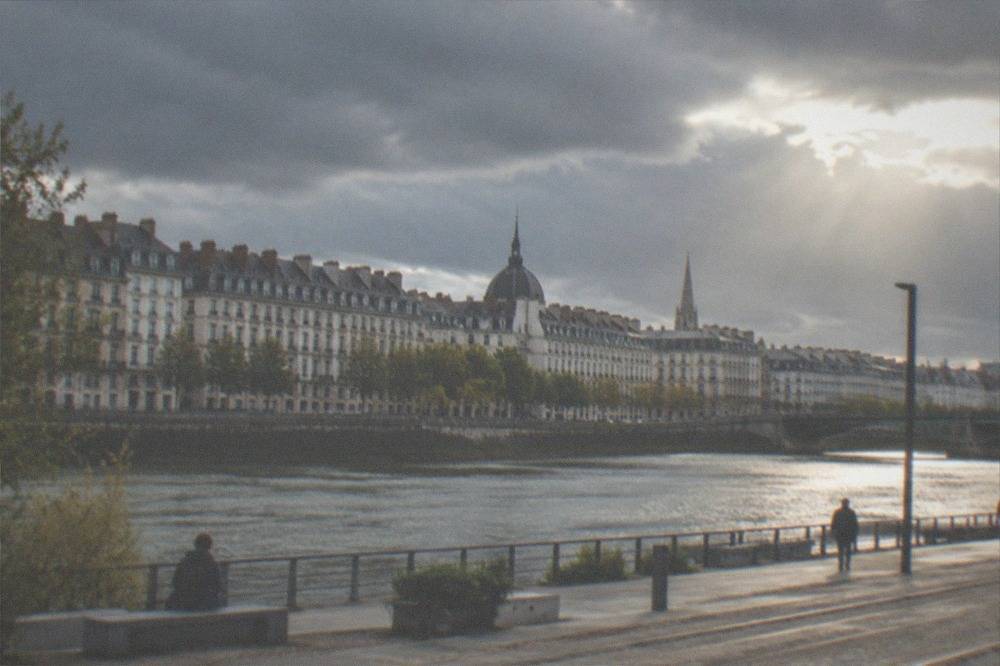
At the cold end of the scale, Nantes winters are damp rather than dramatic. Sub-zero nights happen, but deep cold of the -15 °C kind has been recorded once in the station's history, and daytime highs even in January average 9.3 °C, which keeps snow fleeting and streets walkable. What winter actually feels like is 6 to 9 °C with a damp wind off the Loire, which demands a proper coat but rarely disrupts plans. Pack for damp cold rather than dry alpine cold and the season becomes entirely manageable.
Heat, ironically, is now the more planning-relevant extreme. During a heatwave, the practical adjustments are the local ones: the Jardin des Plantes and the riverside quais offer shade, museums such as the Musée d'arts stay cool, and the Machines de l'île site, being largely open-air, is better visited in the morning slots. The site's own schedule already shifts some of its offerings around the heat season, and the traditional seasonal closure each January, along with the maintenance pause on the Grand Éléphant rides from 2 November 2026 to 28 February 2027, is part of the same annual rhythm. On a very hot afternoon, a food-led walk through the old town with frequent indoor stops is one of the comfortable formats, and a rainy-day question heading in reverse:
What Should You Pack For Nantes Weather?
Pack layers and a light waterproof jacket whenever you visit Nantes, since rain falls in every month and temperatures swing between day and night by roughly 10 °C or more. A base layer you can shed as the day warms up, plus something warm for cool evenings, will keep you comfortable across seasons. Comfortable waterproof shoes are also a smart choice for wet streets. In summer, bring breathable clothing, sun protection and a light jacket for evenings around 14 °C, since the August average low is 14.2 °C. In winter, bring a warm coat, a scarf and waterproof shoes, as January nights average 3.4 °C. In spring and autumn, pack a mix of both, with an umbrella as the single most useful item.
The arithmetic behind the packing list is straightforward. Even in August, the average night is 14.2 °C, and even in January the average afternoon is 9.3 °C, so the daily swing is always substantial and the traveller who dresses only for the forecast high spends the evening regretting it. Rain adds the second constraint: with between 7 and 13.5 rain days in every month of the year, a compact umbrella or a hooded layer earns its place in the bag even in July. The rest of the planning pages sit on Nantes Travel Guide.
| Season | Daytime layers | Evenings | Extras |
|---|---|---|---|
| Spring (Mar to May) | Light jumper or jacket | Coat for March | Umbrella, layers |
| Summer (Jun to Aug) | T-shirts, breathable shirts | Light jacket | Sunscreen, umbrella |
| Autumn (Sep to Oct) | Long sleeves, light coat | Warmer coat from Oct | Umbrella, sturdy shoes |
| Winter (Nov to Feb) | Warm coat, jumper | Same plus scarf | Waterproof shoes, hat |
Footwear deserves a specific word. Nantes rewards walking: the Bouffay quarter, the Île de Versailles and the passage between Place Royale and the Château des ducs de Bretagne are all best explored on foot, and the city centre is compact enough to cover entirely on foot. Wet cobblestones in the old quarter after a shower are the one genuine footwear hazard, and shoes with proper grip matter more in November than in August. The question of how walkable the city is overall is covered in detail elsewhere, along with the getting around Nantes options for days when the weather argues otherwise.
Visitors combining Nantes with the coast should note that the Atlantic beaches of La Baule and Pornic sit under the same oceanic system, with sea breezes making the shore feel cooler than the city in summer and windier in winter; the practical implications for a seaside add-on are laid out in the beaches near Nantes guide. Whatever the forecast, the summer months are when the riverside terraces, the guinguettes and the art trail all run at full tilt, and a warm evening on the Erdre is the moment the whole climate is built around. More on that in the section on seasons below.
Does Nantes Weather Ever Disrupt Travel Plans?
Weather rarely disrupts a Nantes trip, but two events matter: winter flooding of the Loire, which can close riverside paths and the Mémorial, and summer heatwaves, which can trigger red vigilance alerts and shift outdoor attractions to morning slots. In February 2026 the Loire reached 8.18 m at the Pont Anne-de-Bretagne, above 8 m for the first time in about 15 years, closing riverside sections and causing local evacuations, while the June 2026 heatwave brought record heat to the city.
The February 2026 flood is the clearest recent example. Rising water closed roads and rail routes locally, shut a waste depot on the Prairie-de-Mauves, and required evacuations in some riverside areas; the Mémorial to the Abolition of Slavery, which sits by the quay, closes during Loire floods as part of its normal operating practice. Such events are rare at that scale, but winter visitors should be aware that the riverside walk along the Loire, one of the city's finest assets, is the first thing to go when the river rises, and the green line's drawn route can be affected at its lowest quayside points.
Heat is the newer variable. The red vigilance canicule declared for Loire-Atlantique in June 2026 is the pattern to plan around: during such alerts, the sensible day is a museum or cathedral morning, a long shaded lunch, and outdoor sightseeing after 17:00. The city's own institutions adapt, and the partly reopened cathedral, with its stone interior, is one of the coolest buildings in the centre on a hot afternoon. The reopening on 27 September 2025 after the 2020 fire restoration, with full completion still planned for 2028, means the building is available again as both a sight and a refuge.
For the traveller weighing budget against climate, the Nantes on a budget and free things to do in Nantes guides cover how the low season stretches a travel budget further, and the trade-off is weather: a February visit is cheaper and quieter but damp, a July visit is brightest but busiest. The airport, the rail link and the tram network are all weather-hardy, with the TGV from Paris averaging around two and a half hours in normal conditions, so transport disruption from weather is the exception rather than the rule. The honest summary is that Nantes weather shapes a trip's texture, not its viability.
What Is Nantes Weather Like Month By Month?
Each month in Nantes follows the oceanic arc: average highs climb from 9.3 °C in January to 25.4 °C in August and fall back by December, while rainfall bottoms out in July at 44.2 mm and peaks in December at 101.0 mm. March is drier than its reputation suggests at 58.4 mm, June is wetter than many expect at 79.1 mm on the JMA series, and sunshine peaks in July and August at 229.0 and 232.6 hours. Every month is workable with the right layers.
The full normals table, from the official Météo-France series for the station at Nantes-Bouguenais, tells the story at a glance:
| Month | Average high °C | Average low °C | Sunshine hours |
|---|---|---|---|
| January | 9.3 | 3.4 | 72.6 |
| February | 10.5 | 3.0 | 102.3 |
| March | 13.5 | 4.9 | 147.3 |
| April | 16.2 | 6.6 | 182.7 |
| May | 19.6 | 9.8 | 203.4 |
| June | 23.0 | 12.7 | 213.1 |
| July | 25.1 | 14.3 | 229.0 |
| August | 25.4 | 14.2 | 232.6 |
| September | 22.4 | 11.8 | 198.7 |
| October | 17.6 | 9.5 | 122.7 |
| November | 12.9 | 5.9 | 91.3 |
| December | 9.8 | 3.7 | 77.6 |
Reading the table seasonally, winter visitors find January and December the quietest and coolest months, with highs under 10 °C and sunshine below 80 hours, which is why the indoor programme, from the permanent collection at the château museum to the Folle Journée classical festival at the end of January, carries that part of the year. Spring arrives early by northern European standards: by May the average high is 19.6 °C and sunshine exceeds 200 hours, the point at which the parks and the green line come fully back into their own.
Summer is the confident season. July and August average above 25 °C by day, the nights stay warm enough for riverside dining at 14 °C, and the rain days drop to about seven per month. The summer art trail, Le Voyage à Nantes, runs from early July into early September, and the dates for the 2026 edition, 4 July to 6 September, fit the weather window exactly; the green line and its roughly 20 km route through the city are designed for this season. The dedicated Le Voyage à Nantes guide covers the trail itself in depth.
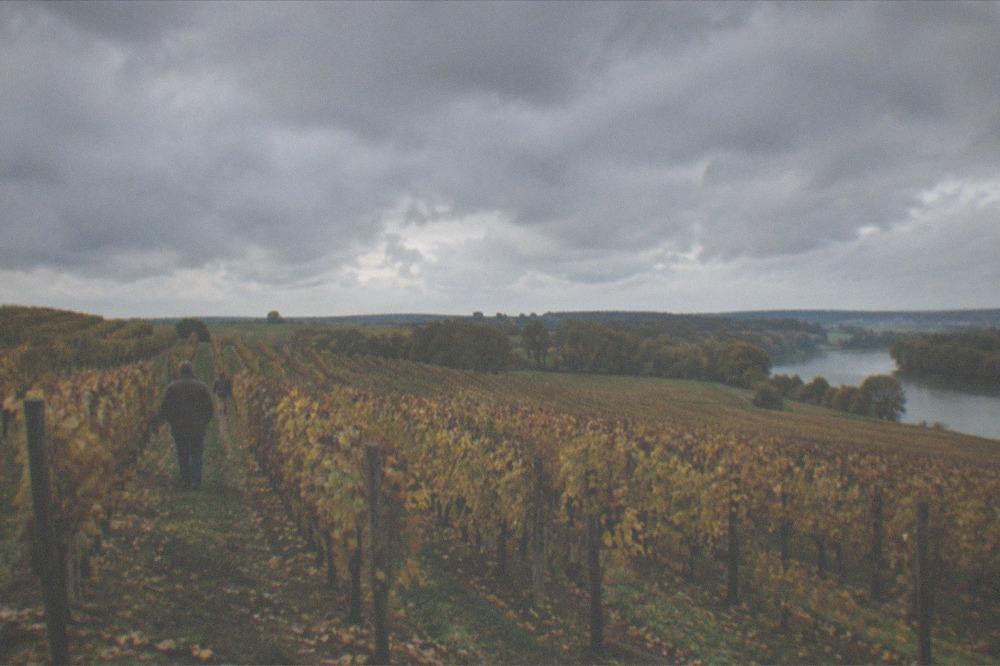
Autumn is the long season. September at 22.4 °C average high and 198.7 sunshine hours is, statistically, still a summer month, while October cools to 17.6 °C and the light goes amber across the Muscadet vineyards to the south. This is also the harvest period: the 2026 Muscadet harvest began after a ban declared on 11 August 2026, a record early start, so late summer and early autumn visits coincide with the vintage. The vineyard country south of the city is at its most beautiful in this window, and a guided tasting or van tour is the easy way into it:
For many travellers the choice comes down to whether they want the city's outdoor best or its quiet best, and the honest answer is that Nantes wears both comfortably. The summer visitor gets the terraces, the river and the art trail; the autumn visitor gets golden light and room to breathe; the winter visitor gets festivals, museums and the Christmas market from 19 November to 27 December 2026. The one period that asks the most of a visitor is November, which combines the year's second-highest rainfall with shortening days, though even then the city's covered passages and indoor quarters absorb the weather well.
Which Nantes Activities Fit Each Kind Of Weather?
Wet and cool days in Nantes suit the museums, the Passage Pommeraye and the château; dry warm days suit the Machines de l'île, the green line, the Erdre cruise and the parks; and the year-round all-weather formats are guided walks, food tours and indoor shows. The city's sightseeing splits almost perfectly along that line, so the forecast, rather than the guidebook, can set the day's order. Matching activity to sky is the single biggest weather skill in Nantes.
| Weather | Best fits | Notes |
|---|---|---|
| Sunny and warm | Green line, Machines de l'île, parks, Erdre boat | Aim for morning slots in heatwaves |
| Mild and bright | Guided walks, Île de Versailles, Trentemoult by Navibus | The all-season sweet spot |
| Overcast and dry | Museums, Hangar à Bananes, Jules Verne museum | No umbrella needed, cooler walking |
| Showery | Passage Pommeraye, Musée d'arts, cathedral, food tour | Shower gaps still allow outdoor legs |
| Cold and damp | Château museum, Le Lieu Unique, Dobrée, planetarium | The classic winter itinerary |
The shower logic deserves its own sentence: because rain in Nantes usually comes in passing fronts rather than all-day downpours, the wet-day plan is not "stay indoors" but "sequence indoors", putting the Passage Pommeraye, a covered 1843 shopping gallery, between two open-air stops and using café stops as weather buffers. The food-led formats are built on exactly this rhythm, moving between old-town streets and covered stops, which is why they work in nearly every forecast:
A final word on timing within the day. The oceanic pattern means mornings are often clearer than late afternoons in the changeable seasons, while in summer the evenings stay light and warm long past 21:00, which is when the quays along the Erdre fill and the city feels most itself. Plan the outdoor flagship, whether the Machines or the river, for the first half of the day, and keep the flexible hours for strolling, terraces and the slow glass of Muscadet that the climate, generous with rain but generous too with light, has made a local institution. More on planning the whole stay, whatever the forecast holds, is in the where to stay in Nantes guide and the broader is Nantes worth visiting rundown.

Common Questions About Nantes Weather
Does it rain a lot in Nantes, France?
Nantes records 819.5 mm of rain per year over about 119.7 days with at least 1 mm, which is moderate for western France. December is the wettest month at 101.0 mm and July the driest at 44.2 mm. Rain falls in every month, but summer rain is usually brief rather than persistent.
What is the hottest month in Nantes?
August is the hottest month on average, with a mean daily high of 25.4 °C, just ahead of July at 25.1 °C. The all-time record high is 42.2 °C, set on 24 June 2026 during an exceptional heatwave, but such extremes are far outside the normal range.
What is the coldest month in Nantes?
January is the coldest month, with an average high of 9.3 °C and an average low of 3.4 °C, while February has the lowest average minimum at 3.0 °C. The record low is -15.6 °C from 15 February 1956, and deep cold of that kind is rare.
Is Nantes weather like the Mediterranean south of France?
No. Nantes has a temperate oceanic climate, with cooler summers, more evenly spread rainfall and fewer sunshine hours than Mediterranean cities such as Marseille. The annual sunshine total of 1,873.3 hours sits well below the Mediterranean norm, and rain is possible in every month.
When is the sunniest time to visit Nantes?
August is the sunniest month at 232.6 hours on the 1991-2020 normals, closely followed by July at 229.0 hours. May, June and September are also bright, each averaging close to or above 200 hours, making the whole May-to-September stretch the sunniest window.
Does it snow in Nantes?
Snow is uncommon: the normals count an average of 4.7 snow days per year, mostly between December and February, and it rarely settles for long because average daytime highs stay above 9 °C even in midwinter. Visitors are far more likely to meet damp, cool winter days than snow.