Le Voyage A Nantes
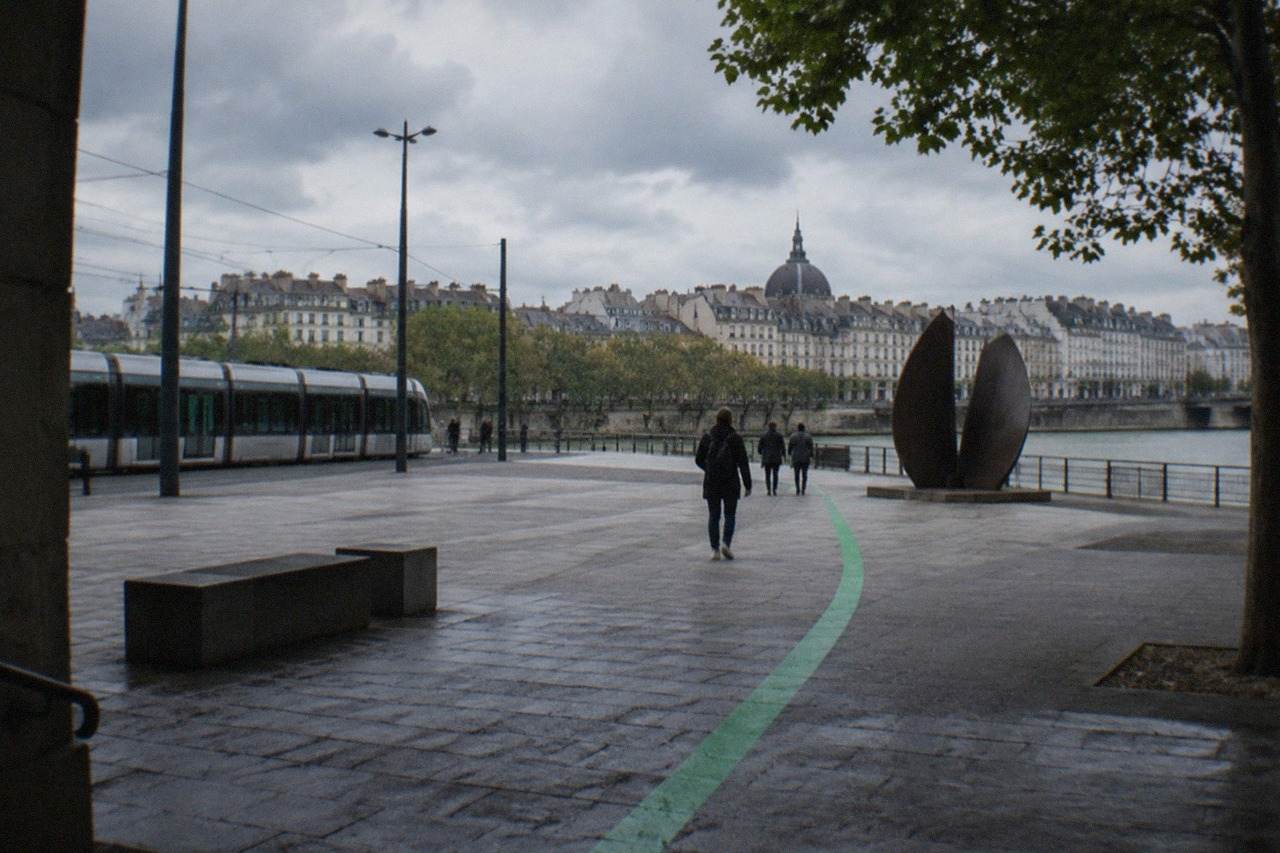
Every summer since 2012, the city of Nantes in the Loire-Atlantique department of the Pays de la Loire region has handed its streets, squares, moats and riverbanks to contemporary artists. Le Voyage à Nantes is the result: a free, city-wide art trail you follow by painted line.
Short answer
Le Voyage à Nantes is a free summer art festival in Nantes, western France, that runs roughly from early July to early September each year. Visitors follow a painted green line of about 20 km through the city to reach artworks, installations and seasonal venues. The 2026 edition, the 15th, ran 4 July to 6 September 2026 under the theme of Earth.
Every summer, the city of Nantes in the Loire-Atlantique department of the Pays de la Loire region of western France quietly rearranges itself. A painted green line appears on the pavements. Sculptures surface in the moats of the Château des ducs de Bretagne, video works glow in the crypts of the cathedral, and a floating swimming pool docks on the Erdre. This is Le Voyage à Nantes, and it has been drawing visitors along its line every summer since 2012, turning the whole city into an open-air museum for roughly two months.
The event is free at its core. You do not buy a ticket to Le Voyage à Nantes; you simply walk out of your hotel, find the line, and follow it. That simplicity is the point. The organisers describe a parcours, a route, that stitches together permanent public artworks, temporary commissions, museums, gardens and odd corners of the city you would otherwise never find. For first-time visitors it doubles as a walking tour of Nantes with an eccentric curatorial eye, and for repeat visitors it is the reason to come back in July or August rather than any other month.
What Is Le Voyage à Nantes?
Le Voyage à Nantes is a free summer art event in Nantes, western France, that has run every year since 2012, following the creation of the organising body in 2011. It places contemporary artworks, performances and seasonal venues along a painted green line of about 20 km through the city. The 2026 edition, the 15th, ran from 4 July to 6 September 2026, themed around Earth, the first year of a four-year cycle devoted to the elements.
The idea grew out of the city's reinvention after its heavy industry and port economy faded. Nantes had already committed to culture as its future: the street-theatre company Royal de Luxe has been based in the city since 1989, and Les Machines de l'île opened on the former shipyards in 2007. Le Voyage à Nantes, created in 2011 with its first summer edition in 2012, extended that logic to the entire city rather than a single site. The European Commission credits Nantes as the 2013 European Green Capital, an award whose application was buoyed by the cultural transformation the event represents.
The name is a pun on "voyage" and "voyons", and the event's mascot is a pencil: the green line is quite literally the stroke of that pencil drawn across the city. The organisers also run the Estuaire art trail between Nantes and Saint-Nazaire, with 33 works on 23 sites along the Loire, which visitors often encounter as an extension of the summer programme.
What makes the event unusual among European art festivals is that most of it stays. Works commissioned for past editions have become permanent residents of the city, so a visitor arriving in October, after the summer parcours has closed, still walks past a cityscape shaped by fifteen editions of commissions. The summer edition is the moment when the temporary layer is added and the whole system hums.
How Does The Green Line Work In Nantes?
The green line is a continuous painted stripe on Nantes pavements, about 20 km long according to the organisers, though a 2026 maintenance report measured the repainted network at 20.5 km and the official listing has cited 22 km. You follow it on foot from artwork to artwork. It requires no ticket, no app and no guide, and it runs through the historic centre, the Île de Nantes and out along the Erdre river.
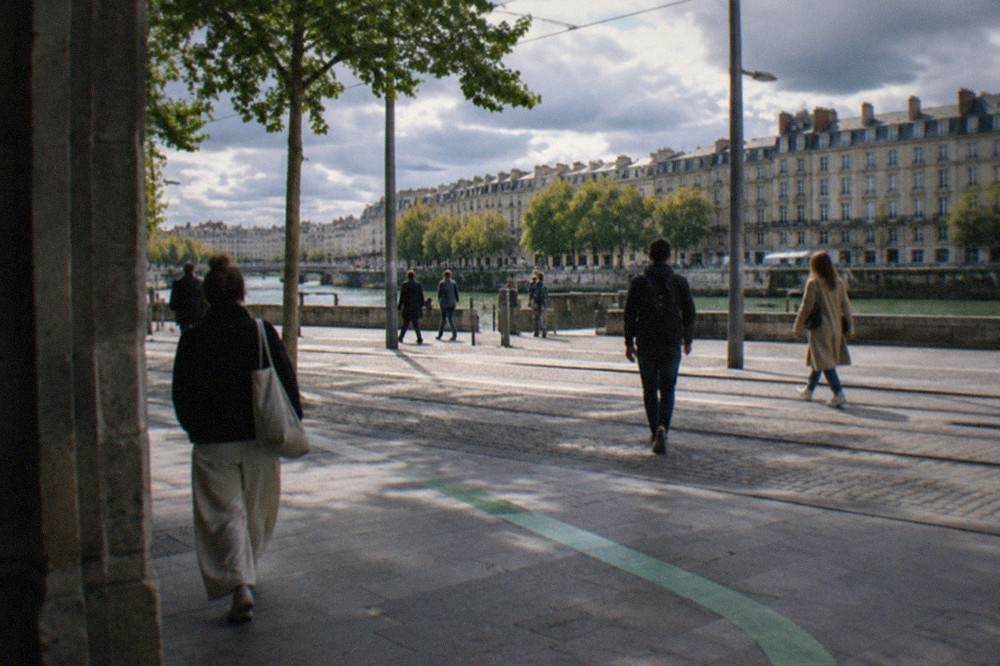
The line is repainted each spring before the edition opens. In April 2026, a tracing report noted 6.3 km of the line repainted among other adjustments, which gives a sense of the annual maintenance operation behind the festival's most famous symbol. Older secondary sources sometimes cite a shorter figure from earlier editions; the network has grown over the years, and the honest answer is "about 20 km", which is how the verified facts file phrases it.
Following the line is self-paced. The route can be walked a segment at a time rather than in full: the historic centre stretch between the Château des ducs de Bretagne and the Graslin quarter takes in a dense run of works, while the stretch out along the Erdre to the Île de Versailles is a quieter, leafier section. The line also connects into the transport network, and the city's trams and Navibus river boats let you skip segments without losing the thread.
A few practical notes worth carrying:
| Practical detail | What to expect |
|---|---|
| Line length | About 20 km (22 km cited on the organisers' own "to see" page; 20.5 km in a 2026 maintenance report) |
| Cost to follow | Free, no ticket required |
| Repainted | Each spring; 6.3 km repainted in April 2026 |
| Best sections on foot | Historic centre (Bouffay, Graslin) and the Erdre riverbank to Île de Versailles |
| Skipping segments | Naolib trams and Navibus river crossings link back onto the line |
The line is also the connective tissue of the whole event. Seasonal venues cluster along it, museums stage their summer exhibitions on it, and the food stops of the parcours sit beside it. If you do nothing else during the festival, walking an hour of the green line will deliver the spirit of the thing.
What Art Went Up For The 2026 Edition Of Le Voyage à Nantes?
The 2026 edition, themed Earth and running 4 July to 6 September 2026, added roughly nine to fourteen new or site-specific works to the parcours. Headline pieces included Théo Mercier's sand sculpture Fossil Opera on Place Graslin, a 14-metre metal palm tree by Louis Guillaume in the château moats, and Barbara Schroeder's six monumental columns at the Jardin Extraordinaire. For the first time, works also reached the cathedral crypts and the Jardin Extraordinaire.
Théo Mercier's Fossil Opera, installed on Place Graslin, evoked archaeology and opera sound, a large sand sculpture sitting in the city's most theatrical square. Ali Cherri's La Machine du Sacré stood on Place Félix Fournier, inspired by a Jules Verne text, a fitting nod for the city where Verne was born in 1828. Louis Guillaume's Notre dit pays, a 14-metre metal palm tree, occupied the moats of the Château des ducs de Bretagne, deliberately displacing a Breton monument with an image of a hotter climate.
Barbara Schroeder's Les Mistériennes brought six monumental columns to the Jardin Extraordinaire, a former quarry on the Butte Sainte-Anne, working with cow dung and earth as materials in keeping with the edition's theme. Anne-Charlotte Finel's video works, including Atlantique, screened in the crypts of the Cathédrale Saint-Pierre-et-Saint-Paul, the first time the festival had used that space; the cathedral itself had only partially reopened to the public on 27 September 2025 after the 2020 fire, with full reopening planned for 2028, so the commission carried real symbolic weight.
Other artists in the 2026 edition included Caroline Le Méhauté with soil-based works at Passage Sainte-Croix, Pierrick Sorin with video in a disused Jardin des Plantes aviary, Edgar Sarin, Dominique Petitgand with a sound work in Square Daviais, and Pauline Barzilaï. Some pieces or their exhibitions extended beyond the official closing date of 6 September, and the Pierrick Sorin work was flagged as potentially longer-term.
| 2026 work | Artist | Location |
|---|---|---|
| Fossil Opera | Théo Mercier | Place Graslin |
| La Machine du Sacré | Ali Cherri | Place Félix Fournier |
| Notre dit pays (14-metre metal palm tree) | Louis Guillaume | Moats of the Château des ducs de Bretagne |
| Les Mistériennes (six columns) | Barbara Schroeder | Jardin Extraordinaire |
| Atlantique and other videos | Anne-Charlotte Finel | Cathedral crypts |
| Soil-based works | Caroline Le Méhauté | Passage Sainte-Croix |
| Video installation | Pierrick Sorin | Disused Jardin des Plantes aviary |
| Sound work | Dominique Petitgand | Square Daviais |
The parcours builds an appetite faster than almost any other way of seeing Nantes, because the line threads the old town's food streets for hours at a stretch. That makes a guided food walk the single most natural pairing with the festival, and it sits alongside two other bookable ways to deepen the route: a private walk with a professional guide, and a Jules Verne-themed outdoor escape game that turns the city Verne grew up in into a puzzle.
The parcours rewards a guide's depth, too. A themed walk with a local expert can layer the city's history beneath the artworks in ways the line alone cannot, and there are options from quick orientation walks to longer private visits:
Where Else Does Le Voyage à Nantes Reach Beyond The Green Line?
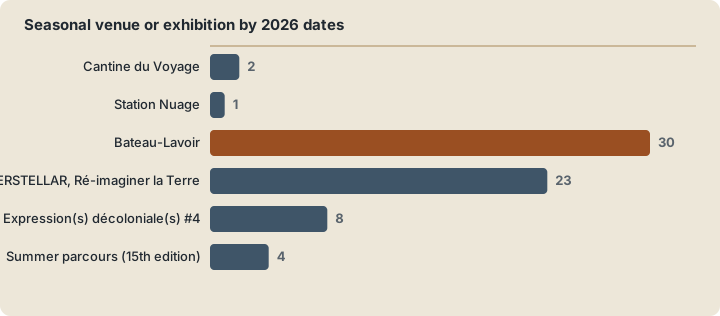
Beyond the line itself, the festival runs a network of seasonal venues, parallel exhibitions and one-night events. In 2026 these included the Cantine du Voyage (2 April to 13 September), the Station Nuage floating pool on the Erdre (1 April to 20 September) and the Bateau-Lavoir (30 March to 11 October), plus the INTERSTELLAR exhibition at the HAB Galerie from 23 May to 27 September 2026, with roughly twenty artists.
The seasonal venues are the festival's social layer. The Cantine du Voyage is a communal open-air restaurant that runs through the warm months, feeding the walkers. The Station Nuage, a floating pool on the Erdre, is the strangest and most beloved of these: swimming in a river is a rare permission in France, and the festival grants it every summer. The Bateau-Lavoir, a wash-boat on the Loire, hosts residents and smaller programmes. Their 2026 seasons staggered around the core July-September window, so the city's festival infrastructure starts waking in late March.
The parallel exhibitions tie the parcours into the institutions. INTERSTELLAR, Ré-imaginer la Terre at the HAB Galerie on the Île de Nantes ran 23 May to 27 September 2026 with about twenty artists, extending past the summer edition's close. Expression(s) décoloniale(s) #4, running 8 May to 8 November 2026 at the Château des ducs de Bretagne and the Mémorial de l'abolition de l'esclavage, brought works by Rosana Paulino, Omar Victor Diop's "Diaspora" and "Liberty" photography series, and texts by historian Lylly Houngnihin into dialogue with the permanent collection on the city's slave-trade past, a subject covered in depth in the Nantes slave trade history guide.
| Seasonal venue or exhibition | 2026 dates | Setting |
|---|---|---|
| Cantine du Voyage | 2 April to 13 September 2026 | Open-air communal restaurant on the parcours |
| Station Nuage | 1 April to 20 September 2026 | Floating pool on the Erdre |
| Bateau-Lavoir | 30 March to 11 October 2026 | Wash-boat on the Loire |
| INTERSTELLAR, Ré-imaginer la Terre | 23 May to 27 September 2026 | HAB Galerie, Hangar à Bananes |
| Expression(s) décoloniale(s) #4 | 8 May to 8 November 2026 | Château des ducs de Bretagne and Mémorial |
| Summer parcours (15th edition) | 4 July to 6 September 2026 | City-wide, along the green line |
The opening night, the Nuit du VAN on 4 July 2026, is the calendar's single big date: one evening when the new works are unveiled at once and the city stays up late around them. Visitors who can time a trip to the first weekend see the parcours at its most festive, though any week in the window delivers the full route.
What Is The History Of Le Voyage à Nantes?
Le Voyage à Nantes was created in 2011, and its summer edition has run every year since 2012, making 2026 the 15th edition. It emerged from a deliberate city strategy that began with Royal de Luxe settling in Nantes in 1989 and Les Machines de l'île opening in 2007 on the former Dubigeon shipyard site, using culture to rebuild the city's identity after deindustrialisation.
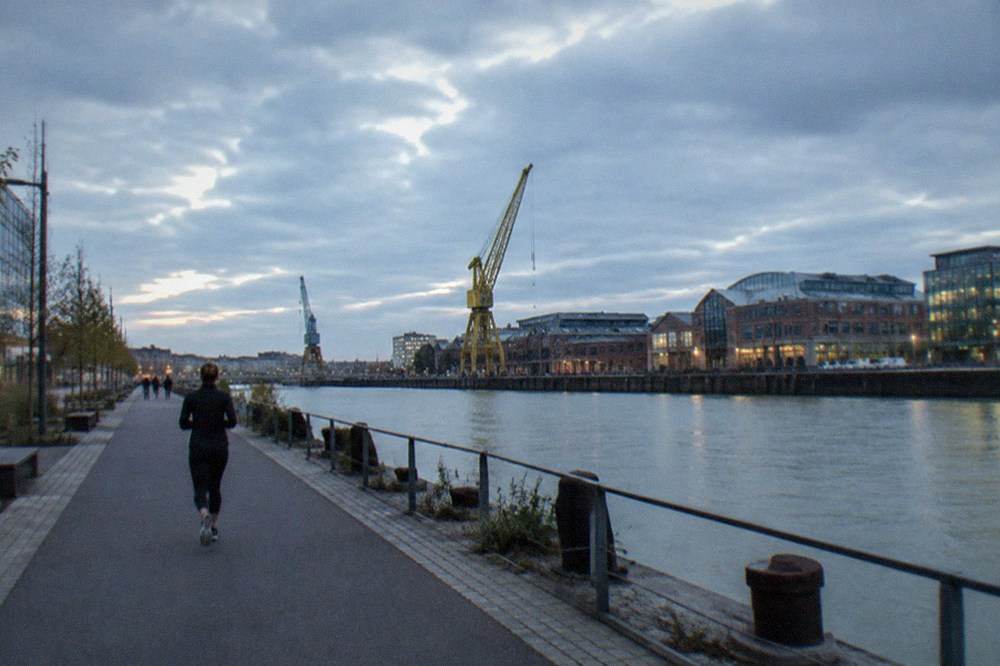
The backstory matters because the festival is not an imported franchise; it is the flowering of a local plant. Nantes was France's great Atlantic port, and the first French slave-trade port, running 1,714 of at least 4,220 French expeditions, some 43% of the French trade, before withdrawing in 1830. When the port economy and heavy industry declined across the 20th century, the city turned to culture as its replacement engine. The LU biscuit factory closed its Nantes site in 1986, and the former factory reopened as Le Lieu Unique, the national theatre and arts centre, at the turn of 2000. Royal de Luxe, the giant-puppet street-theatre company, had been based in the city since 1989.
Les Machines de l'île, inaugurated on 30 June 2007 with the Grand Éléphant, converted the former shipyards of the Île de Nantes into a visitor attraction. Le Voyage à Nantes, created in 2011, took the logic city-wide: rather than one destination, the whole city became the product, with the green line as its wayfinding. Time Magazine had already called Nantes "the most liveable city in Europe" in 2004, a quote the European Commission repeats, and the 2013 European Green Capital award landed two years into the festival's run.
| Year | Milestone |
|---|---|
| 1989 | Royal de Luxe street-theatre company based in Nantes |
| 1999-2000 | Le Lieu Unique opens in the former LU biscuit factory |
| 2007 | Les Machines de l'île inaugurated with the Grand Éléphant |
| 2011 | Le Voyage à Nantes created as an organisation |
| 2012 | First summer edition of the parcours |
| 2013 | Nantes named European Green Capital |
| 2026 | 15th edition, theme Earth, 4 July to 6 September |
The event's history also includes an honest chapter about ambition curbed. The Arbre aux Hérons, a vast planned mechanical tree and heron carousel conceived as a future flagship for the Machines site, was abandoned by Nantes Métropole in September 2023 after costs rose from an initial estimate of around 52 million euros toward 80 million. La Machine, the company behind the Machines, filed suit against the Métropole in December 2025. Only the prototype branch remains visitable. Visitors reading older breathless previews of the Arbre should know it will not be built.
When Is The Best Time To Experience Le Voyage à Nantes?
The summer edition of Le Voyage à Nantes runs from early July to early September each year; in 2026 that was 4 July to 6 September. July and August are the safest months to catch the full parcours, all seasonal venues open and the opening-night energy intact. Early July around the Nuit du VAN is the liveliest moment, while September offers milder walking weather for the straggler exhibitions that extend past the official close.
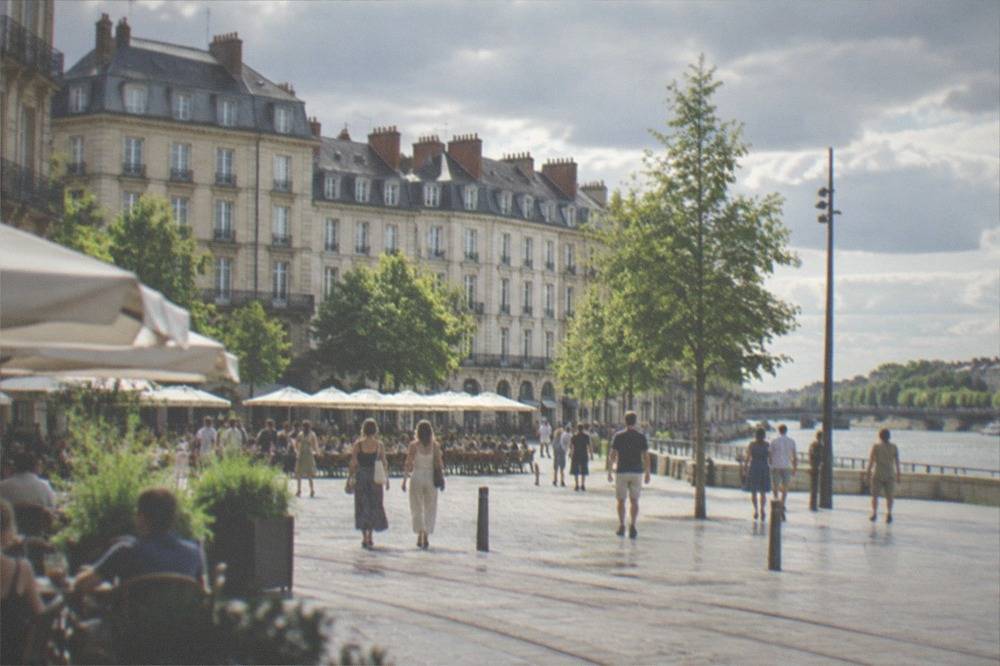
Weather is a genuine consideration for a 20 km walking route. Nantes has a temperate oceanic climate, not a Mediterranean one: Metéo-France's 1991-2020 normals for the Nantes-Bouguenais station give mean daily maxima from 9.3 C in January to 25.4 C in August, and 819.5 mm of rain a year spread across 119.7 days with at least 1 mm. July is both the warmest month (25.1 C mean maximum) and the driest (44.2 mm), which is why the festival calendar sits where it does. June 2026 also rewrote the record book: a new all-time station record of 42.2 C on 24 June 2026, with July 2026 setting a monthly sunshine record of 382 hours, so heat, not rain, has become the thing to plan around. Full details are in the Nantes weather guide.
The wider seasonal picture helps too. The festival overlaps the long days of the French summer holidays, when the city fills with domestic tourists following the line. Late August overlaps with the Rendez-vous de l'Erdre, the free jazz festival that ran 24 to 30 August 2026 along the river, its 40th edition, and returns 23 to 29 August 2027. The two events together make that particular week the densest culture window of the Nantes year. For everything on timing, see the best time to visit Nantes guide.
| Period | What you get |
|---|---|
| Early July (Nuit du VAN opening) | New works unveiled at once, festive opening night |
| Mid-July to mid-August | Full parcours, all seasonal venues open, warmest and driest weather |
| Late August | Overlap with Rendez-vous de l'Erdre jazz festival (2026: 24-30 Aug; 2027: 23-29 Aug) |
| Early September | Milder walking weather, final days of the parcours |
| Mid-September onward | Summer works gone, but extended exhibitions such as INTERSTELLAR (to 27 Sept 2026) still running |
Outside the summer window the city does not go dark. The Marché de Noël, the 26th edition of which runs 19 November to 27 December 2026 on Place Royale and Place du Commerce, is the winter counterpart that keeps the festival-maker's instincts alive in the cold months, and La Folle Journée, the classical festival founded in 1995, next runs 27 to 31 January 2027 with the theme "Galaxie Beethoven".
How Much Does Le Voyage à Nantes Cost?
The parcours itself costs nothing: following the green line and viewing the public artworks is free, and so is entry to the Château's courtyards and ramparts. Costs come from the optional layers: museum entry at the Musée d'histoire de Nantes and the Musée d'arts, the Machines de l'île attractions, and food, with restaurant meals in Nantes generally inexpensive.
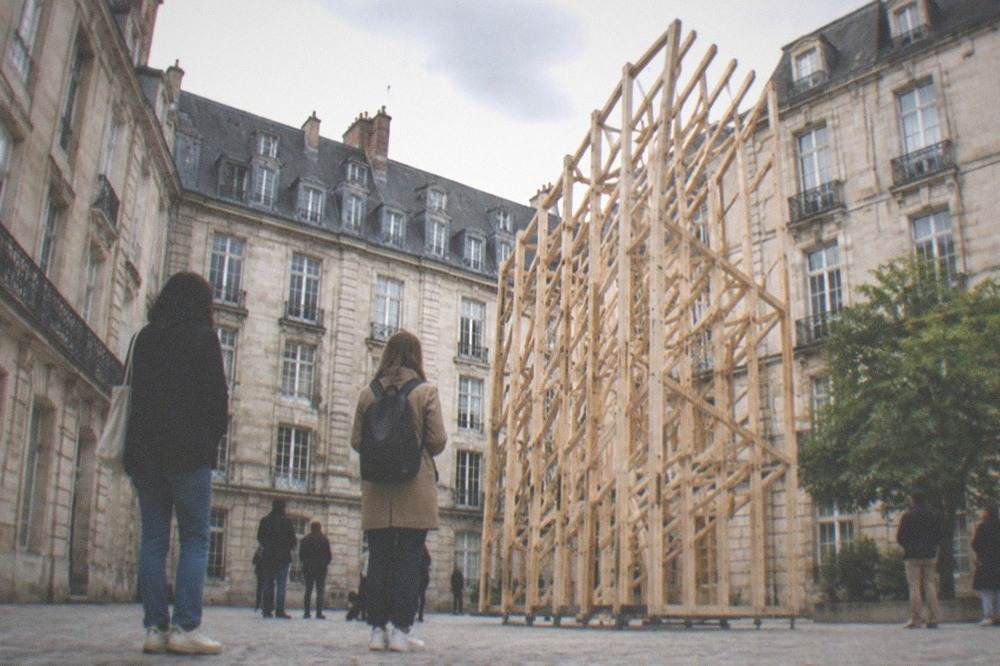
This is why the event is a budget traveller's dream. The free core is genuinely large: the line, the outdoor commissions, the cathedral (free entry, though hours follow the restoration works ongoing to 2028), the Mémorial de l'abolition de l'esclavage (free, daily 9:00-18:00 in the cooler season and to 20:00 in summer, closed during Loire floods), the Jardin des Plantes and the Île de Versailles, all cost nothing. Several of the paid add-ons can be covered by the Pass Nantes, whose 2026 prices run from 30 EUR for 24 hours to 75 EUR for seven days at full rate, and which includes the château museum, the Galerie des Machines and the Carrousel, but not the Grand Éléphant ride. The full comparison lives in the Pass Nantes guide.
For the food layers, the Cantine du Voyage keeps the festival's own table affordable, and the surrounding city eats well at every level. Planning the edible side of the trip is its own project, covered in the Nantes food guide. If you want the walking and the eating handled together, a guided old town food walk is the natural pairing:
And if art-viewing builds an appetite the line cannot satisfy, the budget picture in full is laid out in the Nantes on a budget guide, alongside the free options in the free things to do in Nantes guide.
How Do You Plan A Day Around Le Voyage à Nantes?
A good single-day plan follows the line from the Château des ducs de Bretagne through the Bouffay old town to Graslin, crosses to the Île de Nantes for the Machines and the Hangar à Bananes, and ends on the Erdre at the Station Nuage. Start early to beat both crowds and summer heat, keep museum stops to two, and let the line rather than a map set the order, because the parcours is designed to be followed rather than engineered.
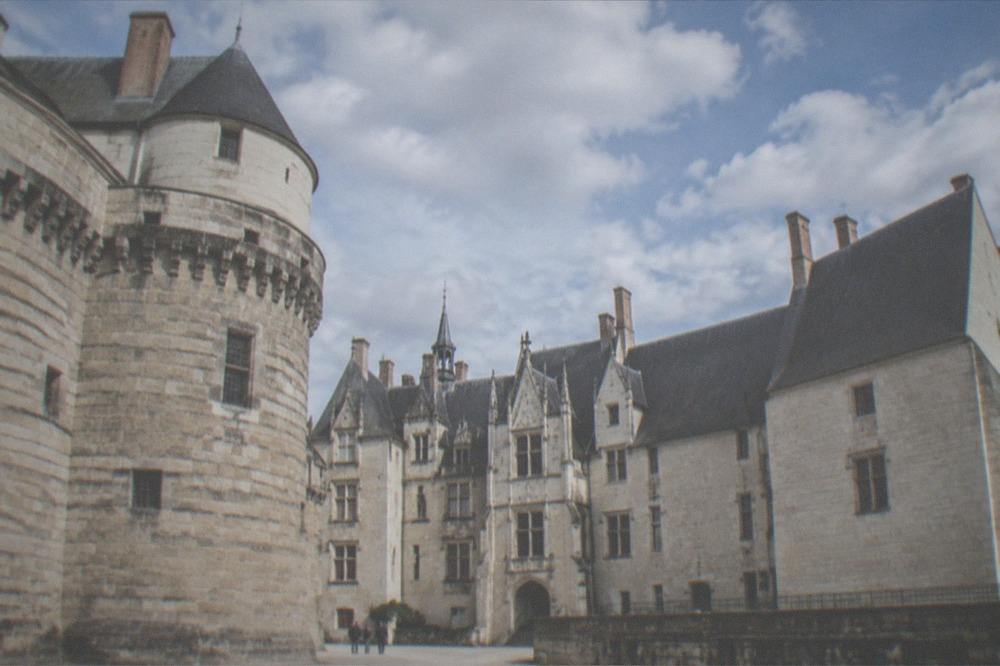
Morning belongs to the historic core. The château's free courtyard opens at 8:30 (to 19:00, and to 20:00 in July and August), and the moats, which in 2026 held the 14-metre metal palm tree of Louis Guillaume's Notre dit pays, are free from 8:00. The Musée d'histoire de Nantes inside opens 10:00 to 18:00, closed Mondays, at 9 EUR full. From there the line threads the Bouffay quarter past the cathedral, where the works since 27 September 2025 have stood in a building still under restoration toward 2028.
Midday is Graslin and food. Place Graslin hosted Théo Mercier's sand sculpture in 2026, and the Passage Pommeraye, the 1843 shopping arcade that the facts file describes as unchanged, sits one street off. The Cantine du Voyage or the old town's crêperies and bouchons cover lunch; for the full shortlist, the best restaurants in Nantes guide is the reference.
Afternoon crosses the Loire. On the Île de Nantes, the Machines de l'île (each attraction 12 EUR full, day packages 20 EUR for two and 29 EUR for three) and the Hangar à Bananes waterfront give the industrial half of the parcours; note that no elephant rides run from 2 November 2026 to 28 February 2027 for maintenance, so plan around that window if the Grand Éléphant is the goal. Evening, if the season is right, is the Erdre: the Station Nuage pool (2026 season 1 April to 20 September) and the riverside guinguettes.
A loose framework, using only figures the pack gives for this city:
| Time of day | Where | Cost basis |
|---|---|---|
| Morning | Château courtyard and moats, then Bouffay and the cathedral | Free (courtyard, moats, cathedral) |
| Midday | Graslin quarter, Passage Pommeraye, lunch on or off the line | Food costs only |
| Afternoon | Île de Nantes: Machines de l'île and Hangar à Bananes | 12 EUR per attraction full price, or day packages 20/29 EUR |
| Evening | Erdre riverbank, Station Nuage, guinguettes in season | Pool entry modest; check at the pontoon |
Families should not assume contemporary art means child-hostile. The Machines quarter alone makes the day with children viable, and the Jardin des Plantes and Île de Versailles give green breathing space; the practical combinations are in the wider things to do in Nantes round-up, and sleeping arrangements in where to stay in Nantes.
What Should You Know Before Following The Green Line?
Bring walking shoes and water, because the line is about 20 km end to end and the Nantes summer of 2026 produced both a 42.2 C record on 24 June and a July sunshine record of 382 hours. Check the edition's dates before booking, because the parcours only runs roughly July to early September. Expect some works to be closed, fenced or still under wraps, since the city openly describes its restoration sites as open chantiers, and treat the event as an open-air museum with living, changing rooms.
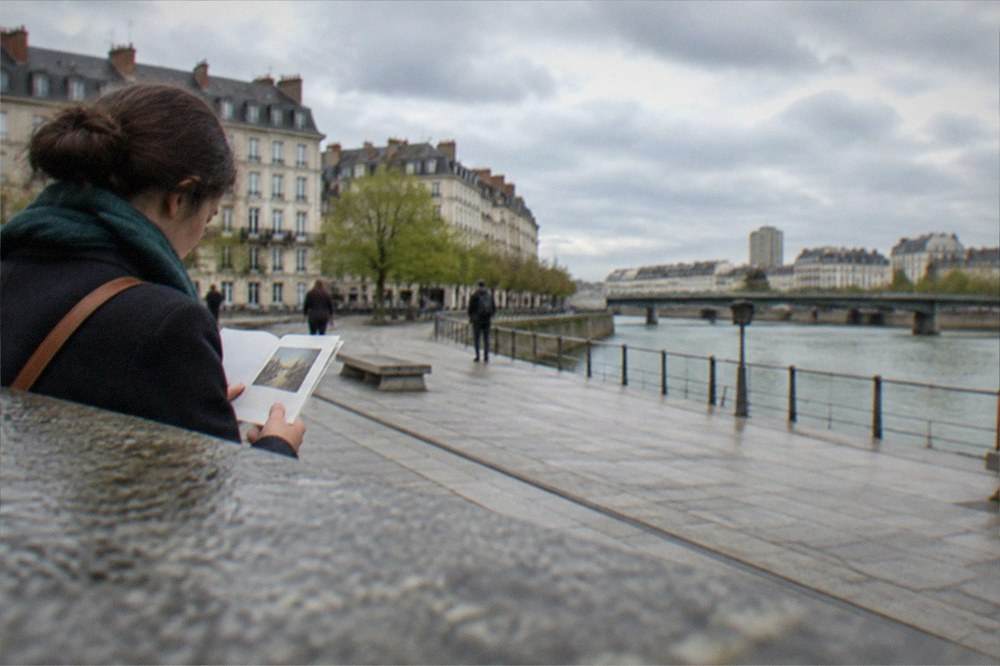
The first practical habit is checking the current edition's dates. The rule, not a guess: the summer edition runs early July to early September (2026: 4 July to 6 September). Arrive in late June and the line may be freshly painted but the works not yet unveiled; arrive in late September and the temporary layer has gone, though extended exhibitions can still run into late September, as INTERSTELLAR did to 27 September 2026.
The second is heat planning. The 2026 summer rewrote Nantes records, with 42.2 C on 24 June 2026 the new all-time station high, 40.4 C on 13 August 2026 an August record, and 40 days at or above 30 C through late July. A 20 km walking route in that context means early starts, shaded segments, and using the river sections in the late afternoon.
The third is pairing the free parcours with paid depth sensibly. Two museums in a day is plenty alongside the walking, and the Pass Nantes arithmetic only pays if the transport and attraction inclusions match your plan. The decision framework for that is in the Pass Nantes guide, and the practicalities of getting around, trams, Navibus river boats and the free weekend network, in getting around Nantes.
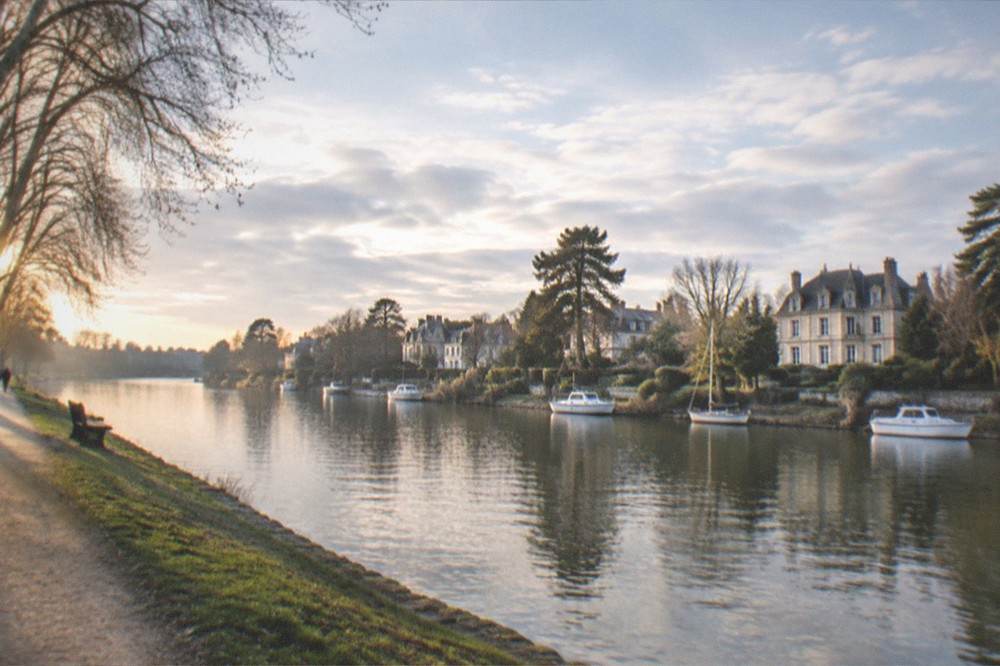
Finally, let the line surprise you. Part of the event's design is that it leads you into quarters the standard tourist route skips: the Butte Sainte-Anne's Jardin Extraordinaire, the quiet Erdre banks, the industrial bones of the Île de Nantes. The green line is a promise that the city has been thought about, and following it is the cheapest and best way to see what fifteen editions of thinking have produced. This Nantes Travel Guide site exists for the rest: the museums, the day trips, the food, and every answer in between.
Common Questions About Le Voyage à Nantes
What Is Le Voyage à Nantes?
A free summer art event in Nantes, western France, running every year since 2012. It places contemporary artworks along a painted green line of about 20 km through the city, alongside seasonal venues and parallel exhibitions. The 2026 edition, the 15th, ran 4 July to 6 September 2026.
Is Le Voyage à Nantes Free?
Yes, the parcours is free: the green line, the outdoor artworks and the public spaces cost nothing. Optional layers such as museum entry, the Machines de l'île attractions and food venues are paid, and a Pass Nantes from 30 EUR for 24 hours covers several of them.
How Long Is The Green Line In Nantes?
About 20 km, which is the phrasing the verified facts file uses. The organisers' own listing has cited 22 km, and a 2026 maintenance report measured the network at 20.5 km, so figures vary slightly by source and edition.
When Does Le Voyage à Nantes Run Each Year?
Roughly early July to early September. The 2026 edition ran 4 July to 6 September 2026. Check the current edition's dates before booking, since the parcours only exists inside that window, though some exhibitions extend past it.
What Was The Theme Of Le Voyage à Nantes 2026?
Earth. It was the first year of a four-year cycle on the elements, and it produced works including Théo Mercier's Fossil Opera on Place Graslin and a 14-metre metal palm tree in the château moats by Louis Guillaume.
Do The Artworks Stay After The Festival Ends?
Many do. A large share of the commissions from past editions have become permanent public artworks in Nantes, so visitors arriving outside the summer window still see a cityscape shaped by the event, though the temporary works and seasonal venues are removed.
If the free parcours leaves you wanting a structured activity for another day, the Jules Verne escape game is the most Nantes-flavoured option on the roster, sending players through the streets of the city where Verne spent his childhood.
For one final side-by-side, here are the three bookable pairings that best match a green-line trip: the old town food walk, the private walking tour with a professional guide, and the Jules Verne escape game.