Nantes Cathedral
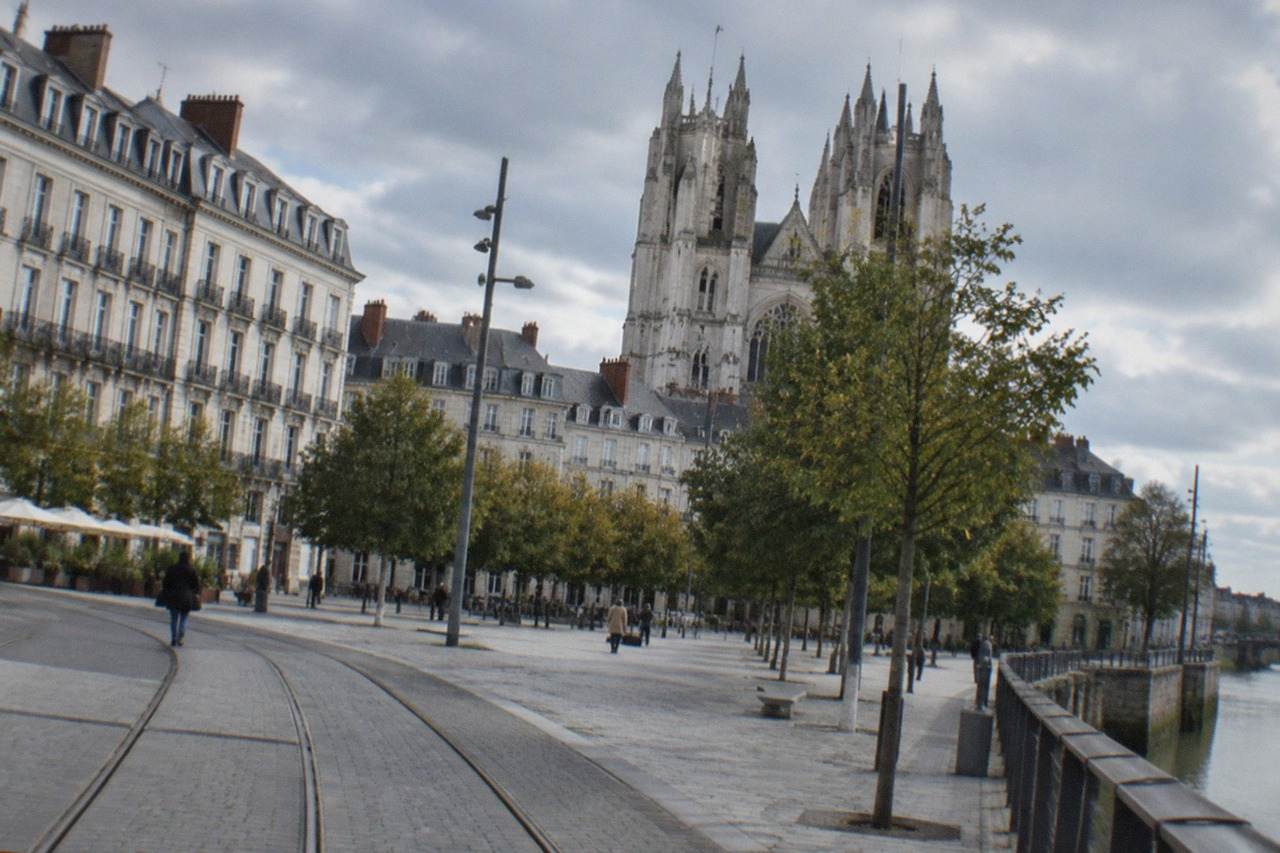
Nantes Cathedral, formally the Cathedral Saint-Pierre-et-Saint-Paul, is the largest religious building in western France, and after five years of restoration it partially reopened its doors on 27 September 2025.
Short answer
Nantes Cathedral, the Cathedral Saint-Pierre-et-Saint-Paul in the Loire-Atlantique department of western France, partially reopened on 27 September 2025 after the July 2020 arson fire. Entry is free, the nave, choir and tomb effigies are viewable, and full completion of the works is projected for 2028.
Nantes Cathedral, formally the Cathédrale Saint-Pierre-et-Saint-Paul, stands in the Loire-Atlantique department of the Pays de la Loire region of western France, a short walk from the Château des ducs de Bretagne and the Bouffay old town. It is the largest religious building in western France, and its recent history has been dramatic: an arson fire on 18 July 2020 destroyed the grand organ and badly damaged the western massif, the cathedral then closed for roughly five years, and it partially reopened to the public on 27 September 2025. Works continue on an open-site basis, with full completion projected for 2028. This guide sets out what the cathedral is, what you can see inside it today, what the restoration still involves, and how the story of this remarkable building fits into the wider history of Nantes.
What Is The Cathedral Saint-Pierre-et-Saint-Paul In Nantes?
The Cathedral Saint-Pierre-et-Saint-Paul in Nantes is a gothic cathedral in the historic centre of Nantes, France, begun in 1434 and completed in 1891 after 457 years of intermittent works. It is the seat of the Diocese of Nantes, the largest religious building in western France, and the burial place of the tomb of Francis II, Duke of Brittany, a Renaissance masterpiece by the sculptor Michel Colombe. Entry is free, and the building anchors a cluster of sights that includes the château of the dukes of Brittany, the Bouffay quarter and the Jardin des Plantes a short tram ride away.
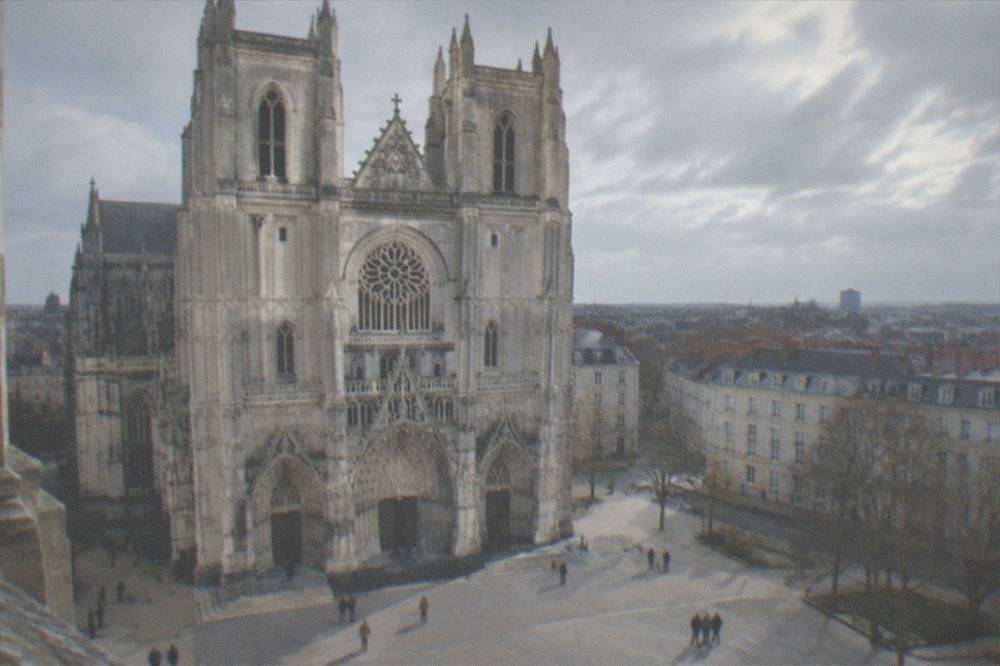
The cathedral's scale is the first thing any visitor registers. Its white limestone, quarried locally, gives the interior a luminosity unusual for a French gothic church, and its vaults rank among the highest in the country. The building sits at the eastern edge of the old town, close to where the medieval walls once ran, and its towers have served as a landmark for river traffic on the Loire since the late Middle Ages. The neighbouring place Saint-Pierre, between the facade and the Loire, frames the west front and gives the building its ceremonial approach.
Its story is inseparable from the story of the city itself. Nantes grew rich on river trade, became the principal port of the dukes of Brittany, and then, from the mid-17th century to 1830, the leading French slave-trading port: 1,714 recorded expeditions, 43% of the French trade, as the Mémorial de l'abolition de l'esclavage documents a short walk away on the quai de la Fosse. The cathedral witnessed all of it, from ducal ceremony to revolution to the Allied bombing raids of September 1943 and 1944 that scarred the surrounding streets.
That layered history is why the building rewards more than a flying visit. A first page of search results will tell you the cathedral is old and big. The details that matter, the 457-year construction, the 1972 roof fire that already destroyed one historic frame, the 2020 arson and the 2025 reopening, are what turn a photograph stop into an understood monument.
When Did The Nantes Cathedral Reopen After The 2020 Fire?
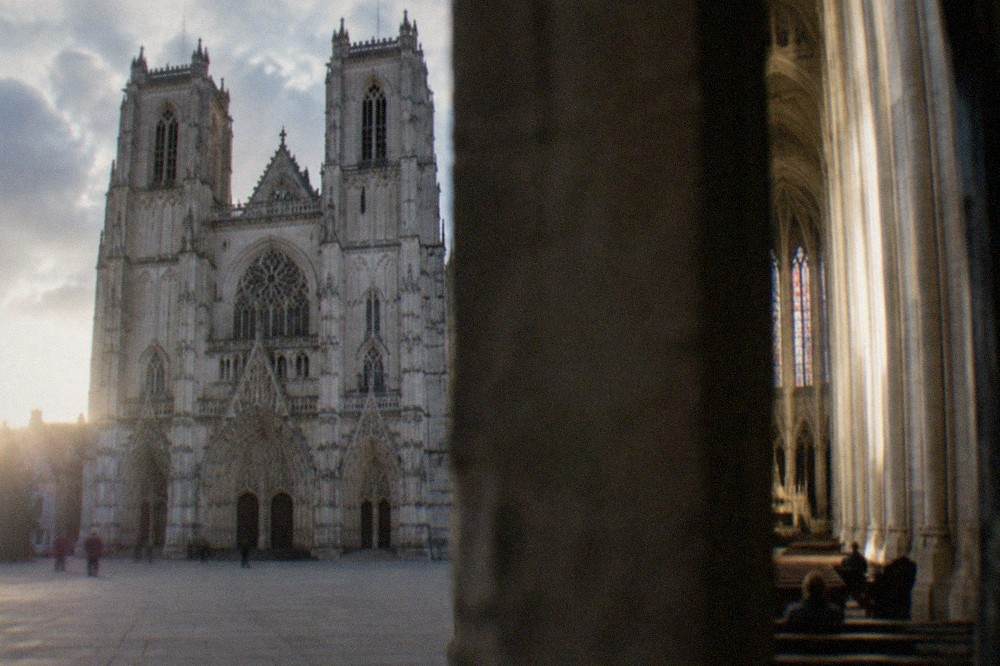
Nantes Cathedral partially reopened to the public on 27 September 2025, with ceremonies across 27 and 28 September 2025, roughly five years after the arson fire of 18 July 2020. The restoration, fully funded by the French State through DRAC Pays de la Loire at a cost reported at around 32 to 35 million euros, is not finished: works continue on an open-site basis, the western facade remains under scaffolding up to about 41 metres high, and full completion is projected for 2028.
The fire of July 2020 was the cathedral's second major blaze in half a century. The 1972 fire destroyed the 16th-century roof frame; the 2020 fire destroyed the grand tribune organ, an instrument dating from 1619, and left the western end of the building, including the original large stained-glass window, badly damaged. What followed was a closure measured in years, not months, and a phased recovery that the reopening ceremonies of September 2025 marked only in part.
The current state of the works is a moving picture, so treat any status as dated rather than permanent:
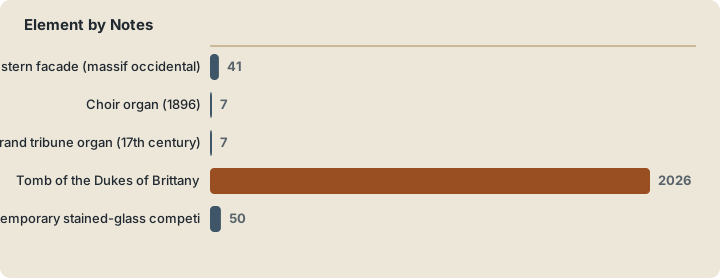
| Element | Status as of late 2026 | Notes |
|---|---|---|
| Nave, choir, transept | Open | General access for visits and worship, free entry |
| Western facade (massif occidental) | Under major scaffolding since summer 2025 | Scaffolding to about 41 m; stone replacement of roughly 90% of affected stones |
| Choir organ (1896) | Restored and in use | Reawakened at the reopening; inaugural concert 7 December 2025 |
| Grand tribune organ (17th century) | Destroyed, replacement planned | New instrument estimated at around 7 million euros; installation not before 2028 |
| Tomb of the Dukes of Brittany | Effigies viewable since about 20 February 2026 | Full reinstallation expected by end of 2026 |
| Contemporary stained-glass competition | Launched around May 2026 | For the high bay and triforium bays, roughly 50 m² total; submissions closed 10 July 2026 |
The western facade is the biggest remaining piece of work. Reporting on the restoration describes extensive stone replacement running to hundreds of cubic metres, plus consolidation of the vaults and key structural elements. Meanwhile, the public competition for contemporary stained glass in the western bays, launched in spring 2026, signals that the rebuilt west end will carry modern glazing rather than a reconstruction of what was lost, a decision that has generated genuine debate in the heritage world.
Access during the works runs through the side and lateral portals rather than the west front. The crypts are under redevelopment, and some liturgical furnishings, including the northern choir stalls, were scheduled for reinstallation in early 2026. None of this prevents a full walk through the interior: the nave, choir, transept, side chapels and ambulatory all remain usable, and restored artworks hang in the open spaces.
What Can You See Inside The Nantes Cathedral In 2026?
Inside Nantes Cathedral in 2026 you can walk the luminous white nave, the choir and the transept freely, view the restored paintings and the choir organ of 1896, and see the Renaissance tomb effigies of Francis II and Marguerite de Foix, visible to the public since around 20 February 2026 while their base and structure continue treatment. Entry is free, access runs through the side portals, and the western facade remains behind scaffolding.
The nave is the interior's showpiece. Soaring columns of pale limestone carry vaults among the highest in France, and the light that floods through the clerestory gives the space the brightness that generations of writers have compared to a hall of white stone. The cathedral's length and vertical reach reward a slow walk from the western bays towards the choir, pausing to look back at the scaffolding visible through the open site of the massif occidental.
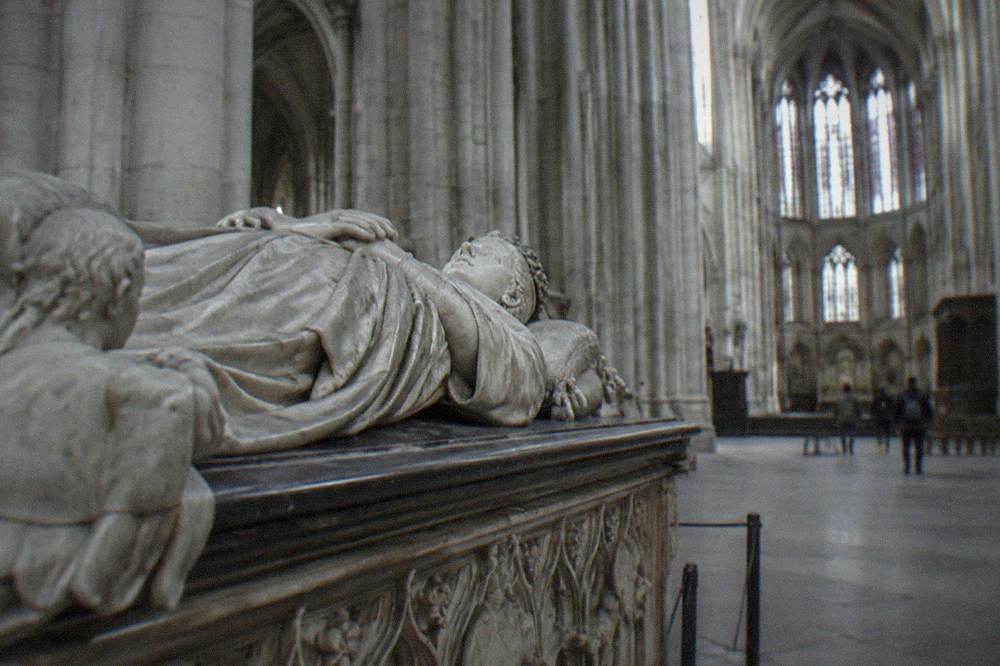
The tomb of the Dukes of Brittany is the single most celebrated artwork in the building. Commissioned for Francis II, the last independent duke of Brittany, and his wife Marguerite de Foix, it was carved by Michel Colombe and is regarded as a masterpiece of Renaissance sculpture. Its history mirrors the building's: a planned restoration was delayed by the 2020 fire, archaeological work accompanied the dismantling, and the gisant effigies returned to public view in February 2026. The carved figures of the four cardinal virtues at the corners, Justice, Fortitude, Temperance and Prudence, are the detail connoisseurs come for.
Around the tomb and along the aisles, the restored artworks and side chapels fill out the visit. The choir organ, restored after the fire, sounds at services and concerts; an inaugural concert marked its return on 7 December 2025. Guided tours and audio guides are available, and the building remains a working cathedral, so services can adjust visiting access at any time.
Those three options are the natural companions to a cathedral visit: the photo-spots walk for the building's most shareable angles, the longer private format for depth, and the ticketing product for straightforward entry logistics. All three cover the cathedral district alongside the surrounding sights.
How Long Did The Nantes Cathedral Take To Build?
The gothic cathedral of Nantes took 457 years to build, from the start of the gothic rebuild in 1434 to its completion in 1891. That extraordinary span, the result of interrupted funding, wars of religion, revolutions and shifting priorities, left the city with a building whose west towers were only finished at the end of the 19th century, and it is one of the longest construction sagas in French architectural history.
The timeline explains the building's strange stylistic blend. The core gothic fabric, whose rebuild began in 1434, sits alongside Flamboyant detailing, Renaissance elements such as the Colombe tomb, and 19th-century completions that were themselves partly repair work after earlier damage. Some source pages misprint the completion year as 1881; the arithmetic of the 457 years from 1434 gives 1891, and the safe phrasings are 1891 or the late 19th century.
| Year | Event in the cathedral's construction and history |
|---|---|
| 1434 | Gothic rebuild of the earlier church begins |
| 1466 | Francis II, Duke of Brittany, starts rebuilding the Château des ducs de Bretagne nearby; ducal patronage shapes the district |
| 25 January 1477 | Anne of Brittany born at the château of Nantes, daughter of Francis II |
| 1532 | Union of the Duchy of Brittany with the kingdom of France, sealing the world the Colombe tomb commemorates |
| April 1598 | The Edict of Nantes signed by Henri IV at the château, ending the wars of religion that had stalled building works across France |
| 1944 | Cathedral partly damaged by the 1944 Allied bombings of Nantes |
| 1972 | Fire destroys the 16th-century roof frame |
| 18 July 2020 | Arson fire destroys the grand tribune organ, dating from 1619, and damages the western end |
| 27 September 2025 | Partial reopening to the public |
| 2028 | Projected full completion of the post-fire restoration |
Two world wars and two fires punctuate the modern chapter. The September 1943 Allied bombings devastated the surrounding city, as the guide to Nantes history details, and the 1944 raids damaged the cathedral itself. The 1972 fire, which destroyed the Renaissance roof, was long the building's most famous disaster until 2020. In that longer perspective, the current restoration is the third major rebuild of the cathedral's fabric in eight decades, and the second in fifty years.
The completion of 1891 also explains the west front you see today. The towers and the western massif were shaped by 19th-century hands working to medieval intentions, which is one reason the fire damage there in 2020 required such an extensive programme of stone replacement: the replacement programme reported in the current works runs to roughly 90% of the affected stones.
What Does The Nantes Cathedral Cost To Visit?
Entry to Nantes Cathedral is free: the cathedral charges no admission fee, and no price rise or ticketing change has been reported since the September 2025 reopening. Guided tours and audio guides are available inside, and the surrounding sights split between free public spaces, such as the Château des ducs de Bretagne courtyard and ramparts, and paid museums, which run from 4 euros at the Musée Jules Verne to 9 euros at the Musée d'Arts de Nantes at full tariff.
The free entry is worth stating plainly because visitors often assume a building of this scale charges. It does not. What costs money in the surrounding district are the museums, and their tariffs, all published by the venues themselves, cluster in a narrow band:
| Sight near the cathedral | Full tariff | Reduced tariff | Free conditions |
|---|---|---|---|
| Nantes Cathedral | Free | Free | Open to all |
| Musée d'histoire de Nantes (Château des ducs de Bretagne) | 9 EUR | 5 EUR | Under 18s; first Sunday of the month Sept-June |
| Musée d'Arts de Nantes | 9 EUR | 4 EUR | Under 18s; first Sunday Sept-June; Thursday 19:00-21:00 |
| Musée Jules Verne | 4 EUR | 1.50 EUR | First Sunday Sept-June |
| Musée Dobrée | 9 EUR | 6 EUR | Under 26s; free first Sunday of some months |
| Château courtyard and ramparts | Free | Free | Open to all, 8:30-19:00 daily |
Two passes change the economics for longer stays. The Pass Musées at 15 euros covers a year of unlimited access to the metropolitan museums listed above, and the city's tourist pass adds transport and partner entries, as the Pass Nantes guide explains. If the cathedral anchors a wider museum-heavy itinerary, the maths of a pass versus individual tickets is worth doing before you buy anything at the door.
For tours that include the cathedral and the surrounding streets, prices render from live listings rather than being typed into articles like this one. The photo-spots walk with a local is the natural fit for visitors who want the cathedral district plus the Passage Pommeraye and the quaysides in a single guided outing: Check availability.
What Is The Tomb Of Francis II Inside The Nantes Cathedral?
The tomb of Francis II inside Nantes Cathedral is the marble Renaissance monument of Francis II, Duke of Brittany, and his wife Marguerite de Foix, carved by Michel Colombe and regarded as a masterpiece of Renaissance sculpture. Its gisant effigies have been visible to the public since around 20 February 2026, after a restoration delayed by the 2020 fire, and the full reinstallation of the monument, including its treated base and structure, is expected by the end of 2026.
Francis II ruled Brittany from the château a few hundred metres away, the fortress whose own story the Château des ducs de Bretagne guide tells. His daughter Anne, born at the château on 25 January 1477, would marry two kings of France, and the duchy's union with the kingdom followed in 1532. The tomb commissioned in his memory stands at the crossing of French and Breton history: a ducal monument, carved by a Touraine sculptor, inside a French gothic cathedral.
The carving rewards close looking. The two gisants, the reclining effigies of the duke and duchess, lie with their hands in prayer, dressed in the court dress of their era. At the corners, four small figures of the cardinal virtues, Justice, Fortitude, Temperance and Prudence, wear the delicate, mobile drapery that made Colombe's reputation. The monument's contrast of black marble and white alabaster is a Renaissance signature rather than a gothic one, and it announces the new artistic order arriving in Nantes just as the medieval duchy was disappearing into France.
The restoration has been an event in itself. The dismantling of the tomb, planned before the fire but delayed by it, was accompanied by archaeological study of the structure. Desalination and treatment of the base have continued in 2026 while the effigies stood back on public view, so the visitor in late 2026 sees a monument in two states at once: the carved figures fully present, the foundations of the ensemble still in the conservators' hands. By the end of the year, if the programme holds, the tomb will be whole again for the first time since 2020.
What Else Can You See Near The Nantes Cathedral?
Within a short walk of Nantes Cathedral you can visit the Château des ducs de Bretagne with its history museum and free ramparts, the Passage Pommeraye shopping gallery of 1843, the Bouffay old town, the Place Royale and the Théâtre Graslin quarter, the Musée d'Arts de Nantes, and the Mémorial de l'abolition de l'esclavage on the quai de la Fosse. The cathedral sits at the eastern edge of the historic core, so nearly every major sight of central Nantes lies within easy reach on foot.
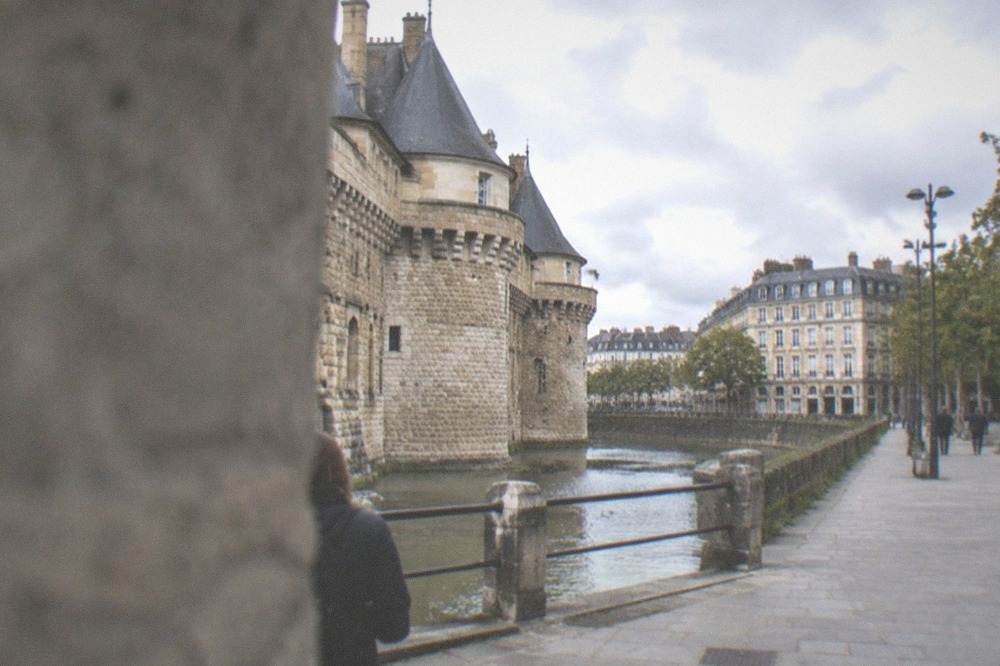
The château is the obvious pairing. Fifteen minutes of castle and cathedral in one stretch covers the two great monuments of ducal Nantes: the fortress begun by Francis II in 1466 and the church where his tomb stands. The courtyard, ramparts and moat garden are free and open daily, and the Musée d'histoire de Nantes inside, 32 rooms and more than 1,150 objects, tells the whole arc from the medieval duchy through the slave trade to the modern city.
| Sight | Segment of the visit | Tariff basis |
|---|---|---|
| Château des ducs de Bretagne | Ramparts, moat garden, history museum | Courtyard and ramparts free; museum 9 EUR / 5 EUR |
| Bouffay old town | Medieval streets, half-timbered houses, eateries | Free public space |
| Passage Pommeraye | 1843 shopping gallery across three floors on a slope | Free to enter, shops within |
| Place Royale and Graslin | Squares, opera house, brasseries including La Cigale | Free public space |
| Musée d'Arts de Nantes | Fine arts collection, free Thursday evenings 19:00-21:00 | 9 EUR / 4 EUR |
| Mémorial de l'abolition de l'esclavage | Quayside memorial on the old slave-trade waterfront | Free |
| Jardin des Plantes | One of France's notable botanical gardens | Free |
West of the cathedral, the old town falls away towards the river in a sequence of quarters each with their own character, as the areas of Nantes guides describe. The Mémorial de l'abolition de l'esclavage, on the same quays the slave ships left from, is the sobering counterweight to the cathedral's grandeur and belongs in any serious visit to the city. South across the Loire, the Île de Nantes with Les Machines de l'île and the Hangar à Bananes completes the modern city.
When Is The Best Time To Visit The Nantes Cathedral?
The best time to visit Nantes Cathedral is outside the July and August heat peaks and outside major services, with April to June and September to October offering the most reliable balance of mild weather and lighter crowds in the Pays de la Loire. The cathedral's climate context is temperate oceanic, not Mediterranean: Meteo-France normals for the Nantes-Bouguenais station give mean maximums from 9.3 C in January to 25.4 C in August, so the interior is coolest and brightest in late spring and early autumn.
The weather framing matters more than visitors expect. The cathedral is a stone box without modern climate comfort, and a July afternoon in Nantes, where the mean maximum is 25.4 C and recent summers have pushed far higher, can make the interior sweltering. The 40 days at or above 30 C recorded in the city in 2026, and the new all-time station record of 42.2 C on 24 June 2026, are reminders that summer visits should aim for morning hours.
| Season | Mean maximum in Nantes | Notes for a cathedral visit |
|---|---|---|
| Spring (Mar-May) | 13.5 to 19.6 C | Long light, mild interior, good combined walking days |
| Summer (Jun-Aug) | 23.0 to 25.4 C | Heat peaks, morning visits best, tourist season at its fullest |
| Autumn (Sep-Oct) | 22.4 to 17.6 C | Mild, quieter, September the standout month |
| Winter (Nov-Feb) | 9.8 to 10.5 C | Cool interior, low light on the white stone, organ concerts around the festive market |
Day of the week matters as much as month. The cathedral is a working place of worship, so services, concerts and liturgical events can adjust or close visiting access without much notice. The works still in progress on the western facade also mean the building's appearance changes between visits; the stained-glass competition of 2026 and the organ project due after 2028 will each transform the west end in turn. If a particular element matters to you, the restored choir organ, the returning tomb, the facade free of scaffolding, check the current state before you travel, since the restoration is a moving picture by design.
How Does The Nantes Cathedral Compare To Other Great French Cathedrals?
Nantes Cathedral differs from the great northern French cathedrals in three ways: it took 457 years to complete against the far shorter single-era builds of the classic gothic cathedrals of the north, it carries a ducal Renaissance tomb rather than a royal necropolis, and it belongs to the Breton-Loire cultural world rather than the royal domain of the Ile-de-France.
Its white limestone and exceptional vault height make it the western counterpart of the gothic cathedrals of the north, while its history ties it to Brittany's last independent court.
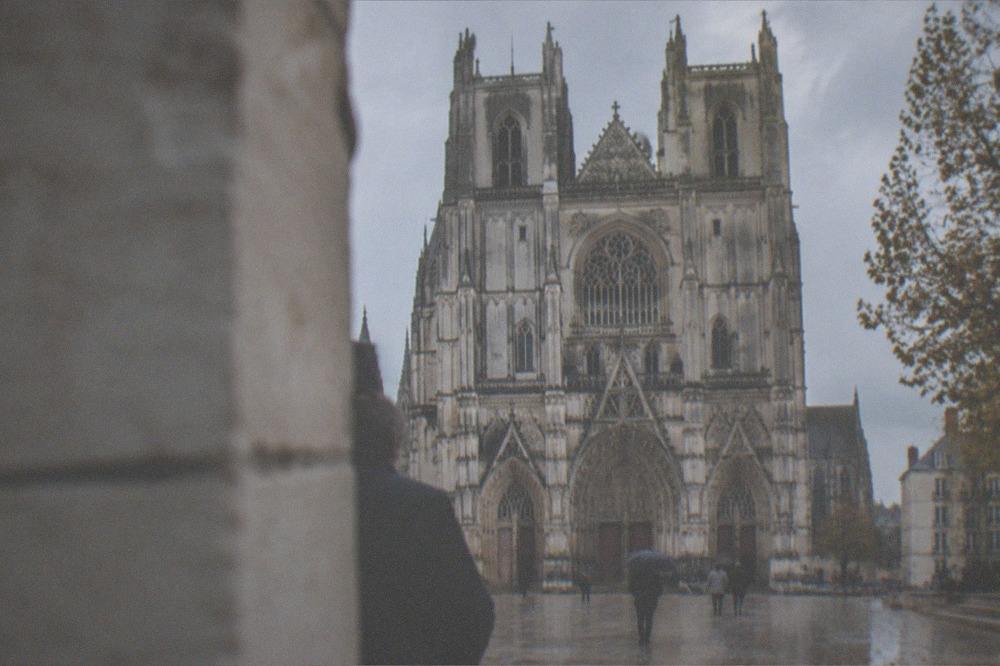
The comparison with Chartres, Reims or Amiens is the one travelling visitors reach for. Those cathedrals of the royal north were built fast and whole, within a single confident creative era of the gothic age. Nantes began its gothic rebuild in 1434, on the very late edge of the style, and finished in 1891, when the Eiffel Tower was already standing. The result is a building without the stained-glass cycles of the classic cathedrals, its glazing repeatedly lost to fire and war, but with an interior luminosity and a vault height that rival them all.
The tomb is the other differentiator. The northern cathedrals hold royal remains; Nantes holds the monument of the last independent duke of Brittany, a man whose dynasty ended when his daughter Anne married the king of France. The tomb of Francis II is to Nantes what the royal necropolis of Saint-Denis is to Paris: the sculptural statement of a political order that passed. This Breton story, and the questions it still raises, run through the guide to whether Nantes is in Brittany.
For most visitors, the practical difference is simply this: Nantes Cathedral is in a walkable, mid-sized city where the cathedral, castle, old town and riverfront fit inside a compact day, as the one day in Nantes itinerary shows. The great northern cathedrals command their towns; Nantes Cathedral shares its city with equals.
What Tours Cover The Nantes Cathedral And The Old Town?
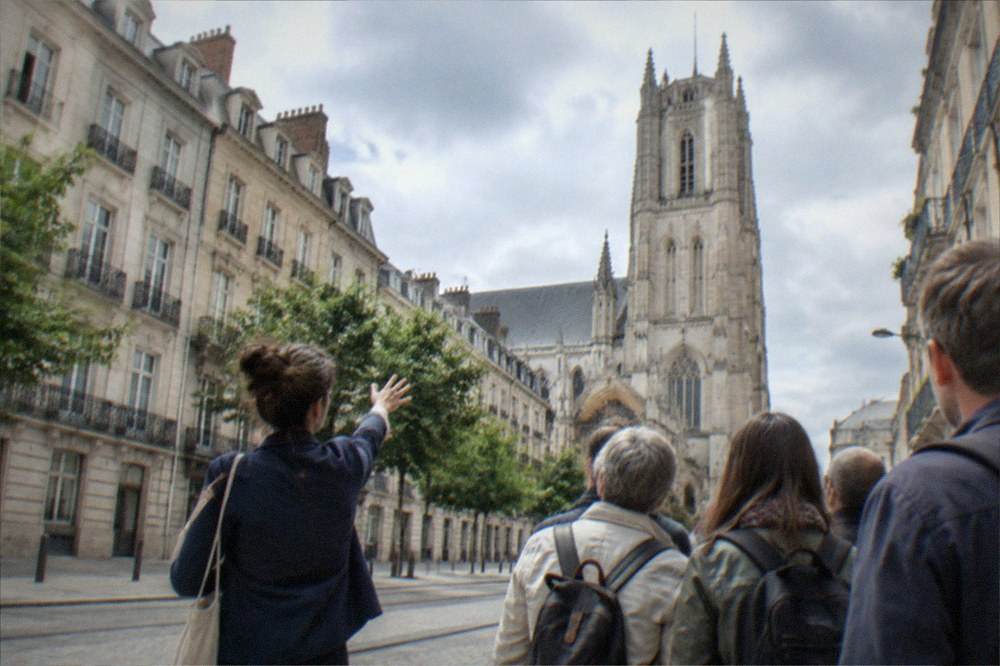
Tours covering the Nantes Cathedral and its district are walking-based: a 60-minute local walk for a quick orientation, a private custom walking tour lasting two to eight hours for depth, a photo-spots walk aimed at the most photogenic locations, and a 35-stop self-guided app tour for independent travellers. Ticketing products for the cathedral itself and for the Château des ducs de Bretagne also exist, bundling entry logistics with the surrounding sights.
The choice between them comes down to time and intent. A short orientation walk suits a first afternoon; the longer private format suits travellers who want the cathedral, the château, the Bouffay and the quaysides unpacked in one narrative. The photo walk targets the cathedral's white interior and the city's most shareable angles, and the self-guided option suits anyone who prefers to move at their own pace through the 35 mapped stops.
The cathedral also anchors the wider question of what to do with the rest of the city. The compiled things to do in Nantes page is the master list, and the walking tours guide compares the guided options in detail. For a stay built around the cathedral district, the where to stay in Nantes guide maps the Bouffay, Graslin and Île de Nantes options against what each quarter offers.
What Still Lies Ahead For The Nantes Cathedral Restoration?
What lies ahead for Nantes Cathedral is the completion of the western facade by 2028, the installation of a new grand organ at an estimated cost of around 7 million euros not before 2028, the glazing of the western bays following the 2026 contemporary stained-glass competition, and the return of the fully reassembled tomb of Francis II by the end of 2026. Full reopening of the whole building is projected for 2028, with some estimates noting a possible extension because of sequencing constraints.
The sequence matters to anyone planning a future visit. By 2027 the west front should begin emerging from its 41 metres of scaffolding, though the new glazing from the 2026 competition will follow its own timetable. The organ project is the long pole: a new instrument of major scale, budgeted at around 7 million euros, cannot be installed before 2028, and until then the restored choir organ of 1896 carries the building's music.
The funding story is unusual and reassuring. The State, through DRAC Pays de la Loire, fully funds the roughly 32 to 35 million euro project, a mark of the building's national significance. The city that surrounds the cathedral continues its own transformation in parallel: the Tour Bretagne's rehabilitation with a planned free public belvedere, the Cité des Congrès works, the coming Cité des Imaginaires for the Jules Verne museum, all noted in the Nantes Travel Guide coverage of the city's changing skyline.
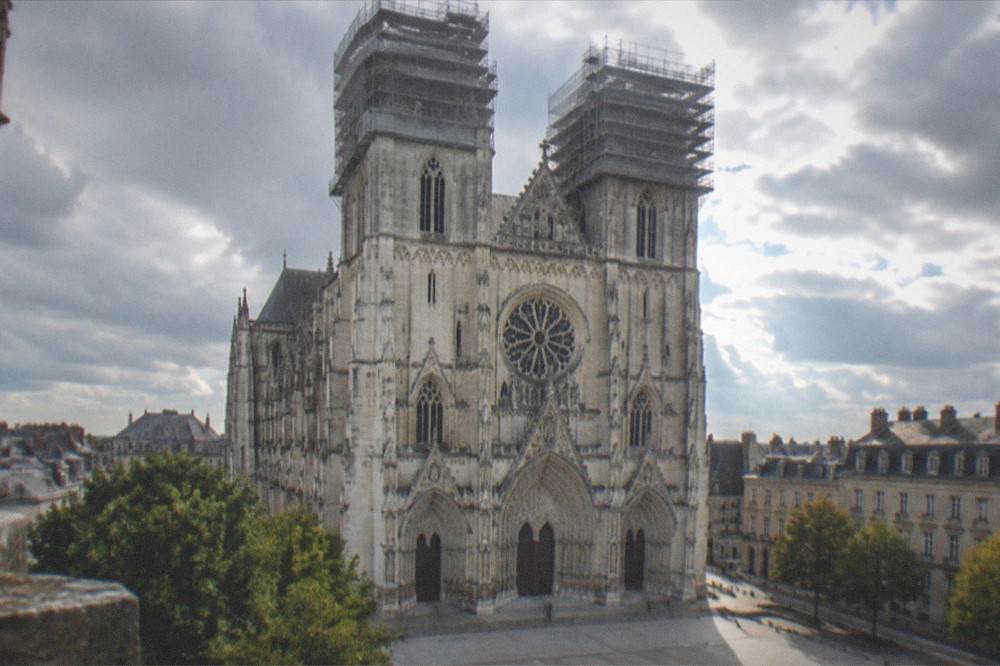
None of this diminishes the visit available today. The nave is open, the light is extraordinary, the tomb effigies are back, and a building that took 457 years to finish has already survived two fires, two world wars and a five-year closure. Seeing it mid-restoration, with stonemasons still at work behind the scaffolding, is not a lesser experience: it is the rare chance to watch a French national monument being put back together, one measured stone at a time.
Common Questions About The Nantes Cathedral
Is the Nantes Cathedral open in 2026?
Yes. Nantes Cathedral partially reopened on 27 September 2025 and remains open in 2026, with the nave, choir, transept, side chapels and ambulatory accessible for visits and worship. Works continue on an open-site basis, the western facade is behind scaffolding, and full completion is projected for 2028.
How much does it cost to visit the Nantes Cathedral?
Nothing. Entry to Nantes Cathedral is free, and no admission fee, ticketing change or price rise has been reported since the September 2025 reopening. Guided tours and audio guides are available inside the building for those who want them.
What was damaged in the 2020 Nantes Cathedral fire?
The fire of 18 July 2020 destroyed the grand tribune organ, an instrument dating from 1619, and badly damaged the western end of the cathedral, including the original large stained-glass window. The choir organ of 1896 was restored and returned to service at the reopening, with an inaugural concert on 7 December 2025.
When will the Nantes Cathedral restoration be finished?
Full completion of the restoration is projected for 2028, though some estimates note a possible extension because of sequencing constraints on the western facade works. A new grand organ, estimated at around 7 million euros, cannot be installed before 2028.
Can you see the tomb of Francis II in the Nantes Cathedral?
Yes. The gisant effigies of Francis II and Marguerite de Foix on Michel Colombe's Renaissance tomb have been visible to the public since around 20 February 2026, while treatment of the base and structure continues. Full reinstallation of the monument is expected by the end of 2026.
How long did the Nantes Cathedral take to build?
457 years. The gothic rebuild began in 1434 and the cathedral was completed in 1891, an interrupted saga of funding crises, wars and revolutions. Some source pages misprint the completion year as 1881; the arithmetic from 1434 gives 1891.