Nantes Food
Nantes food is river fish cooked in butter, crisp white Muscadet from the vineyards south of the city, and biscuits and sweets born of its days as a sugar port. Here is what to eat, where to eat it and how the pieces fit together.
Short answer
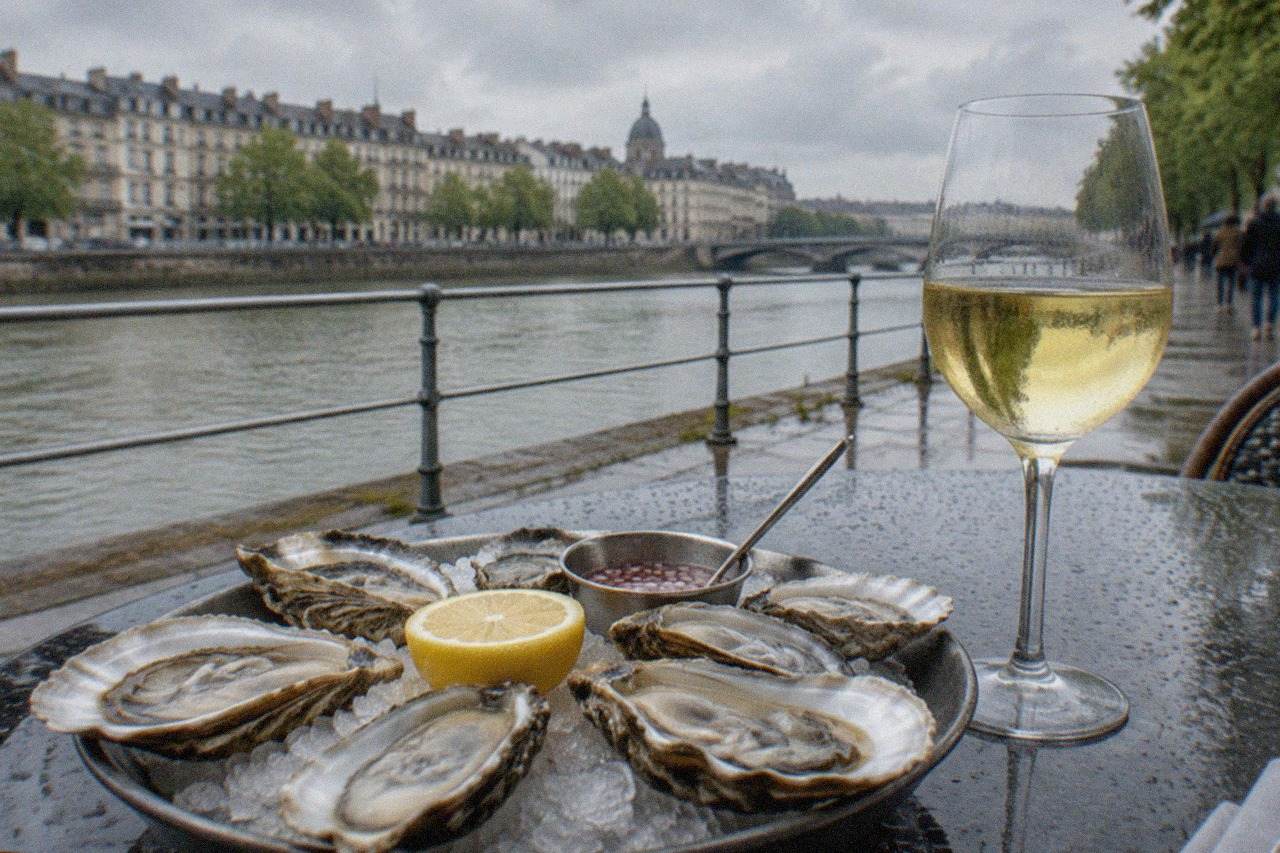
Nantes, in the Loire-Atlantique department of western France, is famous for beurre blanc sauce, Muscadet wine, gâteau nantais, LU Petit Beurre biscuits and berlingots nantais. The old town of Bouffay, the Graslin quarter and the Talensac market are the classic places to taste them.
Nantes food begins with the river. This is Nantes, in the Loire-Atlantique department of the Pays de la Loire region of western France, a port city where the Loire met the sea-going trade of the Atlantic, and where the surrounding countryside grows a single white grape that defines the local glass. The city's table was shaped by ships: sugar, rum and spices came up the Loire for centuries, and the sweets, sauces and biscuits that survive today are the edible memory of that trade. Fish from the river, butter from the surrounding farmland, sea salt from Guérande to the west and wine from the Muscadet vineyards south of the city complete the plate. This guide walks through the signature dishes of Nantes food, the quarters where you will find them, the tours that can carry you between them, and the food souvenirs worth carrying home.
What Food Is Nantes Famous For?
Nantes food is famous for beurre blanc, an emulsified butter sauce born in the city and served with river fish, plus gâteau nantais, an almond and rum cake with origins around 1820, LU Petit Beurre biscuits, produced since 1886, berlingots nantais hard candies, and dry Muscadet white wine from the Melon de Bourgogne grape. The port's historic trade in sugar and rum explains why sweets and boozy cakes dominate the souvenir list. Cure Nantais, a washed-rind cheese, rounds out the local larder.
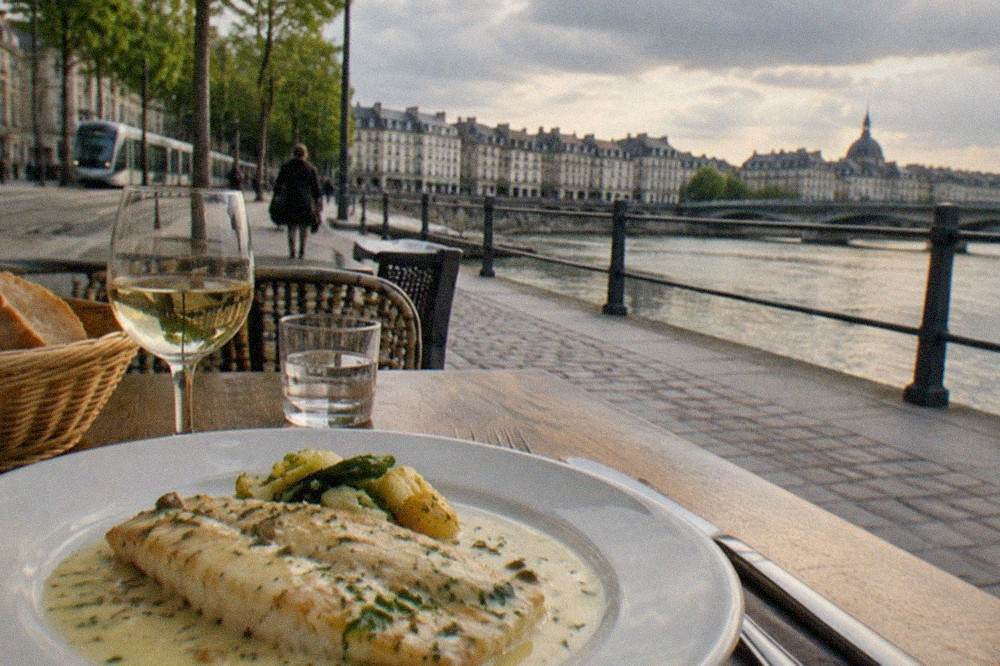
The dishes fit together more than they first appear. Beurre blanc is made from a reduction of shallots, white wine and vinegar or lemon, into which cold butter is whisked until the sauce thickens; traditionally it accompanies pike or other river fish, and the white wine in the pan is almost always Muscadet, the local wine made from the Melon de Bourgogne grape in the vineyards south and east of the city. The Maison des vins de Muscadet sits at Vallet, in the heart of that appellation.
On the sweet side, the story is industrial as much as artisanal. Jean-Romain Lefèvre set up as a biscuit maker in Nantes in 1846, marrying Pauline-Isabelle Utile in 1850, and the initials of Lefèvre-Utile gave the world LU. The Véritable Petit Beurre, the plain scalloped butter biscuit invented in 1886, became one of France's most recognisable biscuits, and its Nantes factory closed in 1986 when production moved to La Haye-Fouassière, near the city, where the company marked its 180th anniversary in 2026. Gâteau nantais, a quatre-quarts style almond cake soaked in rum and lemon syrup and finished with a rum sugar glaze, is attributed to a Nantes baker around 1820 and has returned strongly to the city's pâtisseries in recent years after decades of industrial production. Berlingots nantais, tetrahedron shaped boiled sweets in seven traditional flavours including orange, lemon, cassis, strawberry, anise, caramel and mint, date from the late 19th century, when the Pinson confiserie was founded in 1895 near the port to take advantage of cheap sugar imports.
| Dish or product | What it is | How it is typically served |
|---|---|---|
| Beurre blanc | Emulsified butter sauce of shallots, Muscadet and vinegar, whisked with cold butter | With river fish such as pike, or with simply grilled seafood |
| Gâteau nantais | Almond and rum cake, quatre-quarts style, soaked in rum and lemon syrup | Sliced, at room temperature, often with coffee |
| Petit Beurre | Plain scalloped butter biscuit, recipe of 1886 | With tea or coffee, or used in desserts |
| Berlingots nantais | Boiled hard candies, tetrahedron shaped, seven flavours | As sweets and souvenirs |
| Muscadet | Dry white wine from Melon de Bourgogne grapes | Chilled, with oysters, fish and beurre blanc dishes |
| Cure Nantais | Washed-rind cow's milk cheese from the region | On a cheese board, with Muscadet |
Where To Eat Nantes Food In The Old Town And Beyond?
The best eating quarters for Nantes food are the Bouffay old town, where crêperies and classic bistros cluster around the cathedral, the Graslin quarter around the Théâtre Graslin and Passage Pommeraye, and the Talensac market, the city's main food market, plus the Hangar à Bananes on the Île de Nantes and the village of Trentemoult across the Loire for riverside tables. Each quarter has its own character, from medieval lanes to converted banana warehouses.
Bouffay is the historic core where most first-time visitors eat, and it holds the densest concentration of crêperies serving galettes of buckwheat with butter, cheese and ham, alongside bistros that put beurre blanc on the menu. Graslin, a few minutes' walk south, is grander, built around the 19th century theatre and the Passage Pommeraye, the 1843 shopping arcade, and it leans toward brasseries and classic dining rooms. One of the most storied is La Cigale, the tiled brasserie beside the theatre, a Nantes institution that has been feeding the city since the 19th century; the tilework alone makes it worth a look even if you only stop for a coffee.
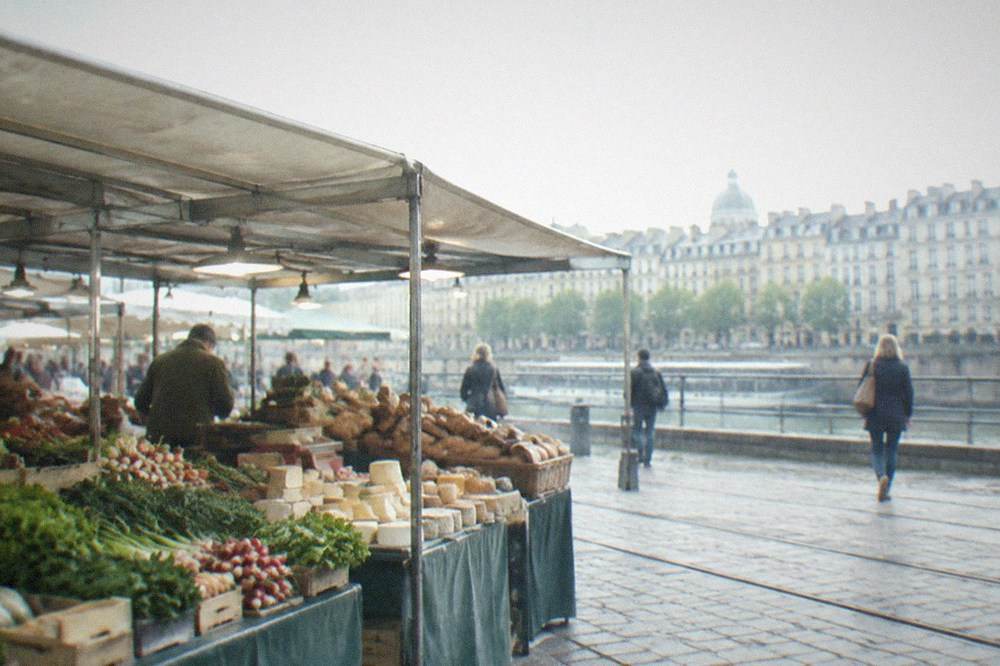
Talensac is where the city shops for itself. It is the principal covered and open-air market of Nantes, and a walk through its stalls is the fastest way to understand what Nantes food actually is: Muscadet by the bottle, Guérande salt, Cure Nantais cheese, butter, river fish and piles of vegetables. Across the Loire, the fishing village atmosphere of Trentemoult, with its coloured houses and riverside terraces, is where many Nantais spend long summer evenings, and the Navibus river shuttle crosses to it on a normal Naolib ticket. On the Île de Nantes itself, the Hangar à Bananes, a row of former banana warehouses, is now home to bars and restaurants along the quay. For a fuller map of the city's dining rooms, our guide to the best restaurants in Nantes goes deeper, and if you are weighing costs, the Nantes on a budget guide covers how to eat well without overspending.
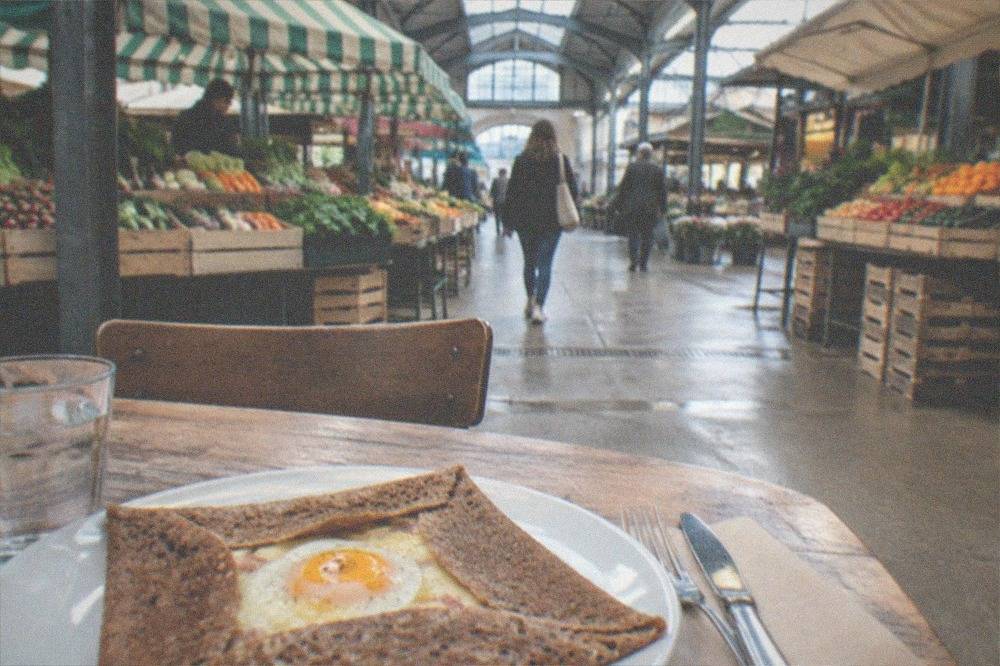
If you want the old town's layout explained while you walk it, a short guided walk covers the main lanes and squares in about an hour.
The old town is compact enough to explore alone, but a local's introduction saves you the guessing about which street leads where, and it pairs naturally with a food stop afterwards in the same lanes.
Which Food Tour In Nantes Is Best For A First Visit?
For a first visit, the All Inclusive Food Tour of Nantes Old Town with a Local Guide is the strongest pick, because tastings are included rather than bought separately as you go, the route stays inside the Bouffay old town where the classic dishes cluster, and a local guide explains each stop's place in the city's food history. The operator has not published a price on the listing, so check availability for the current figure. For the wine side of Nantes food, the Muscadet tasting experience covers it.
A guided food walk solves the first-day problem every food city poses: where to start. Instead of researching individual bistros before you have even found your bearings, you follow someone who eats in these lanes weekly, and the tastings are arranged in advance. The all-inclusive format also removes the awkward arithmetic of paying at every stop, which matters if you are travelling with family or in a group.
| Experience | What it covers | Who it suits |
|---|---|---|
| Old town food walk | Guided tasting route through the Bouffay old town, tastings included | First-time visitors who want dishes plus context |
| Muscadet tasting | Sensory tasting built around the local white wine | Wine lovers and visitors curious about the appellation |
| Self-guided app walking tour | City route at your own pace, no guide | Independent travellers who prefer to plan their own meal stops |
Wine deserves its own hour in Nantes, because the city is the natural gateway to the Muscadet appellation, one of the great value white wine regions of France, and a tasting organised in the city centre teaches you to read the label before you buy bottles to carry home.
The tour question matters less than the booking question: most guided walks in Nantes can be cancelled without charge up to a day or so before, which means you can reserve a place early and adjust your plan if the weather turns. Check availability for the live price and times.
Between a guided walk and a solo wander, there is also the middle option of a self-guided app tour of the city, which leaves meal stops entirely in your hands, or the Nantes CityPass route if your appetite is more for museums than for restaurants. Whichever you choose, booking the walking part early in your trip leaves the later days free to revisit the places the guide flagged.
What Is Muscadet And Why Does Nantes Food Depend On It?
Muscadet is a dry white wine made from the Melon de Bourgogne grape in the vineyards south and east of Nantes, and it is the default glass of the local table, poured with oysters, river fish and anything carrying beurre blanc. It matters to Nantes food because it is both the drinking wine and a cooking ingredient: the same bottle goes into the saucepan as into the glass beside the plate. The Maison des vins stands at Vallet.
The grape tells an unexpected story. Melon de Bourgogne arrived from Burgundy centuries ago and found its home in the cool, oceanic climate around the mouth of the Loire, where it ripens slowly and keeps a lean, saline freshness that suits seafood better than almost any other French white. The classic bottles carry the words sur lie, meaning the wine spent the winter resting on its fine lees, which adds a faint prickle and a rounder texture without adding sweetness. Muscadet is a dry wine, and the common assumption that light French whites are sweet fails completely here. The full index of guides sits on Nantes Travel Guide.
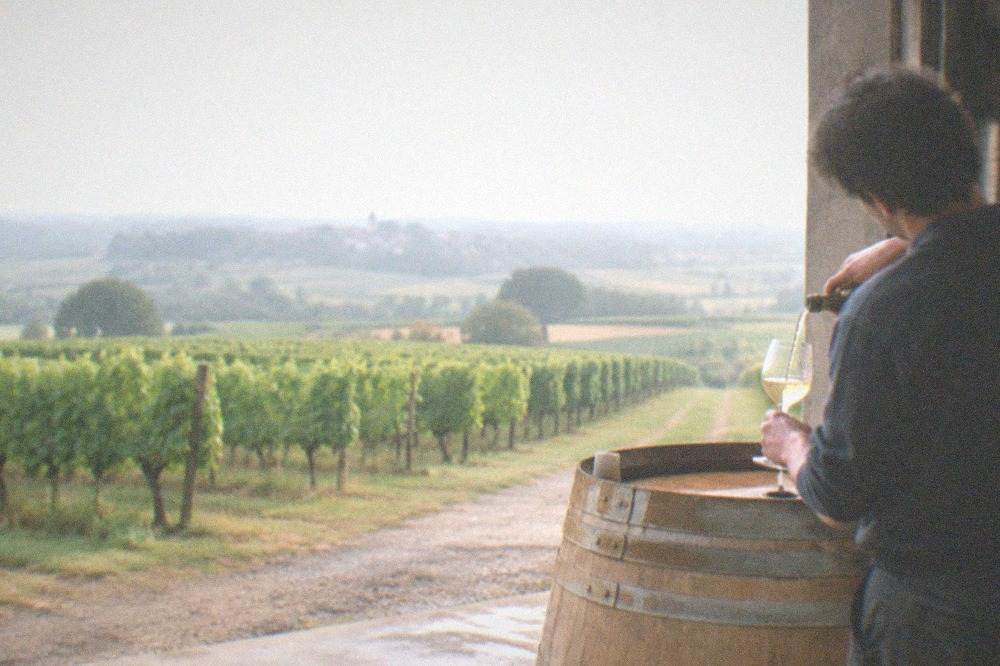
The 2026 vintage was one for the record books. The harvest ban, the official date from which picking is allowed, was declared on 11 August 2026, the earliest ever recorded and a full eight days ahead of the previous mark set in 2003, after a hot, dry summer. Growers reported lower yields, in the region of 30 to 40 hectolitres per hectare, against higher figures in past generous years, but quality described as good, concentrated by the strong sunshine. Translated for a visitor: the Muscadet you taste in Nantes in 2026 and 2027 comes from a small, early, sun-drenched harvest.
| Muscadet fact | Detail |
|---|---|
| Grape | Melon de Bourgogne |
| Style | Dry white, often sur lie |
| Home | Vineyards south and east of Nantes; Maison des vins at Vallet |
| 2026 harvest ban | 11 August 2026, the earliest on record, 8 days ahead of the 2003 mark |
| 2026 yields | Reported around 30-40 hl/ha, below previous years |
| Classic pairing | Oysters, river fish, beurre blanc |
If a cellar visit is impractical, a tasting in Nantes itself is the easy alternative, and the sensory format suits beginners as much as enthusiasts because it walks you through the wine rather than assuming you already know the vocabulary.
What Sweet Specialities Should You Bring Home From Nantes?
The sweet souvenirs worth carrying home from Nantes are LU Petit Beurre biscuits, produced since 1886 and baked today at La Haye-Fouassière near the city, berlingots nantais in their seven traditional flavours, gâteau nantais, best bought from a pâtisserie the day before travel since it improves with a night's rest, and a bottle or two of Muscadet. Guérande salt and Cure Nantais cheese make savoury companions if your journey home is short.
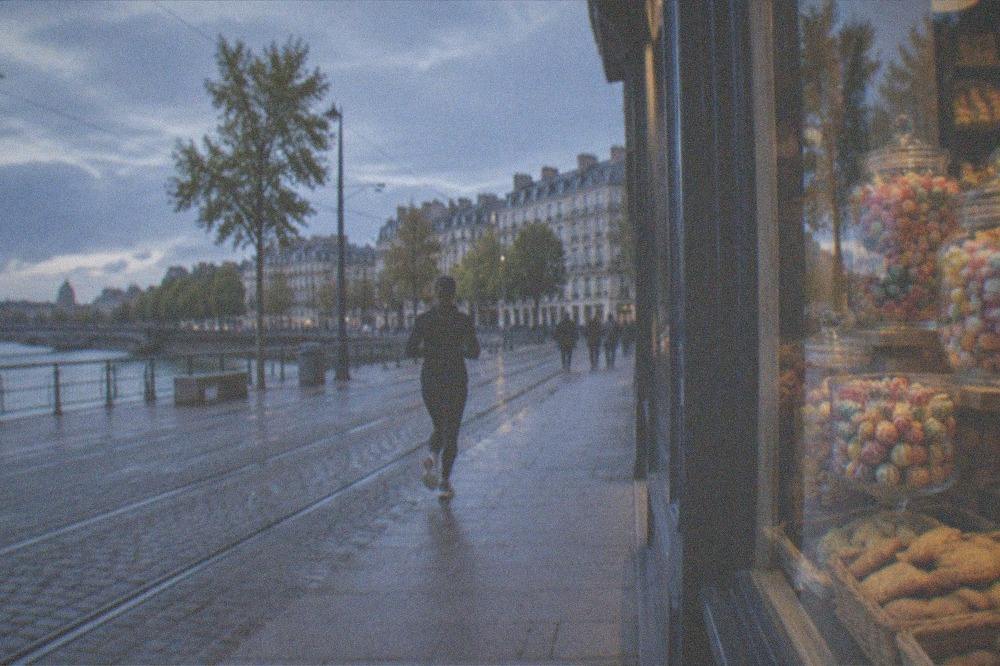
The Petit Beurre is the easiest to find and the most forgiving to transport, a plain butter biscuit designed in the 19th century and recognisable by its four scalloped corners and the little ears at each end. It keeps well, which is precisely why it was invented: a biscuit that could survive the sea voyage from a sugar port had to. Berlingots are the local sweet proper, and the traditional flavour list of orange, lemon, cassis, strawberry, anise, caramel and mint has hardly changed since the Pinson confiserie opened in 1895. The gâteau nantais is the connoisseur's choice: an almond and rum cake, quatre-quarts in structure, soaked in a rum and lemon syrup and glazed, with origins traced to a Nantes baker around 1820. It is best after resting a day or more, so a cake bought for a departure the following morning travels at its peak.
| Souvenir | Its story | Practical note |
|---|---|---|
| Petit Beurre biscuits | Invented 1886 by Lefèvre-Utile of Nantes; the firm dates from 1846 | Keeps well and packs easily |
| Berlingots nantais | Boiled sweets from the port era, confiserie founded 1895, seven flavours | Sold by weight, light to carry |
| Gâteau nantais | Almond and rum cake, origins around 1820 | Better after a day's rest; buy close to departure |
| Muscadet | Dry white of the local appellation | Check your airline or ferry liquid limits |
| Guérande salt | Sea salt from the marshes west of Nantes | A savoury souvenir with no expiry |
How Does Beurre Blanc Capture Nantes Food?
Beurre blanc captures Nantes food in one pan because it combines the city's sources on a single plate: butter from the surrounding pastures, Muscadet and vinegar or lemon for the acid, shallots from the market gardens and river fish beneath it. It is an emulsion, a reduction of shallots, white wine and acid into which cold butter is whisked until the sauce holds, traditionally paired with pike. Where a Provençal kitchen reaches for olive oil, Nantes reaches for butter, and that is the regional argument in a sauce.
The sauce is young by French standards, a 19th century invention rather than a medieval one, and it belongs firmly to the Loire valley's school of butter cooking rather than the olive oil school of the south. Its technique is unforgiving: the butter must be cold, the heat gentle, and the whisk constant, or the emulsion splits. That difficulty is why it survived as a restaurant dish and a badge of a well-run kitchen rather than becoming a supermarket jar, and it is why trying it in Nantes, in the city that claims it, is different from trying it anywhere else.
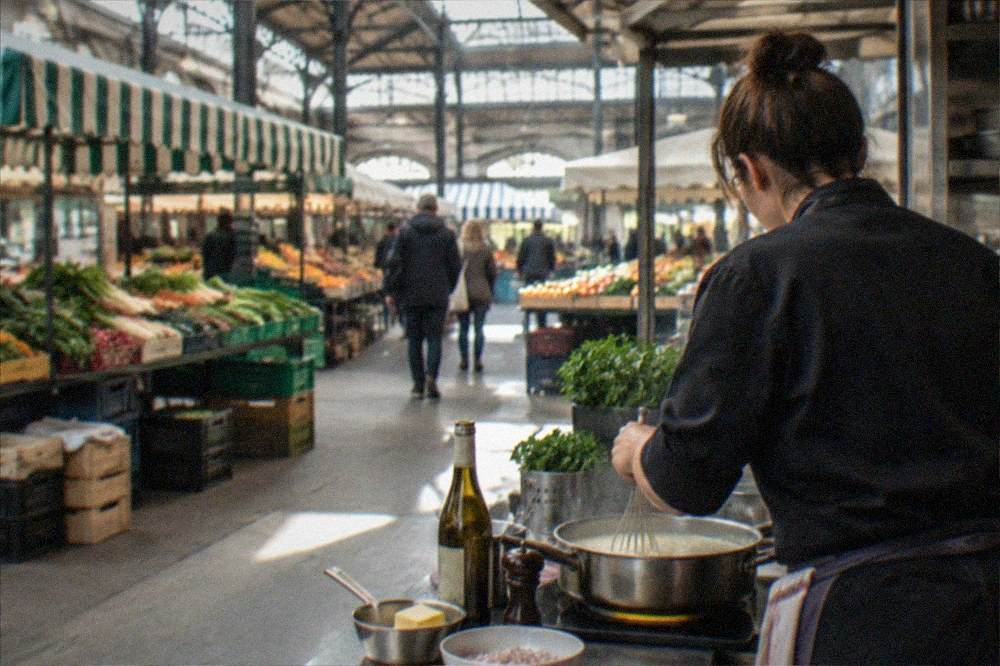
In recent years the sauce has even entered the legal machinery of French food. Nantes restaurateurs have been campaigning, in reporting from 2025, for the STG label, a protected traditional specialty status, that would pin the traditional method of beurre blanc to the region and prevent industrially modified versions from borrowing the name. The outcome is not settled, but the campaign tells you how seriously the city takes a sauce. When you order it in Nantes, expect it with river fish or with simply cooked seafood, and expect the wine beside the plate to be the same wine that went into the pan.
| Beurre blanc element | Where it comes from | Role in the sauce |
|---|---|---|
| Cold butter | Pastures around Nantes | The body of the emulsion |
| Muscadet | Local vineyards, Melon de Bourgogne grape | Acid and aroma in the reduction |
| Shallots | Market gardens of the Loire valley | Sweetness and structure |
| Vinegar or lemon | Local supply | Sharpness that helps the emulsion hold |
| Pike or river fish | The Loire and its tributaries | The traditional partner beneath the sauce |
If you want to cook it at home, buy the Muscadet in Nantes rather than substituting, because the sauce tastes of its wine, and the Guérande salt for seasoning the fish travels as well as the biscuits do. For the savoury side of the city's food history more broadly, the Nantes history guide sets the port era in context, including the sugar trade that made the sweet side possible.
When Is The Best Time Of Year To Eat In Nantes?
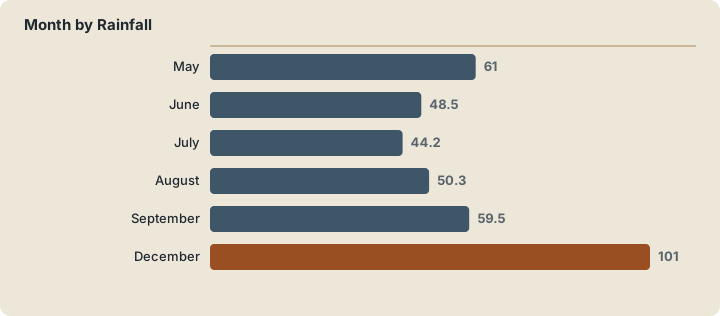
The best months for eating in Nantes are May through September, when the climate is warm enough for terraces and riverside tables, with mean daily maxima of 19.6 C in May rising to 25.4 C in August and 22.4 C in September, and the Muscadet harvest arrives in August.
The serious food calendar runs all year: Folle Journée in late January, the Rendez-vous de l'Erdre in August, the Christmas market from 19 November to 27 December 2026, and oysters at their best in the cold months.
The climate here is temperate oceanic, not Mediterranean, and the kitchen reflects it. Summer in Nantes is for white wine on the quays, for Trentemoult's riverside terraces and for long light evenings along the Hangar à Bananes, and September, with a mean daily maximum of 22.4 C and the crowds gone, is arguably the sweet spot of the eating year. Winter belongs to butter and heat: this is when beurre blanc, gâteau nantais and a warm bistro room show their advantage, and when the Christmas market fills Place Royale and Place du Commerce with chalets, running in 2026 from 19 November to 27 December.
| Month | Mean daily max | Rainfall | What to eat and drink |
|---|---|---|---|
| May | 19.6 C | 61.0 mm | First terraces, spring river fish |
| June | 23.0 C | 48.5 mm | Muscadet outdoors, early oyster suppers |
| July | 25.1 C | 44.2 mm | Riverside tables, cold whites |
| August | 25.4 C | 50.3 mm | Muscadet harvest month, Rendez-vous de l'Erdre |
| September | 22.4 C | 59.5 mm | Quiet terraces, the food month of the year |
| December | 9.8 C | 101.0 mm | Christmas market, oysters, butter dishes |
The festival calendar adds reasons to time a trip. Folle Journée, the classical music festival that fills the Cité des Congrès each winter, runs next from 27 to 31 January 2027 on the theme of Galaxie Beethoven, and its audiences fill the city's restaurants and brasseries for five days. In late August the Rendez-vous de l'Erdre brings jazz and heritage boats to the riverbanks. None of these are food festivals as such, but in a city this size every festival is a food event in practice, because the tables fill. Our best time to visit Nantes guide weighs the whole year, and the Nantes weather page carries the full climate detail.
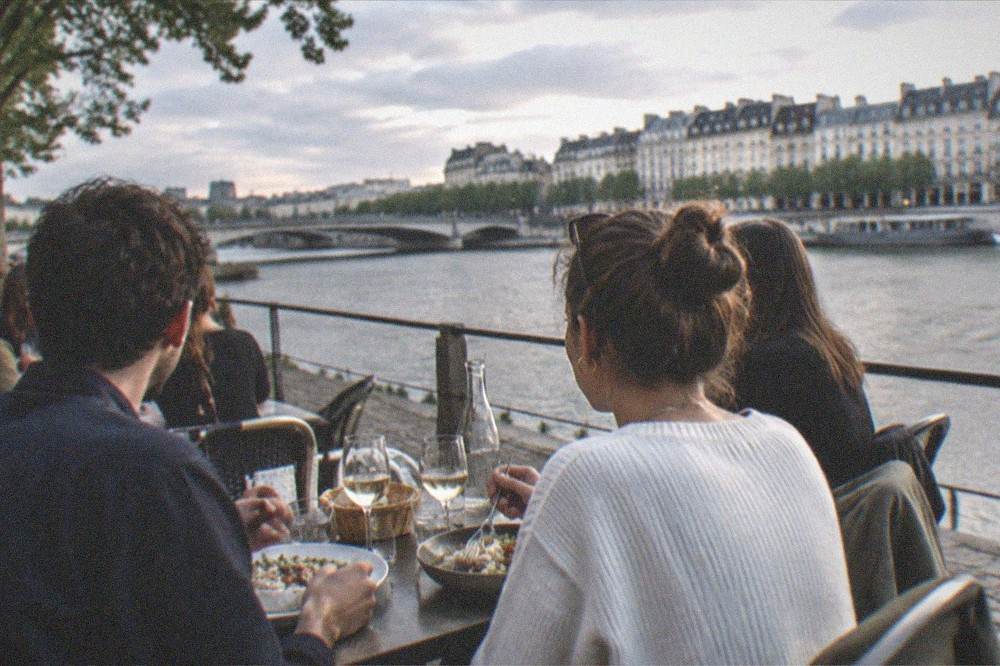
For a trip organised around the table, a few practical notes finish the picture. If you are staying several days and eating across the city's quarters, the where to stay in Nantes guide explains which neighbourhood puts you closest to the old town's restaurants, and the things to do in Nantes page covers how to fill the hours between meals. A guided food walk remains the most efficient first evening's introduction, and the three options below cover the walking, the eating and the drinking sides of the city in one place.
Common Questions About Nantes Food
What is the most famous food in Nantes?
Beurre blanc is the most famous creation of the Nantes kitchen, an emulsified butter sauce made with Muscadet and shallots and traditionally served with river fish. On the sweet side, the gâteau nantais, the LU Petit Beurre biscuit and berlingots nantais candies carry the city's name outside France.
What wine should you drink with Nantes food?
Muscadet, a dry white made from the Melon de Bourgogne grape in the vineyards south and east of the city. It pairs with oysters, river fish and beurre blanc, and it is also the wine that goes into the sauce itself.
Is Muscadet sweet or dry?
Muscadet is a dry white wine. The sur lie style, aged on its fine lees through the winter, adds texture and a faint prickle but no sweetness. Do not confuse it with sweet Muscat wines from southern France.
What sweets is Nantes known for?
Nantes is known for the LU Petit Beurre biscuit, invented in 1886, berlingots nantais boiled candies in seven traditional flavours dating to the late 19th century, and the gâteau nantais, an almond and rum cake with origins around 1820.
Where is the best place to eat in Nantes for a first visit?
The Bouffay old town has the densest cluster of crêperies and classic bistros, while Graslin around the theatre and Passage Pommeraye offers the grand dining rooms, and Talensac market shows the raw ingredients. A guided food walk through the old town ties the pieces together on a first day.
Is Nantes food expensive?
Not by the standards of Paris. Crêperies and market stalls keep costs low, classic brasseries sit in the middle, and restaurant prices generally reflect a mid-sized French regional city. A guided all-inclusive food tour, with tastings built into the price, is often the simplest way to control spend on a first visit.
Nantes food is a port's pantry, a vineyard's cellar and a butter country's saucepan combined, and the best way to meet it is one quarter at a time, glass in hand.