Erdre River
The Erdre River is the quiet tributary that meets the Loire in the middle of Nantes, France, and its banks hold the Japanese garden of the Île de Versailles, a river shuttle that runs on ordinary tram tickets and one of France's free summer jazz festivals.
Short answer
The Erdre is a tributary of the Loire that joins the main river at Nantes in the Loire-Atlantique department of western France. The Navibus N3 shuttle crosses it on standard Naolib tickets, the Île de Versailles garden sits on it, and the Rendez-vous de l'Erdre jazz festival fills its banks each August.
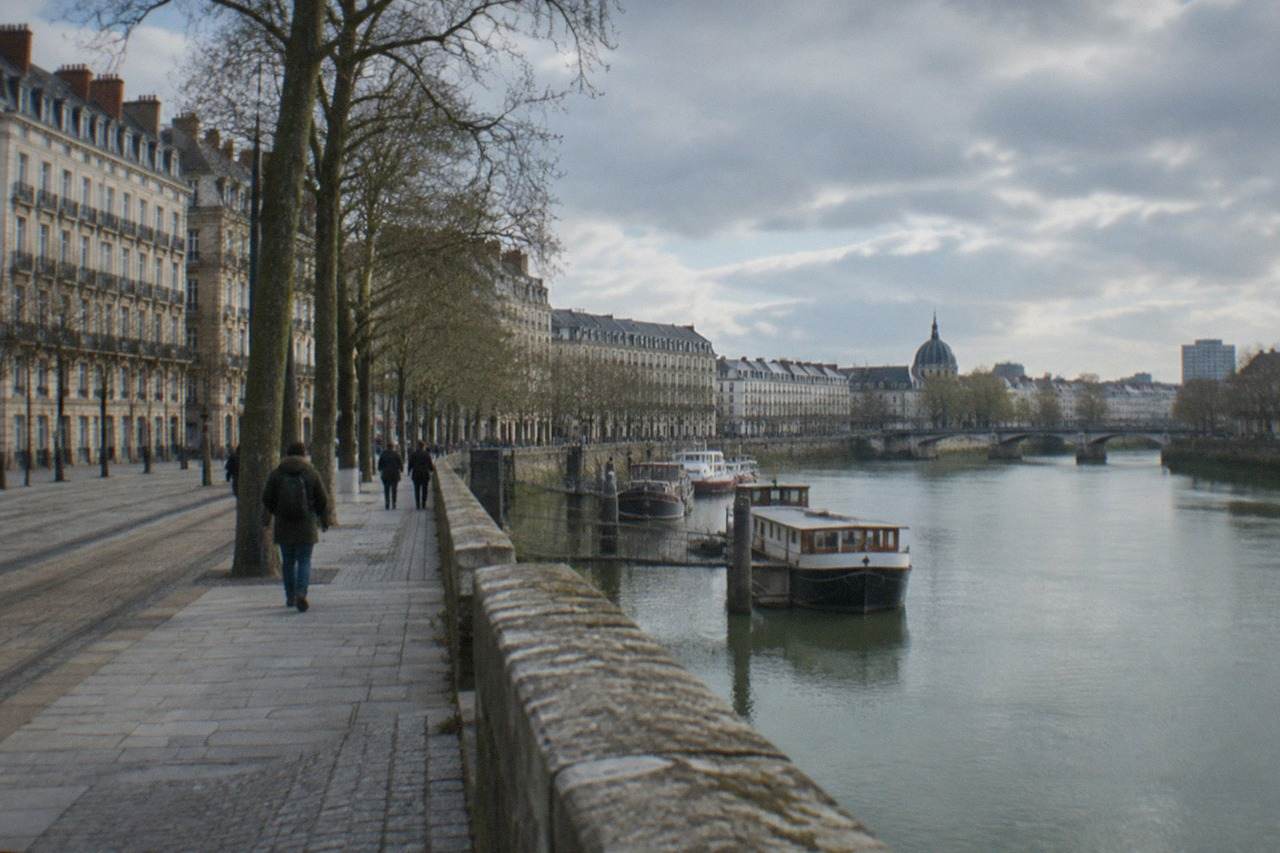
The Erdre River is the smaller of the two rivers that meet the Loire at Nantes, in the Loire-Atlantique department of the Pays de la Loire region of western France. The Sèvre Nantaise is the other tributary, but it is the Erdre that slides right through the northern half of the city, past the Île de Versailles and a run of elegant quays, before emptying into the Loire a short walk from the Château des ducs de Bretagne. Locals treat it as their promenade, their boat pond and their concert hall, and a visitor who only follows the Loire misses roughly half of the city's water.
This page lays out how the Erdre works for a visitor: how to get onto it, what sits on its banks, when to come, and how it fits into a wider Nantes trip. The river shuttle alone is worth understanding before you arrive, because it runs on the same ordinary tickets as the trams and turns a river crossing into a two-minute crossing you would otherwise walk.
What Is The Erdre River In Nantes?
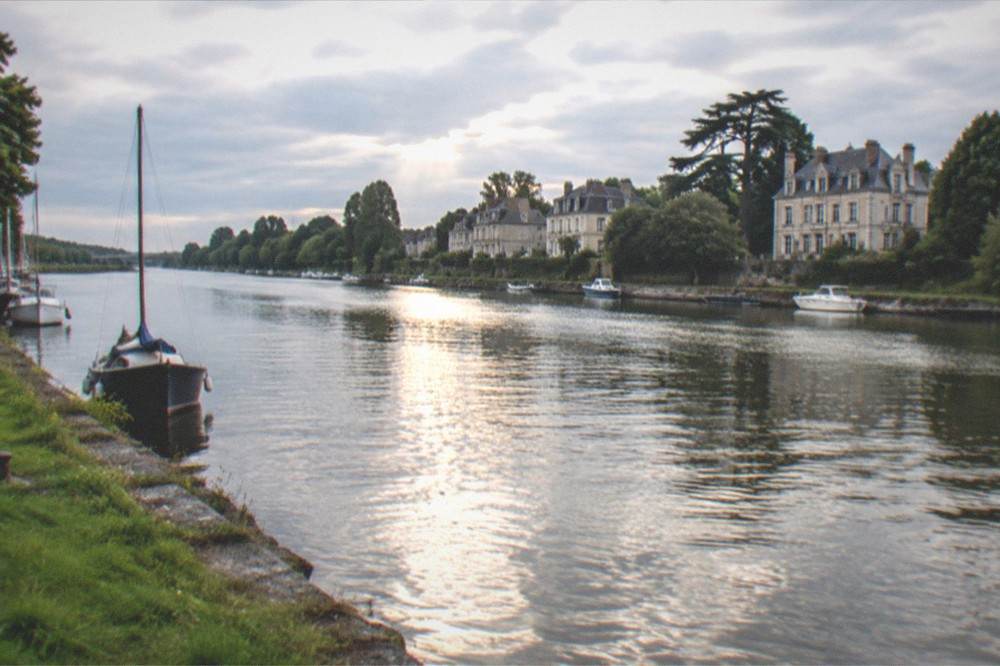
The Erdre River is a tributary of the Loire that flows into the main river inside Nantes, France, in the Loire-Atlantique department of western France. It is one of two tributaries meeting the Loire at the city, alongside the Sèvre Nantaise, and its lower stretch runs through the northern quarters of Nantes before joining the Loire near the historic centre. The river's character changes completely as it moves through the city. Upstream it is narrow, slow and green, lined with private moorings, rowing clubs and tall trees, which is why it reads as a country waterway that happens to pass a city. Downstream, around the Île de Versailles and the point where it meets the Loire, it becomes an urban stretch framed by stone quays, footbridges and the backs of buildings. The island at its centre, the Île de Versailles, was laid out as a Japanese garden and is one of the calmest free spaces in the city centre.
The river also carries the city's summer festival. The Rendez-vous de l'Erdre, a free jazz festival paired with a gathering of classic boats, runs along the Erdre and the Nantes-Brest canal every August, with the 2026 edition held from 24 to 30 August. The banks fill with floating stages, wooden hulls and crowds that drift between them. It is the one week when the river, normally the quiet half of Nantes, becomes the loud half.
For orientation, think of the Erdre as the city's northern water axis. The Loire cuts east to west past the Île de Nantes and the Machines de l'île; the Erdre comes down from the north to meet it. Almost every riverside sight worth naming sits within a fifteen-minute walk of one bank or the other.
| Feature | Detail |
|---|---|
| What it is | Tributary of the Loire, meeting the main river at Nantes |
| Region and department | Pays de la Loire, Loire-Atlantique, western France |
| Second tributary at Nantes | Sèvre Nantaise |
| Island on the river | Île de Versailles, free Japanese garden |
| River shuttle | Navibus N3, Gachet to Grimaudière, standard Naolib tickets |
| Signature event | Rendez-vous de l'Erdre free jazz festival, every August |
How Do You Get Onto The Erdre River In Nantes?
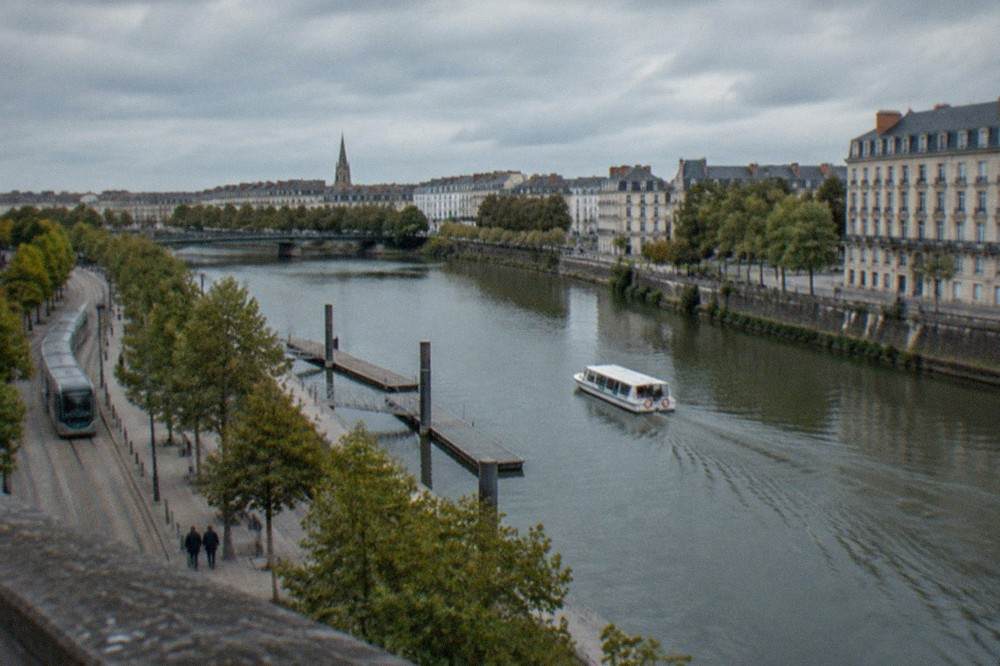
The easiest way onto the Erdre is the Navibus N3, a river shuttle that runs the Erdre from Gachet to Grimaudière and accepts ordinary Naolib tickets, so a single 1.80 EUR ticket covers a tram, a bus or a boat ride alike. That last point is the one visitors miss. The Navibus fleet is part of the regular Naolib network, not a sightseeing cruise, which means the fare structure is the tram fare structure. A 1 hour ticket costs 1.80 EUR, a carnet of ten costs 17.80 EUR, a day ticket costs 6.80 EUR and a day ticket for up to four people travelling together costs 15 EUR. There is no separate river premium.
The N3 is the Erdre line specifically, running between Gachet and Grimaudière. Two other Navibus lines cross the Loire instead, including one linking the Hangar à Bananes area with Trentemoult on the left bank. For the Erdre, the N3 is the one to remember, and it is the cheapest possible way to see the river from the water without committing to anything.
One more rule saves real money: the Naolib network is free for everyone from midnight Saturday to 23:59 on Sunday, trams, buses and Navibus included, a scheme running since 2021. The airport shuttle is the single exception and always costs 10 EUR, but the Erdre river shuttle is not the airport shuttle, so a weekend visitor can ride the N3 for nothing. Park-and-ride car parks are also free when combined with network use.
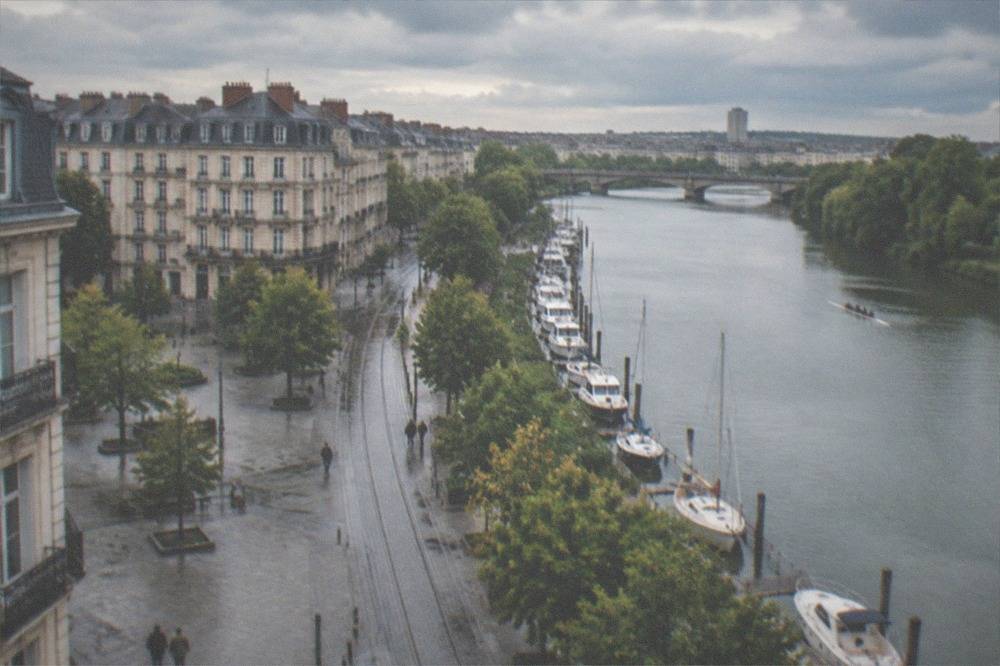
The other way onto the water is a proper cruise. The city has a small cruise scene on the Erdre, and the operator's live listing for the river cruise departing Nantes does not publish a price, so the fare needs checking directly rather than assuming. If you would rather organise your own day on land first, a self-guided option works well here.
A self-guided walking route through the centre pairs naturally with an afternoon on the river, since the Erdre's confluence with the Loire sits within easy reach of the main sights. Combine the two and the compactness of Nantes starts to work in your favour.
The trio above is worth a look if a guided structure appeals: the walk, a food tour of the old town and a photoshoot experience cover three different ways of seeing the same riverside city. Whichever you choose, book the cruise or the walk for the morning and leave the river shuttle for the late afternoon, when the light comes up the water from the west.
| Naolib ticket | Price | Validity on the Erdre |
|---|---|---|
| Single 1 hour ticket | 1.80 EUR | Navibus N3, tram, bus, Navibus, TER inside the metropole |
| Carnet of 10 tickets | 17.80 EUR | Same network, one ticket per journey |
| 24 hour ticket | 6.80 EUR | Unlimited network travel for 24 hours |
| 24 hour ticket, 4 people | 15 EUR | Group travel on the same network |
What Sits Along The Banks Of The Erdre River In Nantes?
The banks of the Erdre in Nantes hold the Île de Versailles Japanese garden, the quays of the historic centre, the Château des ducs de Bretagne a short walk from the confluence, and the green spaces that connect the river to the wider city, with several sights free to enter and the main museums within walking distance. The Île de Versailles is the anchor. It sits mid-river, costs nothing to enter, and its Japanese garden of stones, water and clipped planting is the quietest counterpoint imaginable to the Grand Éléphant lumbering around on the Île de Nantes across the city. Opening hours are seasonal, roughly 8:30 to 17:30 in the cooler months and later in summer, so it rewards a morning visit.
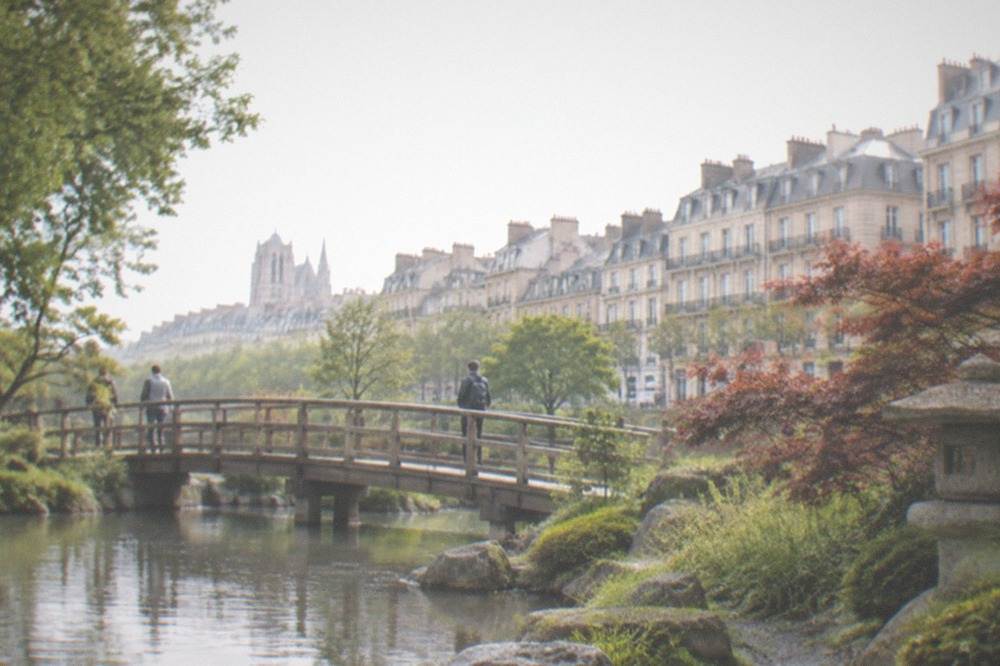
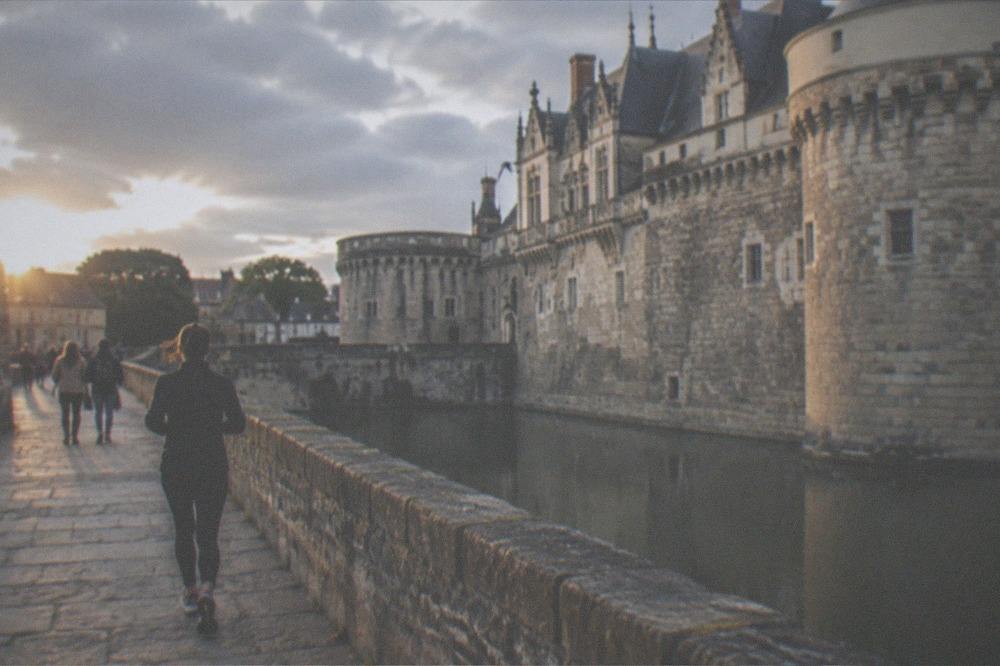
From the island's southern tip the river reaches its meeting with the Loire, and from there the city's heavyweight sights stack up within a short radius. The Château des ducs de Bretagne, whose courtyard and ramparts are free to walk daily from 8:30 to 19:00, is the closest. Duke Francis II began rebuilding it in 1466, Anne of Brittany was born there on 25 January 1477, and the history museum inside costs 9 EUR full tariff with free entry for under-18s. The cathedral, the Passage Pommeraye and the Jardin des Plantes all sit a little further out but still within reach of a day that starts on the water.
The river also sets up one of the city's odder geography lessons. Because the Erdre arrives from the north, the northern bank of the Loire around the confluence is the side that feels like the "real" old city, while the Île de Nantes, with the Machines de l'île and the Hangar à Bananes, faces it from mid-Loire. A first visit that touches both rivers, the Erdre in the morning and the Loire side after lunch, covers the essential shape of Nantes in a single day. The dedicated Erdre river cruise guide goes deeper on the water options, and the Château des ducs de Bretagne page covers the castle in full.
| Sight near the Erdre | Entry cost | Notes |
|---|---|---|
| Île de Versailles Japanese garden | Free | Mid-river island, seasonal hours |
| Château courtyard and ramparts | Free | Daily 8:30-19:00, summer to 20:00 |
| Musée d'histoire de Nantes (in the château) | 9 EUR full, 5 EUR reduced | Free under 18, closed Mondays |
| Musée Jules Verne | 4 EUR full, 1.50 EUR reduced | Closed Tuesdays, short walk uphill |
| Jardin des Plantes | Free | One of the city's largest parks |
| Machines de l'île (across the Loire side) | From 12 EUR per attraction | Galerie, Carrousel or Grand Éléphant ride |
The rowing clubs deserve a mention even though they are not ticketed attractions. The upper Erdre is a working boating river, and early mornings bring crews sliding past the moored yachts. Watching them is free, and it explains why the river looks so well groomed: it is used, constantly, by people rather than merely photographed by them.
When Is The Best Time To Visit The Erdre River In Nantes?
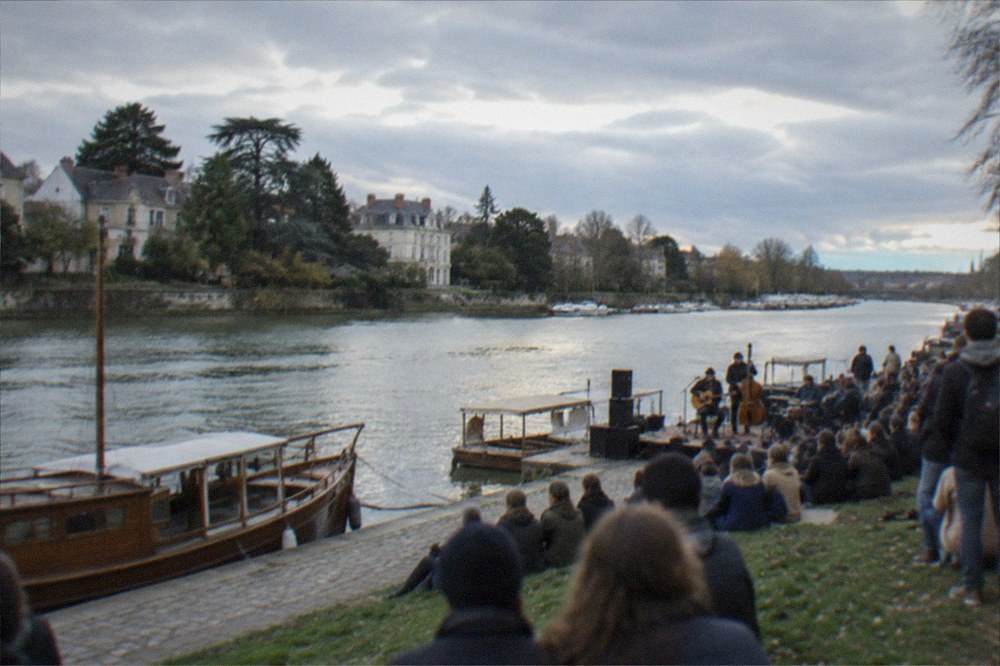
The best time to visit the Erdre River in Nantes is late August, when the free Rendez-vous de l'Erdre jazz festival fills the banks from 24 to 30 August in 2026 and from 23 to 29 August in 2027, though May to September offers the most reliable warm weather for enjoying the river outside festival week. The festival is the single biggest reason to time a trip around the water. It pairs jazz concerts with a flotilla of classic boats along the Erdre and the Nantes-Brest canal, and the programme is free, so there is no ticket to chase, only a schedule to follow.
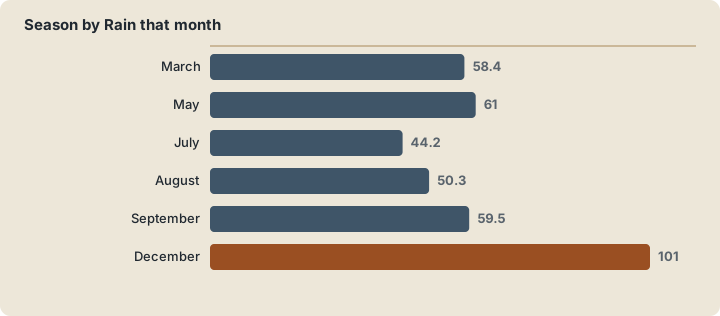
Outside festival week, the climate is temperate oceanic, never Mediterranean. Météo-France's 1991-2020 normals for the Nantes-Bouguenais station give a mean maximum of 25.4°C in August against 9.3°C in January, with 819.5 mm of rain spread across the year. July is the driest month at 44.2 mm and December the wettest at 101.0 mm, so the river is at its most inviting from late spring to early autumn. Summer 2026 also pushed the city to a new station record of 42.2°C on 24 June, a reminder that heat, not rain, is now the likelier summer extreme; if a hot spell coincides with your visit, the tree cover along the upper Erdre makes it one of the cooler walks in the city.
Spring has its own case. The Japanese planting on the Île de Versailles comes into leaf early, the crowds are thinner, and the river shuttle runs the same timetable as in July. September, with a mean maximum of 22.4°C and 59.5 mm of rain, is arguably the best all-round month: warm enough for the boat, quiet enough for the quays.
| Season | Mean max (Nantes-Bouguenais, 1991-2020) | Rain that month | River verdict |
|---|---|---|---|
| March | 13.5°C | 58.4 mm | Early blossom, cool quays |
| May | 19.6°C | 61.0 mm | Fresh green banks, thin crowds |
| July | 25.1°C | 44.2 mm | Driest month, warm evenings |
| August | 25.4°C | 50.3 mm | Festival month, peak energy |
| September | 22.4°C | 59.5 mm | Warm water, quiet banks |
| December | 9.8°C | 101.0 mm | Wettest month, indoor days |
One winter note matters for anyone planning a river-centred stay. In February 2026 the Loire reached 8.18 m at the Pont Anne-de-Bretagne, its first reading above 8 m in about 15 years, disrupting roads and low-lying areas. The Mémorial de l'abolition de l'esclavage, down on the Loire quays, closes during Loire floods, so a serious winter flood week can affect exactly the riverside stretch visitors most want.
What Tours And Cruises Cover The Erdre River In Nantes?
The Erdre is served by river cruises departing Nantes, by the Navibus N3 shuttle for everyday crossings, and by walking and food tours that use the riverside core, with cruise prices not published by the operator's live listing and shuttle fares fixed at the standard Naolib rates. That split matters when you are budgeting. The shuttle is a mode of transport; a cruise is a experience with commentary, seating and a set duration, and the two should not be confused when a listing says "boat".
For planning, the practical pattern is a morning walk, an early-afternoon cruise or shuttle, and an evening on the banks. The cruise listing currently shows no published price, so the figure needs to come from the operator's live listing at the point of booking rather than from any printed guide, including this one. What can be said with certainty is the shape of the product: a leisurely loop on the calmest water in the city, passing the Île de Versailles and the moored boats of the upper reaches.
Land-based tours cover the same ground differently. A food tour of the old town finishes near the river more often than not, since the Bouffay quarter runs down towards the confluence, and a photoshoot experience along the quays turns the light off the water into a keepsake. The walk below is the best-value entry point for a first visit, and the things to do in Nantes page places the river in the wider list of the city's sights.
Guided walking formats also exist with a local host, for travellers who prefer a human to an app. The Nantes walking tours guide compares them properly, so this page will only note that the riverside stretch is common to almost every route: every serious walk in Nantes crosses the Erdre or the Loire at least once, because the city is impossible to explain without its water.
How Does The Erdre River Fit Into A Nantes Trip?
The Erdre fits into a Nantes trip as the northern half of the city's water system: pair a morning on the Erdre and the Île de Versailles with an afternoon on the Loire side around the Machines de l'île, and you have seen both faces of Nantes in one day. The two rivers are not interchangeable. The Loire is wide, tidal-feeling and industrial in its history, the river of shipyards and the Île de Nantes. The Erdre is narrow, green and residential in feel, the river of gardens and rowing eights. A trip that only sees one leaves the city half-explained.
The confluence is the hinge. Stand near the point where the Erdre feeds into the Loire and the whole geography clicks into place: the historic centre on your side, the Île de Nantes across the main river, and the Château des ducs de Bretagne a few minutes behind you. From there the rest of the visit sequences itself. The cathedral, which partially reopened on 27 September 2025 after the 2020 fire with full reopening planned for 2028, is close by; the Passage Pommeraye and the Graslin quarter sit uphill from the quays; and the Jardin des Plantes rounds off a green day.
History runs along the water too. Duke Francis II began rebuilding the château in 1466, and his daughter Anne of Brittany, born there on 25 January 1477, is the figure every Nantes museum returns to. The Passage Pommeraye, an 1843 shopping gallery built over three sloping floors, and the Île de Versailles, converted from industrial islands into gardens, both show how the nineteenth and twentieth centuries kept reworking the city around its rivers. Even the question of which river owns the city's mouth has a proper answer, covered on the page about what city sits at the mouth of the Loire.
| Year | Event on or beside the water |
|---|---|
| 1466 | Francis II begins rebuilding the Château des ducs de Bretagne |
| 1477 | Anne of Brittany born at the château, 25 January |
| 1843 | Passage Pommeraye opens, three floors on a slope |
| 2007 | Les Machines de l'île inaugurated on the Loire side |
| 2023 | Erdre-adjacent summer art trail continues under Le Voyage à Nantes |
Budget-wise, the river is one of the cheapest threads to pull in an expensive city. The Île de Versailles costs nothing, the château courtyard costs nothing, the Navibus N3 costs a tram ticket and nothing on a summer weekend, and the jazz festival is free. The paid items, the museum interiors and the cruises, slot in around edges that are already open to everyone.
Tips For Visiting The Erdre River In Nantes
Bring the river into your plans by using the Navibus N3 as transport rather than as a sight, visiting the Île de Versailles early in the day, checking cruise prices on the operator's live listing before budgeting, and timing a late-August trip if you want the jazz festival for free. These four habits cover most of what separates a good Erdre day from a wasted one. The shuttle is a real mode of transport, so use it to move between sights rather than riding it in a loop; the island garden is best in the first hours before the tour groups from the old town arrive; and the festival needs no ticket but does need a bed booked well ahead, since late August is the river's busiest week.
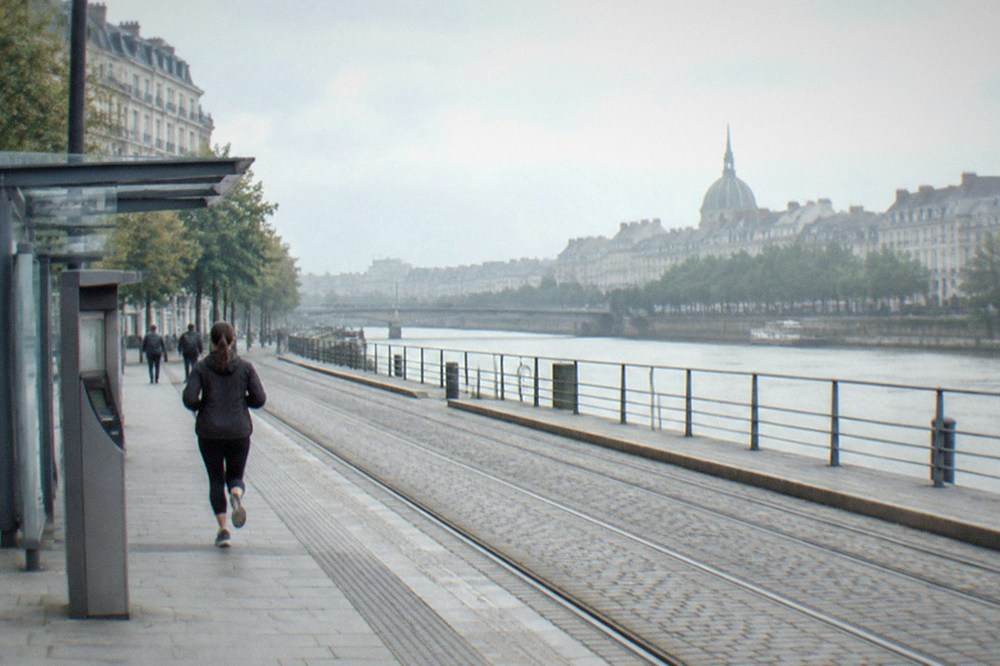
For photographers, the light works along the Erdre from late afternoon, when the sun comes down the water from the west and catches the moored hulls. A photoshoot experience is one way to make that light official, and the river's calm surface makes it a forgiving subject for amateurs.
A few final practicalities. The river is fully part of the Naolib network, so the free-weekend rule and the group ticket both apply to it. The banks are flat and paved for most of the city stretch, which makes them among the most accessible walks in Nantes. And if you are pairing the river with the rest of the visit, the Nantes Travel Guide homepage is the place to assemble the full picture, from the Loire side to the day trips beyond the city.
Common Questions About The Erdre River In Nantes
Where does the Erdre River meet the Loire?
The Erdre meets the Loire inside Nantes, France, in the Loire-Atlantique department of the Pays de la Loire region. The confluence sits a short walk from the Château des ducs de Bretagne and the historic centre, with the Île de Versailles just upstream on the Erdre itself.
Can you take a boat on the Erdre River in Nantes?
Yes. The Navibus N3 river shuttle runs the Erdre from Gachet to Grimaudière on ordinary Naolib tickets, a 1.80 EUR single covering tram, bus and boat alike. Sightseeing cruises also depart from Nantes, though the operator's live listing does not publish a price, so check at booking.
Is the Navibus free on weekends in Nantes?
Yes. The Naolib network, including the Navibus river lines, is free for everyone from midnight Saturday to 23:59 on Sunday, a scheme running since 2021. The airport shuttle is the only exception and always costs 10 EUR, but the airport shuttle is a different service from the river shuttle.
What is the Rendez-vous de l'Erdre festival?
The Rendez-vous de l'Erdre is a free jazz festival held along the Erdre River and the Nantes-Brest canal each August, pairing concerts with a gathering of classic boats. The 2026 edition, its 40th, ran from 24 to 30 August, and the 2027 edition is confirmed for 23 to 29 August.
What is there to see along the Erdre River in Nantes?
The Île de Versailles with its free Japanese garden is the river's own highlight, followed by the stone quays of the lower stretch and the moored boats of the upper reaches. The Château des ducs de Bretagne, with free courtyard and ramparts, sits within a short walk of the confluence with the Loire.
When is the best time of year to visit the Erdre River?
Late August for the free jazz festival, or May to September for reliable warm weather. Météo-France normals give a mean maximum of 25.4°C in August and 19.6°C in May, with July the driest month at 44.2 mm of rain, so the banks are at their best from late spring to early autumn.