Trentemoult, Nantes: The Colourful Village On The Loire
Trentemoult is the colour-washed fishing village on the south bank of the Loire, in the commune of Rezé, directly opposite the Île de Nantes in western France. This guide covers the river crossing, the quays, the food and how to fold the village into a wider Nantes visit.
Short answer
Trentemoult is a former fishing village in Rezé, on the Loire's south bank opposite Nantes city centre. Navibus river shuttles link it to the Gare Maritime and, since 12 November 2025, to Bas-Chantenay and the Hangar à Bananes. The streets, quays and river views are free to enjoy year-round.
Trentemoult sits on the south bank of the Loire in the commune of Rezé, directly opposite the Île de Nantes, in the Loire-Atlantique department of the Pays de la Loire region of western France. It began as a fishing community and it still reads that way: low houses painted in strong colours line the quays, boats work from the water, and the towers of central Nantes stand across the river like a backdrop painted for the village rather than the other way around. The crossing is the point. A river shuttle ties Trentemoult to the city in a few stops, and since November 2025 a second shuttle line has joined it to the Hangar à Bananes on the Île de Nantes, which makes the village easier to reach, and easier to pair with the rest of the city, than it has ever been. This page, part of the Nantes Travel Guide coverage of the city's areas, sets out what the verified sources actually say about getting there, what to do on both banks, and how to plan the visit.
What Is Trentemoult In Nantes, France?
Trentemoult is a former fishing village inside the commune of Rezé, on the south bank of the Loire directly opposite the Île de Nantes, in the Loire-Atlantique department of the Pays de la Loire region of western France. Its low, colour-washed houses line quays facing the city across the water, and Navibus river shuttles link the village with the Nantes side of the river. There is no gate, ticket office or closing time for the village itself.
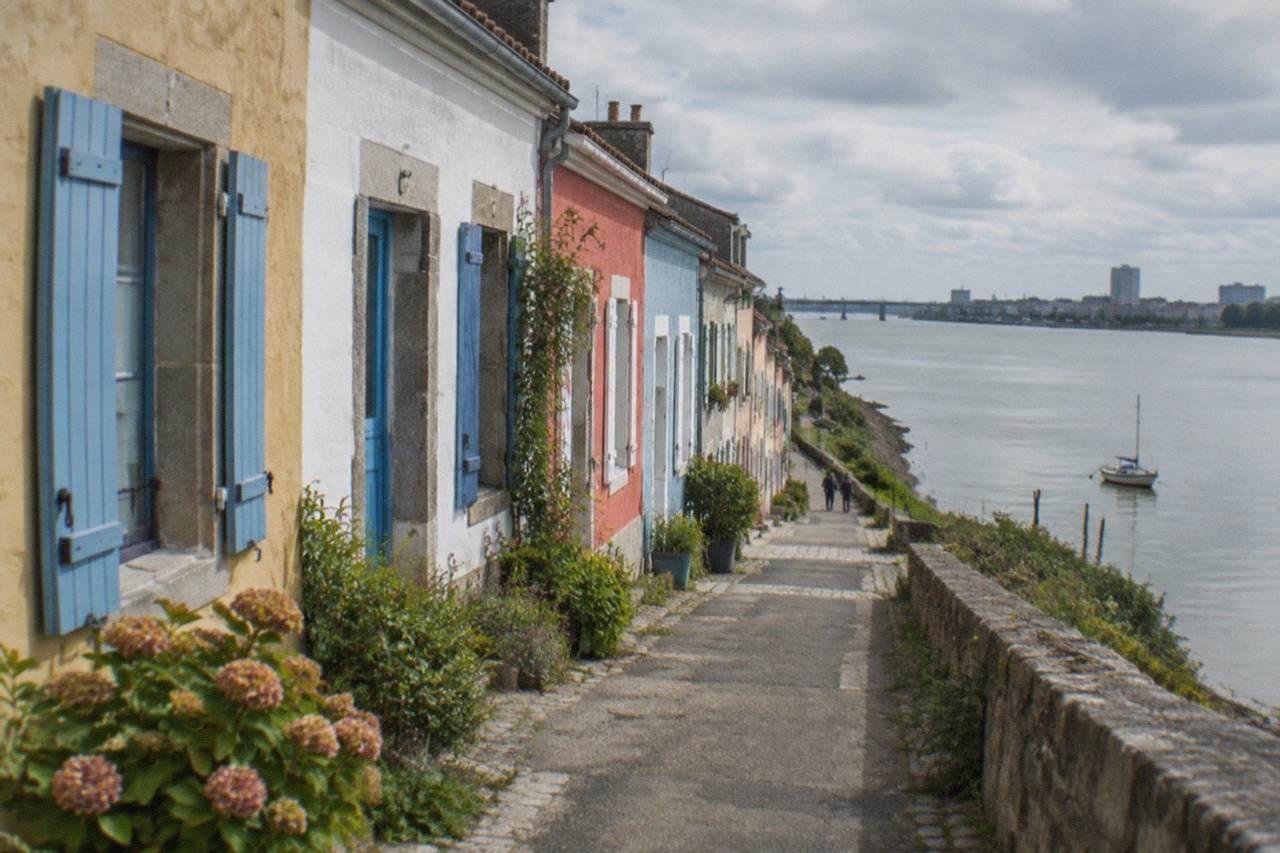
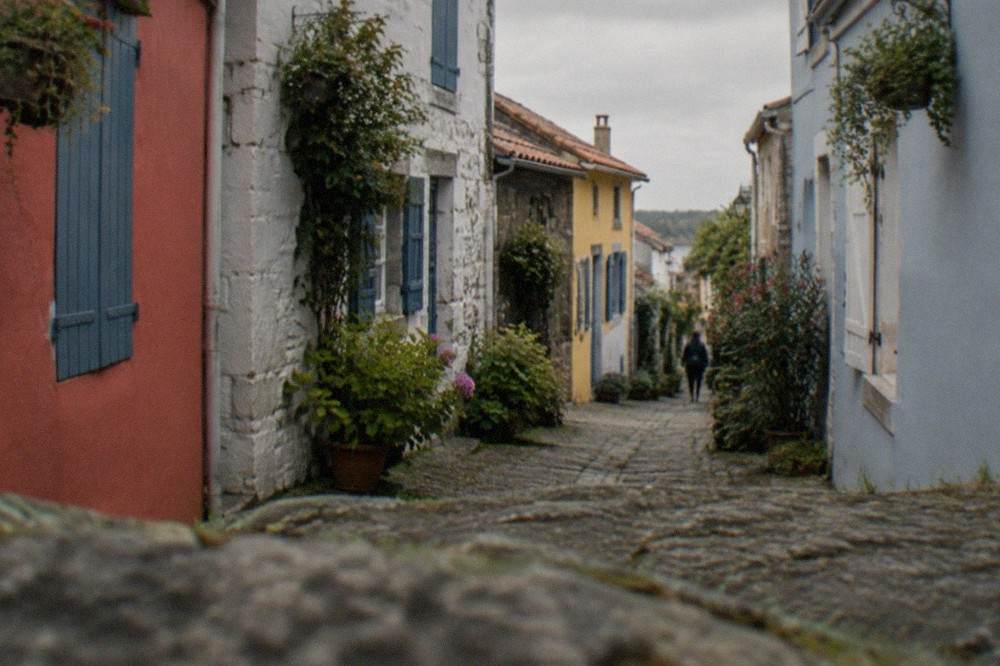
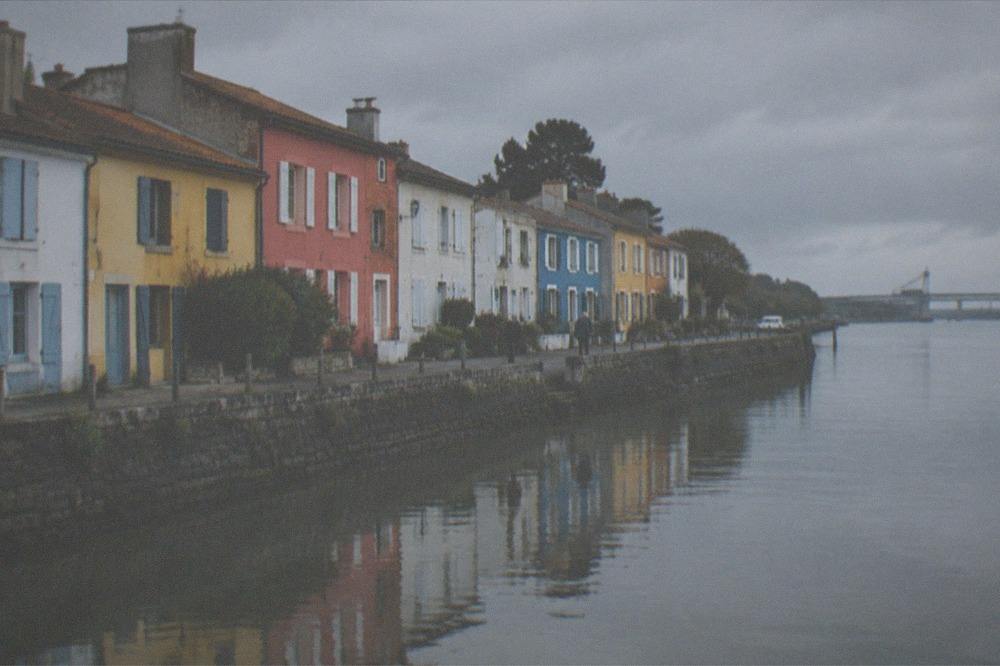
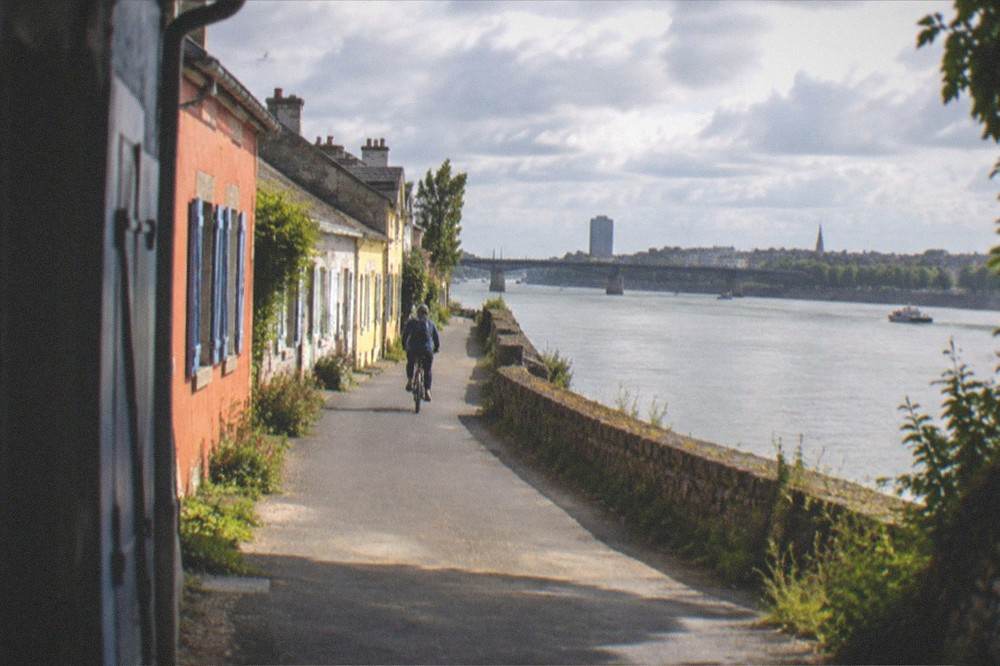
The name and the layout both come from the river. Trentemoult grew where the shallow water of the Loire let fishing boats work close to the bank, and the community that grew there kept its own character even as Nantes industrialised the opposite shore. The houses are the signature: modest, tight-packed buildings painted in saturated blues, reds, pinks and greens, many of them standing gable-end to the water so that the village presents a front of colour to anyone crossing from the city. It is small. A visitor walking the streets and both quays covers the whole of the village on foot without hurrying.
Administratively, remember the boundary. Trentemoult is Nantes in the everyday sense that matters to a visitor: the river shuttle, the transport tickets and the day's rhythm all belong to the Nantes metropolitan area. On paper it belongs to Rezé, the commune immediately south of the city, and the village is one of several settlements along that bank that once lived from the Loire. The village's position opposite the Île de Nantes is what now gives it its pull. The Machines de l'île, the Hangar à Bananes and the Anneaux de Buren all stand on the north bank within sight of Trentemoult's quays, so the village works both as a destination and as a base for the island's attractions. The wider context of the city's split between historic Brittany and the modern Pays de la Loire region is covered on the Bouffay old town page, which explains where the medieval core fits into the same picture.
How Do You Get To Trentemoult From Nantes?
The most scenic way to reach Trentemoult is the Navibus river shuttle: line N1 runs from the Gare Maritime on the Nantes side to Trentemoult Sablières, and since 12 November 2025 line N2 has also linked Trentemoult with Bas-Chantenay and the Hangar à Bananes. Navibus rides use normal Naolib tickets, and the whole network, shuttles included, is free for everyone from Saturday 00:00 to Sunday 23:59.
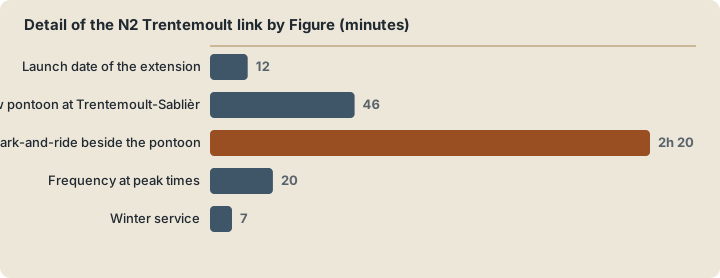
The river crossing is the classic approach and the one most sources describe first. Boarding a Navibus at the Gare Maritime, beside the Île de Nantes, turns the journey itself into part of the visit: the boat drops you at the Trentemoult-Sablières pontoon within sight of the coloured houses. The newer option is the N2 line, whose extension launched on 12 November 2025 with a new 46-metre pontoon at Trentemoult-Sablières and a 140-space park-and-ride beside it. That extension was built to tie the south bank into the city's river network, connecting Trentemoult with the Bas-Chantenay district and the Hangar à Bananes rather than only with the city-centre side.
| Navibus line | Route | Verified detail |
|---|---|---|
| N1 | Gare Maritime to Trentemoult Sablières | The original cross-Loire link; normal Naolib tickets |
| N2 | Hangar à Bananes (Bas-Chantenay) to Trentemoult | Extension launched 12 November 2025 |
| N3 | On the Erdre: Gachet to Grimaudière | Serves the Erdre river north of the centre, not Trentemoult |
| Detail of the N2 Trentemoult link | Figure |
|---|---|
| Launch date of the extension | 12 November 2025 |
| New pontoon at Trentemoult-Sablières | 46 metres |
| Park-and-ride beside the pontoon | 140 spaces |
| Frequency at peak times | Every 20 minutes |
| Winter service | 07:00 to 20:00 |
| Summer service | Up to midnight |
The weekend rule deserves its own line because it genuinely changes the plan. Naolib, the operator, runs the network free for all passengers from Saturday 00:00 through to Sunday 23:59, and the Navibus shuttles fall inside that rule. The one exclusion is the airport shuttle, which always costs its own fare; that does not touch a Trentemoult crossing. For anyone building a weekend around the village, the crossing is free both ways, and the park-and-ride at Trentemoult-Sablières pairs with network use for anyone arriving by car from the south.
Cyclists and walkers have a third option: the bridges. The river can be crossed on the road and foot bridges that carry traffic between Rezé and the Île de Nantes, and the quays on both sides make an agreeable riverside approach, though the sources for this site do not give a timed distance for that specific walk, so no figure is offered here. For transport detail across the whole city, see the broader getting around coverage, which sets the shuttles into the tram and busway network.
What Are The Best Things To Do In Trentemoult, Nantes?
Trentemoult's draw is its streets of colour-washed fishermen's houses, its quayside walks along the Loire, and the view back across the water toward the towers of central Nantes. Across the river sit the Machines de l'île and the Hangar à Bananes, while the Butte Sainte-Anne-Chantenay area rises on the south bank a little downstream. Nothing in the village itself carries an entry fee.
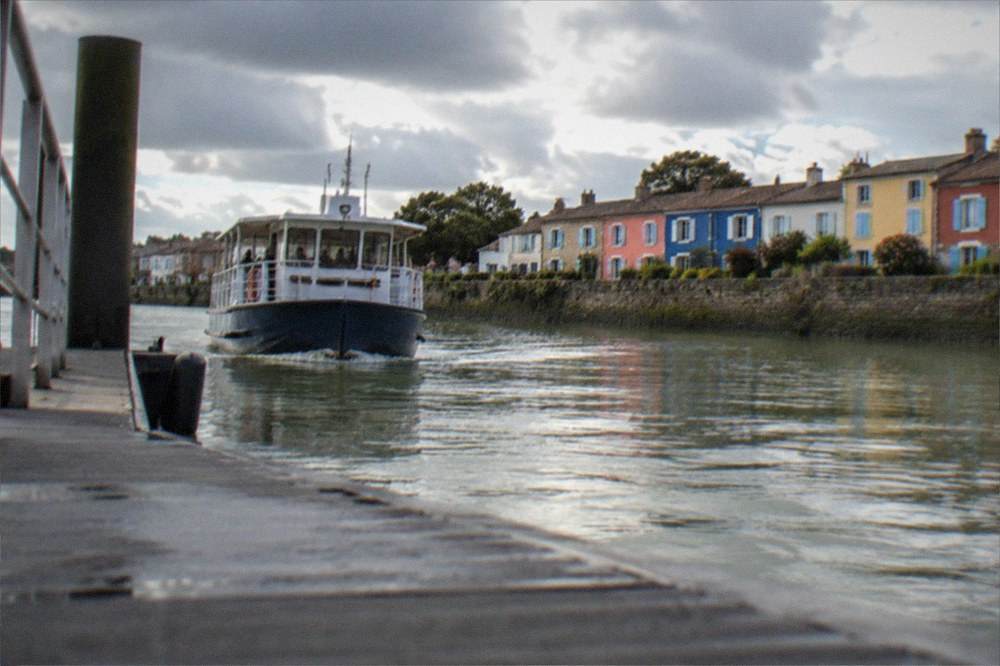
The walk is the attraction. Visitors arrive at the pontoon, turn into the first lane of coloured cottages, and simply wander: the streets climb gently away from the water, dead-end into gardens, and re-emerge onto the quay at intervals. The two quays, one facing the Île de Nantes and one facing downstream toward Chantenay, give the village its two distinct outlooks. Boats still use the water, and the shuttle traffic itself, N1 and N2 vessels crossing back and forth, is part of the scene rather than an interruption of it.
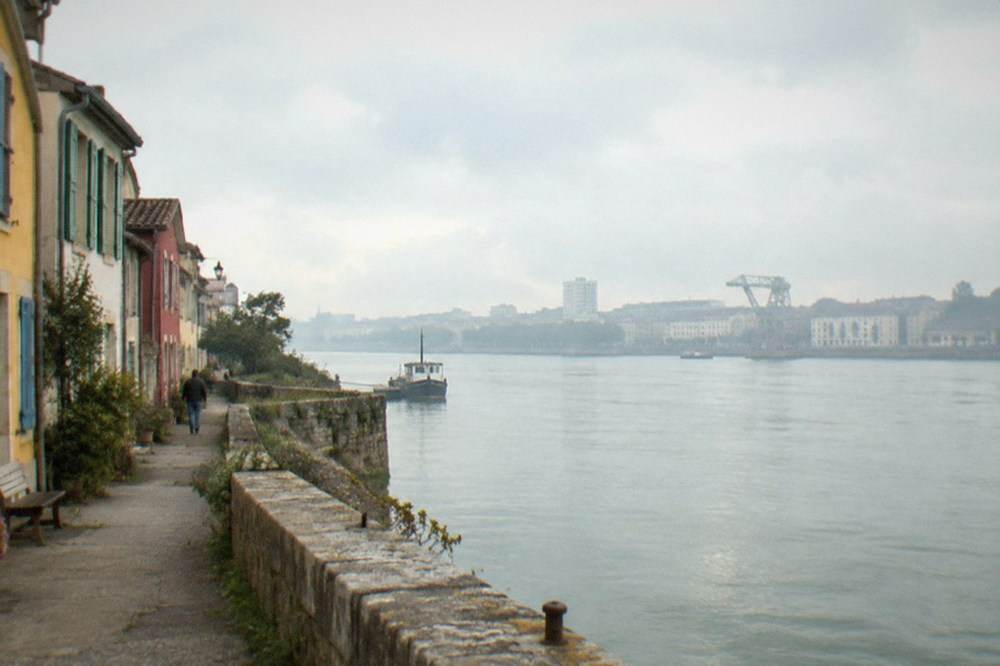
Photography is the second activity, and it is the one that draws people here. The coloured gables are strongest in low light, and the river view with the city behind it gives any set of photographs a frame that the centre of Nantes cannot match. A guided walk can sharpen that: one option in the city's roster is a photo-spots walk with a local, and its price and current reviews render on the card below rather than being quoted here.
For pairing, the real gain is that the N2 shuttle turns Trentemoult into one stop on a river loop. Cross to the Hangar à Bananes, walk the island's former banana warehouse with its bars and the HAB Galerie, then continue to the Machines de l'île before returning by water. On the south bank, the Butte Sainte-Anne-Chantenay area climbs above the left bank and carries the Jules Verne museum, a reminder that the author was born in Nantes in 1828, on Île Feydeau, before his family's story carried the name worldwide.
| Sight to pair with Trentemoult | Full price | Reduced | Verified note |
|---|---|---|---|
| Musée d'histoire de Nantes, in the château | 9 EUR | 5 EUR | Closed Mondays; courtyard and ramparts free |
| Machines de l'île, one attraction (Galerie, Carrousel or elephant) | 12 EUR | 10 EUR, or 8 EUR ages 4-12 | No elephant rides 2 November 2026 to 28 February 2027 |
| Musée d'arts de Nantes | 9 EUR | 4 EUR | Closed Tuesdays; free Thursday nocturne 19:00 to 21:00 |
| Nantes cathedral | Free | Free | Partially reopened 27 September 2025, full reopening planned 2028 |
| Mémorial de l'abolition de l'esclavage | Free | Free | Open 9:00 to 18:00 in the cooler season, later in summer |
Those five pairings can be arranged in a single day, and the one day in Nantes itinerary shows one ordering that works. The château's own story, including the museum's hold on the city's difficult slave-trade history, is covered in full on the château des ducs de Bretagne page.
Where To Eat And Drink In And Around Trentemoult?
Trentemoult has no grand restaurants of its own recorded in the verified sources for this site; what it does have is a cluster of small quayside tables, seasonal guinguette-style spots that open through the warmer months, and quick river access to the food culture of central Nantes: Muscadet wine, beurre blanc, gâteau nantais, berlingots nantais and the LU Petit Beurre biscuit.
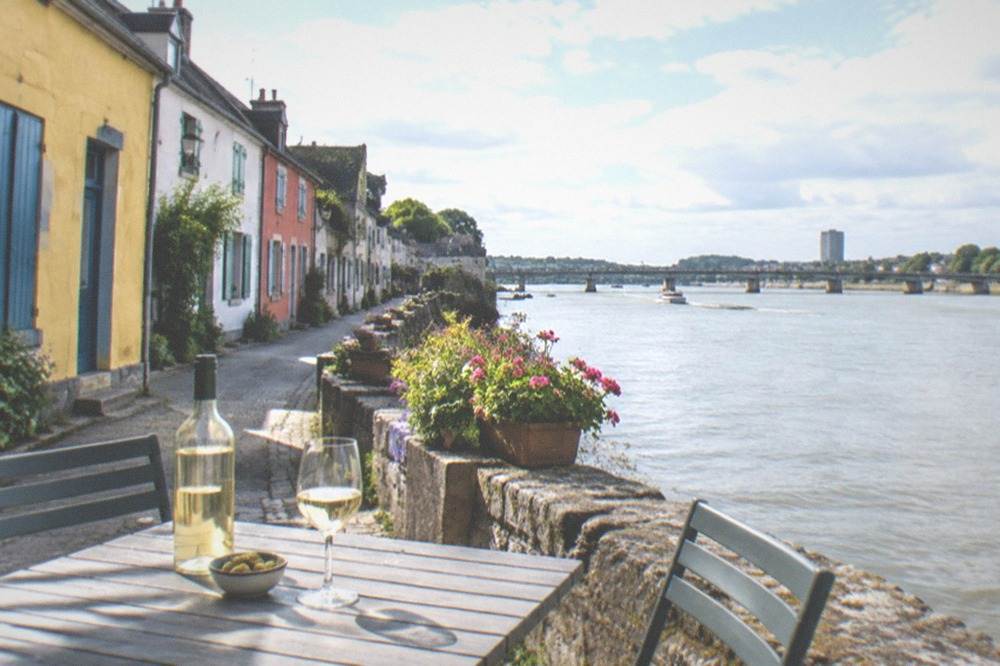
The guinguettes are the seasonal story. Nantes Métropole's own listing, updated in August 2026, describes guinguettes operating along the metropolitan riverbanks on 2026 schedules running roughly from April to October, with some running June to September. Trentemoult's quays sit inside that pattern: in the warm months, open-air tables appear near the water and the village takes on the feel of a small riverside resort. In the colder months the choice narrows, and the sensible move is to eat on the city side or carry a picnic from the markets.
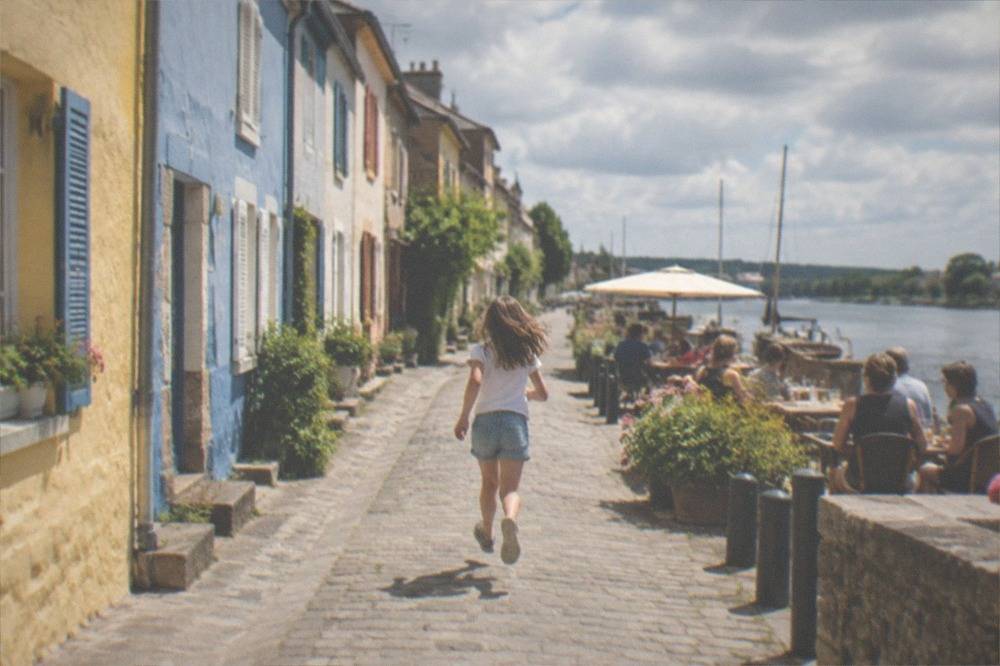
The classic Nantes table is the true food pairing, and every one of its flagship items is documented in the verified research for this site. Muscadet, the dry white pressed from the Melon de Bourgogne grape in the vineyards south and east of the city, is the local pour; the 2026 harvest was declared open on 11 August 2026, a record-early date eight days ahead of the previous mark, and producers reported lower yields after a hot, dry summer. Beurre blanc, the shallot, white-wine and butter emulsion, is the sauce the city's restaurateurs have been pushing, since 2025, for protected traditional-speciality status. Gâteau nantais, the almond and rum cake whose origins are traced to around 1820, has returned to the city's patisseries. Berlingots nantais, the tetrahedron hard candies in seven traditional flavours, trace their local industry to the Pinson confiserie, founded in 1895 near the port. And the Petit Beurre biscuit, invented in 1886 by the LU company founded in 1846, marked its firm's 180th anniversary in 2026.
| Speciality | What it is | Verified figure |
|---|---|---|
| Muscadet | Dry white wine from the Melon de Bourgogne grape | 2026 harvest ban declared 11 August 2026, a record-early date |
| Beurre blanc | Shallot, white-wine and butter sauce | Restaurateurs pursued protected STG status, reported 2025 |
| Gâteau nantais | Almond and rum quatre-quarts cake | Origins traced to around 1820 |
| Berlingots nantais | Tetrahedron hard candies, traditionally seven flavours | Pinson confiserie founded 1895 near the port |
| Petit Beurre, LU | Butter biscuit with scalloped edges | Invented 1886; LU founded 1846; 180th anniversary in 2026 |
For shopping rather than sitting, the Marché de Talensac page covers the city's main market, open Tuesday to Friday from 8:00 to 13:00 and Saturday to Sunday from 8:00 to 13:30, closed Monday, a schedule confirmed by Nantes Métropole for the week of 24 to 30 September 2026. A guided food walk through the old town is also available in the city's roster; the operator has not published a price for it, and its card below renders whatever the live listing currently shows.
How Does Trentemoult Compare With Other Areas Of Nantes?
Trentemoult is quieter, smaller and more residential than the central Nantes areas: Bouffay is the medieval core, Graslin and Commerce carry the Passage Pommeraye and the main shopping streets, and the Île de Nantes holds the Machines and the Hangar à Bananes. Trentemoult sits opposite them all on the south bank, and since 12 November 2025 the N2 Navibus has tied it directly to Bas-Chantenay and the island's waterfront.
Each central area answers a different question, and Trentemoult answers none of them. Bouffay is where the city's medieval street pattern survives around the cathedral, which partially reopened on 27 September 2025 with full completion planned for 2028. Graslin and Commerce carry the nineteenth-century commercial city, including the Passage Pommeraye, built in 1843 and described by the tourism office as unchanged. The Île de Nantes is the former shipyard island, now the city's engine of visitor attractions. Trentemoult is the counterweight: residential in scale, riverine in character, and with almost nothing that could be called a monument. That is precisely why it pairs well. Two hours on the island among the Machines, then a shuttle crossing to a village where the loudest sound is the water, is a contrast the city centre cannot supply.
The comparison also settles the where-to-stay question for some visitors. Trentemoult offers the calm of a village with the transport links of a city district, including its own 140-space park-and-ride since late 2025, while the central areas trade that calm for walkable proximity to everything. The city's wider hotel and district logic is laid out in the Île Feydeau and other area guides, and there is no wrong answer, only a choice between the two banks of the Loire.
When Is The Best Time To Visit Trentemoult?
The best months for Trentemoult are May to September, when the Météo-France normals for the Nantes-Bouguenais station show mean highs of 19.6 to 25.4 °C and the guinguettes are running. July and August are the warmest and busiest months, with 44 to 50 mm of rain each. September brings 22.4 °C mean highs and thinner crowds, and the river views hold their colour through autumn.
Nantes is temperate oceanic, never Mediterranean: rain falls year-round, at 819.5 mm annually, and the driest summer month still counts roughly seven days with at least 1 mm of rain. For a village whose whole appeal is the outdoors, the practical reading is simple. Aim for the warm half of the year, carry a light rain layer whatever the month, and treat the evening hours, when the colour of the houses deepens and the guinguette tables fill, as the day's highlight.
| Month | Mean max °C | Rain, mm | Days with at least 1 mm |
|---|---|---|---|
| May | 19.6 | 61.0 | 9.6 |
| June | 23.0 | 48.5 | 7.6 |
| July | 25.1 | 44.2 | 7.1 |
| August | 25.4 | 50.3 | 7.2 |
| September | 22.4 | 59.5 | 7.8 |
Two weather facts from 2026 are worth carrying into a plan. First, the heat: the station's all-time record was reset at 42.2 °C on 24 June 2026, with 40.4 °C recorded on 13 August 2026 and 35.7 °C on 25 May 2026, so summer visits should lean on the mornings. Second, the water: the February 2026 Loire flood, the first above 8 metres at the Pont Anne-de-Bretagne in about 15 years, showed how quickly a riverside village can be cut off from its own quays. Flooding is a winter phenomenon here, and quayside access, like the Mémorial on the north bank, which closes during Loire floods, can be affected in those episodes.
How Much Time Do You Need In Trentemoult, And What Can You Pair It With?
Half a day is enough for Trentemoult itself: the streets, both quays and the crossing can be covered at a walk in a morning, leaving the afternoon for the Île de Nantes or the Butte Sainte-Anne-Chantenay. As a base, the village works for day trips by TER from Nantes station, with Clisson reachable in about 15 minutes at its fastest, La Baule in about 51 minutes and Saint-Nazaire in about 33.
The honest sizing is small. Trentemoult rewards slow looking rather than long lists: an unhurried circuit of the lanes, a pause on the quay, a crossing, and a stop somewhere on the far bank fills a half-day comfortably. Families manage it easily, since the shuttle ride is itself an event for children and the village streets are quiet; the wider Nantes with kids guide extends the same logic across the city. For anyone with more time, the village sits well at either end of a bigger itinerary: a first evening to decompress on arrival, or a last morning before the train home.
Day trips, if Trentemoult is your base, run from Nantes station on the TER network, and the fastest times recorded in the verified research are short enough to fill a free afternoon. Clisson, the Italianate town near the confluence of the Sèvre Nantaise, is the quickest at about 15 minutes at best, with typical journeys averaging nearer 23; one Clisson TER return is also included in the Pass Nantes. Saint-Nazaire at the river's mouth is about 33 minutes, La Baule about 51, Pornic between 59 and 65, and Le Croisic about one hour and three minutes. The full set of options is laid out in the day trips from Nantes guide.
| Day trip by TER from Nantes | Fastest time | Verified note |
|---|---|---|
| Clisson | About 15 minutes | Typical journeys average nearer 23 minutes |
| Saint-Nazaire | About 33 minutes | Escal'Atlantic liner tour: adult 15 EUR, child 7.50 EUR |
| La Baule | About 51 minutes | Long sandy bay resort |
| Pornic | About 59 to 65 minutes | Historic fishing port |
| Le Croisic | About 1 hour 3 minutes | Seaside town at the end of the line |
Seeing the village and its setting by bike is another angle worth naming: the city's roster includes a panoramic electric-bike tour, and the flat riverbanks on both sides of the Loire are what make two-wheeled approaches practical here. The card below renders its current price and rating.
If one sentence had to carry the whole plan: cross by Navibus, walk the lanes slowly, eat by the water if the season allows, and give the village the two unhurried hours it needs rather than the rushed one it does not.
Common Questions About Trentemoult, Nantes
Is Trentemoult In Nantes Or In Rezé?
Trentemoult lies inside the commune of Rezé, immediately south of Nantes, on the left bank of the Loire. In practical visitor terms it functions as part of the Nantes metropolitan area: the same Naolib tickets, the same river shuttles and the same transport rules apply. The village looks directly across the water at the Île de Nantes.
How Do You Get To Trentemoult From Nantes?
Take the Navibus N1 shuttle from the Gare Maritime to Trentemoult Sablières, or the N2 shuttle from the Hangar à Bananes via Bas-Chantenay, an extension launched on 12 November 2025. Both use normal Naolib tickets, and the network is free for everyone from Saturday 00:00 to Sunday 23:59, excluding the airport shuttle, which does not serve Trentemoult.
Is Trentemoult Free To Visit?
Yes. There is no entry fee, gate or ticket office for the village: the streets, the quays and the river views cost nothing at any time of year. Paid attractions sit on the opposite bank, such as the Machines de l'île at 12 EUR full price per attraction, but the village itself is entirely free to wander.
Can You Park At Trentemoult?
Yes. The N2 extension opened with a 140-space park-and-ride beside the new Trentemoult-Sablières pontoon, designed to pair river-crossing trips with car arrival from the south bank. Park-and-ride use across the Naolib network works with validation on the transport network.
What Is The Best Time Of Day To Visit Trentemoult?
Early evening is the strongest slot: the coloured house fronts deepen in low light, the quayside tables fill in the warmer months, and the view back toward central Nantes is at its best as the city lights come on. In high summer, note that Nantes set an all-time station record of 42.2 °C on 24 June 2026, so a morning visit is the cooler choice in a heatwave.
Is Trentemoult Good For Families?
Yes. The village is quiet, compact and pedestrian in scale, and the Navibus crossing is itself a short boat trip that children tend to enjoy. There are no long distances to cover and no busy roads to cross inside the village, and the pairing with the Machines de l'île across the water makes an easy full family day.