Ile De Nantes
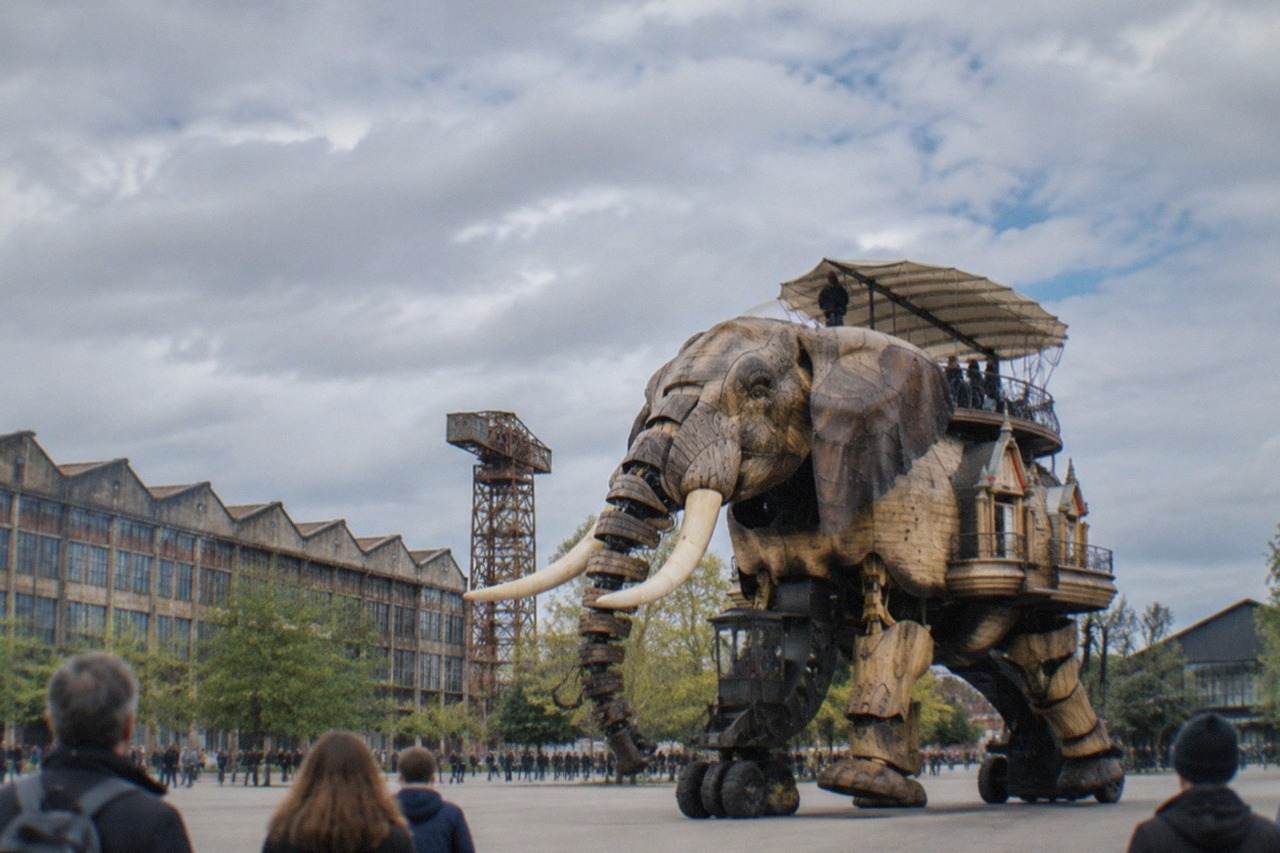
The Île de Nantes is the island that pushed Nantes, in the Loire-Atlantique department of western France's Pays de la Loire region, from a historic port city into one of Europe's most talked-about urban regeneration stories, and it holds the single attraction most visitors now come to the city for.
Short answer
The Île de Nantes is a regenerated island in the Loire in central Nantes, France, home to Les Machines de l'île with its Grand Éléphant, the Hangar à Bananes bars and galleries, the green line art trail and the Anneaux de Buren. Entry to the island itself is free; individual Machines attractions cost 12 EUR full price, and the island sits between the historic centre and Trentemoult.
The Île de Nantes is the long island in the Loire that separates central Nantes, in the Loire-Atlantique department of the Pays de la Loire region of western France, from the south bank districts of Rezé, and it is where the city's shipyard past meets its machine-filled present. For most of the twentieth century this was industrial ground: shipbuilding sheds, warehouses and docks that closed one after another as the yards declined. Since the 2000s it has become the part of Nantes that visitors head for first, anchored by the Grand Éléphant and the other machines of La Machine, and ringed by riverside walkways that connect it to the historic centre on one side and Trentemoult on the other.
This page lays out the island district as it stands in 2026: what is on it, what the machines cost, how the transport works, what closed and what is still coming. For the city-wide picture, start with the things to do in Nantes overview, then come back here for the island in depth. If you are planning a first visit, Nantes Travel Guide covers every district and day trip from the same verified sources.
What Is The Île De Nantes?
The Île de Nantes is an island in the Loire immediately south of Nantes's historic centre, roughly 4.5 kilometres long, formed of former shipyard and industrial land that has been transformed since the 2000s into the city's flagship cultural district. Its western end holds Les Machines de l'île, opened 30 June 2007, and its eastern end holds the Anneaux de Buren, and in between sit residential blocks, gardens, workshops and the Hangar à Bananes.
The island was Nantes's industrial engine for well over a century. Shipbuilders, foundries, sugar refineries, biscuit factories and banana-ripening warehouses for the port trade all worked here, and the closure of the yards left a stretch of sheds and brownfield at the edge of the city centre. Rather than clear it, Nantes chose to reuse it, and the 2000s projects put the machines on the west, offices and housing in the middle, and an ambitions programme of public art threaded through the whole length of the island.
What makes the district unusual is that the regeneration never stopped being a story in progress. A fourth transformation phase began with a new planning team in 2025, a ten-hectare Loire park is planned with the first part around 2030, and the Jardins de l'estuaire are being laid out from 2024 to 2027. Visitors in 2026 therefore see working construction sites alongside finished attractions, which is a fair picture of how the island has always been presented.
The area is distinct from two neighbours that are often confused with it. The Île de Versailles is a small island on the Erdre north of the centre, a Japanese garden rather than a cultural quarter. Île Feydeau is the former island of merchant houses that was attached to the north bank long ago; it belongs to the old town walk, not to this island.
What Are The Best Things To Do On The Île De Nantes?
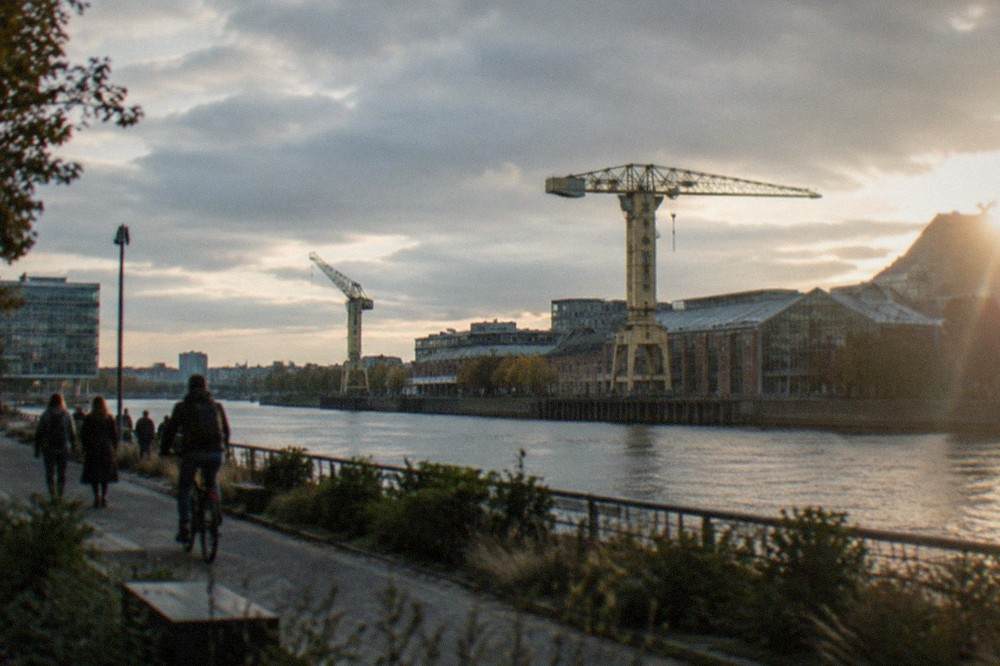
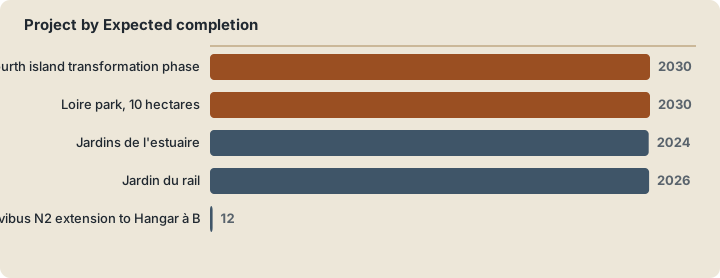
The core draws on the Île de Nantes are the Galerie des Machines, the Carrousel des Mondes Marins and a ride on the Grand Éléphant, together at the island's western end, followed by the green line art trail, the Anneaux de Buren rings at the Palais de Justice, and the bars and galleries of the Hangar à Bananes on the quays facing Trentemoult. A full day covers all of it on foot, and everything except the Machines attractions is free.
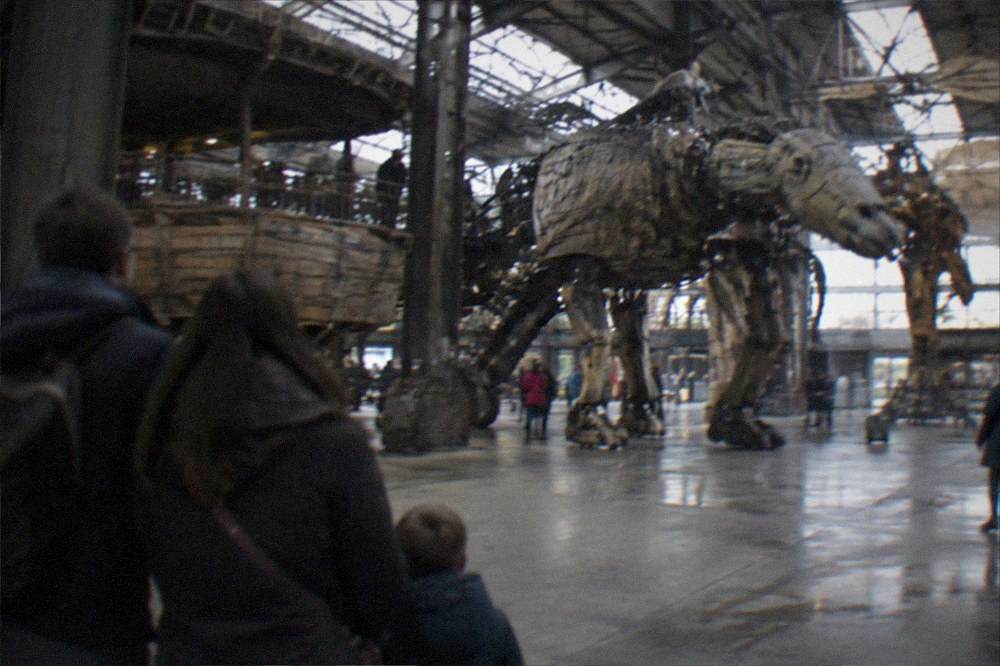
Start at the machines. The Grand Éléphant, inaugurated 30 June 2007, carries passengers along the former shipyard lanes, and the Galerie des Machines exhibits the workshop's other mechanical creatures with the builders at work in front of you. The Carrousel des Mondes Marins, added in 2012, is a three-level marine carousel that is itself a machine rather than a fairground ride. Book the elephant in advance: the operator's own horaires page notes that slots often sell out, and the current timetable runs elephant departures from 10:15 to 15:45 on weekdays between September and mid-October 2026. The full history of the machines, including the abandoned Arbre aux Hérons project, is covered in what are the Machines de Nantes.
Then walk east. The green line painted along the pavement ties the island into the city-wide Voyage à Nantes trail, which the organisers describe as running across all 22 kilometres of its route; the island section is the stretch where the trail meets the shipyard sheds. The 2026 summer edition, themed on Earth, ran from 4 July to 6 September and put new works along this line, including Louis Guillaume's 14-metre metal palm tree in the Château des ducs de Bretagne moats across the river. The permanent collection along the route is free to follow at any time of year.
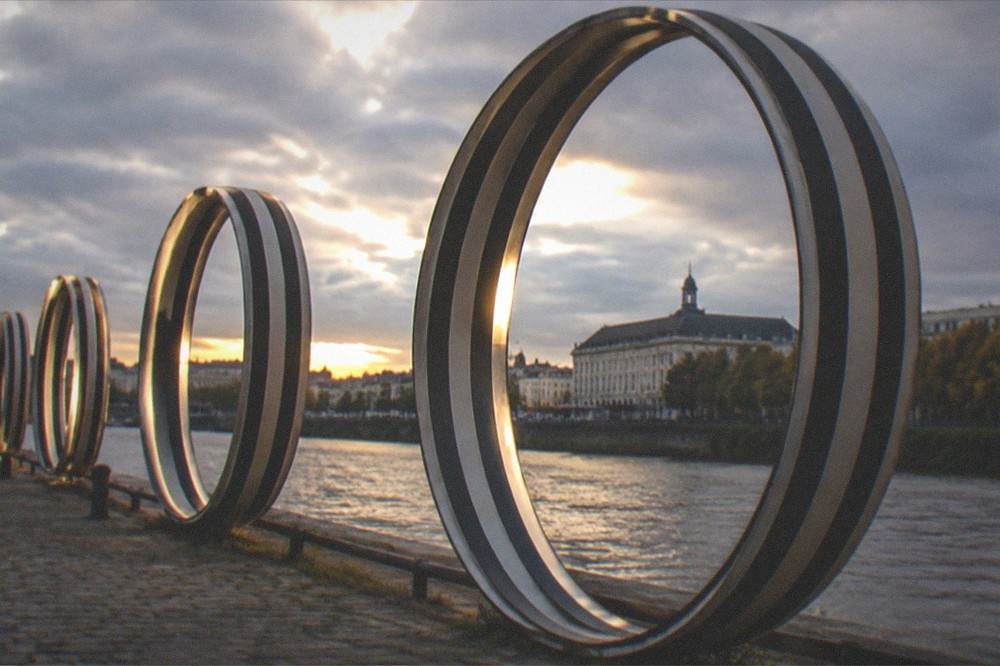
The Anneaux de Buren, eighteen steel rings by Daniel Buren, mark the eastern end of the island around the Palais de Justice and are lit at night; the dedicated Anneaux de Buren page covers them in detail. Between the two ends you pass the Maison des Chirurgiens, the Maison des Syndicats, restored dockside cranes left standing as monuments to the shipyard years, and stretches of new housing built since the 2000s. The island's flatness makes it one of the easiest walks in the city, and a circuit of the whole island with stops is a comfortable half day.
For families, the machines are the obvious anchor, but the riverside lawns and the quays work as informal play space, and the Jardin des Plantes is a short tram hop north if the children need greenery rather than steel. For a slower crossing of the Loire, the Navibus river shuttle is covered below in the transport section.
How Much Do Les Machines De L'île Cost, And What Is Closed?
Each individual attraction at Les Machines de l'île, meaning the Galerie des Machines visit, the Carrousel des Mondes Marins or a Grand Éléphant ride, costs 12 EUR full price, 10 EUR reduced for ages 13 to 17, students, jobseekers and disabled visitors, and 8 EUR for children aged 4 to 12, with under-4s free. Two-attraction day packages cost 20 EUR full and three-attraction packages 29 EUR, and the island around the site is free to walk.
Those figures come from the operator's own tarifs page, which also lists a Carte Blanche rate of 6 EUR, a 15 percent family discount for groups of five with a maximum of two adults, valid the same day, and free entry for under-4s and disabled companions. Last admission is 45 minutes before closing, and opening hours vary by season, so the shorter winter timetable catches out visitors who plan an evening visit.
| Attraction or package | Full price | Reduced | Child 4-12 |
|---|---|---|---|
| Galerie des Machines visit | 12 EUR | 10 EUR | 8 EUR |
| Carrousel des Mondes Marins | 12 EUR | 10 EUR | 8 EUR |
| Grand Éléphant ride | 12 EUR | 10 EUR | 8 EUR |
| Day package, 2 attractions | 20 EUR | 17 EUR | 14 EUR |
| Day package, 3 attractions | 29 EUR | 25 EUR | 21 EUR |
Two closures matter for planning in 2026 and early 2027. The Carrousel des Mondes Marins closed for maintenance from 22 to 25 September 2026, reopening 26 September. More significantly, there are no Grand Éléphant rides at all from 2 November 2026 to 28 February 2027 for its annual maintenance, so a winter visit before March 2027 means the Galerie and the Carrousel only. The site also closes for its standard annual January period, and the operators note possible temporary closures in extreme weather.
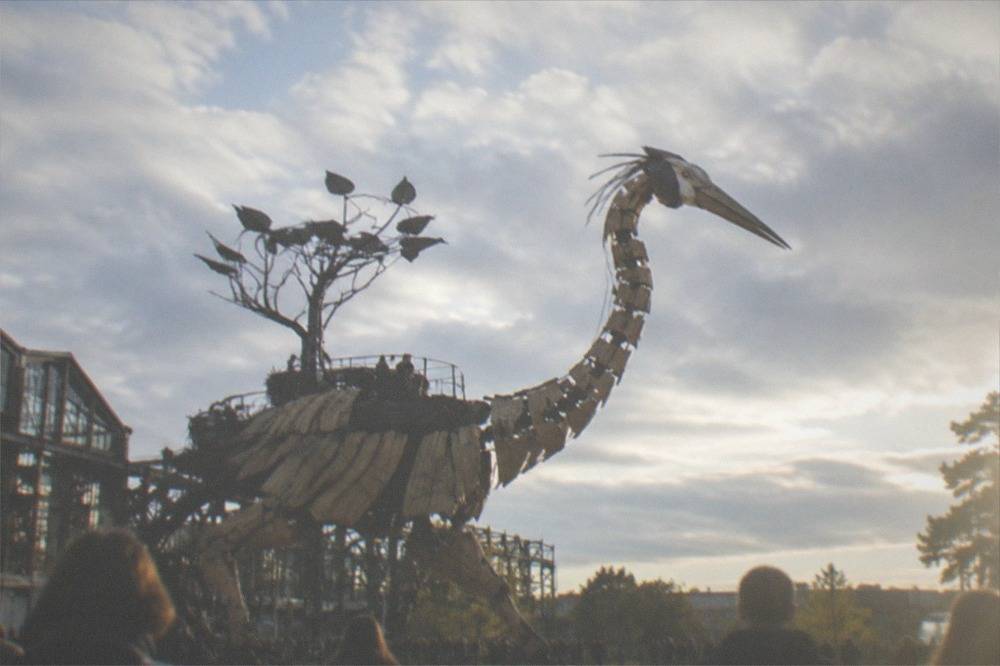
The Arbre aux Hérons needs its own warning, because older guides still present it as a coming attraction. Nantes Métropole abandoned the project definitively in September 2023 after cost estimates rose from around 52 million euros toward 80 million, and the Compagnie La Machine filed a legal claim against the Métropole in December 2025 seeking damages for the abandonment. What visitors can see is the prototype branch, which the tarifs page confirms is included with any attraction ticket, along with a film and terraces. Nothing taller is being built.
Where Is The Hangar À Bananes And What Is There?
The Hangar à Bananes is the row of former banana-ripening warehouses on the north quay of the Île de Nantes at its western end, now holding bars, restaurants, a nightclub and the HAB Galerie, and it faces Trentemoult across the Loire, with which it is linked by the Navibus N2 river shuttle. The quayside terrace in front of the warehouses is one of the busiest evening spots on the island.
The name is literal: bananas arriving through the port of Nantes were ripened in these sheds before being sent on, and the preserved yellow-fronted warehouse row kept the label. Today the row works as an evening and weekend destination. The HAB Galerie inside hosts contemporary art exhibitions; its 2026 programme included INTERSTELLAR, Ré-imaginer la Terre, which ran from 23 May to 27 September 2026. The Warehouse club runs a live events calendar through the year, and Hangar 24 added padel courts, food and a large terrace to the mix.
One recent loss should be flagged. The Frac des Pays de la Loire closed its island exhibition site in spring 2025 after the region cut roughly 40 percent of its funding, with its last exhibition ending in January 2025. Guide pages from before 2025 that list the Frac as an island stop are out of date. New openings have continued around it, including an Armenian restaurant reported on the island in September 2026 and the Hangar 24 venue, but the Frac's space is gone from the cultural offer.
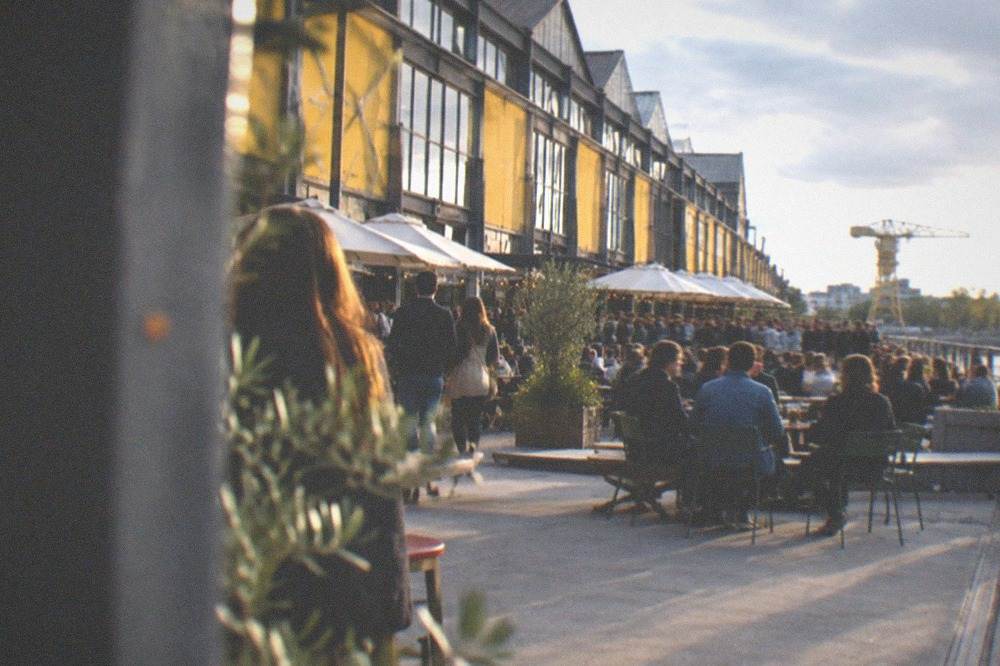
From the terrace you look straight across at Trentemoult, the former fishing village of coloured houses on the south bank, and the two make a natural pairing: shuttle over for the painted lanes and the sunset, shuttle back for the bars. The Navibus N2 extension, launched 12 November 2025, now links Trentemoult-Sablières, Bas-Chantenay and the Hangar à Bananes directly, so the pairing no longer requires a detour through the city centre.
For eating before or after, the island's own restaurants cluster at the Hangar and along the quays, and the Graslin and Commerce district on the north bank, a short tram ride away, holds the city-centre alternatives.
How Do You Get To The Île De Nantes?
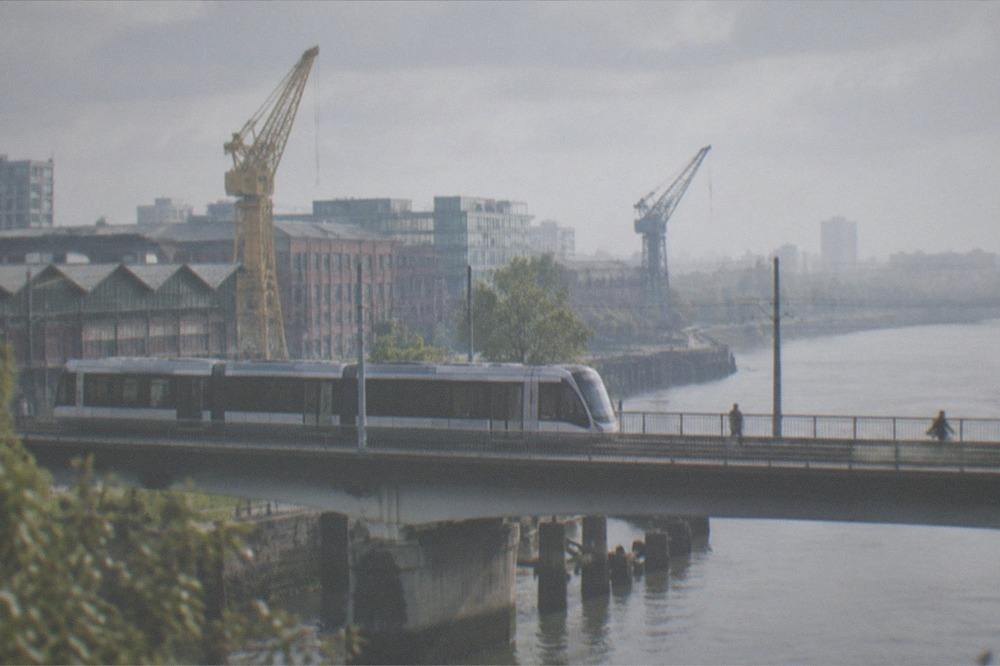
Tram line 1 serves the island directly at the Chantiers navals stop, the closest stop to Les Machines de l'île, and a single Naolib ticket costs 1.80 EUR and is valid one hour across the tram, bus and Navibus network. The Navibus N1 crosses from the Gare Maritime to Trentemoult, N2 runs between the Hangar à Bananes, Bas-Chantenay and Trentemoult, and N3 runs on the Erdre.
The network basics are worth knowing before you plan. Nantes runs three tram lines totalling 45.6 kilometres with 84 stations, a busway line 4, Chronobus C lines and the three Navibus river shuttles, all on the same tickets. A 24-hour ticket costs 6.80 EUR, a carnet of ten single tickets 17.80 EUR, and a 24-hour ticket for four people 15 EUR. At weekends the whole network is free for everyone from Saturday 00:00 to Sunday 23:59, though the airport shuttle is excluded from that and always costs its separate fare.
| Naolib option | Price | Notes |
|---|---|---|
| Single 1-hour ticket | 1.80 EUR | Tram, bus, busway, Navibus, TER inside the métropole |
| 10 single tickets | 17.80 EUR | Carnet, works out cheaper per trip |
| 24-hour ticket | 6.80 EUR | Unlimited travel for one person |
| 24-hour ticket, 4 people | 15 EUR | Group day ticket |
| Weekend travel | Free | Saturday 00:00 to Sunday 23:59, airport shuttle excluded |
The one 2026 disruption to note is construction-related. The tram line 1 works at the Chantiers navals stop ran from mid-June to the end of August 2026, affecting direct access to the Machines site, and the machines' own access page advised checking before travelling during that window. By late September the works window had passed, but the wider programme is not finished: new tram lines 6 and 7 and busway line 8 are under construction with service from the end of 2027, which will change how the south bank and the island connect.
Two trams in particular matter for island visitors: line 1 to reach the Chantiers navals stop, and the crossings from the historic-centre stops around Commerce, which sit within a short walk of the northern bridges. For travellers arriving by train or plane, the practical pages on the airport shuttle and city parking sit alongside this district guide in the wider site collection.
What Future Changes Are Coming To The Island?
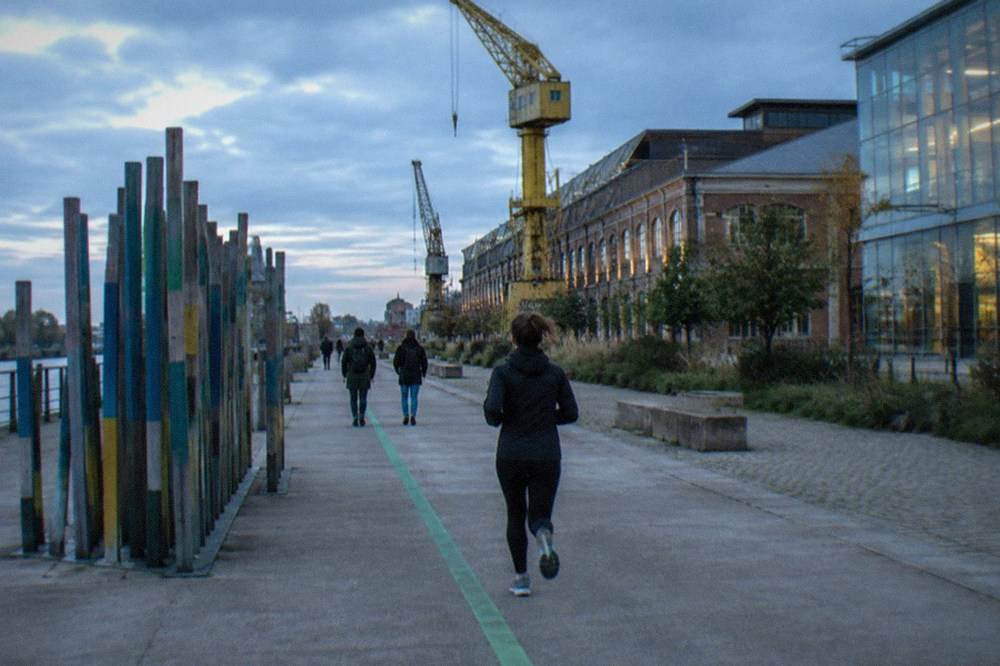
The Île de Nantes is entering a fourth transformation phase led by a new urban planning team since 2025, whose headline projects are a ten-hectare Loire park with the first part opening around 2030, the Jardins de l'estuaire being built from 2024 to 2027, and the Jardin du rail opening in 2026, alongside completed 2026 openings including a new 273-bed hotel.
The fourth phase is the one to watch if you are writing about the island's future or planning a repeat visit years out. The Loire park will bring continuous riverside green space to the middle stretch of the island, which is currently the least visitor-friendly part. The Jardins de l'estuaire are landscaping the western approach along the river, and the Jardin du rail is a 2026 opening on a former rail corridor.
The 2026 openings were mostly practical rather than spectacular. The Eklo hotel, an 86-room eco-budget property with 273 beds, opened on the island on 12 January 2026 at 63 bis boulevard de la Prairie-au-Duc, giving the district its first purpose-built budget accommodation. Beyond the island, the Cité des Congrès began partial works in July 2026 with a full closure from February to December 2027, which will displace some of the city's event calendar.
| Project | Status in 2026 | Expected completion |
|---|---|---|
| Fourth island transformation phase | Under way, new planning team since 2025 | Progressive, into the 2030s |
| Loire park, 10 hectares | Planned, first part | Around 2030 |
| Jardins de l'estuaire | Under construction | 2024 to 2027 |
| Jardin du rail | Opening | 2026 |
| Eklo hotel, 273 beds | Opened 12 January 2026 | Complete |
| Navibus N2 extension to Hangar à Bananes | In service | Launched 12 November 2025 |
| Arbre aux Hérons | Abandoned, September 2023; lawsuit filed December 2025 | Will not be built |
The abandoned projects deserve as much attention as the live ones, because the island's past is dotted with plans that never landed. The Arbre aux Hérons is the clearest case. Its estimated cost grew from about 52 million euros in 2021 toward 80 million, Nantes Métropole pulled the plug in September 2023, and La Machine's compensation claim filed in December 2025 was still live through 2026. Only the prototype branch is visitable, as part of the Machines ticket.
The Tour Bretagne belvedere is a north-bank project rather than an island one, but it belongs to the same family of long-promised Nantes viewpoints: Le Nid closed on 30 June 2020, and a free public belvedere at 107 metres is planned for delivery around 2028 to 2029. Until it opens, the island's own quays and the Trentemoult crossing give the best free river views.
What Can You See Of The Island In Half A Day?
A half-day circuit of the Île de Nantes works west to east: start with a Galerie des Machines visit and a Grand Éléphant ride if slots remain, walk the quays past the prototype branch to the Hangar à Bananes for lunch, then continue east along the green line to the Anneaux de Buren, and return across the northern bridges to the historic centre. The walking is flat and the full length of the island takes under two hours at an easy pace.
Begin at the Chantiers navals stop. The Galerie is the one ticket to buy if you are choosing a single attraction, because it holds the workshop and the machines you cannot ride, and the prototype Arbre branch is included with it. The elephant's departure times in September and early October 2026 ran 10:15 to 15:45 on weekdays, so a morning visit fits the ride in most safely. If the elephant is booked out, the Carrousel is the alternative ride.
Lunch at the Hangar or the quayside restaurants, then decide between the two endings. East along the green line takes you through the new residential districts and the cranes to the Buren rings, which are best photographed in late afternoon light. South across the Loire on the Navibus takes you to Trentemoult's coloured lanes and the village atmosphere; if you only have the half day, choose this and save the eastern island for a second visit.
If you would rather have the route and the stories organised for you, a local walk is the efficient option, and the island pairs naturally with the old town of Bouffay across the river in a single guided loop.
Common Questions About The Île De Nantes
Is the Île de Nantes free to visit?
Yes. The island is a public district with no entry charge, and the quays, green line trail, Hangar à Bananes quayside, Anneaux de Buren and riverside walks are all free. Only the three Les Machines de l'île attractions are ticketed, at 12 EUR full price each or as day packages of 20 EUR for two and 29 EUR for three.
How do I get to the Machines on the Île de Nantes?
Tram line 1 stops at Chantiers navals, the closest stop to Les Machines de l'île. A single Naolib ticket costs 1.80 EUR and is valid one hour across the network. Note that works affected this stop between mid-June and the end of August 2026, so check the operators' access page before a summer visit.
Can you still ride the Grand Éléphant?
Yes, except during its maintenance window. The operator's horaires page states there are no elephant rides from 2 November 2026 to 28 February 2027. Outside that period the ride costs 12 EUR full price and advance booking is advised because slots often sell out.
What is the Hangar à Bananes?
A row of former banana-ripening warehouses on the island's north quay, now a strip of bars, restaurants, a club and the HAB Galerie. It faces Trentemoult across the Loire, and the Navibus N2 shuttle, extended on 12 November 2025, links the two banks directly.
Is the Arbre aux Hérons being built?
No. Nantes Métropole abandoned the project in September 2023 after costs rose toward 80 million euros, and the Compagnie La Machine filed a claim against the Métropole in December 2025. Only the prototype branch is visitable, and it is included with any Machines attraction ticket.
How long should I spend on the Île de Nantes?
Half a day covers the western attractions, the Hangar à Bananes and a walk east along the green line. A full day lets you add the Anneaux de Buren at the eastern end, a Navibus crossing to Trentemoult and a proper meal, without rushing the Machines.
The Île de Nantes rewards the time you give it: rushed, it is a mechanical elephant and a photo; unhurried, it is the clearest explanation anywhere in the city of how Nantes turned a closed industrial waterfront into the cultural centre of gravity it is today, with a riverside park still to come in the 2030s.