Best Time To Visit Nantes
Nantes, in the Loire-Atlantique department of the Pays de la Loire region in western France, has a temperate oceanic climate, so the best time to visit depends less on escaping bad weather and more on which festivals, exhibitions and river scenes you want on your itinerary.
Short answer
The best time to visit Nantes is May to June or September, when Météo-France's 1991-2020 normals show mean maximums of 19.6 to 23.0 C and 22.4 C respectively, rainfall sits below the December peak of 101.0 mm, and the summer crowds have not yet arrived or have already gone.
Nantes, in the Loire-Atlantique department of the Pays de la Loire region of western France, never has an outright bad season. Météo-France's 1991-2020 normals for the Nantes-Bouguenais station give the city mean maximums running from 9.3 C in January to 25.4 C in August and 819.5 mm of rain a year, spread fairly evenly across the months. What actually changes through the year is the texture of the city: the summer green line of Le Voyage à Nantes, the January piano marathons of La Folle Journée, the August jazz boats on the Erdre, and a Christmas market that runs from mid-November to late December. This guide sets out the climate data, the festival calendar and the seasonal closures so you can pick the month that matches what you want from the city, whether that is a full things to do in Nantes itinerary or a quiet weekend of museums and crêperies.
What Is The Best Time To Visit Nantes?
The best time to visit Nantes is late May to June or September, when the Météo-France 1991-2020 normals show mean maximums of 19.6 C, 23.0 C and 22.4 C respectively, monthly rainfall below the 101.0 mm December peak, and 182.7 to 213.1 sunshine hours per month. These shoulder months also avoid the late-June heat extremes and the biggest summer crowds.
That said, this is a temperate oceanic city, not a Mediterranean one, and the difference between the "good" and "less good" months is smaller than in most of France. The driest month is July at 44.2 mm and the wettest is December at 101.0 mm, but even December's rain averages out to roughly 13.5 days with at least 1 mm of rain across the month. Frost is real but modest: the normals give 29.1 frost days a year, concentrated in January and February. Snow is rare enough that the station records average just 4.7 snow days annually.
The reason to choose one month over another is usually an event, not a forecast. Le Voyage à Nantes runs its summer parcours from early July to early September; La Folle Journée takes over the Cité des Congrès at the end of January; the Rendez-vous de l'Erdre fills the river with jazz boats at the end of August; and the Christmas market runs from 19 November to 27 December in 2026. Pick the festival you want first, then check the climate table below, and the right month usually announces itself. Our Nantes weather guide goes deeper on what the numbers mean in practice.
Nantes Month By Month: Temperatures, Rain And Sunshine
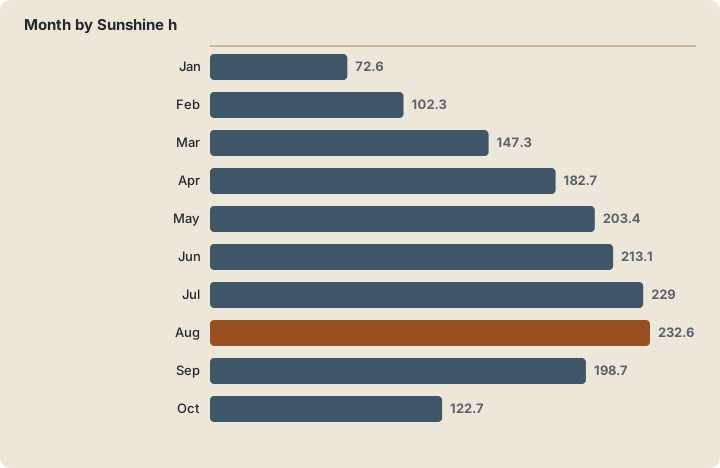
The warmest months in Nantes are July and August, with mean maximums of 25.1 C and 25.4 C, and the coldest is January at a 9.3 C mean maximum. December is the wettest month at 101.0 mm, July the driest at 44.2 mm, and August is the sunniest at 232.6 hours. These are 1991-2020 normals from Météo-France for the Nantes-Bouguenais station, so they describe the long-run average rather than any single year.
| Month | Mean max C | Mean min C | Rain mm | Sunshine h |
|---|---|---|---|---|
| Jan | 9.3 | 3.4 | 87.9 | 72.6 |
| Feb | 10.5 | 3.0 | 67.5 | 102.3 |
| Mar | 13.5 | 4.9 | 58.4 | 147.3 |
| Apr | 16.2 | 6.6 | 58.3 | 182.7 |
| May | 19.6 | 9.8 | 61.0 | 203.4 |
| Jun | 23.0 | 12.7 | 48.5 | 213.1 |
| Jul | 25.1 | 14.3 | 44.2 | 229.0 |
| Aug | 25.4 | 14.2 | 50.3 | 232.6 |
| Sep | 22.4 | 11.8 | 59.5 | 198.7 |
| Oct | 17.6 | 9.5 | 88.8 | 122.7 |
| Nov | 12.9 | 5.9 | 94.1 | 91.3 |
| Dec | 9.8 | 3.7 | 101.0 | 77.6 |
Two things jump out of that table. First, the shoulder seasons of April to June and September to October are genuinely pleasant, with mean maximums between 13.5 C and 23.0 C and no month outside winter exceeding 90 mm of rain. Second, heat is a growing consideration: the station's all-time record high is now 42.2 C, set on 24 June 2026, and the normals give 11.8 days a year at or above 30 C, most of them in July and August. If you book a summer trip, plan indoor anchors for the afternoons; the museums in Nantes are the obvious retreat.
Whichever month you choose, a self-guided route through the city gives you the flexibility to shift plans when a rainy afternoon arrives. The self-guided app tour below covers 35 stops at your own pace, which is exactly the kind of plan that survives a changeable forecast.
Each of those three works in different weather. The self-guided walk can be paused and resumed, the old town food tour keeps you under roofs for much of its run, and the vineyard half-day puts you in a van between cellar doors.
Nantes Season By Season: What Each One Offers
Spring in Nantes offers the Jardin des Plantes in bloom with 16.2 to 19.6 C mean maximums, summer carries Le Voyage à Nantes and the driest months, autumn brings the Muscadet harvest and 22.4 C September warmth, and winter trades 9.3 C days for La Folle Journée and the Christmas market. Each season also has a specific downside: late-June heat risk, August crowds, October rain and short December days.
| Season | Months | Mean max C | Best for | Watch out for |
|---|---|---|---|---|
| Spring | Mar-May | 13.5-19.6 | Gardens, green line dry run, Pass Nantes value | Changeable showers in March |
| Summer | Jun-Aug | 23.0-25.4 | Le Voyage à Nantes, riverside guinguettes, terrace nights | Heat spikes, August crowds |
| Autumn | Sep-Nov | 22.4 down to 12.9 | Muscadet harvest, jazz on the Erdre, soft light | Rain builds from October |
| Winter | Dec-Feb | 9.3-10.5 | La Folle Journée, Christmas market, quiet museums | 101.0 mm December rain, early dusk |
The seasonal rhythm matters for what is open, not just for the temperature. The Machines de l'île runs seasonal hours with shorter days in the off-season, the Carrousel des Mondes Marins closes for a short maintenance window in late September 2026, and the Grand Éléphant stops riding entirely from 2 November 2026 to 28 February 2027 for its annual overhaul. If a mechanical elephant ride is the reason for your trip, book between spring and early November.
One structural winter fact also shapes planning: Naolib's fare page gives free travel on the whole network every weekend, Saturday 00:00 to Sunday 23:59, for everyone including visitors. The airport shuttle is excluded from that and always costs 10 EUR, as the airport's shuttle page states, but trams, buses and the Navibus river crossings cost nothing on Saturdays and Sundays. That makes winter weekends unusually cheap for getting around.
A self-guided itinerary is the one booking that works identically in a May heatwave and a February drizzle: you set the pace, and the 35 stops are spread across covered and open-air sections of the city.
Is Summer The Best Time To Visit Nantes?
Summer is the best time to visit Nantes if contemporary art in public space is your priority, because Le Voyage à Nantes runs its parcours from early July to early September, with 2026's edition themed around Earth and running 4 July to 6 September. July and August are also the driest months, at 44.2 mm and 50.3 mm of rain, and the sunniest, at 229.0 and 232.6 hours. The trade-off is heat and peak crowds.
The green line, roughly 20 km of painted trail according to Le Voyage à Nantes's own "to see" page, ties the summer installations, permanent artworks and monuments into one walkable route. The 2026 edition added pieces in new sites, including the cathedral crypts and the Jardin Extraordinaire for the first time, alongside a 14-metre metal palm tree installed in the château moat by artist Louis Guillaume. Some works stay after the summer ends, but the full programme, and the festival buzz around it, belong to these two months.

Summer is also the season of the riverside guinguettes. Le Voyage à Nantes's own pages list the 2026 seasons for the Station Nuage, the Bateau-Lavoir and the Cantine du Voyage running from late March or early April to mid-September or mid-October. The Rendez-vous de l'Erdre, a free jazz festival combining concerts with classic boats on the Erdre, ran 24 to 30 August 2026 for its 40th edition and has already announced 23 to 29 August for 2027. If your summer dates are flexible, the last week of August gives you both the tail of the green line and the festival on the river.
The counter-argument is heat. The station's record books now show 42.2 C on 24 June 2026 as the all-time high, with 40.4 C on 13 August 2026 as the August record, and 2026 set the station's records for days at or above 30 C and 35 C in a single year. The city is not built around air conditioning the way southern capitals are; even the Musée Jules Verne notes it is not air-conditioned. Book accommodation with fans or climate control if you travel in late June through August, and treat midday as museum time.
Between the green line, the Machines de l'île and the quais of the Loire, a summer day in Nantes covers a lot of ground, and a route you control yourself is the simplest way to keep the walking in the cooler hours.
What About Spring And Autumn In Nantes?
Spring and autumn are the best times to visit Nantes for most travellers, combining May and June mean maximums of 19.6 to 23.0 C, September's 22.4 C, and monthly rainfall between 48.5 and 61.0 mm with thinner crowds than July and August. The Muscadet harvest, unusually early in 2026 with the ban declared on 11 August, gives September a wine-country reason of its own.
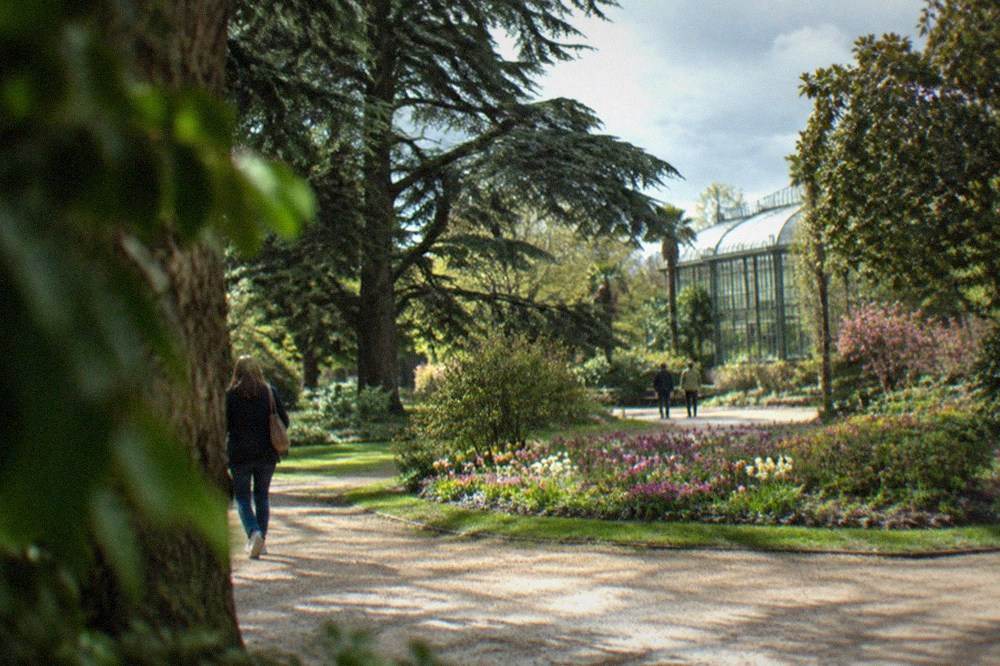
April to June is when the Jardin des Plantes and the city's other parks do their best work, and the May mean maximum of 19.6 C with 203.4 sunshine hours is, on the numbers alone, close to ideal walking weather. The green line exists year-round, so a spring visit still gets the permanent artworks without the summer programming. Hours stretch too: the Machines de l'île and the château museum both run their longer summer schedules from 1 July, but spring days are long enough that a 19:00 dinner on a terrace is comfortable.
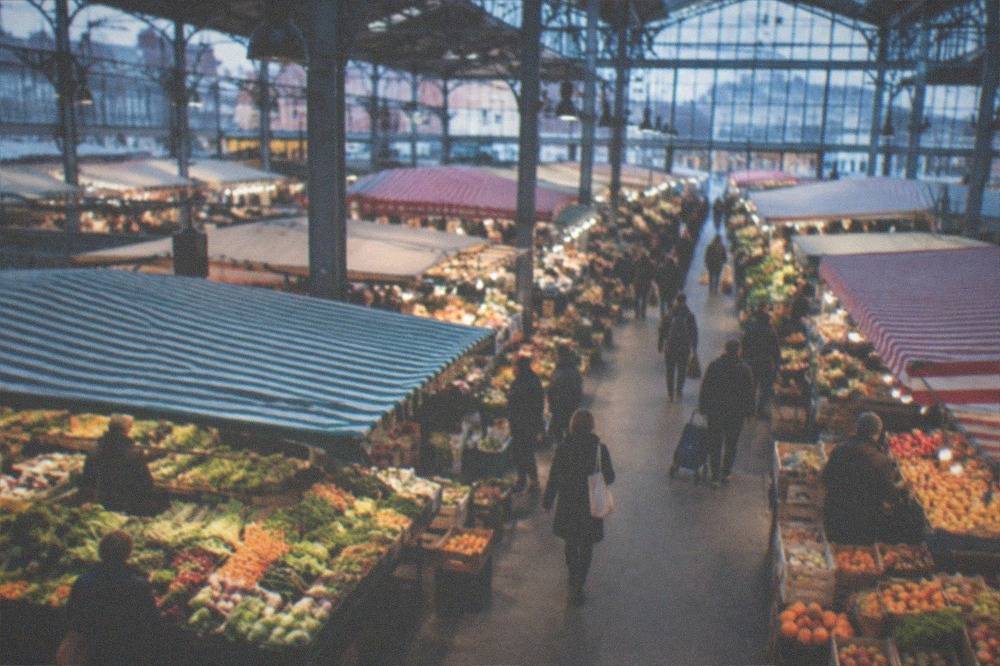
Autumn has two distinct phases. September is effectively a summer month by the normals, with a 22.4 C mean maximum and 198.7 sunshine hours, and it carries the Rendez-vous de l'Erdre. October drops to 17.6 C and rain climbs to 88.8 mm, and November to 12.9 C and 94.1 mm, so late autumn is a museum-and-market season. That is no hardship: the Musée d'arts is open late on Thursdays with free entry from 19:00 to 21:00, and the Talensac market runs Tuesday to Sunday mornings, closing on Mondays, with hours that the Métropole's market page lists as 8:00 to 13:00 on weekdays and to 13:30 at weekends.
For wine-minded visitors, the vineyards of Muscadet sit on the city's eastern edge, and the Maison des vins at Vallet is the appellation's own base. The 2026 harvest began with a record-early ban on 11 August after heat and drought, and producers reported lower yields around 30 to 40 hectolitres per hectare, so autumn cellar-door visits in the coming seasons will taste a genuinely distinctive vintage. The vineyard half-day in the trio above is the natural pairing for a September or October trip.
Is Winter A Good Time To Visit Nantes?
Winter is a good time to visit Nantes if music, museums and Christmas markets outweigh weather, because La Folle Journée runs 27 to 31 January 2027 with its "Galaxie Beethoven" theme and the Christmas market runs 19 November to 27 December 2026 on Place Royale and Place du Commerce. The cost is a 9.3 C January mean maximum, 101.0 mm of December rain and short days, though 29.1 annual frost days mean hard freezes are uncommon.
La Folle Journée is the winter anchor. The classical festival packs dozens of short concerts into five days at the Cité des Congrès each January, and its 2027 edition, the 33rd, runs 27 to 31 January with a programme built around Beethoven's 200th anniversary. One planning note from reporting on the festival: the Cité des Congrès's main Auditorium 2000 closes for works from July 2026 and the whole venue is expected to shut for much of 2027, so the festival has been considering alternative venues including Le Lieu Unique and the Conservatoire. Check the festival's own site before booking non-refundable travel.
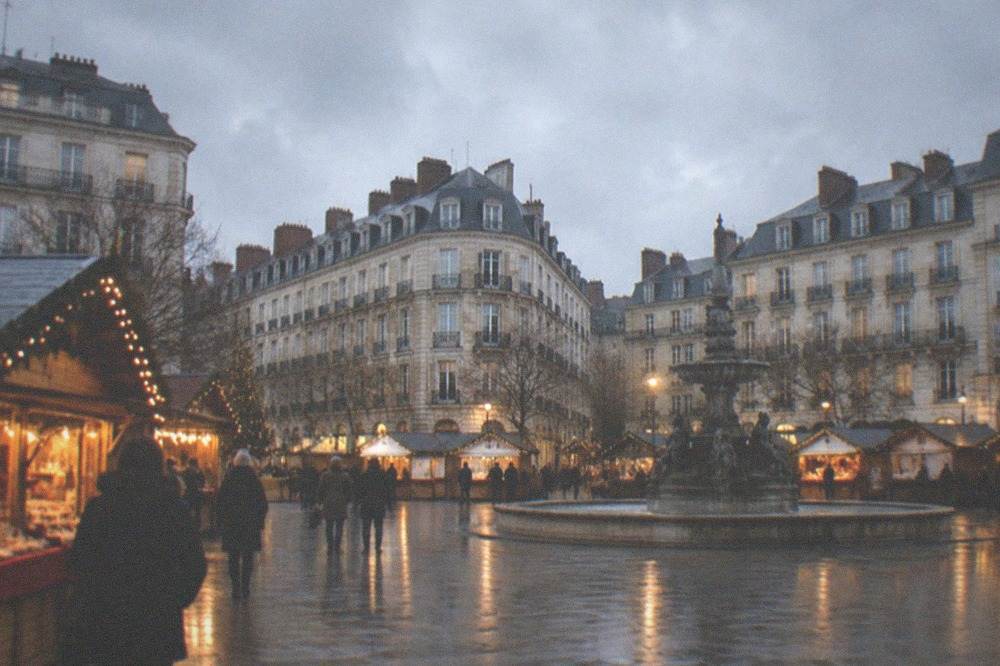
The Christmas market, the 26th edition, keeps the city busy from 19 November to 27 December 2026, typically 11:00 to 21:30 Monday to Saturday and 11:00 to 20:00 on Sundays, with 24 December closing early at 18:00. Entry is free. Winter is also the quietest time for the big indoor sights: the Musée d'histoire de Nantes inside the Château des ducs de Bretagne charges 9 EUR full price with free entry on the first Sunday of the month from September to June, and the Pass Musées at 15 EUR covers a full year of the Musée d'arts, the Jules Verne museum, the château museum and the Chronographe.
Two winter caveats matter. The Muséum d'histoire naturelle has been closed for major restructuring since November 2025 and will not reopen until 2029, so it cannot be a rainy-day stop this winter or next. And the Grand Éléphant is offline from 2 November 2026 to 28 February 2027, though the Galerie des Machines and the Carrousel stay open. Winter Nantes is a real trip; it just needs different bookings than summer Nantes.
What Is The Cheapest Time To Visit Nantes?
The cheapest time to visit Nantes is November to March excluding the Christmas-market fortnight, when hotel demand dips and the free weekend transport rule covers every Saturday and Sunday across the whole Naolib network. A 24-hour Pass Nantes costs 30 EUR full price at any time of year, with 20 EUR reduced, and a Naolib day ticket is 6.80 EUR, so the savings come from accommodation and timing rather than from entry prices, which barely change with the seasons.
| Pass Nantes duration (valid from 1 April 2026) | Full | Reduced | Family (2 adults + 2 children) |
|---|---|---|---|
| 24 h | 30 EUR | 20 EUR | 80 EUR |
| 48 h | 40 EUR | 26 EUR | 106 EUR |
| 72 h | 49 EUR | 31 EUR | 129 EUR |
| 7 days | 75 EUR | 45 EUR | 195 EUR |
The pass, detailed fully in our Pass Nantes guide, bundles unlimited Naolib transport, one airport-shuttle return, one TER return to Clisson and one entry each to partner sites including the château museum, the Galerie des Machines and the Carrousel. Note from the Machines' own tariffs page that the Grand Éléphant ride is not included in the pass. The Nantes on a budget guide collects the rest of the low-cost options, and the free things to do in Nantes list is genuinely long, from the cathedral to the memorial to the château courtyards.
One reported cost that varies with the calendar is the tourist tax. As reported for 2026, Nantes Métropole charges per person per night by classification: 2.86 EUR at 4-star, 1.87 EUR at 3-star and 1.10 EUR at 2-star properties, with unclassified lets set at 5.5 percent of the nightly price capped at 5.39 EUR. It is collected through your bill rather than at a desk, so it should not surprise anyone at checkout, whatever month you book.
Off-season travel does not mean giving up the outdoor city. The electric bike tour above runs year-round in practice, and the rivers and quais are at their most atmospheric in low winter light.
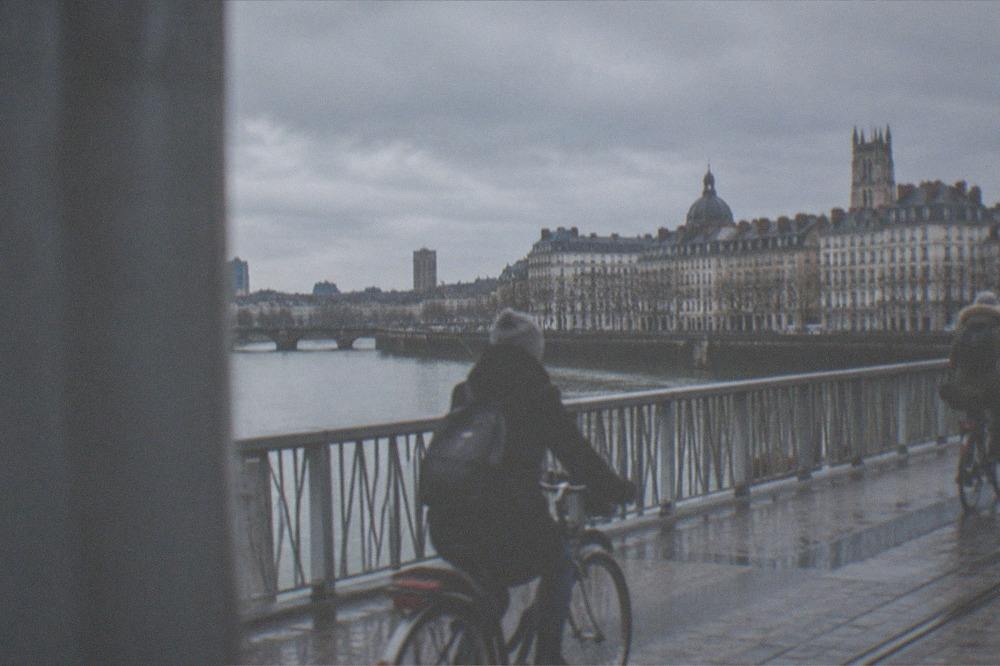
Nantes Weather Extremes And What They Mean For Your Trip
Nantes's weather extremes are a 42.2 C all-time record high set on 24 June 2026, a -15.6 C record low from 15 February 1956, and a February 2026 Loire flood that reached 8.18 m at the Pont Anne-de-Bretagne, the first time above 8 m in about 15 years. None of these recurs predictably, but each shapes sensible planning: summer bookings need cooling, and winter riverside walks can be disrupted.
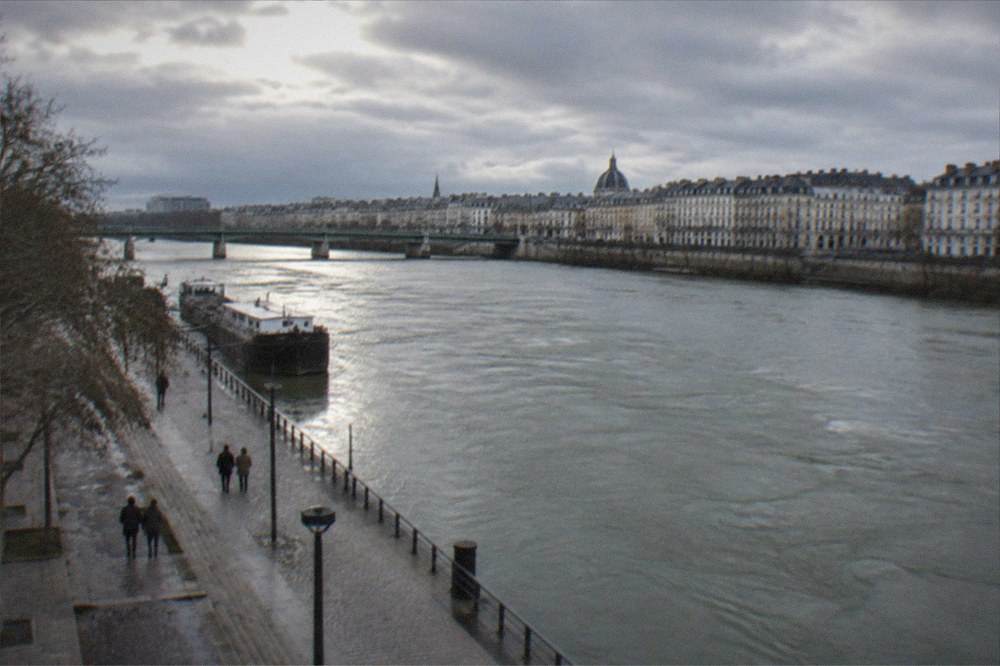
The heat records deserve the most attention because they are recent. June 2026 brought multiple days above 40 C at the Nantes-Bouguenais station and the new all-time record on 24 June, and the year set records for the number of days at or above 30 C and 35 C. July 2026 also brought a new monthly sunshine record of 382 hours, per Météo-France data reported by Ouest-France. For a visitor, this means a late-June or July trip should include at least one bookable indoor anchor per day, and accommodation chosen with heat in mind.
The flood is the winter counterpart. In February 2026 the Loire rose past 8 m at Nantes, triggering red vigilance, localised evacuations and disruptions to riverside roads and services, and reporting described it as the most significant Loire flood in around 30 years. The Mémorial de l'abolition de l'esclavage, which sits at quayside level, notes that it closes during Loire floods. Episodes like this are rare, but if you travel between December and March, keep an eye on official flood vigilance information before planning a full riverside day. The getting around Nantes guide covers what to do when a route is disrupted.
Best Time To Visit Nantes For Events
The best time to visit Nantes for events depends on the event: La Folle Journée runs 27 to 31 January 2027, the Hellfest 20th-anniversary edition runs 17 to 20 June 2027 in nearby Clisson, Le Voyage à Nantes runs early July to early September, the Rendez-vous de l'Erdre runs 23 to 29 August 2027, and the Christmas market runs 19 November to 27 December 2026. Each festival fills hotels, so event dates set your booking window more than the weather does.
| Event | 2026-2027 dates | Season | Booking note |
|---|---|---|---|
| La Folle Journée (classical) | 27-31 Jan 2027 | Winter | Venue works may move concerts; check the festival site |
| Hellfest, Clisson | 17-20 Jun 2027 | Summer | 4-day passes sold fast at varies by venue plus fees |
| Le Voyage à Nantes | Early Jul to early Sep | Summer | Free parcours, no ticket needed |
| Rendez-vous de l'Erdre (jazz, boats) | 23-29 Aug 2027 | Summer | Free concerts along the Erdre |
| Christmas market | 19 Nov-27 Dec 2026 | Winter | Free entry, Place Royale and Place du Commerce |
| Machines de l'île maintenance | No elephant rides 2 Nov 2026-28 Feb 2027 | Winter | Galerie and Carrousel remain open |
The event calendar is also the best answer to "which weekend?". Hellfest's 2027 20th-anniversary edition in Clisson, a short TER ride from Nantes, is already the summer's biggest draw for metal fans, with around 300 groups across 10 stages announced and 4-day passes, priced in the mid-range for a major festival, sold out fast, per the festival's own announcements. If you are combining a festival with the rest of the region, the Loire Valley timing question has a similar answer: late spring and early autumn.
For food-led trips, the season matters less than the market schedule: Talensac runs Tuesday to Friday 8:00 to 13:00 and weekends to 13:30, closed Mondays, and the old town food tour in the trio above pairs naturally with it. The Nantes food guide maps the rest.
Common Questions About The Best Time To Visit Nantes
What Is The Best Month To Visit Nantes?
May, June and September are the strongest months: mean maximums of 19.6 C, 23.0 C and 22.4 C, monthly rain between 48.5 and 61.0 mm, and thinner crowds than July and August. Choose June for the longest days, September for the Rendez-vous de l'Erdre jazz festival, and May for the gardens.
Is Nantes Warm In Summer?
Yes, but not Mediterranean-warm. The 1991-2020 normals give July and August mean maximums of 25.1 C and 25.4 C, and the all-time record high is 42.2 C set on 24 June 2026, so heat spikes are possible even though average summer days are moderate.
Does It Rain A Lot In Nantes?
Less than many people assume. The station normals give 819.5 mm a year spread across 119.7 days with at least 1 mm, with July driest at 44.2 mm and December wettest at 101.0 mm. Expect showers rather than sustained rain, and more of them from October to January.
Is Winter A Bad Time To Visit Nantes?
No, it is simply a different trip. January mean maximums sit at 9.3 C, but La Folle Journée fills late January with classical music, the Christmas market runs to 27 December, museums are quiet, and Naolib transport is free every weekend. Pack for rain and short days rather than for snow.
When Is Nantes Cheapest To Visit?
November to March outside the Christmas-market fortnight. Hotel demand dips, entry prices are fixed year-round, and weekend transport is free across the whole Naolib network, with only the 10 EUR airport shuttle excluded.
When Should I Avoid Nantes?
Avoid early November to late February only if riding the Grand Éléphant is central to your plans, because it is offline from 2 November 2026 to 28 February 2027. Late June heat and the last two weeks of December are the other moments where flexibility pays off.
Planning Your Nantes Trip Around The Season
Whatever month you settle on, the practical pieces of a Nantes trip barely change, because flights into Nantes Atlantique and the TGV from Paris run year-round, and the airport shuttle costs 10 EUR whenever you land. What does shift with the season is the city's rhythm, from festival dates to opening hours to hotel demand, so the month you choose should follow the one or two things you most want to see running.
Match your bookings to what is actually open, and the rest of the calendar falls into place.
The Nantes airport to city centre shuttle is the same price in every season, and the where to stay in Nantes question shifts with the season only in that summer and festival weekends fill the centre first. Book those weekends early, and you can be loose about the rest.
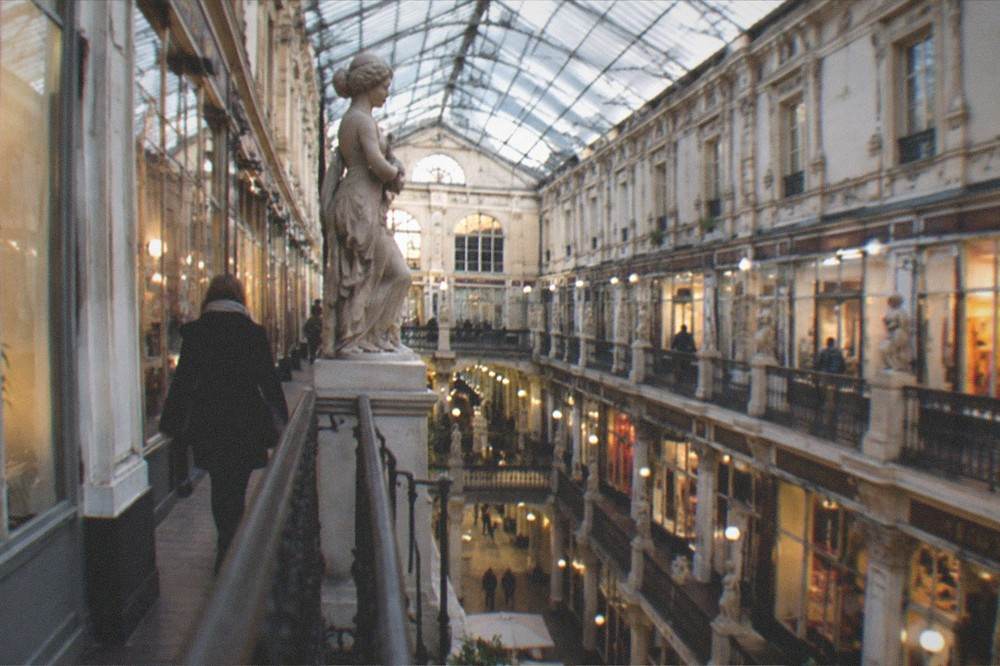
If you do one seasonal thing, make it matching your bookings to what is actually running: the elephant before November, the green line between July and September, the pianos in late January. Nantes rewards a visit in every month of the year; it just asks you to know which Nantes you are coming for, and this site, Nantes Travel Guide, keeps the rest of the calendar.