La Folle Journée
La Folle Journée, Nantes's five-day January classical music festival, returns from 27 to 31 January 2027 for its 33rd edition with the theme Galaxie Beethoven. This guide covers the programme, the venue situation, how to get there, January weather, and what to eat and where to stay around the concerts.
Short answer
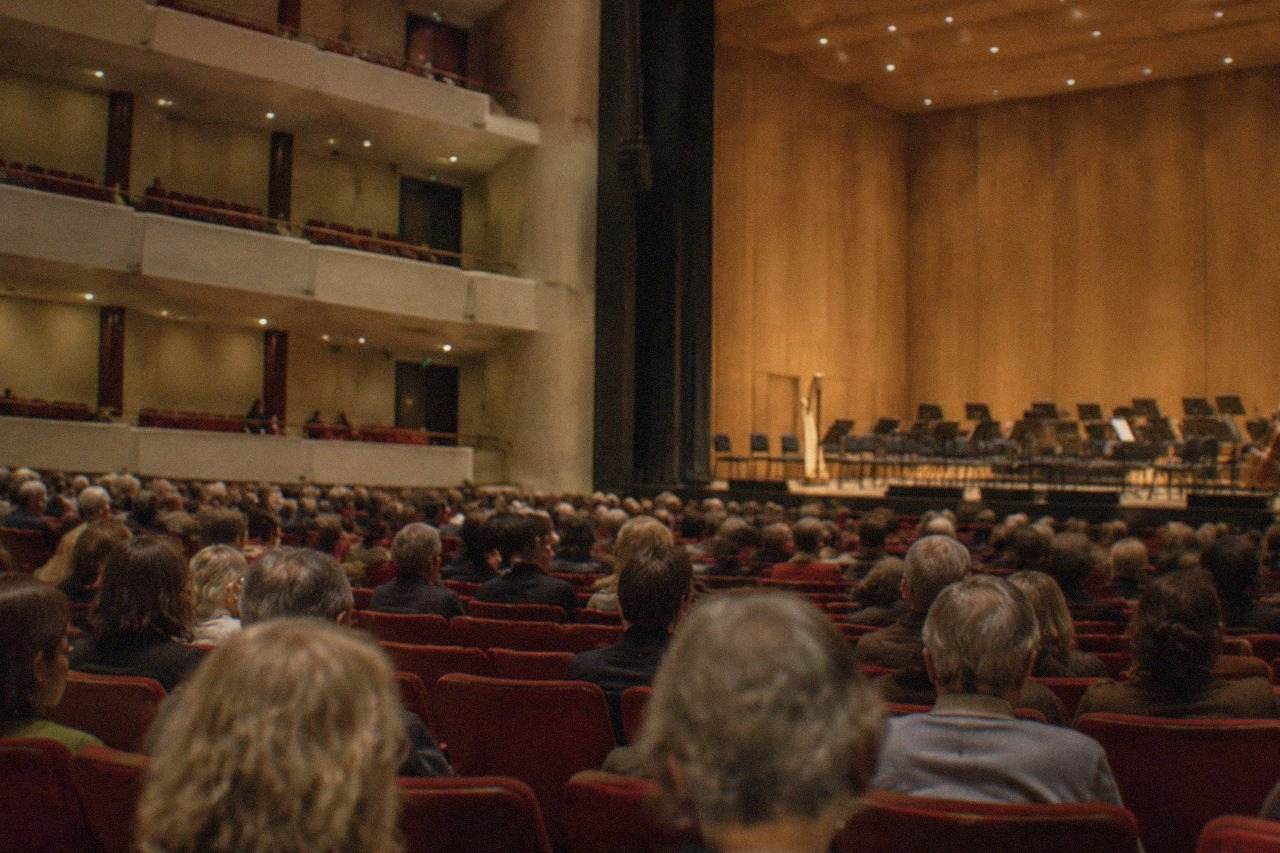
La Folle Journée is a five-day classical music festival held in Nantes, France, every late January, founded in 1995. The 2027 edition runs 27 to 31 January 2027 with the theme Galaxie Beethoven, marking the 200th anniversary of the composer's death. The main venue is the Cité des Congrès, though its Auditorium 2000 is closing for works, so alternative halls are being considered.
Nantes, in the Loire-Atlantique department of the Pays de la Loire region in western France, hosts one of the most distinctive classical music festivals in Europe each January. La Folle Journée packs an entire festival season into five days, with concerts running across the Cité des Congrès and other halls in the city centre. It is a winter event, deliberately placed in the quietest week of the tourist year, and it fills hotels and restaurants at a time when few other French cities have anything comparable on offer. This guide covers what the festival is, the 2027 dates and theme, the venue situation, how to reach Nantes, January weather, and what to do, eat and where to stay around the concerts. The city's wider offer is covered separately on the main Nantes Travel Guide pages, including things to do in Nantes across the year.
What Is La Folle Journée In Nantes?
La Folle Journée is a five-day classical music festival held every late January in Nantes, France. It was founded in 1995 with Mozart as its first theme, and each edition since has been built around a single composer or idea. The format is unusual: many short concerts across several halls each day, rather than a handful of long evening performances. The 33rd edition runs 27 to 31 January 2027 under the theme Galaxie Beethoven.
The founding idea still shapes everything about the event. Where a traditional festival offers one or two full-length evening concerts a night, La Folle Journée runs a dense grid of sessions from morning onwards, so a visitor can hear several different programmes in a single day. Themes have ranged across the repertoire over three decades. The 2026 edition, held in late January 2026, took rivers as its theme, "Les fleuves", and was broadcast live by France Musique from 30 January to 1 February 2026. The 2027 edition turns to Beethoven with "Galaxie Beethoven", timed to the 200th anniversary of the composer's death.
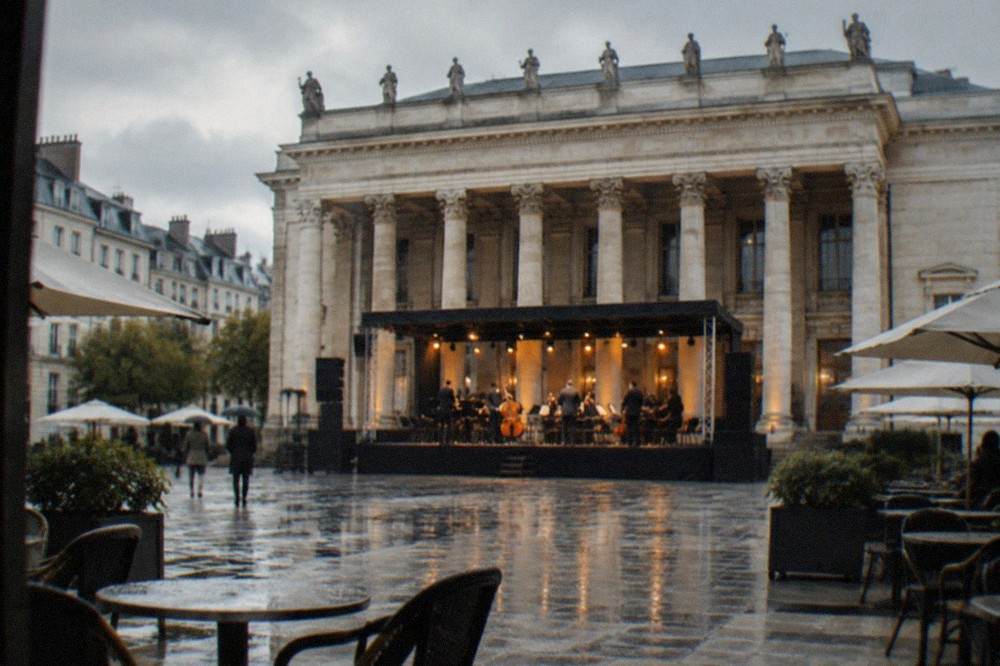
The festival's home since its early years has been the Cité des Congrès, the conference and performance complex on the eastern edge of the city centre, close to the Loire. Because the halls sit inside one building, a day at La Folle Journée involves moving between auditoriums rather than crossing the city between venues. That concentration is a large part of why the format works, and it is also why the current building works, discussed below, matter so much to the 2027 edition.
The event sits alongside the city's other signature festivals in the calendar. Le Voyage à Nantes, the summer art trail, runs in July and September; the Rendez-vous de l'Erdre jazz and boating festival fills the Erdre river in late August; the Christmas market runs from late November through December. La Folle Journée is the winter anchor of that annual cycle, and for many visitors it is the reason they are in Nantes at all in January. If you are weighing the season against the summer programme, see the guide to the best time to visit Nantes.
| Edition | Dates | Theme | Notes |
|---|---|---|---|
| 1st, 1995 | Late January 1995 | Mozart | Founding edition |
| 2026 | Late January 2026 | Les fleuves (rivers) | Broadcast live by France Musique, 30 Jan to 1 Feb 2026 |
| 33rd, 2027 | 27 to 31 January 2027 | Galaxie Beethoven | Announced on the festival's own site |
When Is La Folle Journée 2027 And What Is The Theme?
The 33rd edition of La Folle Journée runs from Wednesday 27 to Sunday 31 January 2027 in Nantes. The theme is Galaxie Beethoven, marking 200 years since Beethoven's death, and the programme will explore his work and its orbit of influence across the festival's short-concert format. The final weekend days fall at the end of the working week, which is when attendance from outside Nantes peaks. Book rooms early for those dates.
Five days is the established length, and the 2027 dates follow the same late-January slot the festival has occupied for years. The organisers announced the 2027 edition and its theme on the festival's own site, which is the primary source for anything date-sensitive here. Treat any other date you see on a secondary listing with caution until the official programme pages confirm it; the festival's schedule details, including exact concert times and performer lists, are published progressively in the autumn before each edition.
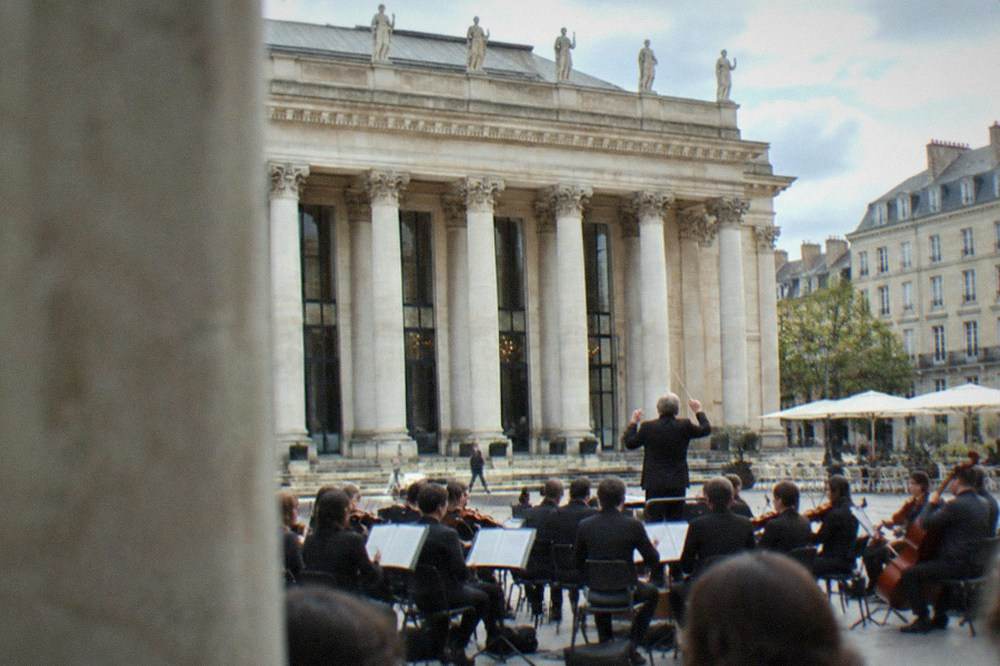
The Beethoven anniversary gives the 2027 theme a clear logic. The 2027 edition lands exactly two centuries after the composer's death, and the word "Galaxie" signals that the programming will range outward from Beethoven himself to the musicians, successors and ideas around him rather than only his own catalogue. Previous themes have worked the same way: the 2026 rivers theme reached well beyond any single composer. Expect a mix of star soloists and orchestras alongside recitals aimed at children and first-time listeners, which has always been part of the festival's character.
One planning note matters more than usual for 2027. The Cité des Congrès, the festival's main building, has long been the whole geography of the event, but works now affect it. The site's large Auditorium 2000 is closing for nearly two years of works, and organisers have publicly said they are considering alternatives including Le Lieu Unique, the national arts centre in the former LU biscuit factory, and the Conservatoire. Until the venue plan is final, do not assume that every concert you book will be in the same building. Check the venue printed on each concert's listing when booking.
Where Does La Folle Journée Take Place In Nantes?
The festival's main venue is the Cité des Congrès in central Nantes, the performance complex on the city centre's eastern side near the Loire. For 2027 that is complicated: the largest hall, Auditorium 2000, is closing for about two years of works, and the organisers have said alternatives including Le Lieu Unique and the Conservatoire are being considered. Concerts may therefore be more spread across the city than in past editions. Verify each concert's hall before booking.
The Cité des Congrès has hosted the festival since its early editions, and its cluster of auditoriums of different sizes is what makes the many-short-concerts format physically possible. It sits a short walk from the city centre and from the tram network, so even with the hall changes the logistics of a festival day remain manageable. Le Lieu Unique, the likely alternative, is itself a major cultural venue, opened in 2000 in the former LU biscuit factory, whose Nantes production closed in 1986; it is on the Île Feydeau side of the centre and equally easy to reach by tram.
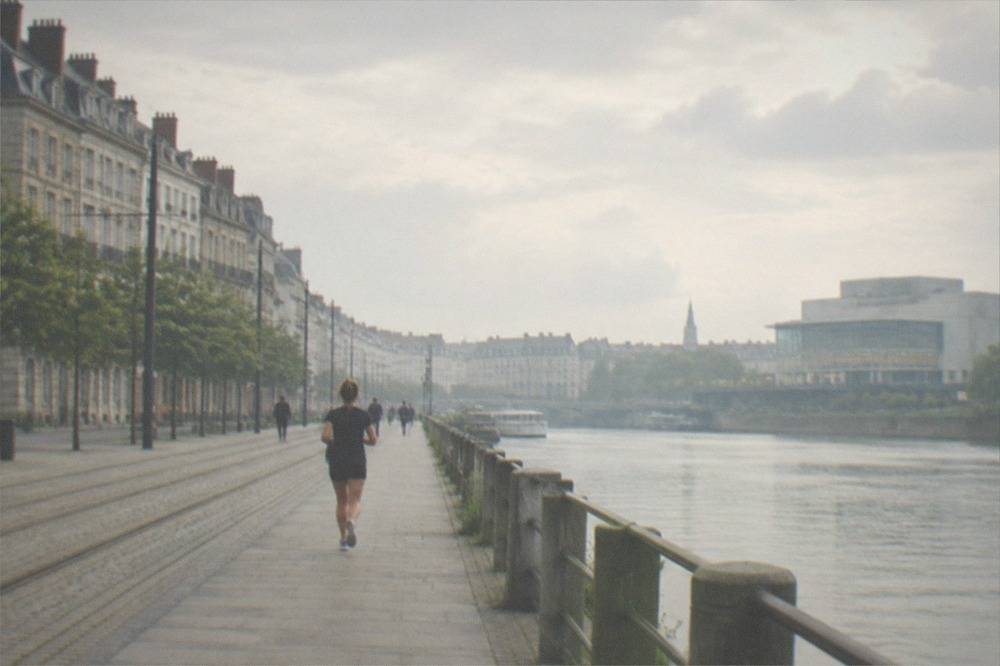
The city around the venues is compact and walkable, which helps when concerts sit in different buildings. Nantes is a flat, tram-served city where most of the historic centre, the Graslin quarter and the Île Feydeau district lie within twenty minutes on foot of one another, and the tram and bus network fills the gaps. The practical guide to getting around Nantes covers tickets and lines in detail; the essentials for a festival weekend are a single 1-hour Naolib ticket at 1.80 EUR, a 24-hour ticket at 6.80 EUR, or a 24-hour ticket for up to four people at 15 EUR, all valid on trams, buses and the Navibus river shuttles. A standard 10-pack of 1-hour tickets costs 17.80 EUR.
| Venue | Role In The Festival | Status For 2027 |
|---|---|---|
| Cité des Congrès (main complex) | Primary home since the early editions | Auditorium 2000 closing for about two years of works; smaller halls continuing |
| Auditorium 2000 | Largest hall, headline orchestral concerts | Closed for works during the 2027 edition |
| Le Lieu Unique | National arts centre in the former LU factory | Under consideration as an alternative hall |
| Conservatoire | City music conservatoire | Under consideration as an alternative hall |
While the concert halls are the reason for the trip, the city itself rewards the gaps between sessions. A morning concert can be followed by an afternoon along the Loire or in the Passage Pommeraye, the 1843 shopping arcade that remains unchanged in layout, before an evening concert. Between festival days, guided products cover the ground efficiently: the operator listings below include a local orientation walk and a half-day vineyard trip, alongside the food tour that anchors this guide.
How Do You Get To Nantes For La Folle Journée?
Nantes is reached from Paris by around 24 direct trains a day in each direction, with the fastest services covering the route in roughly two hours to Paris Montparnasse, making a festival weekend entirely feasible by rail. Nantes Atlantique airport sits about 8 km south-west of the centre, connected by a dedicated shuttle at 10 EUR one way running about every 20 minutes from April to October and every 30 minutes from November to March. By car, the city sits at the western end of the Loire corridor.
The train is the natural option from Paris and points beyond, because the station sits on the northern edge of the city centre within walking distance of the festival venues and the main hotel districts. Timetables are dynamic, so book and check times through the official rail channels; the guide to Paris to Nantes by train covers the route in full. From Britain and Ireland, flying into Nantes or taking a connection via Paris are both realistic; see flights to Nantes and the Nantes airport guide.
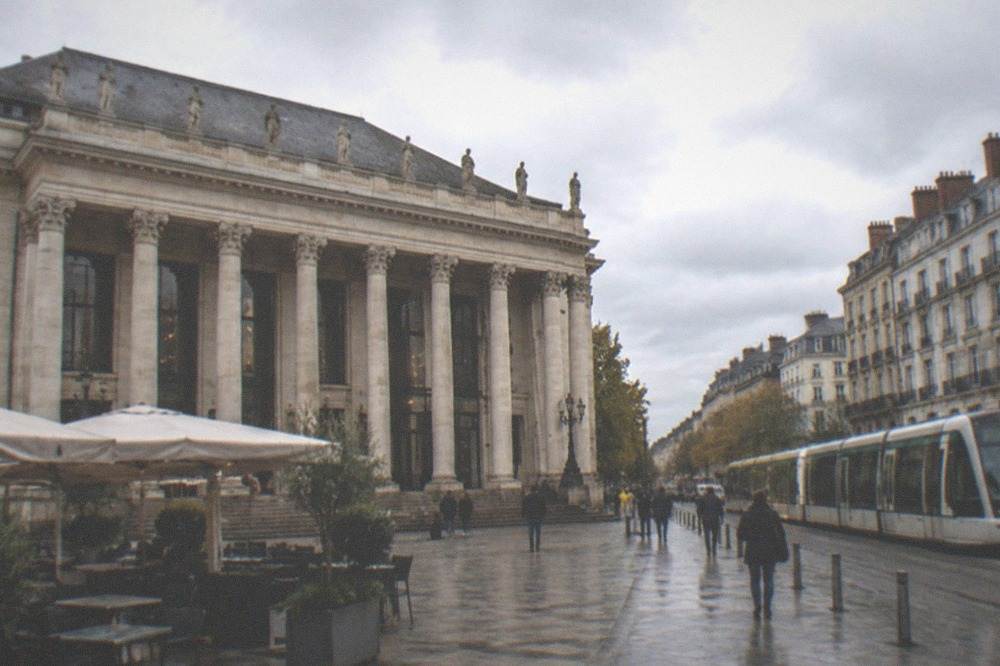
The airport shuttle, the Navette Aéroport, costs 10 EUR one way, is free for under-6s, and the ticket is valid for one hour on the whole Naolib network including trams, buses and TER trains inside the metropolitan area, according to the operator's fare page. Two cautions from the same source. The shuttle is bought on board by bank card. And although Naolib transport is free for everyone from Saturday 00:00 to Sunday 23:59, the airport shuttle is explicitly excluded from that weekend free travel, so it always costs 10 EUR, including on the festival's closing weekend days. The shuttle stop moved on 30 March 2026 to the Gare routière at Gare Sud, quai A, according to the airport's access page.
| Option | Journey Detail | Cost (As Published) |
|---|---|---|
| TGV from Paris Montparnasse | About 24 direct trains a day each way, fastest about two hours | Fare varies by date; book via rail channels |
| Airport shuttle (Navette Aéroport) | About 20 minutes, every 20-30 min by season, to Gare routière quai A | 10 EUR one way, free under 6 |
| Naolib single ticket | 1 hour on tram, bus, Navibus | 1.80 EUR |
| Naolib 24-hour ticket | Full network, 24 hours | 6.80 EUR, or 15 EUR for 4 people |
Once in the city, the transport question answers itself for most visitors: trams and walking. If you are combining the festival with regional exploration, a hire car opens the coast and the vineyard country either side of the concert days. For the rest of this guide's featured products, the listings below carry live prices and availability.
What Is The Weather Like In Nantes In Late January?
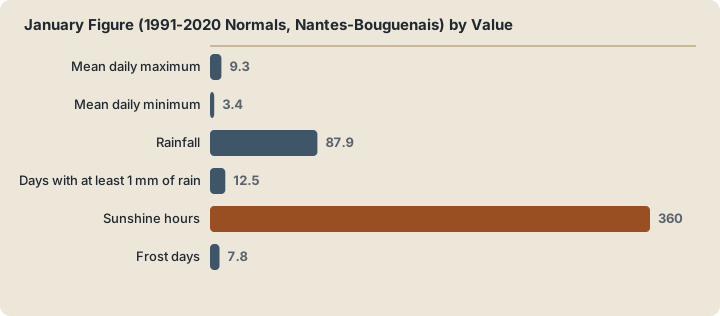
Nantes in late January is cool and damp but mild for the season, with mean daily maximum temperatures around 9.3 C and mean minimums around 3.4 C, according to Météo-France's 1991-2020 normals for the Nantes-Bouguenais station. January averages 87.9 mm of rain across about 12.5 days with at least 1 mm, and 72.6 hours of sunshine. Expect grey skies, occasional frost, and the need for a proper coat rather than extreme cold.
The city's climate is temperate oceanic, moderated by the Atlantic, so January days rarely bite hard: the coldest air usually arrives with clear nights rather than daytime. Frost occurs on roughly 7.8 January days per the normals, and snow is rare, averaging about 1.3 snow days in January. For a festival built around indoor concerts, this is close to ideal weather: you move between heated halls, restaurants and your hotel, and the grey light over the Loire is part of the atmosphere. Full details and month-by-month figures are in the Nantes weather guide.
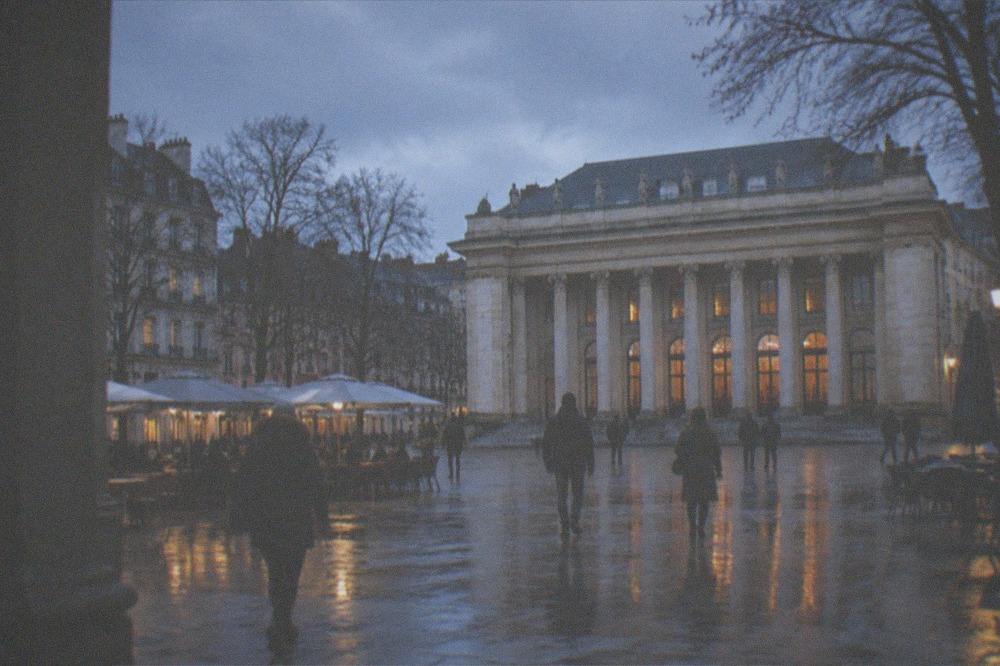
Pack for damp rather than deep cold: a waterproof layer, warm shoes, and an umbrella that survives wind. Concert halls and restaurants are well heated, so layering works better than a single heavy coat. The walk between the Cité des Congrès and the Graslin restaurant quarter is short enough that weather rarely disrupts dinner plans, and the tram network covers every reasonable concert-to-restaurant route in minutes. If you are extending the trip toward the coast, La Baule and the Atlantic beaches are reachable by TER in around 51 minutes, a low-key off-season contrast to the festival halls. More of these guides are collected on Nantes Travel Guide.
| January Figure (1991-2020 Normals, Nantes-Bouguenais) | Value |
|---|---|
| Mean daily maximum | 9.3 C |
| Mean daily minimum | 3.4 C |
| Rainfall | 87.9 mm |
| Days with at least 1 mm of rain | 12.5 |
| Sunshine hours | 72.6 h |
| Frost days | 7.8 |
What Else Can You Do In Nantes During A Folle Journée Weekend?
Between concerts, Nantes offers the Château des ducs de Bretagne with its free courtyard and history museum, the Machines de l'île with the Galerie and the Carrousel des Mondes Marins, the partially reopened cathedral, the free Mémorial de l'abolition de l'esclavage and the Jardin des Plantes. Museum entries cost from 9 EUR at the château and Musée d'arts and 4 EUR at the Musée Jules Verne, while each Machines attraction is 12 EUR. The natural history museum is closed until 2029.
A festival weekend leaves long midday and late-afternoon gaps, and Nantes fills them well. The château's ramparts and moat garden are free to walk daily, with the museum inside at 9 EUR full or 5 EUR reduced, closed Mondays except in July and August. The Musée d'arts de Nantes, at 9 EUR full and 4 EUR reduced, is closed Tuesdays but runs a free Thursday nocturne from 19:00 to 21:00, which can pair perfectly with an evening concert schedule. The Musée Jules Verne, at 4 EUR, honours the city's most famous writer, born on Île Feydeau in 1828.
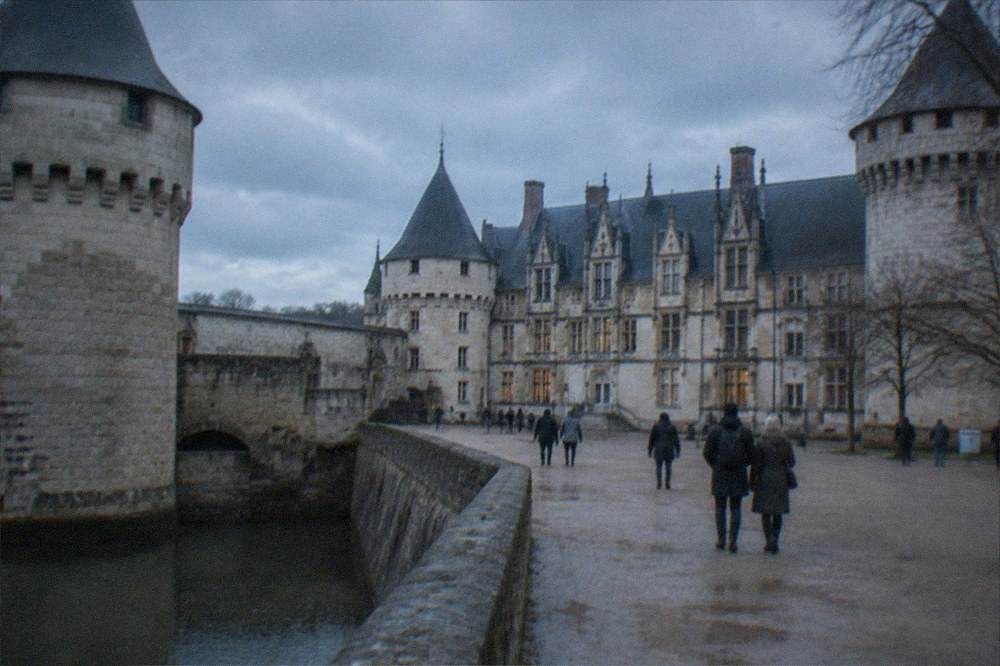
On the Machines de l'île, plan carefully if you are visiting in early 2027. Each attraction, the Galerie des Machines, the Carrousel des Mondes Marins and the Grand Éléphant ride, costs 12 EUR full price individually, with reduced and child rates and day packages for multiple attractions. The ride calendar has one hard restriction: there are no Grand Éléphant rides from 2 November 2026 to 28 February 2027 for maintenance, so during La Folle Journée 2027 the Galerie and Carrousel are the available options.
| Attraction | Entry Cost | Winter Note |
|---|---|---|
| Château ramparts and courtyard | Free | Open daily, ramparts 8:30-19:00 |
| Musée d'histoire de Nantes (château) | 9 EUR full, 5 EUR reduced | Closed Mondays outside July-August |
| Musée d'arts de Nantes | 9 EUR full, 4 EUR reduced | Closed Tuesdays; free Thursday 19:00-21:00 |
| Musée Jules Verne | 4 EUR full, 1.50 EUR reduced | Small house museum; closed Tuesdays |
| Machines de l'île, per attraction | 12 EUR full | No Grand Éléphant rides 2 Nov 2026 to 28 Feb 2027 |
| Cathédrale Saint-Pierre-et-Saint-Paul | Free | Partially reopened 27 Sept 2025; works continue toward 2028 |
| Mémorial de l'abolition de l'esclavage | Free | Open daily; hours vary by season |
The cathedral deserves its line of caution. After the 2020 fire it partially reopened on 27 September 2025, with full reopening planned for 2028 and the west facade still under scaffolding, so go expecting a working restoration site rather than a finished interior. Free and low-cost options across the city are collected in free things to do in Nantes. For a first orientation of the old town between concerts, the local walk listed below is the efficient option.
Where Should You Stay In Nantes For La Folle Journée?
Stay in the city centre or Graslin quarter for the shortest walks to the Cité des Congrès and the restaurants between concerts, or on the Île de Nantes for a quieter base across the river. La Folle Journée fills the city in late January, so book ahead of the 27-31 January 2027 dates. A nightly tourist tax applies, reported at 2.86 EUR per person per night for 4-star hotels and 1.87 EUR for 3-star, according to the metropolitan tax schedule.
The centre-Graslin belt is the classic choice: it puts the concert halls, the Passage Pommeraye, the Graslin opera quarter and the bulk of the good restaurants within a fifteen-minute walk. The Bouffay old town is livelier at night and closest to the medieval core. Across the Loire, the Île de Nantes has newer hotels including the eco-concept Eklo, which opened on the island on 12 January 2026, and the Trentemoult fishing village on the far bank, reached by the Navibus river shuttle, offers a genuinely different atmosphere with a normal Naolib ticket covering the crossing.
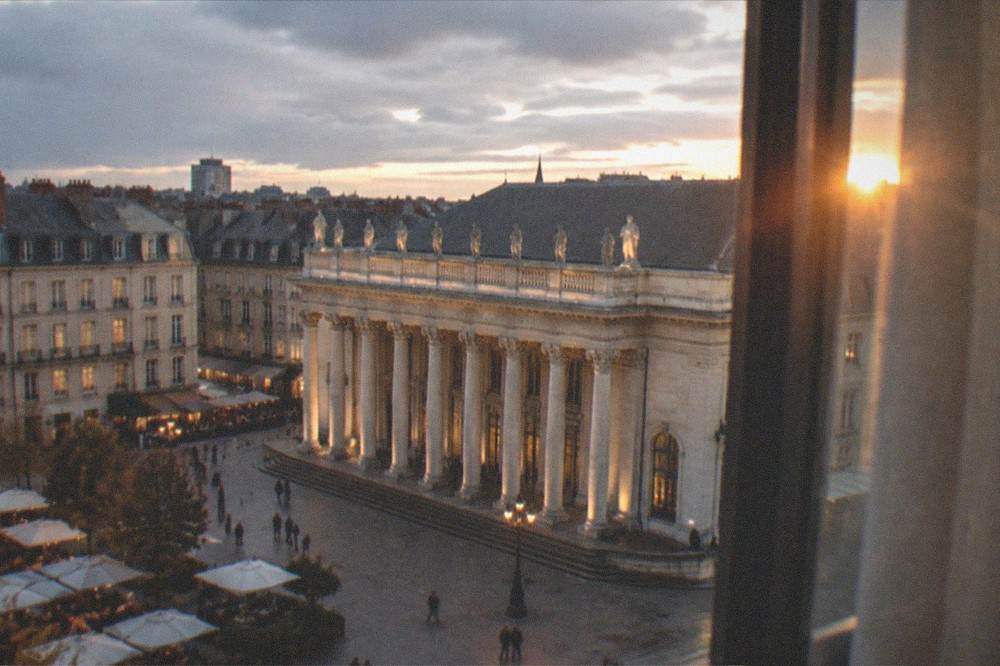
Do not plan to improvise accommodation. Late January is low season for leisure travel in Nantes, but the festival concentrates thousands of visitors into five days, and the city's hotel stock is finite. The neighbourhood-by-neighbourhood breakdown, including the trade-offs between the centre, the island and the station district, is in where to stay in Nantes. If the trip stretches beyond the weekend, is Nantes worth visiting sets out the case for adding days, and budget options are covered in Nantes on a budget.
| Area | Character | Festival Fit |
|---|---|---|
| Centre and Graslin | Opera quarter, shops, dense restaurant scene | Shortest walk to halls and dinner |
| Bouffay old town | Medieval core, lively evenings | Closest to the historic sights |
| Île de Nantes | Newer hotels, the Machines, riverside walks | Tram or easy walk across the Loire |
| Around the station | Practical, well-connected | Direct arrivals from Paris trains |
What Should You Eat During A Folle Journée Weekend In Nantes?
Nantes eating between concerts centres on the brasseries and crêperies of the centre and Bouffay, with local dishes including beurre blanc, the emulsified Muscadet-and-butter sauce born in the region; gâteau nantais, the almond and rum cake; berlingots nantais candies; and LU's Petit Beurre biscuit, invented in the city. Inexpensive meals and mid-range dinners for two remain affordable by French urban standards, with the centre and Bouffay offering the widest range of options. Muscadet is the local white.
The festival schedule, dense mornings and evenings, makes the long midday gap the main meal of the day for many visitors. The historic brasserie La Cigale, off the Graslin quarter, is the city's institution, a tiled dining room whose details are covered in the La Cigale guide; it sits conveniently between the Cité des Congrès and the opera. Around it, the rue Crébillon and Bouffay streets hold the densest cluster of bistros and crêperies. For self-catering and picnic supplies, the Talensac market, the city's main market, runs Tuesday to Friday 08:00-13:00 and Saturday-Sunday 08:00-13:30, closed Monday except public holidays.
| Local Speciality | What It Is | Where To Try It |
|---|---|---|
| Beurre blanc | Emulsified shallot, Muscadet and butter sauce, classically with fish | Brasseries and fish restaurants citywide |
| Gâteau nantais | Almond and rum quatre-quarts cake, best after a day's rest | Patisseries in the centre |
| Berlingots nantais | Tetrahedron-shaped hard candies, traditionally seven flavours | Confectioners and market stalls |
| Petit Beurre | LU's butter biscuit invented in Nantes in 1886 | Anywhere biscuits are sold |
| Muscadet | Dry white from the Melon de Bourgogne grape on the city's doorstep | By the glass almost everywhere |
A food tour is a natural fit for a festival weekend, and the all-inclusive food tour of the old town is this guide's featured product; its price is not published by the operator, so check the live listing for current figures and availability. The wine side of the region is worth a half-day in itself, with the Muscadet vineyards and the Maison des vins at Vallet a short trip from the city. The 2026 Muscadet harvest was declared on 11 August 2026, a record eight days earlier than the previous mark, so current vintages are the product of an unusually hot, early and low-yield season.
For evening meals around concerts, the same logic applies as for hotels: book. Festival nights fill the central restaurants in waves that clear and refill between session times, and a table reserved for a fixed hour beats hunting for one at 21:30. If you would rather have the old town's food scene unpacked for you between two concerts, the featured listing below is the one to check.
Is La Folle Journée Worth The Trip To Nantes In January?
La Folle Journée is worth the trip if you enjoy classical music in any degree: its packed format, family-friendly character and a city that is genuinely pleasant in winter. It is also the best possible excuse to visit Nantes in late January, when hotel rates sit below the summer peak and the museums are quiet. The 2027 Galaxie Beethoven edition, on the composer's 200th anniversary, is the strongest programming hook in years, and the venue changes make early planning more important than usual.
The honest counter-case is January weather and the compactness of the city: if you want beaches, long outdoor days or a packed summer festival atmosphere, this is not that trip. But as a short, intense city break built around music, food and museums, the festival weekend is hard to beat. Five days is enough to hear a great deal of Beethoven, eat well, and still walk the château ramparts and the Passage Pommeraye.
For visitors weighing the wider region, the Pays de la Loire context is covered in what the Pays de la Loire is famous for. Summer visitors should instead look at Le Voyage à Nantes, the July-to-September art trail whose green line threads some 20 km of the city.
The products below round out a weekend plan: the featured food tour, the local walk for orientation, and the half-day vineyard trip for a day either side of the concerts.
Common Questions About La Folle Journée In Nantes
When is La Folle Journée 2027?
The 33rd edition runs from Wednesday 27 to Sunday 31 January 2027 in Nantes, France. The theme is Galaxie Beethoven, marking 200 years since the composer's death.
Where is La Folle Journée held?
The main venue is the Cité des Congrès in central Nantes. For the 2027 edition, the largest hall, Auditorium 2000, is closed for about two years of works, and alternatives including Le Lieu Unique and the Conservatoire are being considered, so check the hall printed on each concert listing when booking.
How long does La Folle Journée last?
Five days, in the established format of many short concerts from morning to evening. The 2027 edition runs 27 to 31 January 2027.
How do I get to La Folle Journée from Paris?
Direct trains run about 24 times a day in each direction between Nantes and Paris Montparnasse, with the fastest services taking roughly two hours. The station sits on the northern edge of the city centre, a short walk or tram ride from the concert venues.
Is Nantes cold in late January?
It is cool and damp rather than severe: mean daily maximums around 9.3 C and minimums around 3.4 C per the 1991-2020 Météo-France normals, with about 87.9 mm of rain in the month. Pack a waterproof layer and warm shoes.
What else is there to do in Nantes during the festival?
The château museum and ramparts, the Musée d'arts, the Musée Jules Verne, the Machines de l'île's Galerie and Carrousel, the partially reopened cathedral and the free Mémorial de l'abolition de l'esclavage all fit between concerts. The natural history museum is closed for works until 2029.
A final planning note: the festival's own site is the authority for the 2027 programme, concert times and venue allocations, and everything date-sensitive on this page reflects what it has published. Book the room first, then the concerts, then the restaurants, and let the grey January light over the Loire do the rest.