Loire Valley Road Trip
Start at the Atlantic end: a Loire Valley road trip from Nantes runs from the city's riverside quays to Clisson's Italianate château, through Muscadet country, and out to the mouth of the river at Saint-Nazaire and the salt coast beyond.
Short answer
Base yourself in Nantes for two days, then loop southeast to Clisson and the Muscadet vineyards, west to the mouth of the Loire at Saint-Nazaire, and along the coast to Guérande, La Baule and Le Croisic. Clisson is a 15-23 minute TER ride from Nantes, Saint-Nazaire about 33 minutes, and the Pass Nantes from 1 April 2026 covers transport plus the château museum and the Machines de l'île.
A Loire Valley road trip from Nantes, in the Loire-Atlantique department of the Pays de la Loire region of western France, starts at the Atlantic end of the valley and works its way through a landscape that few road itineraries cover. The Loire runs through the city itself before broadening towards the sea, and the roads east of town climb into Muscadet vineyard country while the roads west lead to shipyards, salt marshes and long sandy bays. This itinerary lays out a five day loop that combines all three, with the trains, prices and seasons that actually matter in 2026.
The plan below is written for drivers, but nearly every stop also sits on a TER regional rail line, so you can run the same route without a car. If you are still building the city days, start with the main things to do page and a one day in Nantes itinerary, then come back here for the loop. This Nantes Travel Guide page assumes you already know the city's outline and want the valley around it.
Why Is Nantes The Best Starting Point For A Loire Valley Road Trip In France?
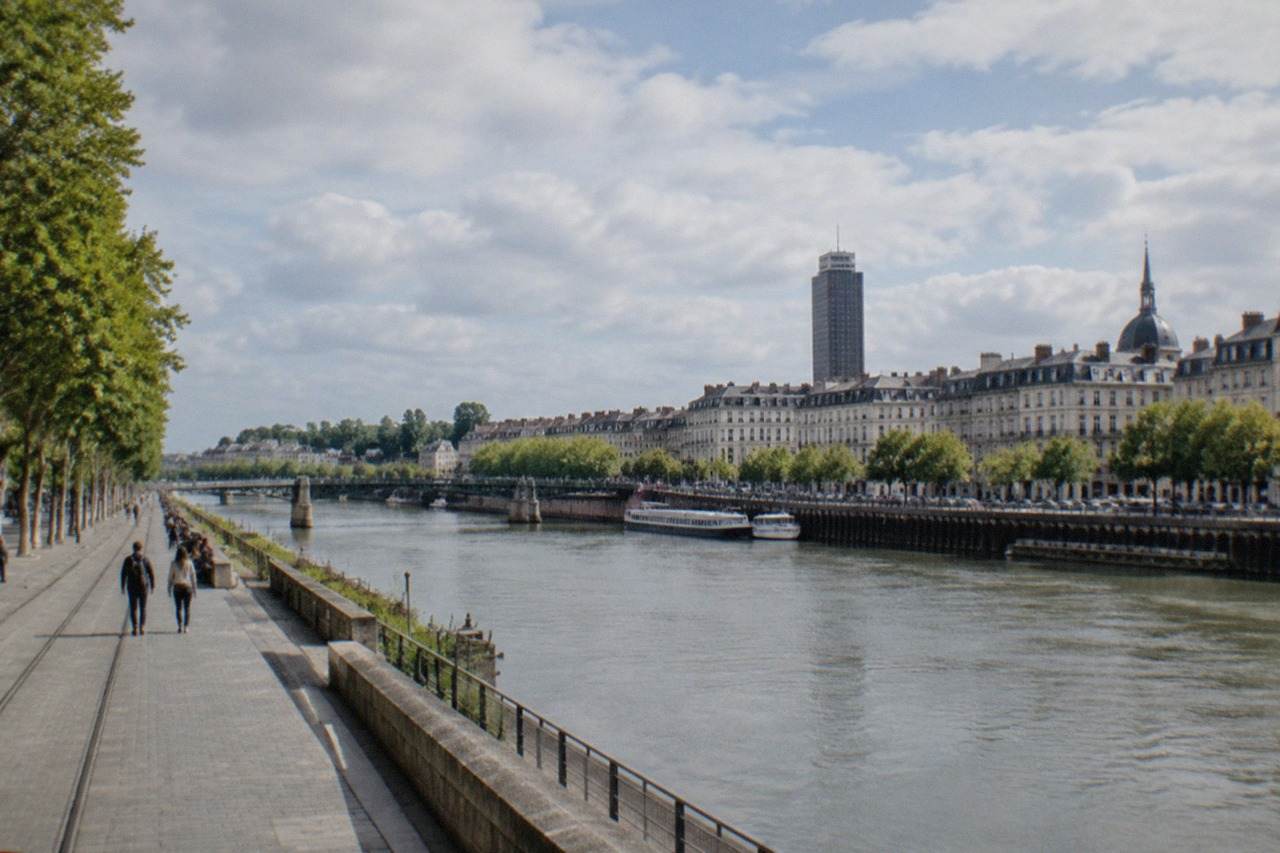
Nantes sits at the Atlantic, western end of the Loire Valley, in the Loire-Atlantique department of the Pays de la Loire region of western France, with the Loire and its tributary the Erdre running through the city. It was France's sixth most populous commune in 2023, home to 327,734 people, and it pairs an airport and a TGV link with a compact, largely pedestrianised historic core, which makes it the most practical base for a road trip that follows the river to the sea.
That population figure comes from INSEE's 2023 publication for the commune. The wider métropole is bigger still: reported at 689,456 residents for 2023 in the same statistical series, though that figure comes via live search of the INSEE pages rather than a page read directly. Either way, this is the largest city in western France, and the only one on the Loire with this much transport and this much to see before you leave it.
The practical advantage is simple. Trains reach Paris in about two hours on the fastest services, roughly 24 run each way on a typical day, and the airport at Nantes Atlantique handled a reported 7,189,480 passengers in 2025. You can therefore fly in, pick up a car or just buy a Pass Nantes, and be standing in front of the château within an hour of landing. For the river specifically, Nantes is where the Loire stops being a broad commercial highway and starts being an estuary, and the shift is visible from the city's own quays.
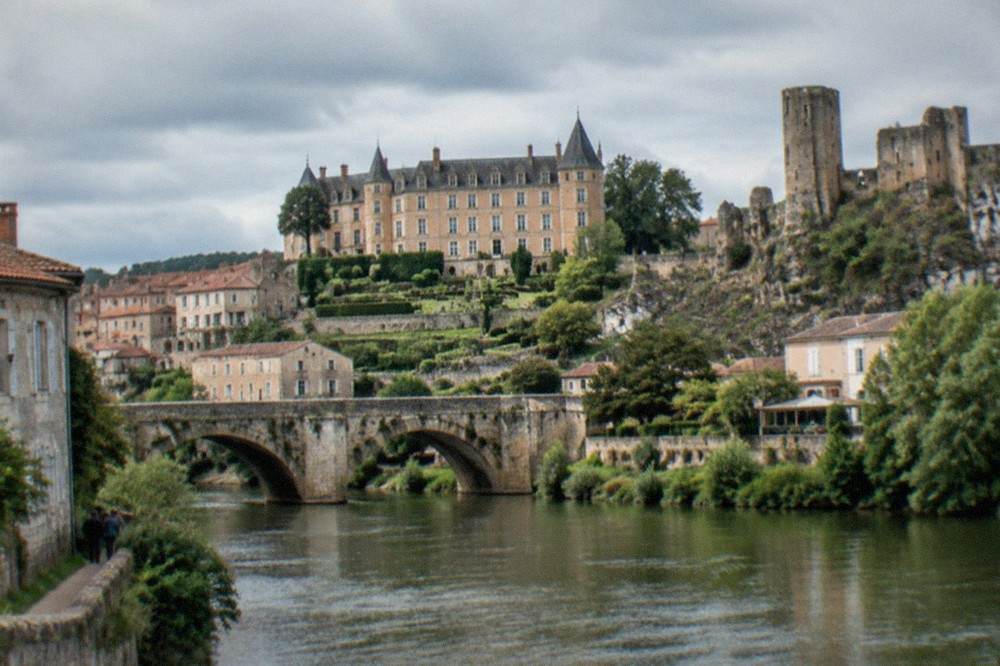
One more reason to linger before driving off: the city's green line. The Voyage à Nantes paints a waymarked trail of roughly 22 km through permanent artworks and landmarks, and following even a section of it is the fastest way to understand how Nantes turned an industrial riverfront into a cultural one. A guided walk compresses that orientation into an hour. The Surprise Walk of Nantes with a Local is one option on the roster, and its live listing carries the current price and any review standing:
The Nantes Private Custom Walking Tour with a Guide is the alternative if you would rather set your own route and pace, with the operator's listing showing what the current rate covers:
How Many Days Do You Need For A Loire Valley Road Trip From Nantes?
Five days is the comfortable length: two in Nantes itself, one in Clisson and the Muscadet vineyards to the southeast, one at Saint-Nazaire where the Loire meets the Atlantic, and one along the salt and coast towns of Guérande, La Baule and Le Croisic. Shorter versions still work, since Clisson is only 15 to 23 minutes from Nantes by TER train and Saint-Nazaire about 33 minutes, so even a three day loop keeps every major stop on this route.
Here is the five day shape at a glance:
| Day | Base | Getting there | What the day is built around |
|---|---|---|---|
| 1 | Nantes | Arrival by air or TGV | The château, the cathedral and the Bouffay old town |
| 2 | Nantes | Tram and foot | The Machines de l'île, the green line and the riverside quays |
| 3 | Nantes or Clisson | TER 15-23 min, 27 km by rail | Clisson's Italianate château and the Muscadet vineyards |
| 4 | Saint-Nazaire | TER about 33 min, 64 km | Escal'Atlantic and the mouth of the Loire |
| 5 | Coast loop by car | About 80 km by road to Guérande | Guérande salt marshes, La Baule and Le Croisic |
Travellers with only a weekend should keep days 1, 3 and 4 and treat the coast as a saving throw. The two city days can be compressed using the two days in Nantes itinerary, which already sequences the château, the Machines and the Passage Pommeraye. Families with younger children will find the pacing notes in the Nantes with kids itinerary line up neatly with days 2 and 5 here, since the Machines and the beach are the two anchors children remember.
The question of car versus train deserves honesty. For the southeast leg to Clisson and for Saint-Nazaire, the TER is faster and easier than driving, and parking in central Nantes is the one genuinely annoying variable on this route. A car earns its keep on day 5 only, when the salt towns and bays string together in a way no single rail line matches. Plenty of visitors therefore rent for just that stretch, or take the whole thing on rails and accept one slower day.
If you would rather have some of the valley interpreted for you rather than navigated alone, these are the three products on this site's roster that fit a Loire Valley road trip from Nantes, one of which is the booked Clisson day described in the next section:
What Is The Best First Leg Of The Trip: Clisson And The Muscadet Vineyards?
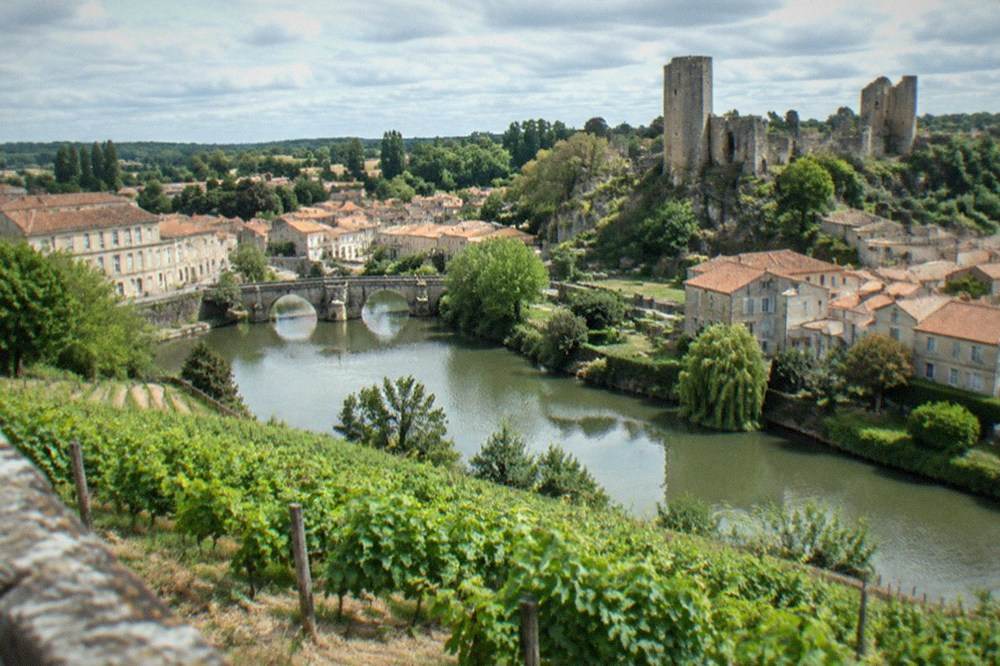
Clisson, 27 km by rail and 15 to 23 minutes from Nantes on the TER, is the best first leg: an Italianate château town at the southeastern edge of Loire-Atlantique, ringed by Muscadet vineyards planted with the Melon de Bourgogne grape. One return TER journey to Clisson is included in the Pass Nantes, so the first leg can be run by train, by car, or a mix of both, and the Clissonnantes festival each autumn gives the town a seasonal pull beyond its stones.
Clisson does not look like the rest of the region, and that is the point. Rebuilt in the 19th century in an Italian style after earlier destruction, its château, red brick terraces and riverside gardens read more like Tuscany than Brittany, which is why the department's Loire-Atlantique guide treats it as the eastern door of the Nantes area. The château grounds host free flash tours during European Heritage Days each September, and the Clissonnantes classical music festival ran 30 September to 4 October 2026 with free events under the Halles.
The vineyards around and beyond Clisson are the other half of the leg. The Sèvre Nantaise, the second river of the Nantes area, runs through this country, and Muscadet is made from a single grape, the Melon de Bourgogne, grown on the slopes above it. The 2026 harvest was historically early: the ban de vendange was declared on 11 August 2026, eight days ahead of the previous record from 2003, and producers reported lower yields after a hot, dry summer. Quality was described as good, but volumes are down, so cellar-door visits in 2027 may feel the squeeze.
For what the wider valley's wine reputation rests on, read what wine the Loire Valley is famous for, which places Muscadet in its proper context against the appellations upstream. And if the wine country tempts you further east, the Brittany road trip from Nantes is the companion itinerary that picks up where this one leaves the department.
The full English-Assisted Loire Day is the booked version of this leg. It covers Clisson, Nantes itself and the Trentemoult riverside quarter in a single booked outing, and its live listing carries the current price and availability windows:
The operator's live listing also takes direct bookings for specific dates, so if the Clisson and Trentemoult day fits your plan, you can confirm it in one place: Check availability.
Where Does The Loire Meet The Sea: Saint-Nazaire And The River's Mouth?
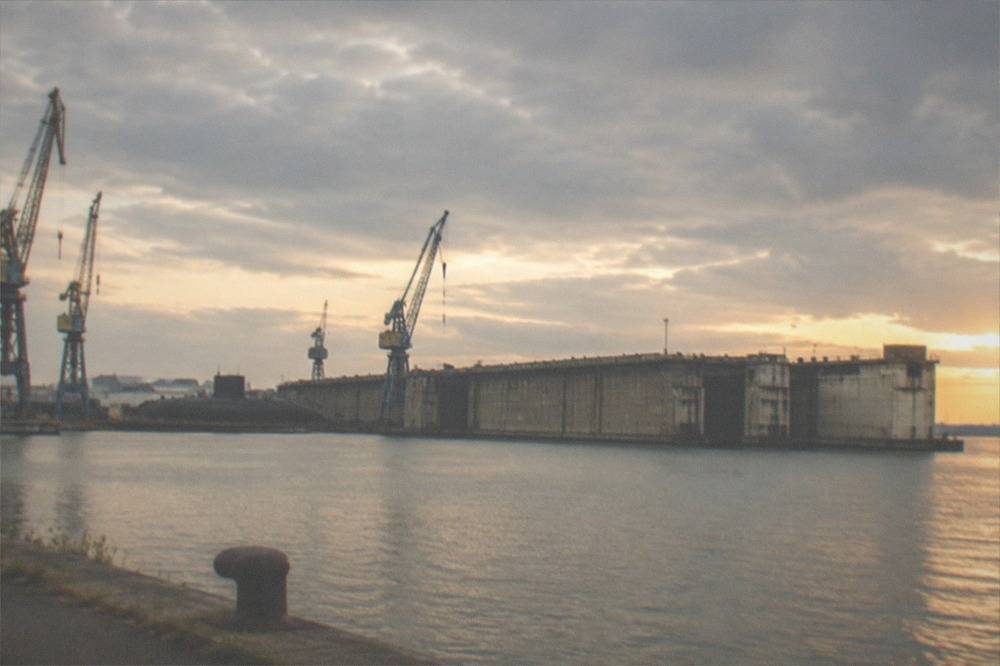
The Loire reaches the sea at Saint-Nazaire, 64 km from Nantes by rail and about 33 minutes on the TER, where the Escal'Atlantic liner museum charges 15 EUR full, 13 EUR reduced and 7.50 EUR for children aged 4 to 17, with under 4s free. The town's shipbuilding past and the Estuaire art trail, 33 works on 23 sites along the river between the two cities, make the mouth of the Loire a genuine destination rather than a drive-through.
Escal'Atlantic is the reason most road trippers stop here. It is a self-guided walk through the interiors of a transatlantic liner, and a timed reservation is recommended in season. Its temporary exhibition for 2026 into 2027 focuses on the liner Normandie through photographers' eyes, running from July 2026 to September 2027. Guided tours of the site run daily through the main April to November season, with English-language options in summer.
| Escal'Atlantic ticket | 2026 price |
|---|---|
| Adult | 15 EUR |
| Reduced | 13 EUR |
| Child 4-17 | 7.50 EUR |
| Under 4 | Free |
The Estuaire trail is the string that ties days 2 and 4 together. Scattered between Nantes and Saint-Nazaire, its 33 works sit at points reachable from both ends of the route, and several are visible from the road or the riverbank without a ticket. For the geography behind the stop, the mouth of the Loire answer page explains why Saint-Nazaire holds that position and what it means for the estuary's landscape.
Travellers whose Loire Valley dreams run to the classic château country upstream should be aware that this itinerary's figures stop at the department's edge. The Loire Valley châteaux day trips page covers that upstream country, and the prettiest-town question is answered there rather than here, because no verified drive times to those towns are carried on this site's fact file.
Which Coast And Salt Towns Should You Add To A Nantes Road Trip?
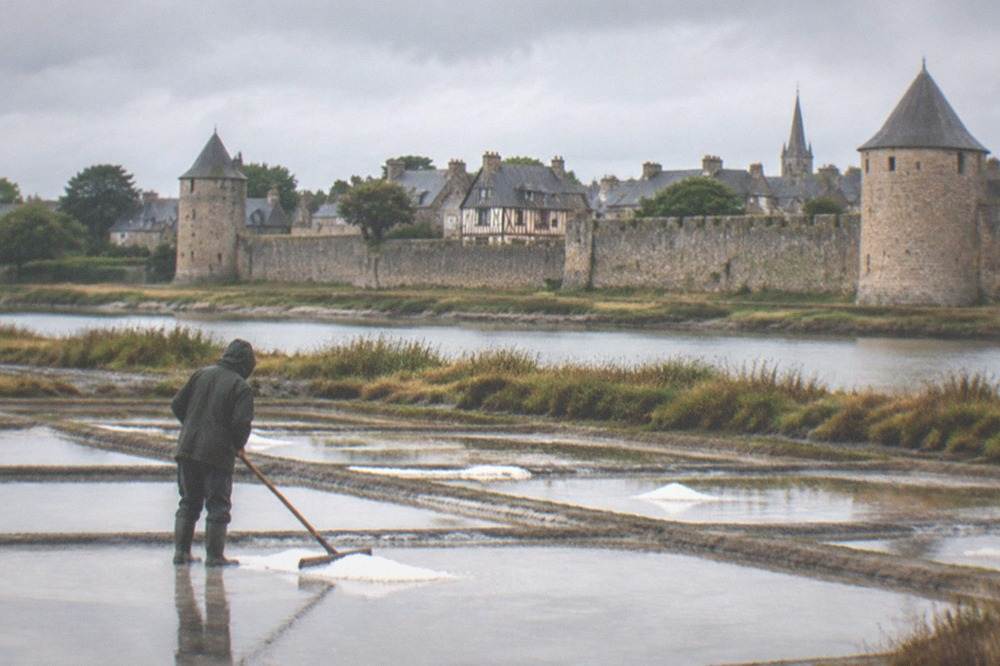
Guérande, about 80 km from Nantes by road, is the inland anchor: a walled medieval town beside working salt marshes whose 2026 harvest was exceptional, averaging around 1.5 tons per salt pan and over 3 tons in the best cases. On the coast, La Baule sits about 51 minutes from Nantes by TER, Le Croisic about 1 hour 3 minutes, and Pornic between 59 and 65 minutes, so the salt and sea loop fits one day by car or a relaxed two by train.
The salt story is why Guérande earns its slot rather than being a detour. The 2026 season brought a double harvest thanks to the summer heat, and guided visits to the marshes run year round with Terre de Sel, where around 200 bird species have been recorded across the habitat. The town itself keeps its full medieval ramparts, and the combination of walls, marshes and the oeillets where fleur de sel is raked makes it the most distinctive stop on the whole loop.
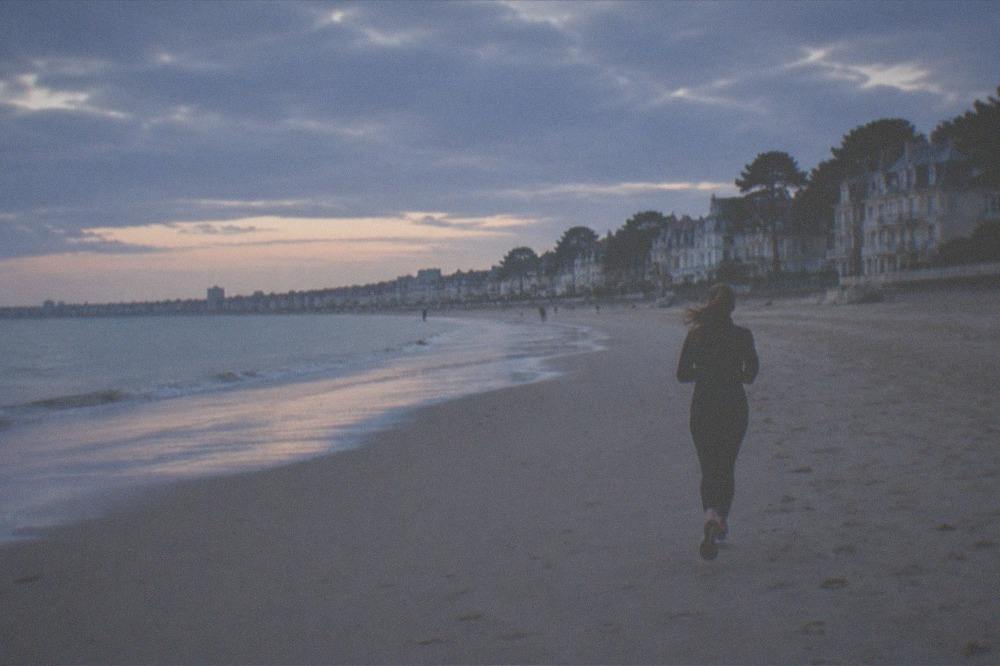
The coast then strings together like beads. La Baule is the classic belle époque beach resort, its triathlon each September drawing around 9,000 athletes. Le Croisic is the working port and rocky point at the end of the line. Pornic, south of the estuary, is the fishing-harbour alternative for those who prefer a smaller scale. All sit on TER lines out of Nantes, so a car-free version of day 5 is genuinely possible, just slower.
| Stop from Nantes | Journey figure | Why it earns the stop |
|---|---|---|
| Clisson | 27 km by rail, 15-23 min TER | Italianate château town and Muscadet vineyards |
| Saint-Nazaire | 64 km by rail, about 33 min TER | Escal'Atlantic and the mouth of the Loire |
| La Baule | About 51 min TER | Long sandy bay and belle époque seafront |
| Le Croisic | About 1 hour 3 min TER | Rocky point, port and salt-trade history |
| Pornic | 59-65 min TER | Small fishing harbour and coastal paths |
| Guérande | About 80 km by road | Walled town, salt marshes and 2026 record harvest |
| Puy du Fou | About 70-80 km, roughly 1 hour drive | Grand-parc shows, 2026 season 4 April to 1 November |
| Mont-Saint-Michel | About 2 hour 15 min drive | The abbey island, a long but doable extension |
Puy du Fou is the wildcard on that table. Its 2026 classic season ran 4 April to 1 November, with a Christmas extension in late December, and the visitor who plans the coast loop can bolt it on as a full day. Mont-Saint-Michel is the ambitious extension, roughly two and a quarter hours each way by road, best treated as an overnight rather than a day trip. Neither is compulsory; the salt and coast core of day 5 stands on its own.
What Does A Loire Valley Road Trip From Nantes Cost?
Count on the Pass Nantes as the spine of the budget: from 1 April 2026 it costs 30 EUR for 24 hours, 40 EUR for 48 hours, 49 EUR for 72 hours and 75 EUR for seven days at the full rate, and it covers Naolib transport, one airport shuttle return, one TER return to Clisson, the château museum and the Machines de l'île's Galerie and Carrousel.
Individual entries stay modest: 9 EUR at the château museum, 12 EUR per attraction at the Machines, 15 EUR at Escal'Atlantic, and the cathedral is free.
Here is the pass in full:
| Pass Nantes duration | Full | Reduced (4-17, students under 26, disability card) | Family (2 adults + 2 children) |
|---|---|---|---|
| 24 hours | 30 EUR | 20 EUR | 80 EUR |
| 48 hours | 40 EUR | 26 EUR | 106 EUR |
| 72 hours | 49 EUR | 31 EUR | 129 EUR |
| 7 days | 75 EUR | 45 EUR | 195 EUR |
Two warnings from the fact file. The Grand Éléphant ride at the Machines is not included in the Pass Nantes, and no elephant rides run at all from 2 November 2026 to 28 February 2027 for maintenance. Book elephant slots in advance when they are running, because they often sell out. The airport shuttle, 10 EUR on its own, is also excluded from the weekend free-transport rule: Naolib is free for everyone from Saturday midnight to Sunday 23:59, but the shuttle always costs its fare.
Entry prices across the stops, all in EUR at the till:
| Sight on the route | Full price | Reduced |
|---|---|---|
| Musée d'histoire de Nantes at the château | 9 EUR | 5 EUR |
| Machines de l'île, each attraction at the Machines | 12 EUR | 10 EUR |
| Musée d'arts de Nantes | 9 EUR | 4 EUR |
| Musée Jules Verne | 4 EUR | 1.50 EUR |
| Musée Dobrée | 9 EUR | 6 EUR |
| Escal'Atlantic, Saint-Nazaire | 15 EUR | 13 EUR |
| Cathédrale Saint-Pierre-et-Saint-Paul | Free | Free |
Accommodation tax is the line item people forget. The Nantes Métropole tourist tax reported for 2026 runs 1.10 EUR per person per night in a 2-star hotel up to 2.86 EUR in a 4-star, figures reported via local booking sources rather than read from the official grid, so treat them as indicative. The Pays de la Loire guide covers the wider regional context if your trip spills beyond the department.
When Is The Best Time Of Year For A Loire Valley Road Trip From Nantes?
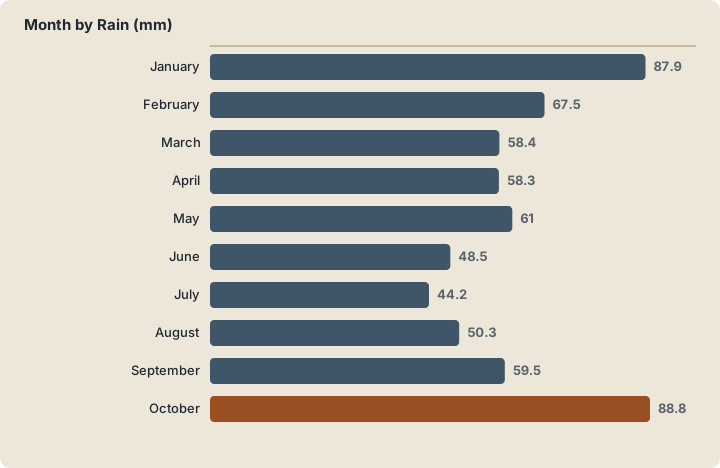
Nantes has a temperate oceanic climate, not a Mediterranean one: Météo-France's 1991-2020 normals for the Nantes-Bouguenais station give mean maximum temperatures from 9.3 C in January to 25.4 C in August, and 819.5 mm of rain across the year. April, May, September and October are the sweet spots for driving the valley, warm enough for the coast and quieter than the summer, which averages 25.1 C in July and 25.4 C in August at the daily maximum.
The monthly shape of the year:
| Month | Mean daily maximum (C) | Rain (mm) |
|---|---|---|
| January | 9.3 | 87.9 |
| February | 10.5 | 67.5 |
| March | 13.5 | 58.4 |
| April | 16.2 | 58.3 |
| May | 19.6 | 61.0 |
| June | 23.0 | 48.5 |
| July | 25.1 | 44.2 |
| August | 25.4 | 50.3 |
| September | 22.4 | 59.5 |
| October | 17.6 | 88.8 |
| November | 12.9 | 94.1 |
| December | 9.8 | 101.0 |
October and November are the wettest stretch on paper, and December the wettest single month at 101.0 mm, which matters for the coast day in particular. Summer brings the crowds to La Baule and the festival calendar to Nantes, but it also brings the heat: 2026 set the station's all-time record in June and an August record of 40.4 C on 13 August. The river itself matters too. The February 2026 flood was the most significant Loire episode in roughly three decades locally, and low-lying riverside sites close when the Loire rises, so check conditions after wet winters. For the deeper seasonal argument, the best time of year to visit the Loire Valley works through the same question for the whole valley.
Two slower alternatives close the route for travellers with more time. The Loire à Vélo from Nantes is the cycling version of this same corridor, and cycling the whole valley is a pace question in its own right. On the water, Loire river cruises and boats covers the cruise options that trace the same river from a lower deck.
If the five day plan still leaves spare capacity, the bookable products below round out the loop, from the Clisson day to guided walks that deepen the Nantes end of it:


Common Questions About A Nantes Loire Valley Road Trip
Can you do a Loire Valley road trip from Nantes without a car?
Yes. Clisson is 15-23 minutes from Nantes by TER, Saint-Nazaire about 33 minutes, La Baule about 51 minutes, Le Croisic about 1 hour 3 minutes and Pornic 59-65 minutes, so days 3, 4 and the coast fit on rails. The Pass Nantes includes unlimited Naolib transport and one TER return to Clisson. Only Guérande, about 80 km by road, genuinely favours driving.
How far is Nantes from the mouth of the Loire?
Saint-Nazaire, where the Loire meets the Atlantic, is 64 km from Nantes by rail, about 33 minutes on the TER. The mouth is the turning point of the trip: upstream lies vineyard and château country, downstream the estuary opens into shipyard and coast landscapes.
Is a Loire Valley road trip from Nantes good for families?
It is. The Machines de l'île, at 12 EUR full price per attraction, is the anchor children remember, Escal'Atlantic at Saint-Nazaire charges 7.50 EUR for ages 4-17, and La Baule gives the trip a beach day. Note that no Grand Éléphant rides run from 2 November 2026 to 28 February 2027 during maintenance.
Do you need to book anything in advance?
Book the Grand Éléphant at the Machines when rides are running, because slots often sell out, and reserve a timed slot for Escal'Atlantic in high season. Puy du Fou tickets bought ahead of arrival are typically cheaper than on-site ones, with the 2026 classic season running 4 April to 1 November. Everything else on the route can be bought on the day.
What wine should you taste on a Loire Valley road trip from Nantes?
Muscadet, made from the Melon de Bourgogne grape on the slopes of the Sèvre Nantaise around Clisson and southeast of Nantes. The 2026 harvest was the earliest on record, declared on 11 August 2026, with lower yields after the hot, dry summer, so cellar doors around the vineyard country are the natural stops on the first leg of the loop.
A Loire Valley road trip from Nantes works because the city hands you a complete base and the department hands you a complete route: an Italianate town and its vineyards one way, the river's shipyard mouth the other, and a walled salt town with the coast strung out behind it. Five days, one pass, and either a car for a single day or a rail ticket for the rest, is enough to see the Atlantic end of the valley properly.