Pays De La Loire
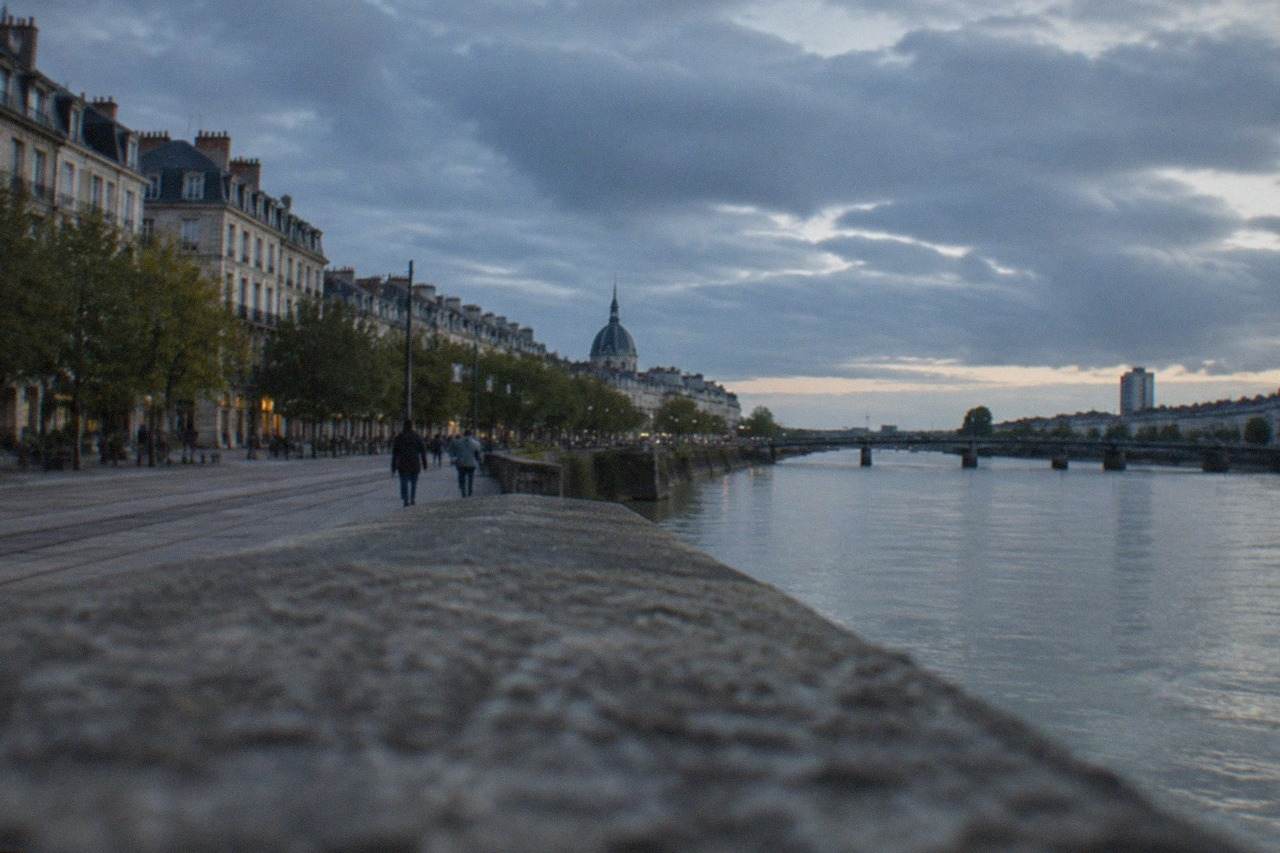
Nantes, in the Loire-Atlantique department of the Pays de la Loire region of western France, is the working capital of a region that runs from the Loire château country to the Atlantic beaches.
Short answer
The Pays de la Loire is western France's region around the lower Loire, with Nantes as its largest city, covering Loire-Atlantique and the surrounding château, vineyard and coastline country.
Nantes, in the Loire-Atlantique department of the Pays de la Loire region of western France, sits at the point where the Loire river, joined by the Erdre and the Sèvre Nantaise, begins its final run to the Atlantic. The city of 327,734 people (INSEE, 2023) is the region's largest and its practical capital, and almost everything the Pays de la Loire is known for, château country, Muscadet vineyards, salt marshes and long sandy beaches, sits within a couple of hours of it. This guide treats Nantes as the base and the region as the prize.
Where Is The Pays De La Loire And What Does It Cover?
The Pays de la Loire is one of the 13 administrative regions of metropolitan France, with Nantes as its largest city and administrative centre, a region whose name comes from the Loire river, which crosses it from east to west before emptying into the Atlantic at Saint-Nazaire. The region includes the Loire-Atlantique department, where Nantes is, plus the château and vineyard country upstream. Visitors should note that Loire-Atlantique has not been part of the administrative region of Brittany since 1941, a point covered in full on our Loire-Atlantique guide.
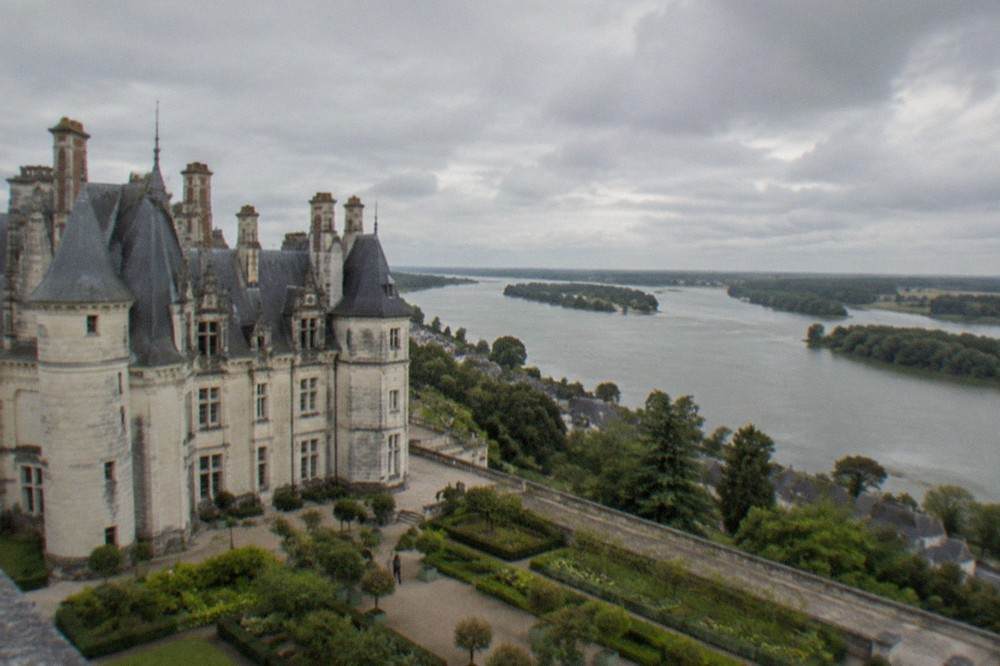
What trips people up is the name. The Pays de la Loire is not the classic "Loire Valley" of guidebook covers, the château-strewn stretch around Blois and Amboise further east. Some of that image overlaps here, and the region does hold famous château country reachable from Nantes, but the Pays de la Loire is its own administrative animal, and its character is a mix of river, estuary, vineyard and open Atlantic coast. The question what is the Pays de la Loire famous for gets its own dedicated answer elsewhere on this site.
For orientation, think of Nantes as the hub. East and south-east lie the Muscadet vineyards around Vallet, whose Maison des vins anchors the appellation, and the mock-Italian town of Clisson. West and north-west lie the coast: Saint-Nazaire with its shipbuilding and the Escal'Atlantic liner museum, the beaches of La Baule, the medieval walled town of Guérande between the salt marshes, and the fishing ports of Pornic and Le Croisic. The region's borders also put Angers, Saumur and even La Rochelle within reach for longer days out, each covered in our Nantes and Loire Valley road trip itinerary.
The city itself deserves a full day before any of that. The Château des ducs de Bretagne, the Machines de l'île and the Musée d'arts de Nantes are the three anchors most first-time visitors build a Nantes day around, and all three sit within a short walk or tram ride of one another. If you want the region's big picture first, the museum inside the château traces exactly how Nantes grew rich on the Loire trade, legal and otherwise, and then rebuilt itself as a manufacturing and cultural city.
What Are The Best Day Trips From Nantes Across The Region?
The best day trips from Nantes are Clisson by train in about 15 to 40 minutes, Saint-Nazaire in about 33 minutes, La Baule in about 51 minutes, Pornic in about an hour, and Le Croisic in about 1 hour 3 minutes, all on the TER regional rail network, with Guérande, the Muscadet vineyards and Puy du Fou reached by car. The Clisson return journey is even included in the Pass Nantes, which makes it the cheapest rail day out in the region. Rail times below are the figures published for the fastest services on each route.
Here is what the network gives you, using the fastest published connection times:
| Destination | Fastest rail time from Nantes | What it is known for |
|---|---|---|
| Clisson | About 15 minutes | Italianate architecture, château, vineyards, Hellfest each June |
| Saint-Nazaire | About 33 minutes | Shipbuilding, Escal'Atlantic liner museum, the Loire estuary |
| La Baule | About 51 minutes | Long bay beach, Belle Époque villas, triathlon each September |
| Pornic | About 59 to 65 minutes | Fishing port, coves, coastal path, gateau nantais country |
| Le Croisic | About 1 hour 3 minutes | Port, salt marshes nearby, oyster beds |
The two biggest paid attractions in the region beyond Nantes are Escal'Atlantic in Saint-Nazaire and Puy du Fou further south-east. Escal'Atlantic's 2026 prices are 15 EUR adult, 13 EUR reduced and 7.50 EUR for children aged 4 to 17, with under 4s free, and its temporary exhibition on the liner Normandie runs from July 2026 to September 2027. Puy du Fou's 2026 classic season ran 4 April to 1 November 2026, with a Christmas extension from 19 December 2026 to 3 January 2027, and 2026 tickets were pricier than Escal'Atlantic's, with adult admission at the gate a step up from the advance rate and child tickets likewise cheaper when bought ahead.
| Attraction | 2026 adult price | Child price | Season notes |
|---|---|---|---|
| Escal'Atlantic, Saint-Nazaire | 15 EUR | 7.50 EUR (ages 4-17) | Guided tours daily April to early November |
| Puy du Fou, advance booking | From varies by venue | From varies by venue (ages 3-11) | Classic season 4 Apr to 1 Nov 2026 |
| Puy du Fou, on-site price | 59 EUR | 43 EUR | Christmas extension 19 Dec 2026 to 3 Jan 2027 |
Guérande is the other essential inland day trip: a fully walled medieval town ringed by working salt marshes, about 80 km from Nantes by road, with the 2026 salt harvest described as exceptional, averaging about 1.5 tonnes per salt pan thanks to the summer heat. La Baule, often paired with Guérande in a single loop, gets its own assessment on our is La Baule worth visiting page, and the Loire Valley châteaux day is the classic direction for castle hunters.
How Do You Get Around The Pays De La Loire?
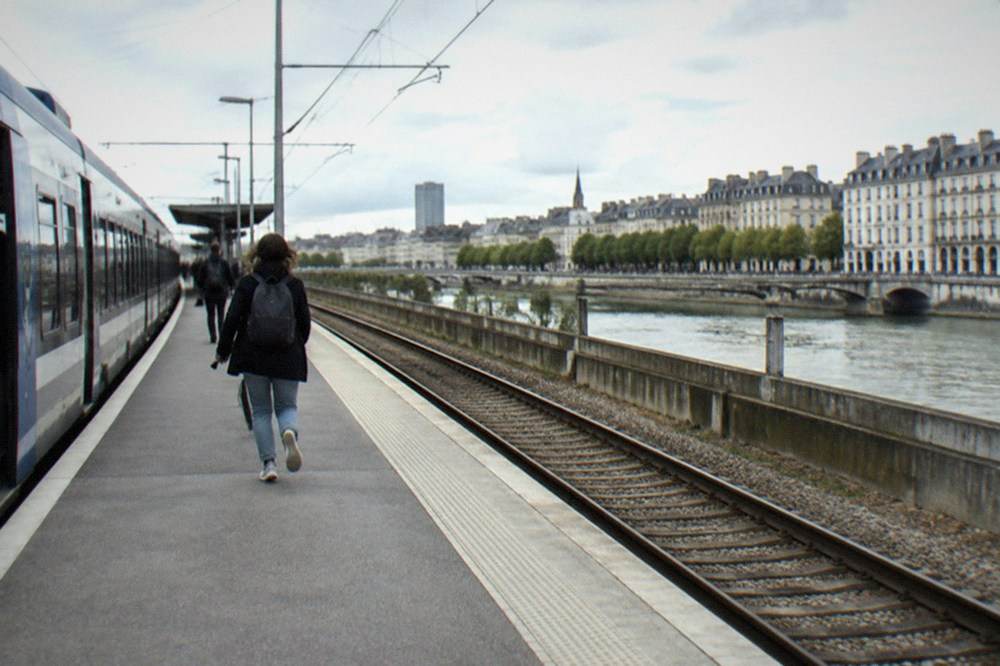
You get around the Pays de la Loire by TER regional train for the main rail lines, by tram and bus inside Nantes on the Naolib network, and by car for the salt marshes, vineyards and Puy du Fou, where no rail line runs. A Naolib ticket costs 1.80 EUR for one hour and 6.80 EUR for 24 hours, the airport shuttle costs 10 EUR and is never free, and weekend travel on the whole Naolib network is free from Saturday 00:00 to Sunday 23:59. Those fares come from the network's own tariff pages.
The Nantes end is easy. Tram lines 1, 2 and 3 plus the busway cover 45.6 km and 84 stations, the Navibus boats cross the Loire to Trentemoult and the Erdre river north of the centre, and the 24-hour ticket for four people costs 15 EUR. Two caveats matter. The airport shuttle is excluded from the weekend free travel and always costs 10 EUR, and its city stop moved on 30 March 2026 to the Gare routière at Gare Sud, quai A. New tram lines 6 and 7 and busway line 8 are under construction, with delivery of the tram lines expected at the end of 2027, so street works are a recurring sight in 2026.
For the region, the TER is the backbone. The Nantes to Clisson return is even folded into the Pass Nantes, which also bundles transport, museums and the airport shuttle round trip into 30 EUR for 24 hours, 40 EUR for 48 hours, 49 EUR for 72 hours and 75 EUR for seven days at the full rate.
| Pass Nantes duration | Full | Reduced | Family |
|---|---|---|---|
| 24 hours | 30 EUR | 20 EUR | 80 EUR |
| 48 hours | 40 EUR | 26 EUR | 106 EUR |
| 72 hours | 49 EUR | 31 EUR | 129 EUR |
| 7 days | 75 EUR | 45 EUR | 195 EUR |
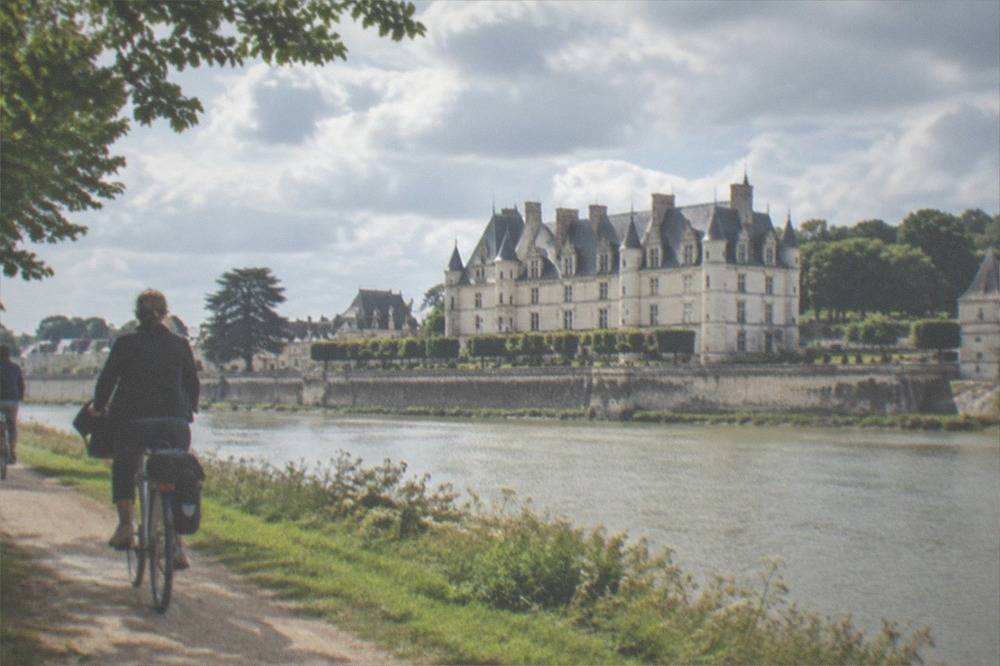
Beyond the rail lines, a car earns its keep. The Guérande salt marshes, the Muscadet vineyards of Vallet, Puy du Fou and Mont-Saint-Michel (about 2 hours 15 by road from Nantes) all reward wheels. For cyclists, the Loire à Vélo route from Nantes follows the river west toward the estuary and links into the wider network that makes this one of France's great cycling regions.
If you would rather have a structured first day in Nantes itself before striking out, a self-guided option covers it:
What Is The Weather Like In The Pays De La Loire?
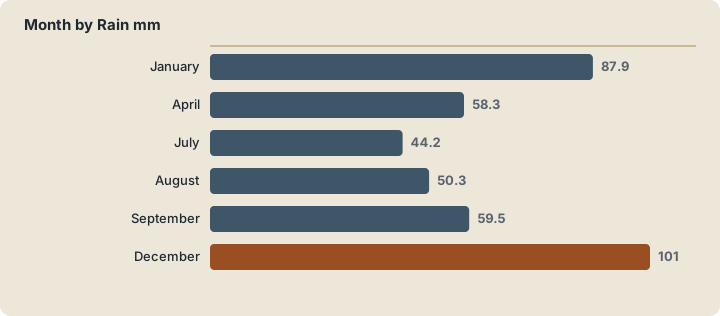
The Pays de la Loire has a temperate oceanic climate, with Météo-France's 1991-2020 normals for the Nantes-Bouguenais station showing mean maximums from 9.3°C in January to 25.4°C in August, and 819.5 mm of rain spread across 119.7 days per year. The sunniest month is August at 232.6 hours and the wettest is December at 101 mm, while the record high is 42.2°C, set on 24 June 2026, and the record low is -15.6°C from 15 February 1956. Those figures are the station's own published series.
The oceanic label means mild winters, warm but rarely extreme summers, and rain at any time of year. It is emphatically not Mediterranean, and packing should reflect that: a light rain layer is sensible even in July, which averages 44.2 mm itself. Here is the shape of the year at Nantes-Bouguenais:
| Month | Mean max °C | Mean °C | Mean min °C | Rain mm |
|---|---|---|---|---|
| January | 9.3 | 6.4 | 3.4 | 87.9 |
| April | 16.2 | 11.4 | 6.6 | 58.3 |
| July | 25.1 | 19.7 | 14.3 | 44.2 |
| August | 25.4 | 19.8 | 14.2 | 50.3 |
| September | 22.4 | 17.1 | 11.8 | 59.5 |
| December | 9.8 | 6.7 | 3.7 | 101.0 |
Recent years have pushed the extremes. Summer 2026 set a new all-time station record of 42.2°C on 24 June 2026, with multiple days above 40°C that week and a regional red heat alert in Loire-Atlantique, and July 2026 set a monthly sunshine record of 382 hours in Nantes. The flip side came in February 2026, when the Loire reached 8.18 m at the Pont Anne-de-Bretagne, its first time above 8 metres in about 15 years, closing riverside infrastructure and briefly shutting the Mémorial de l'abolition de l'esclavage, which closes during Loire floods.
What Food And Drink Is The Region Known For?
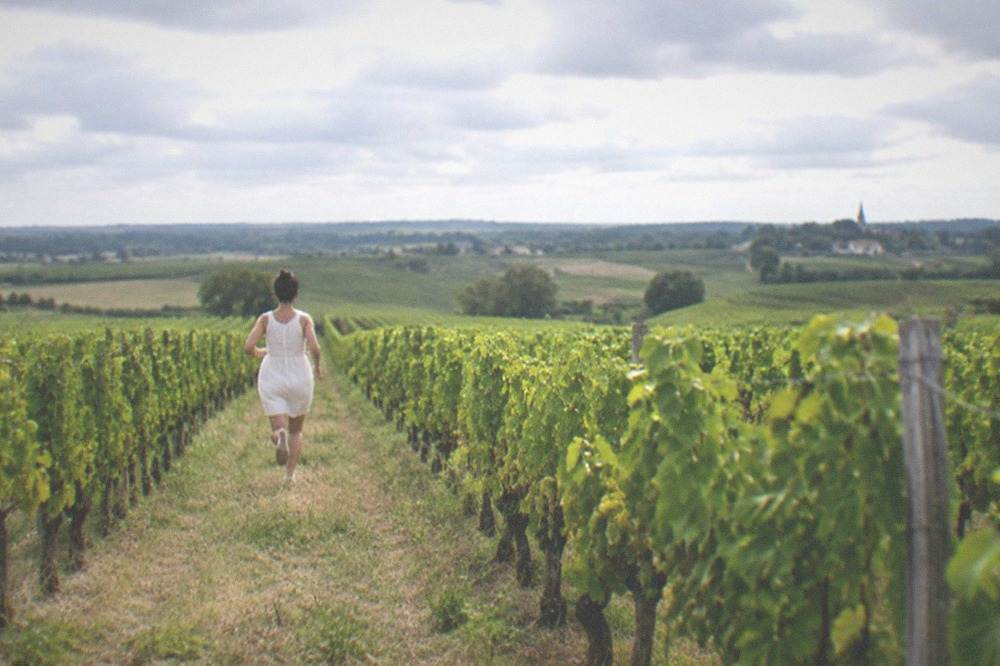
The Pays de la Loire, and Nantes in particular, is known for Muscadet wine, beurre blanc sauce, LU Petit Beurre biscuits, berlingot nantais sweets, gâteau nantais and cure nantais cheese, plus the seafood of the Atlantic coast from Saint-Nazaire to Le Croisic. Muscadet, made from the Melon de Bourgogne grape, is the flagship: the region's Maison des vins sits at Vallet, and the 2026 harvest was the earliest ever recorded, with the ban declared on 11 August 2026. Producers report yields down at around 30 to 40 hectolitres per hectare against a 2018 reference of about 55, with the summer heat credited for quality if not quantity.
Beurre blanc is the region's signature sauce: a reduction of shallots, white wine, typically Muscadet, and vinegar or lemon, into which cold butter is whisked, classically served with river fish such as pike. Nantes restaurateurs have been pursuing protected traditional speciality status for it, a campaign reported in 2025 and still live. The city's traditional restaurants are the places to try it, and the region's wine pages on this site track the appellation in detail.
The sweet side of the region is equally local. LU's Véritable Petit Beurre biscuit was invented in Nantes in 1886 by the Lefèvre-Utile company, founded in 1846, and today's production runs from the La Haye-Fouassière factory near Nantes at about 24,000 tonnes of biscuits a year, 2026 being the company's 180th anniversary. Berlingots nantais, the multicoloured tetrahedron sweets in seven flavours from orange to anise, date from the late 19th century, and gâteau nantais, the almond and rum quatre-quarts, has enjoyed a strong revival in the city's patisseries. The Talensac market, open Tuesday to Sunday mornings and closed Monday, is the single best place to assemble a regional tasting board of all of it.
For Muscadet itself, two vineyard experiences run from the city: a vineyard tour by van and a half-day version. The sensory tasting tour in the city centre is another introduction, and the vineyard pages on this site explain the appellation in full.
What Events Shape The Regional Calendar?
The Pays de la Loire's calendar is anchored by Le Voyage à Nantes in summer, La Folle Journée in late January, the Rendez-vous de l'Erdre jazz festival in late August, the Nantes Christmas market from 19 November to 27 December 2026, and Hellfest at Clisson each June. Most are free to enter: Le Voyage à Nantes and the Rendez-vous de l'Erdre cost nothing for their public programmes, and the Christmas market is free to walk. Ticketed events, chiefly Hellfest and Puy du Fou's evening shows, are the exceptions.
The 2026 edition of Le Voyage à Nantes, the 15th, ran from 4 July to 6 September 2026 on the theme of Earth, the first of a four-year cycle on the elements, sending about nine to fourteen new artworks along the green line, which the event's own site measures at 22 kilometres, and for the first time into the cathedral crypts and the Jardin Extraordinaire. La Folle Journée, the classical festival founded in 1995, holds its 33rd edition from 27 to 31 January 2027 on the theme Galaxie Beethoven, marking 200 years since the composer's death, though its main venue, the Cité des Congrès, closes for works from February to December 2027, so venues are under review.
| Event | Edition / dates | Location | Entry |
|---|---|---|---|
| La Folle Journée | 27 to 31 Jan 2027, Galaxie Beethoven | Nantes, Cité des Congrès | Ticketed |
| Nantes Christmas market | 19 Nov to 27 Dec 2026 | Place Royale and Place du Commerce | Free to enter |
| Rendez-vous de l'Erdre | 24 to 30 Aug 2026, 40th edition | Erdre river, Nantes | Free |
| Le Voyage à Nantes | 4 Jul to 6 Sep 2026, 15th edition | City-wide green line | Free parcours |
| Hellfest | 18 to 21 Jun 2026, 20th anniversary edition in 2027 | Clisson | Ticketed |
Hellfest deserves a planning note. The 2026 edition ran 18 to 21 June at Clisson, and the 20th anniversary edition is set for 17 to 20 June 2027 with an expanded programme of about 300 groups on 10 stages. The four-day pass for 2027 was priced a step up from the previous edition and sold out quickly, with one-day passes due in the first quarter of 2027. Even outside festival weekends, Clisson is worth the short train ride, and its classical festival Les ClisSonnantes ran 30 September to 4 October 2026. Our La Folle Journée guide covers the classical festival in depth.
Where Should You Stay To Explore The Region?
You should stay in Nantes itself for almost every regional itinerary, because the city is the rail hub and the largest accommodation base, with the Île de Nantes and the old-town Bouffay district as the most visitor-friendly quarters, and the region's 2026 hotel openings concentrated there too. Nantes Métropole counted 689,456 residents in 2023, making it by far the region's biggest urban market, and a tourist tax applies per person per night, reported at 2.86 EUR for four-star, 1.87 EUR for three-star and 1.10 EUR for two-star hotels. Those tax figures are as reported for 2026 and include a 10% departmental addition.
The newest base option opened on 12 January 2026: the 86-room Eklo hotel on the Île de Nantes, an eco-budget concept with dorm beds among its 273. For character over chains, the old town around Bouffay puts the cathedral, the château and the Passage Pommeraye within walking distance, while Trentemoult across the Loire offers the village alternative, linked by the Navibus N1 river shuttle and, since 12 November 2025, the extended N2 route.
Outside the city, the logic changes. A La Baule base suits a beach-first trip, an Angers or Saumur base suits the eastern château country, and a single night in Clisson or Guérande turns a rushed day trip into an unhurried one. The general rule: if your trip is more than half Nantes, stay in Nantes and radiate outward. This Nantes Travel Guide covers the city's quarters in detail on the where to stay pages.
How Many Days Do You Need For The Pays De La Loire?
You need three days for Nantes itself, five to seven days to add the Atlantic coast and the Muscadet vineyards, and eight to ten days for a full regional loop taking in the Loire Valley château country, Puy du Fou and Mont-Saint-Michel, which sits about 2 hours 15 from Nantes by road. The Pass Nantes covers the first 24, 48, 72 hours or a full week of city sightseeing, and a hire car only becomes necessary once the itinerary leaves the rail lines. Weekend train travel inside Nantes is free, which stretches a short budget further.
A three-day Nantes core is the sensible minimum: day one for the château, cathedral and Bouffay, day two for the Machines de l'île and the Île de Nantes, day three for the Musée d'arts, the Jardin des Plantes and the Passage Pommeraye, with the green line stitching them together if you visit in summer. Our itineraries section does this in detail, from one day to a full three.
Day four and five push outward: Clisson and the vineyards by morning, Saint-Nazaire and Escal'Atlantic by afternoon, then an overnight at La Baule or Pornic for the coast. Guérande and the salt marshes pair naturally with La Baule, since they sit within the same south-western corner. For the grand loop, the Nantes and Loire Valley road trip is the template, and the question of what is the best time of year to visit the Loire Valley matters more than the exact route.
For families, Puy du Fou alone justifies an extra day and an overnight, since the Cinéscénie evening show, 28 performances across the 2026 season, is timed to end late. The question of what is the prettiest town in the Loire Valley is a good companion when choosing where that overnight lands.
Common Questions About The Pays De La Loire
Is Nantes in the Pays de la Loire or in Brittany?
Nantes is in the Pays de la Loire region and the Loire-Atlantique department. It was historically the capital of the duchy of Brittany, and Loire-Atlantique was attached to the Angers region by a Vichy decree of 30 June 1941, separating it from Brittany. The cultural debate continues, but administratively the answer is the Pays de la Loire.
How far is Nantes from the ocean?
The Atlantic coast of the region sits about an hour or less from Nantes by train on the main lines: Saint-Nazaire in about 33 minutes, La Baule in about 51 minutes and Le Croisic in about 1 hour 3 minutes for the fastest services. The city itself is inland, on the Loire upstream from the river's mouth.
Do you need a car in the Pays de la Loire?
Not for Nantes or the main coastal towns, which sit on the TER rail lines and, in the city, on the Naolib tram and bus network. A car earns its keep for the Guérande salt marshes, the Muscadet vineyards around Vallet, Puy du Fou and Mont-Saint-Michel, none of which have a direct rail line.
What wine is the Pays de la Loire famous for?
Muscadet, the dry white wine made from the Melon de Bourgogne grape in the vineyards south-east of Nantes, is the region's flagship around the city, with the Maison des vins at Vallet as its centre. The wider region also produces the upstream Loire whites and reds. Muscadet is dry, not sweet.
When is the best time to visit the Pays de la Loire?
Summer, from July to early September, brings the warmest weather, the Le Voyage à Nantes art trail and the Rendez-vous de l'Erdre jazz festival, with August the sunniest month at 232.6 hours of sunshine on the 1991-2020 normals. The Christmas market runs from 19 November to 27 December 2026 for a winter city break, and spring suits the vineyards before the heat.
Is the Pays de la Loire the same as the Loire Valley?
No. The Pays de la Loire is the westernmost administrative region, centred on Nantes, while the classic Loire Valley of Blois, Amboise and Tours lies further east. The two overlap in character, and the château country east of Angers is reachable from Nantes, but the names describe different areas.