Loire Valley Chateaux From Nantes: Day Trips, Trains And Tickets
Nantes sits at the western gateway of the Loire Valley, and the castles start inside the city itself: the Château des ducs de Bretagne, the ruined fortress at Clisson twenty minutes down the rail line, and a string of day-trip chateaux beyond.
Short answer
The nearest chateaux to Nantes are in the city itself (the Château des ducs de Bretagne, free courtyard) and at Clisson, 15 to 23 minutes away by TER train. Further afield, Guérande, Puy du Fou and Mont-Saint-Michel are all reachable in a day by car, while the great Loire Valley chateaux further east need an overnight or a dedicated road trip.
Nantes, in the Loire-Atlantique department of the Pays de la Loire region in western France, sits at the point where the Loire Valley stops being a corridor of famous chateaux and opens out towards the Atlantic. That position shapes every castle trip you can make from here. The city keeps its own ducal fortress, the Château des ducs de Bretagne, in the centre; a second medieval château waits down the TER line at Clisson; and the wider valley of chateaux, vineyards and river towns spreads east and south of the city.
This guide covers what the castle landscape around Nantes actually contains, which ones you can reach by train, what entry costs, and how the Pass Nantes and the local TER network change the maths. The Loire Valley proper, with its concentration of Renaissance chateaux further east up the river, is a bigger expedition, and the Nantes and Loire Valley road trip itinerary covers that route in detail.
Where Are The Nearest Chateaux To Nantes?
The nearest chateaux to Nantes are the Château des ducs de Bretagne in the city centre, whose courtyard and ramparts are free and open daily, and the medieval Château de Clisson, a TER train ride of roughly 15 to 23 minutes from Nantes station. No other castle sits that close: everything beyond Clisson, from Guérande's ramparts to Mont-Saint-Michel, means a longer train or a drive of an hour or more.
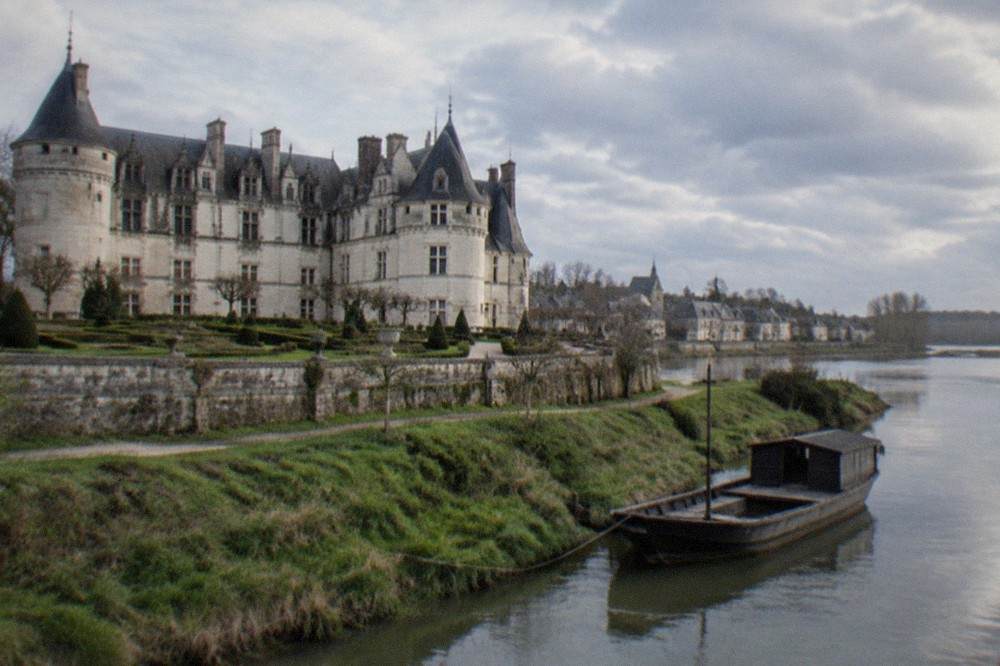
The Château des ducs de Bretagne is the natural starting point, because it is both a genuine castle and a museum. Francis II, Duke of Brittany, began rebuilding it in 1466, and his daughter Anne of Brittany was born inside its walls on 25 January 1477. The courtyard and ramparts are free to walk, open daily from 8:30 to 19:00 and until 20:00 in July and August. The Musée d'histoire de Nantes inside charges 9 EUR full fare and 5 EUR reduced, is free for under-18s, and closes on Mondays outside summer.
Clisson gives you the second castle. The town holds a ruined medieval château on the Sèvre Nantaise, an Italianate quarter built in the 19th century, and vineyards on the slopes around it. It is the shortest and cheapest castle trip in the area, and one TER return to Clisson is included in the Pass Nantes, which makes it the obvious first chateau excursion for anyone based in the city. The dedicated Clisson day trip guide goes deeper into the town itself.
Can You Visit Loire Valley Chateaux From Nantes In A Day?
Yes, but only the western end of the valley. Clisson is a day trip of well under an hour by TER; Saint-Nazaire takes about 33 minutes; La Baule about 51; Pornic between 59 and 65 minutes; and Le Croisic about 1 hour 3 minutes. The famous Renaissance chateaux further east up the Loire are not realistic in a single day out and back by train, and are better treated as an overnight road trip.
The TER network west and south of Nantes is what makes the local day trips easy. The table below gathers every rail time the verified facts support: use it to sort what is a half-day from what is a full one.
| Destination | TER train time from Nantes | What you go for |
|---|---|---|
| Clisson | ~15 to 23 minutes | Medieval château, Italianate town, vineyards |
| Saint-Nazaire | ~33 minutes | Escal'Atlantic liner exhibition, shipyards |
| La Baule | ~51 minutes | Beach resort, bay |
| Pornic | ~59 to 65 minutes | Fishing port, coastal path |
| Le Croisic | ~1 hour 3 minutes | Salt marshes, Atlantic coast |
Note what the table does not claim. Distances and times for Angers, Saumur, Vannes, Carnac and Noirmoutier are not in the verified facts pack, so this guide stays silent on them rather than guessing. If a chateau trip you have in mind is not listed above, check the operator's own timetable before planning around a specific connection, because the figures here are the only ones with a source behind them.
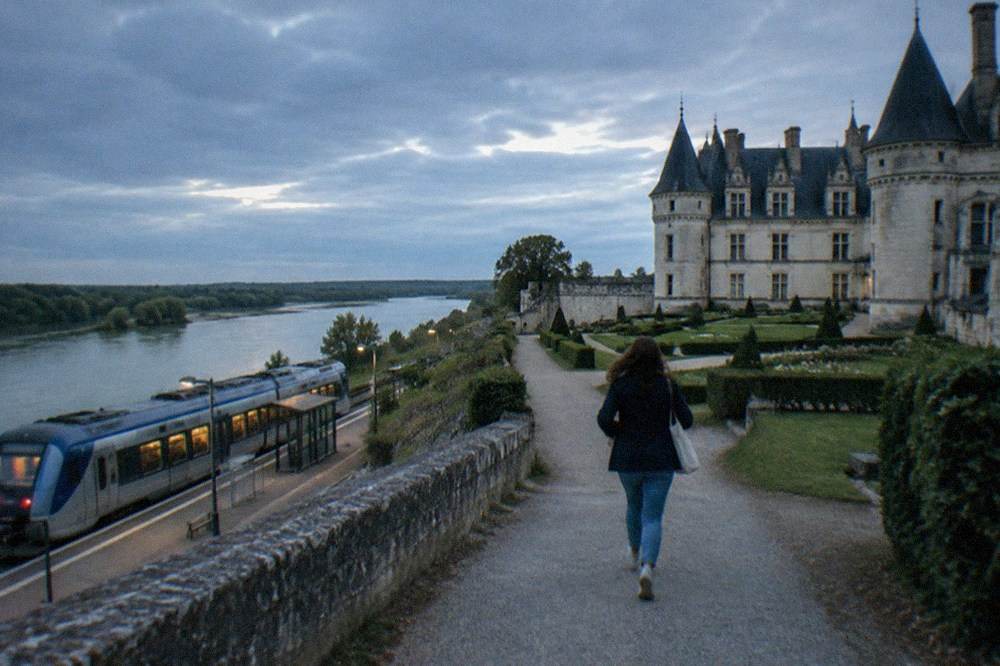
For the trip itself, the standard advice holds: morning trains are quieter, Clisson is walkable from its station, and Saint-Nazaire's Escal'Atlantic exhibition, at 15 EUR full price, 13 EUR reduced and 7.50 EUR for children aged 4 to 17, rewards booking ahead in summer. The full day trips from Nantes guide ranks all of these options, including the ones beyond the rail network.
What Castles Can You See Inside Nantes Itself?
Nantes itself holds the Château des ducs de Bretagne, a fully standing fortress castle in the city centre with free access to its courtyard and ramparts daily, and a handful of nearby monumental buildings: the cathedral, the Passage Pommeraye from 1843, and the LU factory site now occupied by Le Lieu Unique. The château is the only true castle, and it is the one sight every castle itinerary in the city should begin from.
The château's history is the reason it matters. Brittany's dukes ruled from it, Anne of Brittany, twice queen of France, was born in it, and the Edict of Nantes was signed there by Henri IV in April 1598, with the château's own page giving the date as 30 April. After the ducal era ended, the city bought the building in 1915 and opened its history museum inside in 1924. Ten years of restoration finished in 2007, when the Musée d'histoire de Nantes reopened across 32 rooms.
Practicalities are simple. The free courtyard and ramparts run 8:30 to 19:00 daily, extending to 20:00 in July and August, with the free moat garden, the Jardin des douves, open from 8:00. The museum inside charges 9 EUR full and 5 EUR reduced, with under-18s free and a closed day each Monday outside the summer schedule. There is also a 15 EUR Pass Musées covering a year of unlimited entry to the Musée d'arts, the Jules Verne museum, the Chronographe and this one, which pays for itself on a second visit.
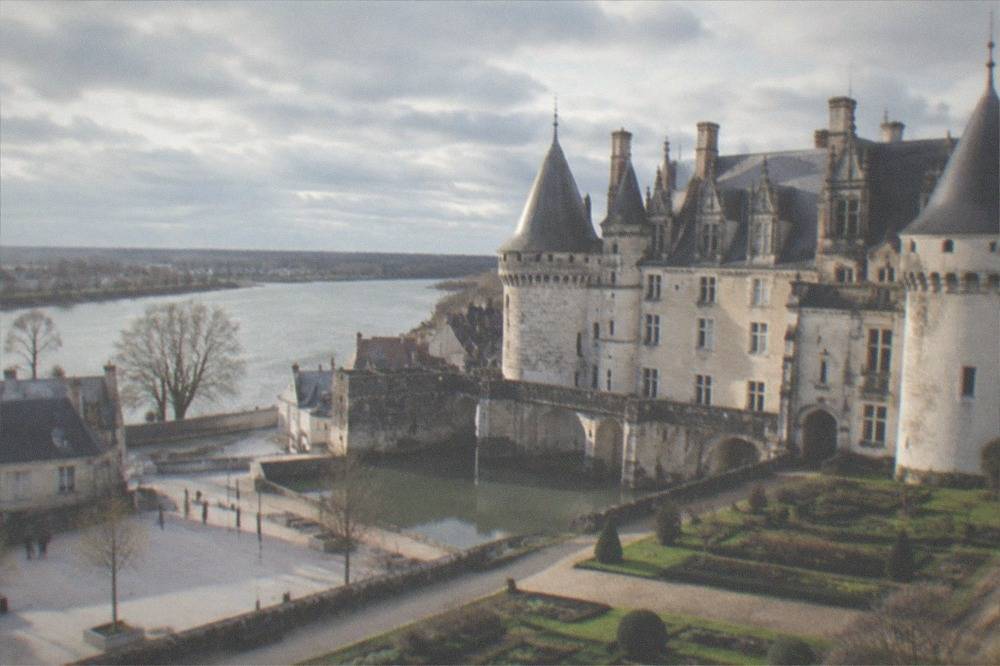
If you want the castle's story unpacked by someone who walks it daily, a local-led city walk is the efficient route. Check availability for the surprise walk of Nantes, or read the companion piece on walking tours in Nantes for the full picture of guided options.
Which Chateaux Are Within Day-Trip Range Beyond Clisson?
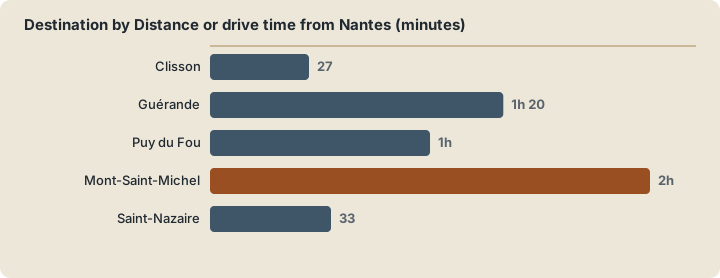
Beyond Clisson, the castle-adjacent day trips that carry verified distances are Guérande, about 80 km by road, a walled medieval town with salt marshes rather than a single chateau; Puy du Fou, 70 to 80 km and roughly a one-hour drive, a historical theme park rather than a castle; and Mont-Saint-Michel, about 2 hours 15 minutes by car. Each is a car trip, not a train trip, and each fills a full day.
Guérande is the closest thing to a complete medieval fortress town in the region: ramparts, gates and a historic core, surrounded by the working salt marshes that produce fleur de sel. The 2026 salt harvest was exceptional, with reports of double production after a hot, dry summer, which is exactly the kind of year when a marsh visit pays off. The Guérande day trip guide covers the town and the marshes; a guided salt-marsh visit is the easiest way to see the workings, and its live listing carries the current details.
Puy du Fou runs its 2026 season from 4 April to 1 November, with a Christmas extension from 19 December 2026 to 3 January 2027. It is a historical spectacle park, not a chateau, but it sits inside the same western-France castle country and many visitors combine the two on a wider loop. The Puy du Fou guide has the planning detail, and the Mont-Saint-Michel guide covers the longest castle excursion of all, the abbey fortress on its tidal island, about two and a quarter hours away by road.
| Destination | Distance or drive time from Nantes | Type of trip | Realistic duration |
|---|---|---|---|
| Clisson | 27 km by rail, ~15 to 23 min TER | Medieval château town | Half day |
| Guérande | ~80 km by road | Walled town and salt marshes | Full day |
| Puy du Fou | ~70 to 80 km, ~1 hour drive | Historical theme park | Full day |
| Mont-Saint-Michel | ~2 hours 15 by car | Island abbey fortress | Full day, overnight better |
| Saint-Nazaire | ~33 min TER | Maritime, not chateaux | Half to full day |
The honest summary of that table: Nantes is better placed for coastal and vineyard day trips than for chateaux. The city's own castle plus Clisson is a genuine two-castle pairing inside one stay, and anything grander needs a car and a full day's commitment.
How Much Does Entry Cost At Nantes Museums And Sights?
Entry at the main Nantes sights runs from free to 12 EUR: the castle courtyard, ramparts and moat garden are free; the Musée d'histoire inside the château is 9 EUR full and 5 EUR reduced; the Musée d'Arts de Nantes is 9 EUR full and 4 EUR reduced; the Jules Verne museum 4 EUR and 1.50 EUR reduced; Les Machines de l'île 12 EUR per activity full price, with packages at 20 EUR for two and 29 EUR for three.
Those figures are the ones each venue's own site publishes, gathered below so a two-day castle-and-museum plan can be costed in one place.
| Sight | Full price | Reduced | Free conditions |
|---|---|---|---|
| Château courtyard and ramparts | Free | Free | Always free, daily 8:30-19:00 |
| Musée d'histoire de Nantes (château) | 9 EUR | 5 EUR | Under 18s, first Sundays Sept to June |
| Musée d'Arts de Nantes | 9 EUR | 4 EUR | Under 18s; Thursday 19:00-21:00 |
| Musée Jules Verne | 4 EUR | 1.50 EUR | First Sundays Sept to June |
| Musée Dobrée | 9 EUR | 6 EUR | Under 26s |
| Mémorial de l'abolition de l'esclavage | Free | Free | Always free |
| Les Machines de l'île, per activity | 12 EUR | 10 EUR / 8 EUR by age | Under 4s |
Two warnings travel with those numbers. First, the natural history museum in Nantes is closed for works and is not currently an option at any price, so leave it off any museum itinerary. Second, the Grand Éléphant ride at Les Machines de l'île pauses for maintenance from 2 November 2026 to 28 February 2027, so a winter Machines visit means the Galerie and the Carrousel, not the elephant. Everything else covered here is indexed on Nantes Travel Guide.
For the castle itself, the Château des ducs de Bretagne guide covers the museum's permanent collection, whose strongest sections deal with the Atlantic slave trade, and the city's wider museum landscape is easy to add on once the castle is done.
Is The Pass Nantes Worth It For A Chateaux Day Trip?
The Pass Nantes pays off for a chateaux-centred stay mainly through transport and the Clisson train: it includes unlimited Naolib travel, one airport shuttle return, one TER return to Clisson, and one entry each to the château museum and the Machines de l'île's Galerie and Carrousel. Prices from 1 April 2026 run 30 EUR for 24 hours, 40 EUR for 48, 49 EUR for 72 and 75 EUR for seven days, with reduced and family rates below those.
The full price ladder, from the official tariff:
| Duration | Full | Reduced (4-17, students under 26, disability card) | Family (2 adults + 2 children) |
|---|---|---|---|
| 24 hours | 30 EUR | 20 EUR | 80 EUR |
| 48 hours | 40 EUR | 26 EUR | 106 EUR |
| 72 hours | 49 EUR | 31 EUR | 129 EUR |
| 7 days | 75 EUR | 45 EUR | 195 EUR |
The maths depends on pace. A fast two-day plan that rides trams, does the château museum, the Galerie des Machines and the Carrousel, and takes the Clisson train for the second castle, gets close to the 40 EUR 48-hour pass in individual tickets alone. A slower stay that walks the free courtyard, uses free weekend transport, and picks one paid museum per day, will not, and should buy singles instead. One hard exclusion matters: the Grand Éléphant ride is not covered by the pass, even when it is running.
The pass detail most guides miss is that the Clisson TER return is inside it, which quietly makes the pass the cheapest way to combine Nantes's own castle with a second one down the valley, since the two castles and the train between them sit in a single product.
What Is The Best Time Of Year For A Loire Valley Chateaux Trip From Nantes?
The best months for castle day trips from Nantes are April to May and September to October, when the Météo-France normals for the Nantes-Bouguenais station show mild conditions, from mean maxima of about 16 C in April to 22 C in September, with less rain than winter; July and August are the warmest at 25 C mean maxima but carry the crowds, while November to January is the wettest stretch.
The climate here is temperate oceanic, not Mediterranean, and the numbers say so plainly: 819.5 mm of rain a year, spread over 119.7 days with at least 1 mm, with December the wettest month at 101 mm and July the driest at 44 mm. Warm-season visitors should also know that heat has been intensifying: a new all-time station record of 42.2 C was set on 24 June 2026, which is why a summer castle itinerary benefits from morning starts and shade.
| Season | Mean max (C) | Rain (mm/month, typical) | Verdict for chateaux trips |
|---|---|---|---|
| Spring (Mar-May) | 13.5 to 19.6 | 58 to 61 | Best balance: mild, green vineyards |
| Summer (Jun-Aug) | 23.0 to 25.4 | 44 to 50 | Warmest, busiest; go early in the day |
| Autumn (Sep-Oct) | 22.4 to 17.6 | 50 to 89 | September excellent; October cooling |
| Winter (Nov-Jan) | 9.3 to 12.9 | 88 to 101 | Quietest castles, wettest days |
Two timing anchors from the events calendar help plan around a castle stay. The summer art trail of Le Voyage à Nantes runs from early July to early September and fills the city between the castles, while the Folle Journée classical festival takes the Cité des Congrès from 27 to 31 January 2027, a good reason to combine a quiet-season castle visit with a festival weekend. The Loire Valley visiting seasons answer goes further on the wider valley's own calendar.
How Do You Plan A Loire Valley Road Trip From Nantes?
A Loire Valley road trip from Nantes works best as a west-to-east loop: start with the Château des ducs de Bretagne and Clisson, then follow the river through vineyard country eastward, with the Muscadet vineyards of the Sèvre Nantaise as the first stage, before the wider valley of Renaissance chateaux opens up beyond. Allow two to five days for anything past the local day-trip radius, because the train times that make Clisson easy do not extend to the distant chateaux.
The first leg needs no car at all, which surprises people. The Muscadet appellation sits immediately around Nantes, on the Melon de Bourgogne grape, and a half-day vineyard van tour is the standard way into it before you start driving yourself. The Muscadet vineyards guide covers the independent route and the Maison des vins at Vallet.
From there the geography takes over. The Loire flows east into chateau country, and the road trip guide on this site lays out the route stage by stage, including where to overnight. What this page will not do is invent drive times for towns whose distances are not in the verified pack: the only sourced road figures are the ones already given for Guérande, Puy du Fou and Mont-Saint-Michel. For the cyclists, the riverside route and its timing are covered in the Loire à Vélo guide.
What Wine Should You Taste Between The Chateaux?
The wine to taste around Nantes is Muscadet, the dry white made from the Melon de Bourgogne grape on the hills of the Sèvre Nantaise around the city, best visited through the Maison des vins at Vallet or a guided vineyard van tour. It is a dry wine, not sweet, and it is the local glass to pair with the oyster and fish plates you meet on the coastal chateau loop.
The vineyard belt around Nantes is the westernmost wine country of the Loire Valley, and it is genuinely on the castle route: Clisson's slopes sit inside it, so a morning in the chateau town and an afternoon in a cellar is a standard pairing. The 2026 season was unusual, with the harvest ban declared on 11 August, eight days earlier than the previous record, and yields down as a result, so cellar stocks and vintages will vary more than usual this year.
For the wider valley, the question of what the Loire Valley is famous for in wine reaches well past Muscadet, and the wine answer page covers it. A sensory tasting session in Nantes is the low-effort version of the vineyard trip if a full van day does not fit the castle itinerary.
Should You Combine Nantes's Castle With A Second Chateau Or A Day At The Coast?
Yes, and the pairing that works best is the Château des ducs de Bretagne in the morning, when the courtyard is quiet and the free ramparts take an hour, then the TER to Clisson for the second castle and a vineyard-side lunch, returning by late afternoon. That two-castle day is the only one that needs no car, no pass beyond the Clisson fare, and no more than a half-day of planning.
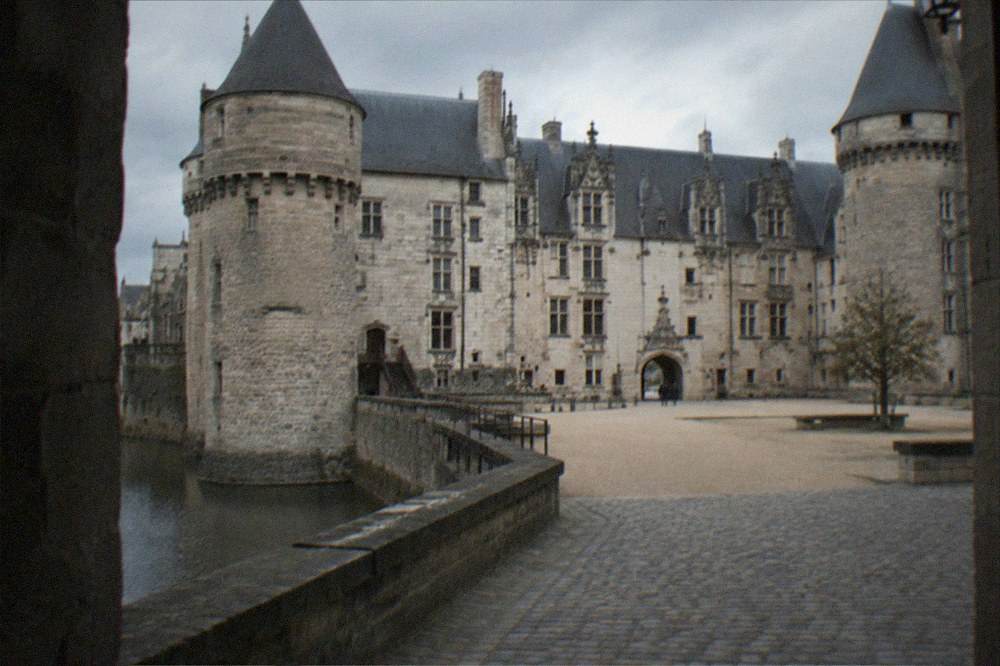
The alternative pairings suit different travellers. Families tend to swap the second chateau for Les Machines de l'île, which is the strongest child-facing sight in the city and sits a tram ride from the castle. Coastal travellers swap it for La Baule or Pornic, both under an hour and a quarter by TER, and both covered in the La Baule and Pornic guides. Serious chateaux hunters accept the drive and make Mont-Saint-Michel the big single day of the trip.
Common Questions About Loire Valley Chateaux From Nantes
How far is Nantes from the Loire Valley chateaux?
Nantes sits at the western, Atlantic end of the Loire Valley. Its own Château des ducs de Bretagne is in the city centre, Clisson's medieval château is 15 to 23 minutes away by TER, and Guérande, Puy du Fou and Mont-Saint-Michel are car trips of roughly one hour, one hour and two and a quarter hours respectively. The concentration of famous Renaissance chateaux sits further east up the river and is best reached with an overnight or a road trip.
Is the Château des ducs de Bretagne free?
The courtyard, ramparts and moat garden are free, open daily from 8:30 to 19:00, and until 20:00 in July and August. The Musée d'histoire de Nantes inside charges 9 EUR full and 5 EUR reduced, is free for under-18s, and closes on Mondays outside the summer schedule.
Can you do a Loire Valley chateaux day trip from Nantes without a car?
Partly. Clisson, with its medieval château, is an easy car-free TER trip of 15 to 23 minutes, and one Clisson return is included in the Pass Nantes. The grander chateaux further east, and the castle-adjacent trips like Mont-Saint-Michel, are not realistic by train from Nantes in a day, so a car, a guided tour or an overnight is the honest answer there.
Does the Pass Nantes cover chateaux?
It covers the château museum inside the Château des ducs de Bretagne, one entry each to the Galerie des Machines and the Carrousel des Mondes Marins, unlimited Naolib transport, one airport shuttle return and one TER return to Clisson. It does not include the Grand Éléphant ride. From 1 April 2026 prices run 30 EUR for 24 hours up to 75 EUR for seven days.
When is the best time of year to visit the Loire Valley from Nantes?
April to May and September to October, when the Nantes climate is mild, with mean maxima from about 16 C in April to 22 C in September, and rain is lighter than in the November-to-January stretch. July and August are the warmest months, averaging 25 C maxima, but also the busiest at every chateau.
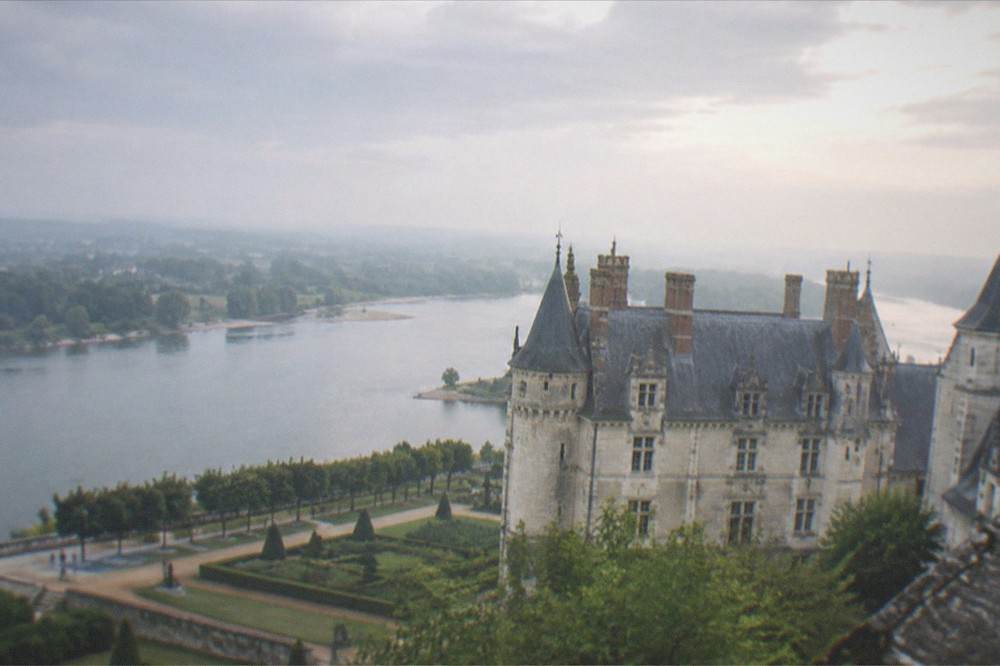
The two-castle core of any Nantes-based Loire Valley trip is the ducal fortress in the city and the ruin at Clisson, twenty minutes down the line, and everything beyond them, from salt-walled Guérande to the island abbey of Mont-Saint-Michel, is a question of how far you are willing to drive for the next set of towers.