What Is The Best Time Of Year To Visit The Loire Valley?
The best time of year to visit the Loire Valley, judged from Nantes in western France: verified Météo-France climate data, crowd and price patterns, and what each season offers.
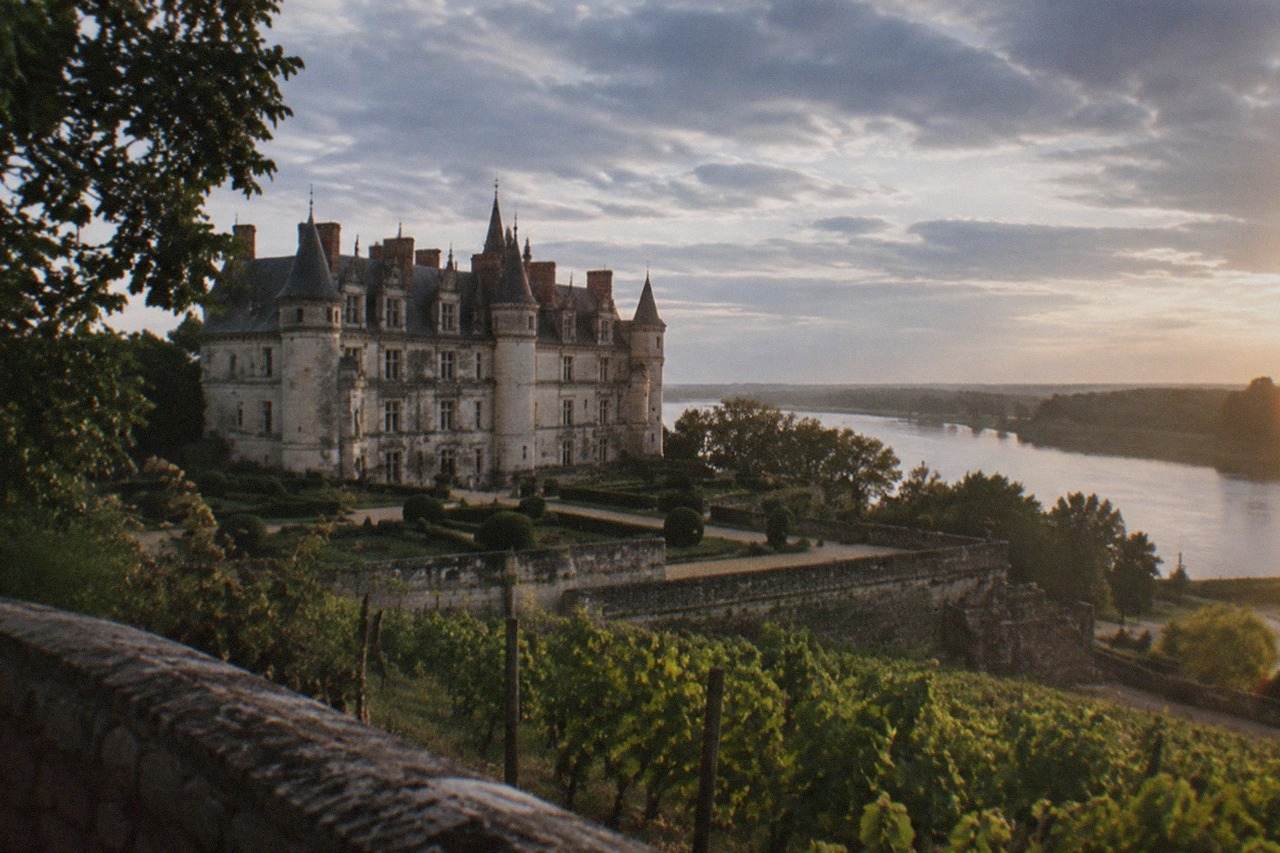
The Loire Valley is usually sold on its châteaux, but its western end belongs to Nantes, in the Loire-Atlantique department of the Pays de la Loire region of western France, where the river meets vineyards and the sea is an hour away. Timing matters more here than in the Mediterranean south, because the climate is temperate oceanic, not Mediterranean, and the difference between a damp February and a golden September is enormous. This guide answers the question from verified data: Météo-France's climate normals for the Nantes-Bouguenais station, dated event schedules, and the operating calendars of the valley's main sights.
What Is The Best Time Of Year To Visit The Loire Valley?
The best time of year to visit the Loire Valley is late May to mid-June, followed closely by September, both read from the Nantes climate record. In those windows the Météo-France normals show mean highs of 19.6 to 23.0 C and 22.4 C respectively, with 57.2 mm and 59.5 mm of rain, far fewer visitors than July and August, and every major sight open.
September is the safest single month: it pairs a 22.4 C mean high with the grape harvest near Nantes.
The reasoning behind those two windows comes down to what the Loire Valley actually is. It is a long, working valley rather than a single site, and most people visiting its western stretches base themselves in Nantes and travel out to the châteaux, the vineyards and the river beaches. That makes the local climate data the single best planning tool, because the same normals that govern the vineyard calendar govern your comfort on a bike or in a château park.
Late May and June bring the greenest countryside, the longest evenings and the first terrace weather. The trade-off is rain: June averages 48.5 mm at Nantes-Bouguenais, fewer wet days than winter but real enough that a waterproof belongs in the bag. September, by contrast, delivers the valley at its most generous: vines heavy with fruit, mean highs of 22.4 C, only 7.8 days with 1 mm of rain or more, and school holidays over across France.
One dated detail worth folding into a June plan: the 2026 Muscadet harvest ban was declared on 11 August 2026, a record eight days earlier than the previous mark, after a hot, dry growing season. Early vintages are becoming a pattern in the vineyards around Nantes, and a September or early-autumn visit increasingly overlaps with the real work of the harvest rather than following it.
How Does The Weather Around Nantes Change Through The Year?
The Météo-France normals for Nantes-Bouguenais show a temperate oceanic year with mean highs rising from 9.3 C in January to 25.4 C in August, annual rainfall of 819.5 mm, and 1,873.3 sunshine hours. July is the driest month at 44.2 mm, December the wettest at 101.0 mm, and August is the sunniest at 232.6 hours. The record high is 42.2 C, set 24 June 2026, and the record low is -15.6 C, set 15 February 1956.
Those figures, published in Météo-France's climate fiche for station 44020001, are the backbone of every honest timing answer for the western valley. The table below gives the month-by-month picture.
| Month | Mean high C | Mean low C | Rain mm | Sunshine h |
|---|---|---|---|---|
| Jan | 9.3 | 3.4 | 87.9 | 72.6 |
| Feb | 10.5 | 3.0 | 67.5 | 102.3 |
| Mar | 13.5 | 4.9 | 58.4 | 147.3 |
| Apr | 16.2 | 6.6 | 58.3 | 182.7 |
| May | 19.6 | 9.8 | 61.0 | 203.4 |
| Jun | 23.0 | 12.7 | 48.5 | 213.1 |
| Jul | 25.1 | 14.3 | 44.2 | 229.0 |
| Aug | 25.4 | 14.2 | 50.3 | 232.6 |
| Sep | 22.4 | 11.8 | 59.5 | 198.7 |
| Oct | 17.6 | 9.5 | 88.8 | 122.7 |
| Nov | 12.9 | 5.9 | 94.1 | 91.3 |
| Dec | 9.8 | 3.7 | 101.0 | 77.6 |
Two details in that table do most of the work. Heat is not the summer problem people assume: the averages are gentle, with only 11.8 days a year reaching 30 C or more on average across the whole record. What the averages hide is variance, and 2026 proved it, with a new station record of 42.2 C on 24 June 2026 and a June that set records for days at or above both 30 C and 35 C. A July or August trip needs a heat plan, not a cold plan.
The other detail is winter wet. October through December averages 88.8 to 101.0 mm a month, with 11.8 to 13.5 rain days at or above 1 mm. November and December combine the year's lowest sunshine totals, 91.3 and 77.6 hours, with those rain days, which is why the lowest weeks of the valley are best reserved for museums and the Christmas market rather than river walks.
If you want to taste the valley rather than just see it, the vineyards near Nantes are the obvious move, and a short guided outing reaches them easily. The Check availability link shows the current price and dates for the vineyard van tour, which is covered in more detail in our Loire Valley wine tours from Nantes guide.
When Is The Loire Valley Most Crowded And Most Expensive?
The Loire Valley is most crowded in July and August, when French and European school holidays coincide with the year's best sunshine averages, 229.0 and 232.6 hours at the Nantes-Bouguenais station. Easter in April and the long May weekends bring a second, shorter peak. Prices for accommodation in the Nantes Métropole follow demand, and the city's tourist tax is a fixed per-night levy of 2.86 EUR at 4-star hotels and 1.87 EUR at 3-star properties, reported for 2026.
Crowds in the western valley concentrate around a few choke points: the Machines de l'île on the Île de Nantes, the Château des ducs de Bretagne, and the château parks further east. The machines site is the clearest example of seasonality at work, because its own ticketing page reports that elephant ride slots routinely sell out and should be booked in advance. In the shoulder months the same slots are far easier to get on the day.
The tourist tax figures are worth knowing because they apply year-round, not just in peak season. They are tiered by the official star rating of the accommodation, collected per person per night, and reported as 2.86 EUR for 4-star, 1.87 EUR for 3-star and 1.10 EUR for 2-star properties for 2026. They will not change your timing decision, but they appear on the bill whenever you come.
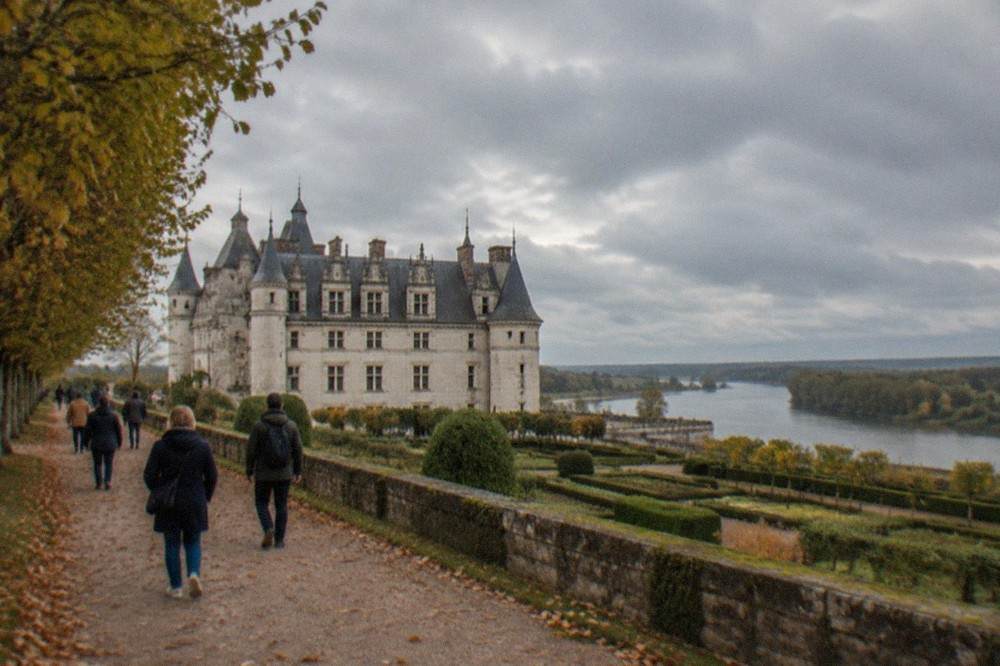
A pattern that surprises first-time visitors: the valley's biggest summer cultural event, Le Voyage à Nantes, deliberately spreads the load. The 2026 edition ran from 4 July to 6 September, installing artworks along a roughly 20 km green line through the city and out along the river, and much of it is free to walk. August visitors get the art trail and the good weather together, at the cost of peak crowds in the city centre.
The reverse logic applies in winter. A February 2026 flood on the Loire reached 8.18 m at the Pont Anne-de-Bretagne, the first time the river passed 8 m there in about 15 years, and low-lying riverfront sites closed during it. The Mémorial de l'abolition de l'esclavage, which sits on the quays, states that it closes during Loire floods. Winter visits are quiet, but they carry a small risk of exactly this kind of disruption.
What Does Each Season Offer From Nantes?
Each season offers a different version of the valley from a Nantes base: spring brings 13.5 to 19.6 C mean highs, the gardens waking and the 33-work Estuaire art trail; summer brings 25 C mean highs, the green line art trail and the Rendez-vous de l'Erdre jazz festival, 24 to 30 August 2026; autumn brings the Muscadet harvest and 22.4 C in September; winter brings the Christmas market from 19 November to 27 December 2026 and museum-led days at 9.3 C.
Spring is the season for gardens and riverbanks. The Jardin des Plantes in Nantes is free, and the Estuaire trail, 33 works across 23 sites between Nantes and Saint-Nazaire, suits the lengthening days. A day trip to Clisson, a short TER train ride away, is at its best in April and May, and one return ticket to Clisson is included in the Pass Nantes.
Summer belongs to the river and the festival calendar. Beyond the green line and the Erdre jazz festival, Puy du Fou at the valley's eastern edge runs its 2026 season from 4 April to 1 November, so July and August are its busiest and most complete months. Escal'Atlantic at Saint-Nazaire, a TER train ride of about 33 minutes from Nantes, is open across the summer too, with an exhibition on the liner Normandie running from July 2026 to September 2027.
Autumn is the wine season at the Atlantic end of the valley, and the Muscadet country around Nantes is the reason. The vineyards are close enough that even a guided visit works, and the harvest now starts astonishingly early, with the 2026 ban declared on 11 August. Beyond the vines, September delivers the year's best compromise between warmth, light and quiet. Our best time to visit Nantes guide goes deeper on the city itself, and the Loire-Atlantique guide maps the department.
Winter is short on daylight, 77.6 sunshine hours in December, but the city compensates indoors. The Musée d'arts de Nantes runs a free Thursday nocturne from 19:00 to 21:00, the château museum stays open daily except Mondays, and the Christmas market fills Place Royale and Place du Commerce from 19 November to 27 December 2026. The classical music festival La Folle Journée follows in late January, with the 2027 edition set for 27 to 31 January and a Beethoven theme.
Common Questions About The Best Time To Visit The Loire Valley
What is the best time of year to visit the Loire Valley?
Late May to mid-June, or September. Both sit in the shoulder season, with mean highs of 19.6 to 23.0 C in the spring window and 22.4 C in September, fewer crowds than July and August, and all major sights open. September also overlaps with the Muscadet harvest in the vineyards around Nantes.
Is the Loire Valley too hot in summer?
Not on average, but heat extremes have grown. The Nantes-Bouguenais normals give July and August mean highs of 25.1 and 25.4 C, yet the all-time station record of 42.2 C was set on 24 June 2026, in a June that broke records for days at or above 30 C. Book air-conditioned rooms for summer stays and plan midday indoor stops.
Is winter a bad time to visit Nantes and the Loire Valley?
Winter is the quietest and wettest season, with December averaging 101.0 mm of rain and only 77.6 sunshine hours. It works well for museums, the Christmas market from 19 November to 27 December 2026, and La Folle Journée in late January, but riverfront sites can close during Loire floods, as happened in February 2026 when the river reached 8.18 m at the Pont Anne-de-Bretagne.
When is the Muscadet harvest around Nantes?
The 2026 harvest ban was declared on 11 August 2026, a record eight days earlier than the previous mark, after a hot, dry summer. Early September is therefore the likeliest window to see the harvest in the vineyards at the western end of the valley.
Do any Loire Valley attractions close seasonally?
Yes. No Grand Éléphant rides run at Les Machines de l'île from 2 November 2026 to 28 February 2027 for maintenance, and the site closes annually in January. Puy du Fou runs its 2026 season from 4 April to 1 November. The cathedral in Nantes partially reopened on 27 September 2025 after the 2020 fire, with full reopening planned for 2028.
Should You Plan Around Events Or Around Weather?
Plan around weather first and events second, because the weather windows are fixed by the climate record while the event calendar flexes every year. The two windows that matter are late May to mid-June and September, both with mean highs above 19 C and manageable rainfall, and the main dated anchor in the valley's year is Le Voyage à Nantes, which ran 4 July to 6 September 2026. Events can be a reason to shift a trip by a week, but rarely by a season.
The practical sequence for most travellers is this. Pick September if you want vines, warmth and the fewest school-age crowds. Pick June if you want long evenings and green countryside and accept a small heat risk. Pick July or August only if the festival calendar matters to you, and then book the machines and château tickets in advance. Come in the November-to-January stretch for the Christmas market and the museums, and bring a raincoat.
Wherever you land in the year, base the trip in Nantes and radiate out: the TER train network puts Saint-Nazaire about 33 minutes and La Baule about 51 minutes away, all toward the river's mouth, while the château country of the wider valley opens up on the road east. For more on the full stretch of the river, see our answer to what city is at the mouth of the Loire river, or start with Nantes Travel Guide for the city at the valley's Atlantic end.