Le Croisic
Le Croisic and Batz-sur-Mer sit on the southern edge of the Guérande peninsula, about 1 hour 3 minutes by TER train from Nantes station, and together they make one of the easiest seaside day trips you can take from the city.
Short answer
Le Croisic is a small Breton fishing port about 1 hour 3 minutes by TER train from Nantes, reached on the same rail line that continues to Batz-sur-Mer, La Baule and Saint-Nazaire. A day trip combines the harbours, the coastal path, the Océarium, and the nearby Guérande salt marshes.
Le Croisic and Batz-sur-Mer are two small coastal towns at the western tip of the Guérande peninsula in Loire-Atlantique, the department that also holds Nantes in the Pays de la Loire region of western France. The towns grew rich on salt, sardines and, in Batz-sur-Mer's case, a modest seam of Kergroman granite, and today they draw day-trippers for their working harbours, oyster beds and a cliff-and-dune coastal path that stitches them together. Getting there from Nantes needs no car: the TER line that leaves Nantes station runs through Saint-Nazaire and La Baule before reaching Batz-sur-Mer and terminating at Le Croisic, roughly 1 hour 3 minutes after departure according to the rail connection data on file for this route.
Where Is Le Croisic Relative To Nantes?
Le Croisic is the end of the TER rail line west of Nantes, about 1 hour 3 minutes from the city by train, on the Atlantic coast of Loire-Atlantique at the mouth of the Loire estuary. Batz-sur-Mer is the neighbouring town immediately before it, roughly 5 kilometres east along the peninsula's rocky côte sauvage. Both sit inside the Guérande peninsula, the block of coast and salt marsh that also holds Guérande itself about 80 kilometres by road from Nantes.
The geography matters more here than it does on most day trips, because the peninsula's three attractions stack neatly on one rail line. Coming from Nantes, the train passes Saint-Nazaire, about 33 minutes out, then La Baule, about 51 minutes, before calling at Batz-sur-Mer and Le Croisic at about 1 hour 3 minutes. That makes an ambitious two-stop day feasible, or even a three-stop one if you only want a short stroll in La Baule's palm-lined centre. The Nantes Métropole area is temperate oceanic, not Mediterranean: the Météo-France normals for the Nantes-Bouguenais station show mean maximums ranging from 9.3 °C in January to 25.4 °C in August, so a coastal day here is a sea-breeze day even in high summer.
For planning purposes it helps to see the peninsula's main stops side by side. The figures below are the verified rail times for trains leaving Nantes station.
| Destination from Nantes | Rail time | Character of the stop |
|---|---|---|
| Saint-Nazaire | about 33 min | Estuary city, shipyard heritage, Escal'Atlantic |
| La Baule | about 51 min | Long resort beach, restaurants, casino |
| Batz-sur-Mer | about 1 h 03 | Granite village, salt marshes, cliff church |
| Le Croisic | about 1 h 03 | Fishing port, Océarium, coastal path |
| Guérande | about 80 km by road, no direct rail | Walled medieval town, salt marsh tours |
How Do You Get From Nantes To Le Croisic And Batz-sur-Mer?
The simplest way is the direct TER train from Nantes station, which takes about 1 hour 3 minutes to Batz-sur-Mer or Le Croisic and runs on the line towards Saint-Nazaire and Le Croisic. No transfer is needed, and both towns are compact enough that everything a visitor wants is within walking distance of their stations. A car is only worth it if you want to add Guérande's walled town, roughly 80 kilometres by road from Nantes, to the same day.
Buy the TER ticket on the day or in advance through SNCF's own channels; the fare is not a figure this site quotes, because no verified price for the Nantes to Le Croisic journey is on file. What is on file is the rail time, and it is generous enough that the trip works as a genuine day out rather than a commute: leave Nantes mid-morning and you are on the quayside before lunch. Trains run through the day in both directions, so check the live timetable for your date rather than relying on a printed frequency, since no verified hourly frequency figure exists in this site's research for this route.
One structural note about the wider region: Nantes sits on the Loire with the Erdre and the Sèvre Nantaise joining it at the city, and the train west follows the Loire's final stretch before the estuary opens out. The last twenty minutes of the journey are a slow reveal of salt pans, oyster beds and the Atlantic. Sit on the right-hand side of the train travelling west for the water views.

If a full day by rail feels like too much, several small-group options based in Nantes cover different corners of the same coastal country. The vineyards of the Muscadet appellation sit between Nantes and the sea on the same axis, and a guided van tour handles both the driving and the cellar doors.
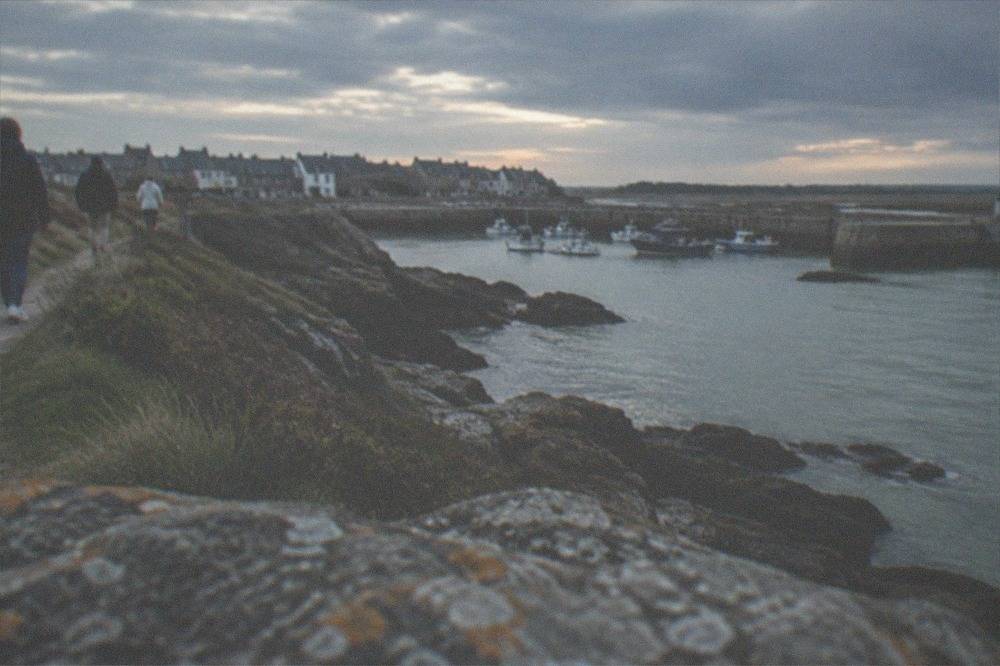
The coastal path, the sentier douanier, is the free counterweight to the paid attractions. It follows the peninsula's rocky shoreline around the pointe, past small coves and pine stands, and one well trodden stretch runs from Le Croisic towards Batz-sur-Mer. No verified kilometre figure for that specific walk is in this site's research, so plan by time rather than distance: allow a relaxed afternoon for the round trip with stops. Keep in mind that the sea here is the Atlantic on a temperate coast, not the Mediterranean: wind and a light jacket belong in your bag even in July.
What Is There To Do In Le Croisic Itself?
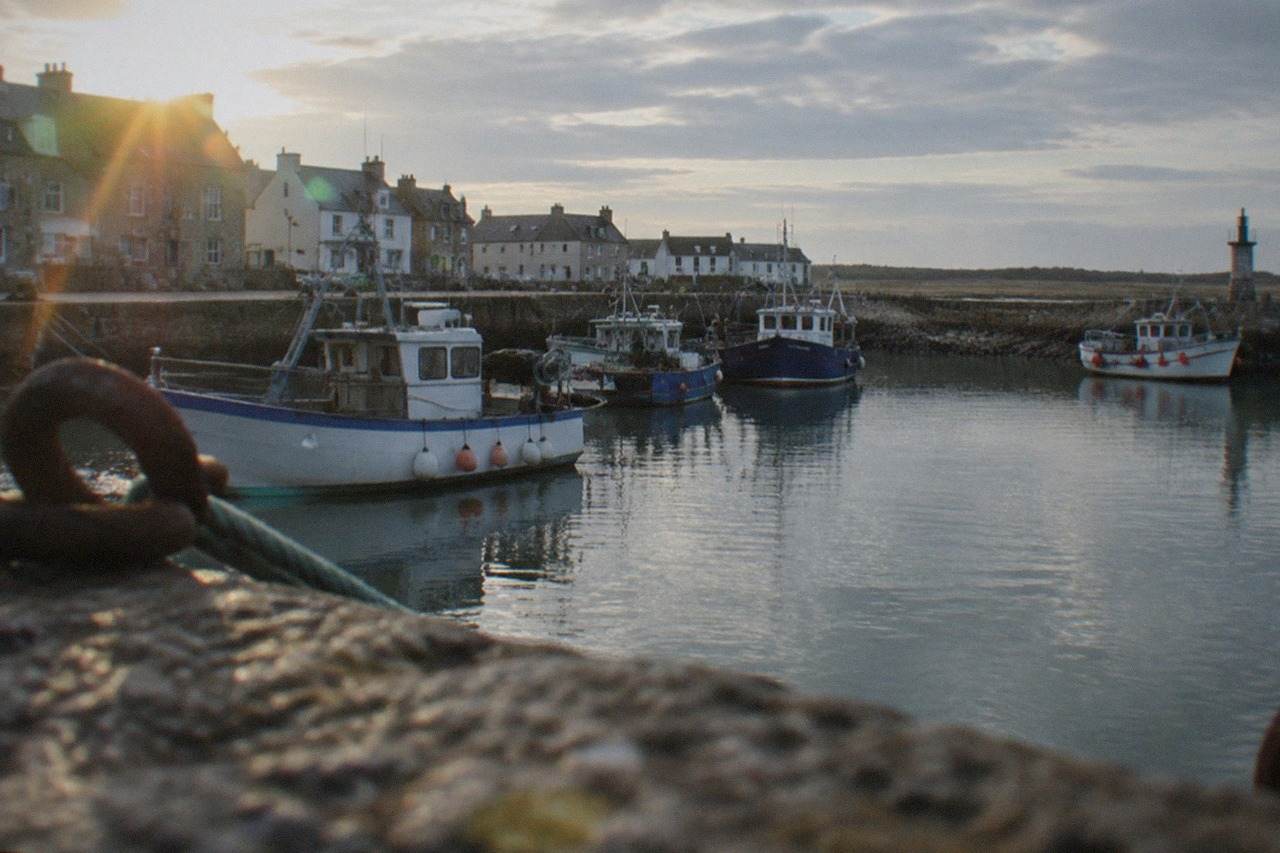
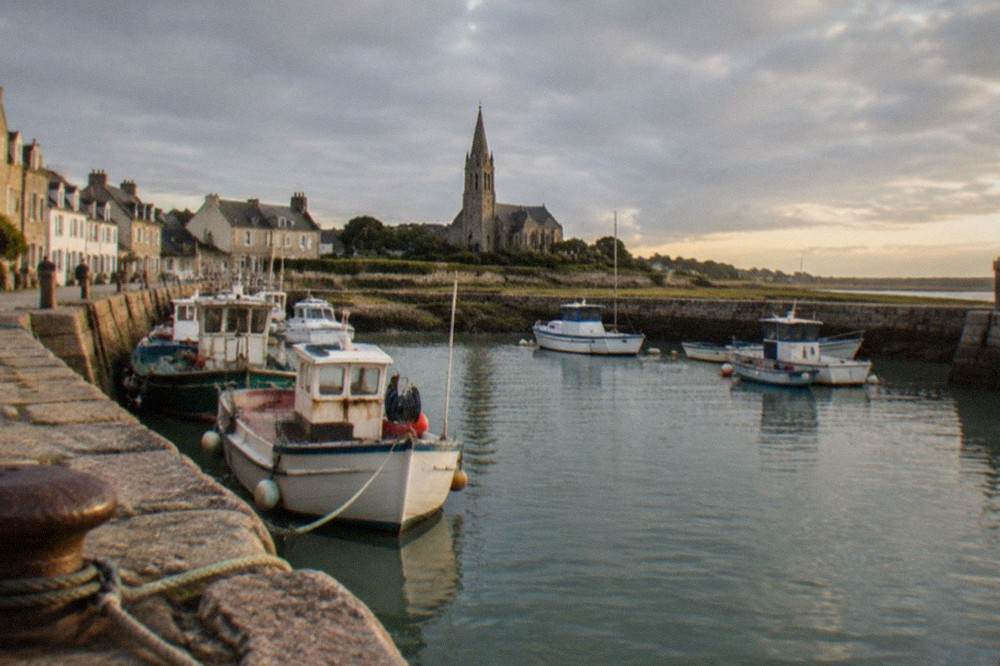
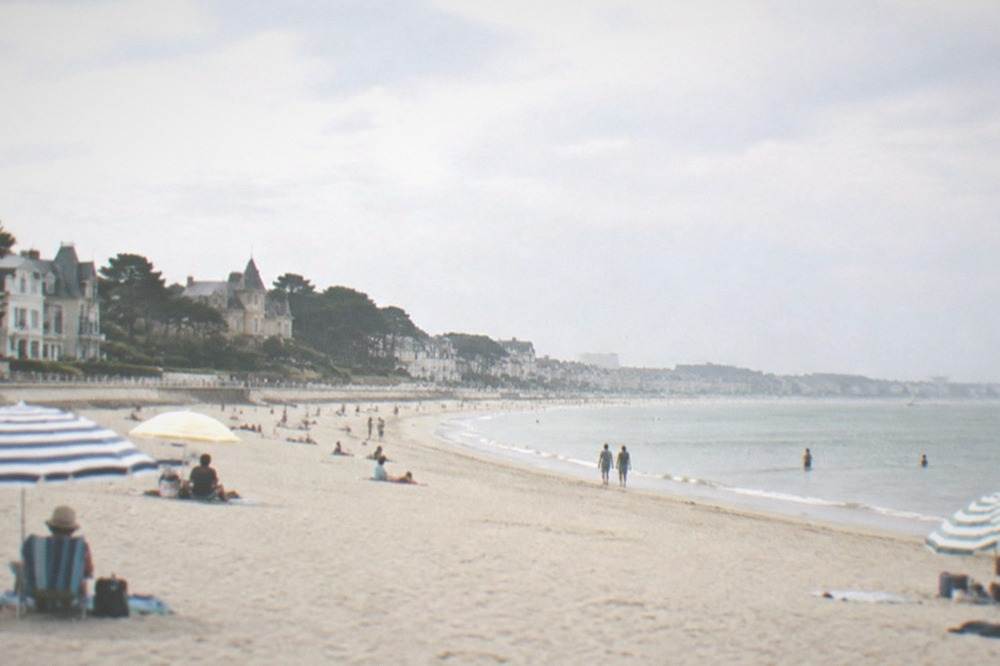
Le Croisic's core is its harbour and port life: a granite-quayed fishing port where the daily catch still lands, a port musée of old boats, the Océarium marine centre, and a coastal path that runs around the rocky Pointe du Croisic with sea views in every direction. The town is walkable end to end, needs no car, and pairs a working seafood economy with the kind of small lanes that reward slow wandering.
Start at the port, where the quays are lined with restaurants serving the local specialities: oysters from the beds you passed on the train, sardines that made the town's fortune in the 19th century, and salt-caramel sweets from the Guérande pan country. The Port de plaisance and the outer basins give you the working picture; the covered market and the streets behind it give you the tourist-friendly one. Le Croisic's population is small, so shoulder season feels local rather than empty.
The Océarium du Croisic is the one big-ticket indoor stop on the peninsula, a large aquarium and marine centre a short walk east of the port. Admission prices for the Océarium are not carried on this site's verified list, so check the live listing before you go rather than trusting a figure printed in an older guide. The same caution applies to boat trips around the bay: they run from the harbour in season, but their schedules and fares are not in this site's verified research, so treat availability as seasonal and confirm on the day.
What Makes Batz-sur-Mer Worth Adding?
Batz-sur-Mer is a granite-and-salt town whose salt marshes are its living industry, and it offers two things Le Croisic does not: the terraced salt pans worked exactly as they have been for centuries, and a 19th-century church built by and for the paludiers, the salt workers, with its museum inside the former presbytery. It is roughly 5 kilometres from Le Croisic along the coast road, or one stop further on the same TER line.
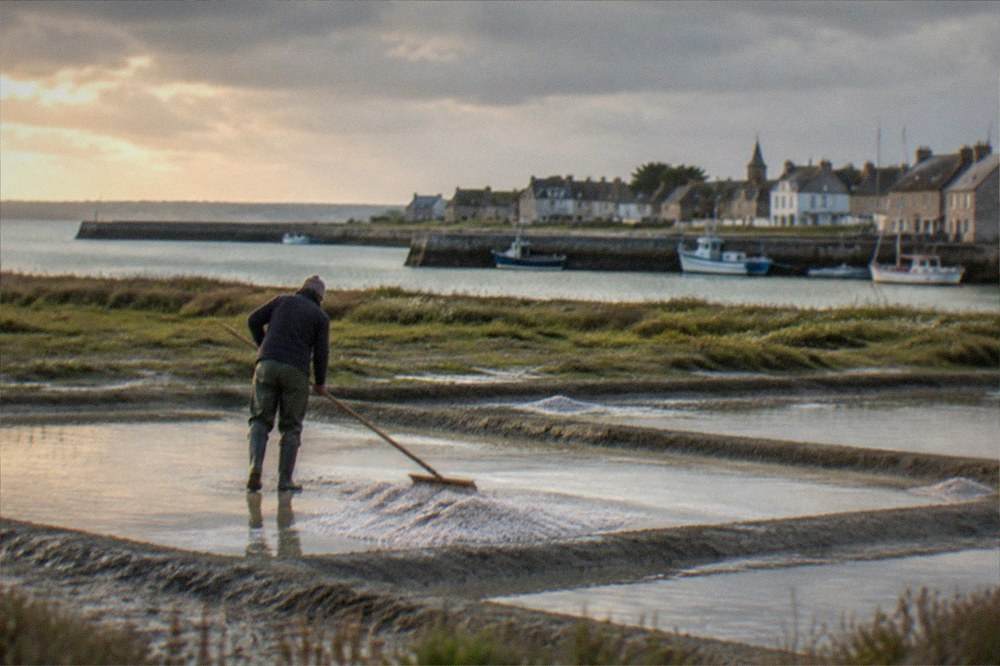
The salt story is the reason to come. The Guérande pan country, the marshes where fleur de sel and coarse grey salt are raked by hand, stretches across the peninsula's interior, and the 2026 harvest was exceptionally good: the region's producers reported roughly double the usual yield per salt pan, about 1.5 tonnes on average per œillet and more than 3 tonnes in the best cases, thanks to a hot, dry summer. Guided visits into the marshes run year-round from nearby Terre de Sel, and the marshes are noted as a habitat for around 200 bird species, which makes the flat walks as much ornithology as industry. The town also holds a salt museum, the Musée des Marais Salants, housed in a 19th-century presbytery, telling the paludiers' story in the buildings where the church's salt-worker donors once lived. The full index of guides sits on Nantes Travel Guide.
Batz's second face is its rocky coastline east of town towards La Baule, where the plage du Val and the plage Saint-Michel sit between granite outcrops. The parish church of Saint-Guénolé towers over the salt pans from a rise above the marshes, and the walk from the church down across the pans to the station is the classic first half hour in the town. Guérande itself, the walled medieval town at the peninsula's heart, is covered in its own guide to Guérande, and the salt marshes link all three towns into one landscape.
| Stop on the peninsula | What it is | Best for |
|---|---|---|
| Le Croisic harbour | Working fishing port and quays | Seafood lunch, boat watching |
| Océarium du Croisic | Marine centre and aquarium | Rainy hours, families |
| Sentier douanier | Coastal cliff and dune path | Free walking, sea views |
| Batz-sur-Mer salt pans | Working hand-raked salt marshes | Terre de Sel guided visits, birds |
| Musée des Marais Salants | Salt museum in a former presbytery | History of the paludiers |
| Guérande walled town | Medieval ramparts and gates | A car or bus leg from the coast |
Can You Combine Le Croisic, Batz-sur-Mer, La Baule Or Saint-Nazaire In One Day?
Yes, and the rail line makes it almost effortless: the train stops at Batz-sur-Mer, Le Croisic, La Baule and Saint-Nazaire on the same through route from Nantes, so a two-stop day needs only two single tickets and no car. The classic pairing is Batz-sur-Mer's salt pans in the morning and Le Croisic's harbour and coastal path in the afternoon, with La Baule added on the way home if you want a resort stroll.
Work backwards from your return train. If the last service west leaves Le Croisic mid-evening, you can afford a slow lunch and still walk the pointe; if it leaves earlier, swap the order and eat in Batz-sur-Mer instead. La Baule, about 51 minutes from Nantes and a short hop east of Batz-sur-Mer, is the peninsula's resort face, its bay lined with a long beach and belle-époque hotels; the La Baule guide covers it in detail. Saint-Nazaire, about 33 minutes from Nantes, is the estuary alternative, its Escal'Atlantic liner exhibition costing 15 euro full, 13 euro reduced and 7.50 euro for children aged 4 to 17 per its tourism listing. Combining all four in a day is technically possible on the rail line but leaves you with a whistle-stop tour; choose two and enjoy them.
| Possible pairing from Nantes | Rail legs involved | What the day looks like |
|---|---|---|
| Batz-sur-Mer + Le Croisic | Direct train, about 1 h 03 | Salt pans in the morning, harbour and coastal path after lunch |
| La Baule + Batz-sur-Mer | Direct train, about 51 min to La Baule | Beach morning, salt marshes and church in the afternoon |
| Saint-Nazaire + Le Croisic | Direct train, about 33 min to Saint-Nazaire | Liner exhibition early, coast by early afternoon |
| La Baule + Saint-Nazaire | Direct train, 33 to 51 min | Estuary industry and resort beach in one day |
What Should You Eat On A Le Croisic Day Trip?
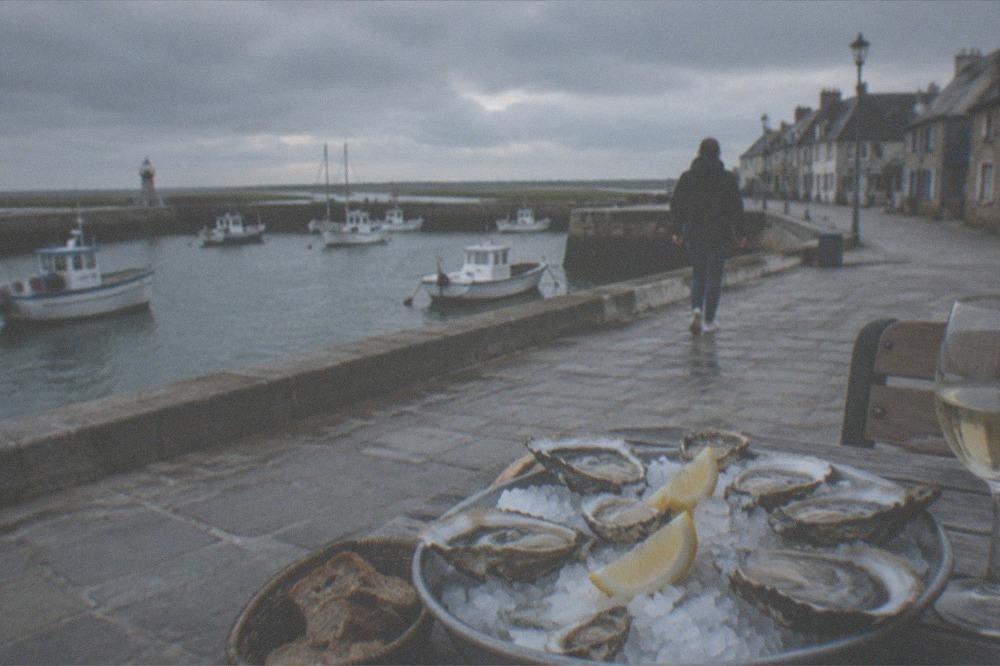
Eat what the port lands: oysters from the peninsula's beds, sardines in the Le Croisic tradition, and fish straight off the quay, followed by anything salted with Guérande fleur de sel and a sweet of salted caramel or berlingot, the pyramid-shaped hard candy that Nantes and the wider region both claim. The restaurant strip on Le Croisic's quays and Batz-sur-Mer's small centre cover both ends of the price spectrum, and no single verified restaurant price for either town is on file with this site.
The oyster beds visible from the train window between Batz-sur-Mer and Le Croisic are a working industry, and the quays are where their harvest ends up, usually with a glass of Muscadet, the Melon de Bourgogne white that the Nantes region makes and that the Muscadet vineyards guide covers in full. The 2026 Muscadet harvest was historically early, its ban declared on 11 August 2026, a full eight days ahead of the previous record from 2003, which says something about the heat that also doubled the salt harvest. Sardines are the other heritage catch: the town's sardine canning history began here, and the fish still appears grilled and in conserves sold on the quays.
For the sweet course, two regional candies compete for the souvenir bag. Berlingots Nantais, the multicoloured tetrahedron hard candies in seven traditional flavours from orange to aniseed, are Nantes in origin, the Pinson confiserie having been founded in 1895 near the port where sugar arrived by ship, though production largely moved out of the Nantes area by around 2011 and Debotté is the maker most often named in Nantes itself. Guérande's salt caramels are the peninsula's own answer, sold in every salt shop in the pan country. The full Nantes food story, from beurre blanc to gâteau nantais, lives in the day-trips food guide, so if this day trip is part of a longer stay, read that before you plan restaurant evenings.
When Is The Best Time Of Year For This Day Trip?
May to September is the comfortable window: the Météo-France normals for the Nantes-Bouguenais station show mean maximums of 19.6 °C in May, 23.0 °C in June, 25.1 °C in July and 25.4 °C in August, with the coast a degree or two cooler when the sea breeze is on.
September is the quiet sweet spot at 22.4 °C, while December through February is the wet, cold end of the year with mean maximums of 9.3 °C to 10.5 °C and the heaviest monthly rainfall totals.
Salt production is the seasonal wildcard. The Guérande harvest runs through the warm months and the 2026 season produced roughly double the usual crop per pan because of sustained heat, so late summer visits see the paludiers actively raking. That same heat broke records inland: the Nantes-Bouguenais station recorded a new all-time high of 42.2 °C on 24 June 2026, and the Muscadet harvest ban came eight days earlier than ever before, so July and August days on this coast can be genuinely hot as well as busy. Shoulder months give you the marshes without the crowds, but check Terre de Sel's own listing for what its guided visits run in the off-season, because this site carries no verified month-by-month schedule for it.
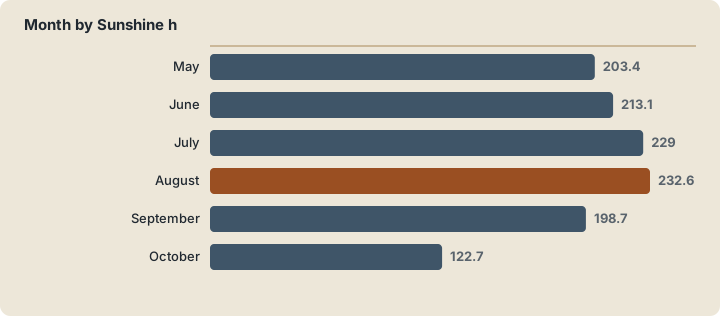
For a rough planning grid, these are the station normals, taken at Nantes-Bouguenais, 44020001, for the 1991 to 2020 series. The coast will run slightly cooler than the inland station in summer.
| Month | Mean max °C | Rain mm | Sunshine h |
|---|---|---|---|
| May | 19.6 | 61.0 | 203.4 |
| June | 23.0 | 48.5 | 213.1 |
| July | 25.1 | 44.2 | 229.0 |
| August | 25.4 | 50.3 | 232.6 |
| September | 22.4 | 59.5 | 198.7 |
| October | 17.6 | 88.8 | 122.7 |
How Does Le Croisic Compare With Other Nantes Day Trips?
Le Croisic and Batz-sur-Mer are the coast-and-salt option among Nantes day trips, most of them reachable by TER: Clisson in about 15 to 23 minutes for an Italianate old town, Saint-Nazaire in about 33 minutes for liner heritage, La Baule in about 51 minutes for a resort beach, and Pornic in about 59 to 65 minutes for a smaller, rockier coast. Le Croisic's edge is a working fishing port, the peninsula's biggest aquarium and the salt-marsh landscape on one rail ticket.
Choosing between them is a matter of taste more than logistics. Clisson is the shortest and the most architectural, its château and riverside terraces covered in the Clisson guide. Pornic is a gentler, smaller version of the Le Croisic coast. Guérande is the inland salt town; Le Croisic is where that same salt country meets the sea. The full day-trips overview lays out every option with its rail or road time, and the pairs table below is the short version for coastal decisions.
| Day trip from Nantes | Travel time | The one-line pitch |
|---|---|---|
| Clisson | TER about 15 to 23 min | Italianate old town and ruined château |
| Saint-Nazaire | TER about 33 min | Liner heritage at Escal'Atlantic |
| La Baule | TER about 51 min | Long resort beach and promenade |
| Pornic | TER about 59 to 65 min | Small rocky coast, port and castle |
| Batz-sur-Mer and Le Croisic | TER about 1 h 03 | Salt pans, fishing port, coastal path |
| Guérande | about 80 km by road | Walled town and salt-marsh tours |
Should You Take A Tour Instead Of Doing It Yourself?
A self-guided rail day to Le Croisic and Batz-sur-Mer needs no guide, but tours earn their place for what the train cannot reach: the Muscadet cellar doors between Nantes and the coast, which sit inland of the rail line and need a vehicle, and city-based walks in Nantes if your trip pairs coast days with city days.
The site's verified roster includes a two-hour vineyard van tour rated 5 from 3 reviews, a photo-spots walk of Nantes, and an escape game with a dedicated game master.
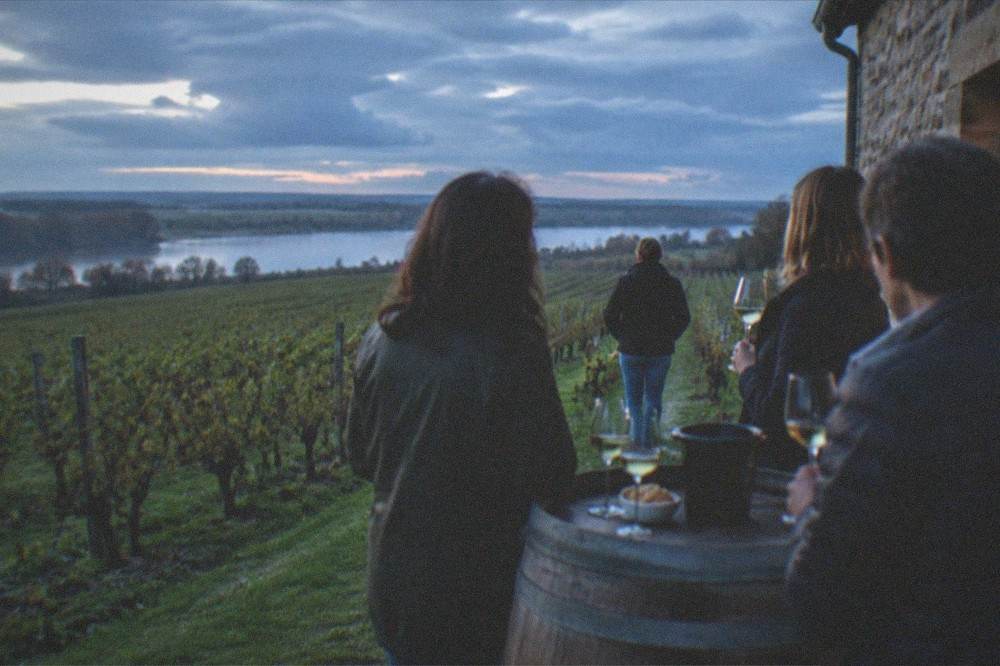
The vineyard tour is the natural companion to this day trip. The Muscadet appellation is the wine that the coast's oyster shacks pour by default, and tasting it where it grows, in the Melon de Bourgogne vineyards between Nantes and the peninsula, connects the two halves of the day's story: sugar from the salt pans, wine from the granite slopes. It is the tour this page carries as its related product, and its price, rating and duration render live from the listing rather than from this page's text.
Booking panels show the operator's live figures, so treat any price you see on a card here as the listing's own, never a promise, and read the cancellation terms before you commit.
Back in Nantes itself, the photo-spots walk suits the evening after a coast day, when you want an easy hour of orientation before dinner, and the escape game suits a rainy afternoon, which the oceanic climate does supply, especially from October through January, the months with the station's heaviest rainfall.
What Should You Pack And Know Before You Go?
Pack for a temperate oceanic coast, not a Mediterranean one: a windproof layer even in July, sun protection for the exposed coastal path, shoes with grip for granite and wet salt-pan paths, and a light bag, because both towns are walked rather than driven. Carry the day's train tickets on your phone, check the last return TER time before you commit to a long coastal walk, and know that the oceanic climate means a clear morning can still turn to a showery afternoon in any month.
Two practical notes from the wider Nantes context are worth carrying. First, if your trip includes a weekend in Nantes, remember that the Naolib network in the city is free on Saturdays and Sundays from 00:00 to 23:59, but the airport shuttle is excluded from that and always costs 10 euro, so do not let a weekend arrival plan assume a free ride from the airport. Second, the sea here is working water as well as scenery: the oyster beds and salt pans are livelihoods, so on guided marsh visits and harbour walks, follow the marked routes and the paludiers' instructions rather than improvising across private pans.
The day ends where it started, on the quayside at Le Croisic or under the granite tower at Batz-sur-Mer, with the evening train back towards the estuary and the lights of Nantes. It is a full day, an hour each way by rail, and it repays the journey with the two things the city cannot supply: hand-raked salt and the open Atlantic.
Common Questions About Le Croisic And Batz-sur-Mer
How far is Le Croisic from Nantes?
Le Croisic is about 1 hour 3 minutes from Nantes by direct TER train on the line towards Saint-Nazaire and Le Croisic. Batz-sur-Mer, the neighbouring town, is on the same line at the same end of the journey, roughly 5 kilometres from Le Croisic along the coast.
Do you need a car to visit Le Croisic and Batz-sur-Mer from Nantes?
No. The TER line from Nantes serves Batz-sur-Mer and Le Croisic directly, and both towns are compact enough to explore on foot from their stations. A car only helps if you want to add Guérande's walled town, about 80 kilometres from Nantes by road, into the same day.
What is there to do in Le Croisic on a day trip?
The harbour and quays, the Océarium marine centre, the coastal sentier douanier path around the pointe, and seafood lunches built around oysters and sardines. Admission prices for the Océarium and boat trips are not carried on this site's verified list, so check their live listings before you go.
Is Batz-sur-Mer worth visiting?
Yes, especially for its working salt marshes. The Guérande pan country around Batz-sur-Mer is where fleur de sel and grey salt are raked by hand, guided visits run year-round, and the 2026 harvest was exceptionally strong, with roughly double the usual yield per pan. The salt museum in the former presbytery tells the paludiers' story.
What is the best time of year to visit the Guérande peninsula?
May to September for warm, dry weather, with September a quieter sweet spot. Salt harvesting runs through the warm months, so late summer shows the marshes at their most active. Winters are mild but wet, with December the wettest month on the Nantes-Bouguenais station normals at 101.0 mm of rain.
Can you visit La Baule on the same day as Le Croisic?
Yes. La Baule, about 51 minutes from Nantes by TER, is a short hop east of Batz-sur-Mer on the same rail line, so a Batz-sur-Mer and Le Croisic day can absorb a resort stroll in La Baule on the way home. Check the last return trains before committing to a three-stop day.