Nantes Vs Rennes
Nantes and Rennes are the two big cities of western France, an hour and a quarter apart by train, and travellers planning a trip to the region ask the same question: which one deserves the visit? This guide compares them using figures for Nantes, in the Loire-Atlantique department of the Pays de la laire region, and character notes on Rennes that no figure can support.
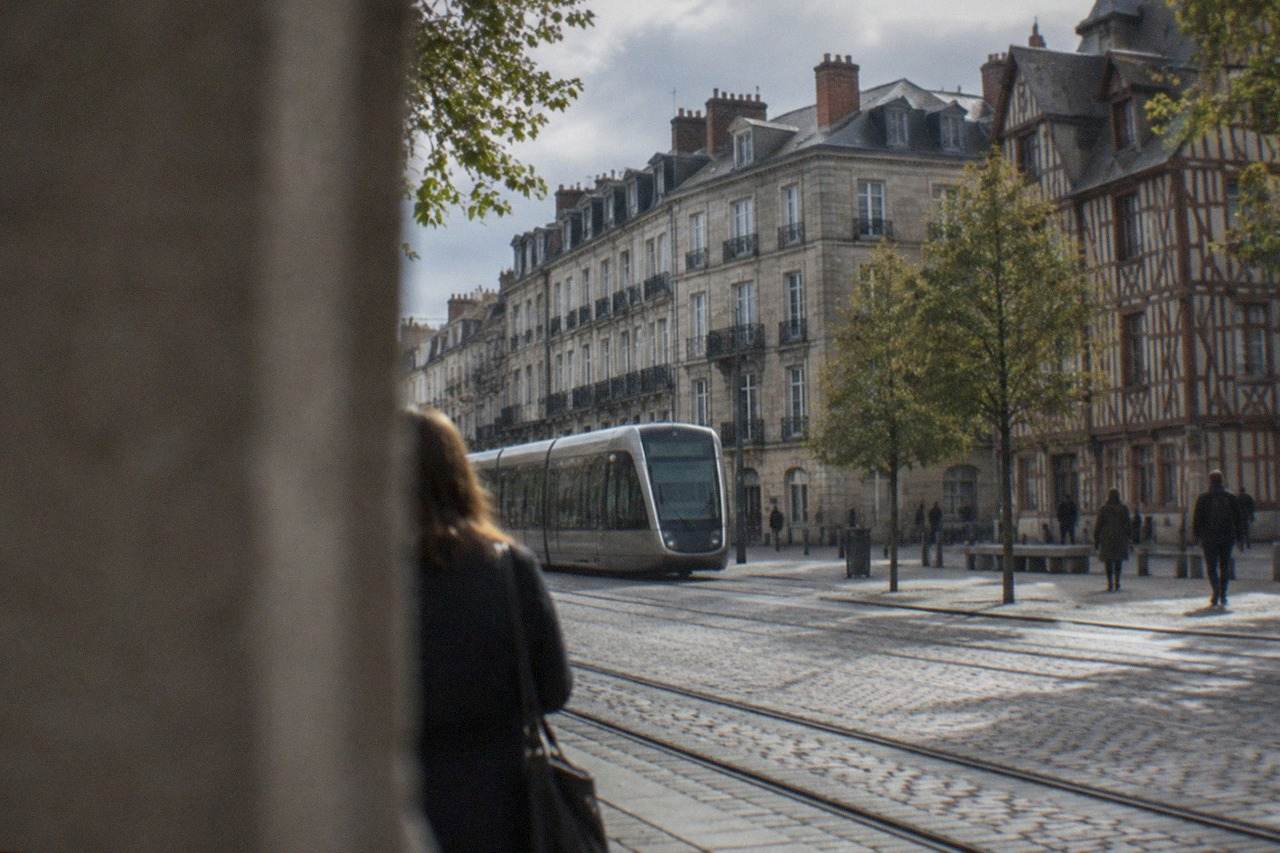
Short answer
Nantes is the larger city, the bigger transport hub and the one with the more unusual sights, from the Machines de l'ile to the regenerated Loire riverside. Rennes is smaller, more compact and the historic capital of Brittany. Every figure in this guide is a verified Nantes figure; Rennes is described qualitatively, with no invented numbers.
Nantes and Rennes sit about an hour and a quarter apart by regional train in western France, Nantes on the Loire in the Loire-Atlantique department of the Pays de la Loire region, Rennes as the capital of Brittany to the north. This comparison is written from the Nantes side of the fence: every figure quoted here, from population to rainfall to ticket prices, is a verified Nantes figure from primary sources. Rennes appears in words rather than numbers, because no statistic for it could be verified, and a comparison built on one real city and one guessed-at city is not a comparison at all. For a fuller look at the Breton capital on its own terms, see is Rennes worth visiting.
Which City Is Bigger, Nantes Or Rennes?
Nantes is the larger of the two by some distance: the 2023 INSEE count gives the commune 327,734 inhabitants at a density of 5,027.4 per square kilometre, growing around 1.0 percent a year, and the wider metropole around 689,456 on the most recent estimate. That makes Nantes the sixth most populous commune in France and the largest city in the west of the country. No Rennes population figure is stated here.
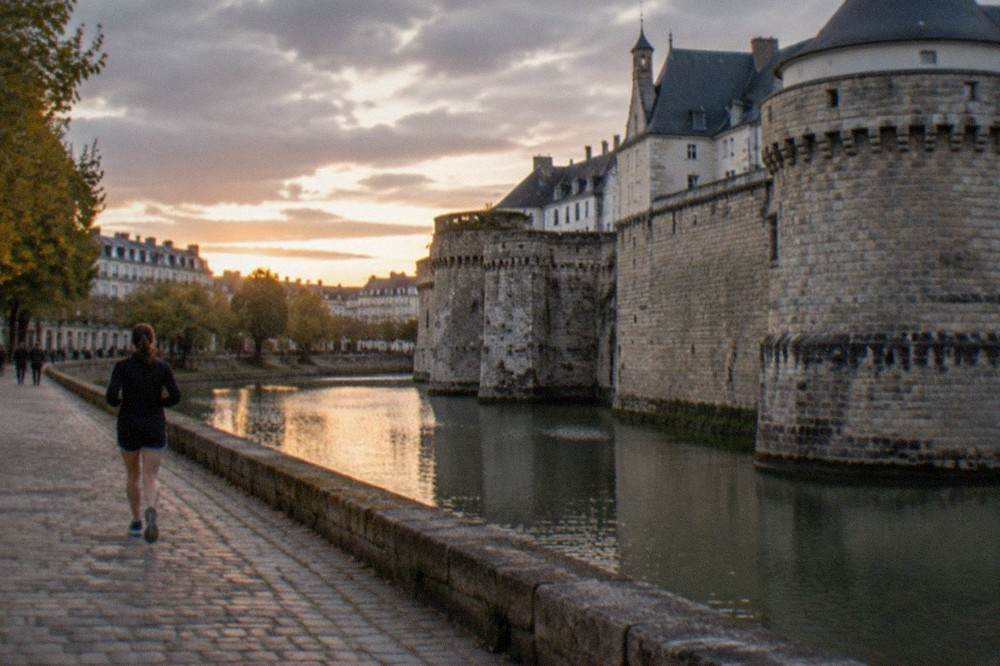
The scale gap shapes everything else about the visit. Nantes runs three tram lines totalling 45.6 kilometres with 84 stations, plus a busway, Navibus river shuttles and a regional rail network that carried 154 million trips in 2024. A city that size sustains a museum district, a contemporary art programme that paints a green line about 20 kilometres long through the streets each summer, and a full calendar of festivals. Compactness is Rennes's counter-argument: visitors describe it as walkable in a way a city of Nantes's scale simply is not, with the medieval quarter around the Parliament of Brittany clustered together. The honest framing is that Nantes offers more and takes longer to see, while Rennes offers concentration.
| Nantes figure (2023 unless stated) | Value | Status |
|---|---|---|
| Commune population | 327,734 | Verified, INSEE |
| Density | 5,027.4 per sq km | Verified, INSEE |
| Annual growth 2017-2023 | +1.0 percent | Verified, INSEE |
| Metropole population | 689,456 | Reported estimate |
| Tram network | 3 lines, 45.6 km, 84 stations | Verified |
| Naolib trips in 2024 | 154 million | Verified |
The table above is entirely Nantes's side of the ledger, and that is deliberate. Any number typed into a Rennes column here would be a guess dressed as a fact, and the whole point of this site, as explained on Nantes Travel Guide, is that figures earn their place or stay off the page.
Which Is Better For A Weekend, Nantes Or Rennes?
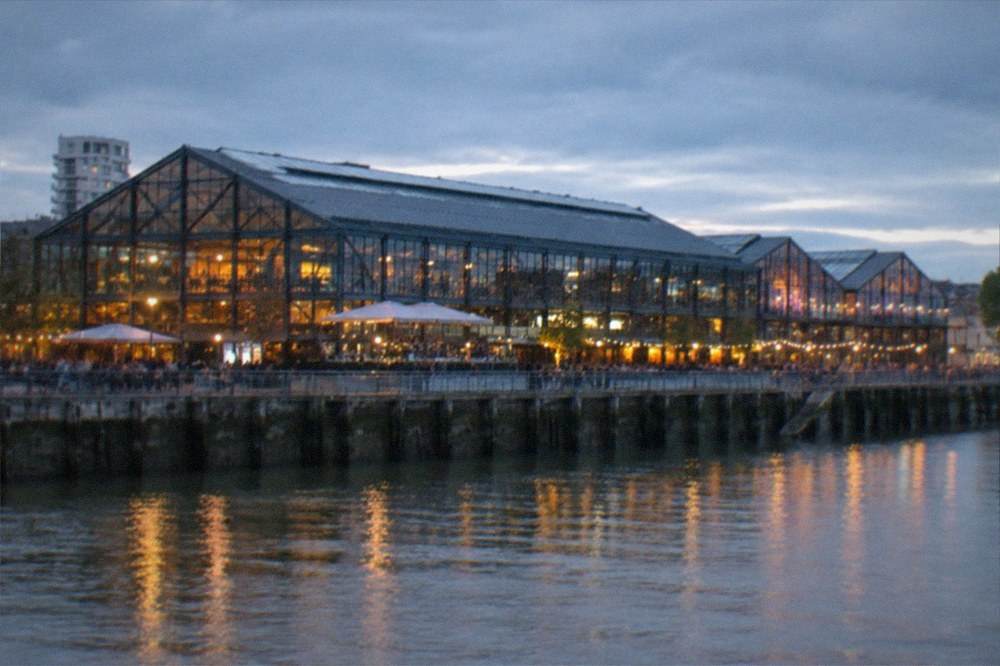
Nantes rewards a two-night stay because its headline sights are genuinely spread out: the Machines de l'ile and the Carrousel des Mondes Marins on the former shipyards, the Chateau des ducs de Bretagne in the centre, the partially reopened cathedral, the Passage Pommeraye from 1843, and the regenerated Hangar a Bananes across the river. Rennes packs its old quarter, its parliament building and its market into a tighter walk, which suits a one-day visit rather than a list of districts to cover.
The Nantes argument comes down to variety. Where Rennes offers a coherent Breton identity, timber framing and creperies, Nantes offers a strange machine elephant, a castle that witnessed the birth of Anne of Brittany in 1477 and the signing of the Edict of Nantes in April 1598, and a riverside arts scene. A first-time Nantes weekend can walk the old Bouffay quarter in the morning, cross to the Ile de Nantes after lunch and still fit the chateau museum's 32 rooms on the second day. Readers planning the full version of that trip should start with the one day in Nantes itinerary and stretch it with the two days in Nantes plan.
A private guide shortens the learning curve considerably, because Nantes's story is not obvious from the streets alone. The city was the first French slave-trading port, sending 1,714 of at least 4,220 French expeditions, some 43 percent of the French trade, before withdrawing in 1830, and the Memorial to the Abolition of Slavery on the Quai de la Fosse makes that history central rather than incidental. A professional walking guide connects that thread to the wealthy facades that trade paid for.
What Does Each City Cost To Visit?
Nantes's cost structure is documented and modest: the Pass Nantes runs from 30 EUR for 24 hours to 75 EUR for seven days at full tariff, covering transport, the airport shuttle return, the chateau museum, the Machines gallery and the Carrousel; a Naolib one-hour ticket is 1.80 EUR; museum entries run from 4 EUR at the Jules Verne museum to 12 EUR at each Machines attraction. No comparable Rennes figures are claimed here.
Money in Nantes behaves predictably, which is the underrated part. The chateau's courtyard and ramparts are free daily, the Mémorial de l'Abolition de l'Esclavage is free, the Jardin des Plantes is free, and the whole network is free from Saturday midnight to Sunday 23:59, though the airport shuttle at 10 EUR is excluded from that weekend generosity. Eating out sits at mid-range prices for a decent meal for two per the aggregate price sources, and budget travellers have a real run at this city, as the Nantes on a budget and free things to do in Nantes guides set out in detail.
| Pass Nantes (valid from 1 April 2026) | Full | Reduced | Family |
|---|---|---|---|
| 24 hours | 30 EUR | 20 EUR | 80 EUR |
| 48 hours | 40 EUR | 26 EUR | 106 EUR |
| 72 hours | 49 EUR | 31 EUR | 129 EUR |
| 7 days | 75 EUR | 45 EUR | 195 EUR |
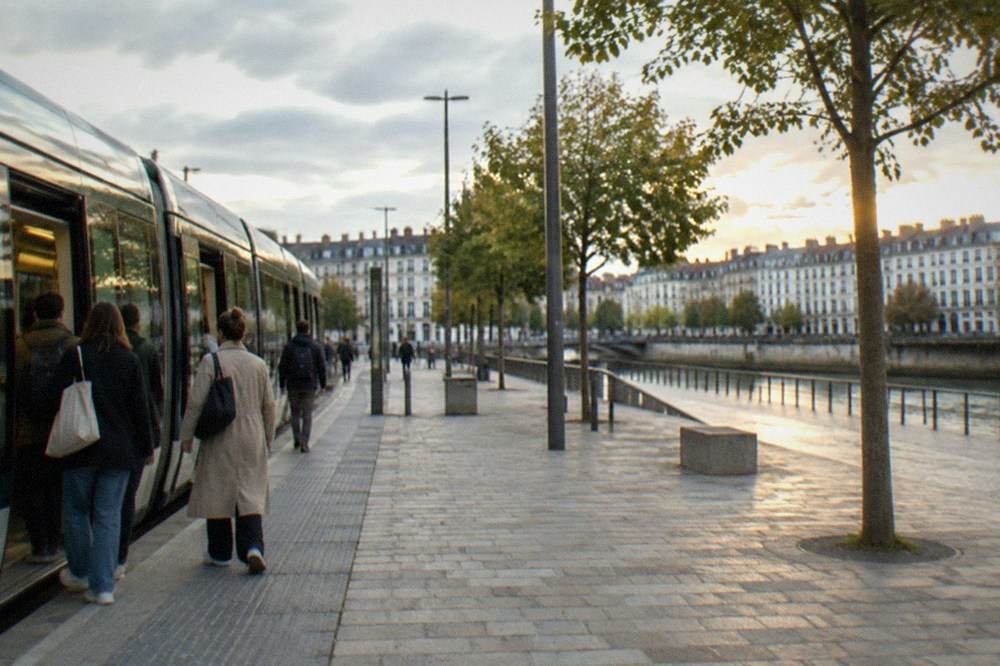
The pass makes most sense for a dense first 48 or 72 hours. It bundles unlimited Naolib transport, one airport shuttle return, one TER return to Clisson and one entry per partner site, though the Grand Elephant ride is explicitly excluded, a detail that catches out plenty of visitors. The full mechanics are unpacked in the Pass Nantes guide.
For sightseeing costs beyond the pass, the stand-alone entries are straightforward and, in a couple of cases, cheap enough to feel like an error in the visitor's favour.
| Nantes sight | Entry cost | Notes |
|---|---|---|
| Chateau courtyard and ramparts | Free | Daily 8:30-19:00 |
| Chateau museum and exhibition | 9 EUR full, 5 EUR reduced | Free under 18; closed Mondays |
| Machines de l'ile, each attraction | 12 EUR full, 8 EUR ages 4-12 | 2-attraction pack 20 EUR, 3 for 29 EUR |
| Mémorial de l'Abolition de l'Esclavage | Free | Closed during Loire floods |
| Musee d'arts de Nantes | 9 EUR full, 4 EUR reduced | Free Thursday 19:00-21:00 |
| Jules Verne museum | 4 EUR full, 1.50 EUR reduced | Closed Tuesdays |
| Cathedral | Free | Partially reopened 27 September 2025 |
One practical caution belongs here. The Grand Elephant does not run from 2 November 2026 to 28 February 2027 for maintenance, so any winter visit should plan around the Galerie and Carrousel instead. The Machines de l'ile guide carries the current detail.
How Different Are The Two Cities In Character?
Nantes is a port city that looks outward to the Atlantic, the Loire and the trade, good and horrific, that flowed along it; Rennes is an administrative and university capital that looks inward to Brittany's identity, its language revival and its politics. Since Les Machines de l'ile opened in 2007, Nantes has turned shipyards into a culture industry, so its signature attractions are machines, green lines and riverside hangars; Rennes's signature is its historic core around the Parliament. The two cities do not feel like variations of each other.
The Breton question hangs over the comparison, and it is genuinely tangled. Nantes was the seat of the dukes of Brittany, Anne of Brittany was born at the chateau in 1477, and the duchy was joined to France in 1532, but a Vichy decree of 30 June 1941 moved Loire-Inferieure, renamed Loire-Atlantique in 1957, out of the Breton administrative structure, and that wound has never fully closed locally. The full story, including the slave-trade era, from the mid-17th century to 1830, that shaped the city's wealthy core, runs through the Nantes history guide and the Nantes slave trade history guide, while the identity question is tackled directly in is Nantes in Brittany?. Rennes, by contrast, carries the Breton flag without the complication.

Jules Verne is the other tell. Born at 4 rue Olivier-de-Clisson on the Ile Feydeau on 8 February 1828, Verne is a Nantes writer whose imagination the city still trades on, from the Machines' engineering spectacle to the museum on the Butte Sainte-Anne, which is itself due to expand into the larger Cité des Imaginaires, targeted for 2028. Rennes has no equivalent single literary brand; its cultural weight is institutional, the university, the opera and the parliament.
Which City Eats Better, Nantes Or Rennes?
Nantes leans on the river and the vineyard: beurre blanc, the emulsified Muscadet-and-shallot butter sauce traditionally paired with river fish, sits at the centre of a cooking tradition that also claims gâteau nantais, berlingot nantais candies and the LU Petit Beurre biscuit invented in the city in 1886. Rennes answers with the Breton canon, galettes, cider, oysters from the nearby coast. Both eat extremely well; Nantes is the more singular table because its signature dishes exist nowhere else, while Rennes's are shared across the whole region.
The gâteau nantais, an almond and rum quatre-quarts with roots around 1820, has staged a strong comeback in the city's patisseries, and the berlingot's multicoloured tetrahedra date to the late 19th century, when Nantes confiseurs set up near the port for cheap imported sugar. LU's Véritable Petit Beurre, meanwhile, has been made since 1986 at La Haye-Fouassière outside the city, where the production line moved when the Nantes factory closed, around 24,000 tonnes a year, with the company celebrating its 180th anniversary in 2026. The food story is laid out plate by plate in the Nantes food guide, with addresses in the best restaurants in Nantes guide and sourcing tips at the Talensac market, open Tuesday to Friday 8:00-13:00 and weekends to 13:30.
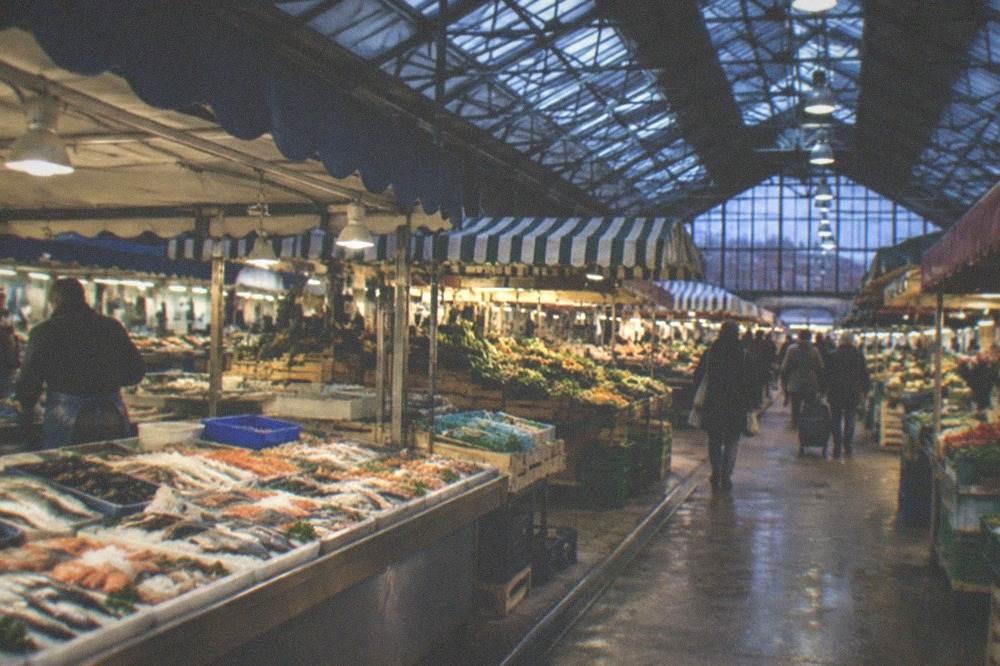
The wine angle is one-sided, and it favours Nantes outright: Muscadet, from the Melon de Bourgogne grape, is grown in the vineyards immediately south-east of the city, with the Maison des Vins at Vallet as its headquarters. The 2026 harvest was declared on 11 August, a record eight days earlier than the previous mark, with lower yields but strong quality reported. Rennes sits in a cider country, which is a different and honourable tradition, but it does not have a major appellation on its doorstep in the same way.
Which City Is Easier To Reach And Get Around?
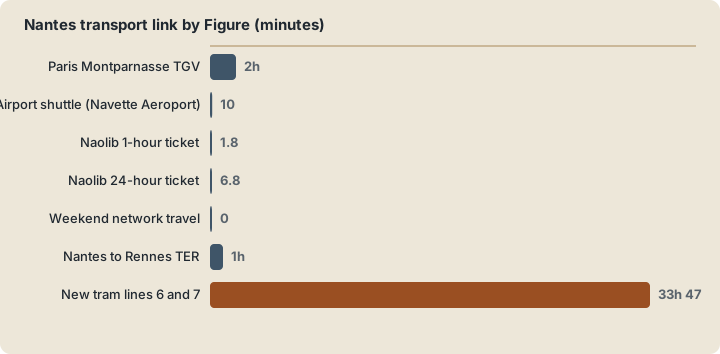
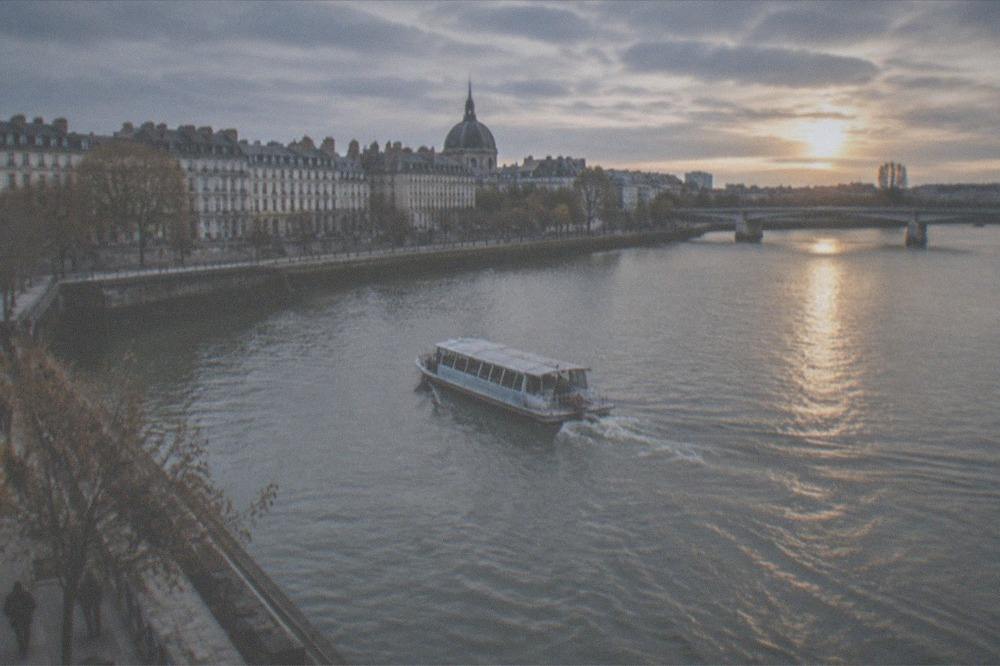
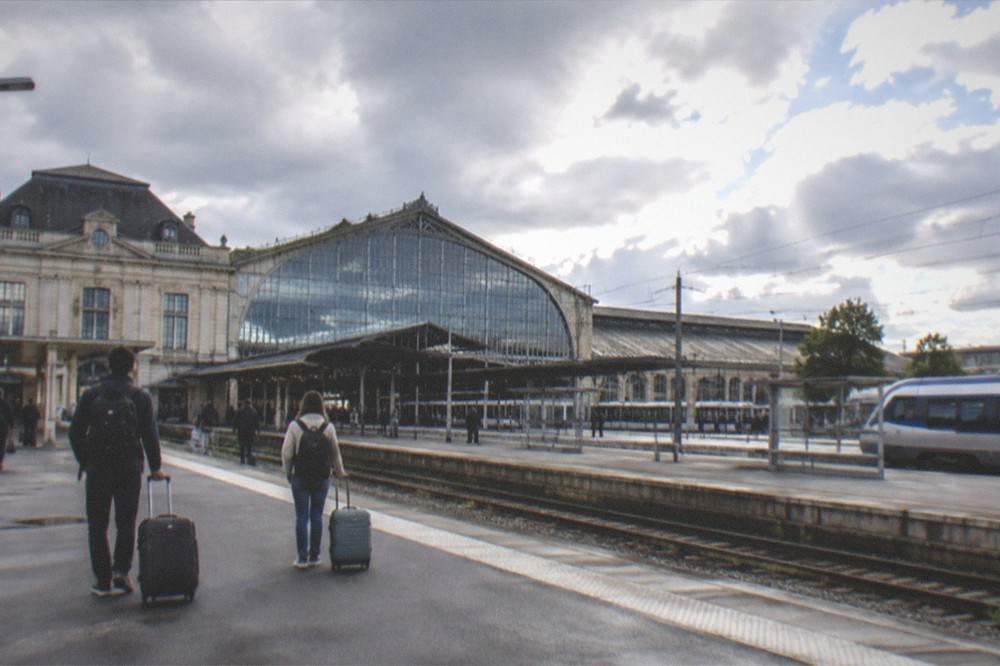
Nantes is the stronger transport hub on every verified measure available: about 24 direct TGV services each way to Paris Montparnasse take about two hours at their fastest, the airport at Nantes Atlantique handled around 7.2 million passengers in 2025 with new 2026 routes including Montreal and Quebec, and the Nantes to Rennes regional train covers the journey in about 1 hour 16 minutes at its fastest. Nantes's inner network adds three tram lines, a busway and Navibus river shuttles on a 1.80 EUR one-hour ticket.
The Paris link matters more than it looks, because it sets the shape of trips from the UK and Ireland: fly into Nantes, or take the Eurostar to Paris and change at Montparnasse for the two-hour leg west. The Paris to Nantes guide carries the detail, and the airport connection, a 10 EUR shuttle running every 20 minutes in summer, is covered in the Nantes airport to city centre guide. Remember the weekend rule cuts the other way: the whole Naolib network is free Saturday and Sunday, but that 10 EUR shuttle fare always applies.
| Nantes transport link | Figure | Status |
|---|---|---|
| Paris Montparnasse TGV | About 24 trains daily each way, fastest about 2 hours | Reported, SNCF Connect data |
| Airport shuttle (Navette Aeroport) | 10 EUR, every 20 minutes April to October | Verified |
| Naolib 1-hour ticket | 1.80 EUR | Verified |
| Naolib 24-hour ticket | 6.80 EUR, or 15 EUR for four people | Verified |
| Weekend network travel | Free Sat 00:00 to Sun 23:59, shuttle excluded | Reported |
| Nantes to Rennes TER | About 1 hour 16 minutes fastest | Reported |
| New tram lines 6 and 7 | Opening targeted end 2027 | Verified |
Getting around inside Nantes is genuinely easy once the map makes sense, and the getting around Nantes guide exists for exactly that moment. Rennes also runs a metro line and is a compact city on foot, so no comparative claim is made beyond the plain fact that both cities function without a car.
Does The Weather Differ Much Between Nantes And Rennes?
Nantes's climate is temperate oceanic, not Mediterranean and not continental: Météo-France's 1991-2020 normals for the Nantes-Bouguenais station give a mean maximum of 9.3 C in January rising to 25.4 C in August, 819.5 mm of rain across 119.7 days a year, and 1,873.3 hours of sunshine. No equivalent Rennes figures appear here, though both cities sit in the same western oceanic regime in broad terms.
The numbers that follow are all Nantes's own, from the official normals file. June is not the rainy trap people assume at 48.5 mm; the winter months are wetter, with December the wettest at 101.0 mm and November close behind at 94.1 mm, and August the sunniest at 232.6 hours. Recent years have pushed the envelope: the station record now stands at 42.2 C from 24 June 2026, with August 2026 contributing a 40.4 C day, and 2026 also produced record counts of days above 30 C. The Nantes weather and best time to visit Nantes guides translate the table into planning advice.
| Month | Mean max C | Rain mm | Sunshine h |
|---|---|---|---|
| January | 9.3 | 87.9 | 72.6 |
| March | 13.5 | 58.4 | 147.3 |
| May | 19.6 | 61.0 | 203.4 |
| July | 25.1 | 44.2 | 229.0 |
| September | 22.4 | 59.5 | 198.7 |
| November | 12.9 | 94.1 | 91.3 |
| Year | 17.1 | 819.5 | 1,873.3 |
September and October are the quiet sweet spot for Nantes: 22.4 C mean maxima in September, 198.7 sunshine hours, and the summer crowds gone. Either city visited in mid-winter will deliver short days and drizzle; pack for it and the museums, of which Nantes has a deep bench covered in the museums in Nantes guide, do the rest.
What Is Each City Like For Safety And Nightlife?
Nantes's citywide picture is that of a large French regional city: the tourist core of Bouffay, Graslin and the Ile de Nantes is consistently described in safety assessments as lively and generally safe, with 24,384 recorded offences across the city in 2025, up 2 percent on 2024, and violent-crime risk to visitors characterised as low in most areas. Nightlife centres on the Hangar a Bananes and the riverside guinguettes, plus the Rendez-vous de l'Erdre jazz festival each August.
The honest note is that incidents happen in any city this size; there were knife-related disturbances in the Graslin district in September 2026, and narco-related shootings in eastern quartiers made local headlines in spring 2026 without touching the visitor core. The detail, plus area-by-area context, is in the is Nantes safe? guide. Night owls should look at the Nantes at night and Nantes nightlife guides; culture-first visitors should note that La Folle Journée, the classical festival, returns 27 to 31 January 2027 with a Beethoven theme, and that the summer's Le Voyage à Nantes ran 4 July to 6 September 2026 with Earth-themed installations across the city, as covered in the Le Voyage à Nantes guide.
| Nantes event | Dates | Note |
|---|---|---|
| La Folle Journée | 27-31 January 2027 | 33rd edition, Beethoven theme |
| Hellfest (Clisson, near Nantes) | 17-20 June 2027 | 20th anniversary edition |
| Le Voyage à Nantes | 4 July to 6 September 2026 | 15th edition, Earth theme |
| Rendez-vous de l'Erdre | 23-29 August 2027 | Free jazz festival on the river |
| Christmas market | 19 November to 27 December 2026 | Place Royale and Place du Commerce |
Rennes's festival culture, notably its Transmusicales new-music festival, is well known and easy to enjoy, so it gets a mention here and nothing more specific.
So Which Should You Visit First, Nantes Or Rennes?
Visit Nantes first if you want the bigger, stranger, more ambitious city: the mechanical elephant, the castle of the dukes, the slave-trade memorial, the Muscadet vineyards and the Loire riverside, all backed by a two-hour TGV from Paris and a 7-million-passenger airport. Visit Rennes first if your interest is Brittany itself, its capital, its timber-framed streets, and you prefer one compact walkable core over a spread-out programme.
The fastest train between them takes about 1 hour 16 minutes, so the real answer for a four-day trip is both.
That "both" answer is not a cop-out, it is the geography. A visitor can fly into Nantes, spend two days on the Loire, take the morning TER north, and finish with a Breton evening in Rennes, or do it in reverse via the Paris rail link. Nantes rewards the longer allocation, and this site's own itineraries, from the one-day plan through to three days in Nantes and the day trips into the surrounding wine country and coast, are built for exactly that.
If the decision still feels open, is Nantes worth visiting? puts the case directly, and the where to stay in Nantes guide solves the next question before it arrives. Tourist tax, by the way, applies in Nantes at rates reported as 2.86 EUR per night for a four-star stay and 1.87 EUR for three stars, tiered by classification, so factor a small nightly sum into any hotel budget on either side of the comparison.
Common Questions About Nantes Vs Rennes
Is Nantes or Rennes bigger?
Nantes is bigger: the commune counted 327,734 inhabitants in the 2023 INSEE figures, with the metropole around 689,456 on the most recent estimate, making it the sixth largest commune in France. No verified Rennes population figure is available, so none is quoted.
Is Nantes part of Brittany?
Historically yes, politically no. Nantes was the seat of the dukes of Brittany and Anne of Brittany was born at the chateau, but Loire-Atlantique was moved out of the Breton administrative region by a 1941 decree and now sits in the Pays de la Loire. Rennes is the capital of today's Brittany region.
How far apart are Nantes and Rennes?
The fastest regional train between them takes about 1 hour 16 minutes. That is close enough to combine both cities in one four-day trip without a car.
Is Nantes more expensive than Rennes?
No Rennes prices were verified, so no honest comparison of the two cost levels is offered. Nantes's own structure is documented: a 24-hour transport ticket is 6.80 EUR, the Pass Nantes runs 30 EUR for 24 hours at full tariff, and museum entries range from free to 12 EUR.
Which has better weather, Nantes or Rennes?
Both sit in western France's temperate oceanic regime, so the difference is marginal rather than decisive. Nantes's verified normals give a 17.1 C annual mean maximum, 819.5 mm of rain and 1,873.3 sunshine hours, with the station record now 42.2 C from 24 June 2026. No equivalent Rennes figures were verified.
Can you do Nantes and Rennes in one trip?
Yes, comfortably. Fly or take the two-hour TGV to Nantes, spend two or three days on the Loire and the Ile de Nantes, then take the regional train north, about 1 hour 16 minutes at its fastest, to Rennes for a Breton finish. The airport link works in either direction.
The clearest summary is this: Nantes is the documentable city, one that can be verified down to the millimetre of rainfall and the euro of a tram ticket, and it earns a first visit on the strength of it; Rennes is a fine second city for the same trip, reached in about 1 hour 16 minutes at its fastest, and best judged with your own eyes.