Is Nantes Safe
Nantes, in the Loire-Atlantique department of the Pays de la Loire region in western France, is a mid-sized, walkable city that visiting guidance and neighbourhood reporting consistently describe as one of the calmer big-city destinations in the country. This guide covers what that means in practice: which areas feel relaxed after dark, how the transport network works, what the weather can do, and what to do if something goes wrong.
Short answer
Nantes is widely described as a safe, liveable city for visitors, with a lively, well-patrolled historic core and a modern transport network. Normal city precautions apply, and the EU-wide emergency number is 112.
Nantes, the capital of the Loire-Atlantique department in the Pays de la Loire region of western France, sits on the Loire river with the Erdre flowing through its northern districts, and it has built a reputation as one of France's most liveable cities. That reputation is not just marketing: the European Commission's own page on the European Green Capital award notes that Time Magazine called Nantes "the most liveable city in Europe" in 2004, and the city won the European Green Capital title in 2013. Liveability and safety are not the same thing, though, and this page separates the two honestly. It covers the areas visitors actually stay in, what changes after dark, how the tram and bus network works, what the climate can throw at a trip, and the single emergency number that matters. Nothing here is written from personal experience; every figure comes from official pages and reporting collected for this site, and where a source is a reported figure rather than a directly verified one, the wording says so.
Is Nantes Safe To Visit?
Yes, Nantes is considered a safe city to visit by every mainstream measure available for it: neighbourhood reporting characterises its historic and modern tourist cores as lively, well-lit and well-patrolled, and guidance for visitors rates the risk of violent crime against tourists as low, with petty theft the main thing to guard against in busy spots. Like any French city of over 300,000 people, it records crime, and isolated incidents happen, but nothing in the available sources marks it out as a high-risk destination.
That bold answer needs unpacking, because "safe" covers several different questions. The commune's population was 327,734 in 2023 according to INSEE, with the wider métropole reported at 689,456, so Nantes is a real city with real urban problems, not a village. Reporting in 2026 has covered narcotraffic-related score-settling in some eastern districts, and there were isolated incidents in the city centre in September 2026, including a brawl near place Graslin and an attempted free party that police broke up. Those events made local news precisely because they are not the daily norm.
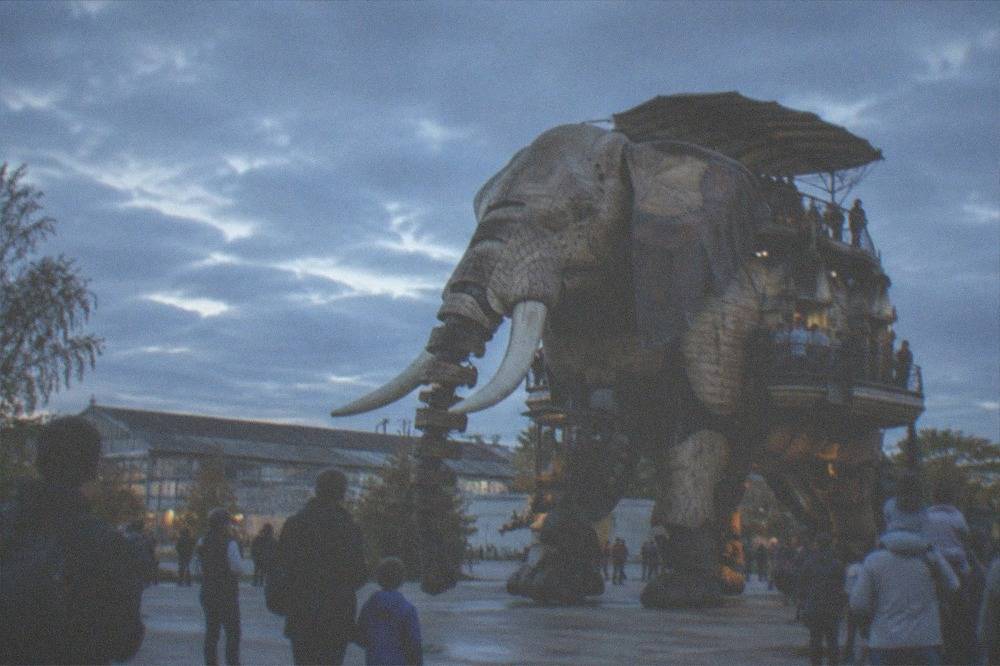
For a visitor, the practical picture is simple. The places you are likely to go, the Bouffay old town, Graslin, the Passage Pommeraye, the Île de Nantes with its Machines, the riverside at Trentemoult, are repeatedly described in neighbourhood reporting as among the safer, busier, better-patrolled parts of the city. The eastern districts that have made police headlines are residential areas with no visitor sights, and nothing in the sources suggests a tourist has any reason to be in them.
Two honest caveats apply to this page. First, no official, neighbourhood-level crime statistics broken out below city level were found in the research for this site, so this guide does not publish crime rates, pickpocket statistics or safety rankings; none exists in the verified pack. Second, the qualitative characterisations come from neighbourhood reporting and visitor guidance, which describe patterns rather than counts. Treat this as a planning guide, not a statistical one.
Which Nantes Areas Are Safe, And Which Feel Quieter After Dark?
The central districts where visitors tend to stay and walk, Bouffay, Graslin and the Île de Nantes, are described in neighbourhood reporting as lively, well-lit and generally safe both day and evening, with Trentemoult across the Loire also carrying no specific safety flags. Some quieter former industrial spots on the Île de Nantes warrant more care after dark, not because of any specific reported problem but because they are simply less busy. The eastern districts making police headlines are residential, with no visitor sights.
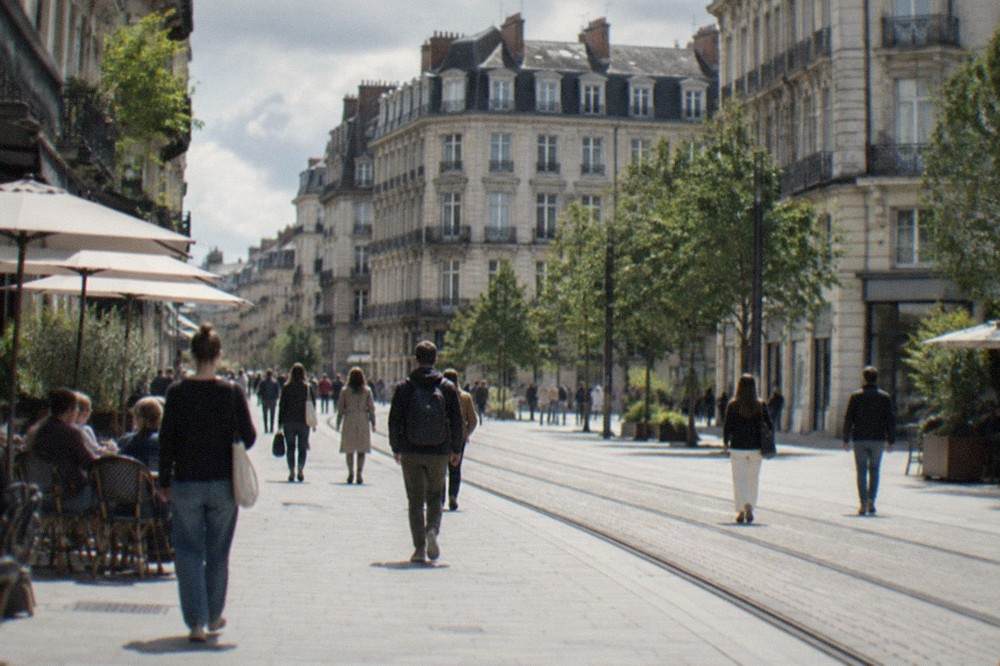
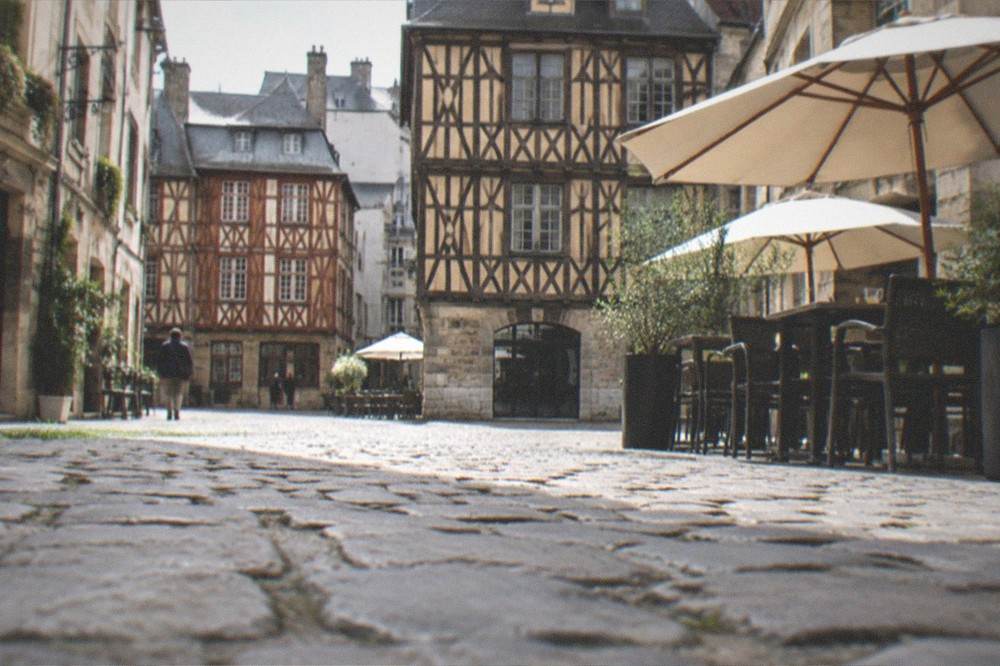
The heart of the city is the Bouffay quarter, the medieval old town around the cathedral, which has had its pedestrian zones extended in phases through 2025. It is touristy and busy, and reporting groups it with the historic core as a generally safe area. Graslin, with its theatre, the Passage Pommeraye and the place Graslin itself, is part of the hyper-centre. It is described as bustling and safe, though it was the scene of the September 2026 incidents mentioned above, an argument that escalated near the square and a rave attempt in a disused building a week later, both heavily policed and both atypical.
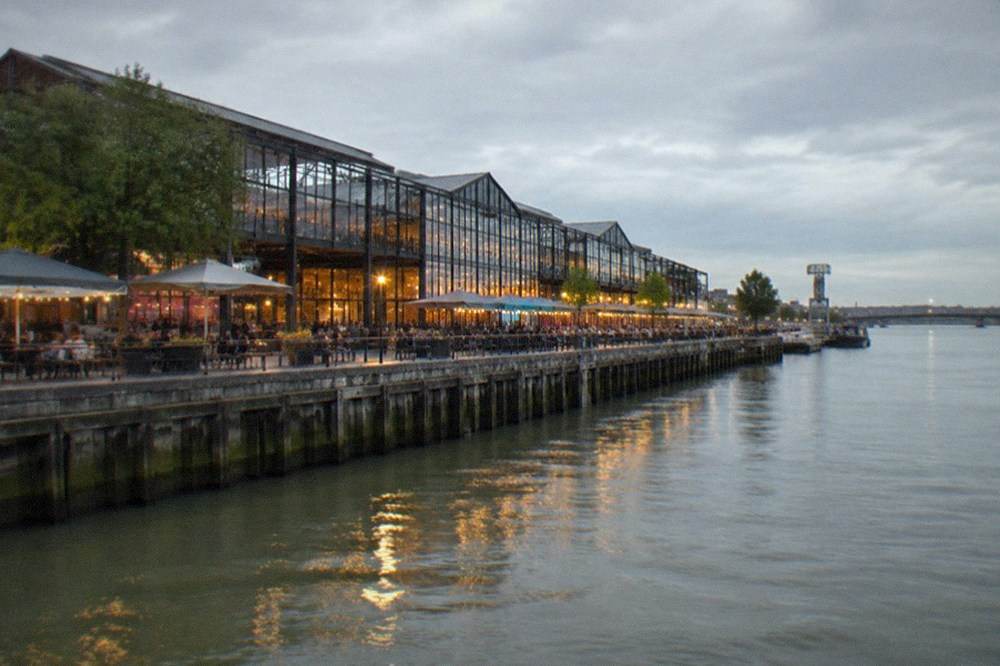
The Île de Nantes is the modern face of the city, home to Les Machines de l'île and the Hangar à Bananes bar and restaurant strip. Neighbourhood guidance describes it as trendy, well-lit and safe in its main, busy zones during the day and evening, while advising a little more caution in some quieter former industrial spots after dark. That is ordinary urban common sense rather than a specific warning. The Hangar à Bananes itself is an active cultural hub with venues and terraces, and a new river shuttle link from Trentemoult has been running since 12 November 2025, which connects the two evening going-out areas by water.
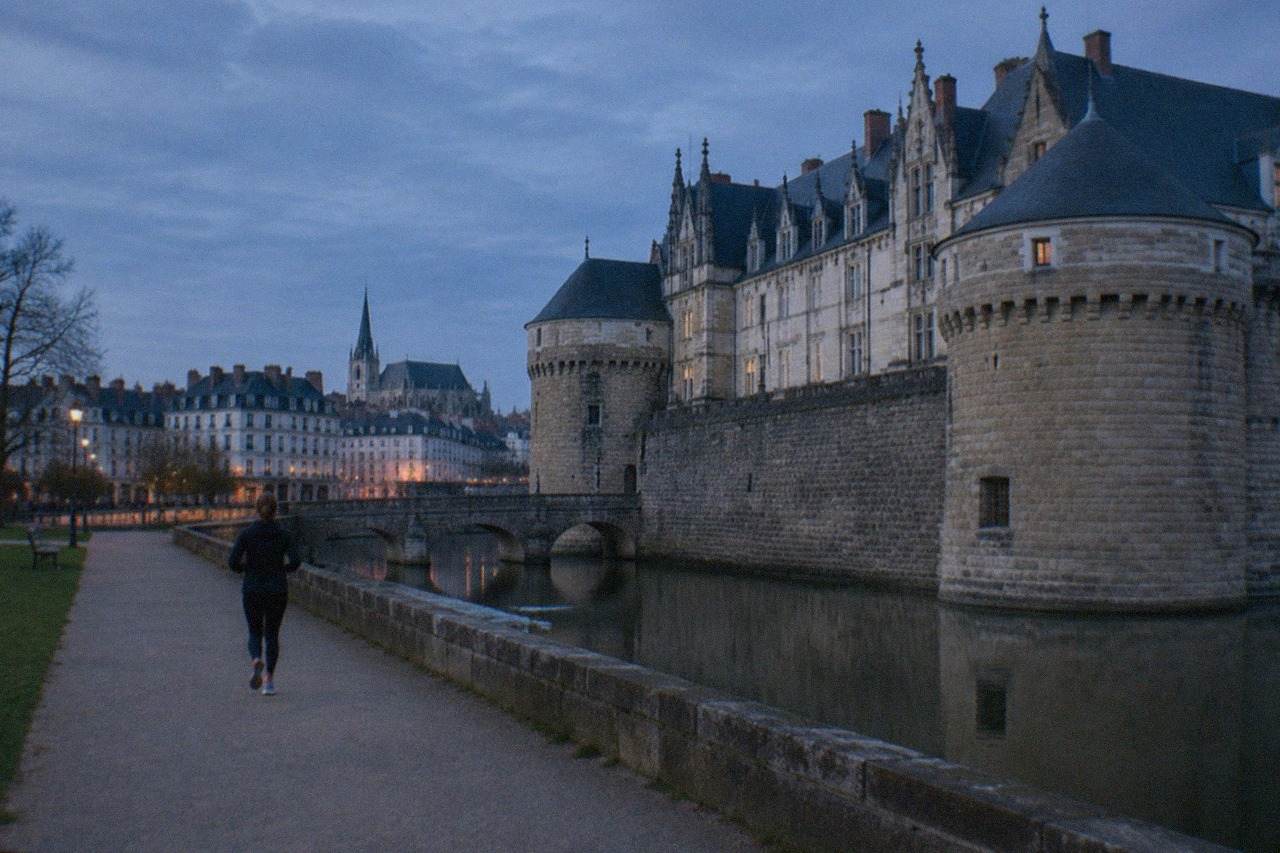
Trentemoult, the former fishing village on the south bank in Rezé with its coloured houses, carries no safety flags in the sources at all. Bas-Chantenay, next to it, is a residential quarter in transformation, with the future Cité des Imaginaires cultural project under works toward a 2028 opening.
| Area | Character | Evening feel |
|---|---|---|
| Bouffay | Medieval old town, pedestrianised extensions, cathedral and cafés | Busy and lively, described as safe |
| Graslin | Hyper-centre, theatre, Passage Pommeraye, place Graslin | Bustling; isolated atypical incidents reported September 2026 |
| Île de Nantes | Machines de l'île, Hangar à Bananes, modern bars | Well-lit and busy in main zones; some quieter former industrial spots after dark |
| Trentemoult | Former fishing village, coloured houses, riverside terraces | Relaxed, no specific safety flags reported |
| Bas-Chantenay | Residential, cultural projects in progress, Navibus link | Quiet, residential |
| Eastern districts (Bottière, Port-Boyer, Halvêque) | Residential, no visitor sights | Municipal police patrols resumed there in mid-September 2026 after a pause |
If your trip is built around the classic sights, you can plan it entirely without ever leaving the first four rows of that table. A self-guided route is one relaxed way to do it, and a good starting plan is our three days in Nantes itinerary alongside the wider free things to do in Nantes guide, which keeps the budget honest while you get your bearings. If exploring the central streets at your own pace appeals, options like the one below let you set the pace.
Is Nantes Safe At Night?
Nantes at night is generally described as safe in the busy going-out areas of the city centre and the Île de Nantes, which stay lit and populated until late, and the city's cultural calendar means central streets rarely feel empty on weekends. The normal rules of French city nightlife apply: keep an eye on belongings in crowds, plan your route back to your accommodation, and remember that the Naolib network runs into the evening rather than all night, so check last departure times.
The evening economy is genuinely central to Nantes. The Hangar à Bananes strip runs bars and clubs, the Warehouse venue programmes events through 2026, and a comedy-and-bar spot opened there in mid-2026. The Cigale brasserie near the theatre has been serving since the 19th century and keeps the Graslin area animated into the late evening. In summer, Le Voyage à Nantes fills the city with public art along its roughly 20 km green line, and the 2026 edition ran from 4 July to 6 September with temporary and permanent works across the centre, which keeps central squares busy at night.
The one structural thing to know is transport timing. The network's river shuttles and trams run on schedules that tighten late in the evening, and nothing in the verified pack gives an all-night service. The Navibus N2 link between Trentemoult and the Hangar à Bananes is reported to run to about 20:00 in winter and to midnight in summer. If a late evening across the river is on your plan, check the last sailing on the Naolib site before you commit to the far bank.
Alcohol-fuelled trouble is the main realistic night risk, as in any French city, and it clusters around the bar closures in the hyper-centre. The September 2026 incidents near place Graslin happened in exactly that context. Nothing about them changes the overall guidance, but they are a fair reminder that the very late streets around closing time are not the same environment as the 8 pm streets. If you want the evening atmosphere without the very late finish, the riverside terraces at Trentemoult and the early-evening animation around place Royale give you that.
For where to lay your head, our where to stay in Nantes guide walks through the districts, and the Bouffay and Graslin base puts you within walking distance of almost everything in this section. A final practical note for drivers: the February 2026 Loire flood showed that riverside car parks can be vulnerable when the river rises, with the water reaching 8.18 m at the Pont Anne-de-Bretagne on 19 February 2026, the first time above 8 m in about 15 years. If heavy rain warnings are in force during your visit, park uphill from the quays.
Is Nantes Safe For Solo Travellers And Families?
Nantes is a comfortable city for both solo travellers and families: it is compact, walkable, served by a modern tram and bus network, and its flagship sights, from the Machines de l'île to the Jardin des Plantes, are the kind of managed, ticketed or public-garden spaces that work well with children. Solo visitors face no specific reported risks beyond ordinary city precautions, and the free weekend transport and daylight-friendly sightseeing hours make planning simple.
For families, the practical anchors are strong. Les Machines de l'île runs the Galerie des Machines, the Carrousel des Mondes Marins and the Grand Éléphant, each at 12 EUR full price with an 8 EUR child rate for ages 4 to 12 and free entry under 4, per the official tarifs page. One planning detail matters more than most: the official hours page states there are no elephant rides from 2 November 2026 to 28 February 2027 for maintenance, so a winter family trip should plan around the Galerie and Carrousel instead. The château courtyard and ramparts are free and open daily from 8:30 to 19:00, an easy roam with children, and its museum is free for under-18s.
For solo travellers, the city rewards independence. The pedestrian core is easy to navigate, and the green line painted on the pavements by Le Voyage à Nantes gives a self-guiding thread through the centre that you can follow without a guide at all. If you prefer structure, a self-guided app tour with dozens of stops is a way to have a route in your pocket while keeping full control of your pace and your evening plans.
Between the museum-heavy mornings, the riverside afternoons and the food scene covered in our Nantes food guide, a solo day fills up quickly, and none of it requires remote areas or risky transport. Families with a car will find the practicalities in car hire in Nantes, though for the city itself the tram is usually simpler than parking.
How Safe And Simple Is Getting Around Nantes?
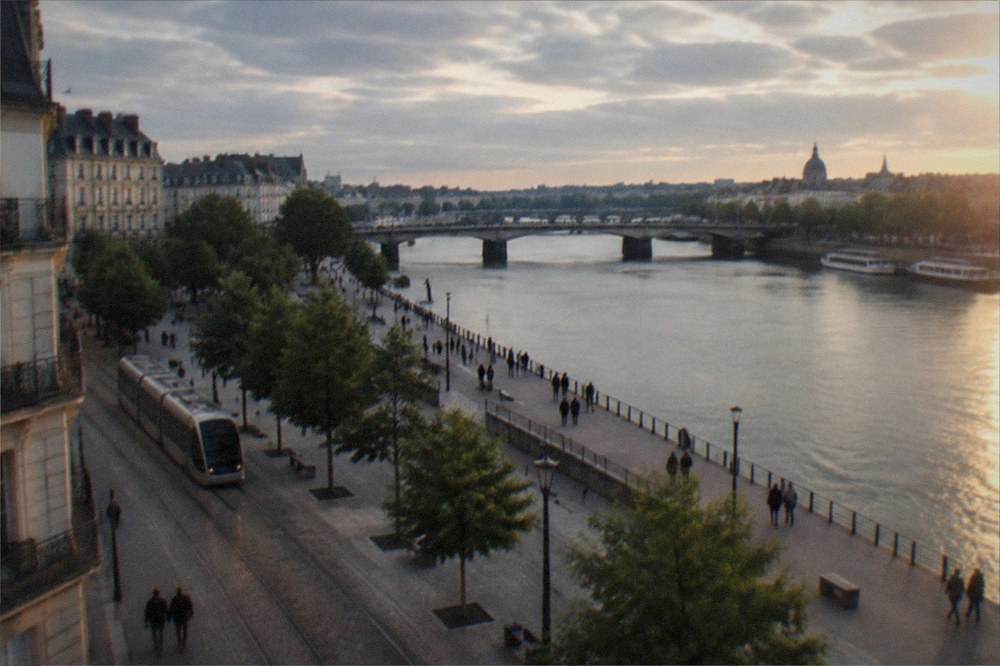
Getting around Nantes is safe and unusually easy: the Naolib network of three tram lines, buses, busway and river shuttles carried 154 million trips in 2024 according to the métropole's own project page, it is free for everyone on weekends, and the flat fare structure keeps ticketing simple. The one rule to remember is that the airport shuttle is excluded from the weekend free travel and always costs 10 EUR, a detail the fare page states clearly.
The fare page gives a 1-hour ticket at 1.80 EUR covering tram, bus, Navibus and TER services inside the métropole, a carnet of ten at 17.80 EUR, a 24-hour ticket at 6.80 EUR and a 24-hour ticket for four people travelling together at 15.00 EUR. Weekend travel is free for all from Saturday 00:00 to Sunday 23:59, a policy reported as running since 2021, and park-and-ride car parks are free when combined with network use. None of this involves any sketchy private transport: the whole system is public, contactless where applicable, and busy.
| Naolib ticket | Price | Coverage |
|---|---|---|
| 1-hour ticket | 1.80 EUR | Tram, bus, Navibus, TER inside the métropole |
| Carnet of 10 x 1-hour | 17.80 EUR | Same coverage, ten journeys |
| 24-hour ticket | 6.80 EUR | Unlimited network use for 24 hours |
| 24-hour ticket, 4 people | 15.00 EUR | Up to four people travelling together |
| Airport shuttle | 10 EUR | Always charged, including weekends; valid 1 hour on the network |
The airport shuttle itself runs every 20 minutes from April to October and every 30 minutes from November to March, taking about 20 minutes between the station and Nantes Atlantique airport, and the ticket is bought on board by bank card. The airport's own figures, as reported, put 2025 traffic at 7,189,480 passengers, and new routes for 2026 include Air Canada's seasonal Montreal service. Full arrival logistics are in our Nantes airport to city centre guide.
For visitors staying several days and museum-hopping, the Pass Nantes bundles transport with entries, and its prices, valid from 1 April 2026, are worth comparing against the raw fare table.
| Pass Nantes duration | Full | Reduced (ages 4-17, students under 26, disability card) | Family (2 adults + 2 children) |
|---|---|---|---|
| 24 hours | 30 EUR | 20 EUR | 80 EUR |
| 48 hours | 40 EUR | 26 EUR | 106 EUR |
| 72 hours | 49 EUR | 31 EUR | 129 EUR |
| 7 days | 75 EUR | 45 EUR | 195 EUR |
The pass includes unlimited Naolib travel, one airport-shuttle return, park-and-ride for 24 hours, one TER return between Nantes and Clisson, and one entry per partner site including the château museum, the Galerie des Machines and the Carrousel; the elephant ride is not included. More detail is in the Pass Nantes and getting around Nantes guides.
What About Pickpocketing And Scams In Nantes?
The main realistic risk to your belongings in Nantes is petty theft in crowded tourist spots and on public transport at peak times, which is the pattern neighbourhood guidance describes for the city, with moderate levels of pickpocketing and low levels of violent crime against visitors. No pickpocket statistics, scam counts or safety rankings are published on this page, because none exist in the verified research; the honest answer is ordinary precautions in busy places, not fear.
The crowded places are predictable: the Passage Pommeraye on a Saturday, the tram around Commerce at rush hour, the Machines site on a summer afternoon, the Christmas market on Place Royale and Place du Commerce when it runs from 19 November to 27 December 2026. Keep bags closed and phones pocketed there and you have done the main work. The market's listed hours run Monday to Saturday 11:00 to 21:30 and Sunday 11:00 to 20:00, so the late-evening crush is a known quantity you can simply time around.
Classic scams, the fake petition, the friendship bracelet, the overpriced taxi, are reported in Paris far more than in Nantes, and nothing in the research for this site documents a local pattern of them. Taxis are metered with no fixed airport rate, so agreeing on nothing and letting the meter run is the standard advice. One genuinely local trap worth flagging: weekend free transport does not include the airport shuttle, and the 10 EUR fare applies every day. People who assumed otherwise have reported surprise at the charge.
For valuables you do not need during the day, hotel safes are the answer, and the tourist tax is one small line item worth knowing about at checkout. The rates below are as reported by the métropole's taxe de séjour service for 2026, effective 1 January 2026.
| Hotel classification | Tourist tax per person per night, as reported |
|---|---|
| 4-star | 2.86 EUR |
| 3-star | 1.87 EUR |
| 2-star | 1.10 EUR |
Unclassified rentals are reported as charged at 5.5 percent of the pre-tax nightly price per person, capped at 5.39 EUR. It is a small amount, but it appears on your bill, so it belongs in a guide about not being surprised in Nantes.
Does Nantes Have Areas To Avoid?
No visitor area of Nantes needs to be avoided, and the districts appearing in 2026 police reporting, the eastern quartiers of Bottière, Port-Boyer and Halvêque, are residential neighbourhoods with no tourist sights that a visitor would have no ordinary reason to enter. The honest advice is not a list of no-go zones but a matter of matching your evening plans to busy, lit streets, which in Nantes is easy because the going-out districts are exactly that.
The spring 2026 narcotraffic-related shootings made regional news, and municipal police resumed patrols in those eastern districts by mid-September 2026 after a pause. That is a real urban problem and it deserves honest mention rather than omission. But it is a problem contained within specific residential districts, of the kind every large French city manages, and the sources describe the tourist and historic cores as well-patrolled and safe. The centre's own incidents in September 2026, a knife brawl and a broken-up rave attempt, were one-off events met with a heavy police response, not a pattern.
The useful mental map is this: everything between the Bouffay old town, Graslin and the Île de Nantes is your city, evening included. Trentemoult across the river is a short ferry ride and a relaxed one. Beyond that ring, you are in residential Nantes, which is not dangerous so much as simply not yours to explore at midnight. If a guided or structured activity appeals for the areas you know less, Nantes Travel Guide keeps the full set of sight pages, from the Jardin des Plantes to the Jules Verne museum, for daytime visits.
When Is The Best Time Of Year To Visit Nantes?
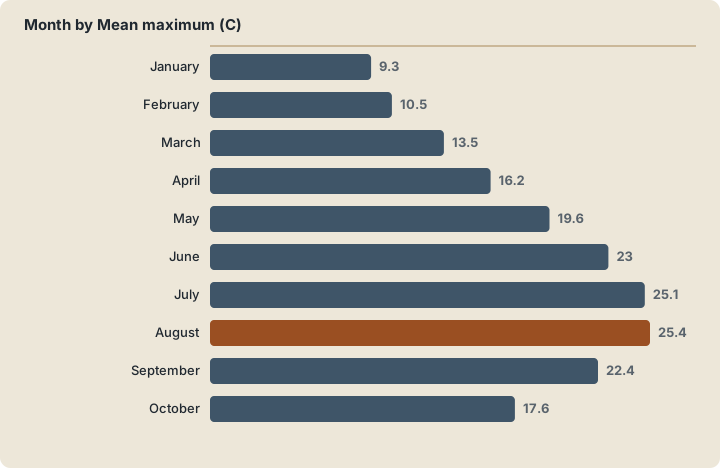
The best balance of mild weather and manageable crowds is the April to May and September to October shoulder seasons, when daytime highs typically sit around 16 to 22 degrees Celsius, while mid-June to mid-September is the warm, busy window for riverside and outdoor plans, and October to January brings the heaviest rain. Météo-France's normals for its Nantes-Bouguenais station show a temperate oceanic climate, never Mediterranean, with 819.5 mm of rain a year.
The climate table below comes straight from those 1991-2020 normals. July and August are the warmest and driest months, December the wettest, and the difference between the wettest and driest months is modest, which is the signature of an oceanic climate: rain is possible in any month, so a packable rain layer earns its place year-round. The sunniest month is August at 232.6 hours, and the year totals 1,873.3 hours of sunshine.
| Month | Mean maximum (C) | Days with 1 mm of rain or more |
|---|---|---|
| January | 9.3 | 12.5 |
| February | 10.5 | 10.6 |
| March | 13.5 | 9.4 |
| April | 16.2 | 9.7 |
| May | 19.6 | 9.6 |
| June | 23.0 | 7.6 |
| July | 25.1 | 7.1 |
| August | 25.4 | 7.2 |
| September | 22.4 | 7.8 |
| October | 17.6 | 11.8 |
| November | 12.9 | 13.0 |
| December | 9.8 | 13.5 |
Two recent events deserve a safety-specific mention beyond the averages. The June 2026 heatwave set a new all-time station record of 42.2 degrees Celsius on 24 June 2026, with a red heat alert in Loire-Atlantique, so summer visitors should treat extreme heat advisories seriously, shift sightseeing to mornings and carry water. And the February 2026 Loire flood, reaching 8.18 m at the Pont Anne-de-Bretagne on 19 February 2026, showed that winter flooding is the city's other recurring natural hazard; the riverside Mémorial de l'abolition de l'esclavage even closes during Loire floods, per its practical-info page. Neither changes the seasonal advice, they just sharpen it. Full month-by-month guidance is in our best time to visit Nantes and Nantes weather pages.
What Should You Do In An Emergency In Nantes?
The single number to remember is 112, the EU-wide emergency number, which works from any phone in France, including foreign mobiles, and reaches police, fire and ambulance services together; it is the only emergency figure in the verified pack and the only one this page will state. For non-emergency practicalities, the Naolib network staff and hotel reception are the ordinary first points of contact, and the Schengen framework means no border check applies if you have arrived from another Schengen country.
The basics below are the ones worth having in your head before you need them.
| Emergency basic | Detail |
|---|---|
| EU-wide emergency number | 112, from any phone, police, fire and ambulance |
| Border formalities | France is a founding Schengen member; no border check arriving from another Schengen country |
| Local currency | The euro, used at every till from tram tickets to museum admission |
| Weekend transport | Free for everyone, Saturday 00:00 to Sunday 23:59, airport shuttle excluded at 10 EUR |
| Flood season awareness | Loire floods possible in winter; riverside parking can be affected |
If a theft happens, report it to the police and keep the report reference number, which travel insurers require. If a passport is lost, your consulate or embassy handles replacement, and hotel staff will point you to the nearest commissariat. For health issues, pharmacies display a green cross and are the French first stop for minor ailments; for anything urgent, 112 routes you to the right service.
None of this is likely to be needed. The overwhelming likelihood is that your Nantes trip runs on trams, beurre blanc and mechanical elephants without a single incident. But a safety guide that only said "relax" would not be doing its job, and now you have the number that matters.
Common Questions About Safety In Nantes
Is Nantes safe at night?
Yes, in the busy central and riverside going-out areas, which stay lit and populated until late. The ordinary rules of French city nightlife apply: watch belongings in crowds, plan your route home, and check the last tram or Navibus departure, since the network runs late-evening schedules rather than all-night service.
Is Nantes safe for solo female travellers?
No source specific to solo female travellers exists in the verified research, but the city's overall pattern holds: a lively, well-patrolled historic core, moderate petty theft and low violent-crime risk reported for visitors, and a walkable centre where busy, lit streets are easy to stick to.
Are there areas of Nantes to avoid?
No visitor area needs avoiding. The eastern residential districts that made 2026 police headlines, Bottière, Port-Boyer and Halvêque, contain no tourist sights and are not places a visitor would ordinarily go. Some quieter former industrial spots on the Île de Nantes simply warrant normal care after dark.
Is public transport in Nantes safe?
Yes. Naolib is the public tram, bus and river-shuttle network, it carried 154 million trips in 2024, and it is free for everyone on weekends. The airport shuttle is the one exception to weekend free travel and always costs 10 EUR.
What is the emergency number in Nantes?
112, the EU-wide emergency number, works from any phone in France and reaches police, fire and ambulance services. It is the only emergency figure carried in this site's verified research.
Does Nantes have a crime problem?
Nantes is a city of over 300,000 people and it records crime like any comparable French city, including narcotraffic-related incidents in specific eastern districts in 2026. Reporting consistently describes the tourist and historic cores as lively, well-patrolled and safe, with petty theft the main risk visitors realistically face.