Is Nantes In Brittany
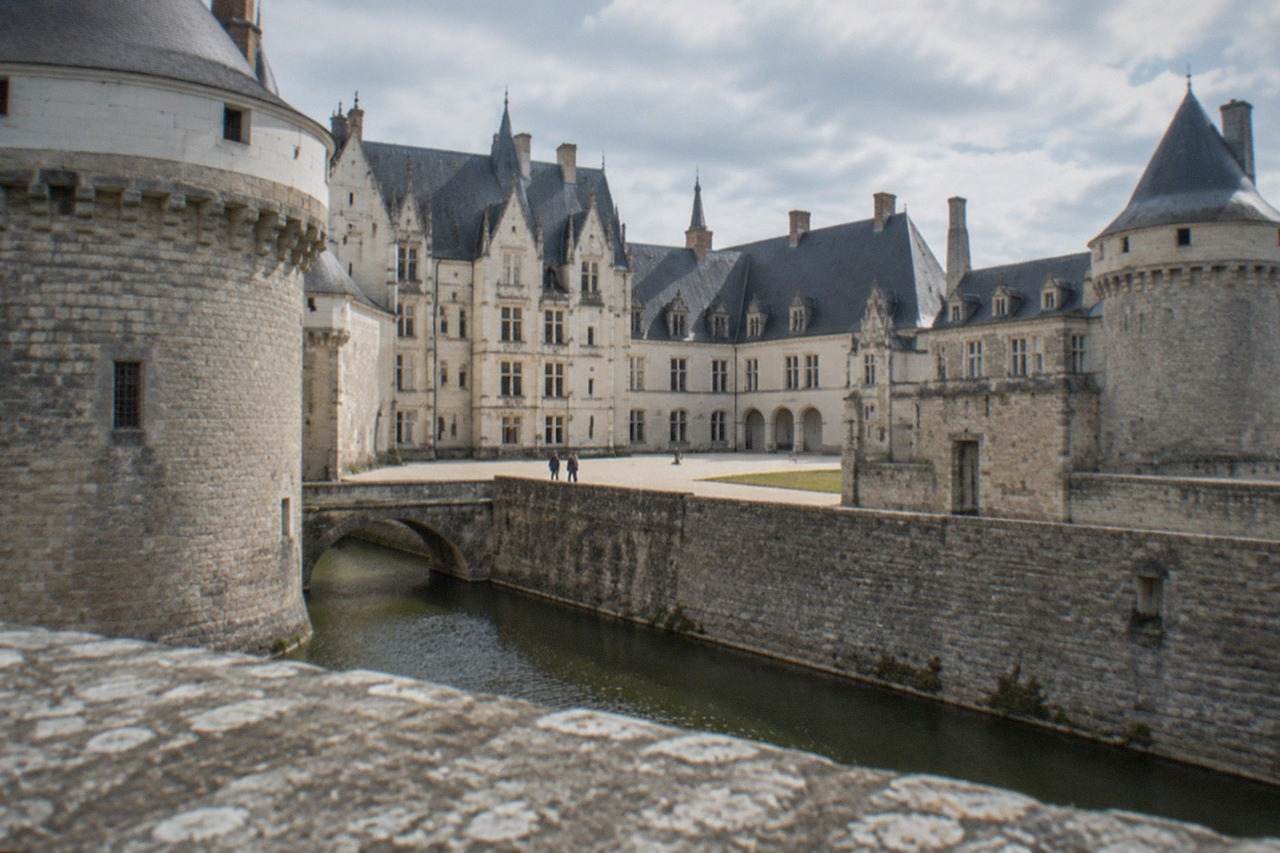
Nantes, in the Loire-Atlantique department of the Pays de la Loire region of western France, is not administratively in Brittany today, yet the city spent centuries as the capital of the duchy and half of its historic heart, Brittany's Loire-Atlantique department, still surrounds it.
Short answer
No. Administratively, Nantes is in the Loire-Atlantique department of the Pays de la Loire region of France, not in Brittany. Historically, it was the seat of the dukes of Brittany and part of the duchy until 1532, and many locals still consider it Breton.
Nantes, in the Loire-Atlantique department of the Pays de la Loire region of western France, is not administratively in Brittany, and that single sentence settles most of the confusion travellers bring to the city. The complications come right behind it. Nantes was the residence of the dukes of Brittany, the place where Anne of Brittany was born in 1477, and the port through which the duchy faced the sea. Its department, Loire-Atlantique, was carved out of the old province of Brittany and attached to a different region by a wartime decree in 1941, a decision still contested today. So the short answer is no, the honest answer is "not any more, and many people here dispute even that", and the interesting answer is the one that follows.
The question matters more than a map quiz suggests. Where a city "belongs" shapes what visitors expect to find: crepes or caneles, cider or clafoutis, Breton flags or not. Nantes serves all of it with a shrug, because the city sits on a cultural fault line between Brittany and the Loire country, and its food, architecture and self-image carry traces of both. This guide untangles the administrative facts, the history behind them, and what the answer actually changes for a trip, including which day trips, which foods and which walking routes make the Breton side of Nantes easiest to see.
Is Nantes In Brittany Or Not?
No, Nantes is not in Brittany in an administrative sense. The city belongs to the Loire-Atlantique department, which is part of the Pays de la Loire region of western France, on the Loire and Erdre rivers. Brittany as a modern administrative region comprises four departments, Finistere, Cotes-d'Armor, Ille-et-Vilaine and Morbihan, and Loire-Atlantique is not one of them. Historically, though, Nantes was the capital city of the duchy of Brittany, and the question is still argued about locally.
The cleanest way to hold the two answers together is a simple table. Administratively, one set of facts applies; historically and culturally, another set does, and neither erases the other.
| Question | Answer | Notes |
|---|---|---|
| Is Nantes in Brittany? | No | Nantes is in Loire-Atlantique, Pays de la Loire |
| Was Nantes in Brittany? | Yes | Capital of the duchy; dukes resided at the chateau |
| Is Loire-Atlantique in Brittany? | No | Attached to Pays de la Loire since 1941 |
| Is Loire-Atlantique Breton historically? | Yes | Formed from the old Breton province |
| Do people in Nantes feel Breton? | Mixed | Strong local Breton identity in parts of the city |
The word "Brittany" is doing double duty throughout. When French institutions say "Brittany" they mean the four-department region with its capital at Rennes. When historians and many local residents say it, they mean the duchy and province that existed for centuries before, whose territory included everything of the modern region plus Loire-Atlantique. Nantes is outside the first and was the beating heart of the second. Any guide that gives one answer without acknowledging both is only telling half the story.
Which Region Is Nantes In Today?
Nantes is in the Pays de la Loire region, and within it the city is the prefecture of the Loire-Atlantique department. Pays de la Loire is a modern administrative construct, grouping Loire-Atlantique with four other departments around the lower Loire: Maine-et-Loire, Mayenne, Sarthe and Vendee. Nantes is the region's largest city, and INSEE figures for 2023 put the commune's population at 327,734, the sixth largest in France.
The decisive date is 1941. On 30 June of that year, under the Vichy regime, Loire-Inférieure, as the department was then called, was attached by decree to the Angers region rather than the Breton one, a decision widely read as a deliberate weakening of Breton identity. The department was renamed Loire-Atlantique in 1957. Modern regions were formalised later, and Pays de la Loire took its current shape with Nantes inside it. Every attempt to reunite Loire-Atlantique with Brittany administratively has failed, though the demand persists in local politics, reflected in a formal opinion voted by the departmental council in recent years.
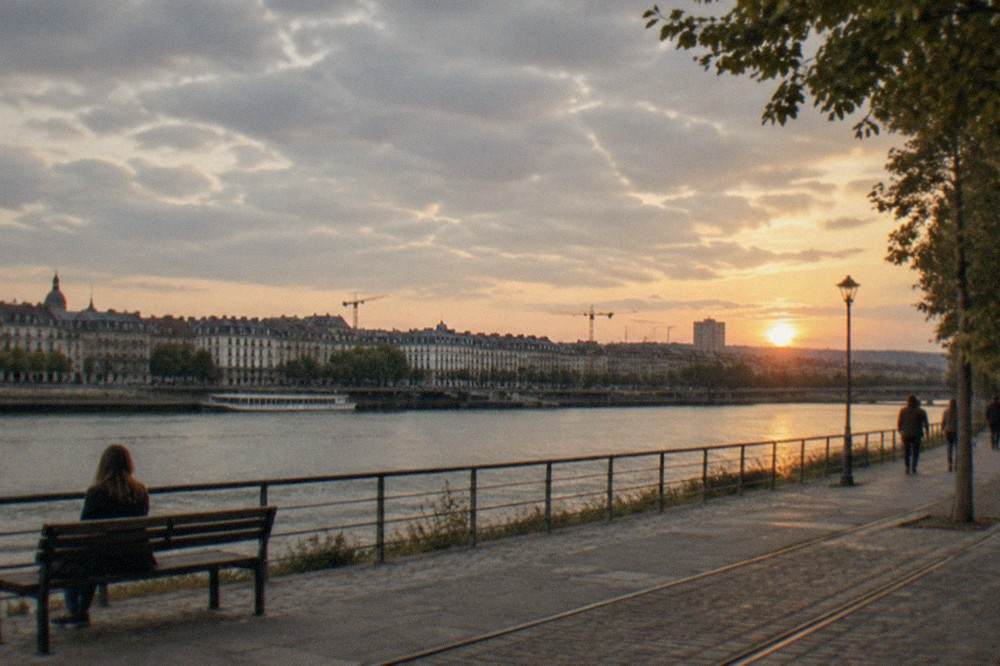
That municipal opinion is a good example of the gap between law and feeling. Legally, the matter is closed. In practice, Breton flags fly in Nantes, Breton-language classes run in the city, and the boundary on the map feels, to a good number of residents, like an error of history rather than a fact of geography.
For travellers the region question has practical consequences worth checking before booking. The closest one is the money question of which regional travel pass covers what, and the farther one is which tourist board's information to trust.
| Level | Name | Nantes's position |
|---|---|---|
| Commune | Nantes | Prefecture, on the Loire and Erdre |
| Department | Loire-Atlantique (44) | Prefecture of the department |
| Region | Pays de la Loire | Largest city of the region |
| Historic province | Brittany | Former capital of the duchy |
Was Nantes Ever Part Of Brittany?
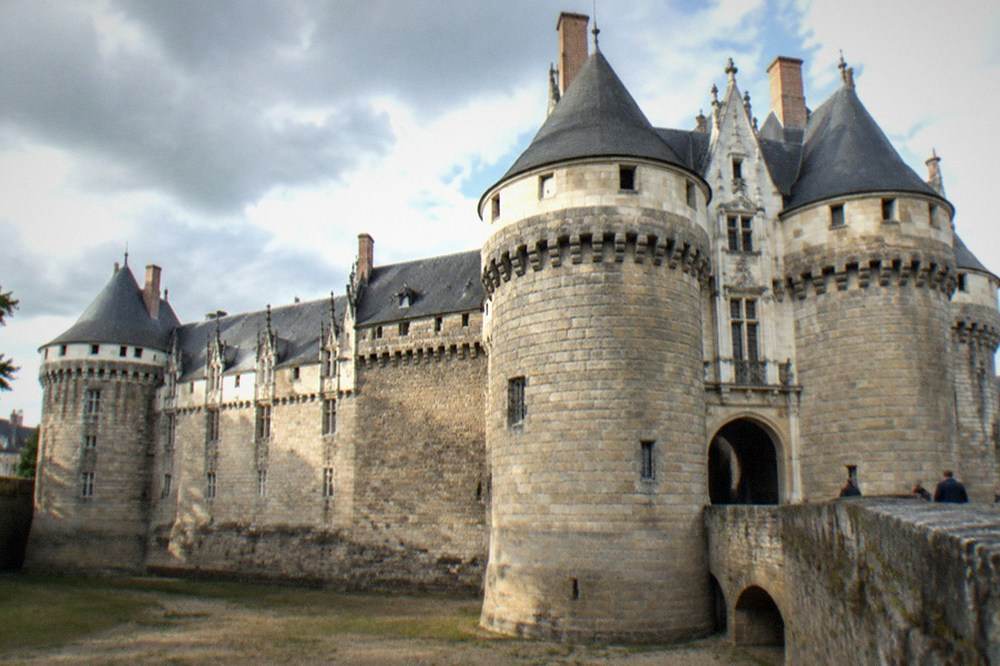
Yes, Nantes was part of Brittany for centuries, and not a peripheral part: the Chateau des ducs de Bretagne was the principal residence of the dukes, and Francis II began rebuilding it in 1466. Anne of Brittany, the duchy's most famous ruler, was born at the chateau of Nantes on 25 January 1477. The duchy's union with the kingdom of France came in 1532, and Nantes belonged to the province of Brittany until the French Revolution swept the old provinces away.
The ducal century is the one a visitor can still touch. The chateau's ramparts, courtyard and moat garden are free to walk, and the Musee d'histoire de Nantes inside covers the city's whole Breton and post-Breton arc across 32 rooms and more than 1,150 objects. Two dates anchor the story in the guidebooks' telling: 1466, when Francis II started the rebuild, and 1532, when the union with France followed Anne's marriages to two successive French kings. The Edict of Nantes, signed by Henri IV in April 1598, the chateau's own page gives the date as 30 April, later confirmed Nantes's role in French rather than Breton history.
| Year | Event in Nantes's Breton history |
|---|---|
| 1466 | Francis II begins rebuilding the ducal chateau |
| 1477 | Anne of Brittany born at the chateau, 25 January |
| 1514 | Anne dies at the Chateau de Blois, 9 January |
| 1532 | Duchy of Brittany united with the kingdom of France |
| 1941 | Loire-Inferee attached to the Angers region, 30 June |
| 1957 | Department renamed Loire-Atlantique, 9 March |
A walking route through the old Bouffay quarter and around the chateau covers nearly all of this in a morning. The church of Notre-Dame de Bonne-Nouvelle is so named for the good news of Anne's birth, and the courthouse and cathedral quarter carry the marks of the city's later French centuries. The ducal chateau guide covers the building itself in depth; the point here is that this is not incidental heritage. It is the seat of a state, and the state was Brittany.
Why Do People Still Say Nantes Is In Brittany?
Because culture moves slower than administration. Nantes kept Breton institutions for centuries, the surrounding Loire-Atlantique countryside still speaks with a Breton accent of place names, and the 1941 transfer that removed the department from Breton administration was made by an unelected wartime regime, which gives the local argument a grievance to organise around. Breton flags, badges and festivals are visible in the city, and a formal reunification debate has been reopened in recent years.
The visible markers are easy to find. The black-and-white Breton flag appears on balconies, boats and bars around the city and nearby Trentemoult. Breton crepes and cider sit on menus with the same confidence as Loire wines. And the annual debate resurfaces regularly in local papers whenever a region boundary is discussed, with Nantes's university and cultural institutions claiming Breton credentials on one page and Pays de la Loire funding on the next.
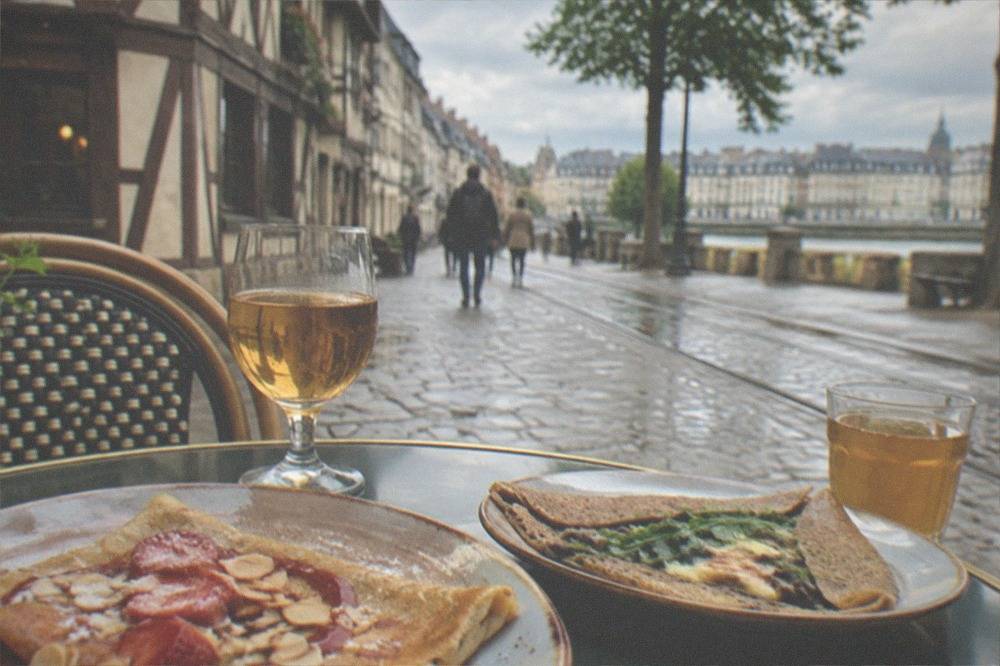
There is also a food answer, and it is the most enjoyable one. Nantes cuisine is a genuine hybrid: the butter-and-cider world of Brittany meets the river-and-vineyard world of the Loire. Beurre blanc, the emulsified butter sauce born in the region, pairs with Loire Muscadet on one plate and with Breton fish traditions on another. A trip planned around the question "is this Breton or Loire?" eats very well.
Is Nantes A Good Base For Visiting Brittany?
Yes, and it is a strong one. Nantes sits on the southern edge of Brittany's historic territory, and the TER regional train reaches Rennes in about one hour and sixteen minutes at its fastest, with Vannes, the Golfe du Morbihan and the Breton coast all reachable for a day. Nantes's larger hotel stock and transport links, including the airport's new routes from 2026, often make it a cheaper base than the coastal towns themselves.
If the Breton side of the trip is the priority, it is worth locking in a guide for the city's own ducal quarter early, since the best local options fill first in the summer months. The rest of the planning pages sit on Nantes Travel Guide.
The honest trade-off is that Brittany's far west, the Finistere coast and Mont-Saint-Michel country, is a long way out for a day trip, and multi-day bases further north serve those better. For southern and eastern Brittany, though, Nantes is hard to beat. A Brittany road trip from Nantes is one of the site's planned itineraries, and the practical rail links run from the city's main station at comfortable intervals, with the Rennes line among the fastest regional connections in the west of France.
| Destination | Travel from Nantes | Best for |
|---|---|---|
| Rennes | TER, about 1h16 fastest | Regional capital, Breton culture |
| Vannes | Day trip by rail or car | Golfe du Morbihan, walled town |
| Clisson | TER, from about 15 min | Italianate chateau, edge of Brittany |
| Saint-Nazaire | TER, from about 33 min | Estuary, ocean liners at Escal'Atlantic |
| Mont-Saint-Michel | About 2h15 by road | Overnight rather than day trip |
For travellers deciding where to sleep, the choice usually comes down to city energy versus coastal quiet, and the where to stay in Nantes guide maps the main districts. Is Nantes a good base for exploring Brittany is a question with its own full treatment, and the short version is that the answer is yes for the south and east of the region, and a maybe for the far west.
What In Nantes Looks Breton Today?
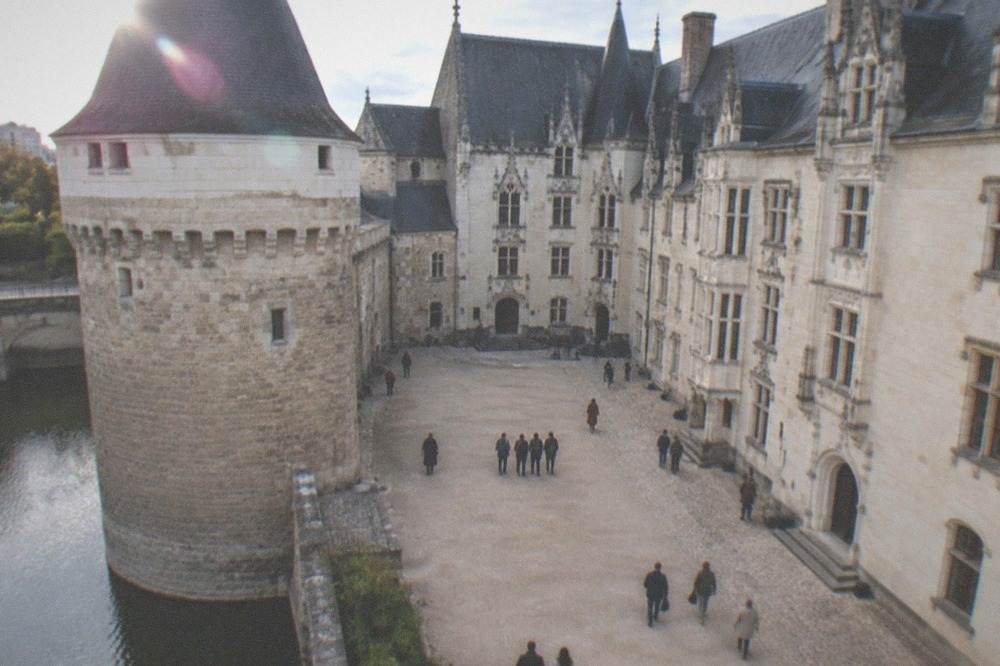
The Chateau des ducs de Bretagne is the clearest Breton monument in Nantes, a fortress-palace whose free ramparts and moat garden were the seat of the dukes from Francis II onward, and whose museum dedicates whole rooms to the duchy's history. Around it, the half-timbered Bouffay quarter, the Marche de Talensac with its Breton producers, and the creperies scattered through the old town keep the connection alive in daily life rather than behind glass.
The chateau deserves the most time. The courtyard and ramparts are open 8:30 to 19:00 daily, and in July and August until 20:00, with the free moat garden opening from 8:00. The museum inside charges 9 EUR full tariff and 5 EUR reduced, with free entry for under-18s and on the first Sunday of the month from September to June, and it is closed on Mondays outside summer. A 15 EUR Pass Muses covers a year of unlimited entry here plus the arts museum, the Jules Verne museum and the Chronographe, which pays for itself in a single multi-museum trip.
Beyond the chateau, the Breton thread weaves through smaller places. Talensac market, the city's main food market, runs Tuesday to Friday from 8:00 to 13:00 and Saturday and Sunday to 13:30, and its stalls carry Breton butter, cider and sea salt alongside Loire produce. The markets in Nantes guide covers it in detail. The place Royale and Graslin quarter, with the ornate Passage Pommeraye of 1843, feel more Loire than Breton, and the contrast is instructive: stand in front of the Graslin theatre and then inside the chateau's walls, and the two identities of the city are visible within twenty minutes' walk of each other.
Does The Weather Feel Breton Or Loire?
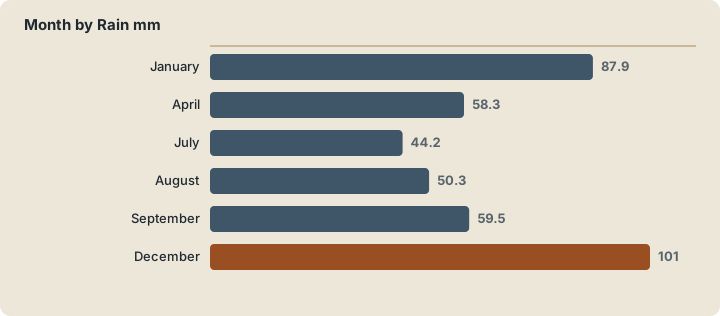
Neither label helps much: Nantes has a temperate oceanic climate, moderated by the Atlantic but warmer inland than far-western Brittany. Meteo-France normals for the Nantes-Bouguenais station, covering 1991 to 2020, give a mean maximum of 9.3 C in January rising to 25.4 C in August, with 819.5 mm of rain spread across 119.7 days of at least one millimetre. It rains here, but less than most people assume.

The record figures are more surprising than the averages. A new station record of 42.2 C was set on 24 June 2026, in a heatwave that also produced an August record of 40.4 C, while the all-time low stands at minus 15.6 C from February 1956. Neither extreme matches the damp-and-mild stereotype of Brittany's Atlantic coast. For planning, the numbers point at the same months most guides recommend: May to September for warmth, with shoulder months cooler and quieter.
| Month | Mean max C | Rain mm |
|---|---|---|
| January | 9.3 | 87.9 |
| April | 16.2 | 58.3 |
| July | 25.1 | 44.2 |
| August | 25.4 | 50.3 |
| September | 22.4 | 59.5 |
| December | 9.8 | 101.0 |
The full monthly table lives in the Nantes weather guide, alongside the flood and heat records, and the best time to visit Nantes guide translates the numbers into seasonal advice.
Which Side Of The Border Should You Book?
Book Nantes itself for the city, food and transport links, and stay longer if Brittany's south and east are the goal, because day-trip rail links from Nantes reach Rennes, Vannes and the coast at reasonable cost. Choose to sleep inside modern Brittany if Breton coastal towns are the priority, or if you want the region's distinct small-town rhythm for most of your stay. Nantes also has the area's main airport, with UK routes among its connections, which often decides the question on its own.
A two-centre trip is the answer many travellers settle on: Nantes for the chateau, the Machines de l'ile and the food scene, then a train north for Rennes or the Golfe du Morbihan. The Nantes airport guide covers arrivals, and the getting around Nantes guide covers the city transport once you are there, including the free weekend travel that applies on Saturdays and Sundays. The airport shuttle is excluded from that and costs 10 EUR whatever the day.

The machines of the ile deserve their place in any Breton-question itinerary, not because they are Breton, but because they show what Nantes became after 1941: a Pays de la Loire city that answers to its own imagination. The Grand Elephant, the Galerie and the Carrousel des Mondes Marins each cost 12 EUR full price, with a three-activity day package at 29 EUR, and rides on the elephant pause for maintenance from 2 November 2026 to 28 February 2027. The Machines de l'ile guide covers them fully.
Common Questions About Nantes And Brittany
Is Nantes in Brittany?
Not administratively. Nantes is in Loire-Atlantique, one of the five departments of the Pays de la Loire region of western France. Historically, however, it was the capital city of the duchy of Brittany and sits in the department carved out of the old Breton province.
Is Nantes in Brittany or France?
Both, in the sense that matters: Nantes is a French city in the Pays de la Loire region, and Brittany itself is a region of France. There is no contradiction. France is a founding member of the Schengen area and Nantes sits fully inside it.
When did Nantes leave Brittany?
On 30 June 1941, a decree of the Vichy regime attached the department then called Loire-Inférieure, renamed Loire-Atlantique in 1957, to the Angers-based region rather than the Breton one. Nantes has been administratively outside Brittany ever since, a boundary still contested in local politics.
Is Nantes the capital of Brittany?
No. The capital of the modern Brittany region is Rennes. Nantes was the seat of the dukes of Brittany and the duchy's capital city until the union with France in 1532, which is where the confusion comes from.
Do people in Nantes consider themselves Breton?
It varies by household and neighbourhood. A substantial share of residents identify as Breton, Breton flags are common in the city, and the local debate over reunification with Brittany is active. Others identify primarily as Nantais or with the Loire country.
Can I visit Brittany from Nantes?
Yes. Rennes is about one hour and sixteen minutes from Nantes by TER at its fastest, and Vannes, the Golfe du Morbihan and southern Brittany are practical day trips by train or car. The far west of Brittany is better visited with an overnight stay.
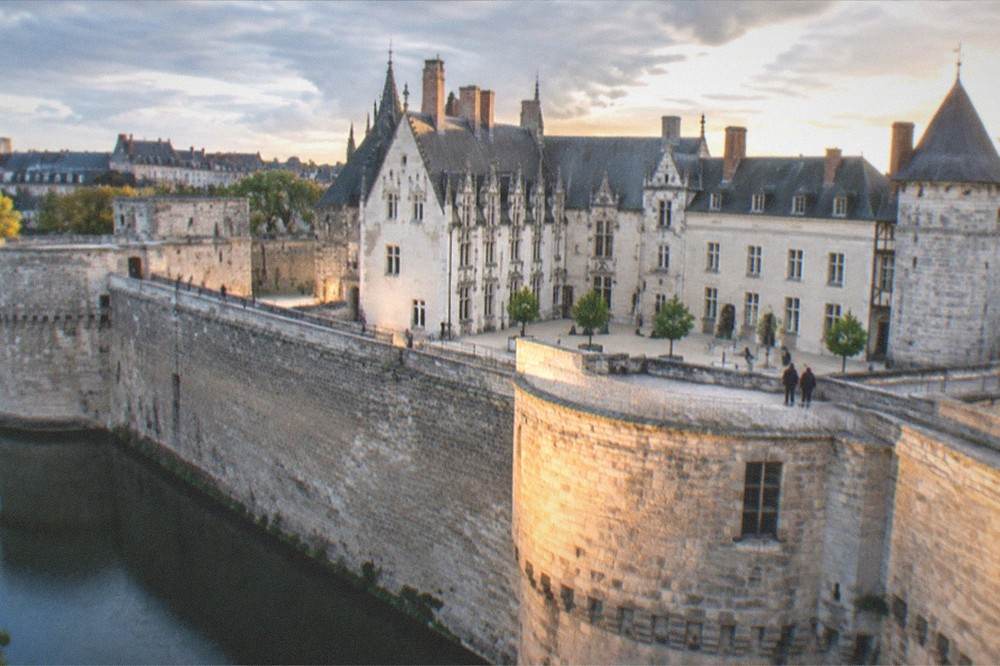
The question "is Nantes in Brittany" ends up being less about geography than about what a traveller wants from the word. Administratively, the answer is no: the city belongs to Loire-Atlantique and Pays de la Loire, and every map, pass and train ticket will treat it that way. Historically and culturally, the answer is a rich yes: the dukes lived here, Anne of Brittany was born here, and the chateau whose ramparts you can walk for free is the single best piece of Breton heritage in western France. Plan for the first answer, and enjoy the second, ideally with a crepe, a glass of Muscadet and the whole argument left pleasantly unresolved. For everything else the city offers beyond the question, the things to do in Nantes page is the natural next stop.