Nantes History
Nantes, in the Loire-Atlantique department of the Pays de la Loire region in western France, packs eight centuries of Breton dukes, port wealth, war damage and cultural reinvention into a compact, walkable centre.
Short answer
Nantes history runs from the 1434 start of the cathedral's 457-year gothic rebuild and the 1466 château of Duke Francis II, through the port's years as France's leading slave-trade city, to industrial Nantes of Jules Verne and LU biscuits, the September 1943 bombings, and the modern reinvention built on the tram, Royal de Luxe and Les Machines de l'île.
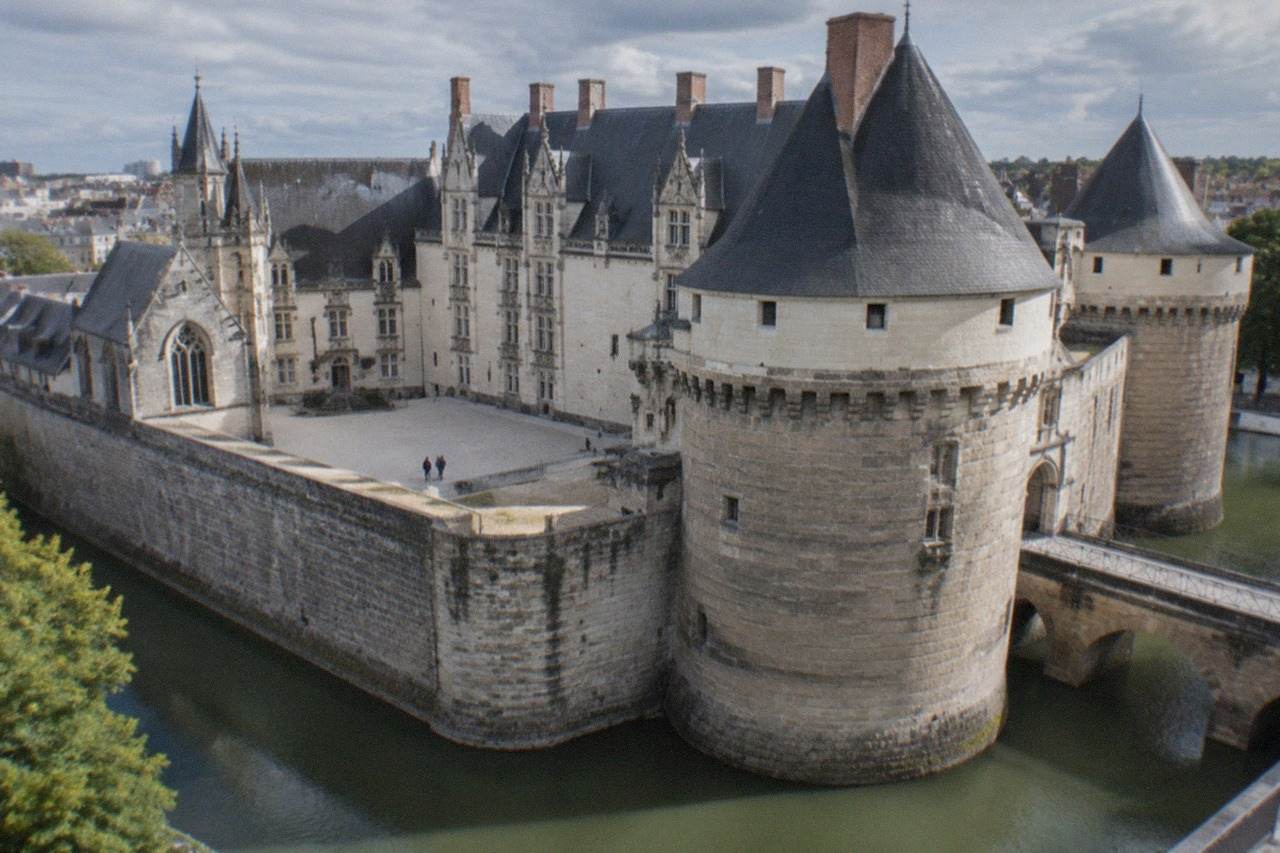
Nantes, in the Loire-Atlantique department of the Pays de la Loire region in western France, is a city where the whole arc of French urban history is legible on the ground. A castle built by the dukes of Brittany stands ten minutes from a cathedral that took 457 years to finish. The quays that financed 18th-century mansions on the Île Feydeau also carried the slave trade that the city now memorialises on the same waterline. Biscuit factories gave way to arts centres, and shipyards gave way to mechanical elephants.
This guide walks through that story in order, and it points you to the places where each chapter can still be seen, touched and walked. For the practical side of a visit, our central Nantes planning guide covers the headline sights, and the Nantes Travel Guide homepage gathers every article in one place.
What Is The Oldest Part Of Nantes?
The oldest visible layer of Nantes sits between the Château des ducs de Bretagne and the cathedral, in and around the Bouffay quarter. The cathedral's gothic rebuild began in 1434 and took 457 years of works, finishing only in 1891, and the château's own rebuilding started in 1466 under Duke Francis II. Together they anchor a medieval street plan that still shapes the heart of the city.
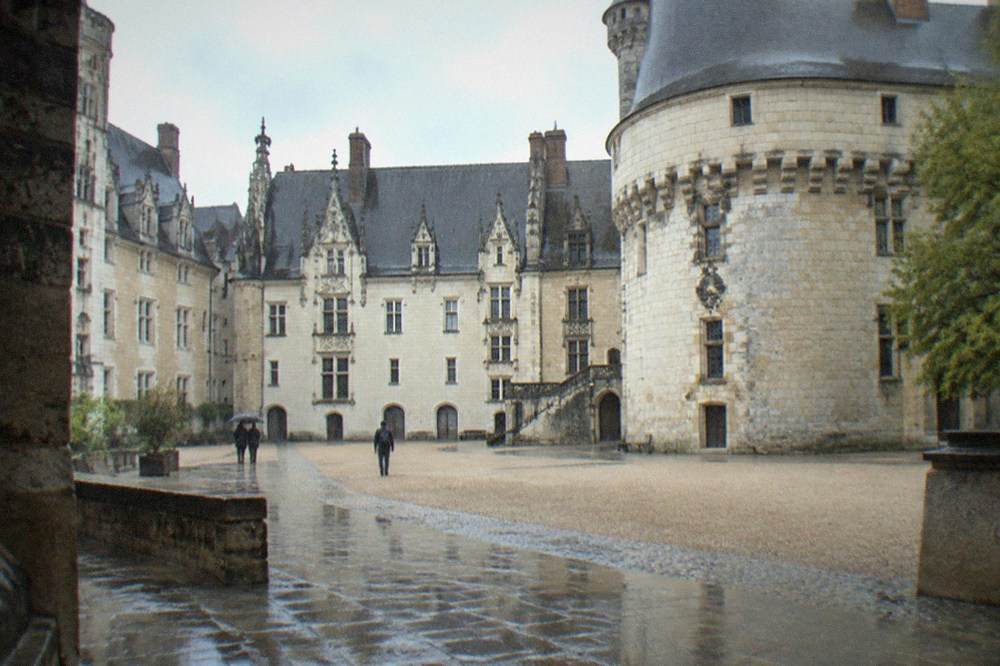
Bouffay is the quarter that grew up in the castle's shadow, and its narrow streets and half-timbered survivors give the centre its medieval grain. The 46-room fortress around it is the real anchor. Seven towers on a courtine, a moat that is now a free garden open from 8:00 to 19:00, and a courtyard anyone can enter free of charge between 8:30 and 19:00 daily. Francis II began the rebuilding in 1466 to assert ducal power over a restive city, and the result is the last great château on the Loire and one of the most important in France.
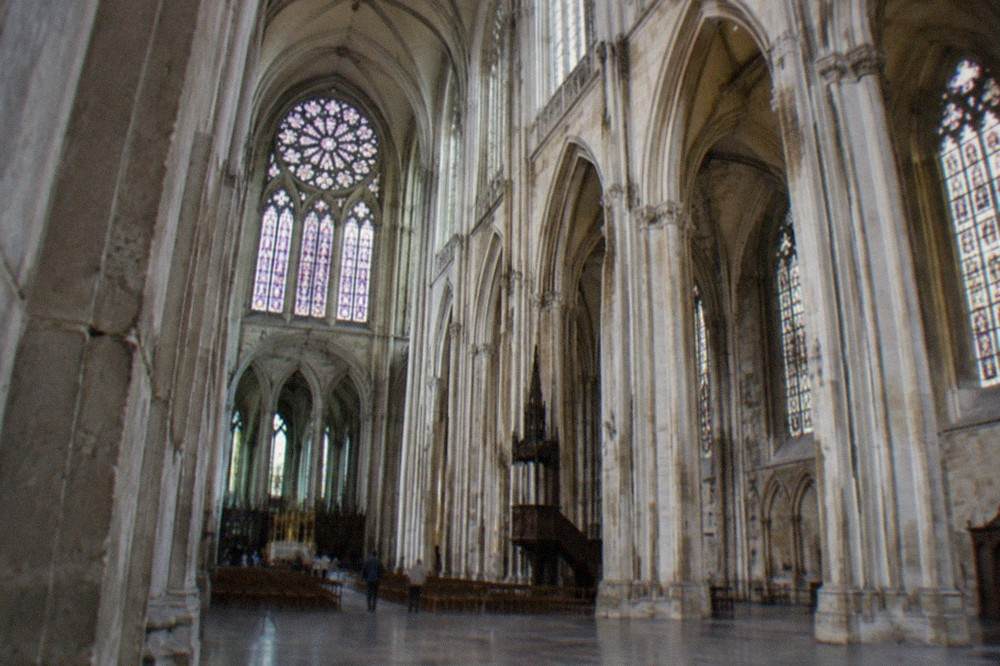
The cathedral tells a different story about time. Works started in 1434 and the patrimonia dossier for the building counts 457 years of construction, which lands the completion in 1891. That span alone makes it one of the longest-running building projects in Europe. Its interior holds the tomb of Francis II and Marguerite de Foix, carved by Michel Colombe, the Renaissance masterpiece of Nantes.
For the full picture of what each era left behind, the dates below are the spine of the story.
| Year | What happened in Nantes |
|---|---|
| 1434 | Gothic rebuild of the cathedral Saint-Pierre-et-Saint-Paul begins |
| 1466 | Francis II starts rebuilding the Château des ducs de Bretagne |
| 1477 | Anne of Brittany born at the château, eldest daughter of Francis II |
| 1514 | Anne dies at the Château de Blois, aged 37 |
| 1532 | Union of the Duchy of Brittany with the kingdom of France |
| 1598 | Henri IV signs the Edict of Nantes at the château, in April |
Who Were The Dukes Of Brittany In Nantes?
Nantes was the capital of the dukes of Brittany, and the château was their seat. Francis II began rebuilding it in 1466, and his daughter Anne of Brittany, born there on 25 January 1477, became duchess and twice queen of France before her death on 9 January 1514. The duchy's permanent union with the kingdom of France followed in 1532, and Henri IV signed the Edict of Nantes at the château in April 1598.
Anne of Brittany is the figure who binds Nantes to the rest of French history. Born at the château as the eldest daughter of Francis II, she inherited the duchy as a child, married two successive kings of France, and died at 37 in Blois. The metropole's own history pages treat her as the last independent duchess, and her birthplace is one of the reasons the Nantes château matters beyond the city.
The Edict of Nantes closed a bloodier chapter. The château's own page records that Henri IV signed it there on 30 April 1598, with Nantes the last city still holding out under the Duke of Mercœur. Note that the textbook date of 13 April differs from the château's, so April 1598 is the safest phrasing when the exact day matters less than the event.
You can absorb this layer of the past on foot in a couple of hours, and a local-led walk is an efficient way to do it. The Surprise Walk of Nantes with a Local covers the historic core with a resident guide, and its price is not published by the operator, so check the live listing for the current figure.
The château also became a museum of the city itself. Owned by the city since 1915, it has housed the Musée d'histoire de Nantes since 2007, after a ten-year restoration completed in 2007. If your interest is more architectural than dynastic, our Bouffay old town guide and the Château des ducs de Bretagne attraction page go deeper on both buildings.
How Did The Slave Trade Shape Nantes?
From the mid-17th century to 1830, Nantes was the leading French slave-trade port. The city's own Mémorial records 1,714 expeditions out of at least 4,220 French ones, 43% of the French trade, before Nantes withdrew in 1830. That past is now confronted at the free Mémorial de l'abolition de l'esclavage on the Quai de la Fosse, which opened in 2012.
The numbers deserve precision because they are the city's most sobering statistic. The Mémorial's English history page states them plainly: 1,714 expeditions fitted out in Nantes out of at least 4,220 French expeditions in total, which is 43% of the French trade. Nantes withdrew in 1830, later than is often assumed, and its merchants had dominated the trade from the mid-17th century. Rounding the expedition count, or blending it with the French total, erases exactly what the memorial asks visitors to sit with.
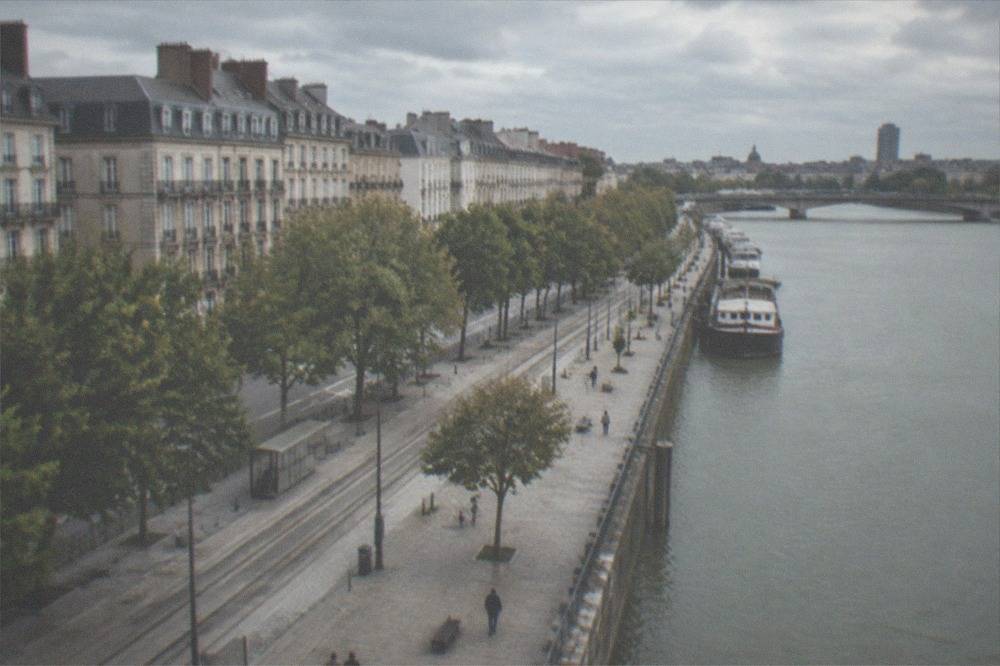
The Mémorial itself is a 2012 underground work on the Quai de la Fosse, steps from the Île Feydeau mansions that slaving wealth helped build. Entry is free, it opens 9:00 to 18:00 from mid-September to mid-May and to 20:00 across summer, and it closes during Loire floods, which is worth knowing after the February 2026 flood. Our dedicated Nantes slave trade history guide covers the itinerary in full, and the château museum's permanent collection dedicates real space to the trade within its 32 rooms.
| Figure | Value | Source basis |
|---|---|---|
| Slave-trade expeditions fitted out in Nantes | 1,714 | Mémorial de l'abolition, Nantes |
| French expeditions in total | At least 4,220 | Mémorial de l'abolition, Nantes |
| Nantes share of the French trade | 43% | Mémorial de l'abolition, Nantes |
| Year Nantes withdrew from the trade | 1830 | Mémorial de l'abolition, Nantes |
| Mémorial opened | 2012 | Mémorial, Quai de la Fosse |
The two most common mistakes in other guides are worth flagging. One is rounding 1,714 to a neat "about 1,700". The other is calling the trade an affair of the 1700s alone when the withdrawal came only in 1830. Getting these right is part of reading the city honestly.
When Did Nantes Stop Being Part Of Brittany?
On paper, on 30 June 1941, a Vichy decree attached the department of Loire-Inférieure, Nantes's department, to the Angers region and separated it from Brittany, an administrative cut that was never reversed. The department was renamed Loire-Atlantique on 9 March 1957, and the city now sits in the Pays de la Loire region of western France rather than in the Brittany region.
This is the question that still generates argument on both sides of the border. The dukes' capital, Anne of Brittany's birthplace, and centuries of Breton institutions all argue one way; the 1941 wartime decree and every French administrative map since argue the other. The 1957 renaming of Loire-Inférieure to Loire-Atlantique is the detail most outsiders miss, because the department's very name was rewritten to point at the Loire rather than at Brittany.
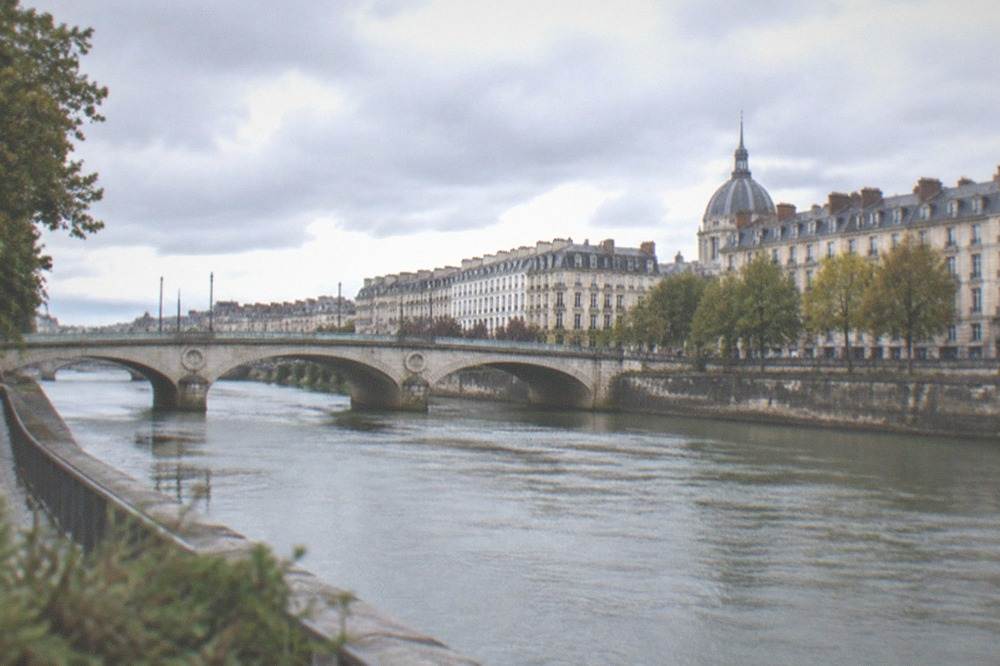
For the full argument, our is Nantes in Brittany guide lays out both cases, and the question of regional identity feeds directly into how the city presents its own history in the château museum. If the whole sweep in one guided loop sounds better than piecing it together yourself, a local-led walk of the historic centre can be reserved with free cancellation and payment on the day.
What Role Did Industry And Invention Play In Nantes History?
Industry and invention made 19th-century Nantes rich. Jules Verne was born on 8 February 1828 at 4 rue Olivier-de-Clisson on the Île Feydeau, and the LU biscuit firm grew from Jean-Romain Lefèvre's 1846 bakery into a Loire-side factory in 1886; the Nantes factory closed in 1986, and 2026 marks LU's 180th anniversary.
Jules Verne is the city's most famous son, born on the Île Feydeau in 1828 and dead in Amiens in 1905. The Musée Jules Verne on the Butte Sainte-Anne, at 4 EUR full and 1.50 EUR reduced, tells that story, and a larger Cité des Imaginaires in the former Cap 44 building is targeted to open in 2028. LU is the other industrial emblem. Jean-Romain Lefèvre set up as a biscuit maker in 1846, married Pauline-Isabelle Utile in 1850, and the firm's Loire-side factory facing the château dated from 1886, the era of the Véritable Petit Beurre. The Nantes factory closed in 1986 with production moving to La Haie-Fouassière, and the shell became Le Lieu Unique.
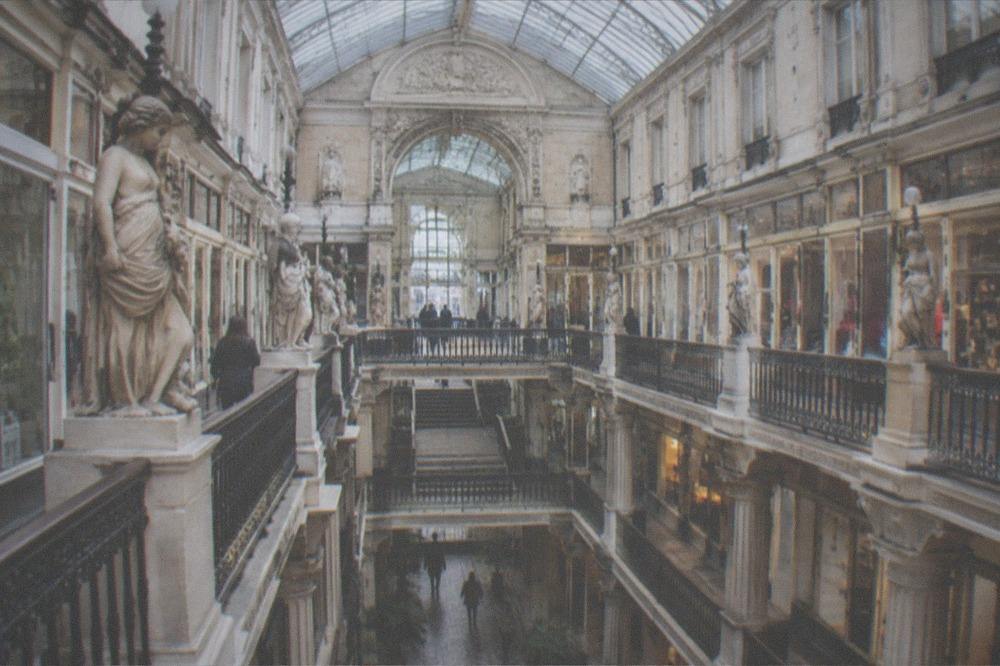
The port wealth that preceded industry is stamped across Graslin and the Passage Pommeraye, built in 1843 and famously unchanged since. If this era of the city appeals, the Nantes food guide covers the gastronomic heirs of that port culture, and a guided tasting walk through the old town is a good pairing. Note that the All Inclusive Food Tour of Nantes Old Town has no published price, so the live listing is the place to check.
| Year | Industrial and commercial Nantes |
|---|---|
| 1828 | Jules Verne born at 4 rue Olivier-de-Clisson, Île Feydeau |
| 1843 | Passage Pommeraye built, three floors on a slope |
| 1846 | Jean-Romain Lefèvre sets up as a biscuit maker, start of LU |
| 1886 | LU's Loire-side factory opens facing the château |
| 1986 | Nantes LU factory closes, production moves to La Haie-Fouassière |
What Happened To Nantes In The Second World War?
Nantes was bombed by Allied aircraft in September 1943, and the cathedral was partly damaged by the 1944 bombings. The German garrison left the city on 12 August 1944, days before the US Third Army arrived. Post-war rebuilding reshaped whole districts, and the wartime damage to the cathedral prefigured its later fires, including the 1972 roof fire and the 2020 arson.
The September 1943 bombings are the city's defining wartime wound, and the sources agree on the month, which is the level of precision the higher-confidence record supports. The cathedral suffered again in 1944, on top of a fire in 1972 that destroyed its 16th-century roof frame, and then the arson of 18 July 2020 that destroyed the grand organ, in service from 1619 to 2020.
The good news for visitors is the recovery. The cathedral partially reopened on 27 September 2025, with full completion projected for 2028 and the west facade still under scaffolding. The tomb effigies of Francis II and Marguerite de Foix have been visible to the public since around 20 February 2026, with full reinstallation of the tomb expected by the end of 2026. Say both facts together, never just one: partially reopened in 2025, full reopening planned for 2028.
| Date | Wartime and mid-century Nantes |
|---|---|
| 30 June 1941 | Vichy decree attaches Loire-Inférieure to the Angers region |
| September 1943 | Allied bombings of Nantes |
| 1944 | Cathedral partly damaged by bombings |
| 12 August 1944 | German garrison leaves before the US Third Army arrives |
| 9 March 1957 | Loire-Inférieure renamed Loire-Atlantique |
| 1972 | Cathedral fire destroys the 16th-century roof frame |
Where Can You See Nantes History Today?
The Château des ducs de Bretagne houses the Musée d'histoire de Nantes, 32 rooms and more than 1,150 objects covering the city from the Middle Ages to the present, at 9 EUR full and 5 EUR reduced, and closed on Mondays. The cathedral is free, the Mémorial de l'abolition is free, and the Muséum d'histoire naturelle is closed for works until 2029, so it is not a current stop.
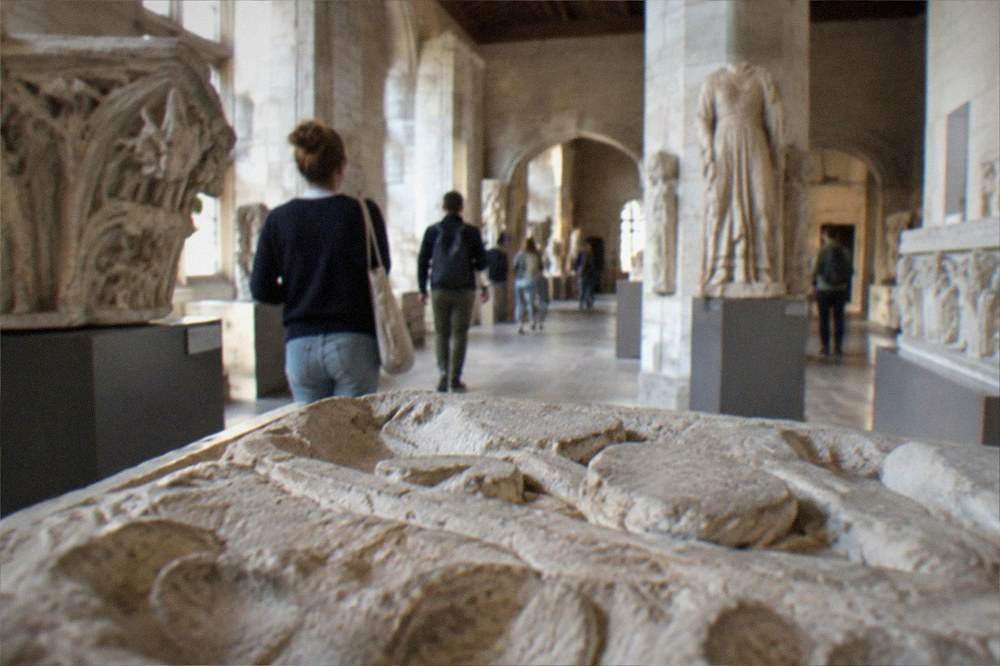
The château museum is the single best place to see the whole story under one roof. It opened in 2007 after the ten-year restoration, the courtyard and ramparts are free outside museum hours, and the annual closures are 1 January, 1 May, 1 November and 25 December. The Musée d'arts, in a separate building by the cathedral, covers nine centuries of painting at 9 EUR full and 4 EUR reduced, closed Tuesdays, with a free Thursday nocturne from 19:00 to 21:00.
A self-guided walking format suits history-minded visitors who like their own pace. The Nantes City Self-Guided Walking Tour with an App strings 35 stops across the centre, and the live listing carries the current price and the reviews it holds.
| Historic site | Entry cost | Key hours and closures |
|---|---|---|
| Musée d'histoire de Nantes, in the château | 9 EUR full, 5 EUR reduced | 10:00 to 18:00, closed Monday |
| Château courtyard and ramparts | Free | Daily 8:30 to 19:00 |
| Cathedral Saint-Pierre-et-Saint-Paul | Free | Partially reopened 27 September 2025, works to 2028 |
| Mémorial de l'abolition de l'esclavage | Free | 9:00 to 18:00, longer in summer |
| Musée d'arts de Nantes | 9 EUR full, 4 EUR reduced | 11:00 to 19:00, closed Tuesday |
| Musée Jules Verne | 4 EUR full, 1.50 EUR reduced | Closed Tuesday, afternoons except Saturday morning |
| Muséum d'histoire naturelle | Closed | Closed for works until 2029 |
If several of these are on your list, the Nantes museums guide compares them in depth, and the free things to do in Nantes guide collects the no-cost options, including the château courtyard and the Mémorial.
How Has Modern Nantes Reinvented Itself?
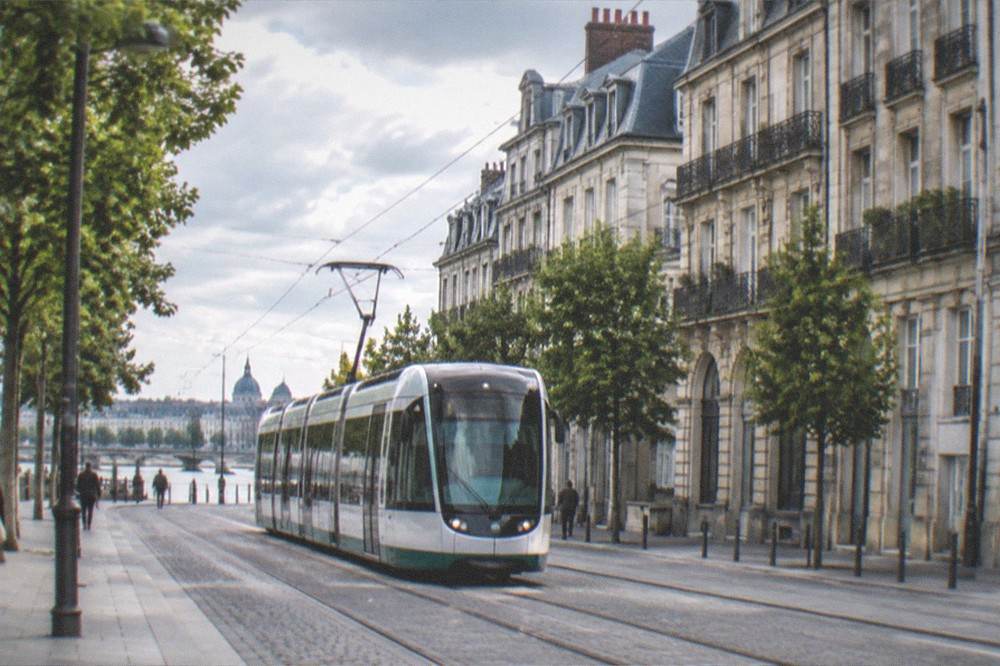
Nantes rebuilt itself around culture and transport. Line 1 of the tram returned on 7 January 1985 as the first modern tram network in France, Royal de Luxe settled in the city in 1989, Le Lieu Unique opened in the former LU factory over New Year 2000, and Les Machines de l'île inaugurated the Grand Éléphant on 30 June 2007, with the Carrousel des Mondes Marins following in 2012.
The reinvention is not a slogan, it is a dated sequence. The tram came first, and the network now carries 154 million trips a year across 3 lines. Royal de Luxe, the street-theatre company behind the Giants, based itself in Nantes in 1989 and its engineering workshop grew into Les Machines de l'île, inaugurated 30 June 2007. Le Voyage à Nantes, the summer art event that paints a green line across the city, was created in 2011 and has run every summer since 2012, and its 2026 edition, themed on Earth, ran 4 July to 6 September.
Recognition followed. Time Magazine called Nantes the most liveable city in Europe in 2004, as quoted by the European Commission's own page, and the city was European Green Capital in 2013. The Le Voyage à Nantes guide covers the art trail, and the best time to visit Nantes guide times a trip around it.
| Date | Modern reinvention of Nantes |
|---|---|
| 18 November 1976 | Tour Bretagne inaugurated |
| 7 January 1985 | Tram line 1 reopens, first modern tram network in France |
| 1989 | Royal de Luxe street-theatre company bases itself in Nantes |
| 30 December 1999 | Le Lieu Unique opens in the former LU factory |
| 30 June 2007 | Les Machines de l'île inaugurated with the Grand Éléphant |
| 2012 | Carrousel des Mondes Marins opens; Voyage à Nantes becomes annual |
If the whole sweep of the city's past in one guided loop appeals, these three walks each take a different slice of it.
Common Questions About Nantes History
What Is The Oldest Part Of Nantes?
The Bouffay quarter around the Château des ducs de Bretagne and the cathedral is the oldest visible layer. The cathedral's gothic rebuild began in 1434 and finished in 1891, and the château's rebuilding started in 1466 under Francis II.
Who Were The Dukes Of Brittany In Nantes?
Francis II, who began rebuilding the château in 1466, and his daughter Anne of Brittany, born there on 25 January 1477 and twice queen of France. The duchy's union with France came in 1532, and Henri IV signed the Edict of Nantes at the château in April 1598.
How Did The Slave Trade Shape Nantes?
Nantes was France's leading slave-trade port from the mid-17th century to 1830, running 1,714 of at least 4,220 French expeditions, 43% of the French trade. The free Mémorial de l'abolition de l'esclavage on the Quai de la Fosse opened in 2012.
When Did Nantes Stop Being Part Of Brittany?
A Vichy decree of 30 June 1941 attached Nantes's department to the Angers region, separating it from Brittany, and the cut was never reversed. The department was renamed Loire-Atlantique on 9 March 1957.
What Happened To Nantes In The Second World War?
Allied bombers struck Nantes in September 1943, the cathedral was partly damaged in 1944, and the German garrison left on 12 August 1944 before the US Third Army arrived.
Where Can You See Nantes History Today?
The Musée d'histoire de Nantes inside the Château des ducs de Bretagne covers the city in 32 rooms for 9 EUR full and 5 EUR reduced, and the free cathedral and Mémorial sit a short walk away. The Muséum d'histoire naturelle is closed for works until 2029.