Is Rennes Worth Visiting?
Is Rennes worth visiting? A Nantes travel guide's honest answer on Brittany's capital, how to reach it from Nantes, and which city suits your trip better.
Nantes, in the Loire-Atlantique department of the Pays de la Loire region in western France, sits close enough to Rennes that almost every traveller routing through this side of the country eventually asks the same thing: is Rennes worth visiting? The two cities are neighbours by rail, an easy morning's ride apart, and they offer sharply different versions of western France. Nantes is the Loire city, once the capital of the dukes of Brittany, now famous for the Machines de l'île and a green painted line that stitches the whole town into one open-air route. Rennes, by contrast, is Brittany's present-day capital, a parliament city of half-timbered streets and a strong Breton identity.
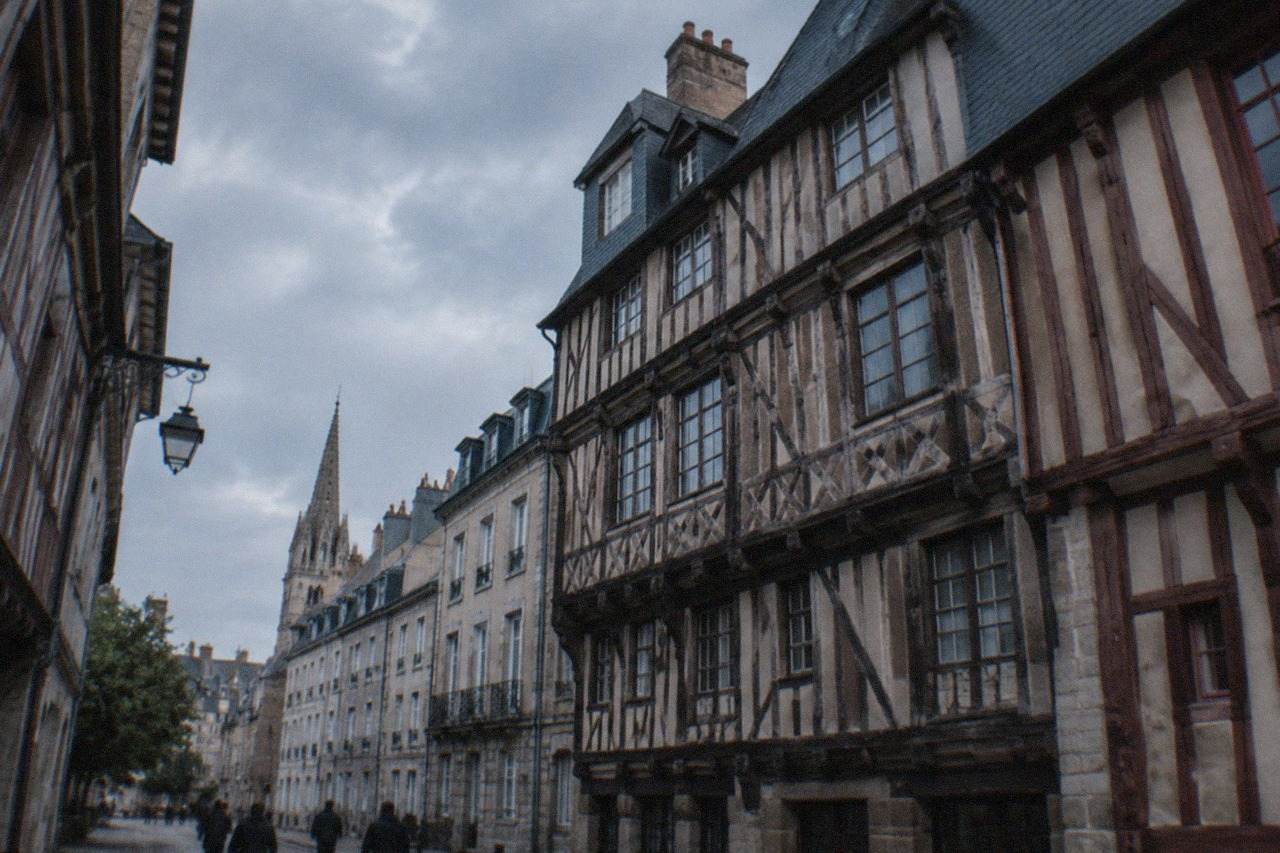
This page comes from the editorial desk of Nantes Travel Guide, so the answer below is written from the Nantes side of the fence. That is an advantage rather than a bias in one sense: the figures quoted here are the figures verified for Nantes and its transport links, while Rennes is described in terms of the character any visitor can check for themselves. No invented numbers for either city, and no pretending the two are interchangeable.
Is Rennes Worth Visiting?
Yes, Rennes is worth visiting for most travellers who are already in Nantes, because it is a genuinely different city reached in about an hour and a quarter by train, and it adds Breton culture, medieval streets and a young student energy that Nantes does not supply. It is not, however, a replacement for Nantes, and anyone choosing one city only should weigh what each does best before committing.
Rennes works as the Breton bookend to a Nantes trip. It is the administrative capital of Brittany, the region Nantes itself belonged to for centuries before a 1941 decree moved Loire-Atlantique to a different administration, a split locals still debate. That history is the point: crossing between the two cities in a single holiday lets you feel both sides of an argument about identity that has run for generations, and our page on why Brittany is different from France covers the background.
In character, Rennes is compact and medieval at its core. Half-timbered houses line the streets around Place Sainte-Anne, and the old quarter burns through a short walk rather than demanding days. Nantes spreads its story along the Loire and the Erdre, from the Château des ducs de Bretagne to the former shipyards of the Île de Nantes, and it takes longer to absorb. A traveller with three days gets more out of Nantes alone than Rennes alone; a traveller with five or more can happily take both.
How Far Is Rennes From Nantes, And How Do You Get There?
Rennes is about an hour and a quarter from Nantes at its fastest by TER regional train, a direct run that makes the trip straightforward for a day trip or an overnight stop. There is no need for a car, the stations sit at the centre of both cities, and the fare is whatever the operator's live listing or ticket machine shows on the day, since no train fare is quoted on this page.
The Nantes to Rennes TER link is one of the region's workhorse routes, and the roughly 1 hour 16 minute fastest timing comes from the operator's own schedule data. Frequency is healthy enough that a missed train rarely wrecks a plan, though timetables shift with the seasons, so check the live schedule before committing to a fixed dinner reservation in either city. For context on distances in this part of France, the TGV journey from Paris to Nantes is a useful reference point, and Rennes sits on a different axis heading north-west into Brittany.
A simple pattern works well: base yourself in Nantes, take a morning TER to Rennes, spend the afternoon and evening in the Breton capital, and return the same night or the next morning. Anyone who prefers to sleep in Rennes and day-trip into Nantes can reverse the logic, but the accommodation base question matters more than the direction, and our how many days should I spend in Nantes page helps size the Nantes half of the trip.
Nantes Or Rennes: Which City Suits You Better?
Choose Nantes if you want the bigger, stranger, more inventive city: the Machines de l'île, a château museum that confronts the slave trade directly, a riverside art trail and a food scene built on Muscadet wine and beurre blanc. Choose Rennes if you want the concentrated Breton experience, medieval streets you can cover on foot in a day and a gateway to the northern Breton coast and its megaliths.
Neither choice is wrong, and the figures in the table below are the Nantes figures, since the facts were verified for Nantes rather than Rennes, and no number is published here for the Breton capital that its own sources do not support. The comparison rows stick to what a reader can check on the ground in both cities.
| What you want | Nantes | Rennes |
|---|---|---|
| Region and identity | Pays de la Loire, Loire-Atlantique; Breton history, French present | Capital of Brittany, strong Breton identity |
| Signature sights | Machines de l'île, Château des ducs de Bretagne, Cathédrale Saint-Pierre-et-Saint-Paul | Half-timbered old quarter, parliament buildings, formal gardens |
| Food and drink | Muscadet country, beurre blanc, LU biscuit heritage, Talensac market | Crêpes and Breton classics in the old streets |
| City scale | 327,734 in the commune, 689,456 in the métropole (INSEE 2023) | A compact regional capital, smaller in feel than Nantes |
| Best base for | The Loire, the vineyards, the Atlantic coast to the south | The northern Breton coast, Saint-Malo, Carnac country |
| Verdict | More days, more variety, more time needed | Fewer days, tighter old-centre walkability |
The honest framing is that Nantes rewards a longer stay while Rennes rewards a tighter one. A first-time visitor with only a weekend and a desire for the famous mechanical elephant, the castle museum and the Loire atmosphere should stay in Nantes and skip Rennes without guilt. A visitor with a week, or one already planning to explore Brittany's coast, gains a lot from adding Rennes, either as a stop in its own right or as the practical springboard for Saint-Malo and the megaliths at Carnac, both of which are easier to reach from Rennes than from Nantes.
How Many Days For Nantes, And How Many For Rennes?
Plan at least two full days for Nantes, and three if you want the Île de Nantes, the château museum and the Passage Pommeraye without rushing; Rennes works as one focused day or a relaxed overnight, since its old centre is compact and its headline pleasures are concentrated. Combined, a two-city trip needs four to five days to feel generous rather than box-ticking.
The Nantes half is the one that punishes under-planning. The green line of Le Voyage à Nantes runs about 20 km across the city, and even a partial circuit eats a day. The Château des ducs de Bretagne houses a history museum spread across dozens of rooms, and the cathedral has only recently reopened after years of restoration work following the 2020 fire, so these stops deserve unhurried time rather than a drive-by. For the detail, read our how many days should I spend in Nantes guide, which breaks the stays down by trip length.
If you want a professional guide to set the frame before you strike out on your own, a private walking tour with a professional guide covers the city's core with someone who does this for a living, and the listing carries its own rating and availability.
The Rennes half is simpler. One early train, a walking loop of the old streets, a long Breton lunch, an afternoon in the gardens or the museum quarter, and either a late return or a night in the city. Travellers who add the coast usually extend to two or three days, but that is a different trip, a Brittany itinerary rather than a city break.
What Else Can You Pair With Rennes Or Nantes?
Pair Rennes with the northern Breton coast: Saint-Malo's walled port, the megalithic fields of Carnac and the Golfe du Morbihan all sit closer to Rennes than to Nantes, and they give the Breton half of the trip its sea legs. Pair Nantes with the Loire: Clisson's Italianate village, the Muscadet vineyards, and the Atlantic beaches and salt marshes of Guérande and La Baule, which are a southern day-trip set Rennes cannot match.
The geography splits the region neatly, and the split is the real answer to this page's question. Travellers who care about wine, the Loire estuary and the southern coast should weight their trip towards Nantes and treat Rennes as an optional northern detour. Travellers who care about Brittany proper, the cider-and-crêpe culture, granite coastlines and prehistoric stones, should weight towards Rennes and treat Nantes as the transport hub and the inventive city contrast. Our most beautiful village near Nantes page covers one of the southern options, and our Nantes vs Rennes comparison digs deeper into the rivalry.
A sample split week runs like this: three nights in Nantes with a Clisson or vineyard day folded in, a morning TER north, two nights in Rennes with a Saint-Malo excursion, then a final night back in Nantes if the flight or the TGV home leaves from there. That loop keeps rail travel light across the whole week and lets each city play to its strengths.

Common Questions About Rennes And Nantes
The questions below are the ones travellers actually type before booking this pair of cities, and each answer keeps to what the verified Nantes figures and the train schedule data support, with Rennes described in character rather than in numbers this site has not verified. Nothing here is padded, and the summary lines carry the short version of the answer.
Is Rennes worth visiting?
Yes, for most travellers already in Nantes it is. It is about an hour and a quarter away by direct TER train, it offers a genuinely Breton old centre with half-timbered houses, and one focused day or an overnight is enough to enjoy it without short-changing Nantes.
Can you visit Rennes as a day trip from Nantes?
Yes. The fastest TER runs take about 1 hour 16 minutes, the stations are central in both cities, and a morning-out, evening-back pattern works comfortably. Check the live timetable before locking a fixed plan, since seasonal schedules shift.
Is Rennes or Nantes better for a first trip to western France?
Nantes, for most people. It has the larger spread of signature sights, from the Machines de l'île to the Château des ducs de Bretagne, and the Loire and vineyard country on its doorstep. Rennes shines as the Brittany gateway once the Nantes side is covered.
Do you need a car for Nantes and Rennes?
No. The train link between them is direct, and Nantes's own tram and bus network covers the city, with weekend travel free from Saturday 00:00 to Sunday 23:59 under Naolib's rules. A car only earns its cost if you are chaining coastal villages off the rail lines.
How many days do you need for both cities?
Four to five days in total: at least two full days in Nantes, more if the green line and the castle museum matter to you, plus one day or an overnight in Rennes. Add a third night in Rennes only if the northern Breton coast is part of the plan.
The short version stands: Rennes is worth visiting, especially as the Brittany half of a trip anchored in Nantes, and the two cities together make a better week than either one alone.