Nantes Slave Trade
Nantes, in the Loire-Atlantique department of the Pays de la Loire region in western France, was the largest slave-trading port in the country. This guide sets out what happened here and where the city confronts it now.
Short answer
Nantes fitted out 1,714 slave-trade expeditions between the mid-17th century and its withdrawal from the trade in 1830, which was 43% of the French total of at least 4,220 voyages. Today that history is told at the free Mémorial de l'Abolition de l'Esclavage on the Quai de la Fosse and in the Musée d'histoire de Nantes inside the Château des ducs de Bretagne, with the old merchant quays and the Île Feydeau in between.
Nantes, in the Loire-Atlantique department of the Pays de la Loire region in western France, was the largest slave-trading port in France. From the middle of the 17th century until the city withdrew from the trade in 1830, Nantes shipowners fitted out 1,714 expeditions to the African coast and the French colonies, 43% of all French slave-trade voyages. The wealth those voyages generated reshaped the city, and the reckoning with that past shapes the memorials and museums you can visit today. This Nantes Travel Guide page sets out the verified numbers, the places where the history is told, and how to plan a visit around them.
What Was The Nantes Slave Trade?
The Nantes slave trade was the city's arm of the French Atlantic triangular trade: between the mid-17th century and 1830, Nantes shipowners sent 1,714 expeditions to the African coast and the French colonies, which was 43% of all French slave-trade voyages. The port's merchants grew rich on the cycle of manufactured goods, captive people and colonial produce, and that wealth reshaped the streets, mansions and institutions of the city.
The triangular pattern is the framework to hold in mind. Ships left the Loire loaded with textiles, alcohol and metalware, exchanged those goods on the African coast for captives, carried the Middle Passage to the French Caribbean colonies, and returned to Nantes with sugar, coffee, cotton and indigo. Each leg carried profit, and the port that organised the whole circuit captured the largest share. The Mémorial's own history pages, published by the city at memorial.nantes.fr, describe Nantes as the first French slave-trade port across that whole period, from the middle of the 17th century to 1830.
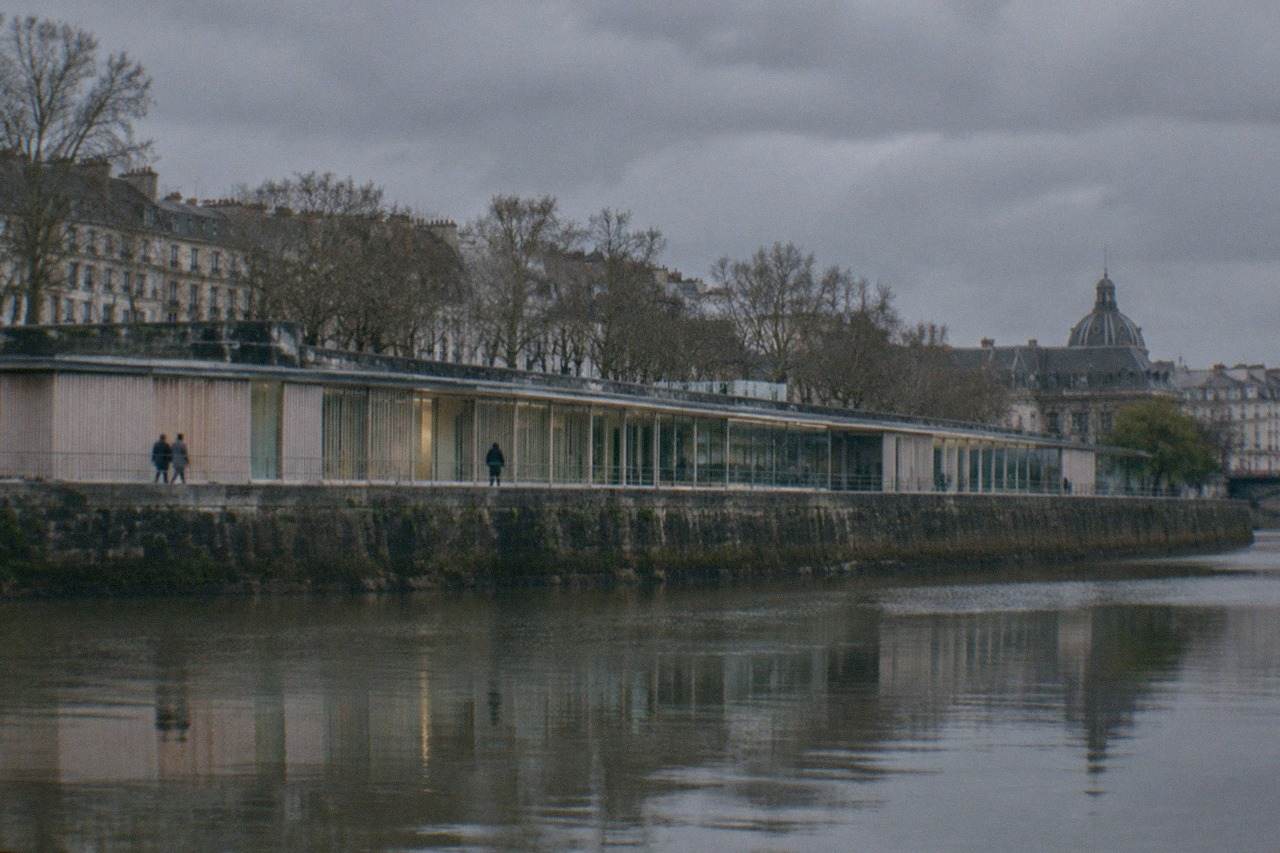
Geography explains much of the dominance. Nantes sits where the Erdre and the Sèvre Nantaise meet the Loire, some way inland from the ocean but on a river deep enough for ocean-going sailing ships of the period. The city had shipyards, rope works, sugar refineries and a merchant class with capital to invest. Downstream, Saint-Nazaire had not yet developed as the deep-water port it became, so the ocean trade concentrated at Nantes itself. The Quai de la Fosse, where the Mémorial now stands, was the working heart of that system, with shipowners' residences standing almost on top of the docks that made their fortunes.
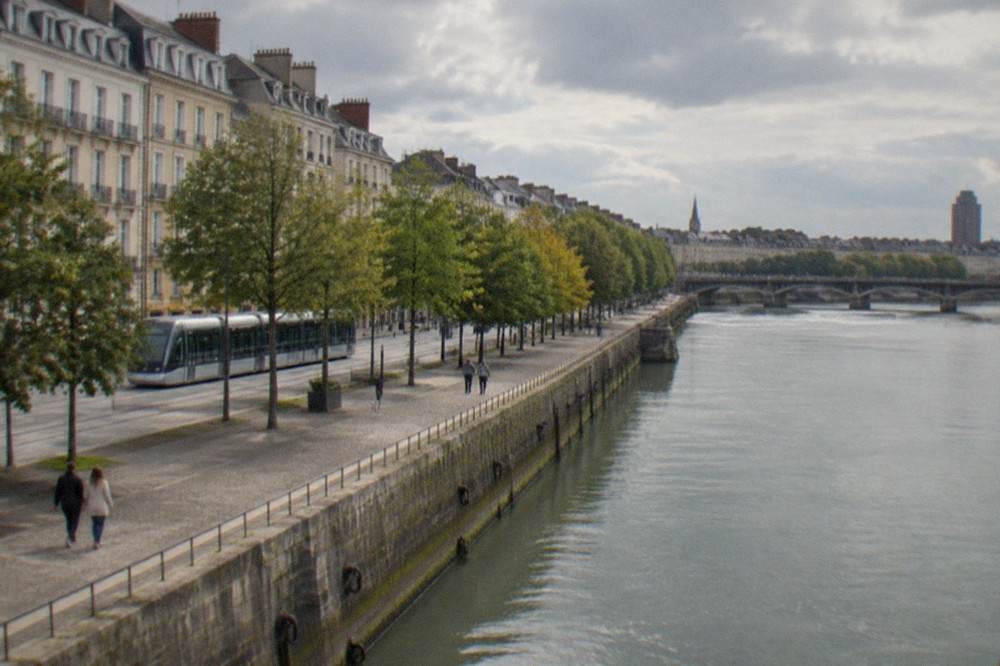
The figures below are the ones verified against the Memorial's own published pages, and they are the numbers to quote when a guide hedges or rounds them.
| Figure | Value | Status |
|---|---|---|
| Expeditions fitted out at Nantes | 1,714 | Verified, memorial.nantes.fr |
| French slave-trade expeditions, total | At least 4,220 | Verified, memorial.nantes.fr |
| Nantes share of the French trade | 43% | Verified, memorial.nantes.fr |
| Year Nantes withdrew from the trade | 1830 | Verified, memorial.nantes.fr |
| Year Le Havre, the last major port, withdrew | 1847 | Verified, memorial.nantes.fr |
| Mémorial de l'Abolition de l'Esclavage opened | 2012 | Reported |
One caution on rounding: plenty of summaries write "around 1,700" or "over 1,700" voyages. The Memorial gives the count as 1,714 of at least 4,220 French expeditions, and the difference between those two figures is the difference between one port's story and the national one. Keep the two numbers separate and the share, 43%, follows naturally from them.
How Long Did Nantes Dominate The French Slave Trade?
Nantes entered the trade in the mid-17th century and stayed in it longer than any other major French port, withdrawing only in 1830, seventeen years before Le Havre quit in 1847. Of at least 4,220 French expeditions across the whole period, 1,714 sailed from Nantes, 43% of the national total. That endurance, more than any single peak decade, is what made the city the trade's centre in France.
The trade's formal end at Nantes came in 1830, when the port's shipowners withdrew from slave-trading voyages. Le Havre carried on until 1847. Between those dates the French trade was already illegal in theory and persistent in practice, which is part of why the Memorial frames the abolition story of the 19th century as a process rather than a single date.
The wider city history around the trade includes some of the darkest episodes France recorded. On 29 June 1793 a Vendéen royalist force attacked Nantes in the Battle of Nantes, and the repression that followed the city's successful defence included the drownings in the Loire, the noyades, during 1793 and 1794, when captives were executed in the river that had carried the trade's ships. The Revolution's years sit inside the trade's period, not after it, and the Museum's permanent route does not separate them.
| Period or date | Event |
|---|---|
| Mid-17th century | Nantes begins fitting out slave-trade expeditions, becoming France's leading port in the trade |
| 29 June 1793 | Battle of Nantes, Vendéen attack on the city |
| 1793-1794 | The Terror in Nantes, including the noyades drownings in the Loire |
| 1830 | Nantes withdraws from the slave trade |
| 1847 | Le Havre, the last major French port in the trade, withdraws |
| 2012 | The Mémorial de l'Abolition de l'Esclavage opens on the Quai de la Fosse |
| 8 May to 8 November 2026 | Expression(s) décoloniale(s) #4 runs at the château museum and the Mémorial |
The 2026 exhibition in that final row is the current reason to time a visit: Expression(s) décoloniale(s) #4 places contemporary works by the Brazilian artist Rosana Paulino, photography series by Omar Victor Diop and new texts by the Beninese historian Lylly Houngnihin in dialogue with the château's permanent collection on the slave trade, and the château's own programme offers guided dates for it through September and October 2026.
If a walk guided by someone who knows where these events happened appeals, the walking options below are the site's verified listings for the city centre, including the Old Town streets where the shipowners built their mansions.
Where Can You Learn About The Nantes Slave Trade Today?
Four places carry the story: the Mémorial de l'Abolition de l'Esclavage on the Quai de la Fosse, free to enter; the Musée d'histoire de Nantes inside the Château des ducs de Bretagne, 9 EUR full tariff and 5 EUR reduced; the quays and the Île Feydeau streets where the merchants built their mansions; and the Musée Dobrée on the south side of the river, 9 EUR full and 6 EUR reduced. Together they cover the trade, the fortunes it made and the abolition it forced.
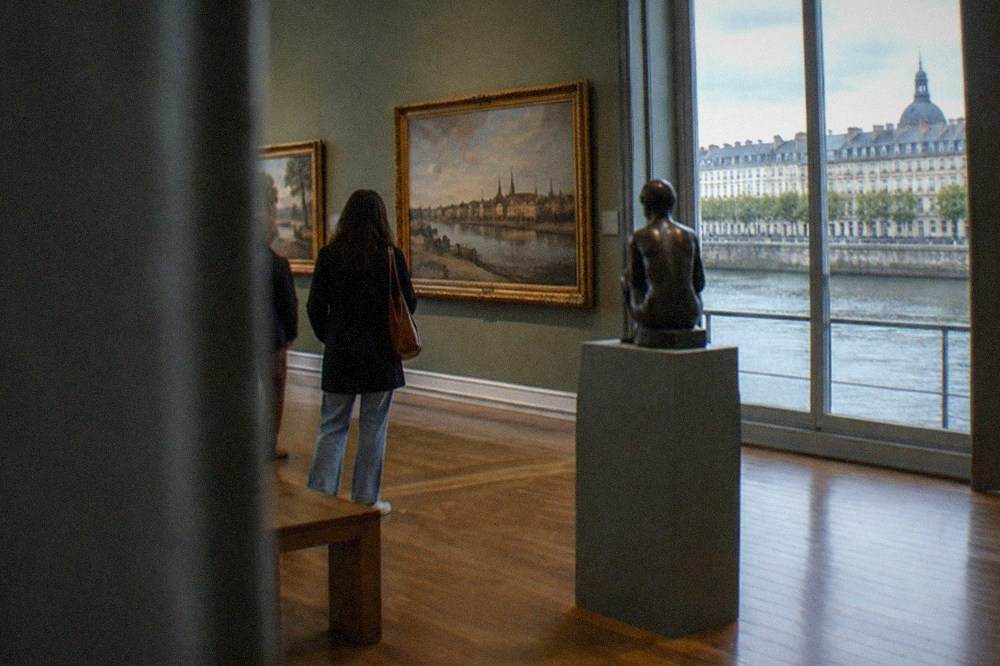
The Mémorial and the château museum are the two essential stops, and they do different jobs. The Mémorial is a commemorative site: it names the trade, centres the captives, and places the visitor physically on the quays where the ships moored. The château museum is an interpretive one: 32 rooms and more than 1,150 objects that put the trade inside the whole arc of Nantes history, from the medieval duchy through the 20th century. The Île Feydeau, a short walk away, is the third layer, the architecture itself, streets of trade-era merchant houses whose carved heads and caryatids were paid for by the Atlantic economy.
| Site | Entry cost | What it covers |
|---|---|---|
| Mémorial de l'Abolition de l'Esclavage, Quai de la Fosse | Free | Commemoration of the trade and abolition, on the former docks |
| Musée d'histoire de Nantes, Château des ducs de Bretagne | 9 EUR full, 5 EUR reduced | The trade inside the full arc of city history, 32 rooms |
| Château courtyard and ramparts | Free | The fortress the dukes built, walls walkable daily |
| Île Feydeau streets | Free | Merchant mansions of the trade-era port |
| Musée Dobrée, rue Voltaire | 9 EUR full, 6 EUR reduced | Departmental collections from the Loire-Atlantique heritage |
For a deeper background read before you go, the site's Nantes history overview places these decades in the city's longer story, and the museums in Nantes guide covers the full museum set, including which ones are closed for works. One practical warning that matters here: the Muséum d'histoire naturelle is closed for renovation until 2029, so it should not appear in any rainy-day plan, and the Pass Musées does not include it while it is shut.
A guided orientation walk is the simplest way to connect these sites on foot, and the operator's live listing shows current availability.
What Is The Mémorial De L'Abolition De L'Esclavage In Nantes?
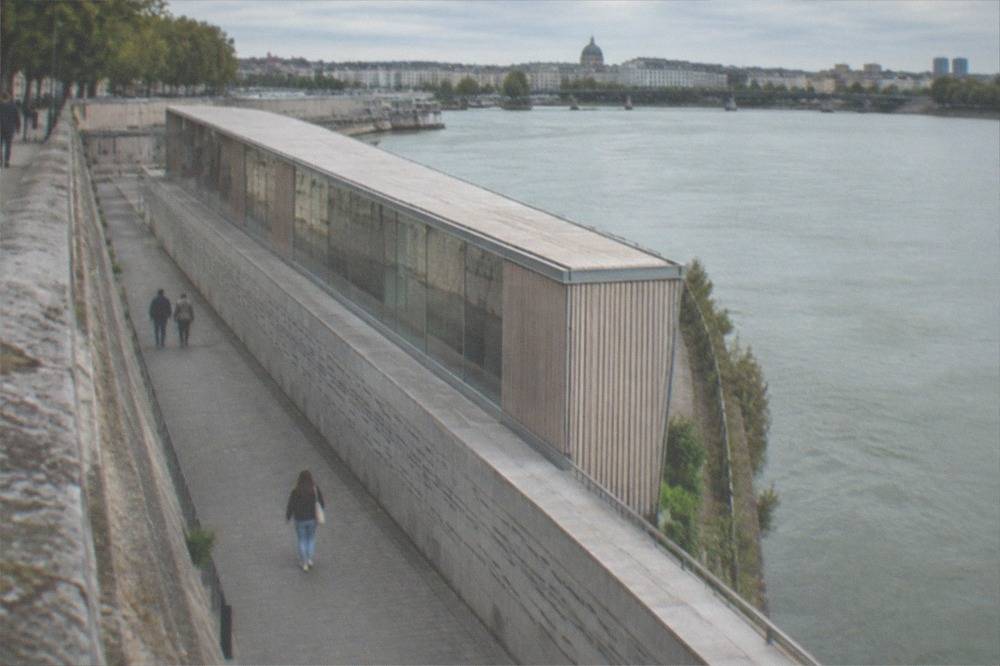
The Mémorial de l'Abolition de l'Esclavage is a free open-air memorial on the Quai de la Fosse, opened in 2012 on the former docks of the slave-trade port. Its underground passage runs along the old quays, engraved with the names of slave ships and the ports of the trade. Seasonal hours apply: 9:00 to 18:00 from 16 September to 14 May, and 9:00 to 20:00 from 15 May to 15 September, with last access 30 minutes before closing.
The design works by descent and proximity. Rather than a statue to look up at, the Memorial takes you below the level of the quay, into a covered walkway cut into the old dock wall, where the names of ships and ports are set into the stone and the Loire runs past the openings. The city's Memorial pages describe the site as a place for both the history of the trade and the celebration of abolition, and its position on the actual working quays of the port is the whole point: this is where the ships tied up.
| Mémorial practical | Detail |
|---|---|
| Entry | Free |
| Hours, 16 September to 14 May | 9:00 to 18:00 daily |
| Hours, 15 May to 15 September | 9:00 to 20:00 daily |
| Last access | 30 minutes before closing |
| Location | Quai de la Fosse, west side of the old port |
| Exception | Closes during Loire floods |
That flood exception is not boilerplate. In February 2026 the Loire reached 8.18 metres at the Pont Anne-de-Bretagne, reported as the first time the river passed 8 metres there in roughly fifteen years, and low-lying river sites in Nantes closed during the episode. If you are visiting between late autumn and spring and the river is high, check the Memorial's own site before walking down to the quay. The site's Nantes weather guide covers the rain and river patterns behind this.
The Mémorial also participates in the city's contemporary programme: the Expression(s) décoloniale(s) #4 exhibition runs there and at the château from 8 May to 8 November 2026, extending the commemorative site with contemporary art and historical texts. Booking a guided walk for the same stretch of quays is easiest done direct, with free cancellation available on the operator's live listing.
How Does The Château Des Ducs De Bretagne Cover The Slave Trade?
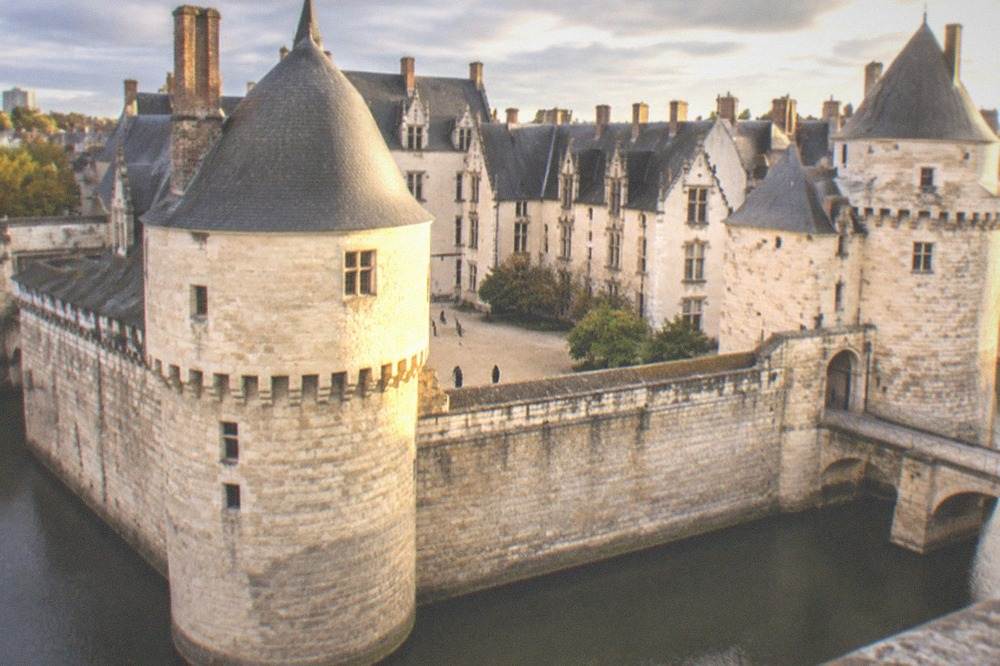
The Château des ducs de Bretagne houses the Musée d'histoire de Nantes, a 32-room permanent collection of more than 1,150 objects that gives the Atlantic slave trade a central place in the city's story, running from medieval Nantes through the trade, the world wars and the modern city. Entry to the museum is 9 EUR full tariff, 5 EUR reduced, free for under-18s, and the courtyard and ramparts around it are free to walk every day.
The building itself predates the trade by two centuries. Francis II, Duke of Brittany, began rebuilding the château in 1466, and his daughter Anne of Brittany, born at the château on 25 January 1477, went on to rule both Brittany and France as its duchess and twice its queen. The union of the duchy with the kingdom of France came in 1532. The city bought the château in 1915 and the museum opened in it in 1924, so the fortress of the dukes now fronts the museum that examines, without softening, what one of their cities later did.
| Château museum practical | Detail |
|---|---|
| Museum and exhibitions | 9 EUR full, 5 EUR reduced, free under 18 |
| Free days | First Sunday of the month, September to June, excluding July and August |
| Hours | 10:00 to 18:00, closed Monday |
| July and August | 10:00 to 19:00, open daily |
| Courtyard and ramparts | Free, 8:30 to 19:00 daily, later in summer |
| Guided tours | varies by venue full, varies by venue reduced, reservation required |
| Annual closures | 1 January, 1 May, 1 November, 25 December |
The permanent route ends in the contemporary city, and that ending matters. The slave-trade galleries do not sit in an isolated wing: the trade's wealth is presented as the engine of the port city at its peak, feeding the mansions of Graslin, the refineries and the port works, and then the route follows Nantes through industrial decline and reinvention. For the connection to the city's present-day cultural economy, the Le Voyage à Nantes guide covers the summer art trail and the green line that threads these quarters together.
Can You Walk The Slave-Trade Waterfront In Nantes?
Yes, and the route links the main sites in a single riverside line: start at the Mémorial de l'Abolition de l'Esclavage on the Quai de la Fosse, follow the quay toward the Hangar à Bananes on the Île de Nantes, then cross back to the Île Feydeau, where the trade-era merchant mansions still stand with sculpted faces on their facades. Every part of the walk is free, on public streets, and reachable by tram and the Navibus river crossings.
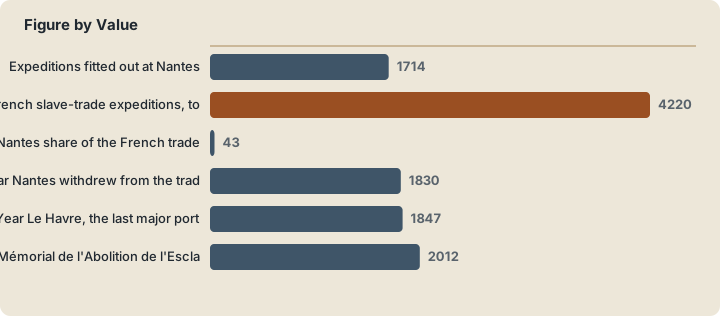
The Quai de la Fosse walk is the spine of it. The quay runs along the north bank west of the city centre, and its stone walls and mooring rings are the surviving fabric of the port that launched the expeditions. Street names along and near it still carry the families of the shipowning and refining trades, and the Memorial sits about halfway along. Across the water, the Île de Nantes side ends at the Hangar à Bananes, the old banana warehouses now given over to galleries, bars and the HAB Galerie, which hosted the INTERSTELLAR exhibition from 23 May to 27 September 2026.
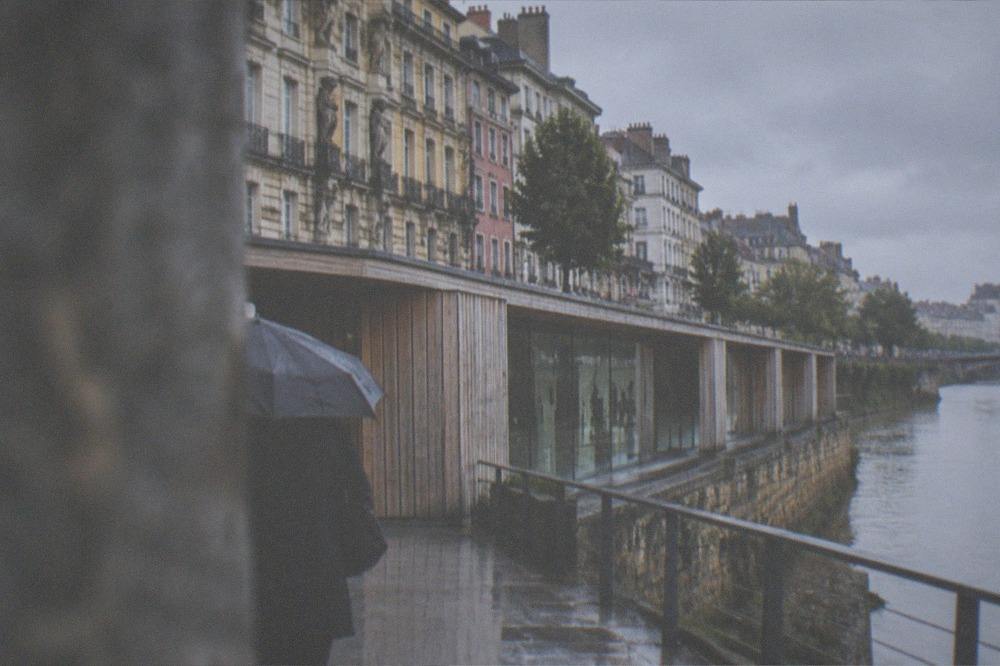
The Île Feydeau, reached by crossing back over the Loire, is where the profits became architecture. The island's narrow streets hold mansions built for shipowners and refiners, their facades crowded with sculpted heads and figures in the style of the Atlantic port cities the trade connected, standing above cellars that stored colonial goods. Jules Verne was born on the island, at 4 rue Olivier-de-Clisson, on 8 February 1828, into a waterfront world the trade had built. The Naolib river buses, the Navibus lines, cross the Loire and the Erdre on normal network tickets, so the loop can be walked one way and floated back.
For the wider old-city context around this route, things to do in Nantes collects the full set of sights, and the guided walking listing below is the natural companion to a self-guided quay walk, since a local guide can point out the mansion details you would otherwise walk past.
How Much Time Should You Give This History In Nantes?
The core of this history can be covered in a half-day spread across two sites, the Mémorial de l'Abolition de l'Esclavage and the Musée d'histoire de Nantes, which face each other across a short stretch of the city centre. The full circuit, adding the Quai de la Fosse, the Île Feydeau and the Musée Dobrée, fits a full day comfortably. A Naolib ticket costs 1.80 EUR for an hour of travel, or 6.80 EUR for 24 hours, connecting every stop.
Two practical notes shape the plan. First, the château museum closes on Mondays outside summer, so a Monday visit shrinks to the Memorial, the quays and the free courtyard. Second, the weekend rule works in your favour: Naolib transport is free for everyone from midnight Saturday to 23:59 Sunday, on trams, buses and the Navibus river crossings, so a weekend circuit costs nothing in transport. The exceptions are the airport shuttle, which always costs 10 EUR, but that does not touch a city-centre history day.
| Naolib ticket | Price | Validity |
|---|---|---|
| Single 1-hour ticket | 1.80 EUR | Tram, bus, Navibus, TER inside the métropole |
| 24-hour ticket | 6.80 EUR | Whole network |
| 10-trip carnet of 1-hour tickets | 17.80 EUR | Whole network |
| 24-hour ticket for 4 people | 15 EUR | Whole network, one purchase |
| Weekend travel | Free | Saturday 00:00 to Sunday 23:59, everyone |

If you are staying longer, the Pass Nantes guide compares the 24-hour to 7-day passes, which bundle the château museum, the Machines de l'île and transport, and the getting around Nantes guide explains the tram, busway and Navibus lines in detail. Free options are collected in the free things to do in Nantes guide, which includes the Mémorial, the Feydeau streets and the château courtyard.
The Old Town, where the quay walk ends, is also the city's eating quarter, so a morning on this history can flow into a long lunch in Bouffay. The Nantes food guide and the best restaurants in Nantes guide cover the classics, including the dishes, like beurre blanc, that the Atlantic port economy fed. A guided food walk through the Old Town is one way to combine the two, and the listing below shows current dates and prices on the operator's live listing.
What Tours And Passes Help You Explore Nantes' Past?
A guided walking tour is the most direct way to put the slave-trade sites in context, and a city pass covers the museum entry: the Pass Nantes costs 30 EUR full tariff for 24 hours and includes the Musée d'histoire de Nantes plus unlimited Naolib transport, with 48-hour, 72-hour and 7-day versions scaling up. The walking, food and wine options below are this site's verified listings, with prices and ratings rendered from their live listings rather than quoted here.
The pairing that suits this subject best is a walking tour for the geography and the château museum for the detail, in either order. The walking listings include a one-hour local orientation walk, a surprise walk, a photo-spots walk, a self-guided app tour with 35 stops, and private custom walks of two to eight hours, so the depth can be scaled to the visit. Beyond walking, the food and wine options open a different angle on the same Atlantic economy: Muscadet, the local white wine of the Melon de Bourgogne grape, was part of the port's trade world, and a sensory tasting visit in the city or a van tour into the vineyards around the Sèvre Nantaise connects the countryside to the quays.

The Muscadet options below round out the regional picture, from a sensory tour and tasting in the city to a vineyard van tour, and the full set can be compared in the pick list with the walking and food options.
Timing the visit matters as much as choosing the tours. The best time to visit Nantes guide explains the seasonal trade-offs, and the question of is Nantes worth visiting weighs the city's darker history honestly against everything else it offers. For anyone asking where this city sits, the where is Nantes guide places it on the map of western France, and the question of its Breton identity, which the slave-trade era straddles, is taken up in is Nantes in Brittany.
Common Questions About The Nantes Slave Trade
How many slave-trade expeditions left Nantes?
1,714 expeditions sailed from Nantes, out of at least 4,220 French slave-trade expeditions in total. That gave the city 43% of the French trade, the largest share of any French port.
When did Nantes stop the slave trade?
Nantes withdrew from the slave trade in 1830. Le Havre, the last major French port still trading, withdrew in 1847.
Where is the Mémorial de l'Abolition de l'Esclavage in Nantes?
The Memorial stands on the Quai de la Fosse, on the north bank of the Loire west of the city centre, on the former docks of the slave-trade port. It is free to enter and closes only during Loire floods.
Is the Muséum d'histoire naturelle in Nantes open?
No. The Muséum d'histoire naturelle has been closed for major works since November 2025 and is scheduled to reopen in 2029, so it cannot be part of any current visiting plan.
Does the Pass Nantes include the château museum?
Yes. The Pass Nantes, from 30 EUR full tariff for 24 hours, includes one entry to the Musée d'histoire de Nantes at the Château des ducs de Bretagne, along with unlimited Naolib transport and other partner sites.
What exhibition covers the slave trade in Nantes in 2026?
Expression(s) décoloniale(s) #4 runs from 8 May to 8 November 2026 at the château museum and the Mémorial, pairing contemporary works with the permanent collection on the slave trade and its memory.
The Nantes slave trade is not a footnote to the city, it is the mechanism behind much of what a visitor otherwise admires here, from the mansions of the Île Feydeau to the fortunes that built Graslin. The Memorial on the Quai de la Fosse, the château museum's 32 rooms and the waterfront between them make that past specific, named and walkable, and the numbers on this page, 1,714 expeditions, 43% of the French trade and a withdrawal only in 1830, are the anchor facts to carry onto the quays.