Museums In Nantes
Nantes, in the Loire-Atlantique department of the Pays de la Loire region of western France, runs its museum collection out of a ducal castle, a nineteenth-century art palace, a ship-owner's townhouse and the childhood city of Jules Verne. Here is what each one costs, when it opens, and which pass actually pays off.
Short answer
The main museums in Nantes are the Musée d'histoire de Nantes inside the Château des ducs de Bretagne (9 EUR full, 5 EUR reduced, closed Monday), the Musée d'Arts de Nantes (9 EUR full, 4 EUR reduced, closed Tuesday, free 19:00-21:00 on Thursday evenings), the Musée Jules Verne (4 EUR) and the Musée Dobrée (9 EUR, closed Monday and Tuesday). The Mémorial de l'abolition de l'esclavage is free. The 15 EUR Pass Musées covers four museums for a year.
Nantes, in the Loire-Atlantique department of the Pays de la Loire region of western France, packs an unusually strong museum offer for a city of its size. The history museum sits inside the castle of the dukes of Brittany. The fine arts collection fills a pale stone palace near the cathedral, with a Thursday evening nocturne that costs nothing after 19:00. Jules Verne's name runs over a small museum on the Butte Sainte-Anne, and the Musée Dobrée, reopened in May 2024 after roughly thirteen years of closure, rounds out the list in a grand townhouse off the rue Voltaire. This guide from the Nantes Travel Guide editorial desk sets out what each museum holds, what entry costs, when the doors open, and which of the two city passes is worth buying for your visit.
What Are The Best Museums In Nantes?
The best museums in Nantes are the Musée d'histoire de Nantes inside the Château des ducs de Bretagne, with 32 rooms and more than 1,150 objects on the city's whole story, the Musée d'Arts de Nantes with its old master to contemporary collections, the small and focused Musée Jules Verne, and the Musée Dobrée with its medieval and decorative holdings. The free Mémorial de l'abolition de l'esclavage belongs on any list too.
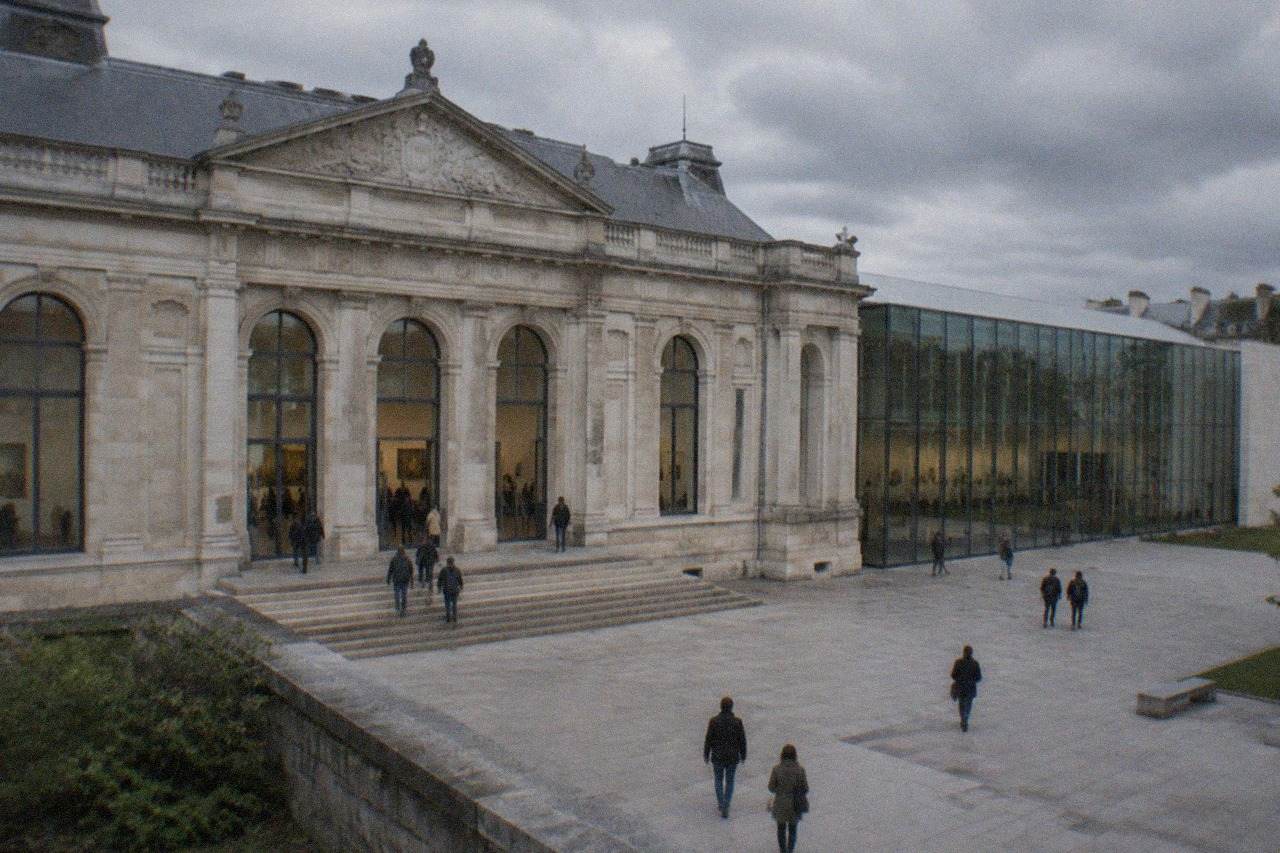
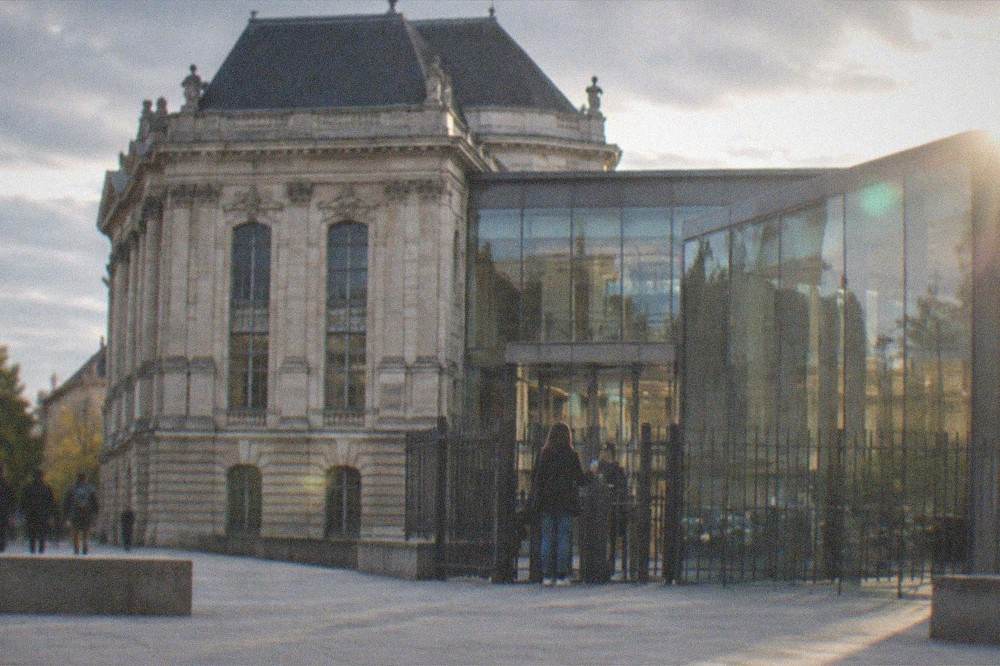
The château museum is the anchor. Built from 1466 under Duke Francis II, the fortress later saw Anne of Brittany born within its walls on 25 January 1477, and the permanent exhibition walks through the dukes, the port, the slave trade and the industrial city without flinching. The Musée d'Arts de Nantes, by contrast, is a pure art museum: a nineteenth-century building whose renovation gave the modern wing, the Cube, its own identity, closed Tuesdays, open late on Thursdays. The Musée Jules Verne sits across the Loire on the Butte Sainte-Anne and reads the novelist's life through manuscripts, models and scientific instruments.
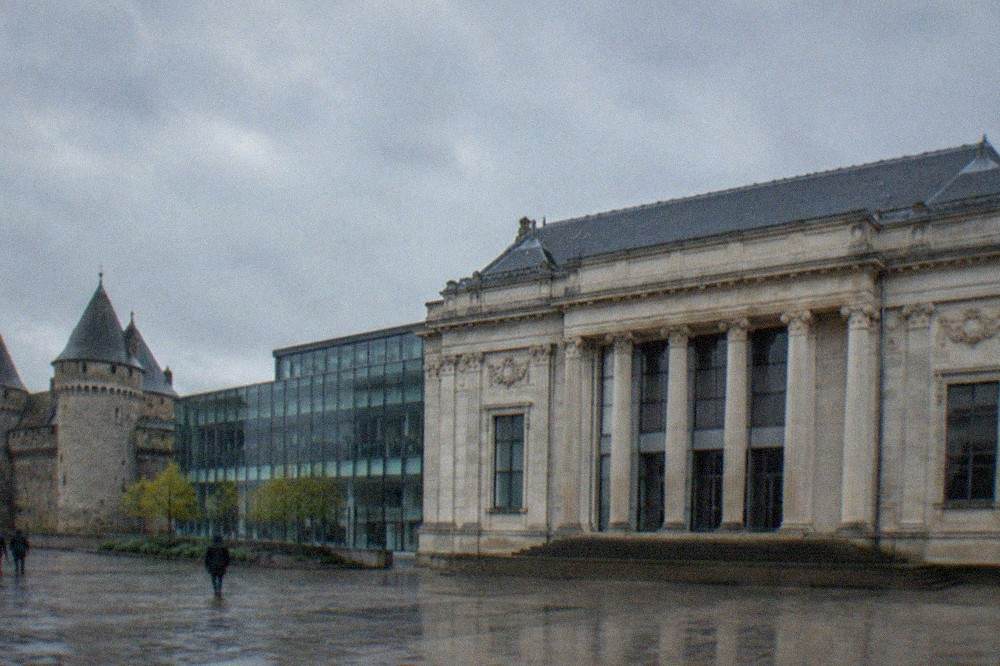
The Dobrée, reopened in May 2024, holds the department's collections in a building constructed for a wealthy ship-owner's family. It closes on Mondays and Tuesdays, which shapes any itinerary. The Mémorial de l'abolition de l'esclavage, down on the quai de la Fosse, is a free open-air and underground memorial rather than a conventional museum, but it carries the most important history in the city: Nantes outfitted 1,714 slave-trade expeditions, 43 percent of the French total, and withdrew from the trade in 1830.
If you are planning a first visit, our one day in Nantes itinerary threads several of these together on foot. The green line walking route passes the château and the art museum too.
How Much Do Nantes Museum Tickets Cost?
Ticket prices in Nantes museums run from free to 9 EUR: the Musée d'histoire de Nantes at the château charges 9 EUR full and 5 EUR reduced, the Musée d'Arts de Nantes charges 9 EUR and 4 EUR, the Musée Dobrée charges 9 EUR and 6 EUR, and the Musée Jules Verne is the cheapest at 4 EUR with a 1.50 EUR reduced rate. The Mémorial de l'abolition de l'esclavage is free for everyone.
The full tariff table, drawn from each museum's own pricing page:
| Museum | Full price | Reduced price | Free for |
|---|---|---|---|
| Musée d'histoire de Nantes (château) | 9 EUR | 5 EUR | Under 18s |
| Musée d'Arts de Nantes | 9 EUR | 4 EUR | Under 18s |
| Musée Dobrée | 9 EUR | 6 EUR | Under 26s, jobseekers |
| Musée Jules Verne | 4 EUR | 1.50 EUR | First Sunday of the month (Sept to June) |
| Mémorial de l'abolition de l'esclavage | Free | Free | Everyone |
| Château courtyard and ramparts | Free | Free | Everyone, 8:30 to 19:00 daily |
A few details save real money. The château's 5 EUR reduced rate covers 18 to 25 year olds, teachers and large families, and it also applies in the last hour before closing. The art museum opens free of charge between 19:00 and 21:00 on Thursday evenings, during its nocturne. Les Machines de l'île sits outside the conventional museum list but prices like one: each of its three activities, the Galerie, the Carrousel or the Grand Éléphant ride, costs 12 EUR full price, with 8 EUR for children aged 4 to 12, 20 EUR for two activities and 29 EUR for three. Note that no elephant rides run from 2 November 2026 to 28 February 2027 for maintenance, so plan a winter visit around the Galerie and Carrousel instead.
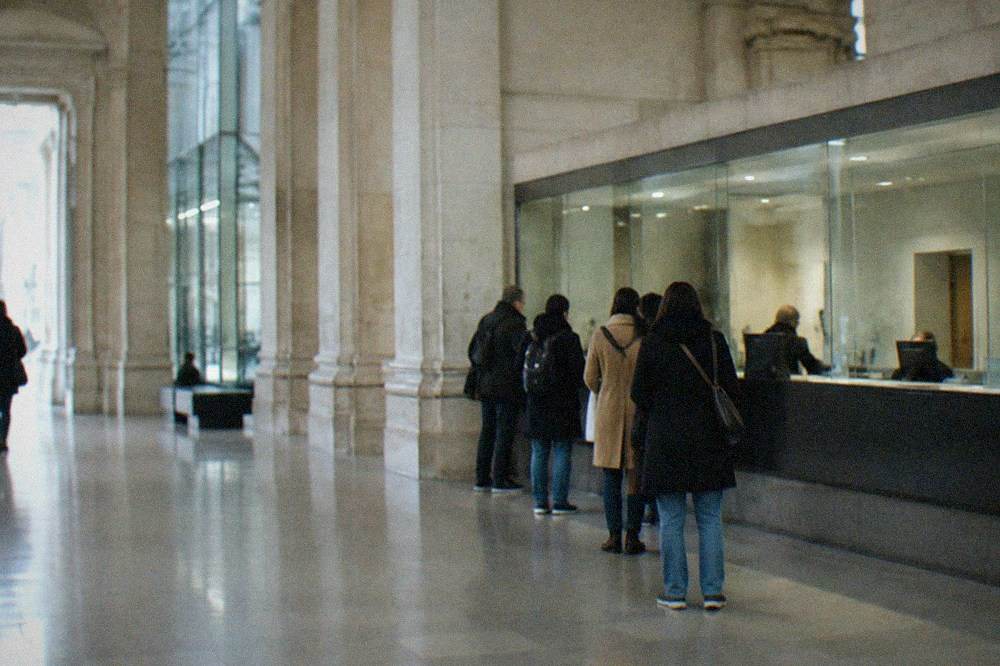
Opening days matter as much as prices. The château museum and the Dobrée both close on Mondays. The art museum and the Jules Verne museum both close on Tuesdays. Only the free courtyard and the Mémorial run seven days a week.
| Museum | Hours | Closed |
|---|---|---|
| Musée d'histoire de Nantes | 10:00-18:00, to 19:00 daily in July and August | Monday |
| Musée d'Arts de Nantes | 11:00-19:00, Thursday to 21:00, from 10:00 in July and August | Tuesday |
| Musée Jules Verne | 14:00-18:00, Saturday mornings 10:00-12:00, daily 10:00-19:00 in summer | Tuesday |
| Musée Dobrée | 10:00-18:00 Wednesday to Sunday, to 19:00 in July and August | Monday and Tuesday |
| Mémorial de l'abolition | 9:00-18:00 (16 Sept to 14 May), 9:00-20:00 (15 May to 15 Sept) | Closed during Loire floods |
Visitors who prefer structure over self-direction have several options, from a fixed-route app walk to a guided private visit and an old town food tour with museum-adjacent stops.
Which Nantes Museums Are Free?
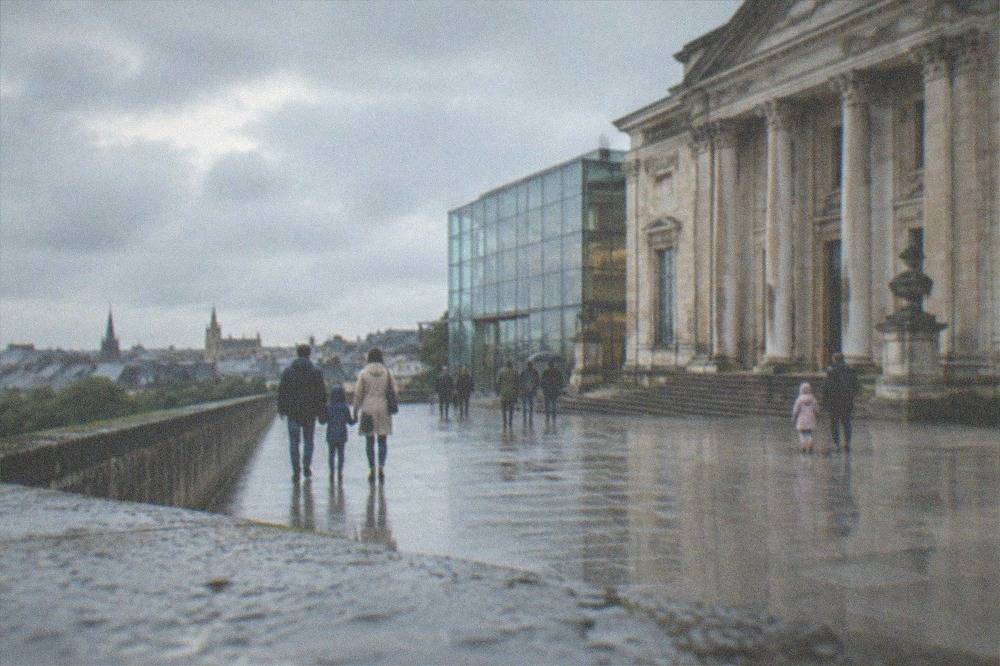
The free options are the Mémorial de l'abolition de l'esclavage, open daily and free to all, the Château des ducs de Bretagne courtyard and ramparts, free daily from 8:30 to 19:00, and the Thursday evening nocturne at the Musée d'Arts de Nantes, free from 19:00 to 21:00. Under-18s enter the château museum and the art museum free on any open day. Several museums also open free on the first Sunday of each month from September to June.
The first-Sunday rule is the quiet bargain of the Nantes museum calendar. From September to June, excluding July and August, the first Sunday of the month brings free entry at participating metropolitan museums. Combined with the free courtyard, the free Mémorial and the Thursday nocturne, a determined visitor can see a great deal of Nantes without buying a single ticket. Our broader free things to do in Nantes guide collects the full list beyond the museums.
| Free option | What you get | When |
|---|---|---|
| Château courtyard and ramparts | Full walk of the fortress walls and moat garden | Daily 8:30-19:00, to 20:00 July-August |
| Mémorial de l'abolition | Underground memorial to the slave trade and its abolition | Daily, last access 30 minutes before close |
| Art museum nocturne | All galleries, including temporary exhibitions | Thursdays 19:00-21:00 |
| First Sunday free | Entry at participating metropolitan museums | First Sunday, September to June |
| Under-18 entry | Free at the château museum and Musée d'Arts | Any open day |
The Jules Verne museum joins the first-Sunday scheme as well, and its standard 4 EUR ticket is low enough that many visitors simply pay it. For everything else, see Nantes on a budget.
What Will You See At The Musée D'histoire De Nantes Inside The Château?
The Musée d'histoire de Nantes occupies 32 rooms inside the Château des ducs de Bretagne and displays more than 1,150 objects tracing the city from the dukes of Brittany through the port era, the Atlantic slave trade, the world wars and industrialisation. The section on the slave trade is the most significant in France outside Paris. The building itself, started in 1466 under Francis II, is as much the exhibit as the collection inside it.
The slave-trade galleries are unflinching. Nantes was the largest French slave-trading port, and the museum does not soften that: the Mémorial's own figures give 1,714 expeditions fitted out here, 43 percent of the French trade, before the city's shipowners withdrew in 1830. Our dedicated Nantes slave trade history guide covers the full story, and the wider history of Nantes fills in everything the museum rooms compress.
The castle adds layers the label panels barely need. Anne of Brittany, the twice-crowned queen whose marriage bound Brittany to France, was born here on 25 January 1477. The Edict of Nantes was signed at the château by Henri IV in April 1598, on the 30th of the month by the château's own account, ending the wars of religion. The city bought the fortress in 1915 and opened the museum in 1924, and a ten-year restoration finished in 2007.
The 9 EUR ticket covers the permanent collection and, on the day of writing, the temporary programme too. The exhibition "Expression(s) décoloniale(s) #4" runs from 8 May to 8 November 2026, placing contemporary work by Rosana Paulino, Omar Victor Diop and the historian Lylly Houngnihin in dialogue with the permanent galleries on the trade. A recent summer exhibition, "Sorcières", which closed on 28 June 2026, drew around 109,523 visitors according to figures reported by the château, and the museum's summer 2026 reorganisation swapped the ticket desk and the bookshop to improve visitor flow.
Guided visits at the château cost extra, with full and reduced rates listed on the museum's tariff sheet, and the building is fully accessible, labelled Tourisme & Handicap across all four categories. If you would rather have a guide than an audio wand, a private walk can be arranged.
What Does The Musée D'Arts De Nantes Hold?
The Musée d'Arts de Nantes holds one of France's largest fine arts collections outside Paris, spanning old masters, nineteenth-century painting and contemporary art across a historic palace and a modern cube. Entry is 9 EUR full and 4 EUR reduced, free for under-18s, and the museum closes on Tuesdays. On Thursdays it stays open until 21:00, with free entry from 19:00.
The collection's strength is its breadth. The permanent display runs from the Italian primitives and the French school through to Kandinsky, Monet and contemporary commissions, and the rehang after the museum's major renovation gave the modern wing, the Cube, its own identity. Last entry is 30 minutes before closing, and in July and August the doors open from 10:00.
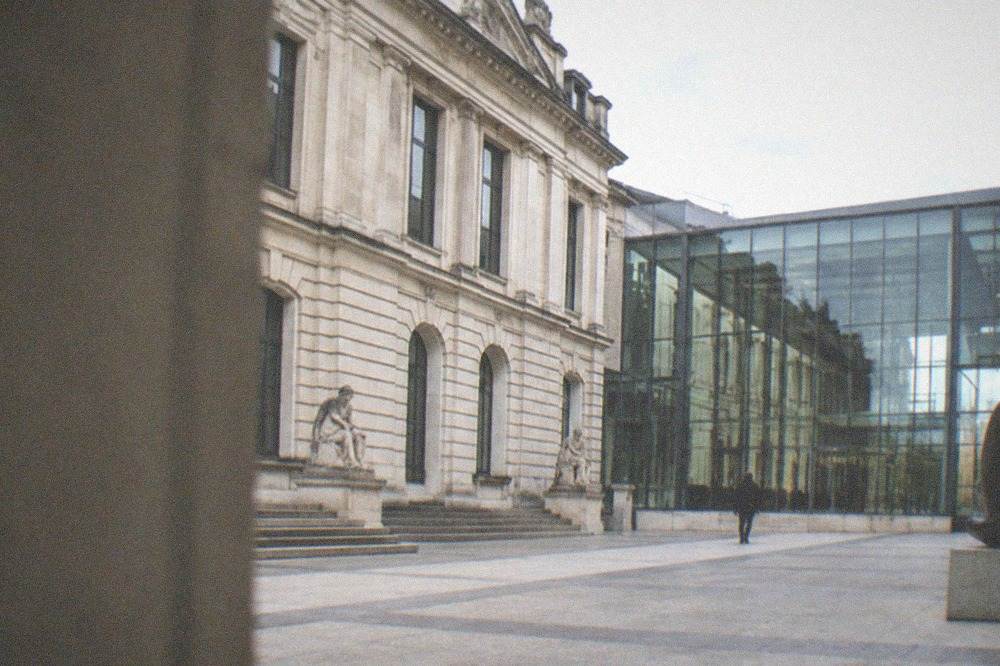
Thursday evening is the connoisseur's slot. The nocturne runs to 21:00 and the final two hours cost nothing, which makes it the best-value fixed appointment in the city's cultural calendar. The museum also participates in the first-Sunday free entry scheme from September to June, and it sits within a short walk of the cathedral and the Passage Pommeraye, so it slots naturally into a Graslin-and-cathedral walking day.
For visitors who want commentary on the collections rather than silence, the self-guided app route covers the museum district among its 35 stops.
Is The Musée Jules Verne Worth Visiting?
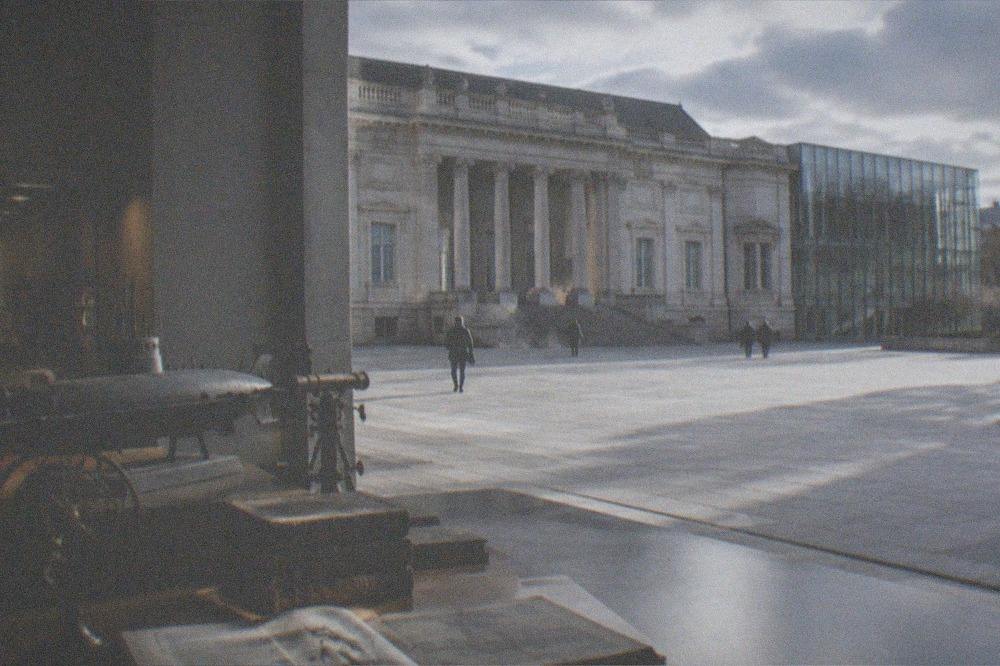
The Musée Jules Verne is worth visiting for anyone interested in the novelist, who was born in Nantes on 8 February 1828 at 4 rue Olivier-de-Clisson on the Île Feydeau. The small museum at 3 rue de l'Hermitage on the Butte Sainte-Anne charges 4 EUR full and 1.50 EUR reduced, and displays manuscripts, first editions, models and scientific instruments tied to his voyages. It closes on Tuesdays and is not air-conditioned.
The museum reads Verne's fiction back against the port city that shaped it. The Loire trade, the ship-owners' houses of the Île Feydeau and the harbour all fed the imagination of the man who wrote "Twenty Thousand Leagues Under the Seas", and the displays lean into that connection. The standard hours are afternoons, 14:00 to 18:00, with Saturday morning openings at 10:00; in July and August 2026 it opened daily 10:00 to 19:00.
A bigger future is planned: the Cité des Imaginaires project will move and expand the Verne museum into the former Cap 44 flour mill in Bas-Chantenay, with opening targeted for 2028. Until then the Butte Sainte-Anne site is the place, reached on foot up from the Chantenay riverbank or by bus, and it pairs well with a look across at Trentemoult on the south bank.
What Is The Musée Dobrée?
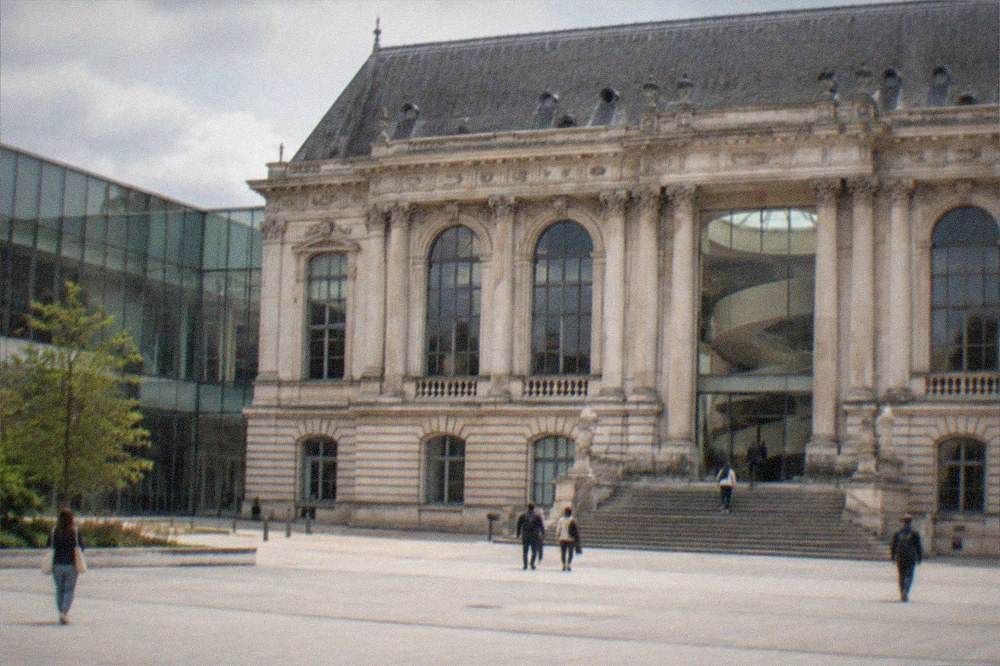
The Musée Dobrée is the Loire-Atlantique department's museum, housed in a nineteenth-century townhouse built for the Dobrée family and filled with medieval, Renaissance and decorative arts collections. It reopened in May 2024 after roughly thirteen years of renovation. Entry is 9 EUR full and 6 EUR reduced, free for under-26s and jobseekers, and it opens Wednesday to Sunday, 10:00 to 18:00, closing on Mondays and Tuesdays.
The reopening was a long time coming, and the result is a museum that rewards an hour. The collections span archaeology, medieval sculpture, armour and the decorative arts, and the building's grand staircases and gardens are part of the visit. Temporary exhibitions rotate through the year: a graphic-arts show on Félix Benoist ran to 20 September 2026. The first Sunday of September, October, April, May and June opens free.
Should You Buy The Pass Musées Or The Pass Nantes?
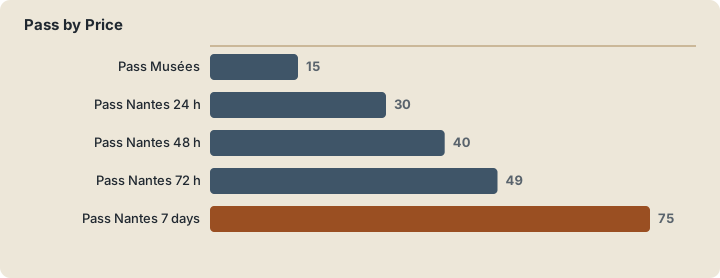
The 15 EUR Pass Musées is the better buy for museum-heavy visits: it gives one year of unlimited entry to the Musée d'histoire de Nantes at the château, the Musée d'Arts, the Musée Jules Verne and the Chronographe in Rezé. The Pass Nantes, from 30 EUR for 24 hours, adds transport, the airport shuttle and Machines de l'île entry, but its museum coverage is one entry per site, not unlimited.
Residents and repeat visitors take the Pass Musées; short-stay tourists usually take the Pass Nantes.
The arithmetic is straightforward. A single circuit of the château museum, the art museum and the Jules Verne museum bought individually costs 22 EUR at full tariffs. The Pass Musées pays for itself on the second museum and keeps paying for twelve months from purchase, which suits anyone returning to the city or living nearby. The catch is that it does not include transport, the Machines de l'île, or the Dobrée.
| Pass | Price | Duration | Museums covered | Extras |
|---|---|---|---|---|
| Pass Musées | 15 EUR | One year | Château museum, Musée d'Arts, Jules Verne, Chronographe, unlimited | None |
| Pass Nantes 24 h | 30 EUR full, 20 EUR reduced | 24 hours | One entry per partner site, Galerie and Carrousel | Naolib transport, airport shuttle return, P+R |
| Pass Nantes 48 h | 40 EUR full, 26 EUR reduced | 48 hours | Same, one entry per site | Same |
| Pass Nantes 72 h | 49 EUR full, 31 EUR reduced | 72 hours | Same, one entry per site | Same, plus more time |
| Pass Nantes 7 days | 75 EUR full, 45 EUR reduced | 7 days | Same, one entry per site | Same, plus a TER return to Clisson |
Two details decide it. First, the Pass Nantes does not include the Grand Éléphant ride at the Machines de l'île, only the Galerie and the Carrousel. Second, the full Pass Nantes tariff structure has applied since 1 April 2026, with family rates at 80 EUR for 24 hours up to 195 EUR for seven days covering two adults and two children aged 4 to 17, and children under 4 travelling free without a pass. The reduced rates apply to children aged 4 to 17, students under 26 and disability card holders. Our Pass Nantes guide works through the break-even points in detail.
How Do You Fit Nantes Museums Into A Short Visit?
A one-day museum visit in Nantes should pair the château museum in the morning, from its 10:00 opening, with the Musée d'Arts in the afternoon and a free Thursday nocturne if the day allows. A two-day visit adds the Jules Verne museum and the Dobrée on the day they are open, since Monday and Tuesday closures otherwise catch visitors out. The Mémorial, free and central, fits into any spare hour along the quai de la Fosse.
The weekly closure pattern is the main trap. Monday closes the château museum and the Dobrée. Tuesday closes the art museum and the Jules Verne museum. A Monday arrival, common with weekend flights, leaves only the Machines de l'île, the Mémorial and the free castle courtyard for museum purposes.
| Arrival day | Morning | Afternoon | Evening |
|---|---|---|---|
| Monday | Machines de l'île Galerie | Château courtyard and ramparts, Mémorial | Graslin and Passage Pommeraye walk |
| Tuesday | Château museum, opens 10:00 | Mémorial and quai de la Fosse | Free courtyard at dusk |
| Wednesday | Musée d'Arts from 11:00 | Château museum | Dinner in Bouffay |
| Thursday | Château museum | Musée Dobrée to 18:00 | Art museum nocturne, free from 19:00 |
| Friday | Musée Jules Verne from 14:00 | Musée d'Arts | Hangar à Bananes |
Season shifts the hours in your favour. In July and August the château museum opens daily to 19:00 and the art museum opens from 10:00, which effectively removes the Monday and Tuesday pain for summer visitors. The best overall timing advice lives in our best time to visit Nantes guide, and if you are staying several nights, where to stay in Nantes puts you within walking distance of most of these doors.
For visitors who want the stories behind the objects rather than the objects alone, a private guided walk with a professional guide covers the museum quarter and the old town in one continuous narrative.
And for a visit built around food as much as paintings, the old town food tour stops through the Bouffay streets that sit between the château and the art museum.
Common Questions About Museums In Nantes
What are the best museums in Nantes?
The Musée d'histoire de Nantes inside the Château des ducs de Bretagne, the Musée d'Arts de Nantes, the Musée Jules Verne and the Musée Dobrée are the main four. The free Mémorial de l'abolition de l'esclavage belongs on any list for its history alone.
How much do museums in Nantes cost?
Full tickets are 9 EUR at the château museum, the Musée d'Arts and the Musée Dobrée, and 4 EUR at the Musée Jules Verne. Reduced rates run from 1.50 EUR to 6 EUR. The Mémorial de l'abolition de l'esclavage and the château courtyard and ramparts are free.
Are any museums in Nantes free?
Yes. The Mémorial and the château courtyard are always free, the Musée d'Arts is free from 19:00 to 21:00 on Thursday evenings, under-18s enter the main museums free, and several museums open free on the first Sunday of each month from September to June.
What is the Pass Musées in Nantes?
The Pass Musées costs 15 EUR and gives a year of unlimited entry to the Musée d'histoire de Nantes at the château, the Musée d'Arts, the Musée Jules Verne and the Chronographe in Rezé. It pays for itself on a second museum visit.
When are museums in Nantes closed?
The château museum and the Musée Dobrée close on Mondays. The Musée d'Arts and the Musée Jules Verne close on Tuesdays. In July and August the château museum opens daily until 19:00, which removes the Monday closure in summer.
Is the Musée Jules Verne worth visiting?
For anyone with an interest in Jules Verne, born in Nantes on 8 February 1828, yes. The small museum charges 4 EUR and displays manuscripts, models and scientific instruments. It closes on Tuesdays and is not air-conditioned, so factor that into a summer visit.