Restaurants In Nantes
Nantes, in the Loire-Atlantique department of western France, eats like a port city that turned its river trade into butter, biscuits and white wine. This guide covers the dishes that define the city's tables, where to sit down, what a meal costs and how the local Muscadet fits into all of it.
Short answer
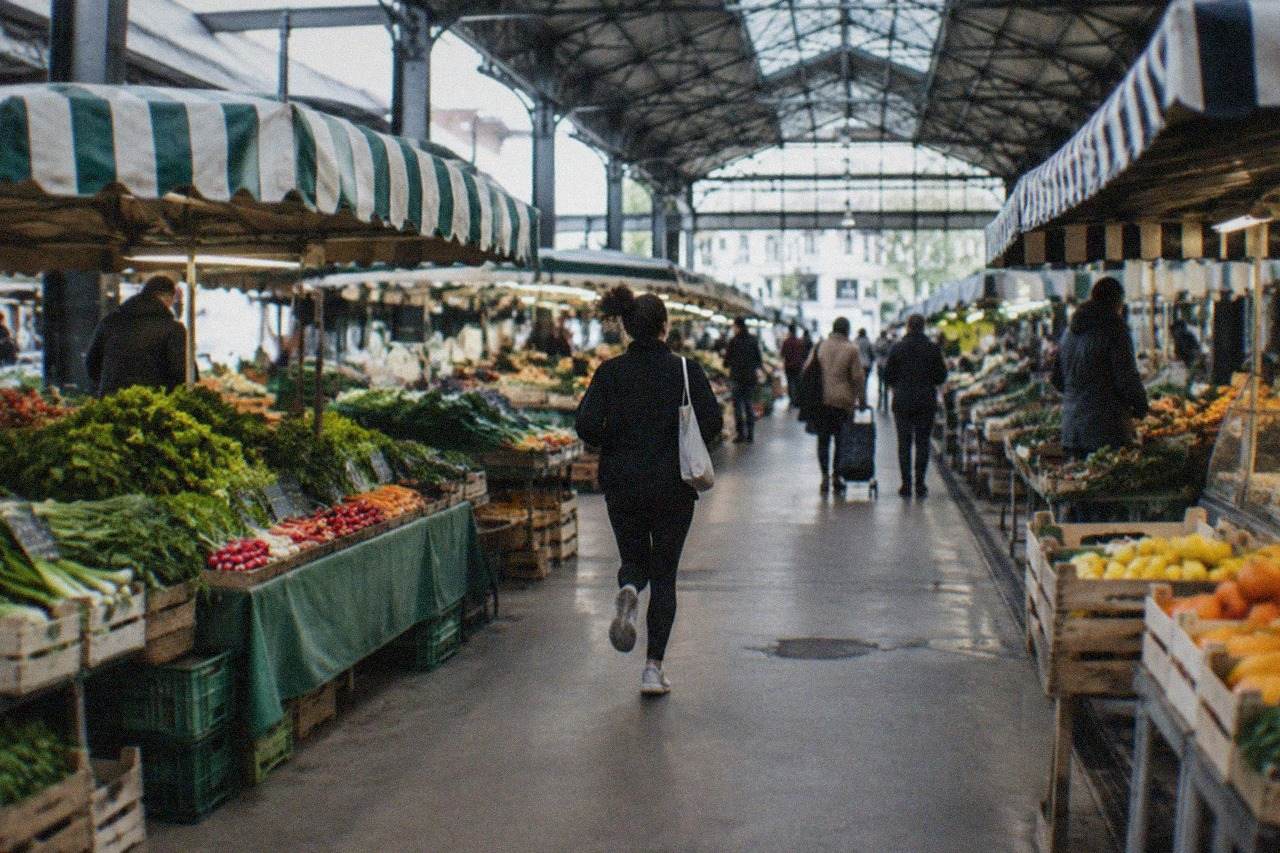
The best food in Nantes centres on old-town tables around Bouffay and Graslin, riverside eating on the Île de Nantes and Trentemoult, and a local repertoire of beurre blanc sauce, gâteau nantais, berlingots sweets and Muscadet white wine.
Nantes sits on the Loire in the Loire-Atlantique department of the Pays de la Loire region, and its restaurant culture grew out of that river. Sugar, butter and salt arrived by ship; Muscadet grapes grow on the hills just south of the city; and the biscuit maker LU built its first factory facing the château. The result is a local repertoire unlike anywhere else in France: an emulsified butter sauce born here, a rum-and-almond cake, tetrahedral sweets and a dry white wine that the city's tables treat almost as tap water. This guide from the Nantes Travel Guide editorial desk lays out the dishes, the neighbourhoods, the honest price planning ranges and the customs of eating out in Nantes, without pretending anyone on this desk has tasted any of it firsthand. Every food fact below comes from what primary sources and the producers themselves state.
Where To Find The Best Restaurants In Nantes
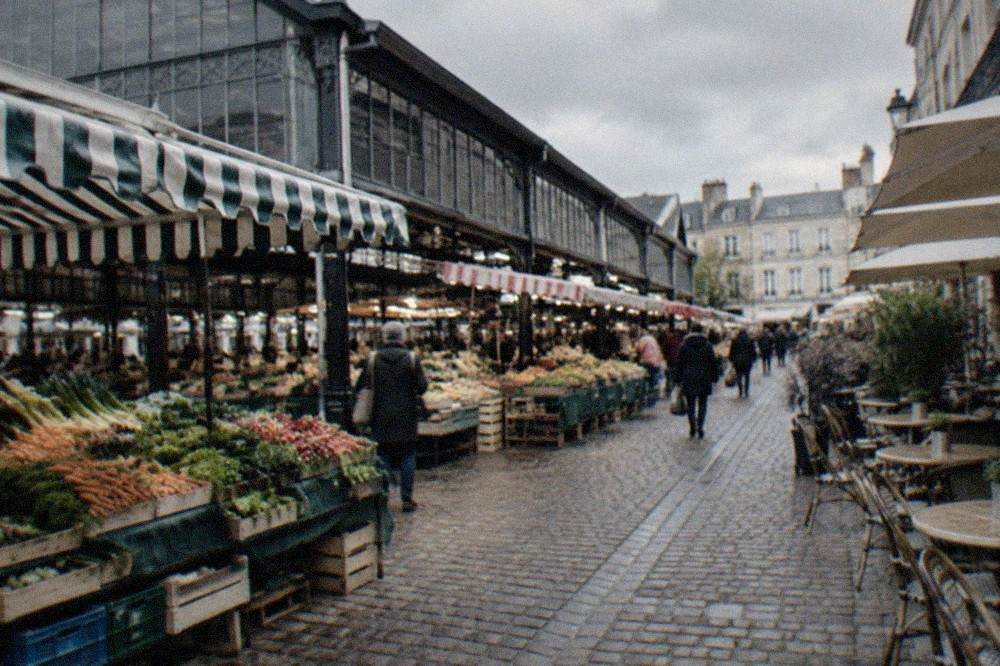
The best restaurants in Nantes cluster in five eating districts: the medieval Bouffay old town around the cathedral, the Graslin and Place Royale hyper-centre with its historic brasseries, the rebuilt warehouses of the Île de Nantes and the Hangar à Bananes, the fishermen's cottages of Trentemoult across the Loire, and the streets around the Talensac market. Each has a distinct character, and choosing between them matters more than chasing any single address. The old town suits classic dishes; the island and Trentemoult favour long riverside evenings; Talensac is where the city's cooks shop.
Bouffay is the oldest quarter, a tangle of half-timbered streets at the foot of the cathedral, and it carries the densest concentration of tables. The wider city centre, extending through Graslin and around Place Royale, is where the grand 19th-century brasseries sit alongside modern bistros; the Passage Pommeraye, a three-floor shopping gallery built in 1843 and described by the tourism office as unchanged, threads through the middle of it. Getting between these areas is simple on the Naolib tram network, as the getting around Nantes guide explains.
Across the river, the Île de Nantes has shifted from shipyard to going-out district in a generation. The Hangar à Bananes, a row of converted banana warehouses, now holds bars, restaurants and clubs, and the city's own planning pages describe the island as a modern, lively area with quieter former-industrial corners after dark. A short Navibus hop further south, Trentemoult in Rezé is the former fishing village with coloured cottages and terraces facing the water. For a fuller picture of the city's food identity before choosing where to sit, the Nantes food guide is the companion page to this one.
| District | Character | Best for |
|---|---|---|
| Bouffay | Medieval streets, half-timbered houses, cathedral | Classic Nantes dishes, crêperies, small bistros |
| Graslin and Place Royale | Grand 19th-century quarter, opera house, Passage Pommeraye | Historic brasseries, smarter dinners |
| Île de Nantes | Rebuilt shipyard island, Les Machines, modern bars | Contemporary restaurants, group evenings |
| Hangar à Bananes | Converted warehouses on the quay | Riverside drinks and late tables |
| Trentemoult | Former fishing village, coloured cottages | Terraces, seafood, Sunday afternoons |
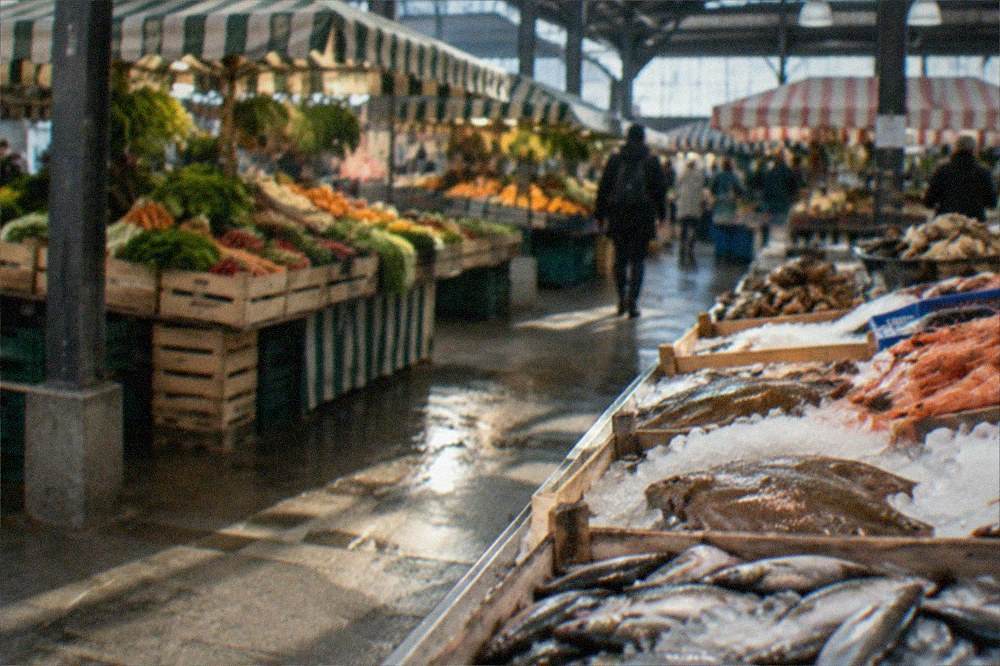
Talensac deserves a line of its own. It is the city's best-known market district, and the area around it supports a belt of simple eateries that cook what the stalls sell. If you are planning a longer stay and want to sleep within walking distance of these tables, the where to stay in Nantes guide maps the districts against accommodation options.
For visitors who want the food district explained in context on the first day, a guided walk is the efficient option:
What Are The Signature Dishes To Order In Nantes?
The four signatures to order in Nantes are beurre blanc, a shallot, Muscadet and butter sauce created for fish; gâteau nantais, an almond and rum quatre-quarts cake; berlingots nantais, striped pyramid-shaped hard sweets; and Muscadet white wine pressed from the Melon de Bourgogne grape. Together they tell the city's whole story: port trade, sugar, butter and vineyard on one plate. Any restaurant menu in the old town will carry at least the first and last of these.
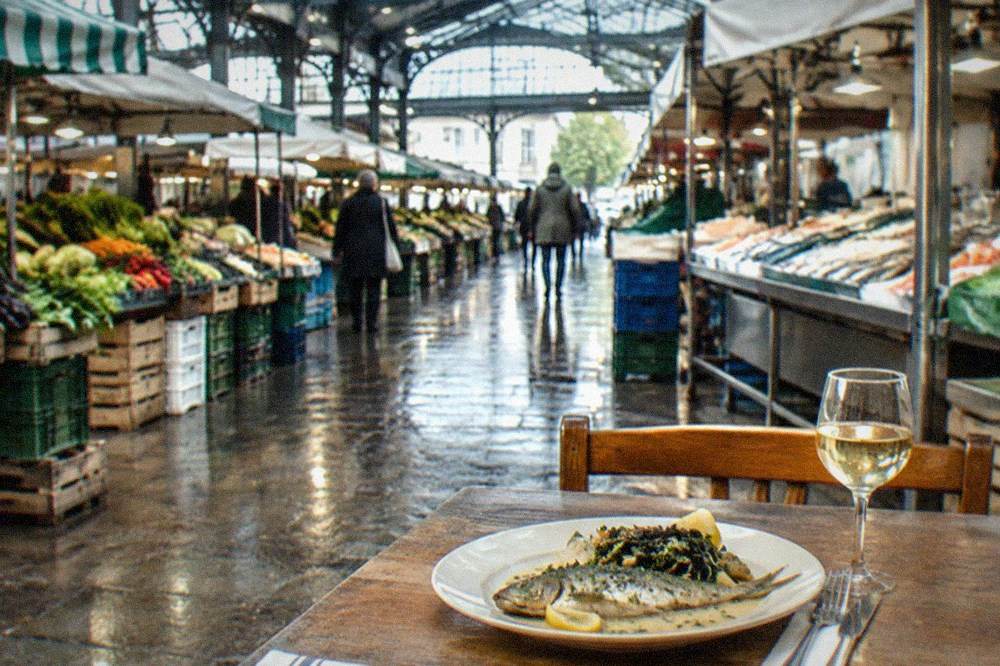
Beurre blanc is the one with the best origin story: tradition credits its invention to the Nantes area. The classic method, as recipe references describe it, reduces shallots with white wine, usually Muscadet, and vinegar or lemon, then cold butter is whisked in to form an emulsion. It is served with fish, traditionally pike. Local restaurateurs have been campaigning, as France 3 reported in 2025, for protected traditional-specialty status to keep the method authentic; the application is a live campaign, not an awarded label. The beurre blanc guide on this site goes deeper into the sauce's history and how to spot the real thing.
For dessert or a gift, the sweet side of the city runs in two directions. Gâteau nantais, an almond-rum cake whose origins are traced to around 1820, was industrialised by LU for much of the 20th century and has returned to artisanal patisseries in recent years; references note it improves after resting a day. Berlingots nantais, the tetrahedral, multicoloured, powdery hard sweets in seven flavours from orange to aniseed, date from the late 19th century, when the Pinson confiserie set up near the port for the sugar imports.
| Signature | What it is | Traditional pairing |
|---|---|---|
| Beurre blanc | Emulsified sauce of shallots, Muscadet, vinegar, cold butter | Pike and other river and sea fish |
| Gâteau nantais | Almond and rum quatre-quarts cake, rested in syrup | Coffee, dessert wine |
| Berlingots nantais | Tetrahedral hard sweets, seven classic flavours | A pocket souvenir |
| Petit Beurre | The LU butter biscuit invented in Nantes in 1886 | Tea, childhood nostalgia |
| Muscadet | Dry white from Melon de Bourgogne | Oysters, fish, beurre blanc |
Wine belongs on this list because in Nantes it is effectively a food group. Muscadet is the local white, and the city's restaurants pour it by the carafe alongside seafood the way inland regions pour the local red. The pairing logic is simple: high acidity and citrus notes against butter sauce and shellfish.
If tasting the city's dishes with a local explaining each stop appeals, these options cover food, photography and the vineyards in one comparison:
How Much Does A Meal Cost In Nantes?
**A meal in Nantes typically runs cheap at an inexpensive restaurant, mid-range for a three-course dinner for two without drinks, and a step up per person for a three-course dinner in a good restaurant, according to 2026 cost-of-living aggregator data for the city. Those are planning ranges for the city as a whole, not promises from any venue, and individual menus run far wider in both directions, from simple crêperie meals to considerably pricier tasting menus.
The figures come from aggregate cost trackers updated in mid-to-late 2026, and they should be read as budgeting bands. A casual bistro or crêperie sits at the low end; a three-course dinner in a well-reviewed restaurant lands in the middle; fine-dining tasting menus occupy the top. Drinks move the total quickly: a draft beer and a cappuccino both remain inexpensive in the same datasets.
| Meal type | Typical 2026 range (EUR) | Notes |
|---|---|---|
| Inexpensive restaurant meal | 12-23 | Bistro, crêperie, casual lunch |
| Mid-range dinner for two, three courses, no drinks | 35-100 | Aggregate midpoint near 50 |
| Three-course dinner, good restaurant, per person | 17.50-50 | Midpoint near 25 |
| Fine-dining tasting menu | 60-150+ | Top of the market |
| Draft beer | ~7 | City aggregate |
| Cappuccino | ~3.30 | City aggregate |
Two practical levers stretch a food budget here. First, the fixed-price lunch menus most French restaurants run, the formule or menu du jour, are a city-wide habit and usually undercut dinner pricing for the same kitchen; the aggregator ranges above reflect evening figures. Second, the free things to do in Nantes and the Nantes on a budget guide cover how to balance eating out against the city's many free sights, from the château ramparts to the green line art trail.
If you would rather have the first evening's tastings arranged before you arrive, the old-town food walk is the one to lock in early:
What Is Muscadet And Why Does It Dominate Nantes Wine Lists?
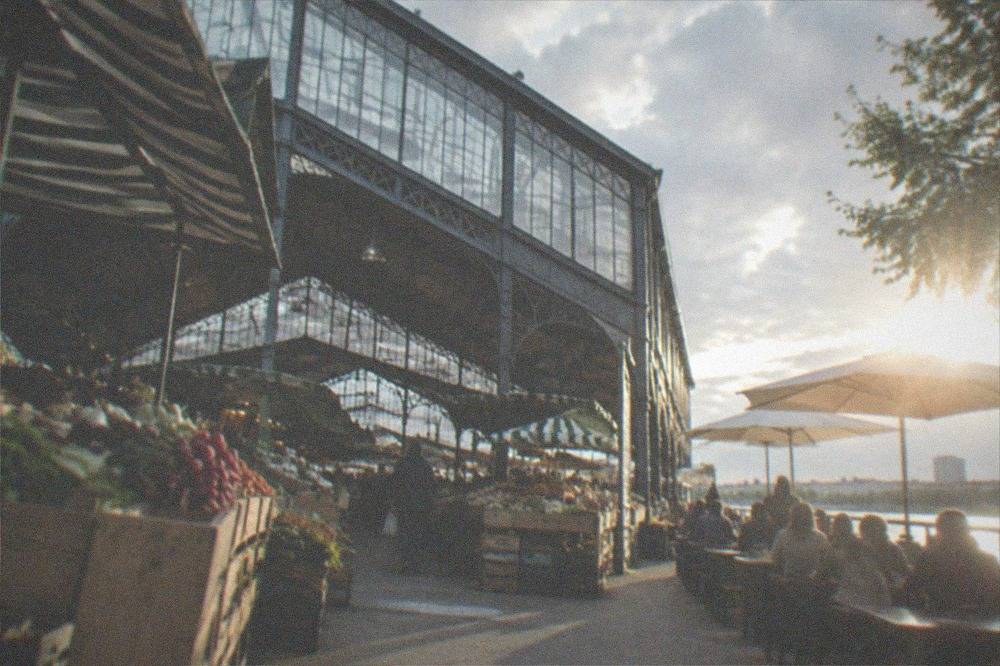
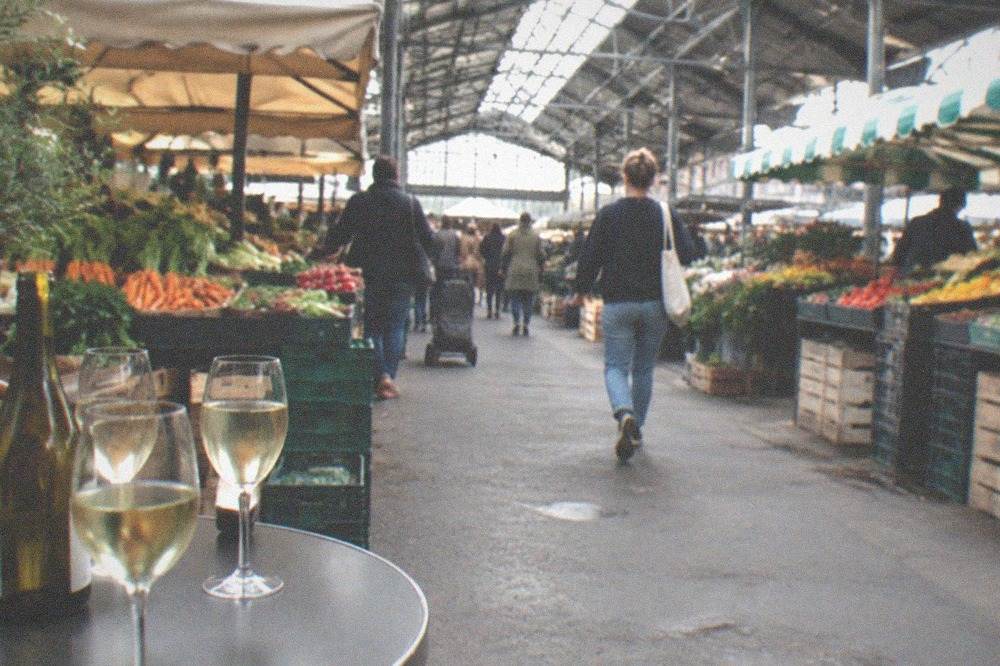
Muscadet is the dry white wine of the Nantes region, pressed from the Melon de Bourgogne grape in vineyards just south of the city, and it dominates local wine lists because it is the appellation this city literally sits at the northern edge of. The Maison des vins de Muscadet stands at Vallet, in the heart of the area, and a winery visit from Nantes takes under an hour in each direction. Dry, high-acid and built for seafood, it is the default pour beside anything from the Loire."
The 2026 vintage was unusual, and worth knowing about before you order. Producers reported a historically early harvest: the official picking ban was declared on 11 August 2026, a record eight days ahead of the previous mark from 2003, because of summer heat and drought. Yields came in low, around 30 to 40 hectolitres per hectare against higher figures in earlier years, while quality was described as good thanks to strong sunshine. What that means on a restaurant list is that current-pour vintages vary more than usual, and asking the server what is open by the glass is genuinely useful advice rather than filler.
| Muscadet fact | Figure |
|---|---|
| Grape | Melon de Bourgogne |
| 2026 harvest ban declared | 11 August 2026, record early |
| Previous early record | 2003 |
| 2026 yields | ~30-40 hl/ha, below recent years |
| 2026 quality | Described as good, strong sunshine |
| Regional wine centre | Maison des vins at Vallet |
For visitors who want to see where the wine grows rather than just drink it, vineyard excursions run from the city into the Muscadet appellation. The tasting-room option keeps everything in town:
The half-day van version reaches the vineyards themselves:
What Sweet Specialities Come From Nantes?
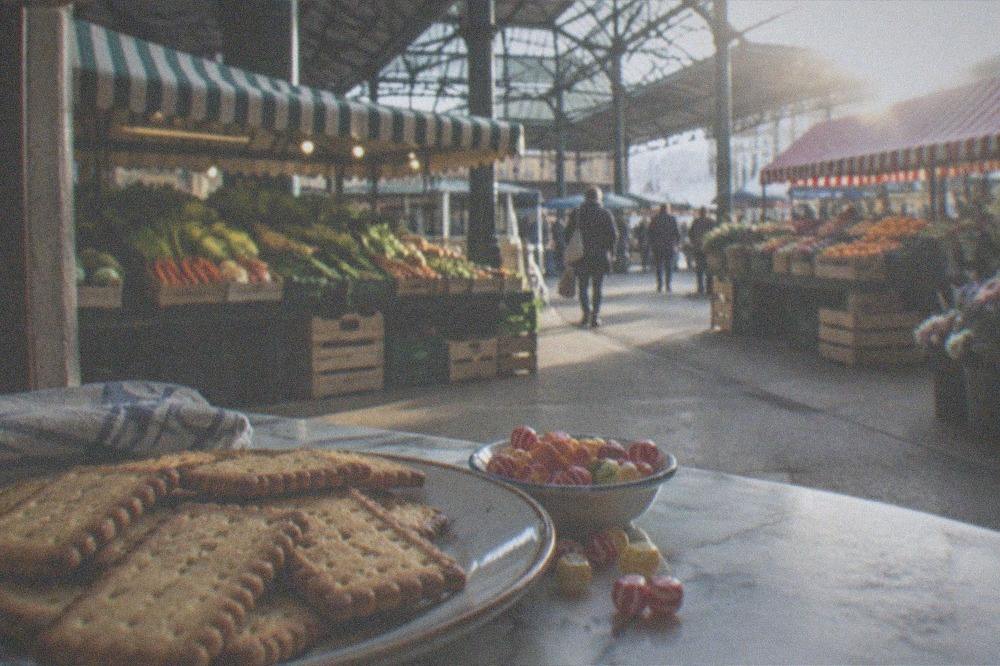
Nantes' sweet specialities are the Petit Beurre biscuit, invented by the LU company in 1886 and still produced nearby, gâteau nantais with its almond and rum base, and berlingots nantais, the striped pyramid sweets first made near the port in the late 19th century. Between them they cover biscuit tin, cake stand and sweet jar, and all three histories are verifiable rather than tourist-board folklore."
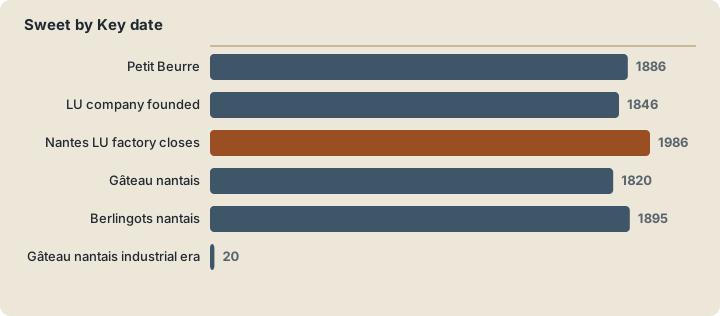
The LU story anchors them all. Jean-Romain Lefèvre set up as a biscuit maker in Nantes in 1846, marrying Pauline-Isabelle Utile in 1850 to give the company its initials, and production moved to the Loire-side factory facing the château in 1886, the year the Petit Beurre appeared. The Nantes factory closed in 1986 and production moved to La Haye-Fouassière, which still turns out around 24,000 tonnes of biscuits a year. 2026 marks the company's 180th anniversary, an occasion the brand has been actively celebrating, and visitors can see the former factory itself: it now houses Le Lieu Unique, the national arts centre profiled in the museums in Nantes guide.
| Sweet | First made | Key date |
|---|---|---|
| Petit Beurre | Nantes, LU | 1886 |
| LU company founded | Nantes | 1846 |
| Nantes LU factory closes | Moved to La Haye-Fouassière | 1986 |
| Gâteau nantais | Attributed to a Nantes baker | ~1820 |
| Berlingots nantais | Near the port, Pinson | 1895 |
| Gâteau nantais industrial era | Produced by LU | Much of the 20th century |
The gâteau nantais revival deserves its own paragraph because it is the clearest example of how the city's food history cycles back. After decades as a mass-produced item, the cake returned to artisanal patisseries in recent years, and the current makers are concentrated in the city centre. The sweets side tells the same port story from another angle: berlingots needed sugar off the ships, and the confiserie that made them famous set up beside the harbour for exactly that reason.
When Do Nantes Food Events And Markets Run?
Nantes' food-linked calendar runs the Christmas market from 19 November to 27 December 2026, the Rendez-vous de l'Erdre jazz and river festival from 24 to 30 August, and the Le Voyage à Nantes art trail through the whole summer from 4 July to 6 September 2026. None of these is a food festival in name, but each one changes how and where the city eats, and timing a visit around them shifts the restaurant experience more than any other planning decision."
The Christmas market, the 26th edition, spreads across Place Royale and Place du Commerce with more than 140 chalets, opening Monday to Saturday 11:00 to 21:30 and Sunday 11:00 to 20:00, with earlier closing on 24 December. For a city whose restaurant terraces thin out in winter, it effectively relocates the street food and mulled-wine economy into the hyper-centre. The timing also matters for anyone weighing seasons: the best time to visit Nantes guide breaks the trade-offs down month by month.
| Event | 2026-2027 dates | Food angle |
|---|---|---|
| Christmas market (26th edition) | 19 Nov to 27 Dec 2026 | 140+ chalets, Place Royale and Place du Commerce |
| Le Voyage à Nantes (15th edition) | 4 Jul to 6 Sep 2026 | Summer street life, guinguettes, Cantine du Voyage |
| Rendez-vous de l'Erdre (40th edition) | 24 to 30 Aug 2026 | Riverside jazz with eating along the Erdre |
| Cantine du Voyage | 2 Apr to 13 Sep 2026 | Temporary open-air canteen |
| Station Nuage guinguette | 1 Apr to 20 Sep 2026 | Drinks and light food on the Loire |
Summer belongs to the guinguettes. The city's own tourism pages list seasonal guinguettes operating on the riverbanks on schedules running from April to October, and the Cantine du Voyage, a temporary open-air canteen, ran from 2 April to 13 September in the 2026 season. These pop-up tables are where Nantes eats when the weather is good, and they sit alongside the permanent installations of the Le Voyage à Nantes art trail, which the dedicated Le Voyage à Nantes guide covers in full.
If pairing food with city sightseeing sounds like the right first-day formula, these are the three options that combine best:
How Do You Eat Out Like A Local In Nantes?
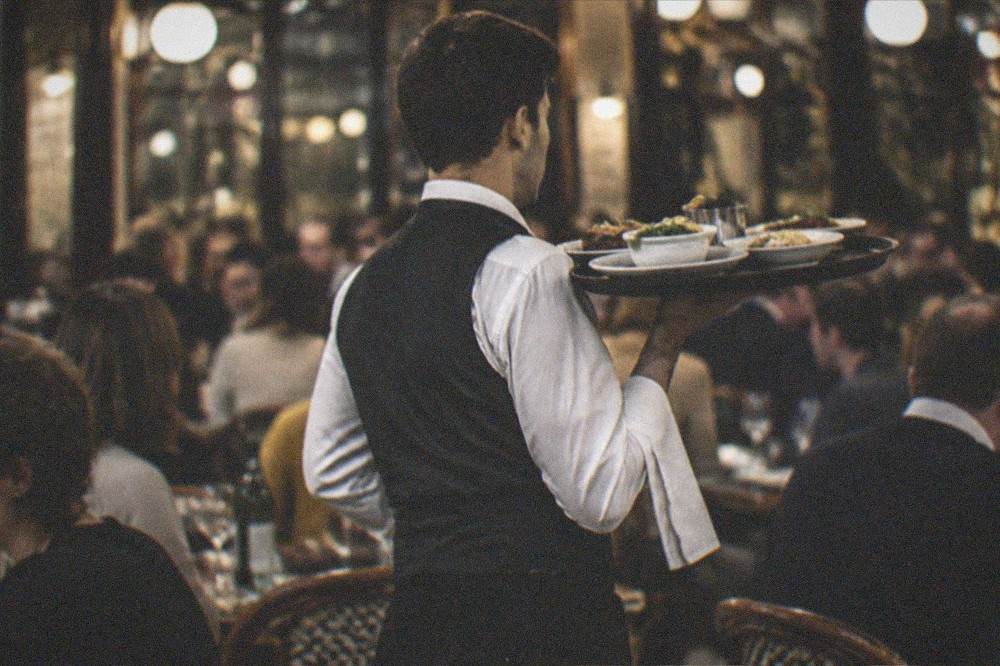
Eating out in Nantes follows standard French restaurant customs: lunch runs from midday to about 14:00, dinner service starts around 19:30 to 20:00, and the fixed-price formule at midday is the local habit for the same food at a lower figure. Reservations matter on Friday and Saturday evenings in the old town and Graslin, and restaurant bills include service, so a small round-up is a courtesy rather than an obligation."
The customs are worth stating plainly because they differ from anglophone habits. Arriving for dinner at 18:00 will find kitchens closed or barely opening; 20:00 is the local hour. Lunch is the better-value sitting almost everywhere, and the formule, a set two- or three-course menu at a single price, is how the city's office workers eat. Asking for the carafe of Muscadet rather than a bottle is normal and cheaper. Service compris means the 15 percent service charge is already in the printed total, and leaving the small change is appreciated but never required.
Regional customs layer on top of the national ones. Beurre blanc is eaten with fish, not spooned over everything, and ordering it with the local pike or a Loire fish is the native pairing. The berlingots and Petit Beurre you buy from a shop, not a restaurant; they are the souvenir tier of the city's food. Muscadet by the glass before a meal, or with shellfish, plays the role aperitif and wine in one. For visitors connecting the food to the wider city story, including the port history that brought the sugar and the difficult chapters the city now confronts directly in its museums, the Nantes history guide is the follow-up read. And if the whole picture has you weighing the trip itself, the is Nantes worth visiting guide makes the honest case.
One last planning note: this site's desk has not verified any individual restaurant's current prices, hours or address, and deliberately names no menu figures for any venue. The aggregates above are city-wide planning bands from 2026 cost data. Check the door or the venue's own site before you commit an evening to a single address, and let the dishes, the districts and the glass of Muscadet do the rest.
Common Questions About Restaurants In Nantes
What food is Nantes famous for?
City-wide cost data put an inexpensive restaurant meal at the cheap end, a mid-range three-course dinner for two in the middle band without drinks, and a three-course dinner in a good restaurant at a step up per person. Fine-dining tasting menus run well beyond those figures.
What wine should you drink in Nantes?
Muscadet, the dry white made from the Melon de Bourgogne grape in the vineyards south of the city. It pairs with the fish dishes and beurre blanc that define Nantes cooking, and the region's Maison des vins sits at Vallet.
Is Nantes good for a food trip?
Yes, for a short one. The signature dishes, the Muscadet vineyards within an hour of the centre, the Talensac market district, the summer guinguettes and the Christmas market give the city a food calendar that changes with the seasons, all walkable or a short tram ride apart.
Do you need to book restaurants in Nantes in advance?
For Friday and Saturday evenings in the old town and Graslin, booking is wise; midweek and lunch sittings are usually walk-in. A guided food walk with tastings pre-arranged removes the booking question for at least one evening.