Nantes In Winter
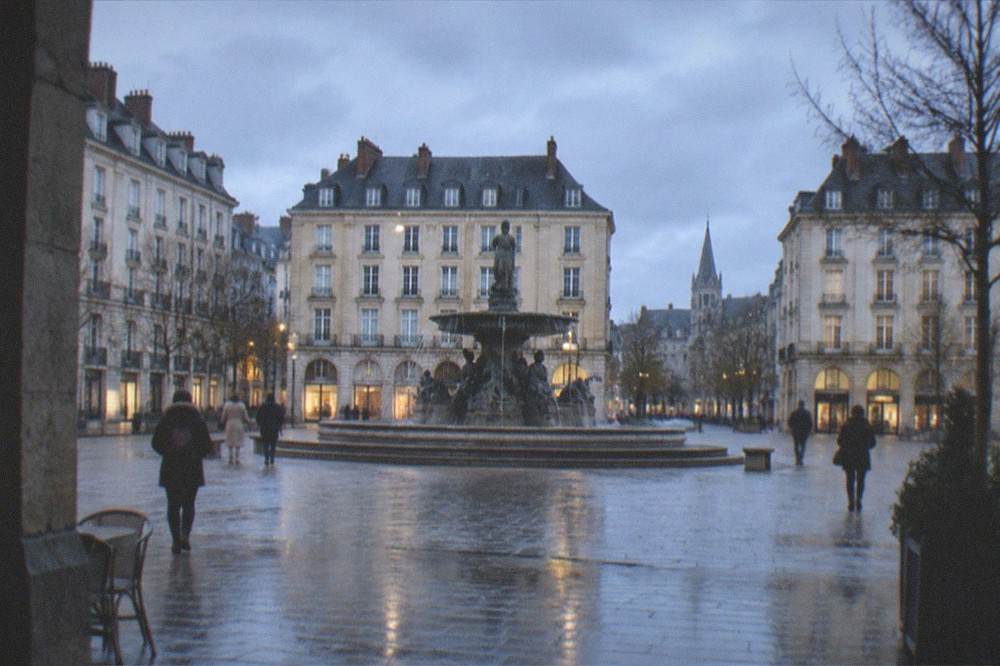
Nantes in winter is mild by French standards, quiet after the summer art crowds go home, and organised around indoor museums, a riverside Christmas market and one of Europe's great classical music festivals.
Short answer
Winter is a good time to visit Nantes: the temperate oceanic climate keeps daytime means around 6 to 10 C between December and February, the museums are all open, the Christmas market runs from 19 November to 27 December 2026, and hotel demand drops after the New Year.
Nantes, in the Loire-Atlantique department of the Pays de la Loire region in western France, changes character completely between November and February. The green-line art walkers of summer thin out, the quays of the Loire and the Erdre empty on wet evenings, and the city reorganises itself around warm interiors: the Château des ducs de Bretagne museum, the Passages Pommeraye, the Christmas market chalets on Place Royale and Place du Commerce, and a classical music festival that fills five winter days with concerts. This guide covers what the season actually feels like, what stays open, what it costs and how to plan around the rain, using the city's own published figures throughout.
Is Winter A Good Time To Visit Nantes?
Yes, winter is a good time to visit Nantes, with two honest caveats: it rains regularly and daylight is short. The trade-offs are real: museum queues are short, the Christmas market and the Folle Journée festival are winter-only, transport runs at full frequency, and the city's temperate oceanic climate means temperatures rarely stay below freezing for long. Visitors who plan around the weather, and keep a covered fallback such as the Passage Pommeraye nearby, get the city at its calmest.
The case against winter is mostly a case against the Atlantic. Nantes sits some way up the Loire from the ocean, and the same oceanic air that keeps summer moderate keeps winter damp. November and December are the two wettest months of the year at the Nantes-Bouguenais weather station, at 94.1 and 101.0 mm of rain respectively in the 1991-2020 Météo-France normals. That is not Brittany-in-a-storm territory, but it is enough that a waterproof matters more than a heavy coat.
The case for winter is stronger than most first-time visitors expect. The major museums keep full winter schedules, and the château museum is closed only on Mondays outside July and August. The green line painted along the city's pavements, the permanent legacy of the summer art festival, can be walked in any season, and in winter you share it with locals rather than tour groups. For a fuller comparison of seasons, see when to go in Nantes, and for a general verdict on the city, our is Nantes worth visiting guide runs the numbers.
One more thing worth knowing before committing: this is a compact, walkable city with a lot of covered and indoor connective tissue. The tram network was the first modern one built in France, in 1985, and it keeps the cold-season experience moving.
What Is The Weather Like In Nantes In Winter?
Nantes has a temperate oceanic climate, not a Mediterranean one, and winter is its coolest, wettest, dullest stretch. Météo-France's 1991-2020 normals for the Nantes-Bouguenais station give a January mean maximum of 9.3 C and a mean minimum of 3.4 C, with December the wettest month at 101.0 mm of rain spread over 13.5 days. Snow is rare, frost happens on roughly a week of mornings per winter month, and the record low is -15.6 C from 15 February 1956.
The full monthly picture, from the verified Météo-France normals, is worth having in one place:
| Month | Mean max C | Mean min C | Rain mm | Days with 1 mm+ | Sunshine h |
|---|---|---|---|---|---|
| November | 12.9 | 5.9 | 94.1 | 13.0 | 91.3 |
| December | 9.8 | 3.7 | 101.0 | 13.5 | 77.6 |
| January | 9.3 | 3.4 | 87.9 | 12.5 | 72.6 |
| February | 10.5 | 3.0 | 67.5 | 10.6 | 102.3 |
Read that table as four short winter months rather than one long freeze. Daytime highs sit near 10 C on average even in January, which is why locals treat winter as a coat-and-scarf season rather than a deep-freeze one. The mean temperature for January is 6.4 C and for February 6.7 C, so thaws come quickly after cold snaps. Frost is the normal winter experience: the normals count 7.8 frost mornings in January and 7.4 in February, against 13.5 rain days in December.
What the numbers mean in practice is that rain, not cold, is the planning problem. A typical winter day opens grey, clears for an hour or two at midday, and closes damp. Sunshine is genuinely scarce in December, at 77.6 hours for the whole month, before doubling in February as the days lengthen. Our dedicated Nantes weather guide expands on the full year, including the record high of 42.2 C set on 24 June 2026, a useful reminder that the same city that is mild in winter can be genuinely hot in summer.
Wind matters more here than the raw temperature suggests. The mean annual wind speed at the station is 3.6 m/s, and on the riverside quays, around the Île de Nantes and along the Erdre, the wind chill makes 8 C feel closer to 3 C. That is the difference between a pleasant walk and a short one, so layer up for anything along the water.
If you are weighing a winter visit against other seasons, the honest framing is this: December trades weather for atmosphere, January and February trade atmosphere for price and quiet, and March is the month when the numbers turn in your favour again.
What Can You Do Indoors In Nantes On A Rainy Winter Day?
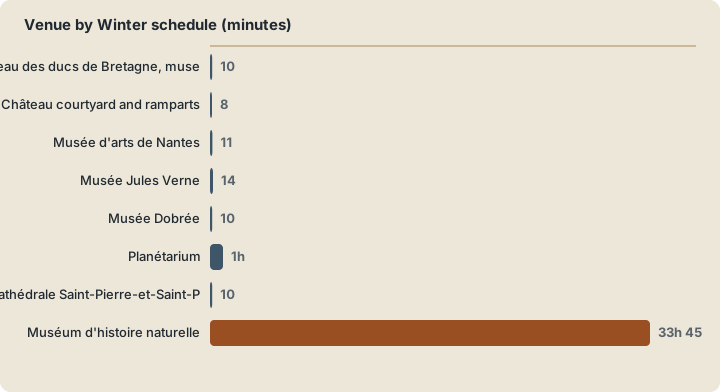
Nantes has enough indoor attractions to fill three wet days without repeating anything: the Musée d'histoire de Nantes inside the Château des ducs de Bretagne, the Musée d'arts de Nantes, the Musée Jules Verne, the Musée Dobrée, the Planétarium, the Galerie des Machines on the Île de Nantes, and the cathedral, which has been open again since 27 September 2025 after the 2020 fire. Only the natural history museum is closed, for works until 2029.
The core indoor set, with 2026 till prices and winter hours straight from the venues' own pages:
| Venue | Entry price | Winter schedule | Closed |
|---|---|---|---|
| Château des ducs de Bretagne, museum | 9 EUR full, 5 EUR reduced, free under 18 | 10:00-18:00 | Mondays |
| Château courtyard and ramparts | Free | 8:30-19:00 daily | Never |
| Musée d'arts de Nantes | 9 EUR full, 4 EUR reduced | 11:00-19:00, Thursdays to 21:00 with free entry 19:00-21:00 | Tuesdays |
| Musée Jules Verne | 4 EUR full, 1.50 EUR reduced | Afternoons from 14:00 | Tuesdays |
| Musée Dobrée | 9 EUR full, 6 EUR reduced, free under 26 | 10:00-18:00 | Mondays and Tuesdays |
| Planétarium | 7 EUR full, 3 EUR reduced | Sessions of about 1 hour | Varies by session |
| Cathédrale Saint-Pierre-et-Saint-Paul | Free | Roughly 10:00-19:00 daily except Monday | West facade under scaffolding until 2028 |
| Muséum d'histoire naturelle | Closed | Closed since November 2025 | Reopens 2029 |
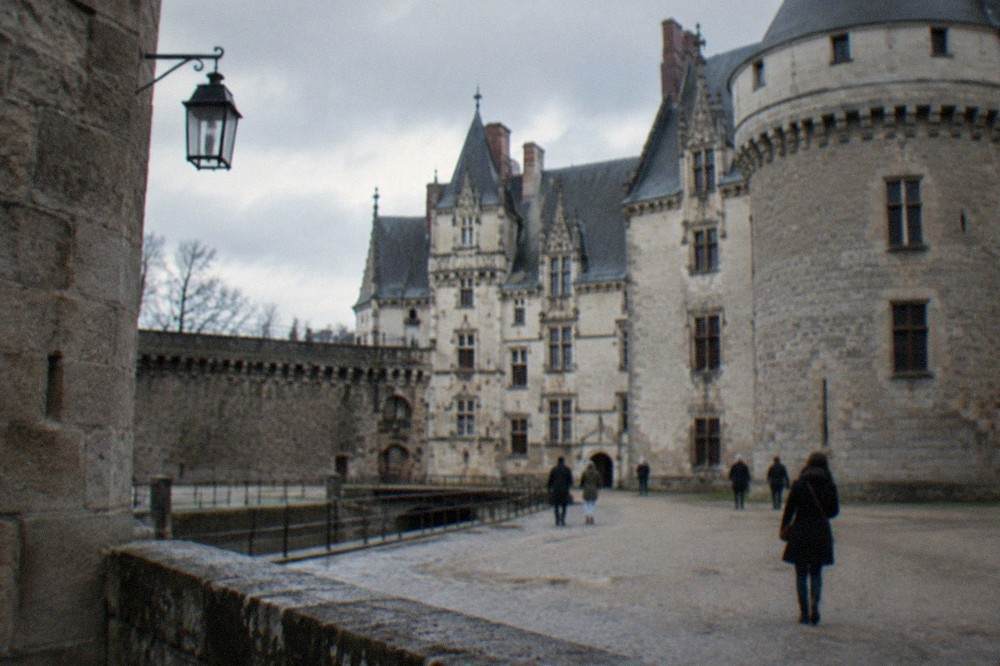
The château deserves the first rainy slot. Francis II began rebuilding it in 1466, Anne of Brittany was born there on 25 January 1477, and the museum inside now runs 32 rooms and more than 1,150 objects through the whole of the city's history, including its unflinching sections on the Atlantic slave trade, in which Nantes fitted out 1,714 of at least 4,220 French expeditions, 43 per cent of the French total, before withdrawing in 1830. The free courtyard and ramparts are worth a quick circuit even in drizzle. Our Château des ducs de Bretagne guide covers the building in depth, and the wider museums in Nantes round-up ranks the rest.
The cathedral is the emotional anchor of any winter visit. It reopened partially on 27 September 2025 after five years of restoration following the 18 July 2020 arson fire, with full reopening planned for 2028 and the west facade still under scaffolding. Entry is free, the interior is open, and the 1891-completed building, whose gothic rebuild began in 1434, holds the Renaissance tomb of Francis II by Michel Colombe, whose effigies have been visible again since around 20 February 2026. Details are in our Nantes Cathedral guide.
On the Île de Nantes, the Galerie des Machines is the best family fallback in the city: a heated workshop hall where the machine-builders of La Machine test and show their mechanical creations. Each attraction costs 12 EUR full price, with the Grand Éléphant ride excluded between 2 November 2026 and 28 February 2027 for annual maintenance, so in deep winter the Galerie and the Carrousel des Mondes Marins are the reliable pair. Note the site's annual January closure too. Tickets are available on the door or through the operator's live listing:
For a structured indoor-heavy day, a private guide is a genuinely good winter buy, because a professional can route the walk through the Passage Pommeraye, the Bouffay old town's covered corners and the château in the dry stretches, and duck into museums when the rain sets in. The price is not published by the operator, but the listing carries current availability:
Between museums, the Passage Pommeraye is the city's most beautiful way to stay dry: a three-floor 1843 shopping gallery built on a slope, deliberately left unchanged, connecting rue Santeuil to rue de la Fosse. It appears on no winter-closure list and costs nothing to walk through. Our Passage Pommeraye guide tells its history, and the rainy day in Nantes plan sequences a full wet-weather itinerary.
What Is On In Nantes During The Christmas Period?
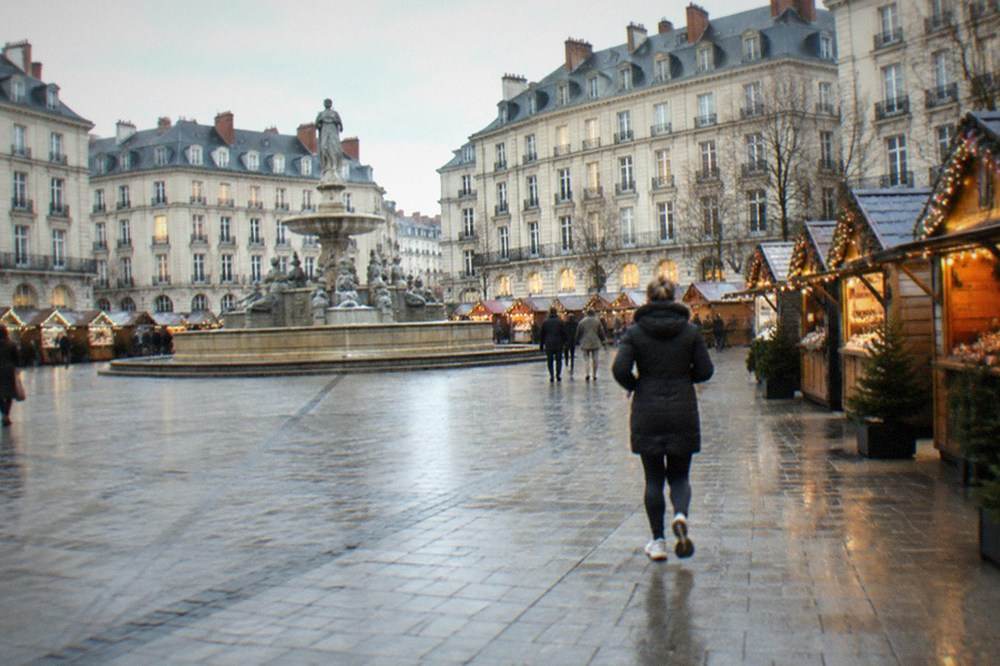
The centrepiece is the Christmas market, which in 2026 runs from Thursday 19 November to Sunday 27 December on Place Royale and Place du Commerce, with roughly 140 chalets, free entry, and hours of 11:00 to 21:30 Monday to Saturday and 11:00 to 20:00 on Sundays, Christmas Eve closing early at 18:00. After the New Year, the Folle Journée classical festival runs from 27 to 31 January 2027 with the theme Galaxie Beethoven.
The market's 26th edition is the main reason many winter visitors book. It spreads across two squares in the Graslin and commerce quarter, and the practical details are settled well in advance:
| Detail | 2026 Christmas market |
|---|---|
| Dates | 19 November to 27 December 2026 |
| Locations | Place Royale and Place du Commerce |
| Entry | Free |
| Opening hours, Mon-Sat | 11:00-21:30 |
| Opening hours, Sun | 11:00-20:00 |
| Christmas Eve, 24 Dec | 11:00-18:00 |
| Scale | Around 140 chalets and exhibitors |
Around the market, the surrounding quarter gives you the rest of a cold evening: the Théâtre Graslin opera house, the Galerie Lafayette-style shopping streets, and the brasserie La Cigale, which has been serving since 1895 and is a warm, tiled winter room when the market's mulled-wind stalls empty out. Our Graslin and commerce area guide maps the whole quarter, and Nantes at night extends the evening beyond the market.
The other winter institution is La Folle Journée, founded in 1995 and now one of the largest classical music festivals in Europe by ticket volume. The 2027 edition, the 33rd, runs 27 to 31 January 2027 across the Cité des Congrès with the theme "Galaxie Beethoven", marking the 200th anniversary of the composer's death. One logistical note for planners: the Cité des Congrès begins auditorium works from July 2026, with the full site closed February to December 2027, and organisers have been considering alternative venues such as Le Lieu Unique and the Conservatoire for festival use. Our La Folle Journée guide keeps the details current.
Between the market and the festival sits the quiet stretch of January, which locals treat as the year's best museum month. The green line is still painted on the pavement, the Estuaire art trail's 33 works on 23 sites between Nantes and Saint-Nazaire are permanent, and the crowds of July are months away. If you want the city essentially to yourself, the fortnight after 6 January is it. Other pages covering the same trip are gathered on Nantes Travel Guide.
Food is the last winter pillar, and Nantes does it well: beurre blanc, the shallot, Muscadet and butter emulsion that Nantes restaurateurs are campaigning to have protected, gâteau nantais, the almond-and-rum cake revived from its 1820s origins, berlingots nantais candies in seven flavours, and the LU Petit Beurre biscuit invented by a Nantes company in 1886. A guided old-town food tour strings these together, and while the operator does not publish the price, the listing shows what is currently running:
How Much Does A Winter City Break To Nantes Cost?
A winter break in Nantes costs less than the same trip in summer, mainly through accommodation: January and February are the low-demand months. The fixed visitor surcharge, the tourist tax, is tiered by hotel rating, with reported 2026 rates of 2.86 EUR per person per night at 4-star hotels, 1.87 EUR at 3-star and 1.10 EUR at 2-star. Eating out in Nantes ranges from inexpensive for a simple meal to mid-range for a fuller dinner for two.
The tourist tax deserves its own note because it is charged on top of the quoted room rate and collected by the hotel. Nantes Métropole's 2026 grille, including the 10 per cent departmental addition in place since 2024, sets the tiers below for classified accommodation; unclassified rentals pay 5.5 per cent of the nightly price, capped at 5.39 EUR. Treat these as reported figures rather than re-deriving them from maximums.
| Category | Reported 2026 rate per person per night |
|---|---|
| 4-star | 2.86 EUR |
| 3-star | 1.87 EUR |
| 2-star | 1.10 EUR |
| Unclassified rental | 5.5% of nightly price, capped at 5.39 EUR |
Day-to-day spending in the city splits cleanly between free and paid. The cathedral, the Mémorial de l'abolition de l'esclavage, the Passage Pommeraye, the château courtyard, the Jardin des Plantes and the green line all cost nothing. What remains is transport and tickets, and the headline museum entries are 9 EUR at the château museum, 9 EUR at the arts museum and 4 EUR at the Musée Jules Verne.
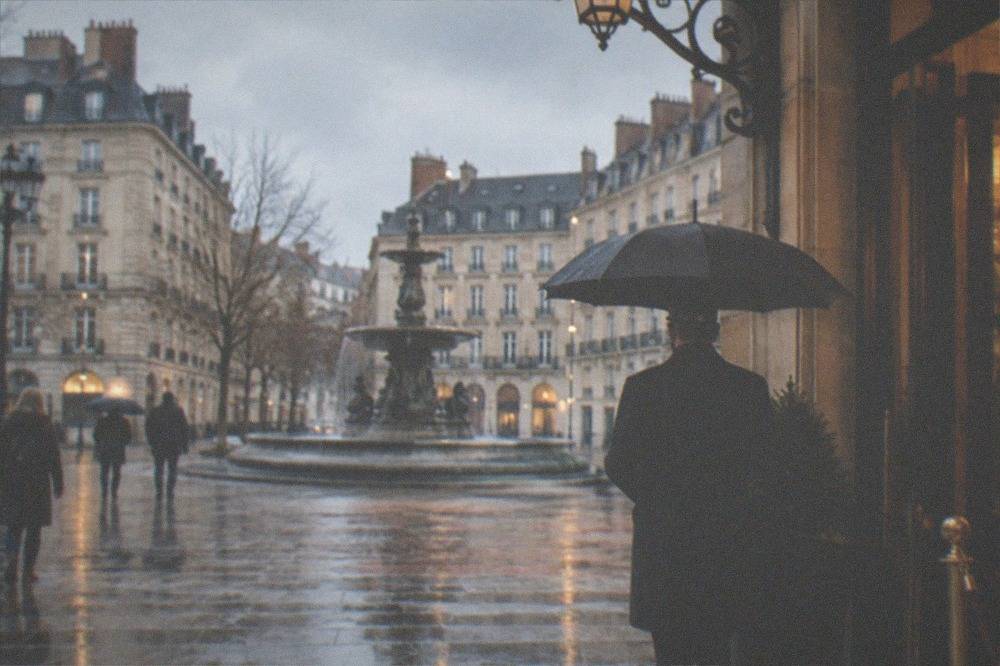
Getting around in winter is cheap and dry. The Naolib network sells a 1-hour ticket at 1.80 EUR covering tram, bus and Navibus river crossings, a 24-hour ticket at 6.80 EUR, and a 24-hour ticket for four people at 15 EUR. Weekend transport is free for everyone from Saturday 00:00 to Sunday 23:59, with one exception that catches visitors out: the 10 EUR airport shuttle is never free, weekends included. The details are in getting around Nantes.
If you plan to pack the museums and the Machines into two or three days, the Nantes CityPass bundles transport with one entry per partner site, including the château museum, the Galerie des Machines and the Carrousel, plus a return airport shuttle trip; the Grand Éléphant ride is excluded. The pass's own listing renders the current price for your dates:
A rough per-day shape for a mid-range winter visitor, using the till prices above and the eating-out figures, looks like this:
| Item | Typical winter cost |
|---|---|
| Breakfast or coffee and pastry | varies by venue for a cappuccino, plus bakery prices |
| Inexpensive lunch | varies by venue |
| One major museum entry | 9 EUR full price |
| 24-hour transport ticket | 6.80 EUR, or 15 EUR for four people |
| Mid-range dinner for two | varies by venue |
| Christmas market spending | Variable, free to enter |
For a fuller low-season budget plan, including free sightseeing, see Nantes on a budget and free things to do in Nantes.
Does It Snow In Nantes, And What Is The Coldest Month?
Snow in Nantes is rare and rarely settles: the 1991-2020 normals record an average of just 1.3 snow days in January, 2.0 in February and 0.9 in December, so a white Christmas is unlikely. January is the coldest month by temperature, with a mean maximum of 9.3 C and a mean minimum of 3.4 C, though February has the lowest mean minimum at 3.0 C. The all-time record low is -15.6 C, recorded on 15 February 1956.
The rarity of snow is a function of the oceanic position. Atlantic air moderates cold snaps before they reach the Loire valley, and when snow does fall the city's relatively warm ground and traffic usually clear it within a day. Visitors from genuinely snowy climates will find Nantes winter closer to a damp autumn.
That does not mean cold is impossible. The February 1956 record aside, recent winters have produced short hard frosts, and the February 2026 Loire flood, when the river reached 8.18 m at Pont Anne-de-Bretagne on 19 February 2026, the first time above 8 m in about 15 years, showed that winter weather in Nantes is more likely to arrive as water than as snow. Note that the Mémorial de l'abolition de l'esclavage closes during Loire floods, a practical detail on its own practical-info page.
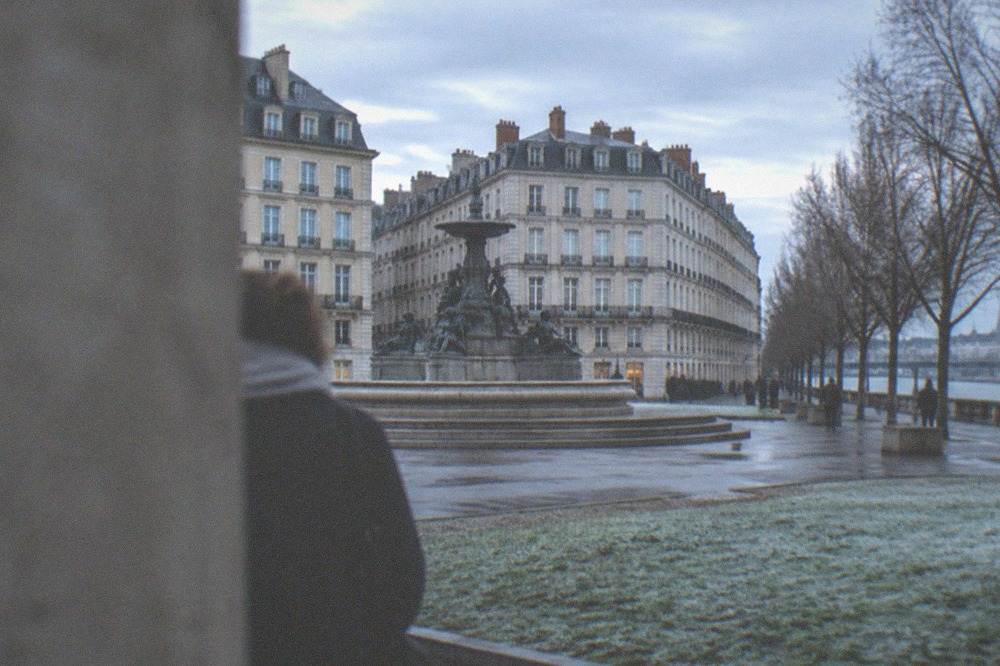
Daylight is the other quiet constraint. In late December the sun sets before 17:30 local time and the grey overcast trims the light further, which pushes sensible winter planning toward late-morning starts and indoor or lit activities after 16:00. The Christmas market's 21:30 close is designed exactly for that: outdoor atmosphere after dark, without needing daylight.
What Should You Pack For Nantes In Winter?
Pack for damp and wind rather than deep cold: a waterproof layer, an umbrella you can hold one-handed, a warm mid-layer, a proper scarf for the riverside wind chill, and shoes that survive wet pavements, because with 12 to 13 rain days a month in November, December and January you will meet rain. Mean highs near 10 C and lows near 3 C mean a heavy ski jacket is overkill, and thermal layers only matter if a genuine cold snap arrives.
The packing logic follows directly from the climate table earlier in this guide. Layers beat one thick coat because a 10 C afternoon in the sun can feel like spring while a 6 C evening on the Quai de la Fosse feels well below zero. The green line and the old town put you outdoors for hours at a time regardless of weather, so the outer layer's job is to shed rain, and the inner layers' job is to be removable indoors, because French museums and shops are well heated.
Footwear is the item people get wrong. Winter rain plus the polished stone of the Bouffay old town and the painted green line's pavement circuit equals slick surfaces. Grippy, waterproof shoes outperform trainers within about an hour of the first shower.
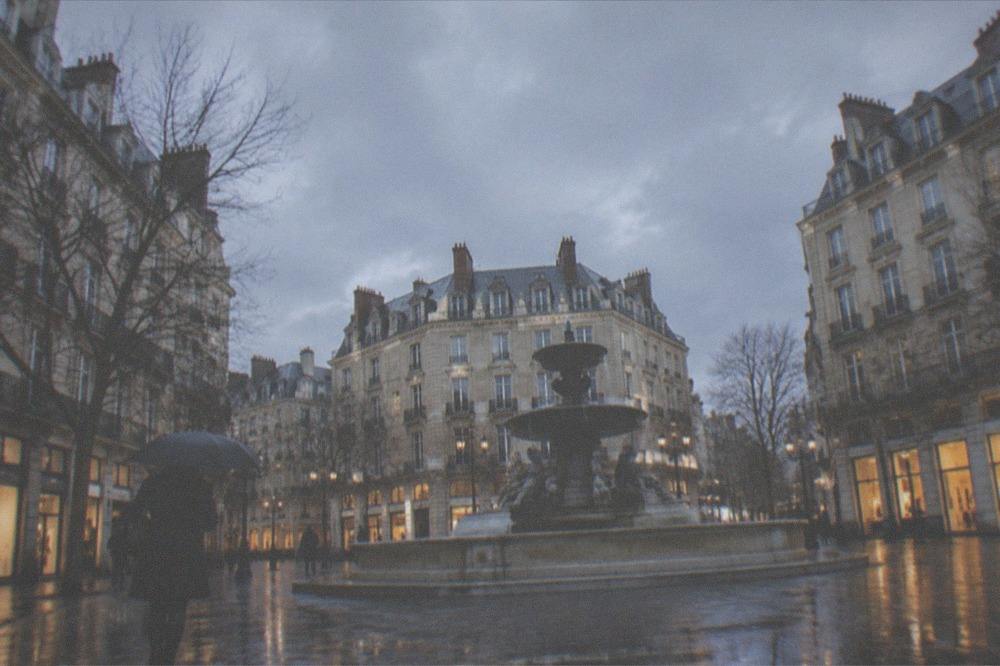
One planning item specific to Nantes in winter: transport times shift. The airport shuttle runs every 30 minutes from November to March, against every 20 minutes in the warmer half of the year, and its city stop moved on 30 March 2026 to the Gare routière at Gare Sud, quai A. The fare is 10 EUR, bought on board by bank card, and the trip takes about 20 minutes. Both details are on our Nantes airport to city centre page.
Trains from Paris are unaffected by season at roughly 24 a day each way, the fastest taking about two hours from Montparnasse; the Paris to Nantes guide covers that route, and winter advance fares are often where the savings of a low-season trip concentrate.
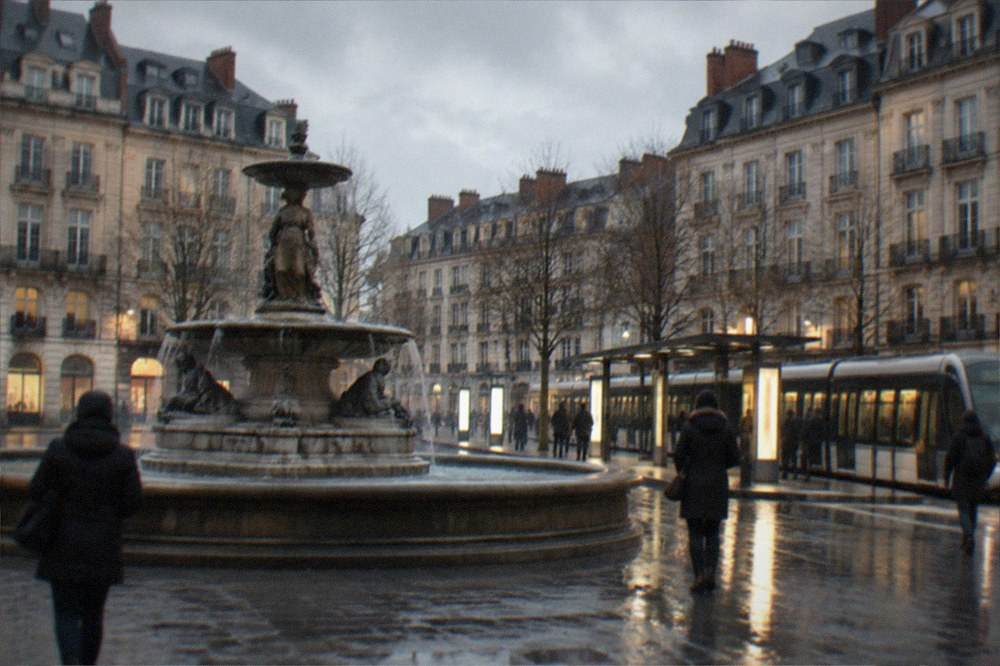
If the winter trip is part of a longer stay, Muscadet country begins immediately south-east of the city, and the vineyards are a good half-day in any weather because the tasting rooms are indoors. The 2026 harvest was the earliest on record, with the ban declared on 11 August 2026, a full eight days ahead of the previous mark from 2003, so the current vintages in the cellar doors are worth asking about. A guided van tour runs from the city:
The van option is the one most winter visitors overlook, and it suits the season for a simple reason: the drive between cellar doors is heated, the tastings happen indoors, and the vineyard views are atmospheric rather than essential. The operator's live listing carries the current price and availability:
For where to base yourself across the cold months, the covered-passage convenience of the Graslin quarter beats the riverside charm of Trentemoult in winter, though the Navibus river crossing still runs on ordinary Naolib tickets. Our where to stay in Nantes guide breaks down the districts for every season.
Common Questions About Nantes In Winter
Is December A Good Time To Visit Nantes?
Yes, if the Christmas market is your priority. The market runs 19 November to 27 December 2026 with free entry, and the city is decorated for it. The trade-off is that December is the wettest month of the year at 101.0 mm of rain over 13.5 rain days in the 1991-2020 normals, and sunshine drops to 77.6 hours for the month.
How Cold Does Nantes Get In Winter?
Mean maximum temperatures run from 9.3 C in January to 12.9 C in November, and mean minimums sit between 3.0 C in February and 5.9 C in November. Frost occurs on roughly seven to eight mornings per month in January and February. The all-time record low is -15.6 C on 15 February 1956.
Is The Christmas Market In Nantes Free?
Entry is free. The market occupies Place Royale and Place du Commerce from 19 November to 27 December 2026, opening 11:00 to 21:30 Monday to Saturday and 11:00 to 20:00 on Sundays, with chalet food and gift purchases at your own cost.
What Is Open In Nantes In Winter?
All the major museums, the cathedral, which partially reopened on 27 September 2025, the Galerie des Machines and the Carrousel des Mondes Marins. The exceptions: the château museum closes Mondays, the arts museum closes Tuesdays, the Musée d'histoire naturelle is closed for works until 2029, the Grand Éléphant does not run between 2 November 2026 and 28 February 2027, and Les Machines de l'île has an annual January closure.
Is Transport Free In Nantes At Weekends?
Yes, the Naolib network including trams, buses and the Navibus river crossings is free for everyone from Saturday 00:00 to Sunday 23:59. The airport shuttle is the exception and always costs 10 EUR. Ordinary weekday tickets are 1.80 EUR for one hour or 6.80 EUR for 24 hours.
Does It Snow At Christmas In Nantes?
Almost never as settled snow. The climate normals average 0.9 snow days in December and 1.3 in January, and the oceanic air usually keeps the city above freezing. Rain is far more likely than snow over the Christmas period.
Nantes in winter rewards visitors who accept the drizzle and lean into what the season does best: a museum city with a heated tram, a market that makes the dark evenings an asset, and a festival that fills the coldest week of January with music. Pack the waterproof, keep the Passage Pommeraye in your back pocket as a fallback, and the quietest version of this city is yours.