Jules Verne Nantes: The Writer's City, Birthplace To Future Museum
Jules Verne was born in Nantes on 8 February 1828, at 4 rue Olivier-de-Clisson on the Île Feydeau, and the port city's ships, rivers and quays fed the imagination behind Twenty Thousand Leagues Under the Sea. This guide traces the places in Nantes, in the Loire-Atlantique department of western France, where his story began and where it is celebrated today.
Short answer
Jules Verne was born in Nantes on 8 February 1828 at 4 rue Olivier-de-Clisson on the Île Feydeau, and lived in the city until his late teens. The Musée Jules Verne on the Butte Sainte-Anne displays his manuscripts, models and personal objects. A larger Cité des Imaginaires is due to open in Bas-Chantenay in 2028.
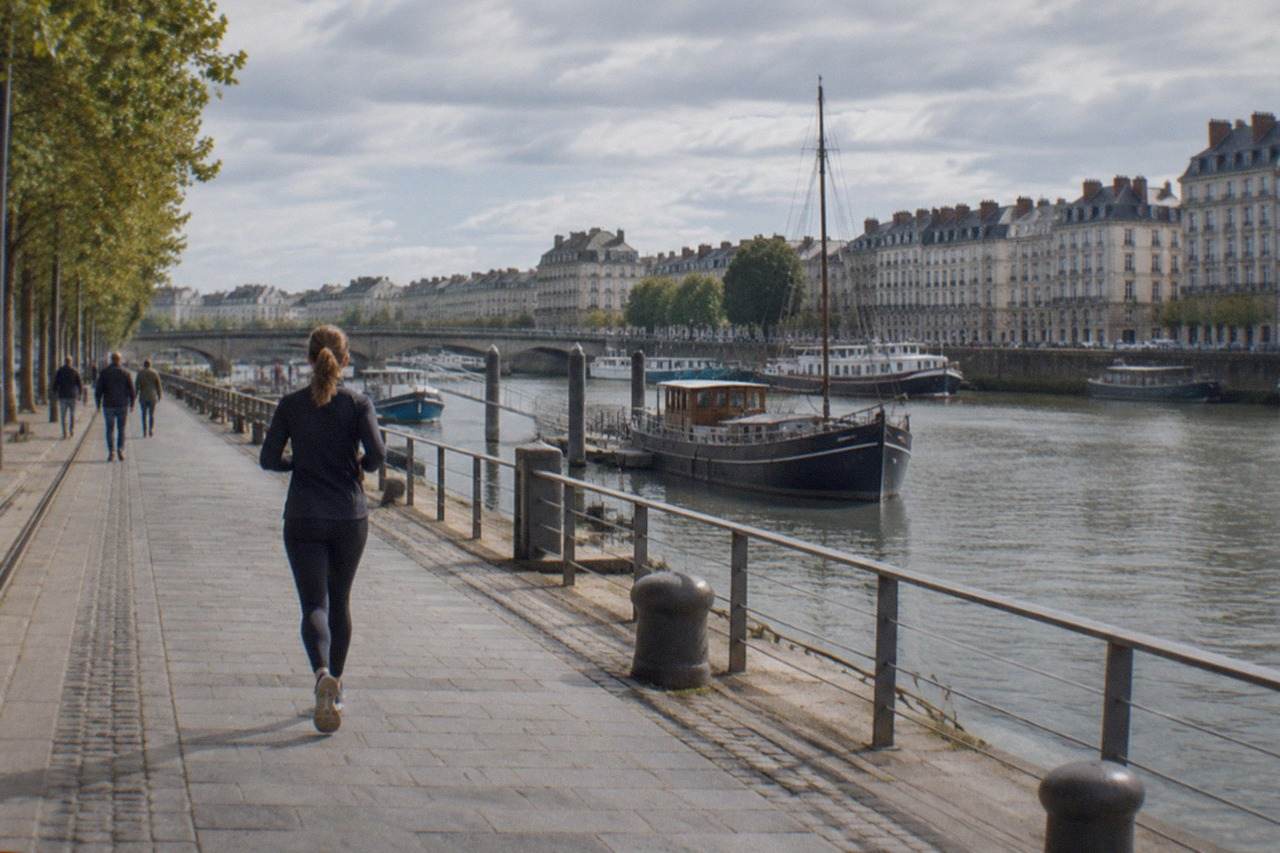
Jules Verne was born in Nantes, in the Loire-Atlantique department of the Pays de la Loire region of western France, on 8 February 1828, at number 4 rue Olivier-de-Clisson on the Île Feydeau. The address is a short walk from the city's grand Loire-side quays, and that geography matters more than any single object in his story. Nantes in the 1830s was one of France's great Atlantic ports, and the boy who watched ships tie up along the Feydeau would grow up to write Twenty Thousand Leagues Under the Sea, Around the World in Eighty Days and Journey to the Centre of the Earth. This guide walks through where he was born, the museum that carries his name, and the far bigger tribute now under construction in the city he left for Paris as a young man.
Where Was Jules Verne Born In Nantes?
Jules Verne was born in Nantes on 8 February 1828, at 4 rue Olivier-de-Clisson on the Île Feydeau, the island quarter formed by two arms of the Loire that merchant shipowners filled with fine merchants' houses. He was the son of Pierre Verne, a lawyer, and grew up between the Feydeau and his grandparents' home near the Château des ducs de Bretagne before leaving for Paris in his late teens. He died on 24 March 1905 in Amiens, but Nantes kept the birth record and the streets.
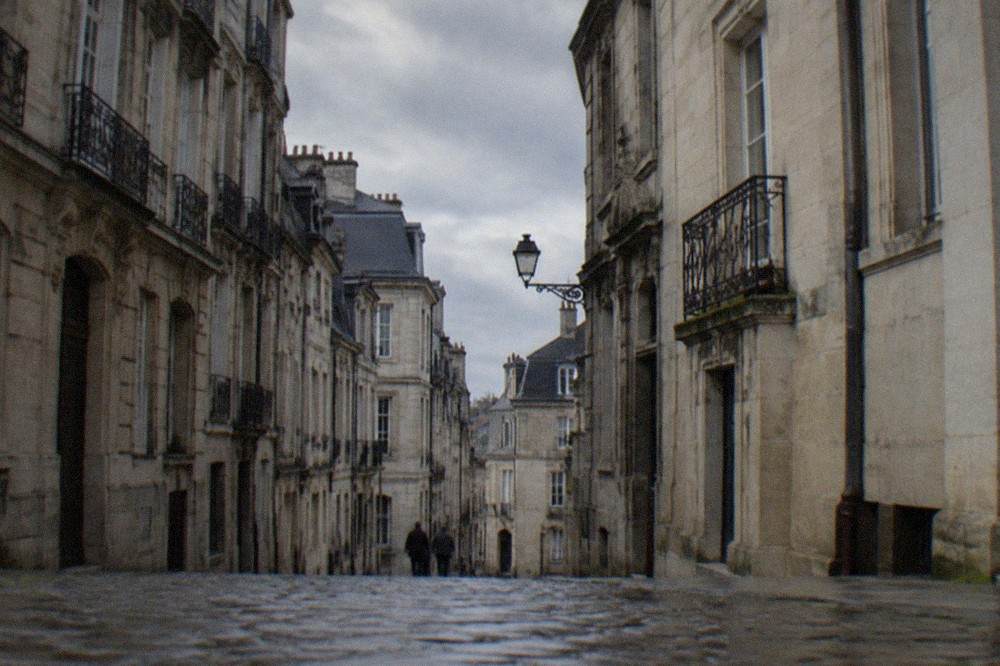
The Île Feydeau today no longer feels like an island. The northern arm of the Loire that once separated it from the mainland was filled in during the 20th century, and what remains is a dense grid of tall, weathered facades, some of them visibly leaning, strung along rue Olivier-de-Clisson and the surrounding lanes. These houses were built by the shipowners and slave traders of Verne's city's port era, a history the city now addresses directly at the Mémorial de l'abolition de l'esclavage on the Quai de la Fosse, and reading it alongside Verne's childhood gives the quarter its full weight. For more on that period of the city's past, see the Nantes slave trade history guide and the wider Nantes history guide.
A plaque marks the birthplace at number 4. The building is private, so the visit is a street-level one: stand on the corner, look up at the mascarons carved into the stone, and remember that the boy who lived here could hear the river traffic from his window. Most of the Feydeau is walked in under half an hour, and it connects naturally to the quays heading west toward the Château, which makes it an easy first stop on any Verne-themed morning in the city.
What Can You See At The Musée Jules Verne In Nantes?
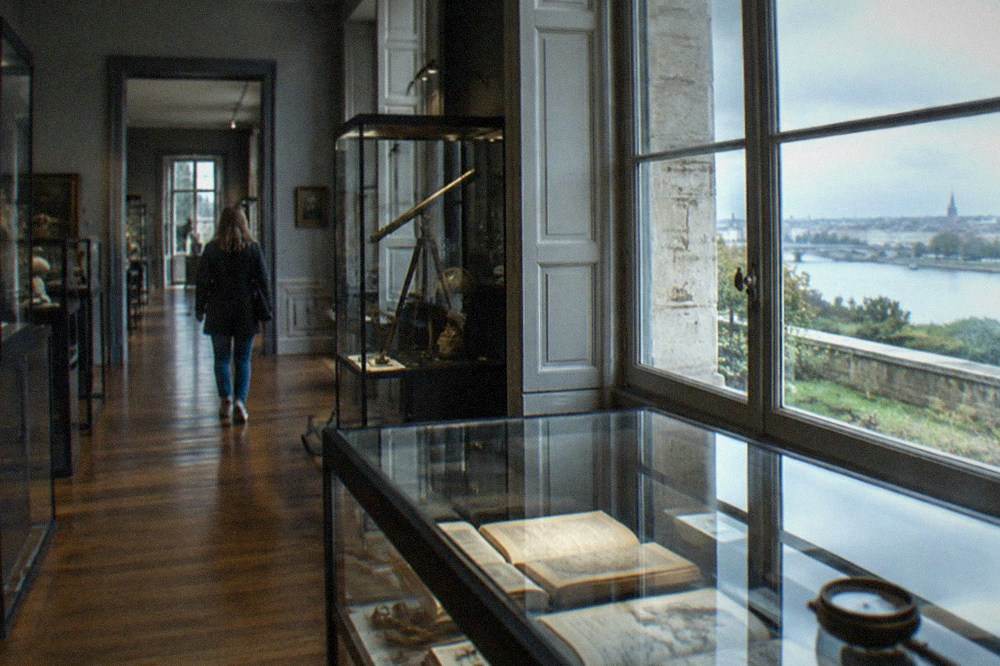
The Musée Jules Verne stands at 3 rue de l'Hermitage on the Butte Sainte-Anne, in the Chantenay hillside west of the centre, and it is the city's principal collection devoted to the writer: manuscripts, early editions, personal objects and instruments, plus models tied to his voyages extraordinaires. Admission is 4 EUR full price and 1.50 EUR reduced, it is closed on Tuesdays, and it is included in the 15 EUR Pass Musées that also covers the Musée d'arts and the Château museum.
The museum site sits high above the Loire, and the climb or the short bus ride up the Butte Sainte-Anne is part of the point: from the terrace the river opens out exactly as it would have for a boy dreaming of the Atlantic. Inside, the display threads Verne's life through the machines and journeys he imagined, from undersea vessels to aerial ones, and the curators lean on the fact that his fiction was grounded in real 19th-century engineering. The building is not air-conditioned, which the museum itself flags, so summer visits are better made in the morning.
Practical details from the museum's own preparation page:
| Detail | Information |
|---|---|
| Address | 3 rue de l'Hermitage, Butte Sainte-Anne, Nantes |
| Full price | 4 EUR |
| Reduced price | 1.50 EUR |
| Closed | Tuesdays |
| Standard hours | Mon, Wed-Fri and Sun 14:00-18:00; Sat 10:00-12:00 and 14:00-18:00 |
| Summer 2026 | Daily 10:00-19:00 |
| Pass Musées | Included (15 EUR, valid one year, also covers Musée d'arts, Château museum, Chronographe) |
| Free days | First Sunday of the month, September to June |
The museum is small enough that an hour and a half covers it comfortably, longer if you read every label. Pair it with a walk down through Chantenay toward the river, where the granite cliffs and the old working quays feel closer to Verne's industrial century than the polished centre does. The fuller sight-by-sight treatment lives on the Jules Verne Museum attraction page, and for how the museum fits among the others, see museums in Nantes.
How Do You Play The Jules Verne Outdoor Escape Game In Nantes?
An outdoor escape game called Le Défi de Jules Verne sends players through central Nantes solving riddles tied to Verne's novels, following a route on a smartphone with no guide and no fixed start time. It suits visitors who want a structured, playful way to cover the historic core, and it works in pairs or small groups. The operator's live listing carries the current price, rating and booking terms, so check it directly before reserving a slot.
The game's premise leans on exactly what this article has described: a city of quays, machines and hidden passages that Verne himself would have recognised. Because it is self-directed, it slots neatly into an afternoon, and because the puzzles send you to specific places, it doubles as an unconventional walking tour of the centre. Players typically finish with a sense of the city's layout that a bus tour does not give.
For readers who prefer a guide to a game, a private custom walking tour of Nantes can be adapted on request, and the free things to do in Nantes guide lists the courtyards and passages the game route touches.
What Is The Cité Des Imaginaires And When Does It Open?
The Cité des Imaginaires is a major expansion of the Jules Verne offer, planned inside the Cap 44 building, a former flour mill in Bas-Chantenay, with works running through 2026 and an opening targeted for 2028. It will house an enlarged permanent Jules Verne parcours, a library, a café-bar, a bookshop and a rooftop terrace, making it the largest cultural project devoted to the writer in the city. Until it opens, the Butte Sainte-Anne museum remains the main collection.
The Cap 44 building is a landmark of Nantes's industrial riverbank, and its conversion continues the pattern the city has followed on the Île de Nantes, where former shipyards became Les Machines de l'île. That kinship is not incidental. The mechanical elephant and the marine carousel draw on the same vernacular Verne wrote in, of impossible machines made plausible, and the city markets them as part of one imaginative lineage. The grand elephant's 12 EUR ride ticket and the Galerie's 12 EUR entry sit alongside the Verne museum in any themed itinerary; details are on the Machines de l'île attraction page.
What changes in 2028 is scale. The project's own metro pages describe a "tiers-lieu", a hybrid of museum, library and cultural venue, rather than a conventional gallery, and the rooftop terrace will add a new public viewpoint over the Loire. Until then, budget your Verne time for the Butte Sainte-Anne and watch the works from the Chantenay riverbank.
Which Other Nantes Sites Connect To Jules Verne?
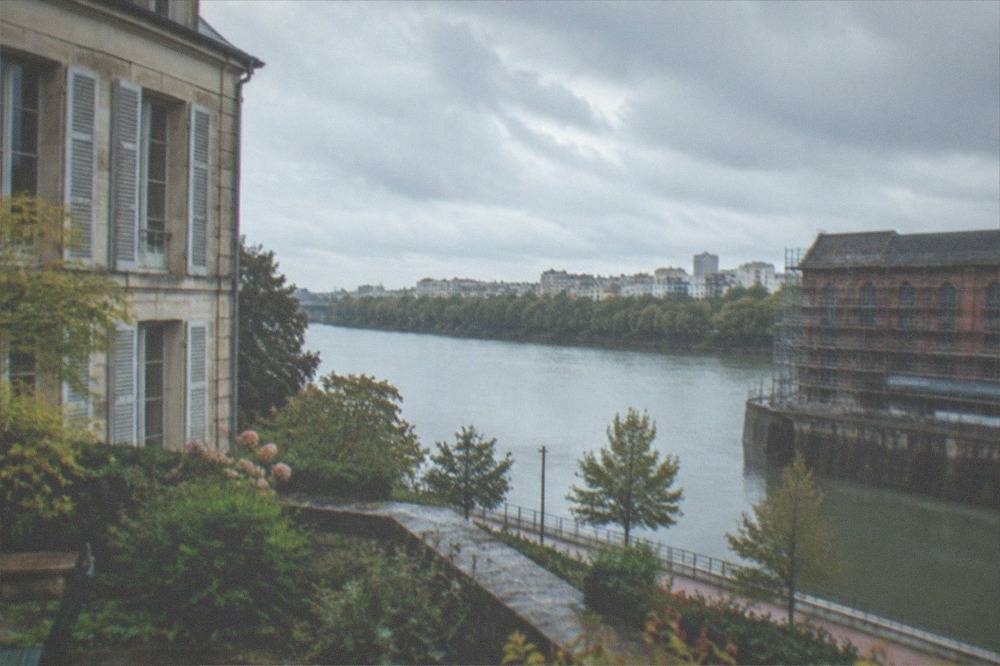
Beyond the birthplace and the museum, Verne's Nantes extends to the Loire quays and the Château district, the Jardin des Plantes and the Passage Pommeraye, each of which shaped the city he knew rather than memorialising him directly. The quays gave him the sea, the Château gave him the dukes' history, and the Jardin's greenhouses gave him a taste for botanical exotica that surfaces in his novels. None of these carries an entry fee except the Château's museum at 9 EUR.
The connections are thematic rather than museum-like, which is their charm. Walking from the Feydeau west along the Quai de la Fosse, past the Mémorial de l'abolition de l'esclavage, you follow the axis of the port Verne knew. The Château des ducs de Bretagne, begun in 1466 by Francis II, whose daughter Anne of Brittany was born there in 1477, anchors the same walk at its northern end, and its ramparts are free to enter daily from 8:30 to 19:00. The Jardin des Plantes, a free botanical garden east of the station, keeps the exotic planting tradition that fed 19th-century imaginations.
| Site | Verne connection | Entry |
|---|---|---|
| 4 rue Olivier-de-Clisson, Île Feydeau | Birthplace, 8 February 1828, plaque on a private building | Free |
| Loire quays, Quai de la Fosse | The port traffic of his childhood; Mémorial de l'abolition nearby | Free |
| Château des ducs de Bretagne | City history from the dukes onward; ramparts 8:30-19:00 | Courtyard free; museum 9 EUR |
| Jardin des Plantes | Botanical garden tradition reflected in his fiction | Free |
| Musée Jules Verne, Butte Sainte-Anne | Main collection: manuscripts, editions, objects, instruments | 4 EUR |
| Cap 44, Bas-Chantenay | Future Cité des Imaginaires, opening targeted 2028 | Works ongoing |
None of these sites demands a ticket beyond the two museums, so a full Verne-themed day in Nantes can be spent for under 15 EUR per person in admissions. That is unusual for a city of this size, and it is one reason the theme suits travellers watching costs, a subject covered in more depth in the Nantes on a budget guide.
How Do You Get Around Verne's Nantes?
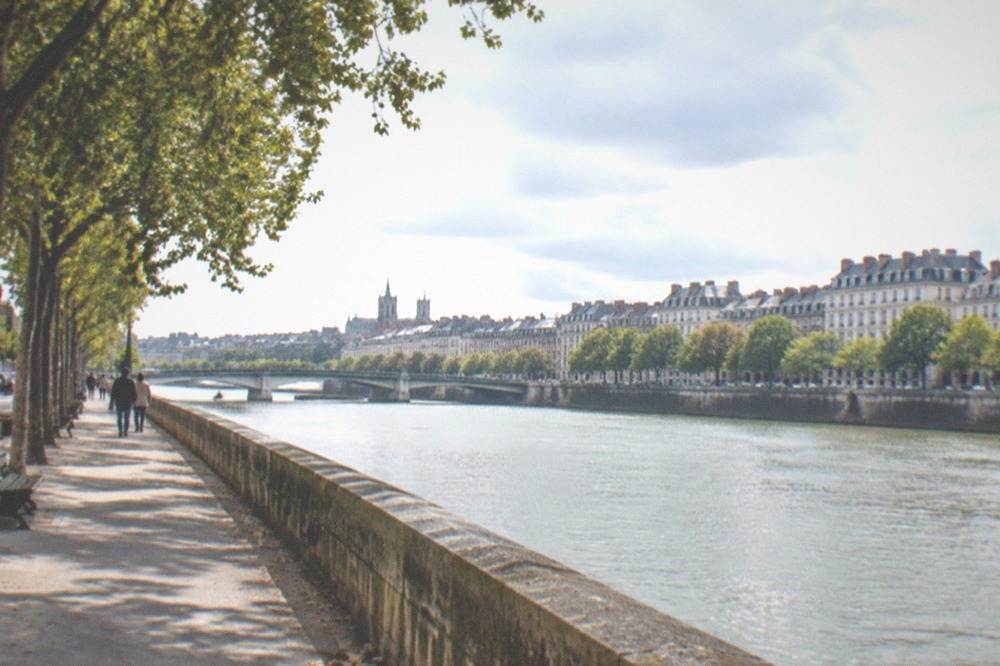
The Verne sites sit across three zones: the Feydeau and centre, the Butte Sainte-Anne in Chantenay, and the Île de Nantes, linked by Naolib trams, buses and the Navibus river shuttles, with a 1 h network ticket at 1.80 EUR and a 24 h ticket at 6.80 EUR. Weekend travel on the Naolib network is free for everyone from Saturday midnight to Sunday 23:59, excluding the 10 EUR airport shuttle. The Pass Nantes bundles unlimited transport with the main museums.
The Butte Sainte-Anne museum is the one Verne site that rewards a small amount of transport planning. Tram and bus lines serve the Chantenay side, but the hill itself is steep, and the fun of walking up is matched by the fun of riding the river shuttle back. The Navibus N2 line links the Hangar à Bananes on the Île de Nantes with Trentemoult across the water, and normal Naolib tickets cover it, which turns the journey into part of the visit. Full fare details and route help are in the getting around Nantes guide.
| Naolib ticket | Price | Coverage |
|---|---|---|
| 1 h single | 1.80 EUR | Tram, bus, Navibus, TER inside the métropole |
| 10 × 1 h carnet | 17.80 EUR | Same network, shareable |
| 24 h | 6.80 EUR | Full network, one person |
| 24 h for 4 people | 15 EUR | Group day ticket |
| P+R (park-and-ride) | 4.50 EUR | 24 h parking plus transport for up to 5 people |
| Airport shuttle | 10 EUR | Always charged, including weekends |
For a stay built around several paid museums, the Pass Nantes compares well. Its 24 h version costs 30 EUR full price, 48 h costs 40 EUR and 72 h costs 49 EUR, with reduced rates for children aged 4 to 17 and students under 26, and it includes unlimited Naolib travel, one airport shuttle return and entries including the Château museum, the Galerie des Machines and the Carrousel des Mondes Marins, though not the Grand Éléphant ride. The full comparison is in the Pass Nantes guide.
| Pass Nantes | Full | Reduced | Family (2 adults + 2 children) |
|---|---|---|---|
| 24 h | 30 EUR | 20 EUR | 80 EUR |
| 48 h | 40 EUR | 26 EUR | 106 EUR |
| 72 h | 49 EUR | 31 EUR | 129 EUR |
| 7 days | 75 EUR | 45 EUR | 195 EUR |
When Is The Best Time To Follow Jules Verne's Nantes?
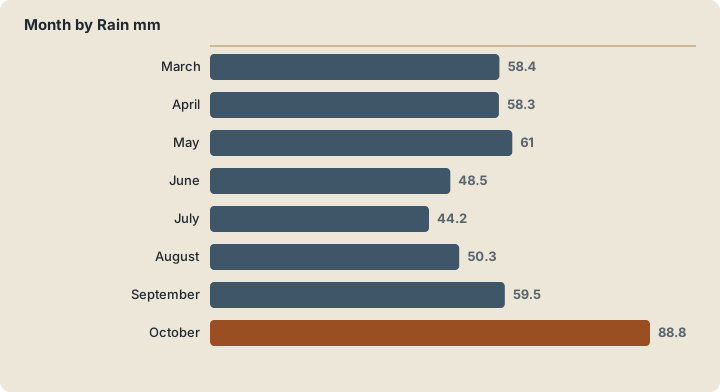
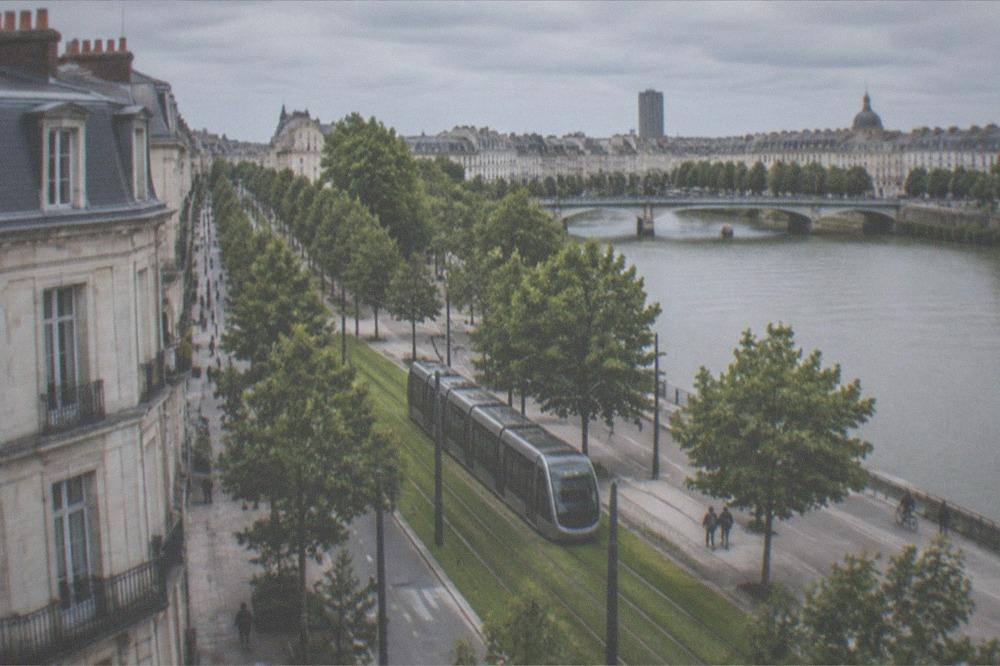
The best months to follow Jules Verne's Nantes are April to June and September to October, when the Météo-France normals for the Nantes-Bouguenais station show mean maximum temperatures of 16.2 to 23.0 C and the rainiest winter months have passed; July and August average 25.4 C and 25.1 C respectively but bring the thinnest museum-queue ease. The city's climate is temperate oceanic, with 819.5 mm of rain a year, not Mediterranean.
The Verne itinerary is mostly outdoor: quays, hillsides and river crossings, with two museum stops as shelter. That makes the shoulder seasons the sweet spot, and it makes September especially good, because the summer art trail of Le Voyage à Nantes has usually just closed, the October rains have not begun, and the museum's summer hours have ended in favour of the calmer standard ones. The trade-offs by season are set out in the best time to visit Nantes guide and the Nantes weather guide.
| Month | Mean max C | Rain mm | Verne itinerary note |
|---|---|---|---|
| March | 13.5 | 58.4 | Cool quays, quiet museum |
| April | 16.2 | 58.3 | Comfortable walking weather |
| May | 19.6 | 61.0 | Jardin des Plantes at its best |
| June | 23.0 | 48.5 | Driest of the shoulder months |
| July | 25.1 | 44.2 | Busiest; book museum and Machines ahead |
| August | 25.4 | 50.3 | Peak heat; museum not air-conditioned |
| September | 22.4 | 59.5 | Post-summer calm on the quays |
| October | 17.6 | 88.8 | Wet returns; indoor-weighted days |
One weather note worth carrying: the Loire flooded in February 2026, reaching 8.18 m at the Pont Anne-de-Bretagne, the first time above 8 m in about 15 years, which closed the Mémorial's underground spaces during the episode. Winter visitors should check the memorial's page in wet weeks, and the free weekend transport makes a rain-flexible Saturday plan easy to adjust on the day.
Where Does Verne's Legacy Sit In Nantes Today?
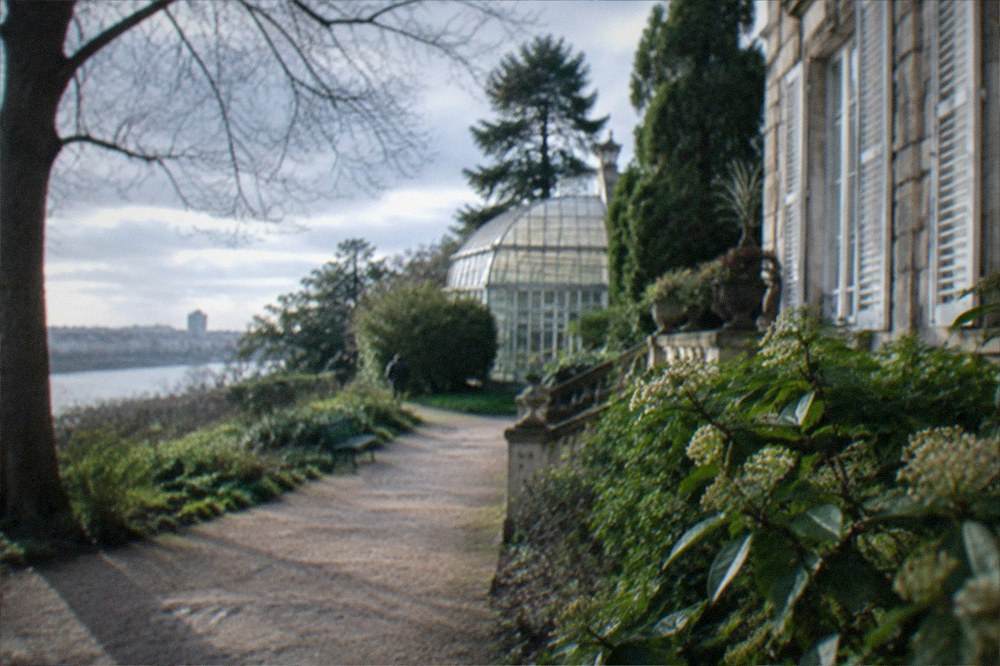
Verne's legacy in Nantes today runs less through statues than through the city's machine-and-voyage identity: Les Machines de l'île's mechanical elephant, inaugurated on 30 June 2007, the annual summer art trail Le Voyage à Nantes, created in 2011, and the coming Cité des Imaginaires all trade on the imaginative lineage he began on the Feydeau. The 2026 summer edition of Le Voyage à Nantes ran from 4 July to 6 September under the theme of Earth, the first of a four-year cycle on the elements.
That lineage is the reason a Verne-themed visit keeps spilling beyond the Verne sites. The green line, about 20 km of painted route across the city each summer, connects the Île de Nantes to the centre and the Butte Sainte-Anne, and 2026's edition even put video works into the cathedral crypts. The green line's route and the artworks along it are described in the Le Voyage à Nantes guide. Whether the city is worth the trip in its own right is answered in detail in is Nantes worth visiting.
For families, the combination is unusually strong. The Machines, the escape game, the Jardin des Plantes and the river shuttles give children the same mix of machines, boats and gardens that the city gave Verne. For trip-planning depth, the root page for the city is things to do in Nantes, and this site's own Nantes Travel Guide homepage gathers the full directory.
A private custom walk is the most flexible way to fold the Verne stops into a wider city tour, since the guide sets the route to your pace and interests rather than to a fixed timetable. Travellers who would rather explore independently can simply carry this article's order of stops, from the Feydeau birthplace west along the quays, up the Butte Sainte-Anne to the museum, and back across the water past the Île de Nantes machines.
Common Questions About Jules Verne In Nantes
Where was Jules Verne born?
Jules Verne was born in Nantes, at 4 rue Olivier-de-Clisson on the Île Feydeau, on 8 February 1828. The house is private, but a plaque marks the address, which stands a short walk from the Loire-side quays.
Is there a Jules Verne museum in Nantes?
Yes. The Musée Jules Verne stands at 3 rue de l'Hermitage on the Butte Sainte-Anne, west of the centre. Admission is 4 EUR full price, 1.50 EUR reduced, and it is closed on Tuesdays. It is included in the 15 EUR annual Pass Musées.
When does the Cité des Imaginaires open in Nantes?
The Cité des Imaginaires, an enlarged Jules Verne museum and cultural venue inside the former Cap 44 flour mill in Bas-Chantenay, is targeted to open in 2028, with works running through 2026.
How long did Jules Verne live in Nantes?
Verne was born in Nantes in 1828 and lived in and around the city until his late teens, when he left for Paris. He died on 24 March 1905 in Amiens, the city most associated with his adult life.
Are the Jules Verne sites in Nantes easy to reach without a car?
Yes. The birthplace on the Île Feydeau is central and walkable, and the Butte Sainte-Anne museum is served by the Naolib network, whose 1 h ticket costs 1.80 EUR. Weekend travel on the network is free, excluding the airport shuttle.
Does the Pass Nantes cover the Jules Verne Museum?
The Pass Nantes includes entries to partner sites such as the Château museum, the Galerie des Machines and the Carrousel des Mondes Marins, plus unlimited transport. Check the current partner list on the pass page before buying, since inclusions are set by the tourism office each season.
Verne left Nantes as a young man and spent his writing life in Paris and Amiens, but the port city kept the first draft of every ocean he ever wrote. Follow the quays west from his birthplace, climb the Butte Sainte-Anne to the museum that bears his name, and you will see the whole architecture of his imagination laid out in stone and water.