Jules Verne Museum
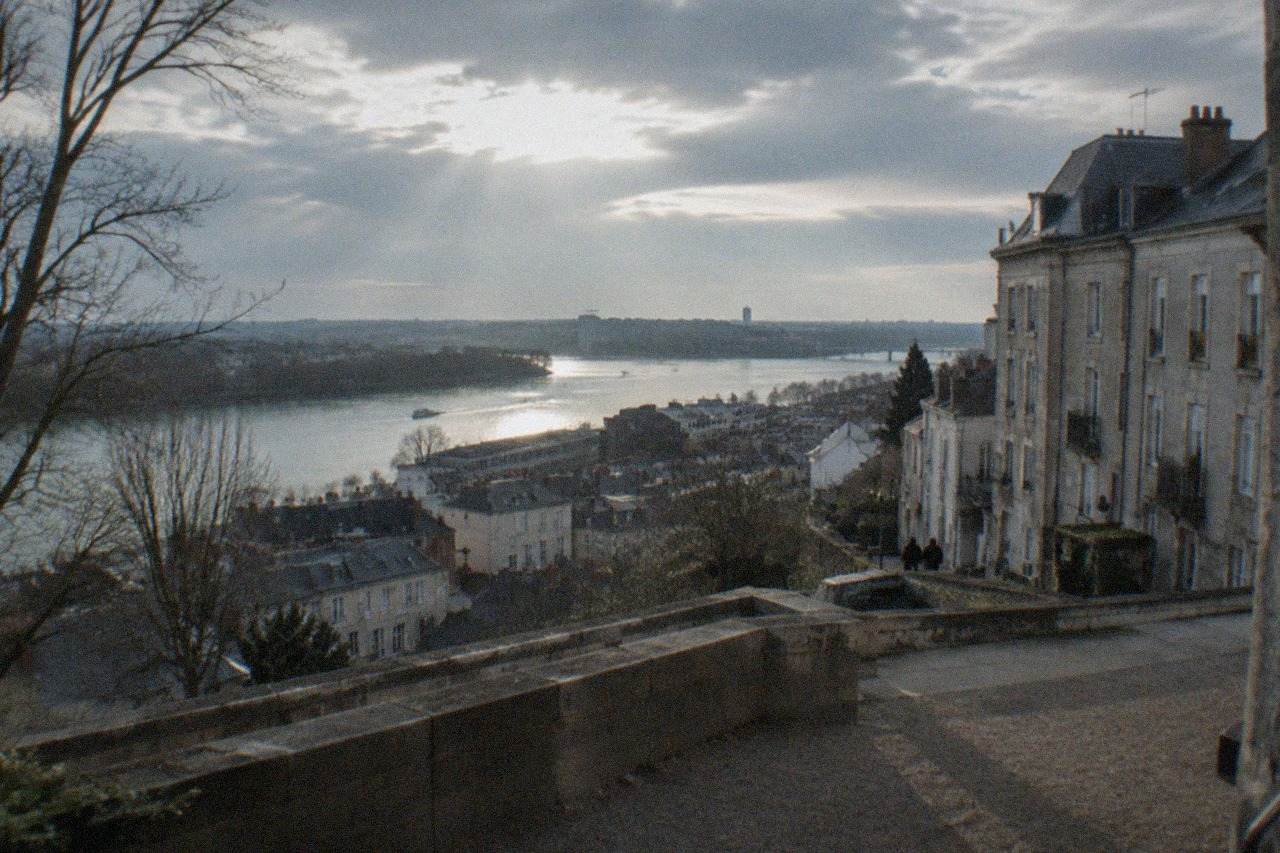
The Jules Verne Museum in Nantes, France, sits above the Loire on the Butte Sainte-Anne, a short walk and a funicular ride from the city centre, and holds the city's main collection devoted to the author of Twenty Thousand Leagues Under the Seas.
Short answer
The Jules Verne Museum in Nantes is open afternoons most days except Tuesday, costs 4 EUR full price with a 1.50 EUR reduced rate, and is included in the 15 EUR Pass Musées. It stands on the Butte Sainte-Anne above the Loire, close to the Île de Versailles and the Erdre river, and is due to move to a larger Cité des Imaginaires site in 2028.
The Jules Verne Museum in Nantes, France, occupies a modest 19th-century house on the Butte Sainte-Anne, the hillside quarter on the city's south bank where the author spent part of his childhood, and it remains the single best place in the city to understand why the writer of "Twenty Thousand Leagues Under the Seas" and "Around the World in Eighty Days" keeps such a hold on Nantes. This guide sets out what the museum costs, when it opens, what you actually see inside, how to reach it, and what changes are coming when the collection moves to the larger Cité des Imaginaires site planned for 2028. Everything here is drawn from the museum's own published tariff and schedule information, cross-checked against the city's official museum pages, and it reflects the situation for 2026 rather than older guidebook figures.
What Is The Jules Verne Museum In Nantes?
The Jules Verne Museum is a small city museum at 3 rue de l'Hermitage on the Butte Sainte-Anne, the hill above the north side of the Loire in Nantes, devoted to the life, books and era of the novelist Jules Verne, who was born in the city in 1828. It holds manuscripts, early editions, models and memorabilia connected to his voyages extraordinaires, charges 4 EUR full price, and sits within the 15 EUR annual Pass Musées.
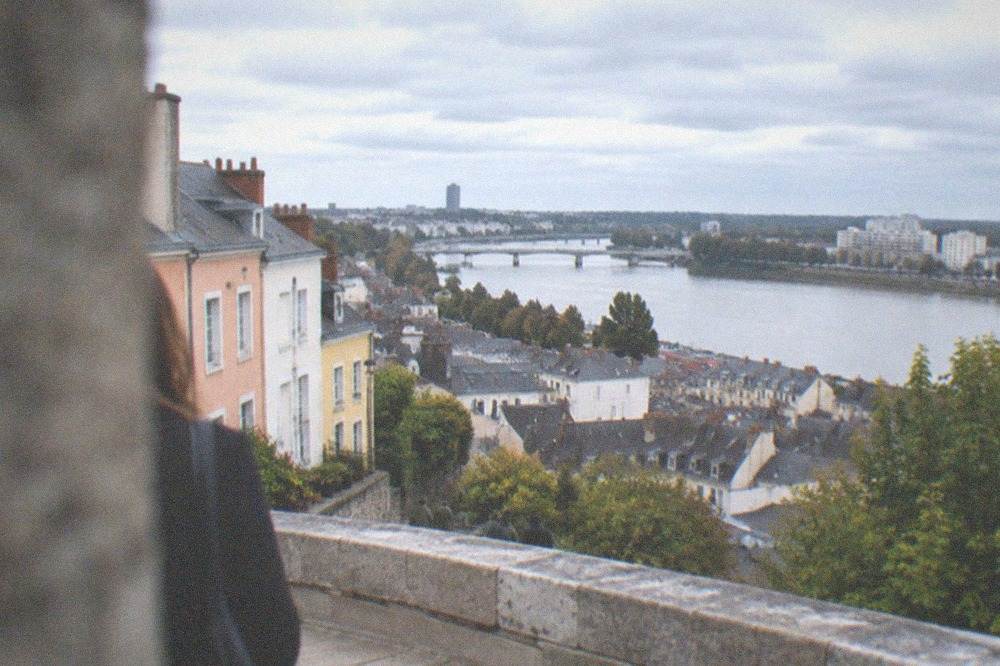
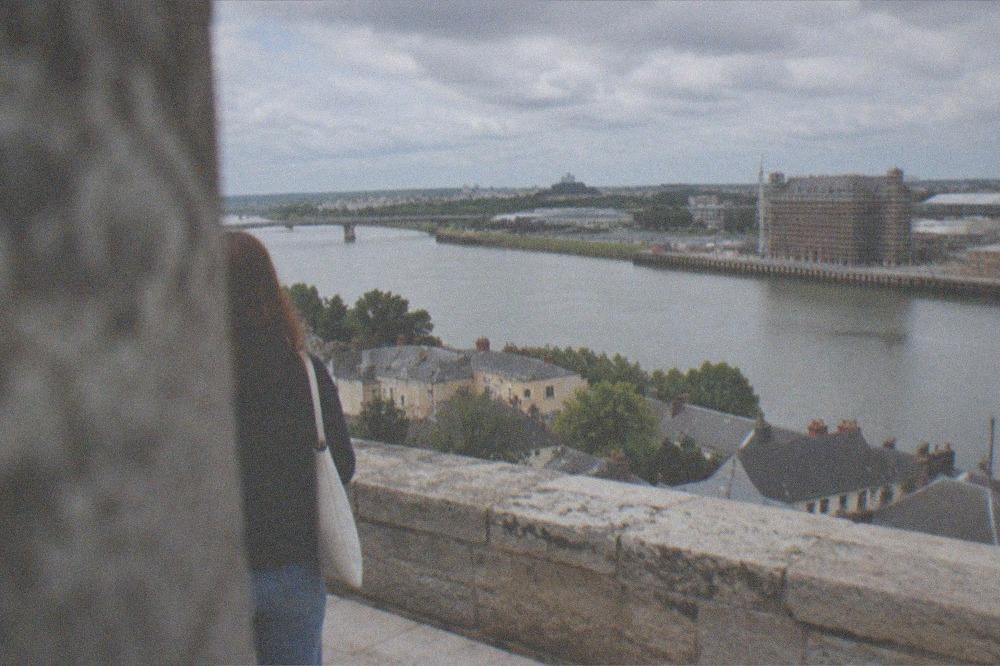
It is a house museum, not a national institution, and that scale is part of its character. The rooms follow Verne from his childhood on the Île Feydeau, through his Paris years as a playwright and stockbroker, to the sequence of novels that made him one of the most translated French authors of all. Because the building is a converted residence on a steep hill, the museum notes plainly that it is not air-conditioned, which matters if you plan a visit during a hot July or August afternoon. The reward for the climb is one of the better viewpoints over the Loire and the docks that shaped Verne's imagination, with the river traffic and the port works of the 19th century still visible in the geography below.
The museum also functions as the anchor of a wider Jules Verne trail across Nantes, and the city leans into that association hard. His birthplace on the Île Feydeau, the Jules Verne-inspired machines on the Île de Nantes and the escape games themed on his novels are all within a short tram or Navibus ride of the Butte Sainte-Anne. Our Jules Verne in Nantes guide covers that full trail in detail, and the museum is the natural first stop on it.
Where Was Jules Verne Born And What Dates Shaped His Nantes?
Jules Verne was born in Nantes on 8 February 1828 at 4 rue Olivier-de-Clisson on the Île Feydeau, the island quarter built on the Loire's sandbanks, and he left the city for Paris as a young man before publishing the run of novels now called the voyages extraordinaires. He died on 24 March 1905 in Amiens, the northern city where he spent his adult life. Nantes, not Amiens, is the city that shaped the maritime imagination behind the novels.
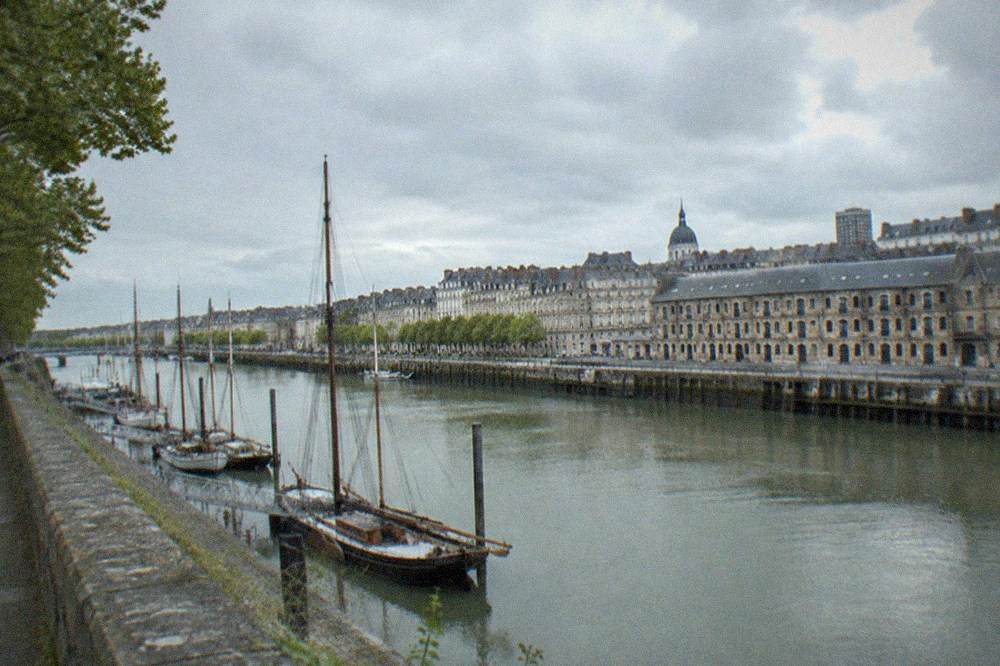
The birth date matters to the museum's story because the Nantes Verne knew was a great Atlantic port at the peak of its shipbuilding and trading wealth. The boats moored along the Île Feydeau, the sailors in the taverns of the old town and the cargo coming up the Loire were the raw material for the scenes later poured into "Twenty Thousand Leagues Under the Seas". The museum's displays make that link explicit, pairing passages from the novels with the port city he left behind.
The key dates of his life and the museum's own history sit together in one table:
| Date | Event |
|---|---|
| 8 February 1828 | Jules Verne born at 4 rue Olivier-de-Clisson, Île Feydeau, Nantes |
| 24 March 1905 | Verne dies in Amiens, where he is buried |
| 2026 | Works begin on the Cité des Imaginaires at Bas-Chantenay |
| 2028 | Planned move of the museum to the larger Cité des Imaginaires |
For visitors who want the fuller picture of the author's footprint in the city, from the birthplace facade to the machines his work inspired, the trail pairs naturally with a visit to Les Machines de l'île, where the Grand Éléphant and the marine carousel draw directly on the same Verne inheritance.
If you would rather turn the novelist's Nantes into a game than a museum visit, themed outdoor products run across the city's streets:
What Does The Jules Verne Museum Cost And When Is It Open?
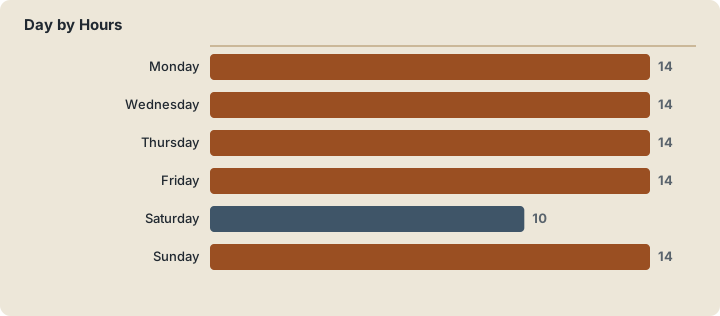
Full admission to the Jules Verne Museum in Nantes is 4 EUR, the reduced rate is 1.50 EUR, and the museum is included in the 15 EUR Pass Musées, which covers a year of unlimited visits to four metropolitan museums. Standard hours are afternoons, 14:00 to 18:00, on Monday, Wednesday to Friday and Sunday, with a Saturday morning opening at 10:00 to 12:00 alongside the afternoon session, and the museum is closed on Tuesdays.
The museum's own preparation page gives the ticket prices and the weekly rhythm, and two practical details from it deserve emphasis before you set out. First, the Tuesday closure is firm: unlike the larger château museum, which closes Monday, this museum's day off is Tuesday, so a visitor planning a run of museums across a week needs to watch the different closed days. Second, the summer schedule extends the hours: in July and August the museum has been listed as open daily from 10:00 to 19:00, which makes an early evening visit after a day at the riverside entirely feasible. The first Sunday of the month, from September to June, is free.
| Ticket | Price | Notes |
|---|---|---|
| Full price | 4 EUR | Adults 26 and over |
| Reduced | 1.50 EUR | Concession categories |
| First Sunday of month | Free | September to June, excluding July-August |
| Pass Musées | 15 EUR | One year, four museums, unlimited visits |
| Under 18 | Free | Standard metropolitan museums policy |
The weekly rhythm looks like this outside the summer extension:
| Day | Hours |
|---|---|
| Monday | 14:00-18:00 |
| Tuesday | Closed |
| Wednesday | 14:00-18:00 |
| Thursday | 14:00-18:00 |
| Friday | 14:00-18:00 |
| Saturday | 10:00-12:00 and 14:00-18:00 |
| Sunday | 14:00-18:00 |
Two cautions apply. The museum is not air-conditioned, so a July afternoon visit is best made early in the opening window. And because the building sits at the top of a hill reached by stepped lanes, allow more time than the map suggests; the funicular from the riverside removes most of the climb, and the museum entrance is a level stroll from its top station.
The escape game themed directly on the author's novels is the most obvious companion to a museum visit, and you can check dates against your travel window before committing:
Before booking, it helps to know the puzzle trail runs entirely outdoors in the streets around the city centre, so it pairs well with the museum's indoor hour on the same day as long as the weather holds. Availability for both on one afternoon is worth confirming in advance.
What Will You Actually See Inside The Museum?
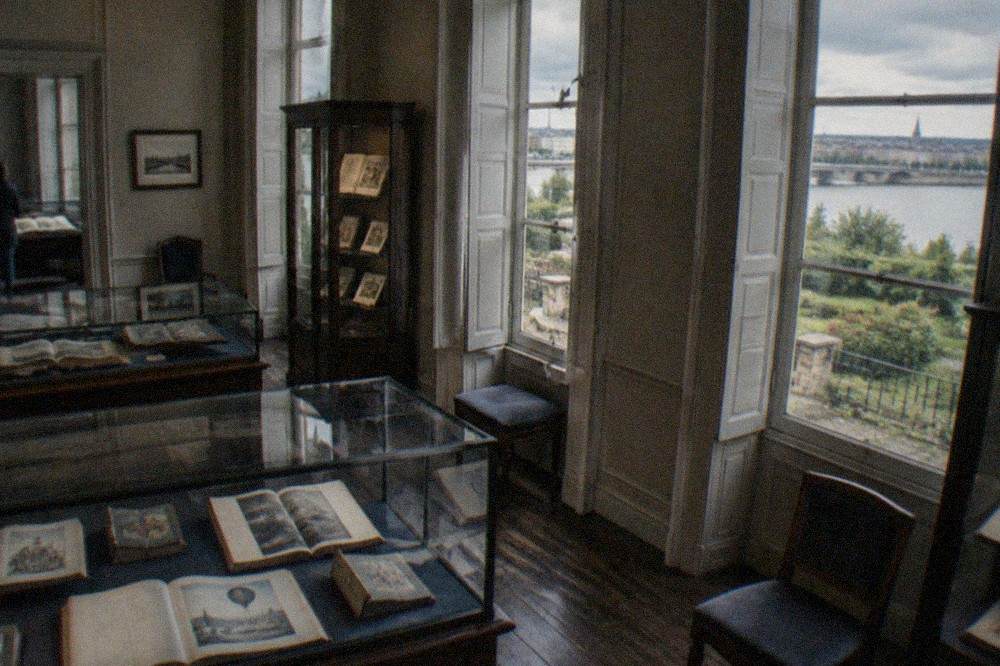
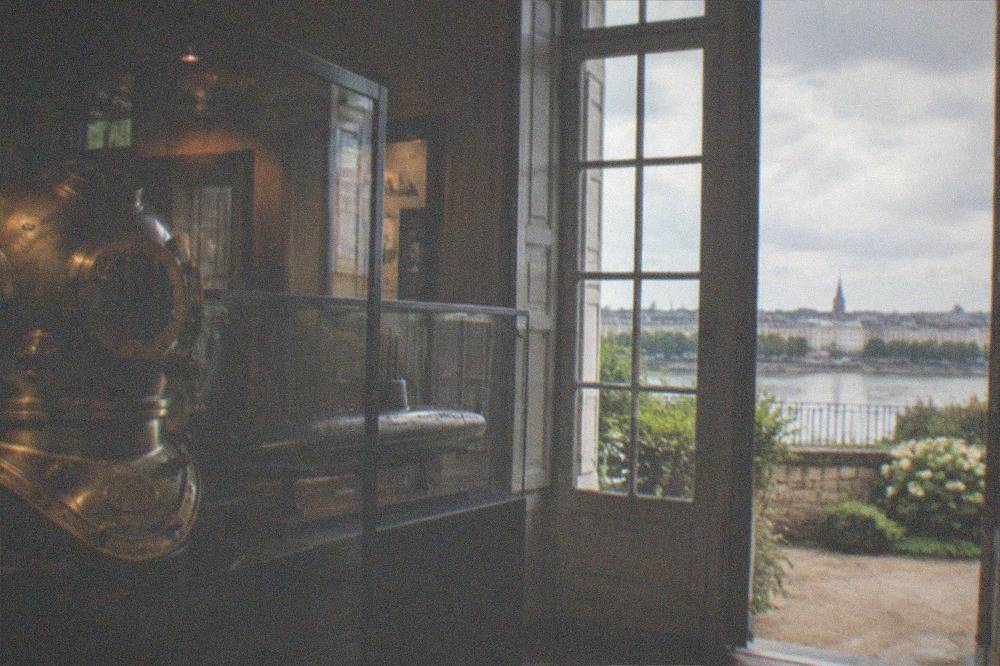
Inside, the Jules Verne Museum presents manuscripts, early and illustrated editions of the novels, scale models of the machines and vessels from the books, and personal effects tracing the author from his Nantes childhood to his Amiens adulthood, across a sequence of modest rooms sized to the house rather than to a grand gallery. The displays lean on the city's maritime past, pairing the fictional Nautilus with the real port below the museum's windows. Expect a visit of about an hour.
The collection is strongest on the printed word. Illustrated first and early editions line the cases, and the museum has leaned into scientific objects tied to Verne's themes in recent programming, an approach the city's own pages highlighted through the 2026 science festival tie-ins. Models occupy the middle of the display: the diving suits, airships and submarines that turned the novels' drawings into three dimensions. The personal material, from family papers to portraits, sits closer to the entrance and sets up the biography the rest of the rooms unpack. More of these guides are collected on Nantes Travel Guide.
What the museum does not attempt is a theme-park treatment of the books. That role belongs elsewhere in the city, to the mechanical elephant and marine carousel on the Île de Nantes, and visitors arriving with small children should know that this is a reading museum, quiet and text-heavy, better suited to adults and older children who know a title or two. Families with younger children may prefer to pair the visit with the Jardin des Plantes or the Passage Pommeraye on the same day.
A reasonable day built around the museum and its hillside quarter:
| Time | Stop |
|---|---|
| Morning | Jardin des Plantes or Île de Versailles, both free |
| Midday | Lunch in the Bouffay old town or Graslin quarter |
| Early afternoon | Jules Verne Museum on the Butte Sainte-Anne |
| Late afternoon | Riverbank walk below the hill, or Navibus crossing to Trentemoult |
| Evening | Machines de l'île galleries if visiting in the extended season |
The Île de Versailles, the Japanese garden set on an island in the Erdre a short walk north-east of the hill, makes a calm counterpoint before the museum's darker display rooms; see our Île de Versailles guide for its hours.
How Do You Get To The Butte Sainte-Anne?
The Jules Verne Museum stands on the Butte Sainte-Anne, reached from the city centre by crossing the Loire and climbing or riding up the hillside; the riverside quarter below it, Bas-Chantenay, links to the Île de Nantes by the Navibus N2 river shuttle, and the funicular from the riverside at the bottom of the hill is the standard way up. The hill itself is a network of stepped lanes, so approach from the riverside rather than the ridge.
The practical detail is the gradient. Rue de l'Hermitage and its neighbours rise steeply from the quay, and the lanes include steps, which rules out a wheeled approach from the bottom for anyone with mobility limits. The funicular, one of Nantes's small quirks, solves the climb in a couple of minutes. The museum's own preparation page flags the address plainly as 3 rue de l'Hermitage, and the surrounding quarter, with its 19th-century workers' cottages painted in faded pastels, is itself part of the visit: this is the Sainte-Anne that the Chantenay shipyard workers built, and the walk down afterwards, past the Mémorial de l'abolition de l'esclavage direction along the quay, connects the hill to the city's harder maritime history.
Transport-wise, the Naolib network's weekend rule is worth knowing: the trams, buses and Navibus river shuttles are free for everyone from Saturday 00:00 to Sunday 23:59, though the airport shuttle is excluded from that arrangement and always costs its fixed 10 EUR fare. A standard single ticket is 1.80 EUR. A full transport primer, including the Navibus lines and the tram routes that serve the south bank, is in our getting around Nantes coverage.
Is The Pass Musées Worth It For A Jules Verne Visit?
The Pass Musées costs 15 EUR for one year of unlimited entry to four metropolitan museums, the Musée d'histoire de Nantes at the château, the Musée d'Arts de Nantes, the Jules Verne Museum and the Chronographe at Rezé, so it pays for itself once you visit the Jules Verne Museum plus two of the others. At the individual rates of 4 EUR here, 9 EUR at the château museum and 9 EUR at the Musée d'Arts, three visits already exceed the pass price.
The pass is the clearest value case in Nantes museum planning, and the Jules Verne Museum, despite being the cheapest of the four, is the natural trigger to buy it, because the pass removes the arithmetic of a short two-stop visit. Note what the pass does not include: the Muséum d'histoire naturelle is closed for works until 2029 and is excluded, and the pass is a museums-only product, distinct from the tourist-facing Pass Nantes that bundles transport and attraction entries for 24, 48 or 72 hours and 7 days.
| Museum | Full price | Closed day |
|---|---|---|
| Musée d'histoire de Nantes, château | 9 EUR, 5 EUR reduced | Monday |
| Musée d'Arts de Nantes | 9 EUR, 4 EUR reduced | Tuesday |
| Jules Verne Museum | 4 EUR, 1.50 EUR reduced | Tuesday |
| Musée Dobrée | 9 EUR, 6 EUR reduced | Monday and Tuesday |
| Chronographe, Rezé | Pass Musées partner | Varies |
Pairing the Jules Verne Museum with the château museum and the Musée d'Arts across two or three afternoons is the classic pattern, and the different closing days make a Tuesday the day for the city's churches, riverside and covered passages instead.
What Is The Cité des Imaginaires Move In 2028?
The Jules Verne Museum is scheduled to move into the Cité des Imaginaires, a far larger cultural site being built around the former Cap 44 mill building at Bas-Chantenay at the foot of the museum's own hill, with opening targeted for 2028 and works under way from 2026. The new site is planned to add a bigger permanent Verne parcours, a library, a café-bar and a rooftop terrace, in place of the current small house museum.
The relocation is the most consequential change to this museum in decades, and it is worth understanding before you plan a 2027 or 2028 visit. The city's project pages describe the Cité des Imaginaires as a cultural tiers-lieu: a combined museum, reading room and event space inside a converted industrial shell. For the Verne collection it means a purpose-built home at last, with room for the models and editions that the current rooms cannot display at once. Until the move, the Butte Sainte-Anne site continues to operate on the hours and prices above, and the museum's programming continues alongside it.
For visitors in 2026, the practical read is this: the current museum is a small, cheap, rewarding hour for readers, and the Cité des Imaginaires will be a destination in its own right from 2028. If your trip falls in between, check the museum's own pages before travelling, because a move of this scale carries transitional closures. Meanwhile the Verne thread in Nantes does not depend on the building: the machines, the escape games, the birthplace facade on the Île Feydeau and the Le Lieu Unique cultural centre inside the former LU biscuit factory all carry it.
Day-long ways to experience the same material, if the museum's afternoon hours leave your morning free:
For a city overview that slots the museum into a first visit, the things to do in Nantes page carries the full shortlist, and the one-day itinerary at one day in Nantes sequences the south-bank stops efficiently.
How Does The Jules Verne Museum Compare With Nantes's Other Literary Sites?
The Jules Verne Museum is the only dedicated Verne site in Nantes, but the city spreads his story across at least four other places: the Le Lieu Unique cultural centre in the former LU biscuit factory, the birthplace facade on the Île Feydeau, the Verne-inspired machines of the Île de Nantes, and the outdoor escape games themed on his novels. The museum holds the manuscripts and editions; the other sites hold the atmosphere.
A short comparison of what each adds:
| Site | What it offers Verne fans | Cost basis |
|---|---|---|
| Jules Verne Museum | Editions, manuscripts, models, biography | 4 EUR, Pass Musées |
| Le Lieu Unique | Former LU factory site, now an arts centre | Building entry free |
| Île Feydeau birthplace | The facade at 4 rue Olivier-de-Clisson, exterior only | Free to view |
| Les Machines de l'île | Verne-inspired mechanical elephant and marine carousel | Ticketed per activity |
| Outdoor escape game | Verne-themed puzzle trail across the streets | Product listing |
The division of labour is clean. The museum answers who Verne was; the machines answer what his imagination did to the city's industrial skill; the escape game, arguably the most playful of the set, hands the puzzle to you. All five sit within a compact band of the city between the Île Feydeau and Bas-Chantenay, and none of them needs a car.
Two products that round out a Verne-themed stay, for those who prefer the river and the vines to another museum room:
The Erdre cruise runs on the river Verne knew from the north of the city, and it pairs naturally with a hillside morning before the museum opens. For a pass that covers transport and entries across a whole stay, the CityPass is the other option worth a look alongside the Pass Musées.
And a final practical note: because the museum's standard hours are afternoon-only outside summer, plan it second in the day rather than first. Morning at the gardens or the old town, lunch in the Bouffay, then the climb to the Butte Sainte-Anne, is the sequence that has served visitors best, and the funicular down to the quay afterwards drops you straight onto the riverside walk back toward the centre, with the whole Loire skyline of the city Verne left as a child laid out in front of you.
Common Questions About The Jules Verne Museum In Nantes
How much does the Jules Verne Museum in Nantes cost?
Full admission is 4 EUR and the reduced rate is 1.50 EUR. The museum is included in the 15 EUR Pass Musées, and the first Sunday of the month from September to June is free.
When is the Jules Verne Museum open?
Standard hours are 14:00 to 18:00 on Monday, Wednesday to Friday and Sunday, with Saturday open 10:00 to 12:00 and 14:00 to 18:00. It is closed on Tuesdays, and July-August brings extended daily summer hours of 10:00 to 19:00.
Where is the Jules Verne Museum in Nantes?
It stands at 3 rue de l'Hermitage on the Butte Sainte-Anne, the hill above the north side of the Loire on the city's south bank, a short ride from the centre and linked to the riverside below by the funicular.
Is the Jules Verne Museum moving?
Yes. The collection is scheduled to move to the Cité des Imaginaires, a larger site being built around the former Cap 44 mill building at Bas-Chantenay, with opening targeted for 2028 and works running from 2026. The Butte Sainte-Anne site continues to operate until the move.
How long does a visit take?
About an hour covers the rooms comfortably for most visitors. The building is a converted house on a hill and is not air-conditioned, so allow extra patience on hot afternoons.