Beurre Blanc: Nantes's Famous Butter Sauce, The Story And Where To Eat It
Beurre blanc is the classic emulsified butter sauce of Nantes, in the Loire-Atlantique department of western France, built on a reduction of shallots, Muscadet and vinegar into which cold butter is whisked. Here is what it is, why Nantes restaurateurs are fighting to protect it, and where the sauce fits into the city's food culture.
Short answer
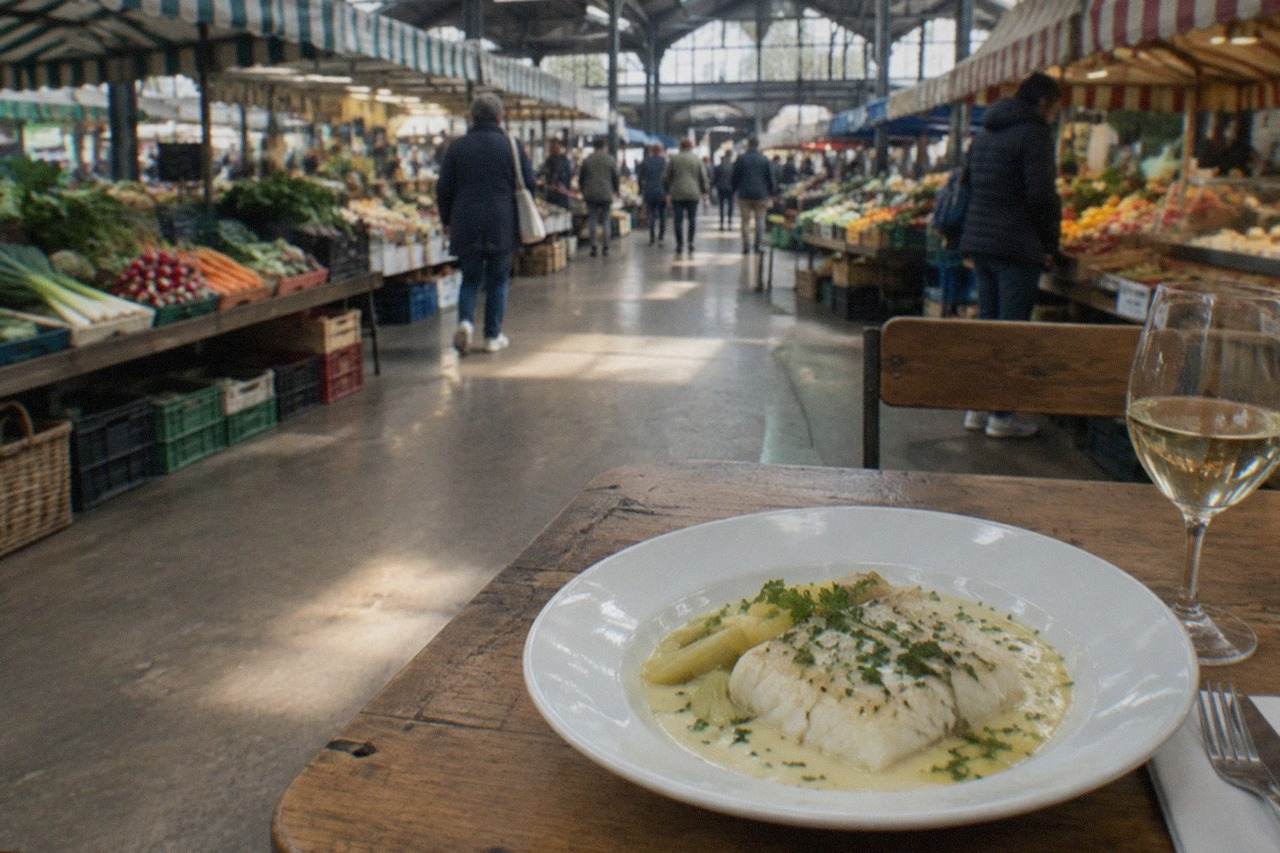
Beurre blanc is a Nantes sauce made by reducing shallots, white wine (typically Muscadet) and vinegar or lemon, then whisking in cold butter to form a pale emulsion. It is traditionally served with fish, especially pike, and Nantes restaurateurs have since 2025 been pursuing protected traditional specialty (STG) status for the recipe.
Beurre blanc is the signature sauce of Nantes, in the Loire-Atlantique department of the Pays de la Loire region of western France: an emulsion of cold butter into a sharp reduction of shallots, white wine and vinegar, pale, glossy and poured hot over fish. The city treats it as a piece of heritage rather than a recipe anyone may improvise, and since 2025 Nantes restaurateurs have been campaigning for protected traditional specialty status so the method cannot drift. This Nantes Travel Guide page covers what the sauce is, the wine that built it, where it sits on the city's tables, and how to plan a trip around it.
What Is Beurre Blanc And Why Does Nantes Claim It?
Beurre blanc is a classic Nantes emulsified butter sauce made from a reduction of shallots, white wine, typically Muscadet, and vinegar or lemon, into which cold butter is whisked until the mixture turns pale and creamy. It is traditionally paired with fish, particularly pike. The sauce has no cream in it: the body comes entirely from butter melting into the reduced liquid, which is why it breaks if it is overheated. Nantes claims it as a local hallmark of the city's cuisine.
The genius of the sauce is the tension inside it. Wine and vinegar are sharp, butter is fat and sweet, and the technique holds them together as one liquid. Getting that balance right, without the emulsion splitting back into greasy butter and acidic water, is what separates a kitchen that knows the sauce from one that has merely read about it.
Nantes restaurateurs take it seriously enough that, as of 2025 reporting, they have been pursuing STG status, the protected traditional specialty label, so that the traditional method is preserved as an official specification. That campaign matters for visitors: it means the version you meet in Nantes is one the kitchens are actively defending, with the reduction, the Muscadet and the butter whisked in the traditional way.
What Goes Into A Beurre Blanc Nantais?
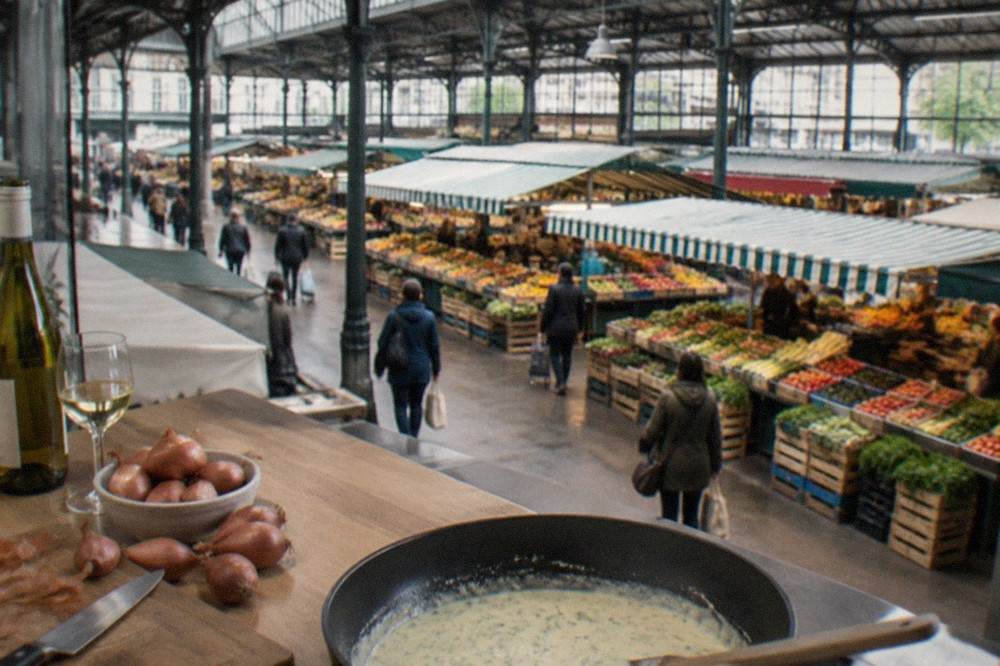
A beurre blanc nantais has four working parts: shallots, which are reduced down soft; dry white wine, in Nantes almost always the local Muscadet; vinegar or lemon juice for the sharp edge the wine alone cannot carry; and a generous quantity of cold butter, whisked in piece by piece so it emulsifies rather than melts. The pan is never allowed to boil once the butter goes in. The finished sauce is served at once, usually over fish such as pike.
Each ingredient does one job, and nothing in the list is decoration.
| Element of the sauce | Role in the dish | What the traditional method requires |
|---|---|---|
| Shallots | The aromatic base | Cooked slowly in the liquid until completely soft, then reduced |
| White wine | Acidity and local character | Muscadet, the Nantes region white, is the typical choice |
| Vinegar or lemon | Extra sharpness | Added to the reduction so the emulsion has enough acid to hold |
| Cold butter | Body and richness | Whisked in gradually off the heat so the sauce emulsifies |
| Fish, especially pike | The classic partner | The pairing the tradition records for the sauce |
The reason cooks fail at it is usually temperature. Butter added to a liquid that is too hot separates instead of emulsifying, and the sauce returns to being two layers. Restaurants in Nantes that make it well hold the pan at just below a simmer and work the butter in steadily. Home cooks who want the sauce without the risk often make a beurre blanc in advance and reheat it gently, though purists would call that a compromise.
If the idea of a sauce built entirely on technique appeals, the rest of the city's food culture rewards the same curiosity. The Nantes food guide covers the whole local table, from the salted butter of the region to the desserts below.
Is Muscadet The Only Wine For Beurre Blanc?
Muscadet is the wine of the Nantes region and the typical choice for beurre blanc, but it is not a legal requirement of the recipe: the sauce asks for a dry white wine with good acidity, and Muscadet fills that role because it is grown on the city's doorstep. Muscadet is made from the Melon de Bourgogne grape, and its dry character is what the butter needs to balance against. The Maison des vins at Vallet is the recognised home of the appellation.
Muscadet's story in 2026 has been unusual, and it affects anyone planning a tasting trip. The harvest ban was declared on 11 August 2026, a record eight days ahead of the previous earliest mark from 2003, driven by heat and drought. Producers reported lower yields, around 30 to 40 hectolitres per hectare, against a reference year like 2018 at roughly 55, while describing the quality as good thanks to the strong sunshine.
| Muscadet fact | Figure the sources give |
|---|---|
| Grape variety | Melon de Bourgogne |
| 2026 harvest ban date | 11 August 2026, a record 8 days early |
| Previous earliest ban | 2003 |
| 2026 yields reported | Around 30-40 hl/ha |
| Reference yield, 2018 | Around 55 hl/ha |
| Appellation's home | Maison des vins de Muscadet at Vallet |
For a visitor, this means two things. First, the sauce in Nantes restaurants is tied to a living vineyard region: the Muscadet vineyards guide covers visits to the growers, and the vineyard belt is close enough to the city to be a half-day trip. Second, the 2026 vintage is one to ask about at the table, because the early harvest and small yields are exactly the kind of detail producers in the region are talking about.
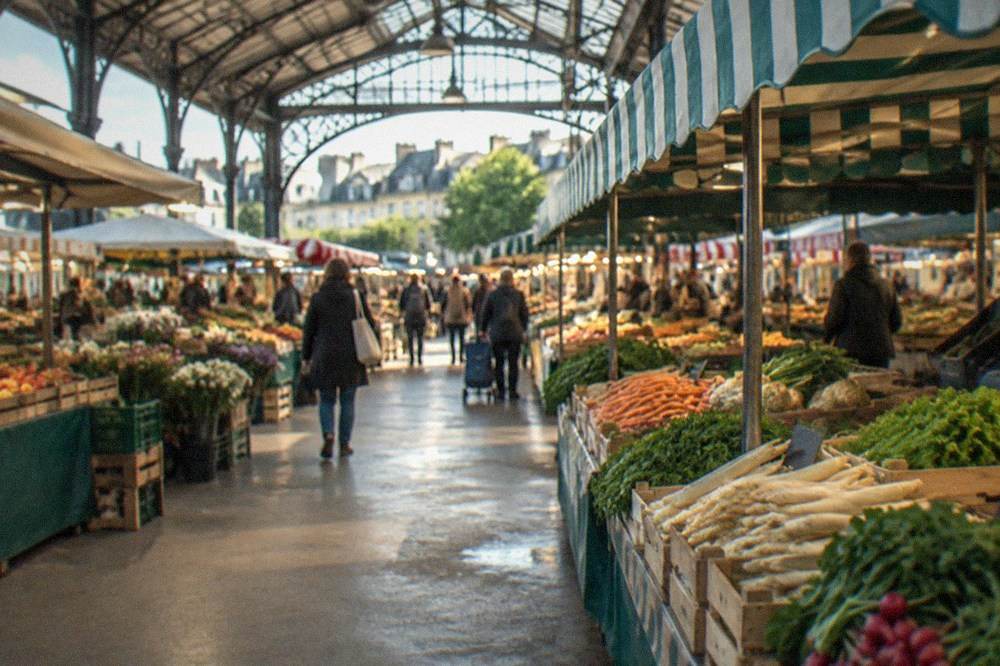
Walking the city between meals is the easiest way to turn a dinner booking into a full day, and a phone-led route suits that kind of loosely structured food trip. The self-guided option below covers 35 stops at your own pace, with the live listing carrying the current price.
If you would rather lock in the route before you fly, the booking panel below answers the availability question directly, and cancellation terms stay flexible up to the day before.
Where To Eat Beurre Blanc In Nantes?
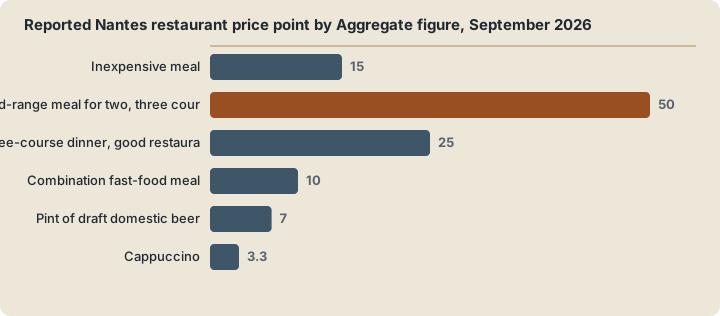
Beurre blanc appears across Nantes on fish dishes, especially with pike, and the city's mid-range and traditional restaurants are the natural hunting ground for it, since the sauce belongs to classic French technique rather than to fast food. Aggregated data for Nantes as of September 2026 puts an inexpensive restaurant meal firmly in the cheap category, while a mid-range three-course dinner for two runs considerably more.
The sauce itself rarely carries a separate price.
The practical advice is to read menus around the old town, Bouffay and Graslin side streets, and look for the words "beurre blanc nantais" attached to a fish main. Traditional houses are the likeliest keepers of the method, and the campaign for STG status means the kitchens that make it properly are not shy about saying so.
Planning ranges help, but they are aggregates, not promises: the best restaurants in Nantes guide goes into how the city's dining scene is structured, and it is worth checking the room's current menu before you commit to a booking for the sake of one dish.
| Reported Nantes restaurant price point | Aggregate figure, September 2026 | Reported range |
|---|---|---|
| Inexpensive meal | varies by venue | 12-varies by venue |
| Mid-range meal for two, three courses, no drinks | varies by venue | 35-varies by venue |
| Three-course dinner, good restaurant, per person | varies by venue | 17.50-varies by venue |
| Combination fast-food meal | varies by venue | Aggregate figure |
| Pint of draft domestic beer | varies by venue | Aggregate figure |
| Cappuccino | varies by venue | Aggregate figure |
Those figures come from crowd-sourced cost-of-living aggregators updated in late 2026, so treat them as a planning frame rather than a quotation, and expect fine-dining tasting menus to sit well above them, at considerably more in the top rooms.
What Are The Other Nantes Food Classics?
Nantes pairs its butter sauce with a set of sweet and baked classics of its own: the Petit Beurre biscuit invented by the LU company in 1886, the berlingot nantais, a tetrahedron-shaped hard candy traditionally in seven flavours with origins dating to the late 19th century, and the gâteau nantais, an almond and rum quatre-quarts cake with origins traced to around 1820 and now enjoying a strong revival in the city's patisseries. The LU company began in 1846.
The whole sweet side of the city's heritage is documented on the LU biscuits and Petit Beurre page, but the short version is that Nantes was a port town with sugar arriving from overseas, and that sugar shaped everything the city baked.
| Nantes classic | What it is | Date the sources give |
|---|---|---|
| Gâteau nantais | Almond and rum quatre-quarts cake, soaked in rum and lemon syrup | Origins around 1820 |
| LU biscuit firm | Jean-Romain Lefèvre sets up as a biscuit maker in Nantes | 1846 |
| Petit Beurre | The Véritable Petit Beurre butter biscuit | Invented 1886 |
| Berlingot nantais | Tetrahedron hard candy, typically 7 flavours, from orange to mint | Late 19th century; Pinson confiserie founded 1895 |
| Beurre blanc STG campaign | Restaurateurs pursue protected traditional specialty status | Reported from 2025 |
Two details are worth carrying into a patisserie. The gâteau nantais is best after resting a day or more, so a cake bought today for tomorrow travels well. And the berlingot's seven traditional flavours are orange, lemon, cassis, strawberry, anise, caramel and mint, which makes a mixed bag a genuinely local souvenir rather than generic candy.
Production of the berlingot largely shifted to Boufféré in the Vendée by around 2011, with Debotté noted as a remaining Nantes maker in some reporting, so the candy's story is now partly a story about where food production moves, even when the name keeps the city in it.
How Do You Make Beurre Blanc At Home?
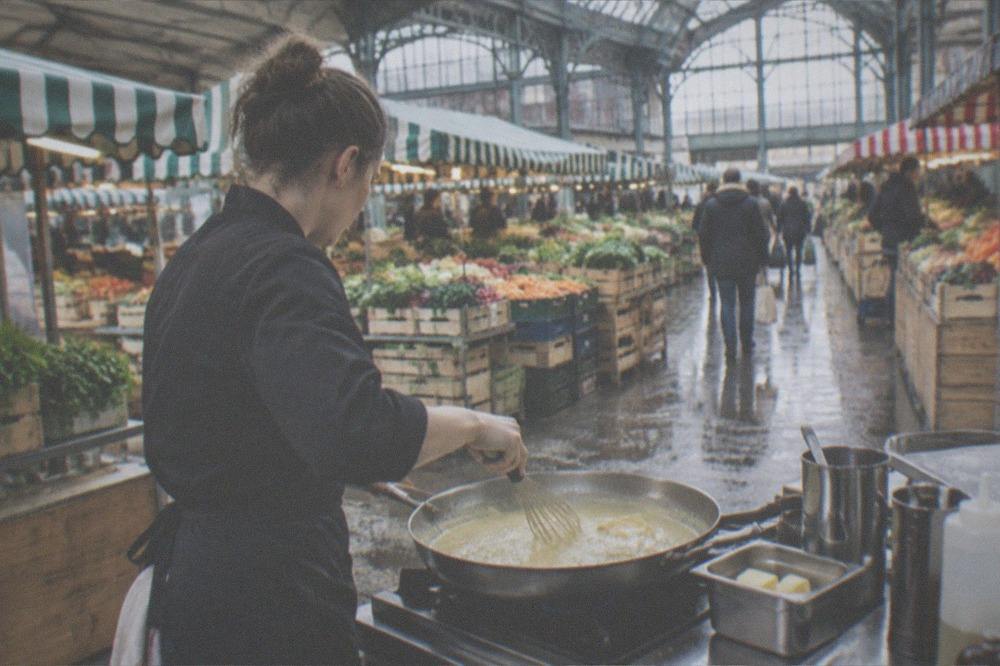
To make beurre blanc at home, reduce finely chopped shallots with dry white wine, Muscadet if you are following the Nantes method, and a splash of vinegar or lemon juice in a wide pan until the liquid is nearly gone and the shallots are soft. Then take the pan off the heat and whisk in cold butter, a piece at a time, so each addition emulsifies before the next goes in. Do not let the pan boil after the butter starts, season at the end, and serve immediately.
The recipe is short because the difficulty is not the ingredient list, it is the pan. Heat control is everything: too hot and the emulsion splits, too cold and the butter will not incorporate. Some cooks strain out the shallots for a smoother sauce; the traditional Nantes version keeps them in, which is part of its rustic character.
The sauce keeps no waiting time. It is made to be poured, which is why restaurants hold it warm rather than reheating it, and why a first attempt at home is best timed for the moment the fish comes out of the pan rather than before. If the emulsion breaks, the standard rescue is a splash of cold water and vigorous whisking off the heat.
For anyone who wants to taste the benchmark before attempting it, a food-centred visit to Nantes can be built around a handful of restaurant bookings and a morning at the market, and a photo-focused walk between them captures the city's best-looking corners along the way.
Where Do Nantes Locals Shop For The Ingredients?
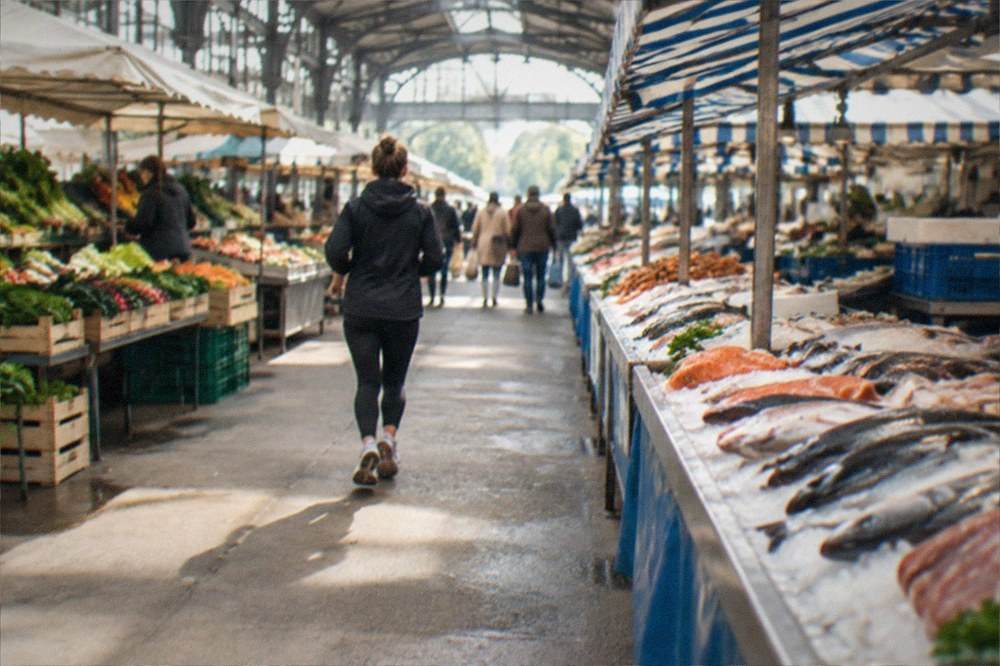
Nantes locals shop for the ingredients of their cooking at the Marché de Talensac, the city's principal market, which runs Tuesday to Friday from 8:00 to 13:00 and Saturday to Sunday from 8:00 to 13:30, closing on Mondays except public holidays, when it stays open. The market is where fish, butter and the produce behind the city's cooking change hands, and the schedule is the practical fact to plan around because the morning window is short.
A market visit rewards an early start. By the last hour the stalls are being packed down, and the fish counters, the part a beurre blanc shopper cares about, are at their best in the first hours. The markets in Nantes guide covers the smaller neighbourhood markets too, for anyone planning several days in the city.
Around the market sits a food landscape whose landmarks are easy to list and worth a detour.
| Food landmark around Nantes | What the sources say |
|---|---|
| Marché de Talensac | Tue-Fri 8:00-13:00, Sat-Sun 8:00-13:30, closed Monday except public holidays |
| Maison des vins de Muscadet | At Vallet, in the vineyard belt south-east of the city |
| LU factory at La Haye-Fouassière | Around 24,000 tonnes of biscuits a year, 40 years on the site as of 2026 |
| Mémorial de l'abolition de l'esclavage | Free entry, a reminder of the port history behind the city's sugar trade |
That last row is not a detour for decoration. The sugar that built the biscuit trade, and by extension much of the sweet Nantes table, arrived through a port whose slave-trading past the city now documents directly. The Nantes slave trade history guide covers it fully; there were 1,714 expeditions out of at least 4,220 French ones, 43 per cent of the French trade, with Nantes withdrawing in 1830.
When Is The Best Time To Visit Nantes For Its Food?
The best time to visit Nantes for its food is the shoulder season, April to May or September to October, when the weather is mild, roughly 17 to 22 C daytime highs in September and October, and the city is past its summer crowds. Summer, from mid-June to mid-September, suits eating outdoors best, but the 2026 heat showed what extreme years can do: the station record of 42.2 C was set on 24 June 2026. Winter eating is indoor eating, centred on restaurants and the Christmas market.
The numbers behind that advice are stable. Météo-France's 1991-2020 normals for the Nantes-Bouguenais station give mean maximum temperatures from 9.3 C in January to 25.4 C in August, with 819.5 mm of rain a year spread across about 120 days of at least 1 mm. December is the wettest month and July the driest, which is the opposite of what many visitors expect from western France.
| Season in Nantes | Mean daily maximum | Character of the season for eating |
|---|---|---|
| Spring, April to May | 16.2 to 19.6 C | Market season building, terrace seats appearing |
| Summer, June to August | 23.0 to 25.4 C | Peak terrace weather, Muscadet at its coldest, heat spikes possible |
| Autumn, September to October | 22.4 to 17.6 C | Mild, quieter tables, harvest news on the wine list |
| Winter, November to March | 12.9 down to 9.3 C | Indoor restaurants, Christmas market from late November |
The full breakdown, month by month, is in the best time to visit Nantes guide, and the Nantes weather page holds the monthly figures for anyone timing a trip to the day.
For food specifically, two calendar anchors matter. The Muscadet harvest story lands in August and September, and the Marché de Noël runs from 19 November to 27 December 2026, with hours of 11:00 to 21:30 Monday to Saturday and 11:00 to 20:00 on Sundays, on Place Royale and Place du Commerce.
Whatever the season, the three experience formats below give a food trip its spine: a self-paced walking route, a photo-led stroll and a street puzzle for the group that needs entertaining between meals.
Can You Explore Nantes's Food Streets On Foot?
Nantes is compact enough that its food streets, the Bouffay old town, the Graslin quarter around the Passage Pommeraye and the Talensac market, can be walked between in a single afternoon, and the Passage Pommeraye itself, a three-floor 1843 shopping gallery on a slope, sits right in the middle of that walk. A self-guided walking route with 35 stops costs from the price shown on the operator's live listing, while a private guided walk gives the same ground with someone who can talk back.
The two formats suit different travellers. The self-guided option suits anyone who wants the sauce to be the agenda and the streets to be the connective tissue. A private walk suits anyone who wants the food talk to come from a person, and there are photo-focused walks for visitors whose priorities run to the picture as much as the plate.
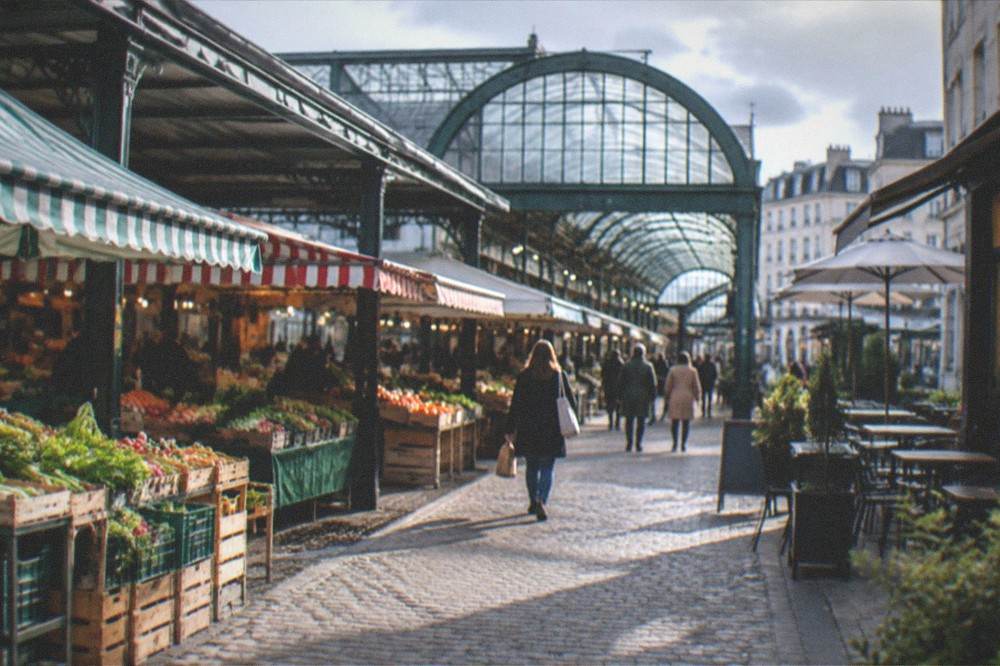
For families and mixed groups, an outdoor escape game turns the same streets into a puzzle, which works well when not everyone at the table wants to spend the afternoon reading menus. The route below is the one to compare against the walking options above.
The broader question of what the city offers beyond food is covered on the things to do in Nantes page, and budget planning, including how the tourist tax is reported to work, at 2.86 EUR a night in a reported 4-star and 1.87 EUR in a 3-star, is covered in the Nantes on a budget guide.
Common Questions About Beurre Blanc
What is beurre blanc made of?
Beurre blanc is made from a reduction of shallots, dry white wine, typically Muscadet in Nantes, and vinegar or lemon juice, into which cold butter is whisked to form a pale emulsion. There is no cream in the traditional sauce.
What wine is used in beurre blanc?
The typical wine is Muscadet, the dry white of the Nantes region, made from the Melon de Bourgogne grape. Any dry, acidic white can work, but Muscadet is the local and traditional choice.
What do you serve beurre blanc with?
Traditionally fish, and especially pike. The sauce also pairs well with other simply cooked fish and with vegetables, but the classic Nantes pairing the tradition records is pike.
Is beurre blanc a protected recipe?
Not yet. As of 2025 reporting, Nantes restaurateurs have been pursuing protected traditional specialty status, the STG label, to preserve the traditional method, but the campaign had not concluded as a granted label.
Why did my beurre blanc split?
Almost always heat. Once the butter goes in, the pan must stay just below a simmer; if the sauce gets too hot the butter separates instead of emulsifying. Whisking in a splash of cold water off the heat is the standard rescue.
Where did berlingots nantais come from?
The tetrahedron candy has origins in the late 19th century, with the Pinson confiserie founded in 1895 near the port where sugar arrived. Production largely shifted to Boufféré in the Vendée around 2011, though Nantes makers such as Debotté are noted in reporting.
Beurre blanc is the reason many visitors book a table in Nantes at all, and it deserves the same planning as any headline attraction: the right season, the right quarter of the city, and enough of an afternoon left over to walk the streets between the market and the dinner sitting.