Lu Petit Beurre: The Nantes Biscuit That Conquered France
The Véritable Petit Beurre was invented in Nantes in 1886 by the Lefèvre-Utile biscuit firm, and 140 years later the biscuit is still made a short drive from the city. Here is the whole story, and how to taste your way around it.
Short answer
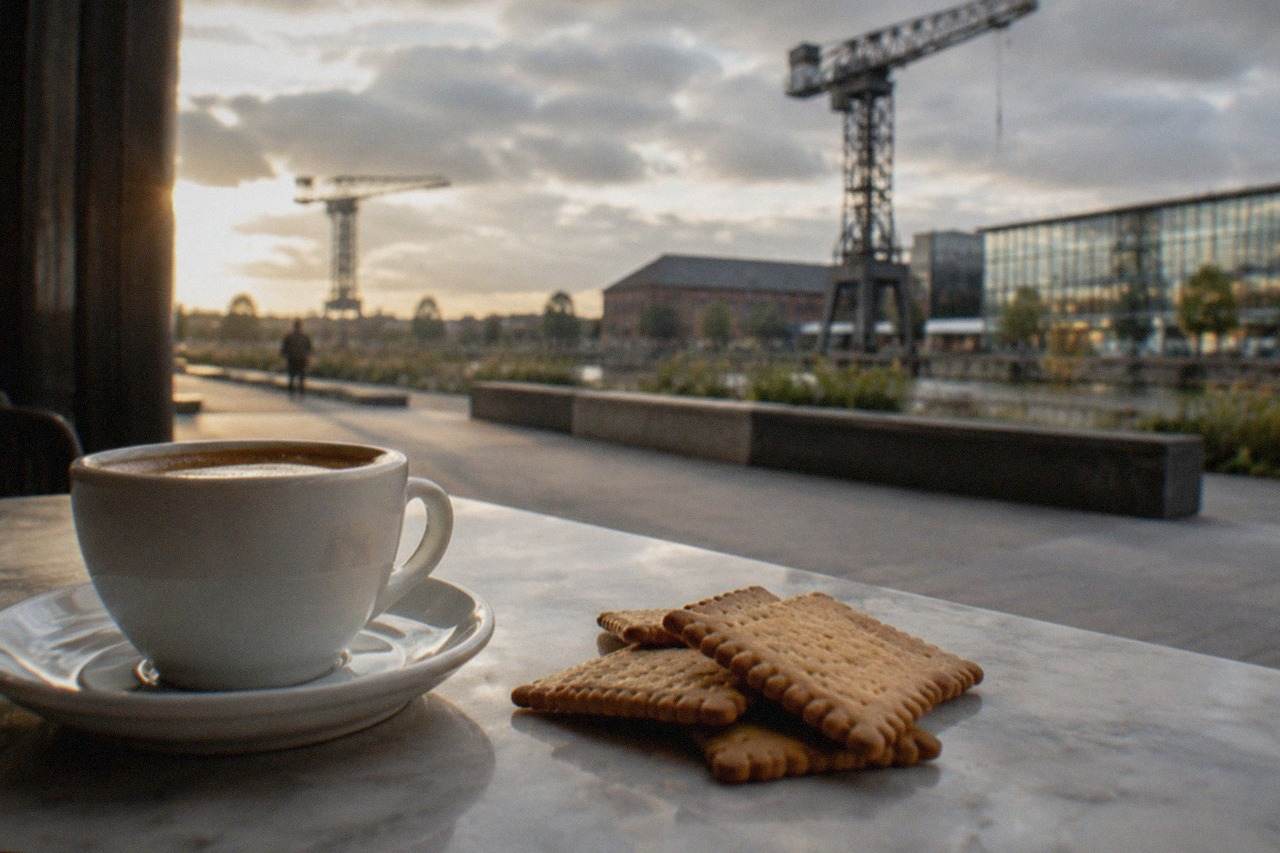
LU Petit Beurre is a rectangular butter biscuit invented in Nantes in 1886 by the firm Lefèvre-Utile, founded in the city in 1846. The Nantes factory closed in 1986 and production moved to La Haye-Fouassière, which has made the biscuits for 40 years and turns out roughly 24,000 tonnes a year. The brand marks its 180th anniversary in 2026.
Few biscuits carry a city's name as firmly as the Véritable Petit Beurre carries Nantes. This small rectangular butter biscuit, scalloped at the edges and punched with neat rows of holes, was invented in 1886 by the Lefèvre-Utile firm, a Nantes company founded in 1846, and it went on to become one of the most recognisable food products in France. The biscuits are no longer baked inside the city: the Nantes factory closed in 1986, and production moved down the Loire to La Haye-Fouassière, where it has run for 40 years. But the LU name is stitched into Nantes, from the old factory building on the Loire quays, now the cultural centre Le Lieu Unique, to the 180th anniversary the brand is celebrating in 2026. This guide, from the Nantes Travel Guide editorial desk, sets out the whole story and how to build a visit around it.
What Is Lu Petit Beurre, Nantes' Most Famous Biscuit?
The Petit Beurre is a plain rectangular butter biscuit with scalloped edges and a pattern of small holes, invented in Nantes in 1886 by the biscuit maker Lefèvre-Utile, known as LU. It was designed as a simple, keepable everyday biscuit, and it became the firm's flagship product, a status it still holds. Roughly 24,000 tonnes of biscuits, Petit Beurre chief among them, leave the current factory at La Haye-Fouassière each year.
The genius of the biscuit is its plainness. Nineteenth-century Nantes was a port city with cheap sugar arriving from the colonies and butter arriving from the Breton and Vendée countryside, and the Lefèvre-Utile firm turned those two commodities into something that would keep for weeks in a tin. A ship's biscuit it was not: the Petit Beurre was made to be eaten with coffee, dunked, or packed into a school satchel. That everyday quality is why it survived when fancier products came and went.
The name itself is a description. "Petit beurre" simply means little butter, and the word "véritable", genuine, was added to the packaging to fight imitators, a piece of branding logic that still sits on the wrapper today. Nantes food heritage is full of these quiet, unglamorous inventions, and the Petit Beurre is the loudest of them. For the wider food picture, including the savoury side of the city's table, see our Nantes food and drink guide.
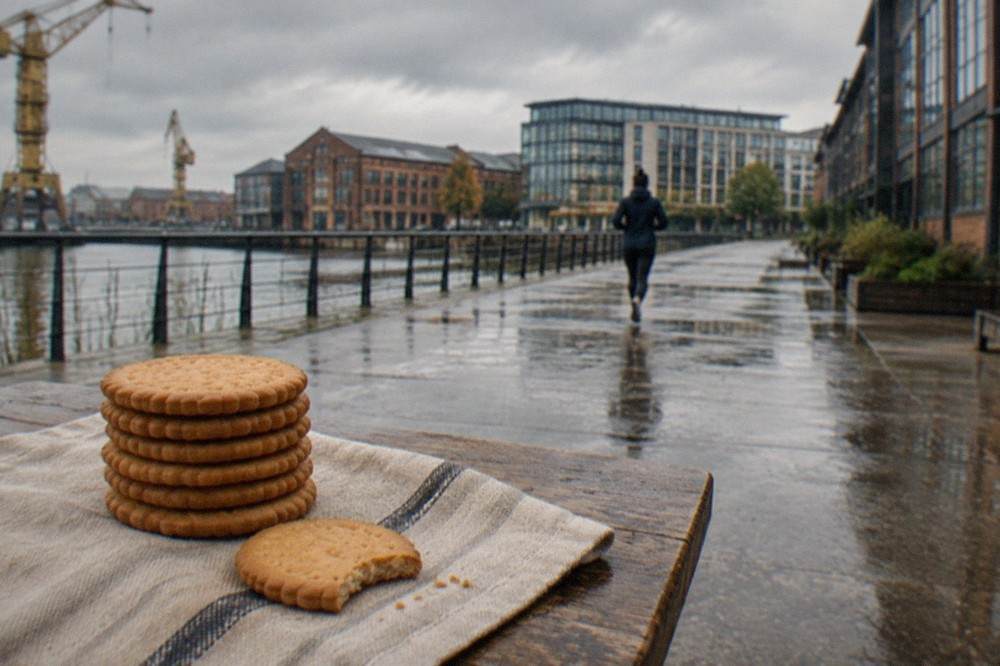
The biscuit's shape has barely changed since the nineteenth century, and that consistency is part of its appeal. French supermarket shelves stock it nationally, but in Nantes it carries extra weight: this is the local product that went national, then international through exports. The firm's current owner, per reporting on the La Haye-Fouassière plant, emphasises that Nantes heritage in its marketing, and the 180th anniversary in 2026 has been used to push the origin story harder than ever. Shoppers in the city still reach for it out of habit rather than nostalgia, which is the surest sign a product has stopped being a souvenir and become a staple.
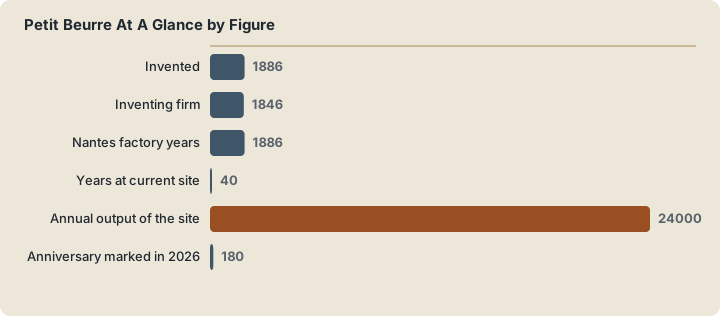
| Petit Beurre At A Glance | Figure |
|---|---|
| Invented | 1886, Nantes |
| Inventing firm | Lefèvre-Utile (LU), founded 1846 |
| Nantes factory years | 1886 to 1986 |
| Current production site | La Haye-Fouassière, south-east of Nantes |
| Years at current site | 40, as of 2026 |
| Annual output of the site | Roughly 24,000 tonnes of biscuits |
| Anniversary marked in 2026 | 180 years since the firm's 1846 founding |
Who Created Lu Petit Beurre, And When?
The firm behind the biscuit was founded in Nantes in 1846, when Jean-Romain Lefèvre set up as a biscuit maker; in 1850 he married Pauline-Isabelle Utile, and the couple's two surnames became the LU brand. The Petit Beurre itself followed in 1886, the same year production moved to the new Loire-side factory facing the château. Jean-Romain Lefèvre is therefore the founder, but the biscuit arrived two generations into the firm's story.
The Lefèvre and Utile marriage is one of those accidents of branding that turned out perfectly. Two short surnames, two initials, one memorable mark. The firm grew through the second half of the nineteenth century on the back of Nantes' port economy, and the 1886 factory move put the operation on the Loire quays within sight of the Château des ducs de Bretagne, a physical claim to the heart of the city. The factory building still stands there today, which is why the LU story is unusually easy to walk in person: the geography has not moved, only the ovens.
The date worth fixing in your head is 1886. That is the year the Petit Beurre was invented and the year the new factory opened, a double milestone that made it the pivot of the whole LU story. Before 1886 the firm was a successful regional biscuit maker; after 1886 it was a national brand built on one product. For the deeper city history around those decades, from the port economy to the industrial nineteenth century, see our guide to Nantes history.
| Year | LU Event |
|---|---|
| 1846 | Jean-Romain Lefèvre sets up as a biscuit maker in Nantes |
| 1850 | He marries Pauline-Isabelle Utile; the surnames later form the LU brand |
| 1886 | Petit Beurre invented; production moves to the Loire-side factory facing the château |
| 1986 | Nantes factory closes; production and 450 staff move to La Haye-Fouassière |
| 1999-2000 | The former LU factory reopens as Le Lieu Unique, the city's national-stage cultural centre |
| 2026 | The firm marks 180 years since its 1846 founding |
Where Was The Lu Factory In Nantes, And What Stands There Now?
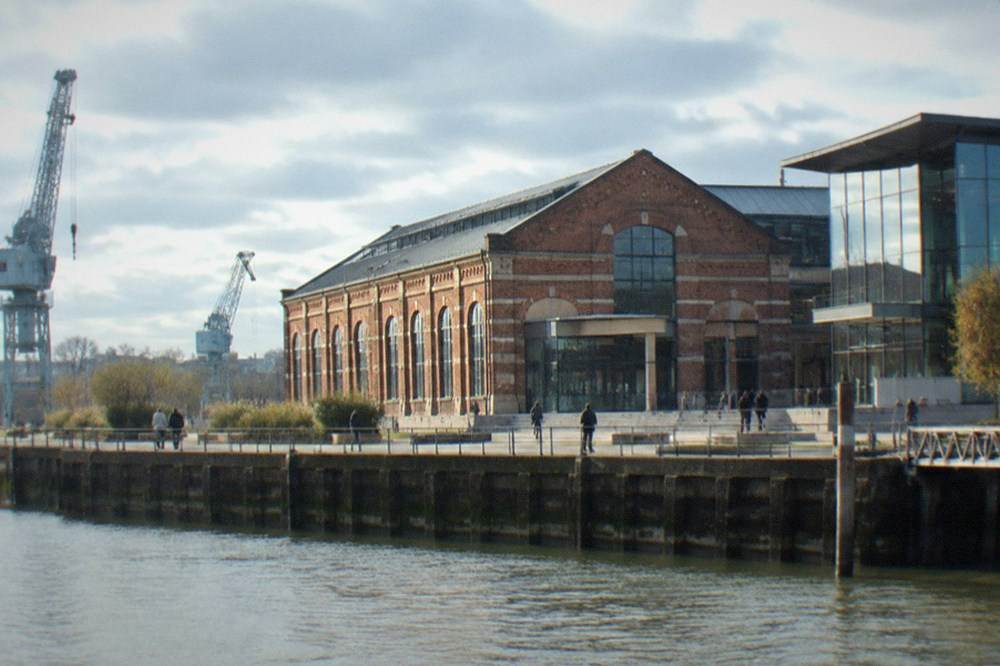
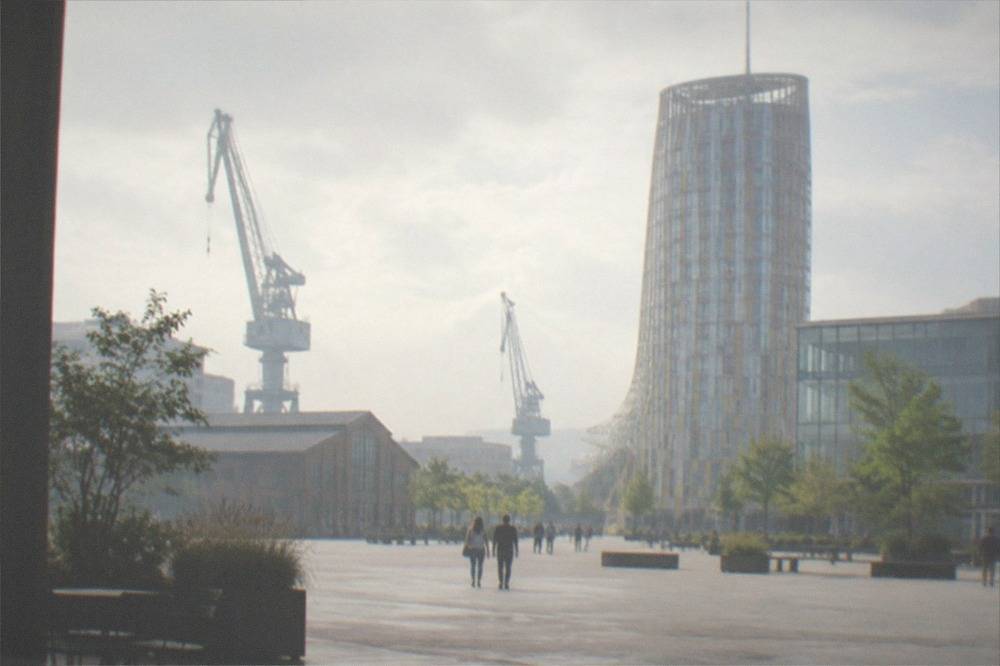
The LU factory stood on the Loire quays facing the Château des ducs de Bretagne, and operated from 1886 until its closure in 1986, when production and around 450 staff moved to La Haye-Fouassière. The building was not demolished: it reopened around the turn of 2000 as Le Lieu Unique, a national-stage cultural centre, so the shell of the biscuit works is now one of Nantes' busiest arts venues.
This is the part of the story visitors can actually stand inside. The factory's brick volume still reads as industry from the outside, while inside it hosts a theatre, a bar, a bookshop and exhibitions, all under the LU name it helped make famous. The centre opened at the very end of 1999, turning a derelict industrial monument into the anchor of the city's cultural life. Anyone walking the area between the château and the Loire crosses the LU footprint whether they mean to or not.
The conversion is also a lesson in how Nantes treats its industrial past. The same logic that turned the former LU works into a cultural venue later turned the city's shipyard halls into Les Machines de l'île, and the disused banana warehouse into the Hangar à Bananes bar quarter. Industry leaves, the architecture stays, and the city re-inhabits it. Our piece on what Nantes is worth visiting for covers this pattern in more depth.
A walking route makes sense here, since the LU sites sit within easy reach of one another on foot. A private guide can thread the factory building, the château quarter and the food market streets into a single loop, and bookings can be made on the spot:
| Nantes Place | LU Connection | What You See Today |
|---|---|---|
| The Loire-side factory building | Biscuit production from 1886 to 1986 | Le Lieu Unique, cultural centre with bar and exhibitions |
| Château des ducs de Bretagne quarter | The factory faced the château across the streets | Castle museum, ramparts and free courtyards |
| La Haye-Fouassière plant | Production site since 1986 | Working factory, not open as a listed visit |
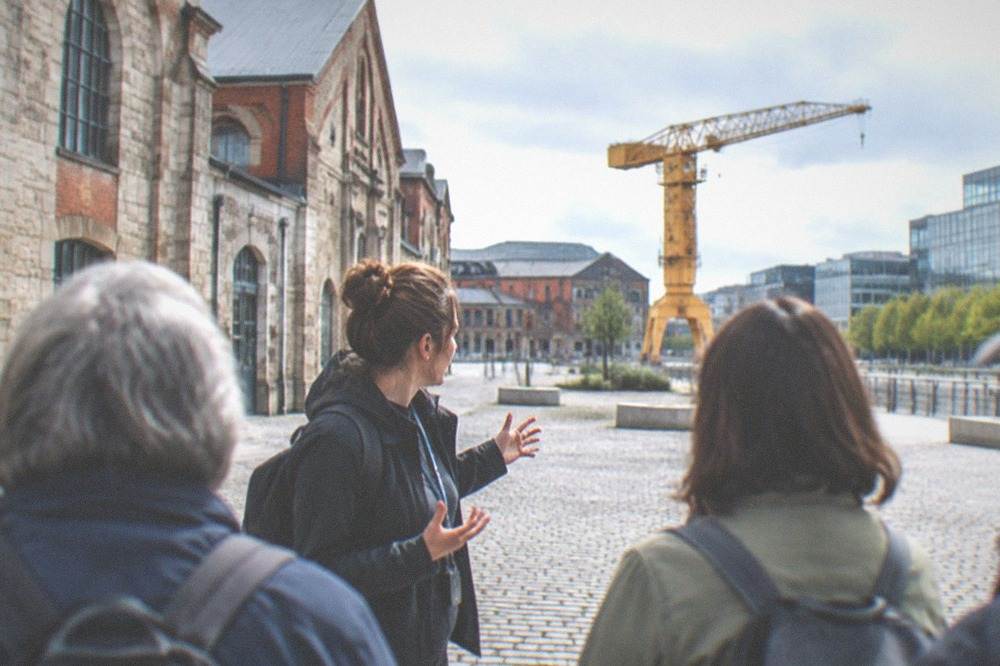
For a slower, guided version of the same territory, a private custom walk lets you set the pace and the stops, and the operator's live listing carries current times before you commit to a date. It is the kind of morning that pairs naturally with a long lunch afterwards, since the walk ends in the part of the city where the eating is best.
How Is Petit Beurre Made Today?
Petit Beurre is produced at La Haye-Fouassière, a plant south-east of Nantes that has been the biscuit's home for 40 years and produces roughly 24,000 tonnes of biscuits annually, Petit Beurre included. The site has received new production lines in recent years, with a Figolu line repatriated for 2026, and its output is exported as well as sold across France. The recipe's basics, butter, flour and sugar, are unchanged in spirit since 1886.
La Haye-Fouassière sits in the Muscadet wine country just outside Nantes, which is a pleasing geography: the biscuit of the city now rises beside the vineyards that supply its tables. Reporting on the plant in 2026 described ongoing investment, returning product lines and a workforce that still bakes the flagship biscuit at industrial scale. For visitors this matters mainly as context, because the factory is a working plant rather than a museum, and no public tour is part of the standard Nantes visitor offer. The biscuit you eat in Nantes has simply travelled a few miles to reach you.
The industrial scale is worth pausing on, because it explains the biscuit's place in French life. Twenty-four thousand tonnes a year is a quantity that only a national staple reaches, and the Petit Beurre sits in that category alongside baguette flour and breakfast coffee. A local firm that began with one baker in 1846 now feeds a country, and the anniversary marketing leans on exactly that arc.
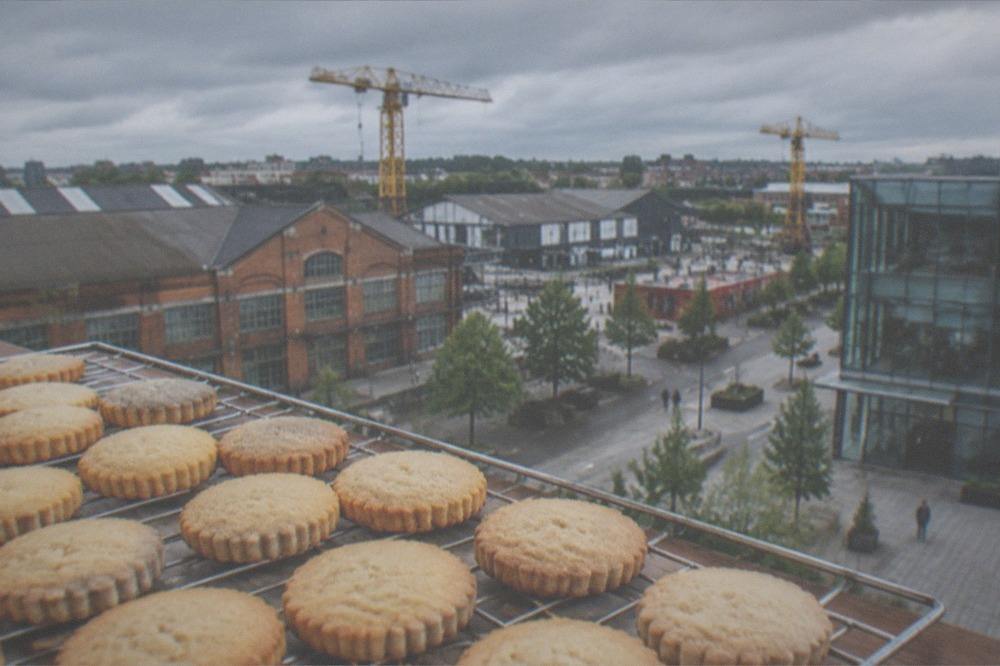
The other thing to know is what the brand means to the city now. The LU name on the old factory is a heritage asset; the LU name on the shop shelf is a daily product. Nantes treats both as its own. When the Le Voyage à Nantes summer art programme fills the city each year, it does so within a few hundred metres of the building that made the Petit Beurre famous, and the city's marketing rarely misses a chance to connect the two.
Which Other Nantes Sweets Belong On The Same Plate?
Nantes' sweet heritage runs well beyond the Petit Beurre: the berlingot nantais, a tetrahedron-shaped hard candy, dates to the late nineteenth century with the Pinson confiserie founded in 1895 near the port, while the gâteau nantais, an almond and rum cake, traces to around 1820. The city's savoury signature, beurre blanc, is an emulsified butter sauce built on Muscadet. Together they form a tasting itinerary no first page of search results assembles.
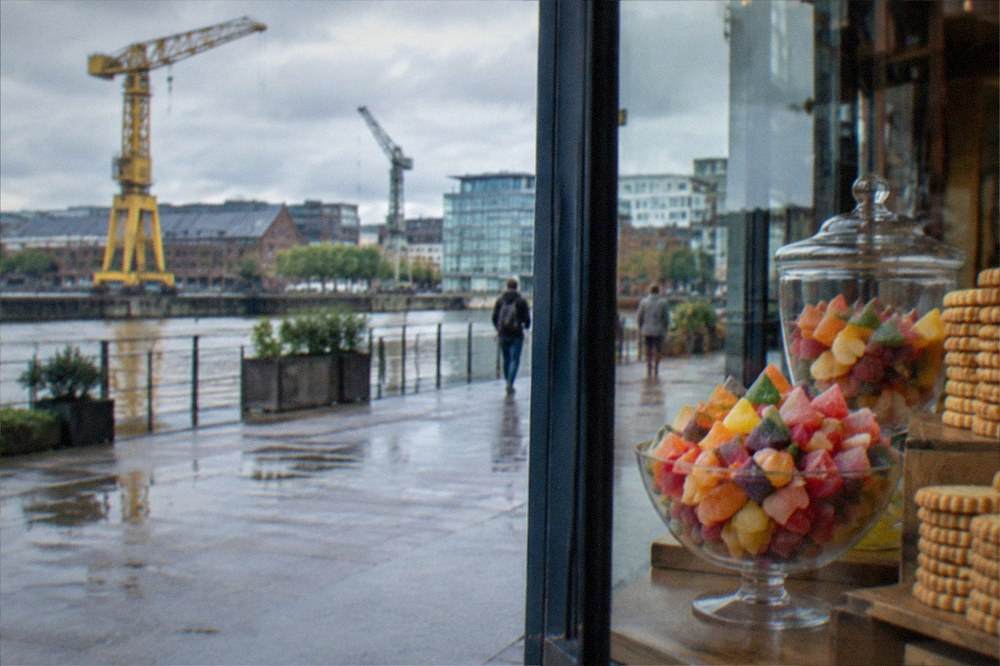
The berlingot is the Petit Beurre's confectionery cousin. Multicoloured, sugar-dusted and traditionally made in seven flavours, it owed its existence to the same port economics: cheap imported sugar, and a confectioner, Pinson, positioned to use it from 1895. Production later shifted out of the immediate Nantes area, though Nantes makers such as Debotté continue to be cited in local reporting. The gâteau nantais is older still, a rum-soaked quatre-quarts with almond, revived strongly in recent years by the city's patisseries after decades of industrial production.
| Nantes Speciality | Origin Era | What It Is |
|---|---|---|
| Petit Beurre | 1886 | Plain rectangular butter biscuit with scalloped edges |
| Gâteau nantais | Around 1820 | Almond and rum cake, soaked and glazed, best after resting a day |
| Berlingot nantais | Late 19th century, Pinson founded 1895 | Tetrahedron hard candy in seven traditional flavours |
| Beurre blanc | Classic Nantes sauce | Shallot, white wine and vinegar reduction whisked with butter |
Beurre blanc deserves its place in this company even though it is a sauce rather than a sweet, because it shares the same logic: local butter plus a local liquid, in this case Muscadet, the Melon de Bourgogne white wine of the surrounding vineyards. Our full beurre blanc guide covers the sauce's history and where to eat it, and restaurateurs in the city have been pushing since at least 2025 for protected traditional status for the recipe.
The most efficient way to taste several of these in one afternoon is a guided food walk through the old town, where the stops can be matched to the products rather than chosen at random:
The Muscadet that accompanies the city's food deserves a dedicated stop as well. The 2026 harvest was the earliest on record, with the picking ban declared on 11 August, eight days ahead of the previous mark, and yields lower than usual, so the current bottles in Nantes wine shops tell a genuinely unusual story. A sensory tasting visit covers exactly this territory:
For planning where to eat the rest of the time, our best restaurants in Nantes guide carries the practical side of the city's table.
How Does The Lu Story Fit Into A Nantes Visit?
Treat the LU story as a walking thread through central Nantes: start at the former factory, now Le Lieu Unique, on the Loire quays, walk up through the château quarter the factory once faced, then cross into the old town where the city's food shops and crêperies sell the modern successors of the 1886 biscuit. The geography compresses into an afternoon and connects food, industry and the city's wider heritage.
This is where a little structure pays off. Nantes is compact, and its food landmarks cluster in a walkable core, but the connections between them, the factory that became an arts centre, the port that imported the sugar, the vineyards that now neighbour the biscuit plant, are not obvious from the street. A route that makes those links explicit turns a snack crawl into a story. Visitors planning a fuller stay can combine this thread with the itineraries in our things to do in Nantes roundup, and anyone arranging transport around it should read getting around Nantes first, since the tram network touches every stop on the route.
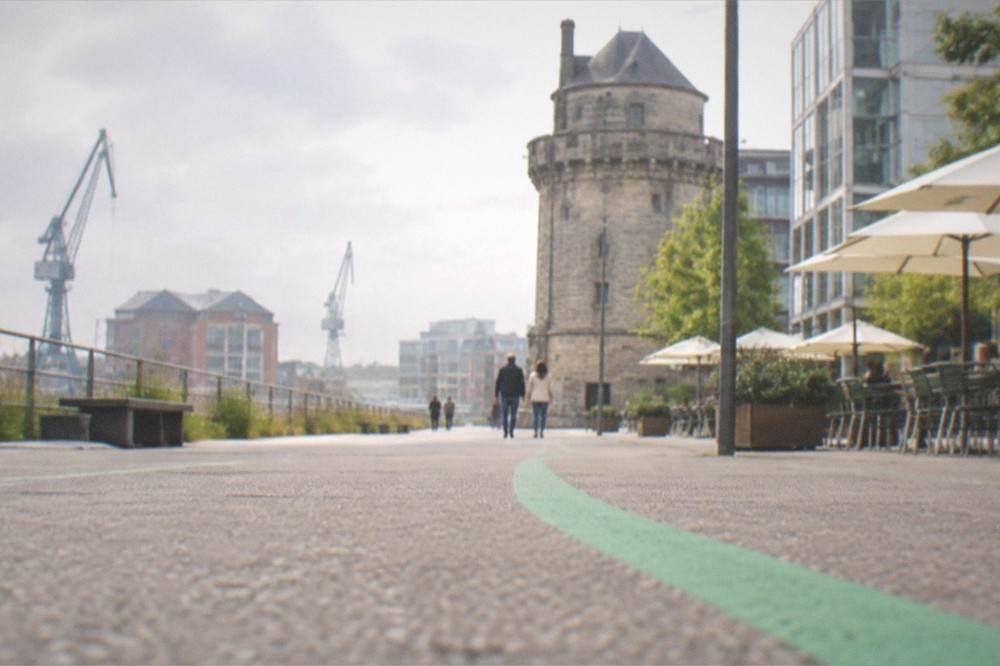
The green line painted through the city by the Voyage à Nantes team passes directly through much of this territory, so following it costs nothing and delivers most of the same geography. The city's museums add the historical depth; the castle museum inside the Château des ducs de Bretagne covers the port centuries that made a firm like LU possible, and our museums in Nantes guide lists the current openings, closures and ticket combinations in one place.
For travellers arriving from further afield, the practical pages matter: flights to Nantes and the Paris to Nantes rail route both land you within a short tram ride of the LU sites. And if the question of which region this all sits in has ever caused an argument at your table, the answer involves both history and geography, and our is Nantes in Brittany guide settles it.
If a single day in the surrounding countryside appeals after the city walking, the vineyard and river options nearby pair naturally with the food theme:
Common Questions About Lu Petit Beurre
Who invented the Petit Beurre?
The biscuit was invented in 1886 by the Nantes firm Lefèvre-Utile, founded in 1846 by Jean-Romain Lefèvre, who married Pauline-Isabelle Utile in 1850 and gave the brand its two initials.
Is LU still made in Nantes?
The Nantes factory closed in 1986 and production moved to La Haye-Fouassière, which has made the biscuits for 40 years and produces roughly 24,000 tonnes annually. The original factory building in Nantes now houses the cultural centre Le Lieu Unique.
What does Petit Beurre mean?
It translates simply as little butter. The word véritable, meaning genuine, was added to the packaging to distinguish the original from imitators, and it still appears on the wrapper.
How old is the LU company?
The firm dates its founding to 1846, which makes 2026 its 180th anniversary year, an anniversary the brand's marketing has actively used.
Can you visit the LU factory?
The La Haye-Fouassière plant is a working factory rather than a visitor attraction, and no public tour forms part of the standard Nantes offer. The visible LU landmark in the city is the former factory building, now Le Lieu Unique, which is open to the public.
What other foods is Nantes famous for?
Besides the Petit Beurre, the city claims the gâteau nantais, an almond and rum cake from around 1820, the berlingot nantais hard candy associated with the Pinson confiserie founded in 1895, the beurre blanc sauce, and the Muscadet white wines of the surrounding vineyards.
The Petit Beurre began as a port city's answer to a everyday biscuit and ended as a national staple with its founding city stamped, in effect, on every edge. Walk from the château to the old factory on the Loire, buy a packet on the way, and the whole 180-year arc sits within a single afternoon in Nantes.