Pornic
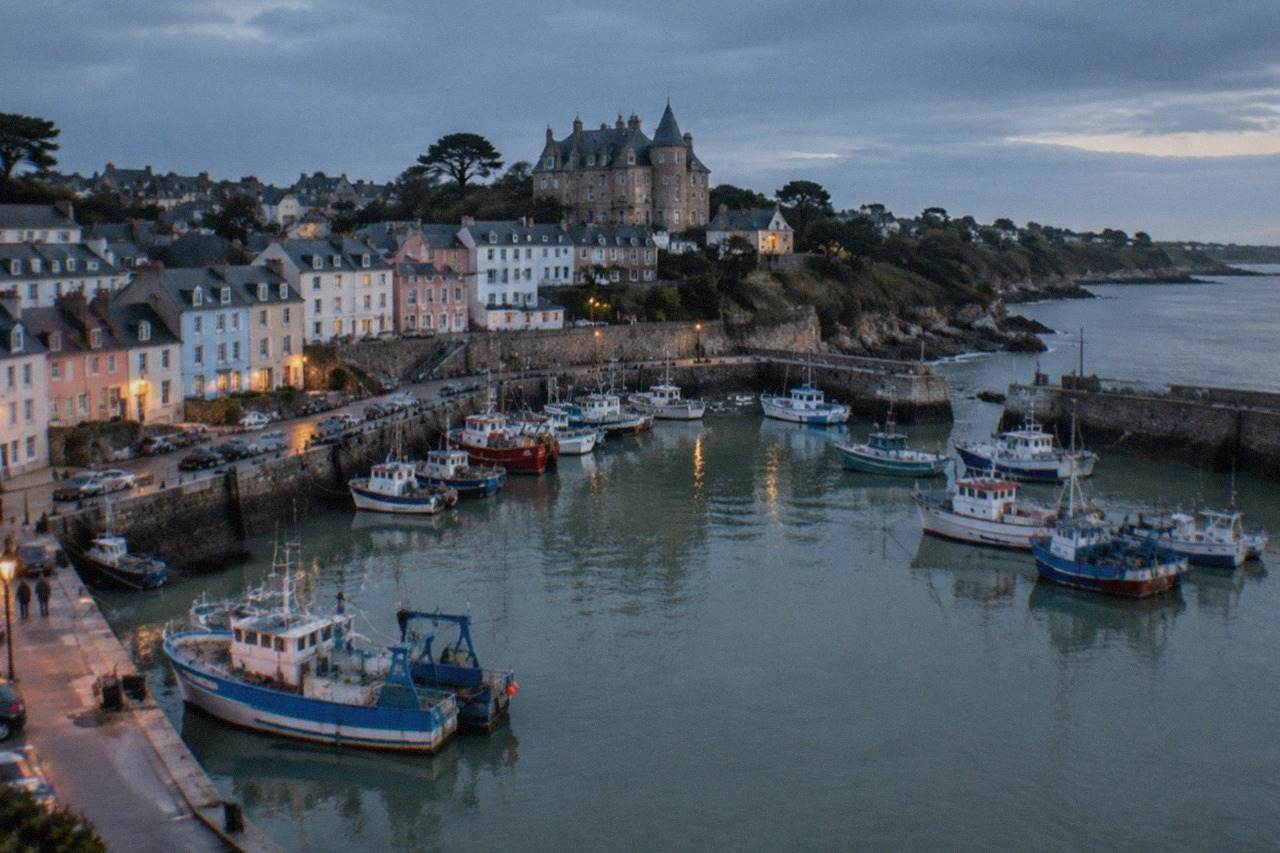
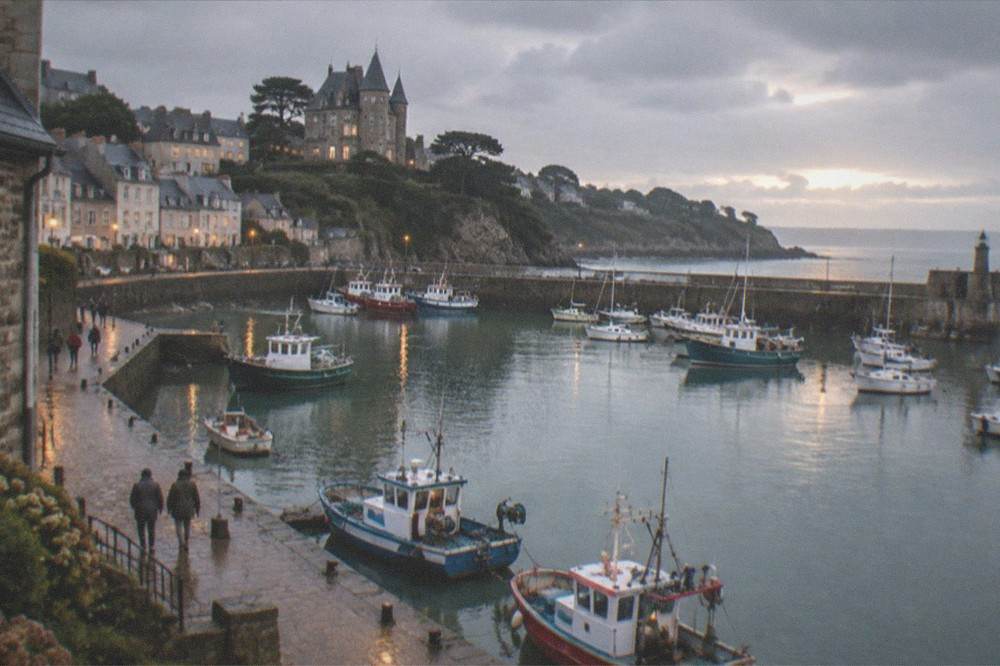
Pornic is a seaside town and working port on the Atlantic coast of the Loire-Atlantique department, roughly an hour from Nantes by regional train, and it makes one of the easiest coastal day trips you can build from the city.
Short answer
Pornic is a coastal day trip from Nantes by TER regional train, with journeys of roughly 59 to 65 minutes. It is a port and beach resort town in Loire-Atlantique, western France, best visited between late spring and early autumn for the warmest weather.
Pornic sits on the Atlantic coast of the Loire-Atlantique department, the same department as Nantes in the Pays de la Loire region of western France, and it is one of the shortest routes from the city to the open ocean. The TER regional train covers the distance in about 59 to 65 minutes, which puts a harbour, beaches and sea air within a morning's ride of the château-lined streets you started in. This guide lays out how the day works: the train, the town, the food, the walking, and how the trip connects to the Muscadet vineyards that sit inland of the coast.
Why Visit Pornic On A Day Trip From Nantes?
Pornic gives you the Atlantic Ocean in about an hour from Nantes, which very few day trips from the city can match, because most of the closer options are inland towns rather than coastal ones. It is a genuine working port as well as a resort, so the day combines a harbour, beaches and a seafront of cafes rather than a single big monument. The pace suits a day trip perfectly: arrive late morning, walk, eat, and take an evening train back.
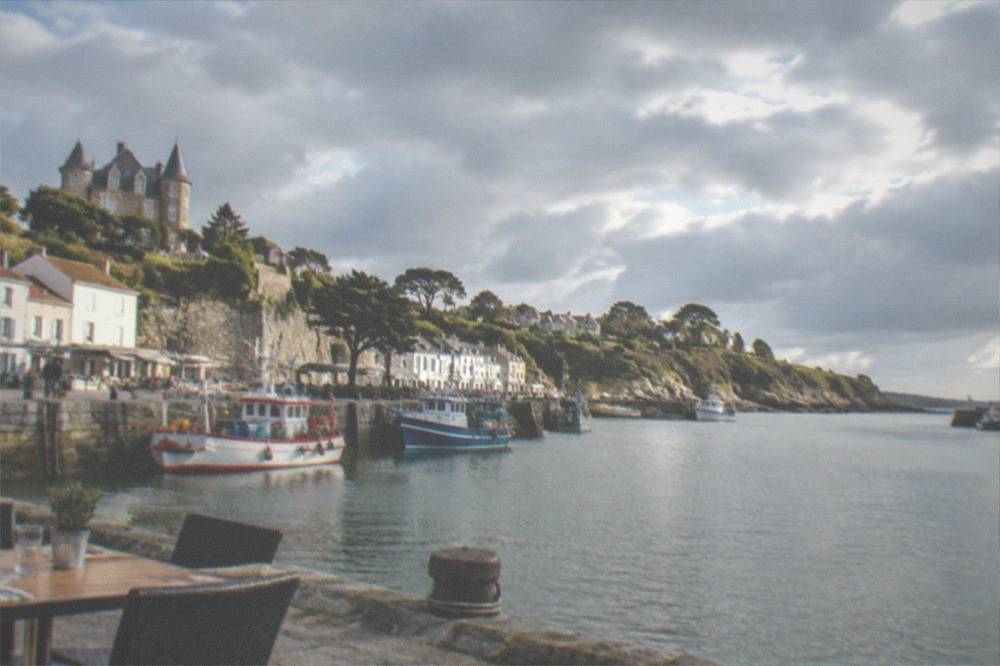
The town's character is unhurried. The harbour is the hinge of the place, and everything a visitor wants to see sits within walking distance of it: the beaches fold around the bay, the old streets climb behind the quays, and the coastal path starts almost at the station's side of town. You do not need a plan with numbered stops. What you need is a full day, comfortable shoes, and a willingness to let the tide timetable shape your afternoon.
It is also a useful corrective to the idea of Nantes as a purely river city. Nantes sits on the Loire, with the Erdre running to its north, and the sea is a real presence in the region's economy and food culture rather than a distant idea. A day in Pornic shows you where the fish on Nantes menus comes from and why the Muscadet vineyards, which you pass on the train, exist at all: grapes grown on ground that the ocean influences, poured alongside the catch it provides.
For anyone building a coastal itinerary, Pornic also pairs naturally with the other Atlantic options on this site. The guide to all the day trips from Nantes ranks the full set, and the pages on La Baule, Guérande and Noirmoutier cover the other main seaside directions if you have more than one free day.
How Do You Get From Nantes To Pornic?
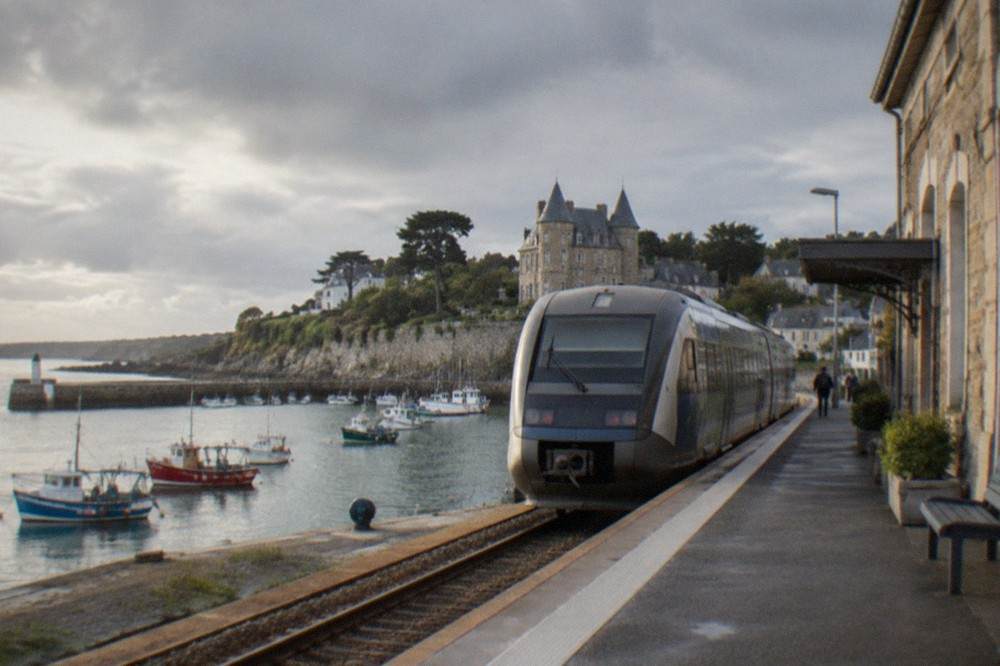
The direct answer is the TER regional train from Nantes station, with a journey time of roughly 59 to 65 minutes each way. That figure comes from the rail operator's own route data rather than an estimate, and it makes Pornic a realistic half-day or full-day round trip without a car. There is no need to book a tour product for the journey itself: the train is the transport and the town is the destination.
The practical points are simple. Trains are regional TER services, so there is no seat reservation culture to worry about and tickets work the same way as any other regional journey in France. Buy at the station or through the operator's app on the day. The frequency is designed around commuters and weekend visitors, so the morning options out and the evening options back are plentiful enough that you can shape the day loosely without locking yourself into a rigid return.
If you are basing yourself in central Nantes before departure, remember that Nantes station sits on the edge of the historic centre, so the walk from most hotels is short. The Naolib 1-hour ticket, 1.80 euro, covers any tram or bus you might need to reach it, and a 24-hour ticket at 6.80 euro covers a day of unlimited travel if you are doing something else first. Those fares are the operator's own published prices, not estimates.
One thing worth knowing before you plan costs: the Pass Nantes, the tourist pass that bundles transport and museum entries in the city, includes a TER return journey to Clisson, not to Pornic. Do not buy it expecting the coastal train to be covered. The pass details are on the Pass Nantes guide.
For comparison, here is where Pornic sits among the coastal and near-coastal day trips from Nantes, using journey times from the rail operator's route data:
| Destination | Journey from Nantes | Character of the day trip |
|---|---|---|
| Pornic | TER, roughly 59 to 65 minutes | Harbour town, beaches, coastal paths |
| Saint-Nazaire | TER, about 33 minutes | Estuary city, shipbuilding, Escal'Atlantic |
| La Baule | TER, about 51 minutes | Large bay beach resort |
| Le Croisic | TER, about 1 hour 3 minutes | Fishing port and rocky coves |
| Clisson | TER, about 15 to 23 minutes | Inland Italianate town and château |
| Guérande | About 80 km by road | Walled medieval town and salt marshes |
What Are The Best Things To Do In Pornic?
The best day in Pornic is built around three things: the harbour and its quays, the beaches that wrap the bay, and the coastal path that leaves town in both directions. All three are free, all three are within walking range of the station, and none of them needs a ticket or a booking. That is the honest shape of the place: it is a walking town, not a museum town, and the people who enjoy it most arrive without a checklist.
Start at the harbour. The port is small enough to read in one slow circuit: the fishing boats, the tide marks on the stone, the cafes set back from the water. Morning is when it feels most like a working port rather than a postcard, so if your train lands before midday, go there first and let the beaches wait for the warmest hours.
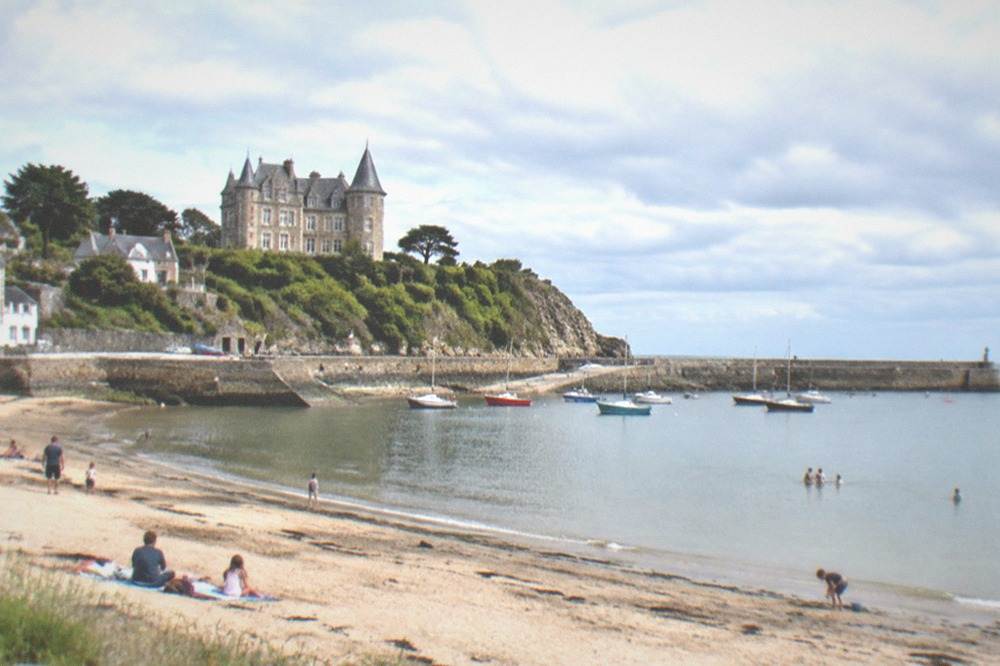
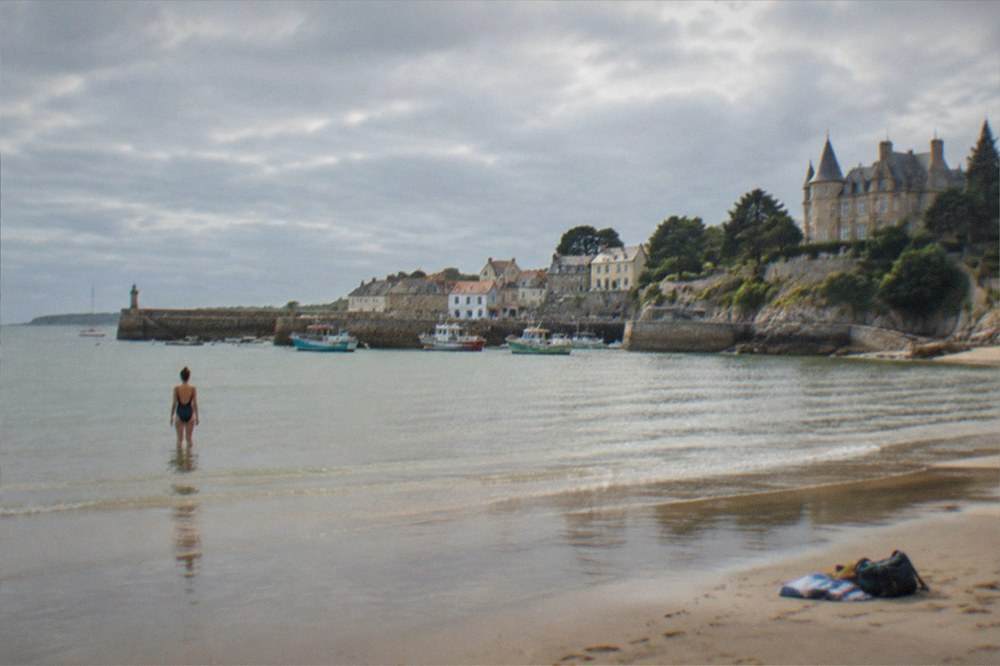
The beaches come next. The main bay beach sits central and family-friendly, sheltered by the shape of the coast, while smaller coves and stretches of sand spread out along the shoreline on either side. At low tide the revealed rocks and pools are half the attraction, particularly with children, so check a tide table before you pick your afternoon slot. The sea off this coast is Atlantic water: refreshing at the best of times, and warmest at the height of summer.
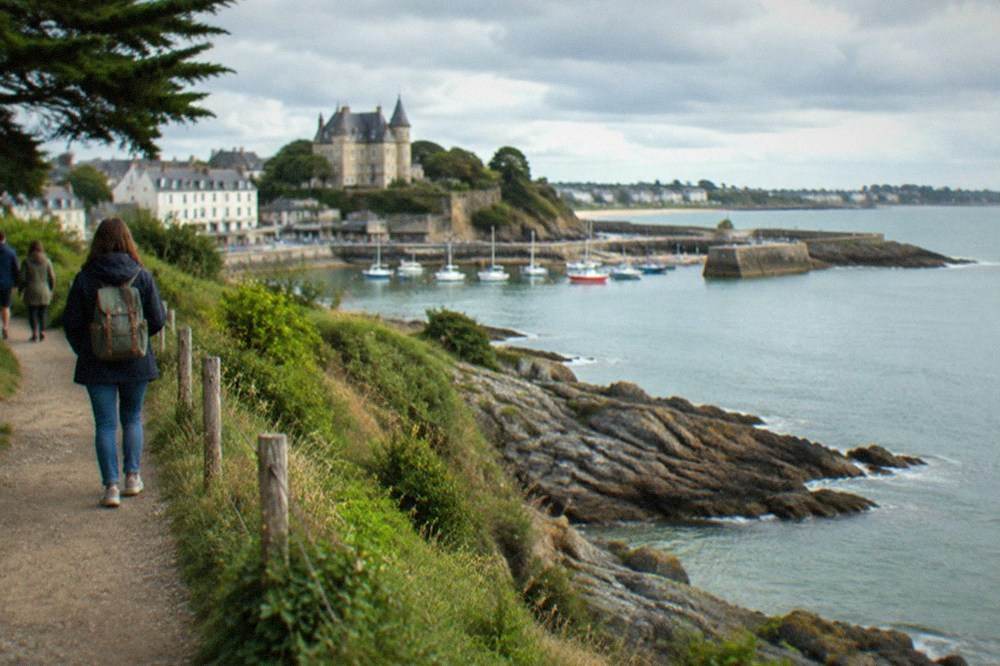
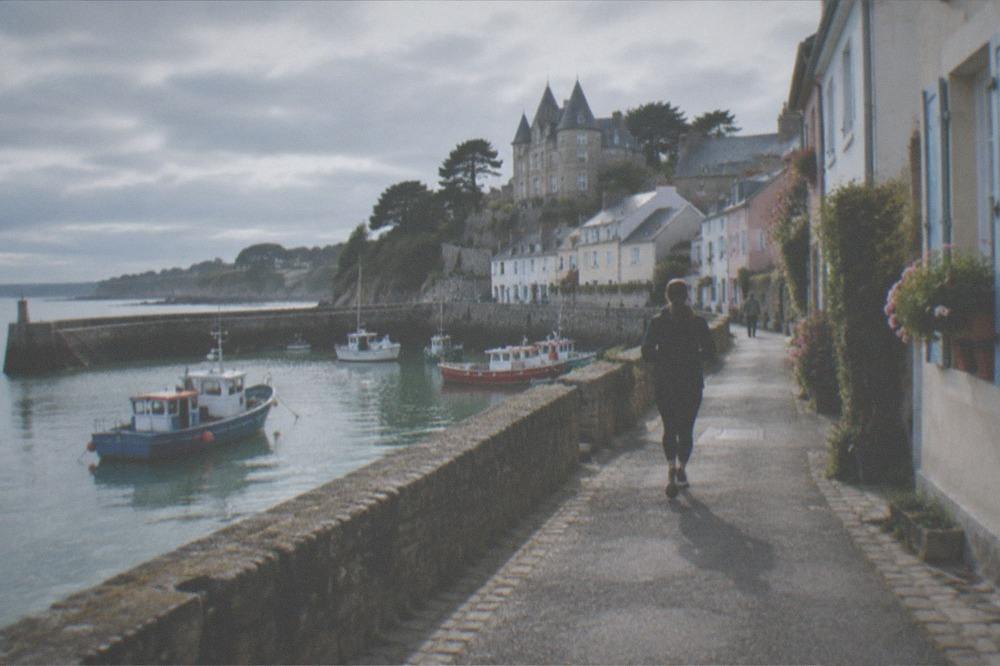
The coastal path is the third piece. Marked footpaths run along the cliffs out of town in both directions, and even a short out-and-back section of an hour or so delivers the day's best views back across the bay. The path is the reason many people return to Pornic a second time: the town is pleasant, but the coastline is the reason it exists.
Here is how a relaxed day maps onto the town's three free anchors:
| Slot in the day | Where to be | Why it works at that hour |
|---|---|---|
| Late morning | Harbour and quays | Port feels working rather than touristed; cafes open |
| Early afternoon | Main bay beach | Warmest hours for sand and swimming; tide pools at low water |
| Mid afternoon | Coastal path out of town | Cliff views and sea breeze before the light flattens |
| Late afternoon | Old streets behind the port | Shops, bakeries and shade as the day cools |
| Early evening | Quay again, then the station | Evening light on the boats before the return train |
Where Should You Eat In Pornic?
Pornic's food scene is a seafood scene first, and the honest advice is to build your main meal of the day around the port: the restaurants nearest the harbour are the ones cooking the catch that landed there. The region's classic pairing, Muscadet with shellfish and white fish, is not a tourist invention but the local logic of eating what the vineyard and the ocean produce side by side. Book a table for lunch rather than dinner, because your return train comes first.
The pairing is worth a sentence of explanation even for visitors who do not normally care about wine. Muscadet is the white wine of the Nantes region, made from the Melon de Bourgogne grape on ground that lies between the Loire and the Atlantic. Its dry, mineral character was practically designed for oysters and shellfish, and the vineyards sit inland of Pornic, so a bottle from ten kilometres east arrives with a plate from ten metres away. The Maison des vins at Vallet, in the heart of the appellation, is the reference point if you want to go deeper on the wine side, and the Muscadet vineyards guide covers that half of the story.
For the practical side of lunch: portions are generous, the midday service is the main event in French coastal towns, and restaurants fill from about 12:15 onward. Arriving at noon rather than 13:30 is the difference between a table on the quay and a table at the back. If you are travelling in the height of August, reserve the day before.
For something sweet later in the day, the bakeries and creameries around the old streets do the standard French afternoon repertoire, ice cream facing the sea included. It is not a gastronomic pilgrimage; it is a beach town, and the food culture reflects that: simple, seafood-led, unhurried.
Can You Combine Pornic With The Muscadet Vineyards?
Yes, and it is one of the best versions of the trip, because the vineyards and the coast form a single region rather than two separate destinations. The Muscadet appellation sits between Nantes and Pornic, so the logical structure is a morning tasting near the city or in the vineyards, an afternoon train to the sea, or a full vineyard day saved for another outing. The tasting product listed below covers the sensory side in Nantes itself.
The cleanest structure depends on your energy. A one-day version starts with a late-morning Muscadet tasting in Nantes, lunch, and then the train to Pornic for the late afternoon and evening light on the coast. A two-day version gives the vineyards their own day, following the Loire Valley wine tours from Nantes options, and keeps Pornic as a pure seaside day.
There is also a cultural logic to the pairing that goes beyond taste. The 2026 Muscadet harvest was historically early, with the picking ban declared on 11 August, eight days ahead of the previous record, and yields down on recent years: the same Atlantic influence that moderates Pornic's beaches shapes the growing season inland. Knowing a little about the wine makes the coast read differently, and vice versa.
If the wine side of the day appeals, the tasting tour above runs in Nantes, which means it slots neatly before your train rather than competing with the coast for your afternoon hours. Check availability for the date you have in mind, since small-group tasting sessions fill in high summer.
When Is The Best Time Of Year To Visit Pornic?
The best months for a Pornic day trip are June through September, when the Nantes-Bouguenais climate data shows mean daily maxima from about 23 C in June to 25 C in August, and the sea is at its warmest. Late May and early September are the quieter shoulder picks with most of the warmth. Mid-July and August bring the crowds, and winter days are mild but grey, wet and short.
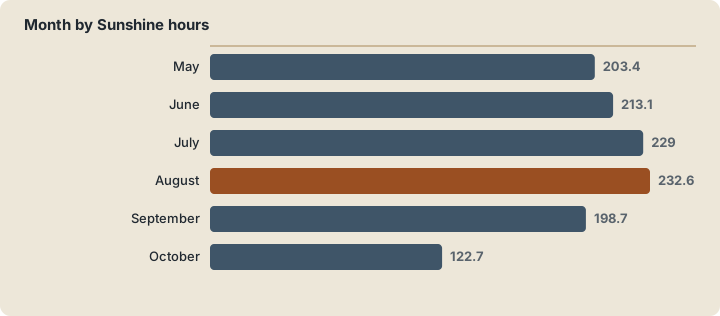
The numbers behind that advice come from the Meteo-France 1991-2020 normals for the Nantes-Bouguenais station, the closest long-term record to the coast. July is the warmest month at a mean of 19.7 C, August the sunniest at 232.6 hours, and December the wettest at 101.0 mm. The year totals 819.5 mm of rain spread over 119.7 days with at least 1 mm, which is the honest picture of a temperate oceanic climate: no dry season, but no monsoon either, just a steady Atlantic drizzle regime you plan around. Other pages covering the same trip are gathered on Nantes Travel Guide.
| Month | Mean max C | Mean min C | Rain mm | Days at or above 1 mm | Sunshine hours |
|---|---|---|---|---|---|
| May | 19.6 | 9.8 | 61.0 | 9.6 | 203.4 |
| June | 23.0 | 12.7 | 48.5 | 7.6 | 213.1 |
| July | 25.1 | 14.3 | 44.2 | 7.1 | 229.0 |
| August | 25.4 | 14.2 | 50.3 | 7.2 | 232.6 |
| September | 22.4 | 11.8 | 59.5 | 7.8 | 198.7 |
| October | 17.6 | 9.5 | 88.8 | 11.8 | 122.7 |
One climate note that matters more each year: the region has been breaking records. A new all-time station record of 42.2 C was set on 24 June 2026, beating the previous 42.0 C from July 2022, and 2026 logged record counts of days at or above 30 C. Midsummer heat is now a genuine planning consideration on a coastal walk with little shade, so carry water and treat the middle of a hot day as a swim-and-lunch slot rather than a hiking one.
What Does A Day In Pornic Cost?
The transport is the main fixed cost of a Pornic day: the TER fare each way, plus whatever you spend on lunch, and the walk itself costs nothing. On the Nantes end, a Naolib single is 1.80 euro, a 24-hour ticket 6.80 euro, and a 10-journey carnet 17.80 euro, all published operator prices. Beyond that, the day scales with your choices: a quay-side seafood lunch, or a bakery picnic on the beach.
The honest framing is that Pornic is not a ticketed attraction. There is no entry fee, no combined pass and no monument tariff, because the town itself is the sight. Your spending decisions are food, drink, and possibly an ice cream, and those range as widely as your appetite does. Restaurant prices across the Nantes region run from inexpensive meals to a mid-range three-course dinner for two without drinks, according to crowd-sourced cost-of-living aggregators updated in 2026, and coastal seafood at the height of season sits at the pricier end of that spread.
Here is the cost picture at its fixed points, all figures from the operator or the sources named in the text:
| Item | Figure | What it covers |
|---|---|---|
| Naolib 1-hour ticket | 1.80 euro | Any tram or bus in Nantes before your train |
| Naolib 24-hour ticket | 6.80 euro | A full day of city transport, up to 5 people at 15 euro for the group version |
| Naolib 10-journey carnet | 17.80 euro | Ten 1-hour tickets, useful for a longer city stay |
| Inexpensive restaurant meal | varies by venue | Crowd-sourced regional average, range 12 to varies by venue |
| Mid-range dinner for two | varies by venue | Three courses, no drinks; range 35 to varies by venue |
| Harbour, beaches, coastal path | Free | The whole free layer of the day |
If you want to stretch the budget further, the free layer of the day is thick: the harbour, the beaches, the coastal path and the old streets cost nothing at all. The site's Nantes on a budget and free things to do in Nantes guides apply the same logic to the city end of your trip.
One cost that often surprises visitors is the city's tourist tax, charged per person per night in Nantes hotels and tiered by star rating: reported at 2.86 euro for a 4-star stay, 1.87 euro for 3-star and 1.10 euro for 2-star, with a new tariff grid applying since 1 January 2026. It does not apply to a day trip, but it belongs in any calculation of a multi-day base in the city.
How Does Pornic Compare With The Other Coastal Day Trips?
Pornic is the compact option: a small harbour, sheltered beaches and cliff walks within an hour's train ride, best for a slow, low-structure day. La Baule, about 51 minutes by TER, is the big-bay resort with a vast beach and more infrastructure. Saint-Nazaire, about 33 minutes, is the industrial-heritage estuary city, and Le Croisic, about 1 hour 3 minutes, is the fishing port with rocky coves.
Choosing between them is really choosing a mood. If the day is about swimming and sand with children, La Baule's bay has the scale and the facilities. If it is about walking a coastline with a camera and stopping when a cove looks right, Pornic and Le Croisic are the better picks, Pornic being the easier of the two to reach.
The island option sits in a different category. Noirmoutier, on the same Atlantic coast, is a proper island day rather than a town day, with the causeway, beaches and salt pans of its own. It rewards a full free day in a way a harbour town an hour away does not, so it suits a second coastal outing rather than a first.
For completeness, the northern stretch of the same department, including the marshes and medieval town of Guérande and the rocky shoreline of the Croisic and Batz-sur-Mer area, makes a natural second-day pairing with a Pornic visit: same coast, same wine region, different scenery.
What Should You Do Back In Nantes If Your Train Returns Early?
If your Pornic train gets you back to Nantes with a spare evening, the château is the best free stop: the courtyard and ramparts of the Château des ducs de Bretagne stay open until 19:00 daily, until 20:00 in July and August, and entry to the outdoor spaces costs nothing. The moat garden opens at 8:00 and closes at the same hour. Both are a short walk from the tram lines serving the station.
The indoor option on the same site is the Musée d'histoire de Nantes inside the château, at 9 euro full price, open 10:00 to 18:00 and closed on Mondays, with late opening at 19:00 daily in July and August. For a purely evening arrival, the free outdoor layer is the realistic one: the ramparts walk, the moat garden, and the stretch between the château and the Loire at dusk is one of the city's best free hours.
If you have organised your day around sightseeing generally, the city's attraction products are collected on the tours overview, and the arts museum is the pick for a culture-heavy finale.
The Musée d'arts de Nantes closes on Tuesdays, opens at 11:00 and stays open until 19:00, with a late Thursday session to 21:00, so it fits an early-evening return. The arts museum guide has the full picture, prices included.
What Should You Pack For A Pornic Day Trip?
Pack for the coast rather than the city: a windproof layer even in summer, because the Atlantic breeze off the water is constant and the clifftop path is exposed, plus swimwear from June to September, sun protection for the midday hours, and shoes that grip wet rock. A tide table screenshot on your phone is the single most useful non-clothing item, because low tide changes what the beaches and coves offer.
The wind is the detail inland visitors underestimate. Nantes itself sits far enough up the Loire that a calm city morning can hide a fresh onshore breeze at the coast an hour later, and the difference between 25 C in shelter and 25 C on an exposed headland is a jacket. The same logic applies to the sea: Atlantic water here is bracing even in August, and swimmers should treat the first minute as the price of the ten that follow.
For the train, there is little to say beyond the basics: regional TER services have luggage space, the journey is under 70 minutes, and there is no reason to carry more than a day bag. If you are starting the day with a Muscadet tasting in Nantes, keep the swim bag in a locker or bring it; the tastings are sedate enough that it does not matter, but the coastal afternoon is easier with dry clothes ready.
Is Pornic Worth It Compared With Staying In Nantes?
For a first visit to the region, a Pornic day trip earns its train fare if and only if you want the sea specifically, because Nantes itself is rich enough in museums, machines and river walks to fill three days without leaving. But the ocean is the one thing the city cannot give you, and Pornic is the shortest credible route to it, about an hour by TER, with a harbour and beaches worth the ride rather than just a coastline you view from a distance.
The decision framework is simple. If your trip is two days or less, stay in Nantes and use the second day for the Machines de l'île, the château and the Erdre, following the one day in Nantes and two days in Nantes itineraries. If you have three days or more, a coastal day becomes one of the best uses of the third, and Pornic is the easiest version of it.
The other argument for Pornic specifically, over the bigger coastal names, is proportion. A day trip should feel like a change of world, and the shift from a major city to a small harbour town an hour away delivers that contrast more sharply than a shift from one substantial town to another. You leave a city of 327,734 people in the commune and arrive somewhere you can walk end to end between lunch and dinner.
Nantes Travel Guide covers the city end of this trip in depth, and the companion pieces linked through this page handle every other direction you might take from it.
Common Questions About Pornic
How far is Pornic from Nantes?
The TER regional train runs from Nantes to Pornic in roughly 59 to 65 minutes, per the rail operator's route data. That makes it one of the shortest routes from Nantes to the Atlantic coast, and an easy full-day round trip without a car.
Do you need a car for a day trip to Pornic?
No. The train covers the journey in about an hour, and everything in Pornic, the harbour, the beaches and the coastal path, sits within walking range of the town centre. A car only helps if you plan to hop between several coastal villages in one day.
Is Pornic good for swimming?
Yes, from June to September. The bay beaches are sheltered and family-friendly, and the sea is at its warmest at the height of summer. It is Atlantic water, so expect it brisk even in August, and check tide times, since low tide reveals the rock pools and changes the shape of the sand.
What is there to eat in Pornic?
Seafood, above all. The restaurants around the harbour cook the local catch, and the classic regional pairing is Muscadet, the dry white of the Nantes vineyards, with shellfish and white fish. Book lunch rather than dinner, since your return train comes first.
Can you visit the Muscadet vineyards on the same day as Pornic?
You can, though the cleanest structure is a morning tasting in Nantes followed by an afternoon train to the coast, or a separate vineyard day. The vineyards lie between Nantes and Pornic, so the two halves of the region sit naturally in one itinerary.
When is the best time to visit Pornic?
June through September for warmth, with late May and early September as the quieter shoulder picks. The climate data for the region shows mean daily maxima of about 23 C in June and 25 C in August, with the most sunshine in August at 232.6 hours per month.