Chronographe Nantes
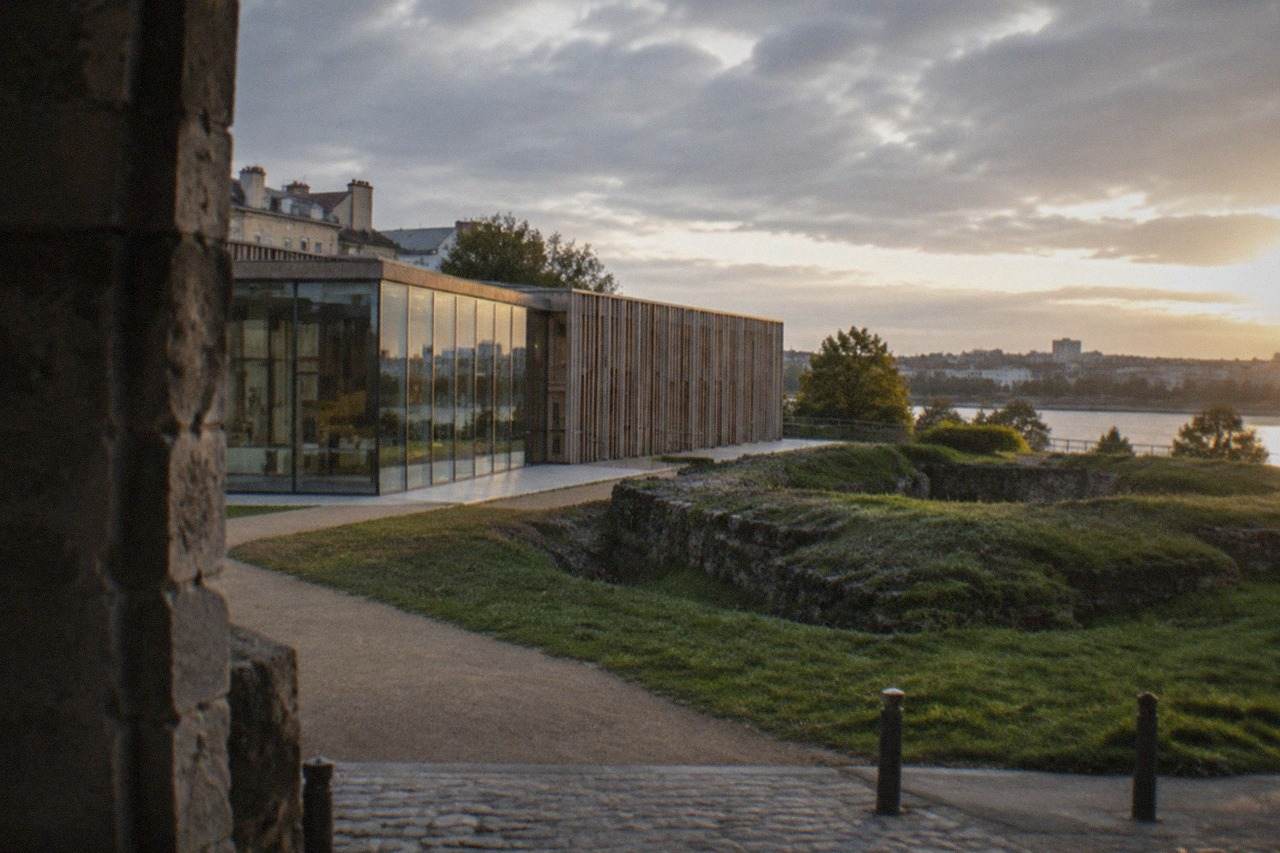
The Chronographe is the archaeology interpretation centre of Rezé, the town directly across the Loire from Nantes in the Loire-Atlantique department of western France. It presents the excavated Gallo-Roman port quarter found on the Saint-Lupien site, and it is one of only four museums covered by the 15 EUR Pass Musées.
Short answer
The Chronographe sits in Rezé, across the Loire from central Nantes, and presents the excavated Gallo-Roman port quarter of the Saint-Lupien site. It is included in the 15 EUR year-long Pass Musées alongside the Musée d'arts, the Musée Jules Verne and the Musée d'histoire de Nantes. Ordinary Naolib tickets cover the Navibus crossing to Rezé, at 1.80 EUR for one hour, and the whole network is free on weekends.
Rezé is the town immediately south of Nantes, in the Loire-Atlantique department of the Pays de la Loire region of western France, and its single most distinctive cultural site is the Chronographe. This purpose-built interpretation centre presents the excavated Gallo-Roman port quarter discovered on the Saint-Lupien site, one of the most significant archaeological ensembles on this stretch of the Loire. What makes it unusually good value for a Nantes visitor is its place in the city's museum pricing: the Chronographe is one of the four museums covered by the 15 EUR year-long Pass Musées, alongside the Musée d'arts de Nantes, the Musée Jules Verne and the Musée d'histoire de Nantes inside the Château des ducs de Bretagne. Few visitors to Nantes realise that one of those four sits across the river, in a different commune, reached by a short river shuttle.
This guide covers the practical side of a visit: what the Chronographe actually is, how to cross the Loire to reach it from central Nantes, how the Pass Musées and Pass Nantes treat it, what you will find inside, when the Nantes climate makes the trip most comfortable, and what to pair with it on the same day. Where a figure matters, it comes from the primary sources on file, and where the current single-visit tariff is not published in our data, we say so rather than guessing. For a wider sweep of the city on the north bank, our overview of Nantes highlights covers the heavyweight sights, and Nantes Travel Guide keeps every price on this page tied to a checked source.
What Is The Chronographe In Nantes, France?
The Chronographe is the archaeology interpretation centre of Rezé, the town on the Loire's south bank directly facing Nantes in the Loire-Atlantique department of western France. It presents the excavated remains of the port quarter that stood on the Saint-Lupien site, and it is one of the four museums covered by the 15 EUR Pass Musées alongside the Musée d'arts, the Musée Jules Verne and the Musée d'histoire de Nantes.
The name tends to confuse people, and understandably. A chronographe in everyday French is a stopwatch, but here the word plays on the idea of writing, or graphing, the march of time: this is a building whose entire subject is chronology, the layering of centuries found in the ground of Rezé. The museum grew out of a long-running excavation campaign on the Saint-Lupien site, where archaeologists uncovered the substantial stone remains of a port district from the Gallo-Roman era, the period when the Roman world established itself in Gaul. Rather than reburying the finds or shipping them off to a distant display case, the commune and the métropole built an interpretation centre around the archaeology itself.
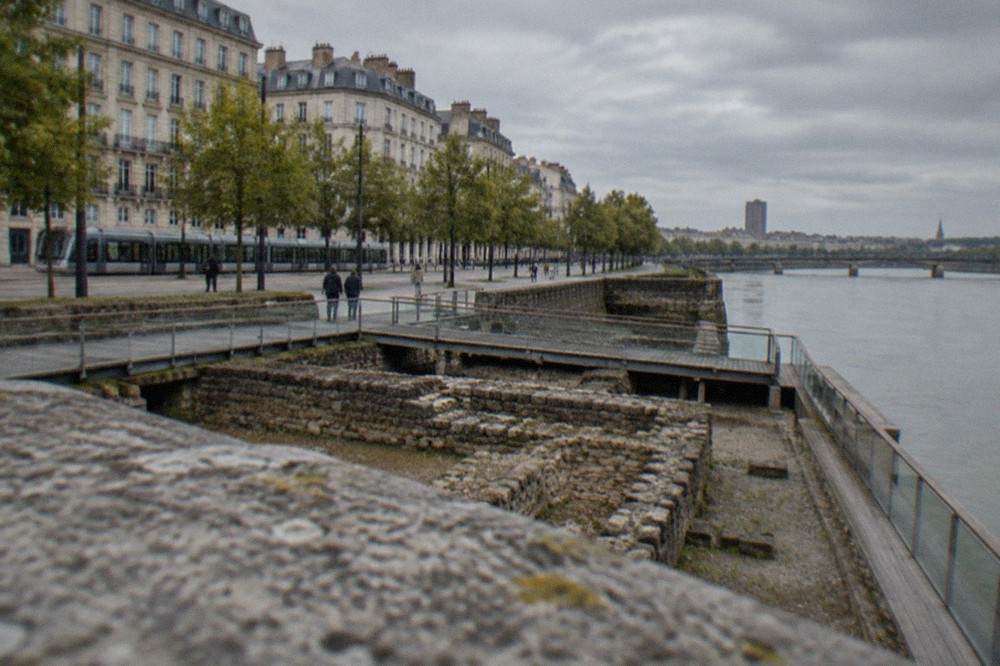
Two things distinguish the Chronographe from a conventional museum. First, its location: Rezé is not a suburb of Nantes in the loose sense visitors use, it is a separate commune in its own right on the left bank of the Loire, and the museum deliberately anchors the story of the river's south side. Second, its curatorial scale: where the great Nantes institutions such as the Château des ducs de Bretagne or the Musée d'arts de Nantes hold collections spanning centuries and continents, the Chronographe is focused, a single archaeological narrative told in depth. That focus is precisely why it works as a half-day trip rather than a full-day commitment: you cross the water, you take the museum at reading pace, and you return with a completely different picture of how settlement on the Loire estuary began.
The museum's inclusion in the metropolitan Pass Musées also tells you something about how Nantes Métropole administers its heritage: Rezé's archaeology is treated as part of the same cultural estate as the fine arts museum and the Jules Verne museum, all under one 15 EUR annual pass. A visitor staying several days can realistically visit all four, and the arithmetic works strongly in your favour, which the pricing section below breaks down line by line.
If your interest in the city's deep past runs wider than Rezé, the Jules Verne museum in the Butte Sainte-Anne quarter and the Nantes cathedral, partially reopened since 27 September 2025 with full restoration targeted for 2028, carry the medieval and modern chapters of the same story.
How To Get To The Chronographe From Central Nantes
The simplest route from central Nantes is a Naolib crossing: Navibus line N1 runs from Gare Maritime on the north bank to Trentemoult Sablières in Rezé, ordinary Naolib tickets are valid on it, and a single one-hour ticket costs 1.80 EUR. On Saturdays and Sundays the whole network is free for everyone. Trams already serve Rezé, and two further tram lines are under construction with delivery targeted for the end of 2027.
The river crossing is the pleasant way to arrive and the one most guidebooks undersell. Naolib's Navibus network runs three shuttle-boat lines, and the N1 links Gare Maritime, by the city-centre quays, with Trentemoult Sablières on the Rezé bank. Because Navibus is part of the ordinary network, the standard fare structure applies: the one-hour ticket at 1.80 EUR covers tram, bus and Navibus alike, so a connection from your hotel to the boat costs nothing extra. According to Naolib's fare rules, weekend travel is free for everyone from 00:00 on Saturday to 23:59 on Sunday, a scheme in place since 2021, so a Saturday visit to Rezé costs nothing in transport at all.
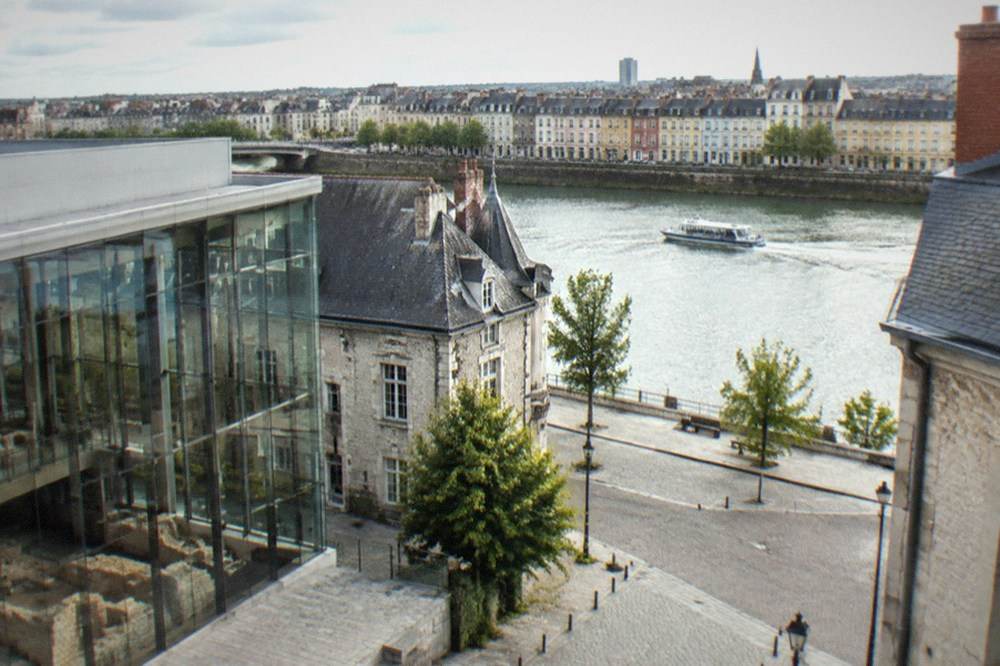
The boat drops you at Trentemoult, Rezé's celebrated former fishing village, from which the Chronographe's quarter is a local ride or walk onward within the commune. Allow a margin rather than planning a tight connection, and check the day's sailing times on the Naolib site before you set out. There is also an N2 Navibus line, extended in November 2025, linking Trentemoult with Bas-Chantenay and the Hangar à Bananes on the Île de Nantes, which opens a neat loop: cross to Rezé in the morning, return via the island in the afternoon.
The land options are solid too. Rezé is one of the best-connected communes on the network, and the tram makes the trip straightforward. For the future, Nantes Métropole's own transport programme confirms two new tram lines under construction, line 6 running roughly 12 km from Rezé's Hôtel de Ville to Babinière and line 7 roughly 9 km from Rezé to François Mitterrand in Saint-Herblain, with service targeted for the end of 2027, plus an electric busway line 8 in parallel. Until then, boat and existing tram serve the purpose.
| Naolib ticket | Price | What it covers |
|---|---|---|
| 1-hour single | 1.80 EUR | One journey on tram, bus, Navibus, valid one hour |
| Carnet of 10 singles | 17.80 EUR | Ten one-hour tickets at a small saving |
| 24-hour ticket | 6.80 EUR | Unlimited tram, bus and Navibus for a day |
| 24-hour ticket, 4 people | 15.00 EUR | A group day pass for four travelling together |
| Weekend travel | Free | Whole network, Saturday 00:00 to Sunday 23:59, per Naolib's fare rules |
One caution worth repeating because it trips up so many visitors: the free-weekend rule covers the ordinary network, and the airport shuttle is the documented exception, always 10 EUR. That does not affect a Rezé trip, but if you are planning an arrival-day itinerary that pairs the airport with the museum district, keep the two fares separate in your budget.
If you prefer having someone else organise the Nantes half of the day before you head south across the river, the professional private walking tour below is the natural fit, and its price is not published by the operator, so the live listing is the only honest place to check it.
How Much Does The Chronographe Cost, And Which Pass Includes It?
A year-long Pass Musées costs 15 EUR and gives unlimited entry to the Chronographe plus the Musée d'arts de Nantes, the Musée Jules Verne and the Musée d'histoire de Nantes inside the Château des ducs de Bretagne, which makes it the cheapest route for anyone visiting more than one of the four. The single-visit tariff for the Chronographe itself is set by Rezé's museum service, so confirm the current price with the museum before travelling.
The Pass Musées is the key figure here, and it is verified on the Musée d'arts' own tariff page. At 15 EUR, valid for a full year from purchase, it covers the four metropolitan museums as a single cultural estate. Because three of the four charge 9 EUR, 9 EUR and 4 EUR at the door for a full-price adult, the pass pays for itself within a handful of visits, and a Nantes stay that includes the Chronographe plus just two of the others already lands ahead.
| Museum on the Pass Musées | Full price | Reduced price | Notes from the official tariff pages |
|---|---|---|---|
| Musée d'histoire de Nantes, Château des ducs de Bretagne | 9 EUR | 5 EUR | Free under 18; closed Mondays |
| Musée d'arts de Nantes | 9 EUR | 4 EUR | Free under 18; closed Tuesdays; Thursday nocturne |
| Musée Jules Verne | 4 EUR | 1.50 EUR | Closed Tuesdays; summer hours extended |
| Le Chronographe, Rezé | Single tariff set by Rezé | Not published in our data | Included in the 15 EUR Pass Musées |
The reduction rules differ slightly by institution, but the pattern is consistent: under-18s go free at the Nantes museums, and the standard concession categories, students, jobseekers and documented visitors, apply with proof. First Sundays of the month, from September to June, are free at participating museums, which can be combined with the weekend-free transport for a remarkably cheap day out.
| Pass option | Duration | Full price | Who it suits |
|---|---|---|---|
| Pass Musées | 1 year | 15 EUR | Repeat visitors to the four metropolitan museums |
| Pass Nantes 24h | 24 hours | 30 EUR (20 EUR reduced, 80 EUR family) | Short stays focused on central Nantes |
| Pass Nantes 48h | 48 hours | 40 EUR (26 EUR reduced, 106 EUR family) | A weekend city break |
| Pass Nantes 72h | 72 hours | 49 EUR (31 EUR reduced, 129 EUR family) | Longer stays, more partner sites |
| Pass Nantes 7 days | 7 days | 75 EUR (45 EUR reduced, 195 EUR family) | Slow travellers and families |
Note the distinction between the two passes, because they are easy to conflate. The Pass Nantes, priced from 1 April 2026 at the figures above, is a tourist pass built around transport and the big central sites: it includes unlimited Naolib travel, a return airport shuttle, and entry to partner attractions including the château museum and the Machines de l'île's Galerie and Carrousel, with the Grand Éléphant ride explicitly excluded. The Pass Musées is a different animal entirely, a modest annual museum pass whose four sites include the Chronographe. A visitor doing both the major attractions and the museums sometimes ends up holding one of each, and the arithmetic is worth two minutes with a calculator before you buy either.
If a compact pass with transport bundled in suits your style of travel better than museum-hopping, the CityPass is the product to compare against the Pass Musées, and its live listing carries the current terms.
Before booking anything, one reassurance worth having: the tours on this site are sold through the operator's live listing with cancellation and pay-later options shown at checkout, so a change of plan in Nantes rarely costs you the ticket. That matters most on a museum day, when a rainy morning can flip a south-bank itinerary to a north-bank one at short notice.
What Will You See Inside The Chronographe?
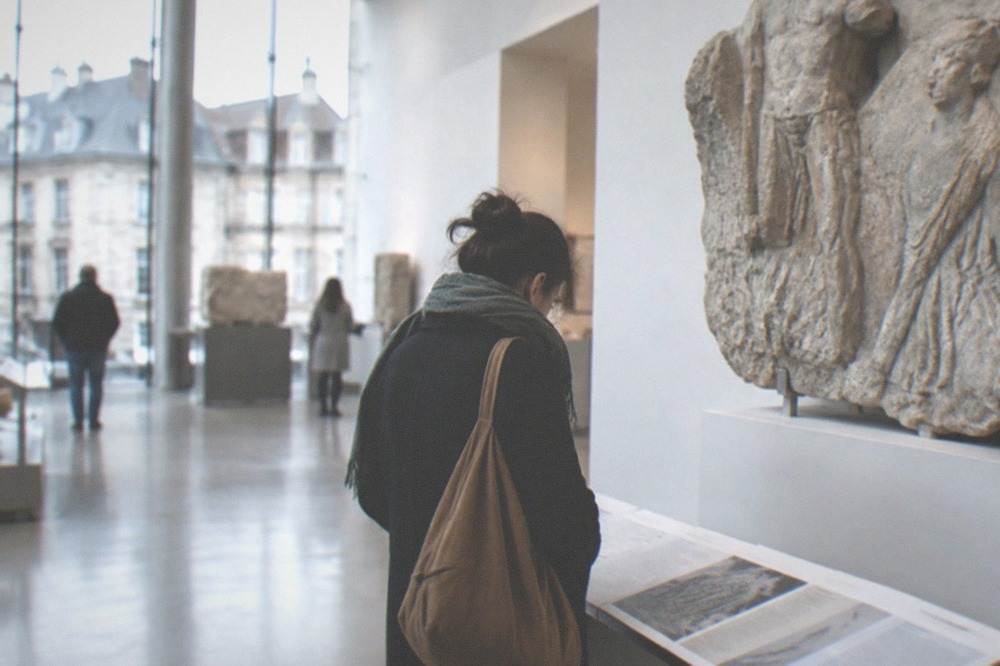
Inside, the Chronographe presents the excavated Gallo-Roman port quarter found on the Saint-Lupien site, the river settlement that stood on this stretch of the Loire long before modern Rezé grew up. Displays of finds, models and interpretation run alongside protected remains, and the visit works as a museum walkthrough paired with an outdoor view of the archaeology itself. Allow time to read rather than racing through.
The heart of the museum is the archaeology underfoot. Excavation on the Saint-Lupien site brought to light the stone footings of a port district from the Gallo-Roman period, evidence that the south bank of the Loire at Nantes carried substantial river trade under Roman-era influence, with warehouses, quays and domestic structures where visitors now walk. The Chronographe was built to let the public see and understand this without the dig disappearing behind hoardings: protected remains, explanatory walkways and a display circuit carry the narrative.
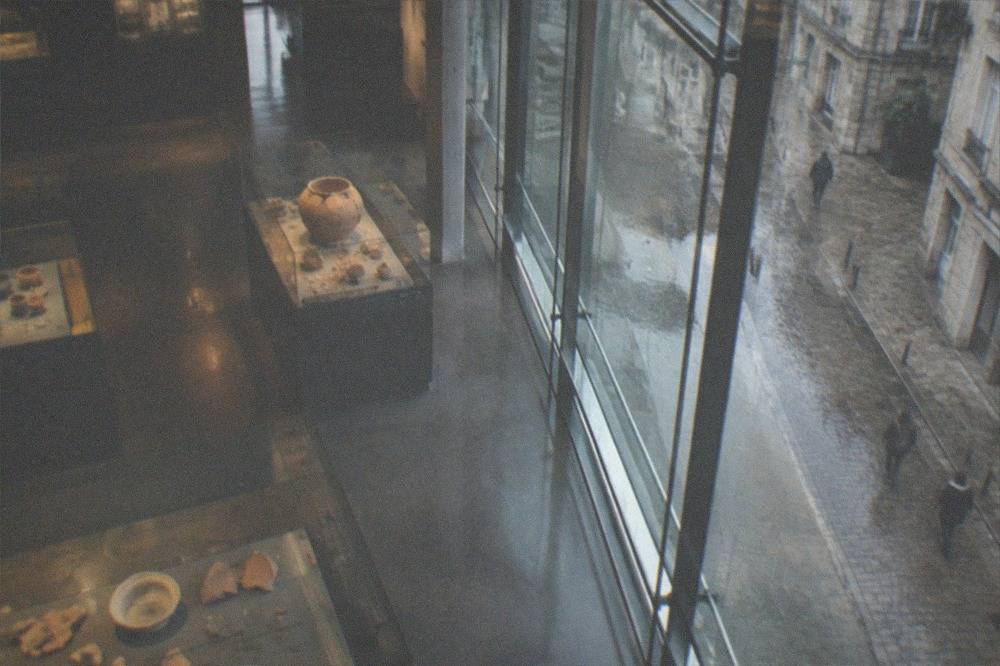
What the presentation does especially well is connect two worlds that are usually told separately. On one side sits Rezé as it is now, a residential commune of the Nantes metropolitan area, with the fishing lanes of Trentemoult and the new tramworks of a growing town. On the other sits the ancient river economy: goods moving up and down the Loire, a port serving the interior, and the everyday objects, ceramics, coins, building materials, that survived in the waterlogged ground. The museum's discipline is to keep both in frame, so you leave understanding not just that Romans-era settlement existed here, but why a port made sense at this exact bend of the river.
A practical note on scale: the Chronographe is not the Louvre, and that is its virtue. The circuit is compact, the object count is modest, and the pleasure of the visit comes from concentration rather than exhaustion. Visitors who enjoy reading every panel will get the most from it; those who prefer spectacle should pair it with the Machines de l'île on the Île de Nantes for the contrast of ancient stones and moving mechanical giants. The museum also differs from the city-centre institutions in its rhythm: it sits in a quiet quarter, so build in the river crossing and a wander through Trentemoult rather than treating it as a drop-in stop between two bigger bookings.
If the archaeology leaves you curious about how Nantes tells its other histories, the Mémorial de l'abolition de l'esclavage on the quays is the city's most sober and best-executed memorial, free to enter, and the Passage Pommeraye shows the 19th-century merchant city at its most ornate.
When Is The Best Time To Visit The Chronographe, And What Is The Weather Like?
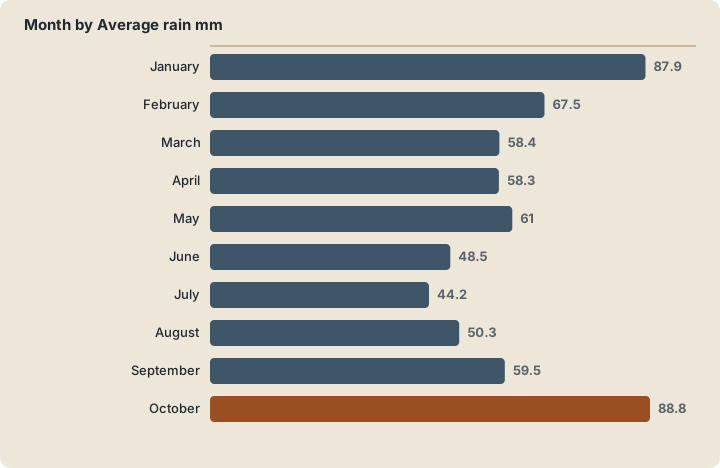
Nantes has a temperate oceanic climate, not a Mediterranean one: Météo-France's 1991-2020 normals for the Nantes-Bouguenais station give a mean daily maximum of 9.3°C in January rising to 25.4°C in August, with 819.5 mm of rain spread across the year. Late spring through early autumn is the comfortable window, and the shoulder months of April to May and September to October pair mild air with thinner crowds.
The reason weather matters more for the Chronographe than for a city-centre museum is the crossing. The Navibus approach puts you on the open river, and the walk around the Saint-Lupien quarter and Trentemoult is very much an outdoor pleasure. In the summer peak, when August's mean maximum sits at 25.4°C, the boat is a breeze; in December, the wettest month at 101.0 mm of rain on average, you will want the covered parts of the itinerary weighted more heavily.
| Month | Mean daily max °C | Mean daily min °C | Average rain mm |
|---|---|---|---|
| January | 9.3 | 3.4 | 87.9 |
| February | 10.5 | 3.0 | 67.5 |
| March | 13.5 | 4.9 | 58.4 |
| April | 16.2 | 6.6 | 58.3 |
| May | 19.6 | 9.8 | 61.0 |
| June | 23.0 | 12.7 | 48.5 |
| July | 25.1 | 14.3 | 44.2 |
| August | 25.4 | 14.2 | 50.3 |
| September | 22.4 | 11.8 | 59.5 |
| October | 17.6 | 9.5 | 88.8 |
| November | 12.9 | 5.9 | 94.1 |
| December | 9.8 | 3.7 | 101.0 |
Two seasonal notes from recent years, both relevant to planning. First, the warm half of the year now runs hotter than the averages suggest: 2026 set a new all-time station record of 42.2°C on 24 June 2026, and the summer produced an exceptional 382 hours of July sunshine in Nantes according to Météo-France-linked reporting, so midsummer visitors should carry water and treat mid-afternoon as museum time, which suits the Chronographe perfectly. Second, the Loire can flood: in February 2026 the river reached 8.18 m at the Pont Anne-de-Bretagne, the first time above 8 m in around fifteen years, and low-lying river infrastructure, including the Mémorial on the quays, can close during such episodes. Check river conditions in a wet winter before committing to a river-based itinerary.
For anyone using the museum-heavy version of the trip, timing around free-admission days is the quiet optimisation. First Sundays from September to June are free at the participating museums, weekend transport is free, and a Sunday built around the château museum in the morning and the Chronographe in the afternoon costs almost nothing beyond lunch.
What Else To Combine With The Chronographe In Nantes And Rezé?
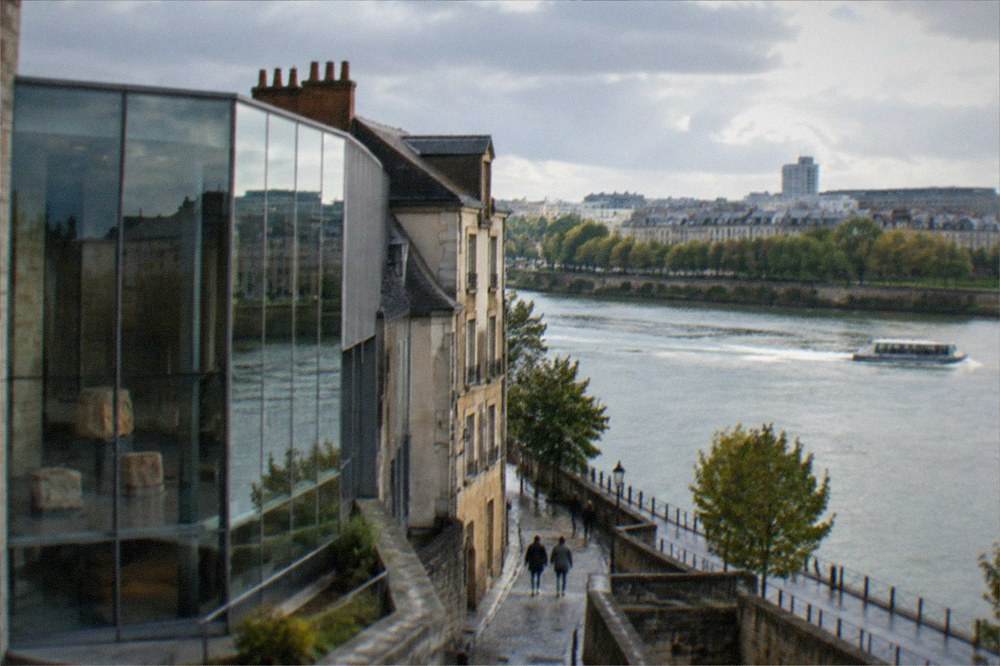
Pair the Chronographe with Trentemoult, Rezé's celebrated former fishing village reached by Navibus across the Loire, then return via the Hangar à Bananes on the Île de Nantes, which the N2 river shuttle links to the same Trentemoult landing. In central Nantes, the free Mémorial de l'abolition de l'esclavage and the 4 EUR Musée Jules Verne are the most natural companions on the same Pass Musées.
The south-bank half-day is the classic Chronographe itinerary. Cross on the N1 to Trentemoult Sablières, spend time among the coloured fishermen's houses and lanes that make this quarter one of the most photographed corners of the metropolitan area, then continue to the museum, then return. Since November 2025, the N2 Navibus extension gives you a second option for the return leg, running from Trentemoult to Bas-Chantenay and the Hangar à Bananes, so a full loop of the river's sights is possible almost entirely by boat.
| Companion sight | Side of the Loire | Entry cost from official pages | Best pairing with the Chronographe |
|---|---|---|---|
| Trentemoult village | South, Rezé | Free to wander | Same Navibus landing, before or after the museum |
| Hangar à Bananes | Île de Nantes | Free to walk; bars vary | Return leg via N2 Navibus extension |
| Musée Jules Verne | North, Butte Sainte-Anne | 4 EUR full, 1.50 EUR reduced | Same Pass Musées, maritime and imagined voyages |
| Mémorial de l'abolition de l'esclavage | North quays | Free | Historic river trade context |
| Galerie des Machines | Île de Nantes | 12 EUR full, 8 EUR for ages 4 to 12 | Contrast ancient machines with living ones |
| Château des ducs de Bretagne museum | North centre | 9 EUR full, 5 EUR reduced | Anchor of the Pass Musées circuit |
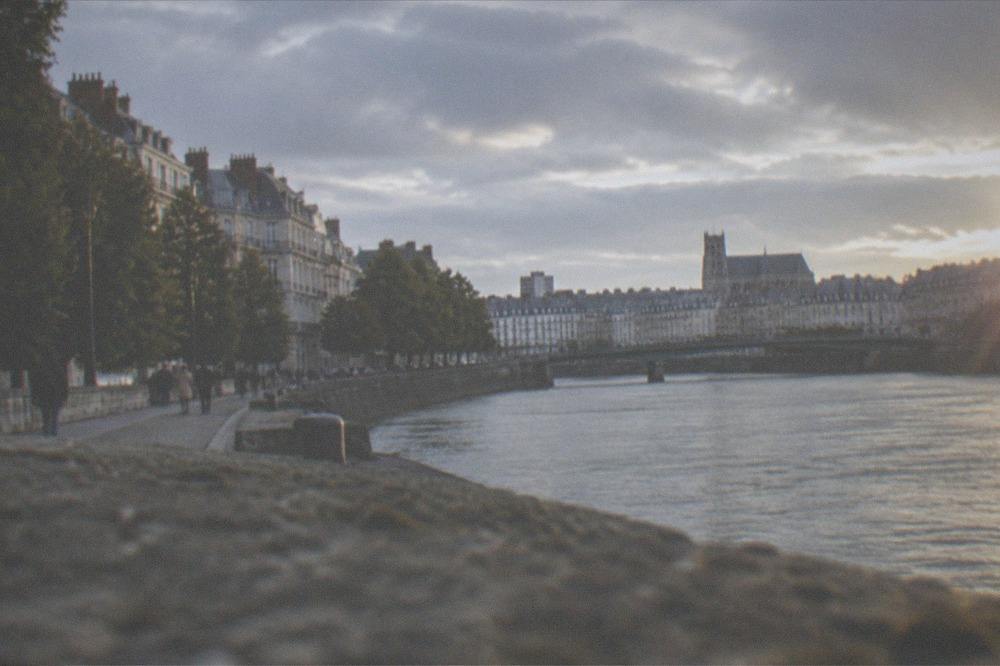
The thematic logic works in your favour. A day built around the river, Rezé's Gallo-Roman port in the morning, Trentemoult at lunch, the quays and the Mémorial in the afternoon, tells a single connected story about the Loire as the reason this city exists. The Musée Jules Verne, perched in the Butte Sainte-Anne quarter with its own river views, adds the literary coda, and its move to a larger Cité des Imaginaires site in Bas-Chantenay is planned for 2028, so the current intimate building at 3 rue de l'Hermitage has a countdown on it.
For a fuller framing of the city before you cross the water, these in-depth pages fill out the picture: the Hangar à Bananes and the Anneaux de Buren on the island, the Jardin des Plantes and the Île de Versailles for green Nantes, and the Théâtre Graslin and Place Royale for the classical heart. If archaeology is what brought you here, the arts museum pairs beautifully, and its live ticket listing below keeps the current terms.
If you would rather have a local professional organise the central Nantes portion and leave the Rezé crossing to yourself, the private walking tour that anchors this page is the strongest fit, and Check availability against your dates on the operator's live listing, where the unpublished price is shown.
Common Questions About The Chronographe In Nantes
Is the Chronographe in Nantes or in Rezé?
The Chronographe is in Rezé, a separate commune on the Loire's south bank directly facing Nantes in the Loire-Atlantique department. It is administered as part of the Nantes metropolitan museum estate, which is why the 15 EUR Pass Musées covers it alongside three Nantes museums, but the address and the excavated Saint-Lupien site are on the Rezé side of the river.
Is the Chronographe included in the Pass Musées?
Yes. The Pass Musées costs 15 EUR, is valid for one year from purchase, and includes unlimited entry to the Chronographe, the Musée d'arts de Nantes, the Musée Jules Verne and the Musée d'histoire de Nantes inside the Château des ducs de Bretagne.
Can you reach the Chronographe by public transport from central Nantes?
Yes, and the river crossing is the pleasant way to do it. Navibus line N1 runs from Gare Maritime to Trentemoult Sablières in Rezé, ordinary Naolib tickets are valid, and the one-hour ticket costs 1.80 EUR. According to Naolib's fare rules, the whole network is free from Saturday 00:00 to Sunday 23:59.
Is the Chronographe included in the Pass Nantes tourist pass?
The Pass Nantes tourist pass is built around transport and the big central sites, including the château museum, the Galerie des Machines and the Carrousel des Mondes Marins, with the Grand Éléphant ride excluded. The Chronographe belongs to the separate Pass Musées estate instead, so buy that 15 EUR pass if the archaeology museum is on your list.
How much time should I allow for a visit?
The Chronographe is a focused, single-site museum rather than an all-day institution, so a relaxed visit with the panels read properly is a morning or afternoon in itself. Build the wider trip around it: the Navibus crossing, a wander in Trentemoult, and the return leg through the Île de Nantes make a satisfying full day with the museum at its centre.
Is the Chronographe worth visiting if you are short on time in Nantes?
If your stay is two days or fewer and you want the essentials, the château museum, the cathedral, partially reopened since 27 September 2025, and the Machines de l'île come first. If you have a third day, or a specific interest in archaeology and river history, the Chronographe plus Trentemoult is one of the most rewarding half-days in the metropolitan area, and the Pass Musées makes it inexpensive.
The Chronographe will never top a list of Nantes's loudest attractions, and that is exactly its appeal: a quiet, serious museum on the far bank, reached by boat, priced at almost nothing through the 15 EUR Pass Musées, and telling the oldest story the Loire has to offer about this city and its river.