Ile De Versailles Nantes
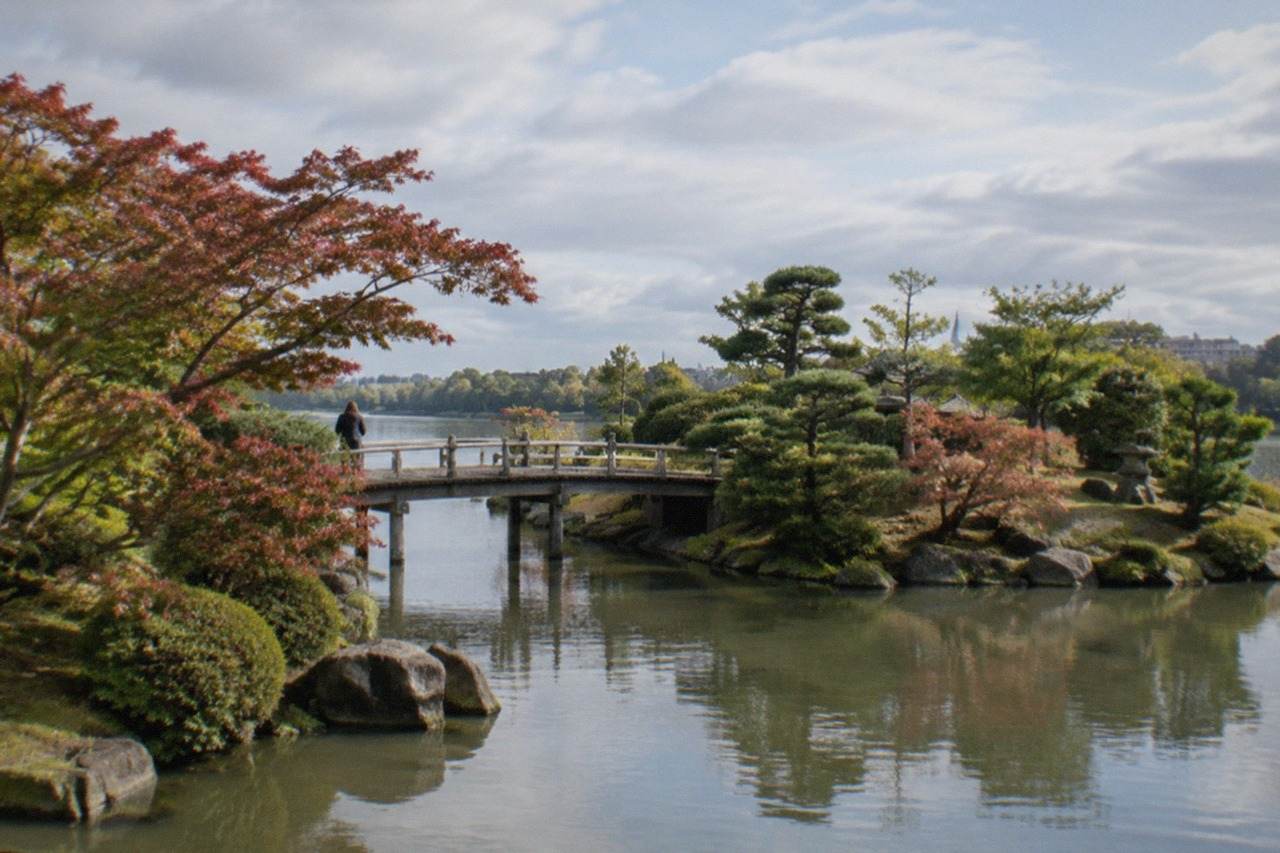
The Île de Versailles is a small garden island in the Erdre river in Nantes, a free Japanese-style green space a short walk from the city centre in western France.
Short answer
The Île de Versailles is a free Japanese garden island in the Erdre river in Nantes, Loire-Atlantique, Pays de la Loire. It opens daily with seasonal hours of roughly 8:30 to 17:30, extending to about 21:30 in summer, and is reached on foot, by Naolib tram or by the Navibus N3 river shuttle on the Erdre.
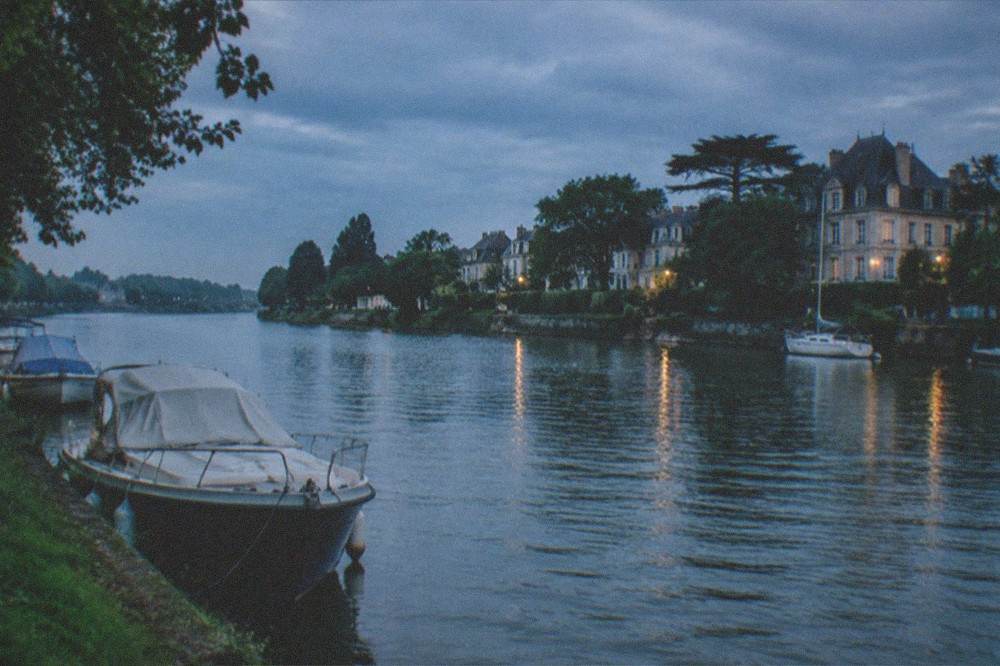
The Île de Versailles is a small island in the Erdre river in Nantes, a city in the Loire-Atlantique department of the Pays de la Loire region of western France, and it is planted throughout as a Japanese garden that costs nothing to enter. Where most European city islands carry bridges, statues or shipyards, this one carries ponds, stones and pruned greenery, maintained by Nantes Métropole as a public park. It sits where the Erdre finishes its course and meets the Loire at the heart of the city.
This guide sets out what the island is, how to reach it, what it costs and when to go, plus how it fits into a day spent exploring the rest of Nantes. The facts here come from the Métropole's own listings, from Naolib's fare pages and from Météo-France's published climate normals, not from a visitor's impressions. Where a figure is only reported by a secondary source, that is stated, and where a price belongs to a bookable product, it renders from a live listing rather than from this page.
What Is The Île De Versailles In Nantes?
The Île de Versailles is a garden island in the Erdre river in Nantes, the largest city in the Loire-Atlantique department of the Pays de la Loire region of western France, within walking distance of the city centre. Laid out in Japanese garden style and kept as a free public park, it is one of the calmest green spaces in a city that was named a European Green Capital in 2013, and it occupies the last stretch of the Erdre before that tributary joins the Loire.
The Erdre and the Sèvre Nantaise are the two tributaries that meet the Loire at Nantes, and the island sits on the first of them. That geography matters more than it might seem. Nantes is a river city first and foremost, and its best-known island, the Île de Nantes downstream, is where the Machines de l'île and the Hangar à Bananes draw the crowds. The Île de Versailles is the quieter counterpoint: no ticket queue, no mechanical elephant, just a garden laid out around water.
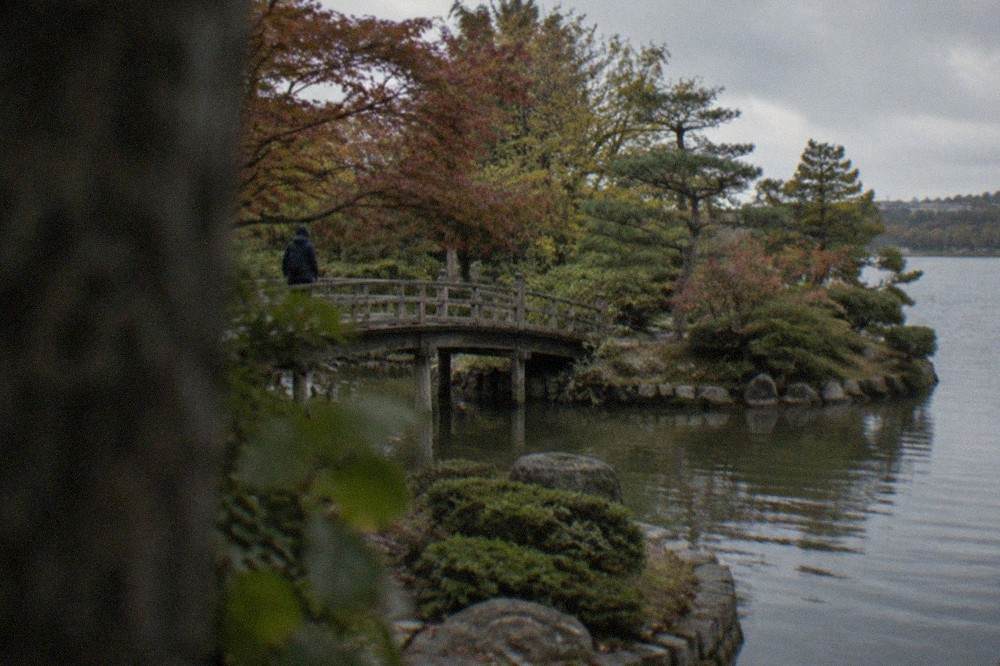
The Métropole's listing describes the site simply as a Japanese garden, free to enter, with seasonal hours. That restraint is accurate to the place. There is no museum inside it, no café, no gift shop. What there is, is green: a garden designed to be walked slowly, crossed end to end in a relaxed half hour or lingered in for longer, with the Erdre flowing past on every side.
| Detail | Value |
|---|---|
| Location | Island in the Erdre river, central Nantes |
| Department | Loire-Atlantique |
| Region | Pays de la Loire, western France |
| Type | Free public park, Japanese garden |
| Entry cost | Free |
| Hours | Seasonal, roughly 8:30 to 17:30, later in summer |
| River | The Erdre, tributary of the Loire |
| Maintained by | Nantes Métropole |
For context on scale, Nantes counted 327,734 residents in its commune in the 2023 INSEE figures, with the wider métropole reported at 689,456, and the city ranks as France's sixth most populous commune and the largest in the west of the country. Green space is not a side note here. The city holds the Jardin des Plantes as well, another free garden that you can read about in our Jardin des Plantes guide, and the two pair naturally in a single day of gentle walking.
Where Is The Île De Versailles And How Do You Get There?
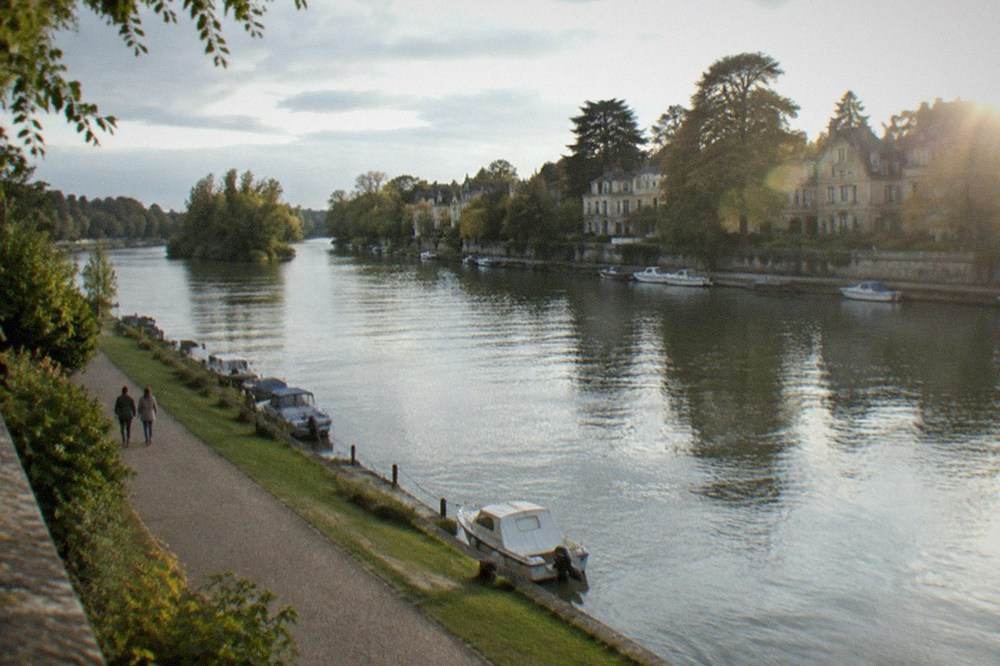
The island sits in the Erdre, the tributary that joins the Loire at Nantes, just north of the city centre and within an easy walk of the main sights. It is reached on foot, on the Naolib tram network of three lines, or on the Navibus N3 river shuttle, which runs on the Erdre between Gachet and Grimaudière; a standard single-journey Naolib ticket at 1.80 EUR covers trams, buses and the Navibus alike for one hour.
Nantes is a compact, walkable city, and the island rewards that. Coming from the centre, you cross the water and the change is immediate: traffic noise drops, the river takes over, and the garden begins. The tram network, 45.6 km across three lines and 84 stations according to the published figures, plus the busway and Chronobus lines, puts the island within a short ride of almost anywhere in the city.
| Option | Cost | Notes |
|---|---|---|
| On foot | Free | The island is a short walk from the city centre |
| Naolib 1 h ticket | 1.80 EUR | Tram, bus, Navibus and TER inside the métropole |
| Naolib 10 × 1 h | 17.80 EUR | Carnet of ten single tickets |
| Naolib 24 h ticket | 6.80 EUR | One person, unlimited network travel |
| Naolib 24 h, 4 people | 15 EUR | Group day ticket |
| Navibus N3 on the Erdre | Standard Naolib ticket | Gachet to Grimaudière, on the river |
| Weekend travel | Free for everyone | Saturday 00:00 to Sunday 23:59, airport shuttle excluded |
Two details from Naolib's own fare pages are worth flagging. First, weekend travel is free for everyone, residents and visitors alike, on Saturdays from midnight to Sunday 23:59, a policy in place since 2021, so a weekend visit to the island costs nothing at all to reach. Second, the airport shuttle is the one exception to that weekend free travel: it always costs 10 EUR, so arriving visitors should not assume a free ride from the terminal.
The Navibus deserves its own word. The N3 line runs on the Erdre itself, between Gachet and Grimaudière, and a normal Naolib ticket covers it. Approaching a garden island by river boat is a fitting way to arrive, and it links the island to the broader river culture of the city. A longer cruise on the Erdre aboard the Na Boa boat also departs from Nantes, though its price is not published by the operator; if that interests you, Check availability on the operator's live listing.
If you would rather have a local lead you to the city's photogenic corners, riverside ones included, a walking option exists for that:
The trio above includes the CityPass, which bundles transport and entry to partner sites, and a skip-the-queue ticket for the Musée d'arts, both of which suit a day that starts on the river island and ends somewhere grander.
What Are The Opening Hours And Entry Prices?
Entry to the Île de Versailles is free at all times, with no ticket desk and no booking system of any kind. The Métropole's listing gives seasonal hours of roughly 8:30 to 17:30 in the colder part of the year and up to about 21:30 in summer, so the island works best as a daytime stop, and visitors arriving late in the evening should plan for the garden to be closed.
That schedule pattern, longer evenings in summer and earlier closing in winter, is normal for Nantes parks. The Jardin des Plantes follows the same logic, and the Métropole's published hours for both should be checked for the exact dates of the switch, since the seasonal boundaries are set by the city rather than by a fixed calendar date.
| Period | Approximate hours | Entry |
|---|---|---|
| Summer season | Roughly 8:30 to 21:30 | Free |
| Shoulder seasons | Transition between the two schedules | Free |
| Winter season | Roughly 8:30 to 17:30 | Free |
| Annual closure days | None listed for the island itself | Free |
Because nothing is sold on the island, there is no price table to build around it. What you might spend nearby is another matter. The Marché de Talensac, the city's best-known market, runs Tuesday to Friday from 8:00 to 13:00 and Saturday to Sunday from 8:00 to 13:30, closed Monday, according to the Métropole's market listing, and our Talensac market guide covers it in full. A morning on the island followed by lunch from a market stall is a very Nantais way to spend a day.
If a longer city visit is on the cards, a bundled pass can simplify the logistics, and the current pass option can be checked directly:
A pass makes the most sense when the garden island is one stop among several in a full day, since the garden itself will never cost you a centime. For visitors who prefer a human guide to a card, a local-led photo walk through the riverside and old-town corners pairs just as neatly with a morning on the Erdre, and it can be reserved with free cancellation before you travel.
What Can You See And Do On The Île De Versailles?
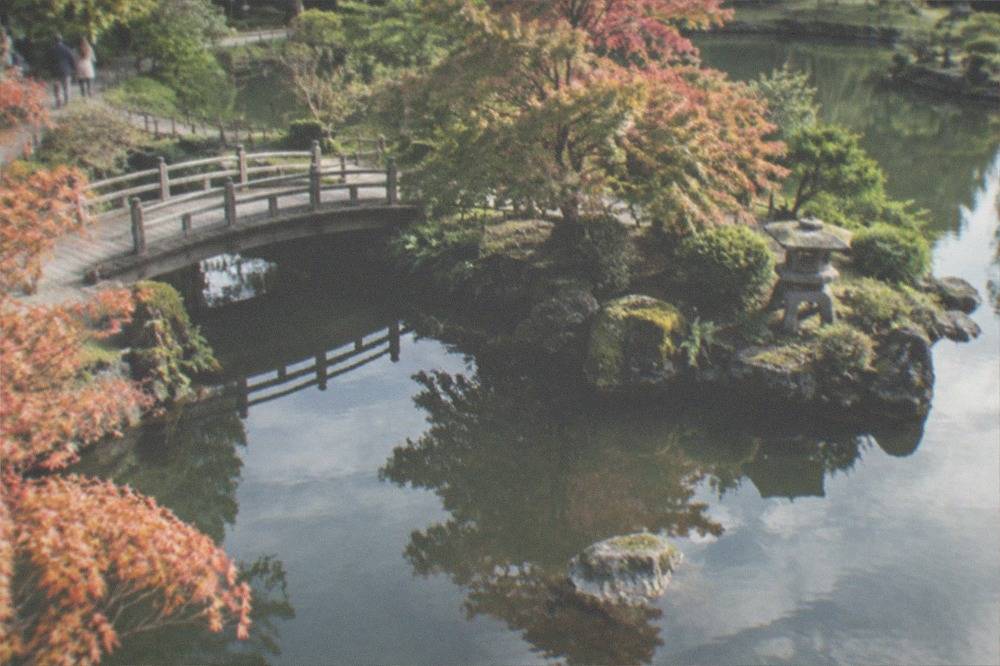
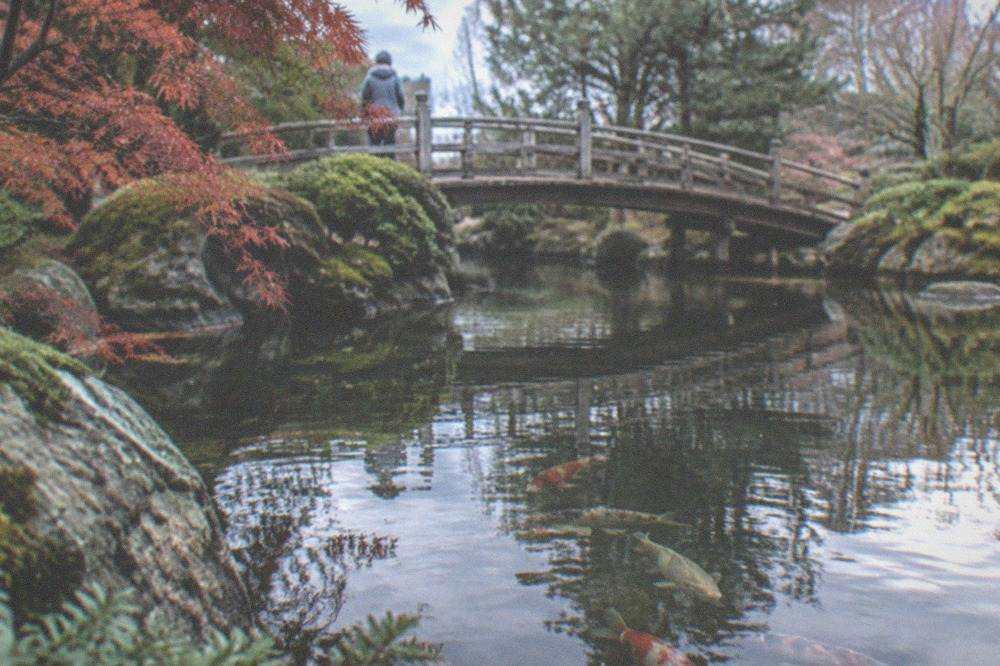
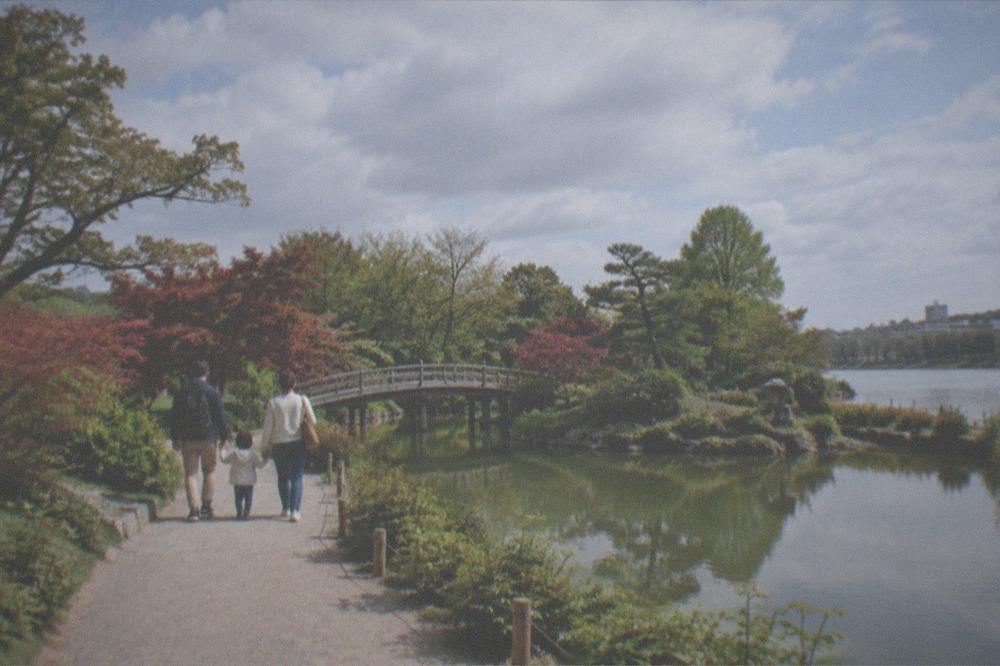
The Île de Versailles in Nantes is, above all, a Japanese garden: a sequence of ponds, stones, water features and pruned planting arranged around the island, designed to be walked slowly rather than ticked off. The Métropole lists it as a free Japanese garden with seasonal hours, and the whole circuit can be covered at a relaxed pace in about half an hour, with the Erdre's tree-lined banks on every side as the real backdrop.
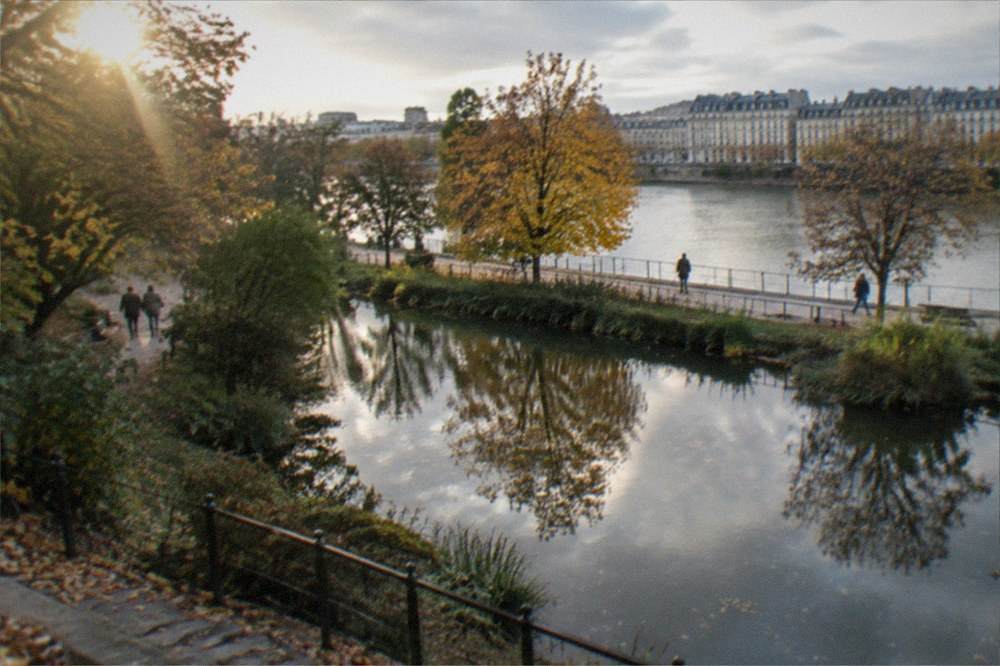
The garden's character comes from restraint. Unlike the spectacle-driven attractions on the Île de Nantes, there is nothing here that performs. The appeal is quiet, and it changes with the weather and the hour: still water in the morning, families and picnic blankets on a warm afternoon, autumn colour along the banks in October. That makes it a photograph-friendly spot without trying to be, and photographers travelling without heavy kit will find the light off the water an easy subject. More of these guides are collected on Nantes Travel Guide.
Beyond the garden itself, the island is a natural starting point for exploring the Erdre. The river's lower course through the city is lined with quays that are pleasant to walk, and the Navibus N3 connects along it. Downstream, the river ends at its confluence with the Loire, and the broader sweep of the city's river culture, from the Île de Nantes to the Île Feydeau's former merchant island, all flows from that meeting of waters. The Île Feydeau's history is covered in our Île Feydeau area guide, and the bigger island's attractions in our Île de Nantes area guide.
For visitors who enjoy this quieter register, Nantes has more of it. The Parc de Procé is another of the city's green spaces, covered in our Parc de Procé guide, and the wider region, with its vineyards and river valleys, is introduced in our Pays de la Loire guide. The Japanese garden on the Erdre is a good emblem for all of it: water, greenery and unhurried pace.
Is The Île De Versailles Good For Families And Kids?
Yes, the Île de Versailles suits families well, principally because it is free, compact and forgiving: children can run the paths, watch the pond life and be back at the centre of Nantes within minutes, and there is nothing to book, queue for or pay for on the island itself. The garden is small enough that a short visit works, which is often the right dose for younger children on a sightseeing day.
The practical arithmetic favours families. A weekend visit pairs free weekend transport with a free garden, so a family outing to the island can cost nothing at all. On weekdays, a 24-hour group ticket at 15 EUR for up to four people covers the network, and a single 1.80 EUR ticket each covers a one-hour window that is plenty for a garden circuit.
For a fuller family day, the island combines naturally with the bigger-hitting sights. The Machines de l'île on the Île de Nantes, introduced in our Machines de l'île guide and explained in plain terms in what are the Machines de Nantes?, is the family favourite in this city, and the garden island works as the calm counterweight before or after it. Nantes as a whole is a family-friendly city, and families weighing the city against other French options may find our longer comparison pages on is Nantes worth visiting with kids? useful.
| Family consideration | On the island | Nearby alternative |
|---|---|---|
| Cost of entry | Free | Machines attractions 12 EUR full each, per the official tariff |
| Time needed | About half an hour at a relaxed pace | Half to a full day for the Machines site |
| Booking | Nothing to book | Elephant ride slots often sell out in advance |
| Best age range | All ages, especially young children | All ages |
| Weather cover | Open air only | Museums for rainy days |
One scheduling note from the official Machines de l'île hours page matters for anyone planning that pairing: there are no Grand Éléphant rides from 2 November 2026 to 28 February 2027, during a maintenance window, so a winter family itinerary should not promise the elephant. The garden island, by contrast, runs through winter on its shorter hours.
When Is The Best Time Of Year To Visit The Île De Versailles?
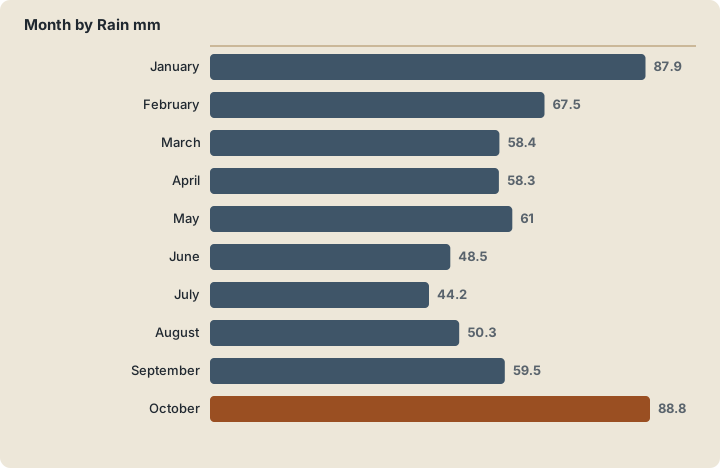
The best time to visit the Île de Versailles in Nantes is late spring through early autumn, when the Japanese garden is in full leaf and the summer hours extend the day to about 21:30. Météo-France's 1991-2020 normals for the Nantes-Bouguenais station give a July mean maximum of 25.1 °C and an August mean maximum of 25.4 °C, with the warm, bright stretch from June to September the most comfortable window for an open-air garden.
The city's climate is temperate oceanic, not Mediterranean, and the numbers behind that are worth knowing. Annual rainfall averages 819.5 mm across 119.7 days with at least 1 mm of rain, so a wet hour is possible in any month, but the garden is worth visiting in drizzle too, when the water features and stones take on a different mood.
| Month | Mean max °C | Rain mm |
|---|---|---|
| January | 9.3 | 87.9 |
| February | 10.5 | 67.5 |
| March | 13.5 | 58.4 |
| April | 16.2 | 58.3 |
| May | 19.6 | 61.0 |
| June | 23.0 | 48.5 |
| July | 25.1 | 44.2 |
| August | 25.4 | 50.3 |
| September | 22.4 | 59.5 |
| October | 17.6 | 88.8 |
| November | 12.9 | 94.1 |
| December | 9.8 | 101.0 |
December is the wettest month and July the driest, which argues for a summer or early-autumn visit if the garden is the priority. Two recent extremes frame the season's risk. The station record high of 42.2 °C was set on 24 June 2026, part of a June heatwave that broke monthly and absolute records at Nantes-Bouguenais, so midsummer visits should include water and shade, which the garden's trees provide. Conversely, February 2026 brought a Loire flood that reached 8.18 m at Pont Anne-de-Bretagne, the first time above 8 m in about 15 years, and low-lying riverside spaces in the city are the places that feel such events first. Checking conditions after heavy winter rain is sensible for any riverside walk.
What Is Near The Île De Versailles In Nantes?
The island's near neighbourhood in central Nantes stacks a market, a great museum and the historic core within a short walk: the Marché de Talensac, the Musée d'arts de Nantes and the Place Royale quarter all sit close to the Erdre, while the Château des ducs de Bretagne and the cathedral lie a little further into the centre. The garden works well as the first or last stop of a walking day through these.
The Musée d'arts de Nantes is the strongest single pairing. Its tariff page lists 9 EUR full price and 4 EUR reduced, free for under-18s, open 11:00 to 19:00 and closed on Tuesdays, with a late Thursday nocturne; our Musée d'arts guide covers the collection. The château's own museum charges 9 EUR full and 5 EUR reduced, closed Mondays, while its courtyard and ramparts are free and open daily from 8:30 to 19:00 in the main season; our Château des ducs de Bretagne guide has the detail.
| Nearby sight | Entry cost | Days closed | Walking link from the island |
|---|---|---|---|
| Marché de Talensac | Free to browse | Monday | Short, riverside |
| Musée d'arts de Nantes | 9 EUR full, 4 EUR reduced | Tuesday | Short, central |
| Château museum and exhibitions | 9 EUR full, 5 EUR reduced | Monday | Central, flat |
| Château courtyard and ramparts | Free | None listed | Central, flat |
| Jardin des Plantes | Free | Seasonal hours | Longer walk or tram |
| Passage Pommeraye | Free | None, retail hours | Central |
The cathedral belongs on that list too, with a caveat: after the 2020 fire it partially reopened on 27 September 2025, with full reopening planned for 2028 and the west facade still under scaffolding. Its story and current status are in our Nantes Cathedral guide. Round out the walk with the Passage Pommeraye, the 1843 shopping gallery described in our Passage Pommeraye guide, and the wider heritage trail around Place Royale.
For a day that stitches these together with a local's eye for corners and viewpoints, the photo walk is the natural fit:
A gallery visit pairs just as well with the garden, and the current ticket option for the Musée d'arts can be checked here:
Common Questions About The Île De Versailles In Nantes
The Île de Versailles in Nantes is a free Japanese garden island on the Erdre, open daily on seasonal hours of roughly 8:30 to 17:30 and until about 21:30 in summer, reached on foot, by tram or by the Navibus N3 river shuttle for a standard 1.80 EUR Naolib ticket. Those are the questions visitors ask most, and the answers below keep to the Métropole's published listings.
Is the Île de Versailles free?
Yes. The Métropole lists the island as a free public park, with no ticket desk and no booking. The only costs you might incur are transport to reach it, and on weekends Naolib travel is free for everyone from Saturday 00:00 to Sunday 23:59, so a weekend visit can cost nothing at all.
What are the opening hours of the Île de Versailles?
The Métropole's listing gives seasonal hours: roughly 8:30 to 17:30 in the colder months, extending to about 21:30 in summer. The exact switchover dates are set by the city, so treat the schedule as a guide and plan the island as a daytime stop.
How do I get to the Île de Versailles in Nantes?
The island is a short walk from central Nantes, in the Erdre river just north of the centre. It is also served by the Naolib tram network and by the Navibus N3, the river shuttle that runs on the Erdre between Gachet and Grimaudière, all covered by a standard 1.80 EUR single ticket.
How long should I spend on the Île de Versailles?
About half an hour covers the garden at a relaxed pace, though many visitors stay longer on a warm day. Because the Talensac market, the Musée d'arts and the historic centre all sit close by, the island works best as one stop in a longer walking day rather than a destination in itself.
Is the Île de Versailles worth visiting with children?
Yes. It is free, compact, open air and safe to wander, which suits younger children well. Combine it with a tram or Navibus ride for the fun of the journey, and with the Machines de l'île across the city for the spectacle half of a family day, noting that Grand Éléphant rides pause from 2 November 2026 to 28 February 2027.
When is the best time of year to visit the Île de Versailles?
May through September, when the garden is in full leaf and summer hours run to about 21:30. Météo-France normals give August the warmest mean maximum at 25.4 °C and July the driest month at 44.2 mm of rain. Winter visits are perfectly pleasant on the shorter hours, and the surrounding riverbanks are quiet then too.
The Île de Versailles will never be the loudest item on a Nantes itinerary, and that is precisely its value. In a city of mechanical elephants and grand ducal castles, it is the stop that asks nothing of you: free to enter, quick to reach, and quietly Japanese in the middle of a French river town. Walk it slowly, cross a bridge or two, and let the Erdre finish its story into the Loire while you watch.