Memorial To The Abolition Of Slavery
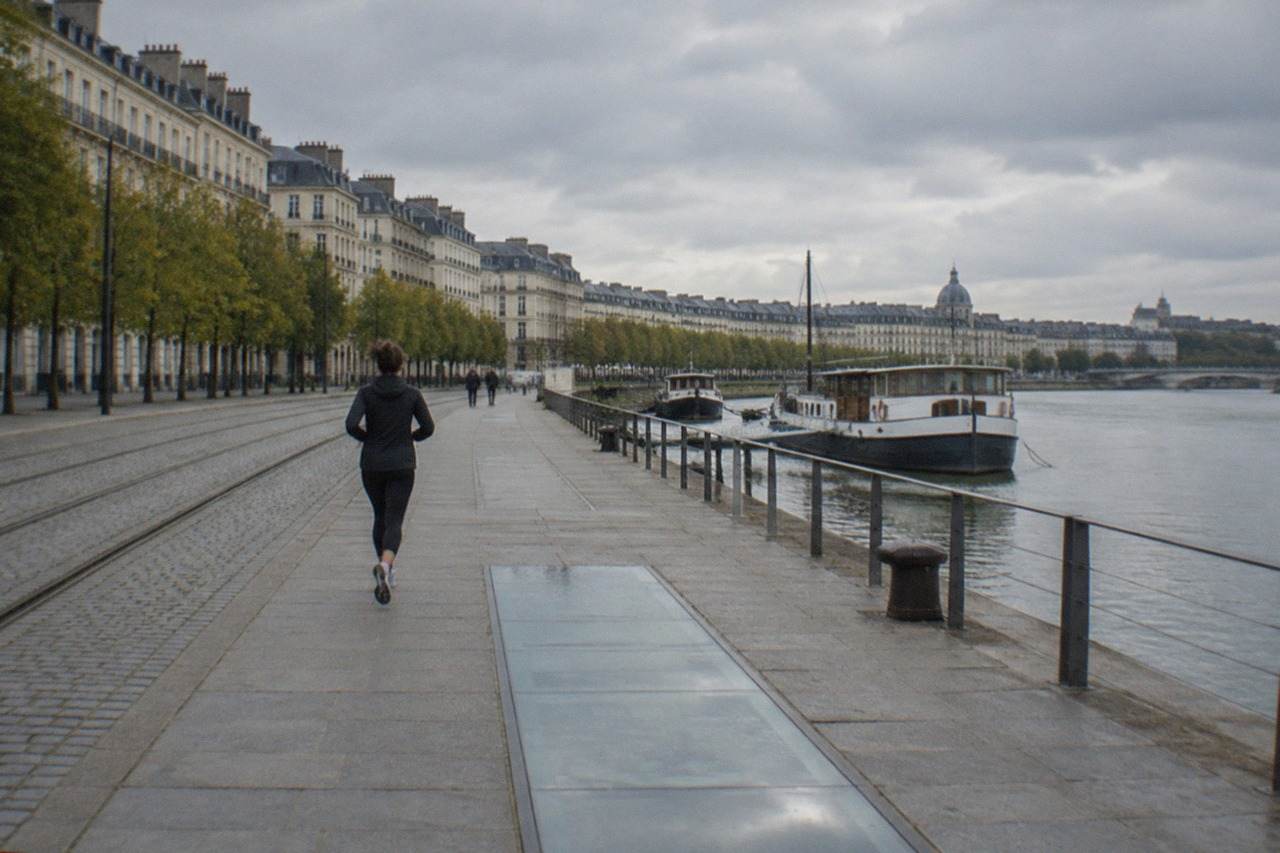
The Mémorial de l'abolition de l'esclavage in Nantes, in the Loire-Atlantique department of western France, is the largest memorial in Europe dedicated to the Atlantic slave trade, and it stands deliberately on the very quay from which many of the city's slave-trade ships once departed.
Short answer
The Mémorial de l'abolition de l'esclavage is a free, largely open-air and underground memorial on the Quai de la Fosse in Nantes, open daily 9:00-18:00 from 16 September to 14 May and 9:00-20:00 from 15 May to 15 September, with last access 30 minutes before closing. It commemorates the enslaved people deported by French ships, many of them fitted out in Nantes, which ran 1,714 slave-trade expeditions before withdrawing from the trade in 1830.
The Mémorial de l'abolition de l'esclavage in Nantes, in the Loire-Atlantique department of the Pays de la Loire region of western France, is the largest memorial in Europe dedicated to the victims of slavery and the Atlantic slave trade. It stands on the Quai de la Fosse, the old port quay on the north bank of the Loire, and it was placed there on purpose: this is the waterfront from which ships fitted out in Nantes departed for the African coast. The memorial's own information pages state that it is free to enter and open daily, and Nantes Travel Guide folds it into the same visit as the château museum's history galleries a short distance away.
For visitors used to Nantes's mechanical elephants and merry-go-rounds, the memorial is the sober half of the city's story, and the two halves belong together. The same port that made the city rich enough to build its granite facades and its 19th-century shopping passage was the port that carried 43% of the French slave trade. This guide covers what the memorial is, exactly how to reach it, what its design means, the history it explains, and what to combine it with on the same day.
What Is The Mémorial De L'Abolition De L'Esclavage In Nantes?
The Mémorial de l'abolition de l'esclavage is a free public memorial on the Quai de la Fosse in Nantes, France, dedicated to the millions of people deported and enslaved through the Atlantic slave trade, in which the port of Nantes itself played a central role. It combines an esplanade engraved with the names of slave ships, an underground passage evoking the holds of those ships, and a permanent exhibition space, and it opened in 2012.
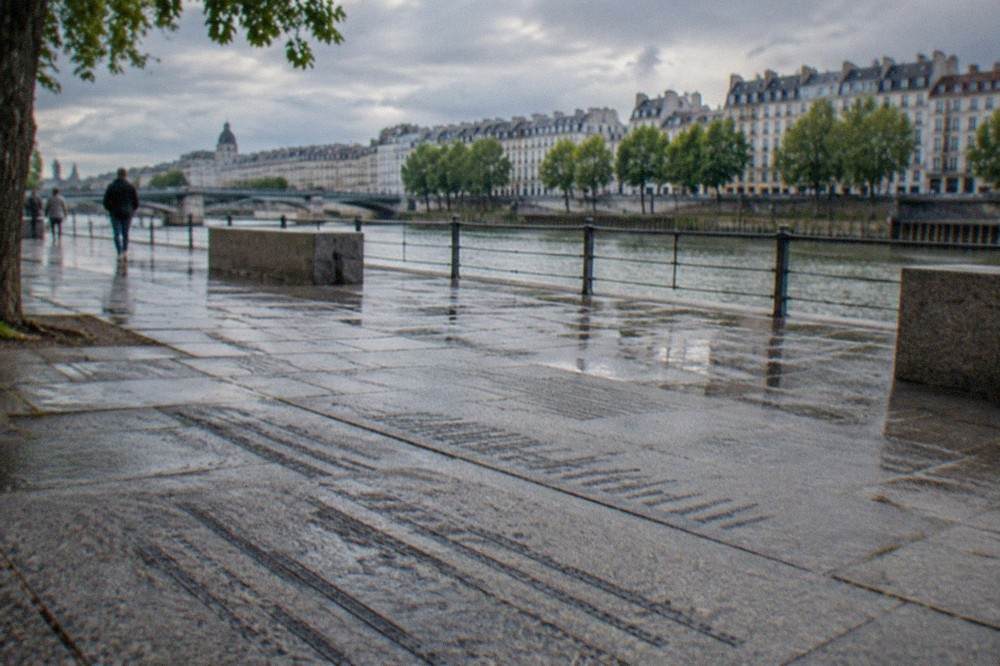
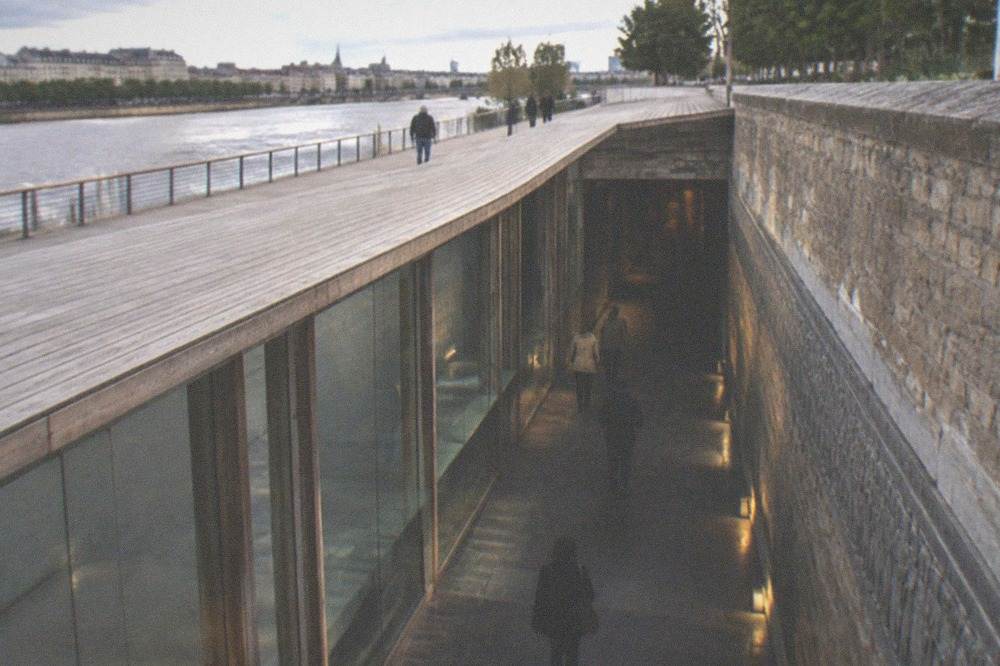
The memorial is not a museum in the conventional sense. Its information pages describe a site of three parts: a long esplanade along the quay whose paving is etched with the names of slave-trading vessels, a descent into an underground corridor whose low, dimmed space deliberately recalls a ship's hold, and a smaller exhibition area used for temporary displays. Water seeping along the walls and the sound design deepen that impression of a hold below the waterline. The memorial's pages state that it is free to enter, that it closes during periods of flooding on the Loire, and that the underground spaces are the emotional heart of the visit.
Two dates frame the whole site. The first is the long history it documents: from the mid-17th century to 1830, Nantes was the leading French slave-trading port. The second is its own opening year, 2012, when the city formally gave that history the monumental form it had lacked. In 2026 the memorial also serves as one of the two venues, alongside the Château des ducs de Bretagne, for the contemporary exhibition Expression(s) décoloniale(s) #4, which runs from 8 May to 8 November 2026 and places modern artistic responses in dialogue with the permanent presentation.
Where Is The Memorial In Nantes And How Do You Get There?
The memorial sits on the Quai de la Fosse, on the north bank of the Loire in central Nantes, France, roughly between the Anneaux de Buren on the Île de Nantes side of the river and the Graslin theatre quarter inland. The practical access by public transport is Naolib's tram and bus network, which the memorial's own pages list as the recommended route, and standard Naolib tickets, at 1.80 euro for a one-hour ticket, cover the trip.

Nantes's tram network runs three lines over 45.6 km and 84 stations, and the quay is a short walk from several central stops; the memorial's practical-information page directs visitors to plan the journey on the Naolib site or app. Two Naolib details from the operator's own tariff pages are worth knowing before you set out. First, the entire network, trams, buses and Navibus river shuttles alike, is free for everyone from 00:00 Saturday to 23:59 Sunday, a rule in force since 2021. Second, the airport shuttle is excluded from that weekend free travel and always costs 10 euro, so nobody should arrive expecting a free ride in from Nantes Atlantique.
The river crossing is the more atmospheric way in. The Navibus N2 line links the Hangar à Bananes on the Île de Nantes and Bas-Chantenay with Trentemoult on the south bank, and it is covered by the same ordinary Naolib tickets as the trams. Coming from Trentemoult or from the Machines de l'île, the ferry ride across the Loire lands you within easy reach of the quay the memorial occupies, and the crossing puts the river the slave ships used at the centre of the visit rather than as background.
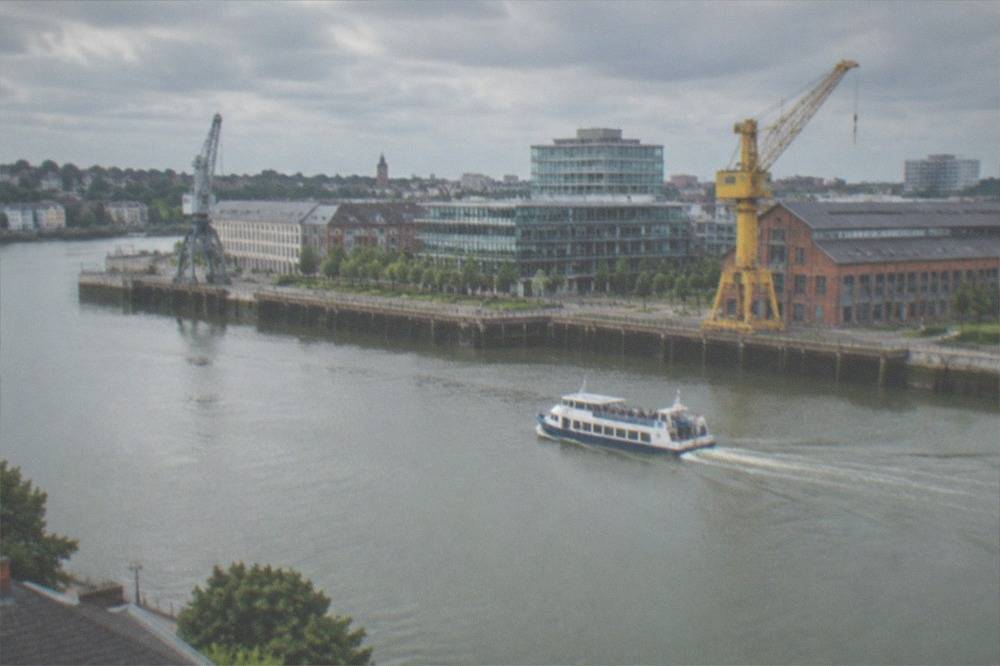
For visitors who prefer to walk the whole story, the memorial sits on the green line of Le Voyage à Nantes, the roughly 20 km painted trail that threads the city's permanent artworks and heritage sites. That is the deliberate route: the trail, created in 2011 and run every summer since 2012, passes the memorial alongside the Anneaux de Buren and the Machines de l'île so that the city's festive public art and its hardest history are presented as one continuous landscape rather than two separate Nantes.
What Does The Memorial Look Like Inside?
Inside, the Mémorial de l'abolition de l'esclavage is built around a descent: a broad esplanade of etched ship names gives way to an underground passage whose low ceiling, dark stone and seeping water are designed to recall the hold of a slave ship, and the memorial's own materials state that this underground corridor is the core of the visit. Above ground, the esplanade and the engraved quay form an open, free public space with no ticket barrier at all.
The design works by contrast with everything else on the Nantes waterfront. Where the Hangar à Bananes end of the island is bars and music, the quay here is deliberately quiet. The esplanade is cut with some 2,000 ship names, the vessels that sailed from French ports into the triangular trade, and the Underground of the site, as its English-language materials render it, drops visitors below the level of the pavement and below the waterline of the river, close enough to the stone wall of the quay to see the marks of the old mooring rings.
The exhibition space attached to the memorial hosts rotating displays. Through 2026 that includes the memorial's share of Expression(s) décoloniale(s) #4, running 8 May to 8 November 2026, the fourth edition of a programme that pairs contemporary artists, including the Brazilian artist Rosana Paulino and the Senegalese photographer Omar Victor Diop, with the permanent collections at the Château des ducs de Bretagne and the memorial itself. The château's own pages describe the exhibition as an intervention placed in dialogue with the museums' collections on the slave trade and its afterlives, and guided tours of it are offered on selected dates through the autumn of 2026.
One practical caution belongs here because it is on the memorial's own information pages: the site closes during floods on the Loire. In February 2026 the river reached 8.18 metres at the Pont Anne-de-Bretagne, the first time it had passed 8 metres in about 15 years, an event that disrupted roads and rail in the city. The riverside location that gives the memorial its power is also the reason it can shut for a few days in a wet winter, so it is worth checking the memorial's practical page before travelling in the October-to-February window, the wettest months in the city's climate normals.
What Role Did Nantes Play In The Slave Trade?
Nantes was the leading French slave-trading port from the mid-17th century until 1830, fitting out 1,714 of the at least 4,220 expeditions mounted by French ships in total, some 43% of the entire French slave trade, before the city's merchants withdrew from it in 1830. Those figures are published by the memorial's own history pages and are the numbers the engraved esplanade is built around.
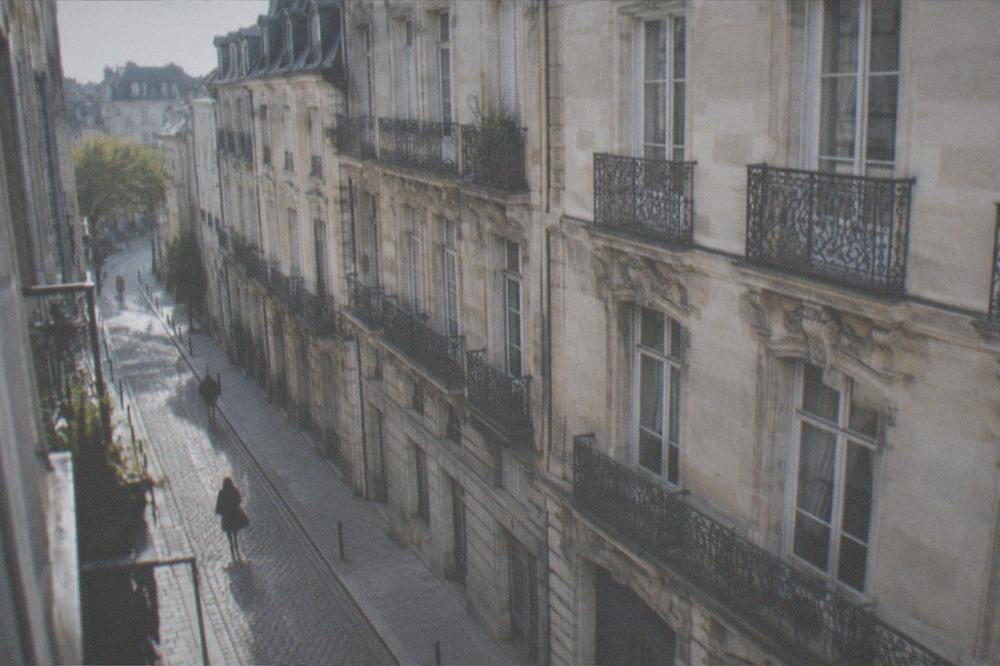
The trade the memorial documents worked in a triangle. Ships left the Loire loaded with goods, exchanged them on the African coast for captive people, carried them across the Atlantic in the holds the underground passage evokes, and sold them into slavery in the French Caribbean before returning to Nantes with sugar and coffee. The wealth that came back built much of the city visitors now walk through, the fine facades of the Île Feydeau, the Graslin quarter and the Passage Pommeraye alike, and the fortunes that underwrote the shipowners' residences of the old town. The Château des ducs de Bretagne's history museum devotes rooms of its permanent collection, 32 rooms and more than 1,150 objects in total, to this same story, including the atlases, ship logs and trade goods of the port's slave-trading era.
The end of the trade came in stages, and the memorial keeps the chronology honest. The port of Nantes did not withdraw from the trade until 1830, as the memorial's pages state; Le Havre, the other great French slave-trading port, continued longer, until 1847. The memorial's name therefore carries a double meaning in French: it commemorates both the abolition and the people the abolition came too late for, and its engraved list of ship names is, deliberately, a list of the vessels rather than a list of victims, because the names of the enslaved were almost never recorded.
The dates below are the spine of that history, as verified on the memorial's and the château's own pages.
| Date | Event In The Port's Slave-Trading History | Status |
|---|---|---|
| Mid-17th century | Nantes ships enter the Atlantic slave trade, which the city comes to dominate in France | Verified, memorial.nantes.fr |
| Mid-17th century to 1830 | Nantes is the first French slave-trade port, running 1,714 of at least 4,220 French expeditions, 43% of the French trade | Verified, memorial.nantes.fr |
| 1830 | Nantes withdraws from the slave trade, the port's last recorded involvement | Verified, memorial.nantes.fr |
| 1847 | Le Havre ends its own involvement in the trade | Verified, memorial.nantes.fr |
| 2012 | Mémorial de l'abolition de l'esclavage opens on the Quai de la Fosse | On memorial pages |
| 8 May to 8 Nov 2026 | Expression(s) décoloniale(s) #4 at the memorial and the château | Verified, chateaunantes.fr |
What Are The Opening Hours And How Much Does The Memorial Cost?
The Mémorial de l'abolition de l'esclavage in Nantes is free to enter and open daily: 9:00 to 18:00 from 16 September to 14 May, and 9:00 to 20:00 from 15 May to 15 September, with last access 30 minutes before closing in both seasons. Those hours come from the memorial's own information page, which also notes that the site closes during flooding on the Loire.
| Period | Opening Hours | Last Access | Admission |
|---|---|---|---|
| 16 September to 14 May | Daily 9:00 to 18:00 | 30 minutes before close | Free |
| 15 May to 15 September | Daily 9:00 to 20:00 | 30 minutes before close | Free |
| During Loire floods | Site closed | Not applicable | Not applicable |
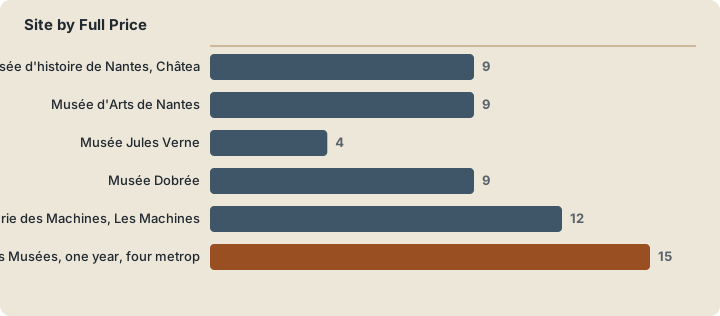
Free admission puts the memorial in a small group of major Nantes sites that cost nothing, alongside the Château des ducs de Bretagne's courtyard and ramparts, open 8:30 to 19:00 daily and to 20:00 in July and August, the Passage Pommeraye's galleried interior, the Jardin des Plantes and the Île de Versailles. For the paid sights nearby, the table below gathers the admission prices each institution publishes on its own tariff pages, useful for planning the same day around the memorial.
| Site | Full Price | Reduced Price | Free Entry Notes |
|---|---|---|---|
| Mémorial de l'abolition de l'esclavage | Free | Free | Closes during Loire floods |
| Musée d'histoire de Nantes, Château des ducs de Bretagne | 9 EUR | 5 EUR | Under 18s free; closed Mondays |
| Musée d'Arts de Nantes | 9 EUR | 4 EUR | Under 18s free; closed Tuesdays |
| Musée Jules Verne | 4 EUR | 1.50 EUR | Closed Tuesdays |
| Musée Dobrée | 9 EUR | 6 EUR | Under 26s free |
| Galerie des Machines, Les Machines de l'île | 12 EUR | 8 to 10 EUR by age and status | Under 4s free |
| Pass Musées, one year, four metropolitan museums | 15 EUR | Not applicable | Covers château, arts, Jules Verne, Chronographe |
The museum to pair with the memorial, the Musée d'histoire de Nantes inside the château, is closed on Mondays outside summer, and its summer hours, 1 July to 31 August daily 10:00 to 19:00, are the exception. Planning the memorial for the morning and the château galleries for the afternoon, or the reverse on a Monday, when the château's free courtyard and ramparts remain open, is the pattern most itineraries settle into. The pass musées, at 15 euro for a year, covers the château museum, the Musée d'arts de Nantes, the Musée Jules Verne and the Chronographe in Rezé, and pays for itself on a third museum visit.
What Can You See Around The Mémorial On The Same Walk?
The memorial sits inside one of the densest sightseeing stretches in Nantes: within the same riverside walk visitors reach the Anneaux de Buren on the Île de Nantes, Les Machines de l'île and its Galerie, the Hangar à Bananes and its bars and gallery spaces, the Graslin quarter and the Passage Pommeraye inland, and the Cours des 50 Otages, all reachable without transport other than the feet you arrived on.
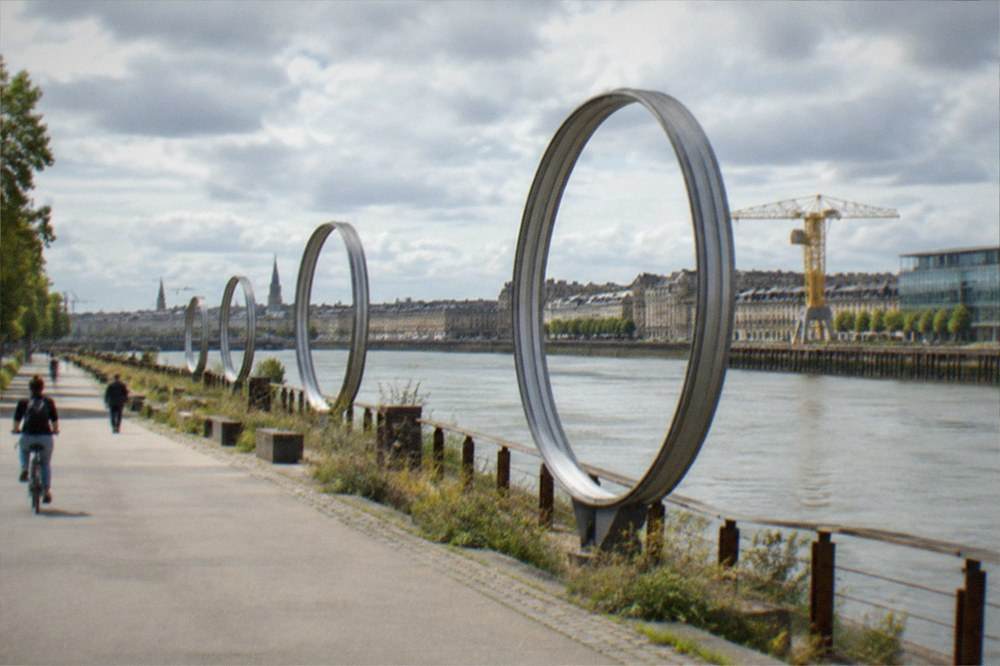
The natural circuit crosses the river. From the Quai de la Fosse the Anneaux de Buren, the eighteen tall shipyard-like rings by the quay of the Île de Nantes, stand directly opposite, and behind them stretch the warehouses and workshops of Les Machines de l'île, opened on 30 June 2007 with the Grand Éléphant and joined in 2012 by the Carrousel des Mondes Marins. Note one seasonal fact before promising children an elephant ride: the site's own schedule page confirms there are no elephant rides from 2 November 2026 to 28 February 2027 for maintenance. The Galerie and the Carrousel are both covered by the Pass Nantes as well as by their standard tickets.
Inland from the quay, the walk climbs through the Graslin quarter, whose theatre and place, and the Passage Pommeraye, built in 1843 and described by the tourism office as unchanged since, give the fullest picture of the prosperity the port generated. The passage is free to walk through, open Monday to Saturday 8:00 to 20:00 and Sunday 9:00 to 20:00. Continuing north brings you to Place Royale and then the Bouffay old town, or east along the river to the Hangar à Bananes, where the HAB Galerie and a stretch of bars occupy a former banana warehouse, and where the Navibus N2 ferry leaves for Trentemoult.
Trentemoult itself makes a fitting ending. The former fishing village on the south bank, with its coloured low houses, is where the working river lived after the shipowning city had spent its profits, and the ferry that links it to the Hangar à Bananes is an ordinary Naolib ticket, free on weekends like the rest of the network. Coming back across the Loire at dusk, with the quay lights on the water, the memorial's etched esplanade is visible on the north bank, which is exactly the closing image the walk deserves.
A half or full day around the memorial can be assembled almost entirely from free sites, which is why the area rewards slow visiting. The table below lists the ones that surround it.
| Site Near The Quay | Admission | What To Expect |
|---|---|---|
| Anneaux de Buren, Île de Nantes quay | Free | Eighteen monumental rings on the old shipyards site |
| Galerie des Machines, Les Machines de l'île | 12 EUR full | Working machine workshop and prototype branch of the abandoned Arbre aux Hérons |
| Carrousel des Mondes Marins | 12 EUR full | 2012 marine-world carousel, 35 moving creatures |
| Hangar à Bananes and HAB Galerie | Free to the quay; exhibitions may charge | Bars, gallery space and the N2 ferry pier |
| Passage Pommeraye | Free | 1843 galleried shopping passage on the slope |
| Château des ducs de Bretagne courtyard and ramparts | Free | 8:30 to 19:00 daily, to 20:00 July and August |
| Mémorial de l'abolition de l'esclavage | Free | Esplanade, underground passage, exhibition space |
Should You Visit The Memorial With A Guide?
A guided walk is worthwhile at the Mémorial de l'abolition de l'esclavage because the site explains itself through design rather than through wall texts, and a guide who knows the port's history connects the engraved names to the streets and facades the profits built. The memorial offers no fixed guided programme of its own, so the practical options are the city's private walking tours, which the operator's live listings price and describe, and the château museum's own guided visits on selected dates.
The value of a guide shows most in the second half of the story. Any visitor can absorb the underground corridor's effect unaided, but linking it to the Île Feydeau facades, the Graslin development, the Edict of Nantes signed at the château in April 1598 and the city's long silence about the trade is something a well-briefed local turns into a single narrative. A private custom walking tour can be pointed at exactly this theme, and the operator's live listing carries the current price and availability.
For a first taste of the city that still leaves room for the memorial, a short orientation walk of about an hour covers the old town's core and can be extended toward the quay, and a food-focused walk of the old town, where the operator has not published a price on its listing, pairs the morning's history with the city's cooking, its beurre blanc, its gâteau nantais and the LU biscuit heritage that dates from 1846.
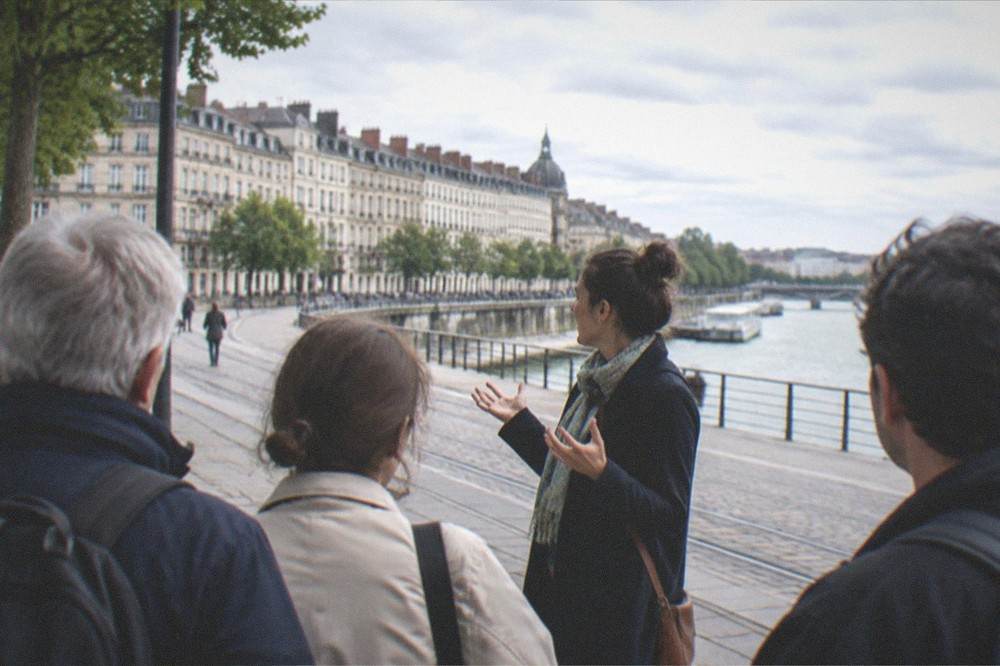
The combination this article recommends, and which the links on this page make easy to assemble, is the memorial in the morning, the château's history museum, whose permanent galleries carry the fullest treatment of the trade anywhere in the city, in the afternoon, and one of the walks above on whichever day you arrive. That is the sequence Nantes itself has effectively designed, from quay to museum to guided street, and it works in every season the memorial is open.
Common Questions About The Mémorial De L'Abolition De L'Esclavage In Nantes
Is the Mémorial de l'abolition de l'esclavage free?
Yes. The memorial's own information pages confirm free admission to the esplanade, the underground passage and the exhibition space, all year round.
How long does a visit to the memorial take?
The memorial's own pages do not state a fixed visit duration, and none is verified anywhere in the site's facts. Most of the visit is the esplanade and the underground corridor, which visitors move through at their own pace; the memorial does not publish a timed-entry system on its information pages.
Where exactly is the memorial located?
On the Quai de la Fosse, on the north bank of the Loire in central Nantes, France, in the old port area west of the Cours des 50 Otages, opposite the Île de Nantes.
Is the memorial suitable for children?
The site's own materials do not publish an age guidance. The subject is presented soberly, and the underground passage is dim and quiet, so families usually gauge it child by child. The surrounding quay walk is open, flat and free.
Can the memorial close for weather?
Yes. The memorial's pages state that it closes during floods on the Loire. In February 2026 the river reached 8.18 metres at the Pont Anne-de-Bretagne, the first time above 8 metres in about 15 years, and riverside sites were affected.
What else covers the slave trade in Nantes?
The Musée d'histoire de Nantes inside the Château des ducs de Bretagne treats it in its permanent galleries, at 9 euro full price, free for under 18s, and the Expression(s) décoloniale(s) #4 exhibition runs at both the memorial and the château from 8 May to 8 November 2026.