Bouffay Nantes: A Guide To The Old Town
Bouffay is the medieval heart of Nantes, the city where the Château des ducs de Bretagne, the cathedral and centuries of pedestrian lanes sit within ten minutes of each other.
Short answer
Bouffay is the historic old town district of central Nantes, in the Loire-Atlantique department of western France, wrapped around the Château des ducs de Bretagne and the cathedral, largely pedestrianised and walkable in half a day.
Bouffay is the old town at the centre of Nantes, a city in the Loire-Atlantique department of the Pays de la Loire region of western France, and it packs more documented history per square metre than anywhere else in the metropole. The district runs from the ramparts of the Château des ducs de Bretagne north-east to the cathedral, with the Loire a short walk south and the Graslin quarter to the west. Nantes Métropole extended its pedestrian zones and traffic-limited areas here in phases through 2025, covering sectors around rue de l'Hôtel de Ville, Joffre and the southern side of the cathedral, so today most of it is explored on foot. This guide lays out the sights, the prices the venues themselves publish, where to eat, how to arrive, and a half-day plan that holds together.
What Is The Bouffay District Of Nantes?
Bouffay is the medieval old town district of central Nantes, in the Loire-Atlantique department of the Pays de la Loire region of western France, and it is the oldest continuously inhabited part of the city. It sits between the Château des ducs de Bretagne, begun in 1466 under Duke Francis II, and the cathedral, whose gothic rebuild started in 1434, and it has been pedestrianised in stages, with the final traffic-limited sectors completed through 2025.
That compressed geography is the whole point of the place. Anne of Brittany, Duchess of Brittany and twice Queen of France, was born at the château on 25 January 1477, and the Edict of Nantes was signed there by Henri IV in April 1598, with the château's own page giving the date as 30 April. So within one small district you have the birthplace of the last independent ruler of Brittany and the signature of the tolerance edict that bears the city's name.
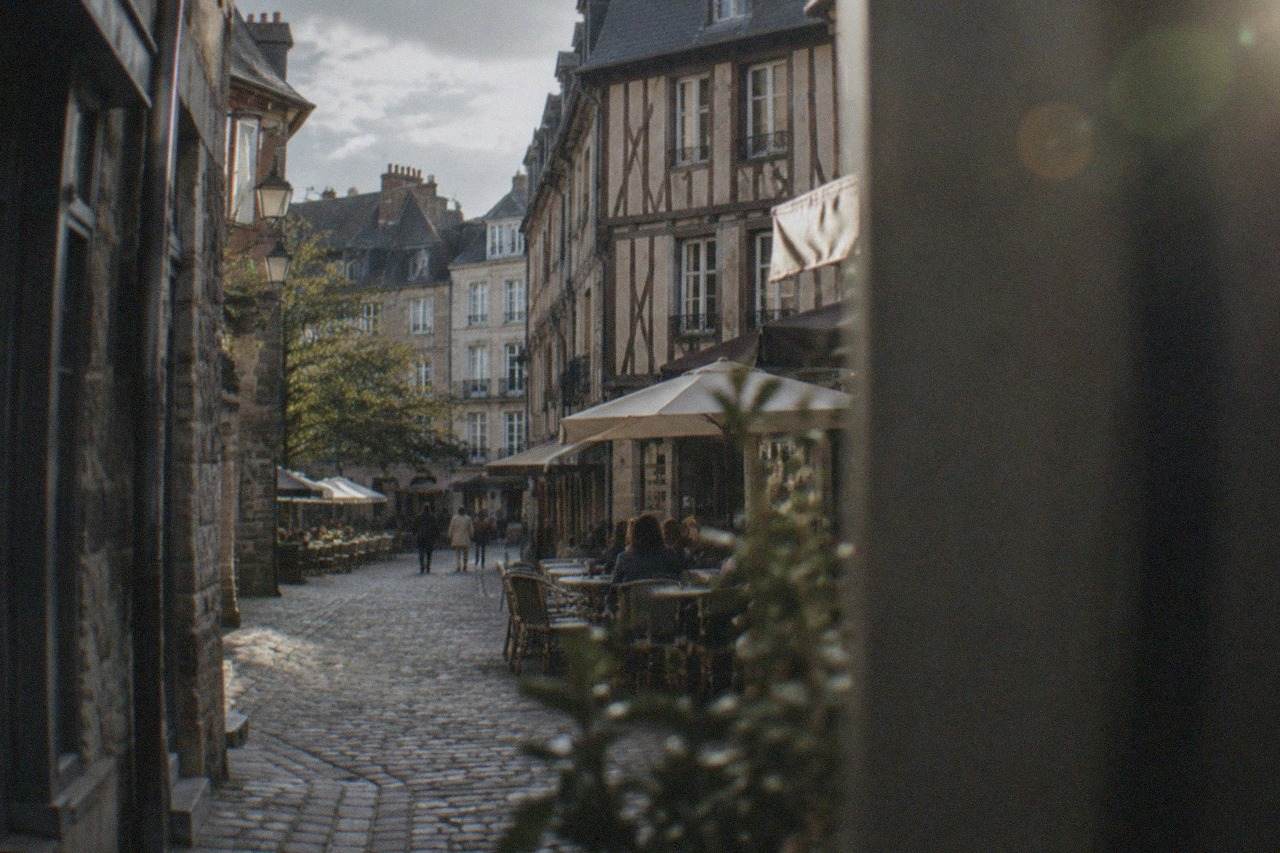
The district's character today comes from that layering. Medieval lanes sit beside the ramparts, the free courtyard of the château, and the Place du Bouffay itself, the old marketplace around which the quarter grew. The 2025 pedestrianisation work, reported by local property and city sources, closed more of the interior streets to through traffic, which has pushed café terraces further into the roadway and made the whole area effectively a walking zone.
It is not a museum piece. Nantes city-wide recorded 24,384 crimes and offences in 2025, up two per cent on 2024, and Bouffay sits within the lively, generally safe historic core that safety summaries repeatedly place among the better-patrolled zones of the city. Practical context on that, including a September 2026 knife brawl reported near place Graslin on the district's western edge, is covered in the safety section below.
For orientation, the neighbouring quarters each have their own character and their own pages: the Graslin and Commerce district with its opera house and Passage Pommeraye, the Île Feydeau streets of shipowners' houses to the south, and across the Loire the former fishing village of Trentemoult. A full itinerary across all of them is mapped in one day in Nantes.
What Are The Top Sights In And Around Bouffay Nantes?
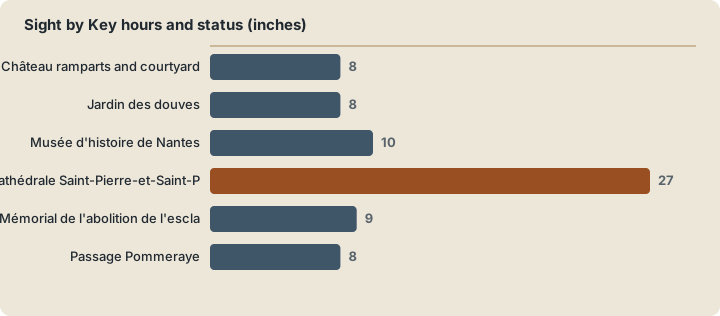
The anchor sights of Bouffay are the Château des ducs de Bretagne with its free ramparts and its Musée d'histoire de Nantes, the cathedral of Saint-Pierre-et-Saint-Paul which partially reopened on 27 September 2025 after the 2020 fire, the Place du Bouffay itself, and, a few minutes' walk west, the Passage Pommeraye and the Graslin quarter. Entry to the cathedral is free, the château courtyard is free, and the château museum is 9 EUR full tariff.
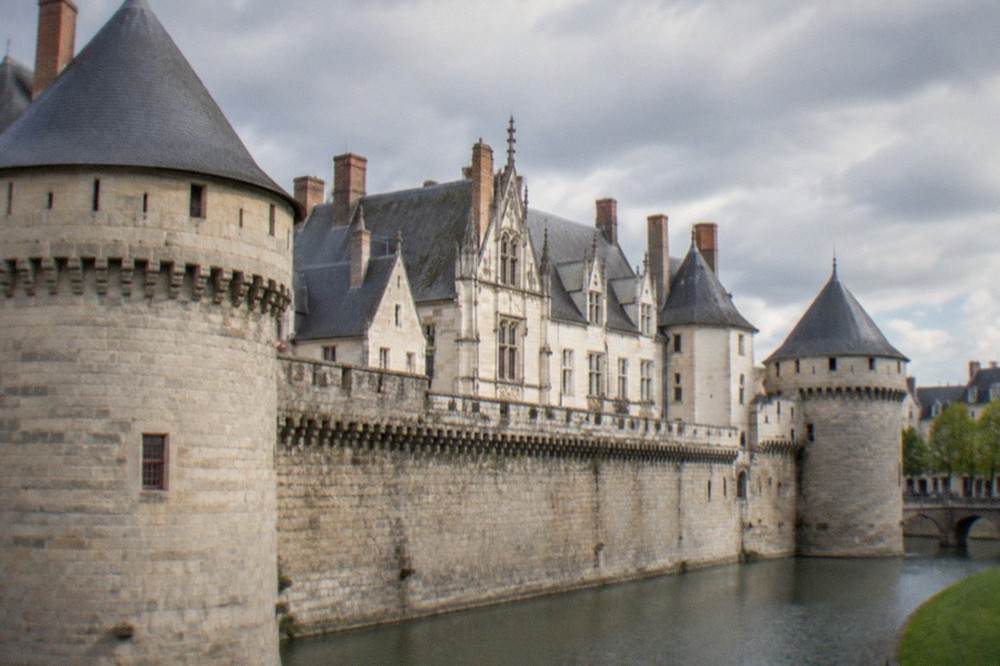
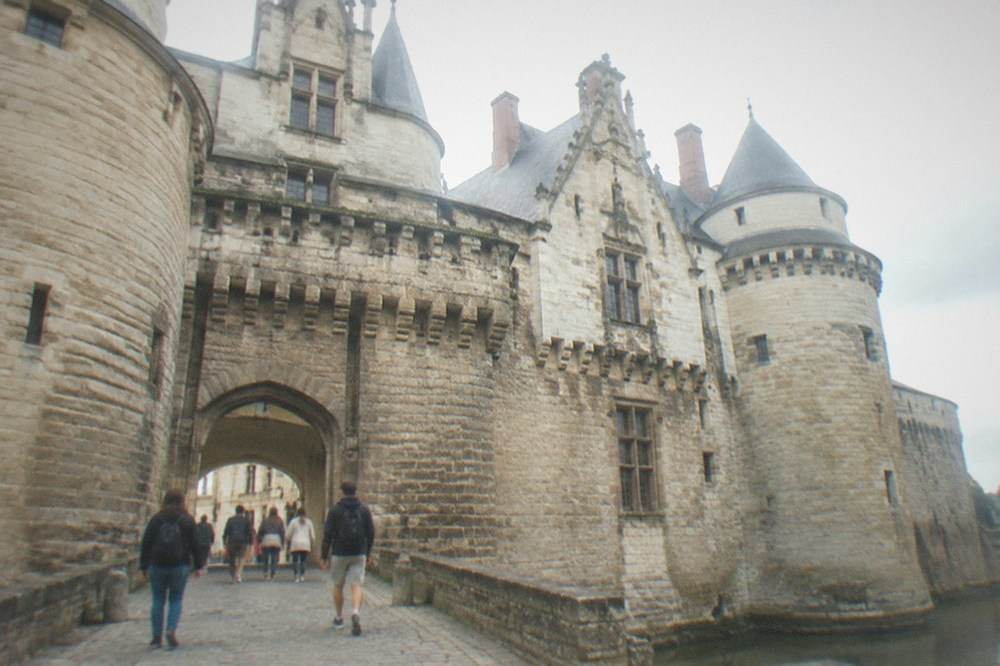
Start with the walls. The château's own hours page gives the courtyard and ramparts free daily 8:30 to 19:00, extending to 20:00 in July and August, and the free moat garden, the Jardin des douves, from 8:00. Walking the ramparts costs nothing and gives the clearest read of the building's scale: a fortress begun by Francis II in 1466, later a royal castle, bought by the city in 1915 and housing its history museum since 1924, restored over ten years with the museum reopening in its current form in 2007.
The museum inside, the Musée d'histoire de Nantes, spreads across 32 rooms with more than 1,150 objects, and it does not soften the city's story. Its permanent collection covers the Atlantic slave trade, in which Nantes fitted out 1,714 of at least 4,220 French expeditions, 43 per cent of the French total, before withdrawing in 1830. That history has a dedicated riverside counterpart in the Mémorial de l'abolition de l'esclavage, free to enter, which sits on the Quai de la Fosse a short walk south.
The cathedral is the district's second giant. Its gothic rebuild ran from 1434 and took 457 years, completing in 1891. A 1972 fire destroyed the 16th-century roof frame, wartime bombing damaged it again in 1944, and the arson fire of 18 July 2020 destroyed the grand organ. The partial reopening came on 27 September 2025, with full completion of works planned for 2028. The west facade remains under scaffolding, rising to roughly 41 metres, and access is via the side portals. Inside, the restored choir organ of 1896 is back in use, and the gisant effigies of the tomb of Francis II, the Renaissance work by Michel Colombe, have been visible to the public since around 20 February 2026, with full reinstallation of the tomb expected by the end of 2026. More detail is on the cathedral's own page.
| Sight | What it is | Entry | Key hours and status |
|---|---|---|---|
| Château ramparts and courtyard | Fortress of the dukes of Brittany, begun 1466 | Free | Daily 8:30-19:00 (to 20:00 July-August) |
| Jardin des douves | Free moat garden | Free | Daily 8:00-19:00 (to 20:00 in July-August) |
| Musée d'histoire de Nantes | 32-room city history museum, 1,150+ objects | 9 EUR full, 5 EUR reduced | 10:00-18:00, closed Monday |
| Cathédrale Saint-Pierre-et-Saint-Paul | Gothic cathedral, works 1434-1891 | Free | Partially reopened 27 September 2025; full reopening planned 2028 |
| Mémorial de l'abolition de l'esclavage | Free riverside slavery memorial | Free | 9:00-18:00 mid-September to mid-May; 9:00-20:00 in summer |
| Passage Pommeraye | 1843 covered shopping gallery, three floors on a slope | Free | Mon-Sat 8:00-20:00, Sun 9:00-20:00 |
Beyond the big two, smaller stops fill the gaps. The Place du Bouffay, the district's historic marketplace square, is ringed with crêperies and terraces. The Passage Pommeraye, built in 1843 and described by the tourist office as unchanged, lies just west in the Graslin direction, and the Jardin des Plantes is a longer but flat walk north-east past the natural history museum, which, note, is closed for works until 2029 and is not a current stop. The Machines de l'île on the Île de Nantes is across the river, covered by its own page.
If you would rather have the lanes unpacked for you on arrival, guided walks of the old town run daily and can be booked ahead. Check availability for a local-led walk, or compare the options below.
How Much Do The Château Museum And Nearby Museums Cost?
The château's own tarifs page lists 9 EUR full tariff for the Musée d'histoire de Nantes with its temporary exhibition, 5 EUR reduced for visitors aged 18 to 25 and other concession categories, and free entry for under-18s on any day plus free first Sundays from September to June excluding July and August. The Musée d'arts de Nantes is also 9 EUR, its reduced ticket 4 EUR, and the Musée Jules Verne is 4 EUR with a 1.50 EUR reduced rate.
Those are till prices, paid in EUR at the door, and they come from each venue's own tariff page rather than from a booking platform. The château also sells a Pass Musées at 15 EUR, valid a full year from purchase, covering unlimited visits to the Musée d'histoire de Nantes, the Musée d'arts, the Musée Jules Verne and the Chronographe in Rezé. If you are staying more than a weekend and plan two museum visits, the maths is straightforward: the pass pays for itself at the second full-price château or arts-museum ticket.
| Museum | Full | Reduced | Free | Hours note |
|---|---|---|---|---|
| Musée d'histoire de Nantes (château) | 9 EUR | 5 EUR | Under 18; first Sunday Sept-June | Closed Monday; 10:00-18:00; daily 10:00-19:00 in July-August |
| Musée d'arts de Nantes | 9 EUR | 4 EUR | Under 18; first Sunday Sept-June | Closed Tuesday; Thursday free entry 19:00-21:00 |
| Musée Jules Verne | 4 EUR | 1.50 EUR | First Sunday Sept-June | Closed Tuesday; extended summer hours in July-August |
| Pass Musées (annual, four museums) | 15 EUR | n/a | n/a | Valid one year from purchase date |
Two timing details are worth planning around. The château museum's reduced 5 EUR tariff applies in the last hour before closing as well as to the standard concession categories, so a late-afternoon entry is the cheap route in. And the Musée d'arts runs a Thursday nocturne to 21:00 with free entry from 19:00 to 21:00, which pairs neatly with dinner in Bouffay afterwards; the museum sits on the edge of the district and its details are on the arts museum page.
The château's current temporary programme matters too. "Expression(s) décoloniale(s) #4" runs 8 May to 8 November 2026, bringing contemporary work by the Brazilian artist Rosana Paulino, photography by Omar Victor Diop and new texts by the Beninese historian Lylly Houngnihin into dialogue with the permanent collection, and it is covered by the standard 9 EUR ticket. Its predecessor, "Sorcières", ran 7 February to 28 June 2026 and drew roughly 109,523 visitors, a figure that belongs to that exhibition alone and not to the museum as a whole.
What And Where Should You Eat In Bouffay?
Bouffay is the densest eating quarter in Nantes, centred on the Place du Bouffay and the lanes off rue de la Juiverie, with crêperies, bistros and historic addresses serving the city's signature dishes: beurre blanc, the emulsified Muscadet-and-shallot butter sauce served with fish, gâteau nantais, the almond-and-rum cake, berlingots nantais, the tetrahedron hard candies dating to the late 19th century, and the LU Petit Beurre biscuit invented in the city in 1886.
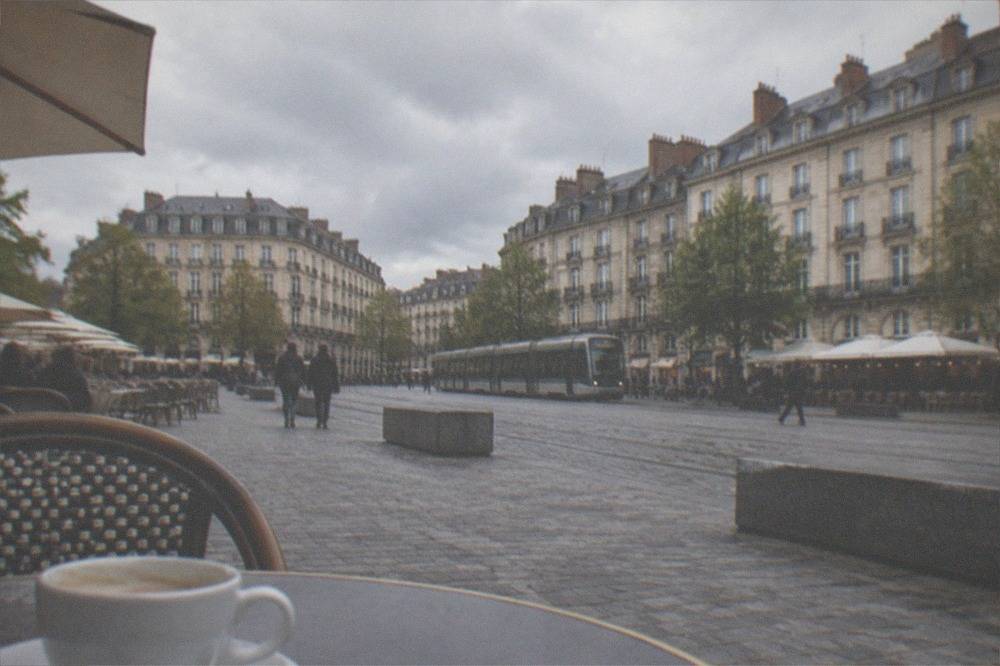
The classic order in a Bouffay crêperie is a galette of buckwheat filled with ham, egg and cheese, followed by a sweet crêperie crêpe and a bowl of cider. Fish dishes come with beurre blanc, the sauce local restaurateurs have been pursuing protected traditional speciality status for, made from a shallot, white wine and vinegar reduction into which cold butter is whisked. The traditional pairing is pike, and the wine poured alongside is Muscadet, the Melon de Bourgogne white of the surrounding appellation; the 2026 harvest was declared on 11 August 2026, a record eight days early, after heat pushed the season forward.
For a food-focused walk through the old town with tastings built in, a guided option exists alongside the self-directed route, and the options are compared below.
Numbeo's cost-of-living data for Nantes, updated around September 2026, suggests that an inexpensive restaurant meal stays cheap, a three-course mid-range dinner for two runs noticeably pricier before drinks, a domestic draft pint sits in inexpensive territory and a cappuccino counts as a small expense. These are aggregates, not promises; check the menu before you sit down, because a historic-quarter address can run well above a side-street bistro.
| Local speciality | What it is | Where it comes from |
|---|---|---|
| Beurre blanc | Emulsified butter sauce of shallots, white wine and vinegar, classically with pike | Nantes; restaurateurs seeking STG protected status |
| Gâteau nantais | Almond and rum quatre-quarts cake, glazed, better after a day's rest | Attributed to a Nantes baker around 1820 |
| Berlingots nantais | Tetrahedron hard candies, typically seven flavours | Pinson confiserie, founded 1895 near the port |
| Petit Beurre | The Véritable Petit Beurre butter biscuit | Invented by LU in Nantes, 1886 |
| Muscadet | Dry white of Melon de Bourgogne, the local appellation | Vineyards around Nantes; Maison des vins at Vallet |
The sweet stops are easy to find: the city's patisseries have driven a marked revival of the gâteau nantais in recent years, and the LU Petit Beurre, first made by the Lefèvre-Utile company whose founder set up as a biscuit maker in Nantes in 1846, is in every épicerie. LU's Nantes factory closed in 1986 and production moved to La Haie-Fouassière, but 2026 marks the company's 180th anniversary and its heritage is all over the city's marketing. The Nantes food guide covers the city's restaurants street by street.
How Do You Get To And Around Bouffay Nantes?
Bouffay sits at the centre of the Naolib network, with tram lines stopping at Commerce, the main hub a few hundred metres west of the Place du Bouffay, and a single 1-hour ticket costs 1.80 EUR, covering trams, buses, Navibus river shuttles and TER trains inside the metropole. The network is free for everyone from midnight Saturday to 23:59 on Sunday, though the 10 EUR airport shuttle is excluded from that weekend free travel.
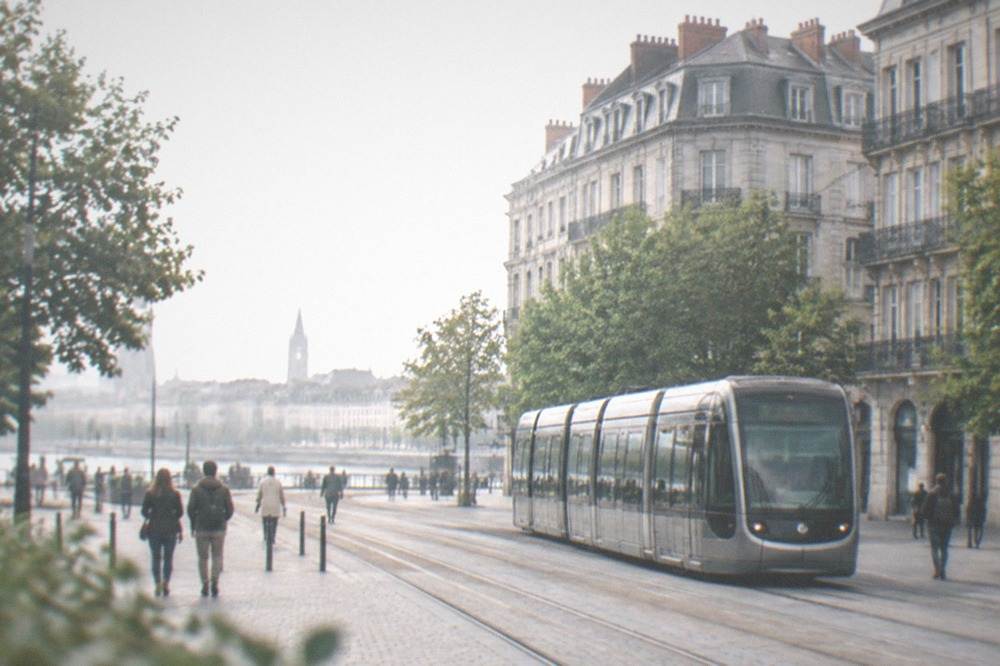
The fare table below is Naolib's own, from the network's tariff pages. The 24-hour ticket and the four-person version are the useful ones for visitors, since a day of hopping between Bouffay, the Île de Nantes and Trentemoult across the river on the Navibus N1 shuttle costs less than four single tickets. Note that new tram lines 6 and 7 are under construction with delivery expected in 2027 and will not change anything about the old town's access in the meantime.
| Naolib ticket | Price | Coverage |
|---|---|---|
| 1-hour ticket | 1.80 EUR | Tram, bus, Navibus, TER inside the metropole |
| 10 x 1-hour carnet | 17.80 EUR | Same network |
| 24-hour ticket | 6.80 EUR | Same network, unlimited for 24 hours |
| 24-hour ticket, 4 people | 15 EUR | Same network, up to four travellers |
| Airport shuttle (Navette Aéroport) | 10 EUR | Airport to Gare Routière quai A; excluded from weekend free travel |
| Weekend travel | Free | Saturday 00:00 to Sunday 23:59, all users, shuttle excepted |
Arriving by train, the station is a 15-minute walk or a few tram stops from the edge of Bouffay, and Paris connections run about two hours on the fastest TGV services. From the airport, the shuttle runs every 20 minutes from April to October, every 30 minutes from November to March, taking roughly 20 minutes to the station, and its stop moved to Gare Routière quai A on 30 March 2026. Once inside the district you walk; the 2025 traffic-limited sectors make anything else slow anyway. If you are touring widely beyond the old town, the city's sights and tours are collected at things to do in Nantes.
When Is The Best Time To Visit Bouffay Nantes?
The best months for Bouffay are May to September, when Météo-France's 1991-2020 normals for the Nantes-Bouguenais station give daily mean maxima from 19.6 to 25.4 Celsius, rainfall falls to its annual low of 44.2 mm in July, and the district's terraces are in full swing. September and October still average 22.4 and 17.6 Celsius daily highs with thinner crowds, while the Christmas market from 19 November to 27 December 2026 gives the lanes a winter draw of their own.
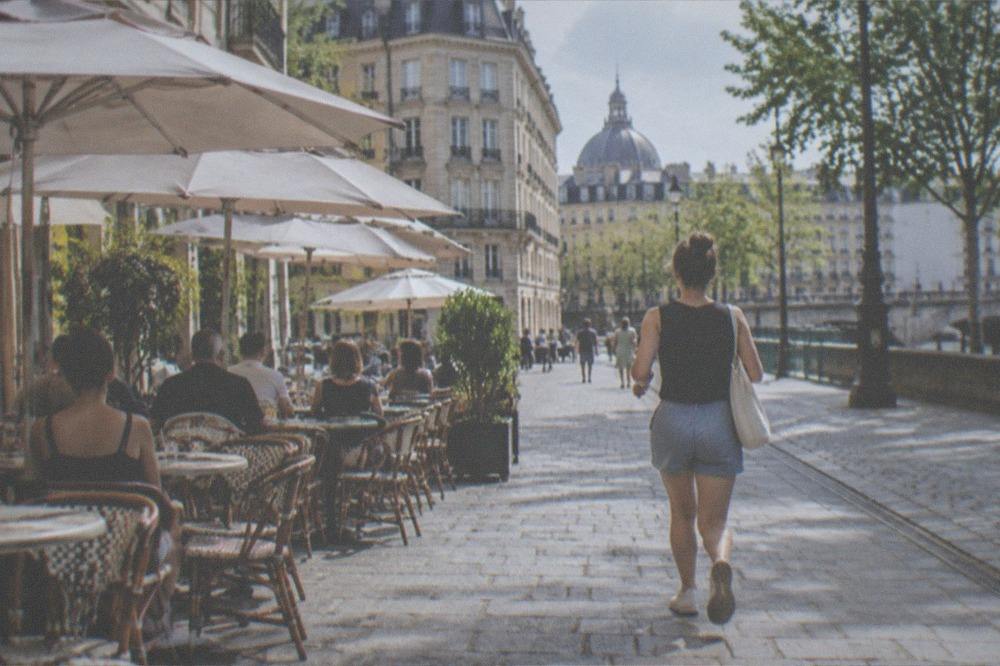
The climate is temperate oceanic, not Mediterranean: 819.5 mm of rain falls across the year, spread over 119.7 days with at least 1 mm, and sunshine totals 1,873.3 hours, peaking at 232.6 hours in August. June 2026 rewrote the record book, with an all-time station high of 42.2 Celsius on 24 June 2026, and the summer as a whole set records for days at or above 30 Celsius, so midsummer visits now warrant a heat plan: morning sightseeing, shade at midday, and the cathedral's stone interior, which stays markedly cooler than the streets.
Winter has its compensations. The Christmas market's 26th edition fills Place Royale, on Bouffay's western shoulder, and the nearby Graslin quarter, from 19 November to 27 December 2026, opening 11:00 to 21:30 Monday to Saturday and 11:00 to 20:00 on Sundays. La Folle Journée, the classical festival founded in 1995, next runs 27 to 31 January 2027 with a Beethoven theme at the Cité des Congrès, a short walk north of the old town. If your dates are flexible, the month-by-month breakdown of the year lives on the best-time-to-visit page, with a fuller weather rundown alongside it.
Is Bouffay Nantes Safe At Night?
Bouffay and the wider Nantes hyper-centre are repeatedly characterised in 2026 safety summaries as lively, well-patrolled and among the safer zones of the city, with the standard tourist precautions of watching for pickpocketing in crowds applying around the main squares. City-wide, Nantes recorded 24,384 crimes and offences in 2025 against 23,804 in 2024, a rise of about two per cent, and violent-crime risk for visitors in the historic core is assessed as low, with petty theft the more realistic concern.
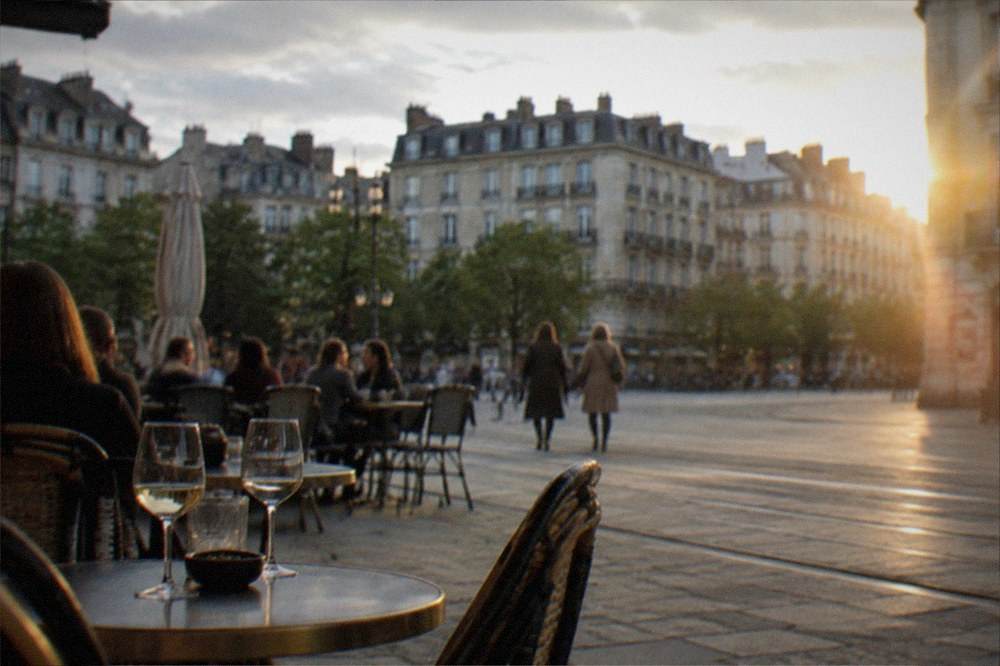
Two caveats belong here rather than anywhere else on the page. In mid-September 2026 a large knife brawl was reported in the centre of Nantes near place Graslin, on the western boundary of the district, and a few days later around 200 revellers attempted an unauthorised free party in the same area, ending in clashes with police. Neither changes the area's overall characterisation, which neighbourhood-safety summaries continue to describe as bustling and generally safe, but both explain why late-night visitors should keep to the lit main streets. The fuller picture, including the narcotraffic-related incidents that affected eastern districts of the city in spring 2026 rather than the old town, is on the is Nantes safe page.
For a night out, the practical read is simple. The terraces around Place du Bouffay and rue de la Juiverie stay busy into the late evening and feel secure precisely because of it, and the walk back toward the station runs through the pedestrianised core. As in any city, keep bags closed and phones off table edges, and the district's usual risks reduce to opportunistic theft. A guided evening walk is one way to see the lanes with company, and the solo option below covers exactly that.
A Half-Day Walking Plan For Bouffay Nantes
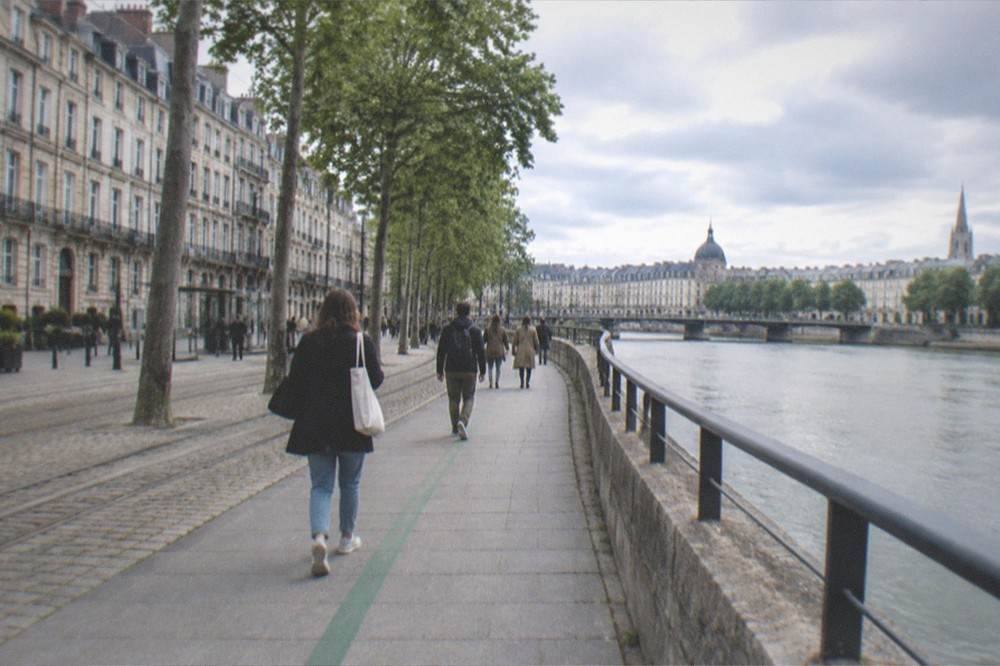
A workable half-day in Bouffay starts on the free château ramparts from 8:30, moves into the Musée d'histoire de Nantes when it opens at 10:00, crosses to the cathedral before lunch, then spends the afternoon on the Place du Bouffay and the Passage Pommeraye, with the Mémorial de l'abolition de l'esclavage as the closing stop on the Quai de la Fosse. The order works because every stop except the museum is free and none needs booking in advance.
| Stop | When | Why it works at that hour |
|---|---|---|
| Château ramparts and Jardin des douves | From 8:30 | Free, opens earliest, quiet before the groups |
| Musée d'histoire de Nantes | 10:00 onward | Opens 10:00; 5 EUR reduced tariff in the last hour before the 18:00 close |
| Cathedral Saint-Pierre-et-Saint-Paul | Midday | Free entry, cool interior in summer, side-portal access while the west facade is scaffolded |
| Lunch on Place du Bouffay | Early afternoon | Galettes and beurre blanc in the district's own square |
| Passage Pommeraye and Graslin | Late afternoon | 1843 gallery, open to 20:00 Monday to Saturday |
| Mémorial de l'abolition de l'esclavage | Before its 18:00 close in the cooler season | Free, riverside, the closing note the district's history deserves |
The plan holds in any season with one adjustment: in July and August the château museum opens daily to 19:00 and the ramparts to 20:00, so the afternoon stretches. If you have more than a day, the two-day Nantes itinerary adds the Île de Nantes and the Erdre, and families have a dedicated Nantes-with-kids plan. For days further afield, the salt marshes of Guérande, whose 2026 harvest was exceptional with roughly 1.5 tons per salt pan, make a rewarding day trip that pairs with the old town's food theme.
The guided options that fit this district best are collected below, covering the lanes, the food and the day-trip reach beyond them.
For travellers basing themselves in Bouffay and venturing out to the coast or the marshes on a free day, the salt-marsh visit is the one that connects most directly to the food traditions of the old town, and its card follows.
Common Questions About Bouffay Nantes
What Is Bouffay in Nantes?
Bouffay is the medieval old town district at the centre of Nantes, in the Loire-Atlantique department of western France, stretching between the Château des ducs de Bretagne and the cathedral. It is the city's oldest quarter, largely pedestrianised after traffic-limited sectors were completed in phases through 2025.
Is Bouffay Nantes worth visiting?
Yes, if your interests run to history and food. The district holds the château with its free ramparts, the partially reopened cathedral, the city's densest cluster of crêperies and bistros, and the 1843 Passage Pommeraye within a short walk of each other. The district's character is explored street by street in this Nantes Travel Guide and in the wider old-town roundup.
How Much Does The Château Museum In Bouffay Cost?
The château's own tarifs page lists 9 EUR full tariff and 5 EUR reduced for the Musée d'histoire de Nantes, with free entry for under-18s and free first Sundays from September to June excluding July and August. The courtyard, ramparts and moat garden are free at all times.
Can You Visit Nantes Cathedral In Bouffay?
Yes. The cathedral partially reopened on 27 September 2025 after the July 2020 fire, and entry is free. Works continue on the west facade, with full completion planned for 2028; access is through the side portals while the scaffolding stands.
What Food Is Bouffay Nantes Known For?
Galettes and crêperie dishes, fish with beurre blanc, the almond-and-rum gâteau nantais, berlingots nantais candies and anything from the LU biscuit heritage all anchor the district's menus, with Muscadet as the local pour. Specific addresses are listed in the Nantes food guide.
How Do You Get To Bouffay From Nantes Station?
The old town begins a short walk west of the main station, or a few stops on any tram line to Commerce, the central hub. A single 1.80 EUR Naolib ticket covers the tram, and weekend travel on the whole network is free from Saturday midnight to Sunday 23:59, with the airport shuttle the one exception.
Bouffay rewards the unhurried: ramparts in the early light, a galette at midday, the cathedral's stone cool in the afternoon, and the green line underfoot pointing wherever Nantes decides to take you next.