Wine Tour Nantes
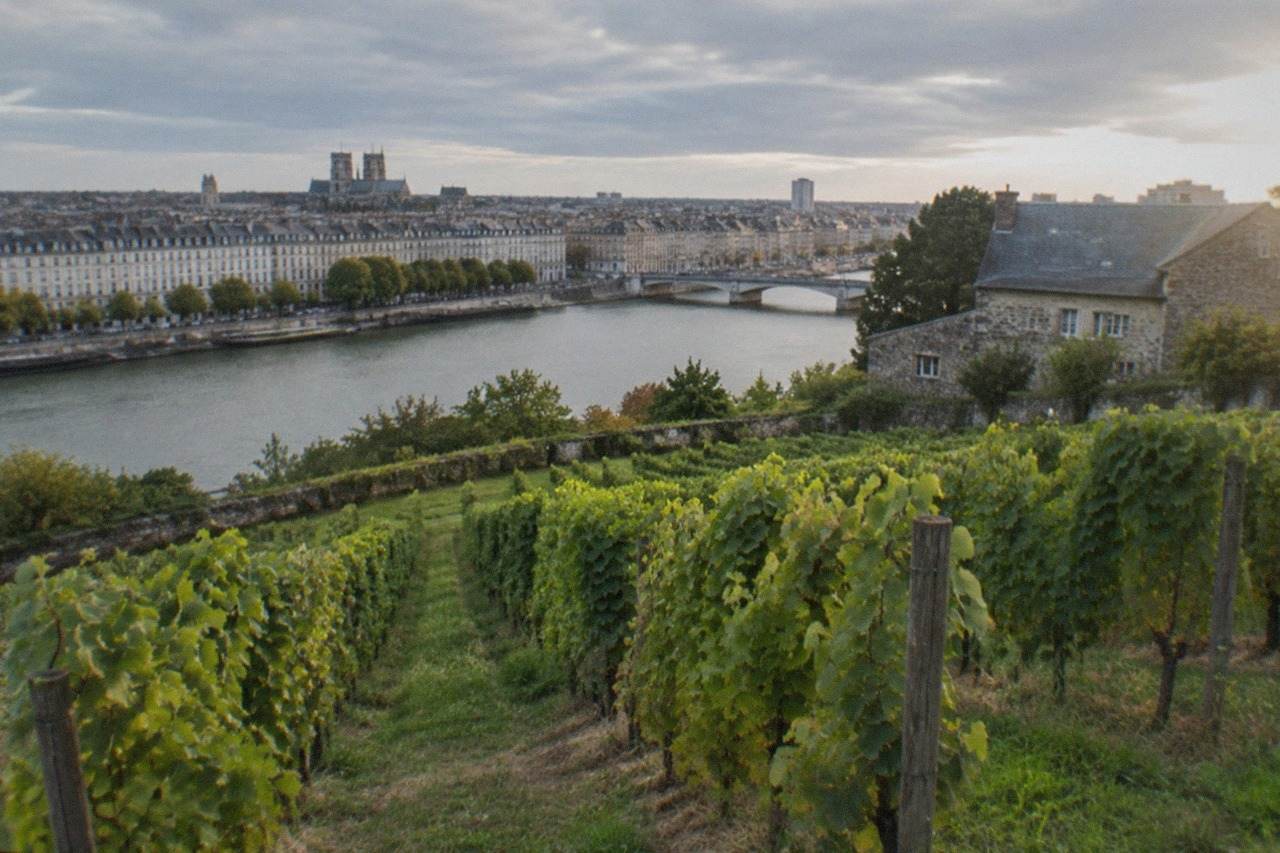
Nantes sits on the western edge of the Loire Valley wine country, in the Loire-Atlantique department of the Pays de la Loire region, and the Muscadet vineyards begin almost where the city ends. A wine tour from Nantes is a half-day affair, not a long expedition.
Short answer
The wine country closest to Nantes is Muscadet, made from the Melon de Bourgogne grape, with the Maison des vins at Vallet as its information hub. Guided wine tours from Nantes run as van tours to the vineyards, a sensory tasting in the city, and combined food and walking formats. Naolib tickets at 1.80 EUR cover city transport, and a TER train reaches Clisson in about 15 to 23 minutes.
Nantes, in the Loire-Atlantique department of the Pays de la Loire region of western France, is one of the few French cities where wine country starts inside the tram network. The Muscadet appellation wraps around the city's southern and eastern edges, the grape is Melon de Bourgogne, and the Maison des vins at Vallet acts as the region's information hub, according to the appellation's own resource. That geography is why a wine tour from Nantes is usually a half-day trip rather than an expedition: the vines are on the doorstep, and the formats range from a guided van loop through the vineyards to a tasting session held in the city itself. This guide, from the Nantes Travel Guide editorial desk, sets out what each format involves, what the climate does to the vintage calendar, and how to get from the centre of Nantes to the vines without a car.
What Is A Wine Tour From Nantes?
A wine tour from Nantes is a guided tasting or vineyard excursion built around the Muscadet appellation, the white-wine region that begins at the city's edge in the Sèvre and Maine area south-east of Nantes. Tours fall into three broad formats: van tours that drive out to the vineyards, tastings held in the city, and food-led walks that pair local produce with the wine. None requires you to organise a car, since the operators collect participants in central Nantes.
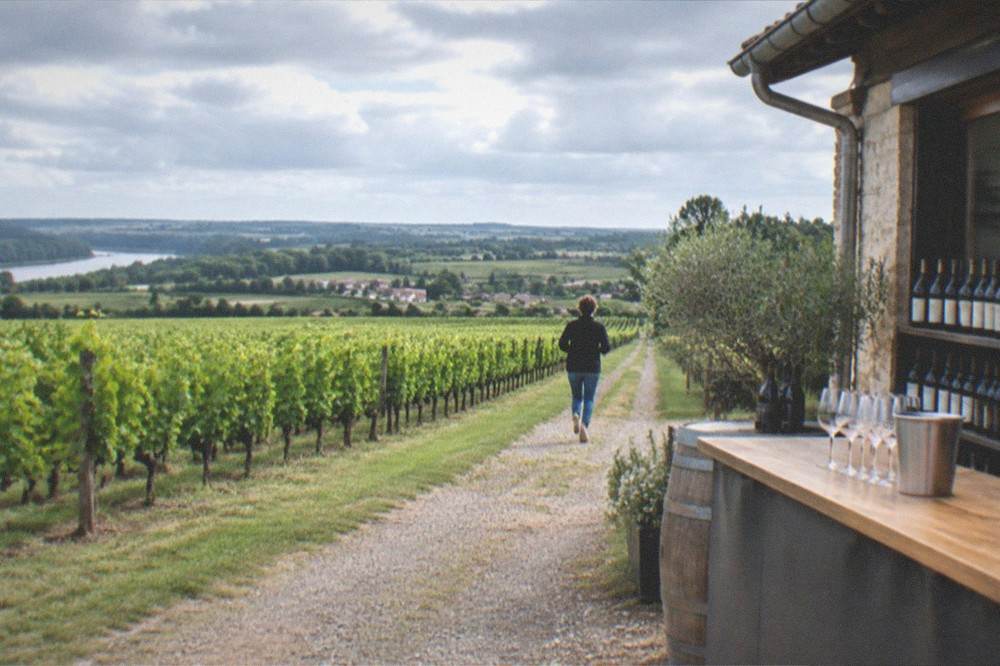
The distinction matters more here than in most wine cities, because the distance is short. Muscadet is not a full day's drive away; it is close enough that the vineyards sit within ordinary day-trip range, which is why several operators run half-day loops. The wine itself is dry, still and white, made from a single grape, and it is the wine the Loire estuary region is known for. If you want the full background on the grape and the style, our Muscadet vineyards day trip guide covers the terrain in more detail, and the question is Muscadet wine sweet or dry gets a direct answer on our answers page.
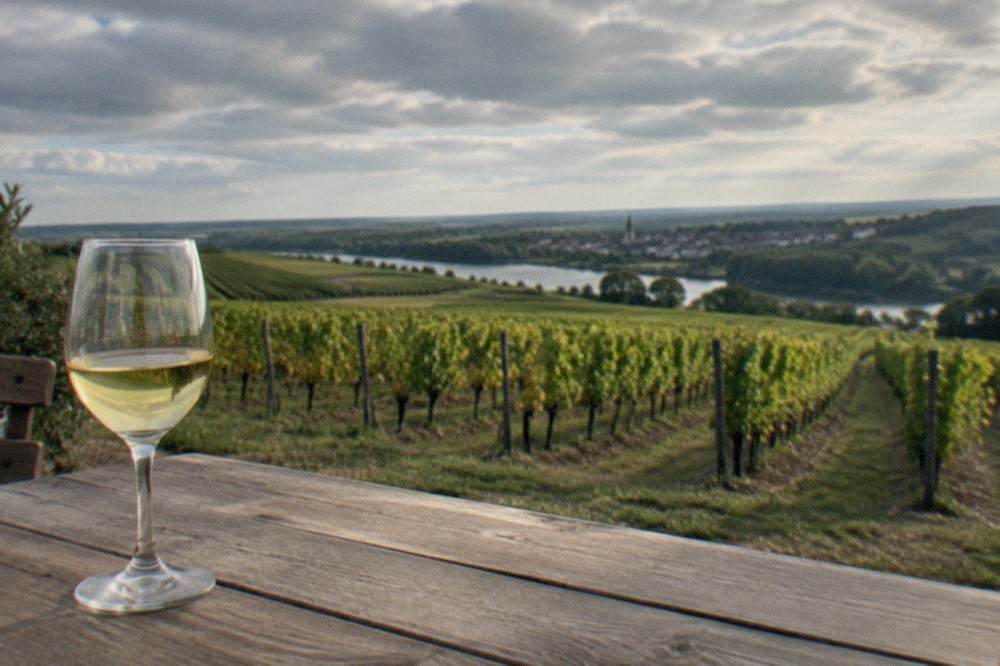
What the format choice really changes is pace and depth. A van tour trades city time for soil and cellar doors. A tasting in Nantes trades the scenery for a structured session on how the wine is made. A food walk adds the city's edible history, from beurre blanc to the LU biscuit, into the same afternoon. The rest of this guide breaks down each option, with the verified facts you need to choose between them.
Which Wine Region Surrounds Nantes?
The wine region surrounding Nantes is Muscadet, a white-wine appellation planted with the Melon de Bourgogne grape, with its Maison des vins information centre at Vallet east of the city. The 2026 harvest was declared open on 11 August 2026, a record eight days earlier than the previous mark, with yields reported lower, around 30 to 40 hectolitres per hectare, after heat and drought. That is the region every Nantes wine tour is built around.
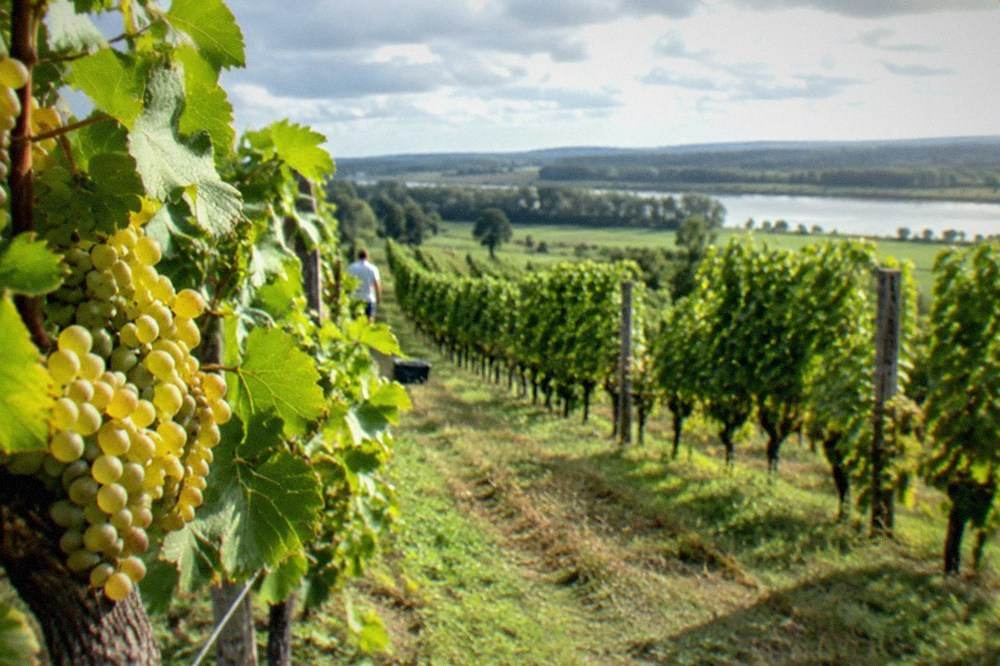
Muscadet's identity is unusually single-minded. One grape, one dominant style, and a position at the very western, oceanic end of the Loire Valley that shapes how the wine tastes: saline, lean and dry. The appellation's trade presence in the city is real but modest, which is one reason a guided tour does work that independent research cannot, since producers' tasting fees and opening hours are not reliably published in one place. No single reliable source publishes producers' tasting fees and opening hours, so any fee you see quoted elsewhere should be treated as unconfirmed.
| Muscadet essential | Verified detail |
|---|---|
| Grape | Melon de Bourgogne |
| Region hub | Maison des vins at Vallet |
| 2026 harvest declaration | 11 August 2026, record early |
| 2026 reported yields | Around 30-40 hl/ha, down on prior years |
| Wine style covered on this page | Dry still white |
| Nearest wine-country rail stop | Clisson, about 15-23 minutes from Nantes by TER |
The early 2026 harvest is not a curiosity for tourists only. A vintage that starts in the second week of August means the vineyards you drive through in late summer are already stripped or well into picking, and the cellar talk on a September or October tour will be about a smaller, riper crop. The reporting from local producers describes quality as good, with the sunshine the region received, so the 2026 bottles arriving on tasting tables are a genuine talking point rather than a disappointment.
The city's wider Loire context also frames the choice. If your interest runs past white wine, the question of what wine the Loire Valley is famous for has its own answer page, because the Loire is a long valley with several very different regions. From Nantes, the practical touring region is the western end. Everything further east is a different day's drive.
How Do You Choose The Right Nantes Wine Tour?
You choose a Nantes wine tour by matching the format to your time: a van tour for vineyards and cellars, a sensory tasting for a structured session inside the city, or a food-led walk for a city afternoon built around wine and local produce. Group sizes run from shared van loops to fully private itineraries. All three formats collect in central Nantes, so the choice is about depth and pace rather than logistics.
The core options, in the shape they actually book:
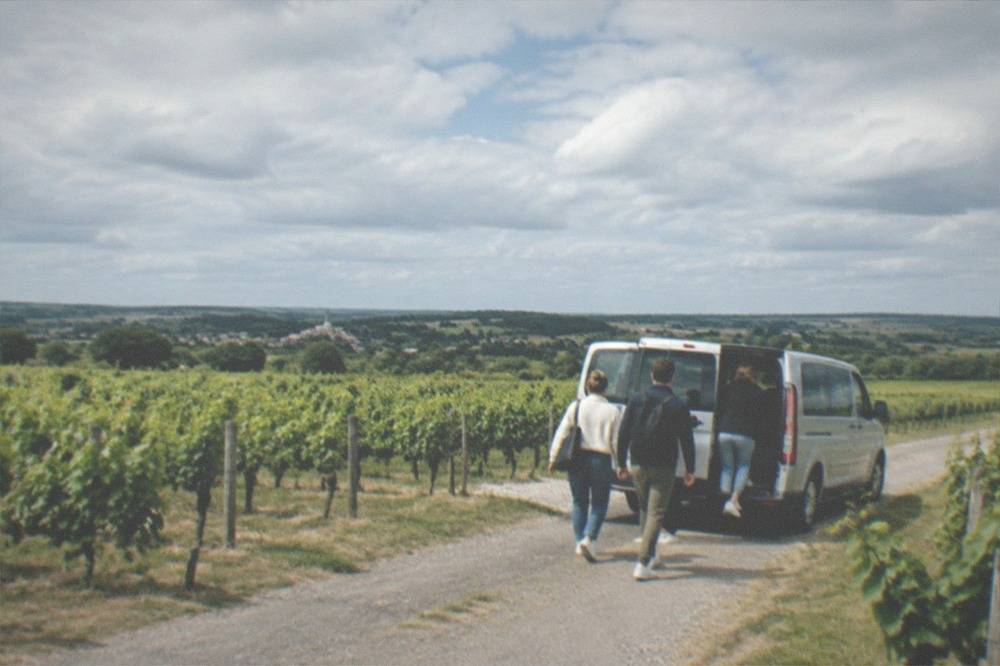
The half-day vineyard van tour is the most direct route from the city to the vines, and it is the format that most closely answers the search intent behind a "wine tour nantes" query: you leave central Nantes, you stand in the vineyards, you taste where the wine is made. The food tour of the old town is the hybrid, pairing the city's food culture with its wine. The private walking tour is the format for a guide who can layer the history of Nantes over whatever you want the afternoon to be about, wine included.
Beyond the trio, the city hosts a sensory tasting format that keeps everything indoors, which suits a wet afternoon or a tight schedule:
And for a short, sharp vineyard loop, the van format exists as a separate product:
Two of the products on this site, the all-inclusive food tour of the old town and a private walking tour format, have prices the operators have not published; the listings carry whatever the operator currently charges. That is the honest position, and it is the same position you will find in our food tour guide and the wider tours overview.
A practical way to decide, without prices in the frame:
| Format | What it involves | Best suited to |
|---|---|---|
| Half-day vineyard van tour | Guided drive into the Muscadet vineyards with stops and tastings | First-time visitors who want to see the vines |
| Two-hour vineyard van tour | Shorter loop, fewer stops | Tight schedules, half-days with children in tow |
| Sensory tasting in the city | Structured tasting session indoors in Nantes | Rainy afternoons, non-drinking companions watching |
| Food tour of the old town | Walking food-and-wine format through Bouffay | Visitors pairing lunch with the wine question |
| Private custom walk | Guide-led city itinerary, wine stops on request | Repeat visitors, special occasions |
One more decision point that is easy to miss: the tour that goes deepest into the wine country also eats the most clock. If this is a one-day visit, the one day in Nantes itinerary shows what a city-only day can hold, and a vineyard half-day will displace roughly that much. On a two-day stay the trade disappears.
How Do You Get To The Muscadet Vineyards From Nantes?
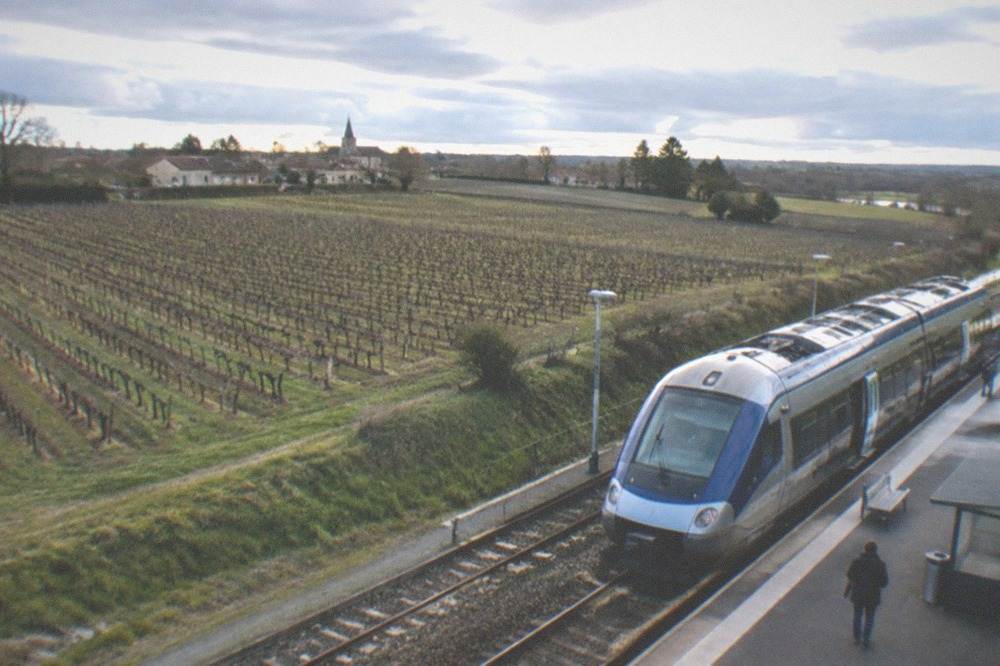
You get to the Muscadet vineyards from Nantes either on a tour van that collects in the centre, on the TER train towards Clisson, which covers the roughly 15 to 23 minute rail journey, or by hire car. The Naolib one-hour ticket at 1.80 EUR covers trams, buses and the Navibus river crossings inside the city, and the tourist Pass Nantes includes one TER return between Nantes and Clisson.
The rail fact is the one independent visitors most often miss. Clisson, the Italianate town on the edge of the wine country, is a short TER ride from the Nantes station, and the Pass Nantes bundles a Clisson return into its attractions-and-transport package. That makes a self-guided vineyard-fringe day possible without a car, though a tour with booked stops remains the only format where the cellar door is certain to receive you.
| Transport option | Fare | What it covers |
|---|---|---|
| Naolib 1-hour ticket | 1.80 EUR | Tram, bus, Navibus and TER inside the metropole, one hour |
| Naolib 24-hour ticket | 6.80 EUR | Full network, 24 hours |
| Naolib 24-hour ticket, 4 people | 15 EUR | Group travel on the network |
| 10-pack of 1-hour tickets | 17.80 EUR | Ten single journeys |
| Airport shuttle | 10 EUR | Airport to station, valid one hour on the network |
| Pass Nantes | From 30 EUR for 24 hours | Transport, partner sites, one Clisson TER return |
The weekend rule deserves a line of its own, because it changes the arithmetic. Naolib runs free for everyone from Saturday 00:00 to Sunday 23:59, with one carve-out: the airport shuttle always costs 10 EUR and is excluded from the weekend free travel. For visitors who prefer to see the city on foot between the vineyard stops, our Nantes walking tours overview covers the guided options, and the Erdre river cruise adds a waterborne angle to any wine-free afternoon.
If you drive, the wine country is close enough that the drive itself is short, but the relevant caution is the one that applies to any tasting day: the tours exist partly so that nobody has to. Between the van products, the tasting formats in the city and the Clisson rail option, a car-free wine day from Nantes is entirely normal.
When Is The Best Time Of Year For A Wine Tour From Nantes?
The best time for a wine tour from Nantes is late spring through early autumn, with September standing out: the harvest was declared on 11 August 2026, so from late August the vineyards are in the middle of picking, and the sea-level climate keeps mean temperatures between 9.3 and 25.4 degrees Celsius across the year, with about 819.5 mm of rain annually. Winter tours are possible but the vines are dormant.
The climate table below is the reason for that answer. Nantes is temperate oceanic, never Mediterranean, and the harvest timing follows the summer heat. The verified Météo-France and JMA normals for the Nantes station put August as the warmest month and July the driest.
| Month | Mean temperature (C) | Precipitation (mm) |
|---|---|---|
| Jan | 0.0 | 37.3 |
| Feb | 2.1 | 35.5 |
| Mar | 6.5 | 34.1 |
| Apr | 12.3 | 50.6 |
| May | 17.3 | 57.2 |
| Jun | 20.9 | 79.1 |
| Jul | 22.8 | 61.9 |
| Aug | 22.5 | 54.6 |
| Sep | 17.2 | 50.4 |
| Oct | 11.5 | 50.0 |
| Nov | 6.4 | 45.3 |
| Dec | 1.5 | 44.7 |
Two weather facts from the recent record matter for a 2026 or 2027 trip. The city set a new all-time high of 42.2 degrees Celsius on 24 June 2026, a June heatwave that also pushed the Muscadet harvest to its record-early declaration. And February 2026 brought a Loire flood that passed 8 metres at the Pont Anne-de-Bretagne, the first time in about fifteen years, which is a reminder that winter visits carry a small but real disruption risk on the riverside. Neither is a reason to avoid the region; both are reasons to book flexible formats and to check conditions in the shoulder months.
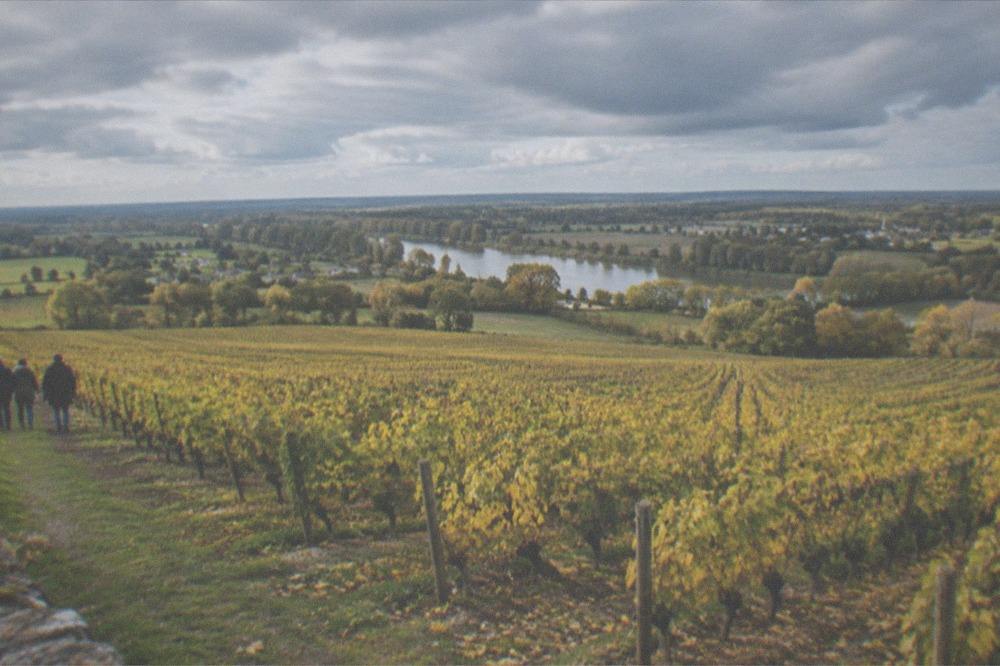
For wine travellers the short version of the seasonal advice: May to June for green vines and thin crowds, late August to October for harvest theatre and cellar talk, and the city-only tasting formats as the year-round fallback. The full seasonal breakdown, including the event calendar that clusters around the vineyards in late summer, is worth reading before you fix dates.
What Should You Eat With Muscadet In Nantes?
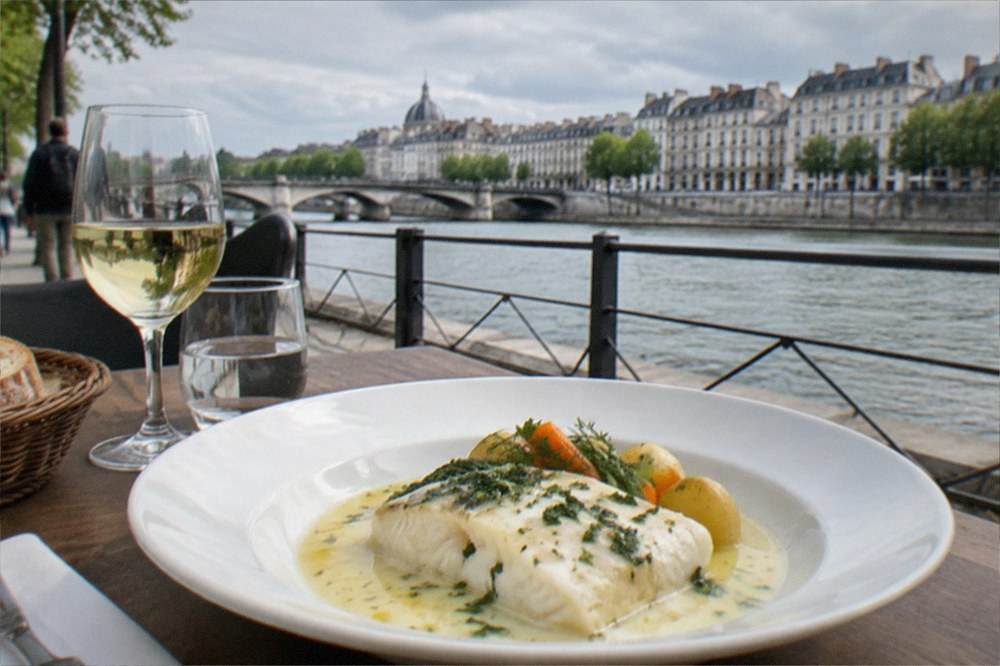
You eat beurre blanc with Muscadet in Nantes, because the sauce is literally built on it: the classic Nantais emulsion reduces shallots in white wine, typically Muscadet, with vinegar or lemon, before cold butter is whisked in, and it is traditionally served with fish such as pike. Beyond the sauce, the local pairings are gâteau nantais, an almond and rum cake, LU Petit Beurre biscuits and berlingots nantais candies.
The food-and-wine story of Nantes is unusually coherent, because the same oceanic region that grows Melon de Bourgogne also built a butter-and-biscuit economy around it. The LU company was founded in Nantes in 1846, the Petit Beurre was invented there in 1886, and the Véritable Petit Beurre is still produced at La Haye-Fouassière near the city, at a factory outputting roughly 24,000 tonnes of biscuits a year. The restaurateurs of Nantes have also been campaigning for protected traditional specialty status for beurre blanc, which tells you how seriously the city takes the sauce.
| Local speciality | What it is | Why it pairs |
|---|---|---|
| Beurre blanc | Emulsified butter sauce reduced from shallots, Muscadet and vinegar | The wine is in the sauce; serve the rest of the bottle |
| Pike with beurre blanc | The traditional fish pairing | Classic regional match |
| Gâteau nantais | Almond, rum and salted-butter cake, best rested a day | Sweet counterpoint to dry white |
| Véritable Petit Beurre | LU butter biscuit, made since 1886 | Biscuit texture against lean wine |
| Berlingots nantais | Tetrahedral hard candies in seven flavours | Souvenir sweetness |
A food tour is the efficient way to taste this list without assembling it yourself, and the all-inclusive old town format in the trio above covers exactly this ground. The deeper background on the city's food culture, from the Talensac market to the crêperies, sits in our Nantes food coverage, and the market's own hours, Tuesday to Friday 08:00-13:00 and weekends to 13:30, closed Monday, make a Saturday food-and-wine morning the natural pairing.
One caution that belongs on any food-and-wine page: the city's Muséum d'histoire naturelle is closed for works until 2029, so it cannot serve as a rainy-day stop on a food-tour afternoon. The tasting-in-the-city tour format is itself the most weatherproof wine option of all, and the covered attractions along the old town route, from the Bouffay old town to the Passage Pommeraye, keep a wet afternoon full without a museum slot.
How Do You Combine A Wine Tour With A Longer Nantes Stay?
You combine a wine tour with a longer Nantes stay by slotting the vineyard half-day into the afternoon or second day of your itinerary, keeping the city's headline sights for the mornings: the Château des ducs de Bretagne, the Machines de l'île and the cathedral, which partially reopened on 27 September 2025 with full reopening planned for 2028, are the anchor trio. A wine half-day replaces one museum afternoon, not a whole day.
On a two-day visit the classic shape is day one for the city and day two for the vines, and our two days in Nantes itinerary is built around exactly that split. Families have a slightly different trade, because vineyard tours skew adult; the Nantes with kids guide shows what survives that constraint, and a shorter two-hour van loop is the compromise that usually works. For the wider question of whether the city justifies the trip at all, the balance of sights, food and transport on this page is the argument in miniature.
The other combinable thread is the region's cultural calendar. The wine country overlaps with Clisson, whose TER link is the practical rail route in, and the town's calendar includes the Hellfest festival in June and classical programming in the autumn. The green line art trail that threads the city each summer, anchored on the Île de Nantes around the Machines, is covered separately, since it is the single biggest reason a summer visit feels different from an autumn one.
Which Wine Tour From Nantes Suits Your Trip?
You pick your Nantes wine tour by trip length: the half-day vineyard van tour for a first visit with an afternoon to spare, the sensory tasting for a short or rainy stay, the two-hour van loop for a tight schedule, and the food-led walk for a visit where the city itself is the focus. Families and larger groups should weigh the shorter loops; wine-first travellers should book the deepest half-day format.
The trio below is the shortlist in one place, the same three formats discussed through this guide:
And the related vineyard format, the half-day van tour that anchors this page, one more time for the decision moment:
Every figure for these products, price, rating, review count and duration, renders from the live listing at the moment you check, which is the only honest way to print them. What stays constant is the geography: the vines are on the edge of Nantes, the grape is Melon de Bourgogne, the 2026 vintage was picked early and small, and the city that anchors all of it sits on the Loire, in Loire-Atlantique, in the Pays de la Loire.
Common Questions About Wine Tours From Nantes
Can You Do A Wine Tour From Nantes Without A Car?
Yes. Guided van tours collect participants in central Nantes, the TER train to Clisson covers the rail edge of the wine country in roughly 15 to 23 minutes, and the sensory tasting formats run inside the city itself. A car-free wine day from Nantes is entirely normal.
What Wine Is Nantes Famous For?
Muscadet, a dry still white made from the Melon de Bourgogne grape, with the Maison des vins at Vallet as the region's information hub. The 2026 harvest was declared on 11 August, a record eight days early, with lower yields reported.
How Long Does A Wine Tour From Nantes Take?
The main formats run from a two-hour vineyard van loop to a half-day tour of the vineyards, with tastings and food walks filling an afternoon in the city. Durations for each bookable product render from the live listing rather than being fixed here.
What Food Goes With Muscadet?
Beurre blanc is the canonical match, since the sauce itself is reduced from Muscadet, shallots and vinegar, and it is traditionally served with fish such as pike. Gâteau nantais, LU Petit Beurre biscuits and berlingots nantais round out the local list.
When Is The Muscadet Harvest?
In 2026 the harvest ban was declared on 11 August, the earliest on record, eight days ahead of the previous mark from 2003. Late August to early October is therefore the window when the vineyards are visibly at work.
Is The Nantes Wine Region Part Of The Loire Valley?
Yes, Muscadet is the westernmost Loire Valley appellation, at the oceanic end of a long valley that holds several very different wine regions. From Nantes, the practical touring region is this western end.