Is Muscadet Wine Sweet Or Dry?
Muscadet, the dry white wine of the Nantes region in France, explained: the Melon de Bourgogne grape, the sur lie style, what it tastes like and how to pair it with local food.
Muscadet is the dry white wine of the Nantes region, made in the vineyards of Loire-Atlantique and the wider Pays de la Loire in western France, and the short answer to the question is unambiguous: it is dry. Not off-dry, not medium, but bone dry, which is precisely why the restaurateurs of this city pour it alongside the beurre blanc sauce that Nantes invented. Confusion creeps in because the name sounds like Moscato, the sweet Italian wine, and because the label does not trumpet the grape the way most French wines do. This page sets out what Muscadet actually is, what it tastes like, and how to enjoy it around Nantes.
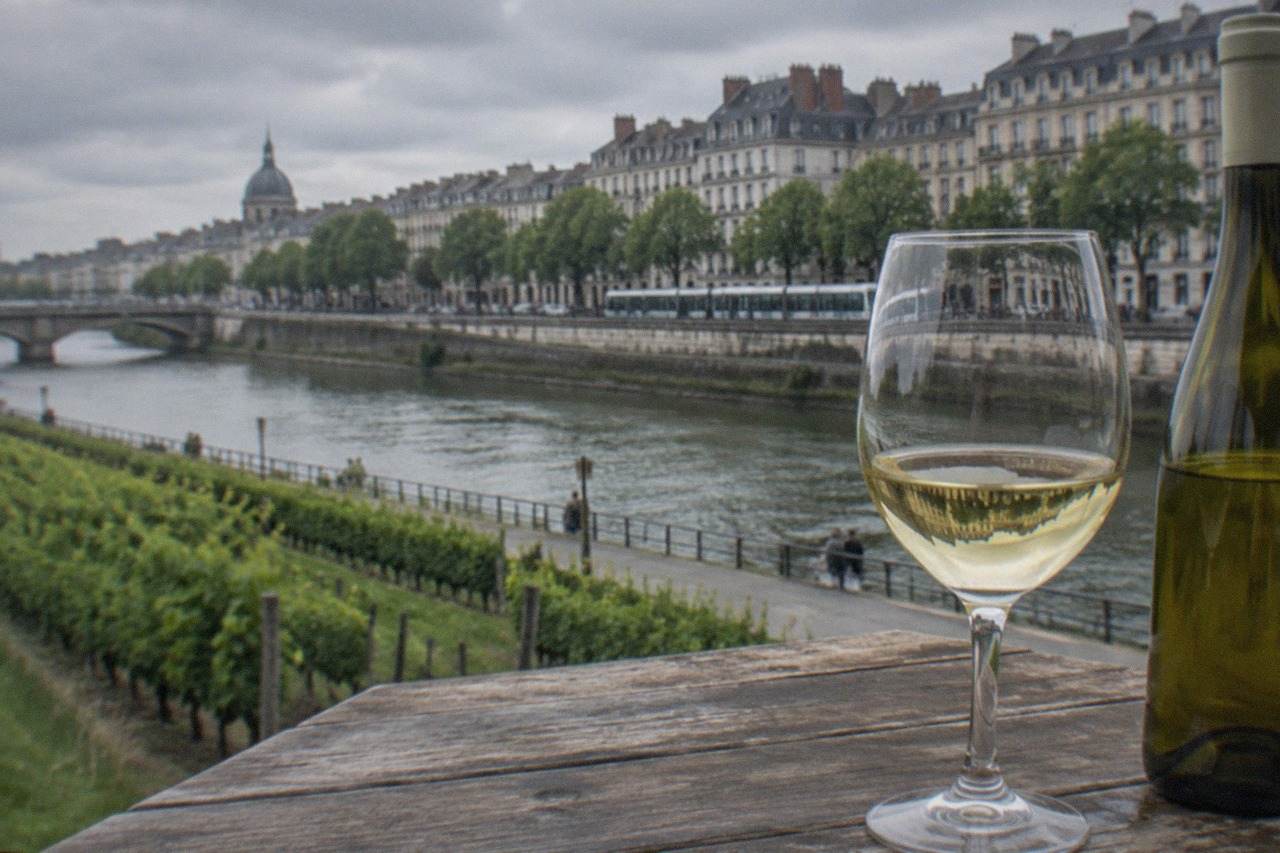
Is Muscadet Wine Sweet Or Dry?
Muscadet is a dry white wine, and it is dry in the strictest sense used by French wine law. Almost all of the natural grape sugar is fermented out, leaving a wine with no perceptible sweetness on the palate. It is the reference dry white of the Nantes region in Loire-Atlantique, western France, and the wine that locals pour with seafood and with the city's own beurre blanc sauce. If you are asking because you avoid sweet wines, this one is safe.
That word "dry" does a lot of work in wine talk, so it is worth being precise. Dryness in wine means the absence of residual sugar, the small amount of grape sugar left unfermented when the yeast has finished. A wine can taste fruity without being sweet, and this is exactly the trap visitors fall into with Muscadet: it often shows lemon, green apple and saline, almost briny notes that read as "fresh" rather than sugary. The palate impression is lean, crisp and mineral, with a light body and a clean finish. The fruits of the region's cooking, from the melon fields to the orchards, have nothing to do with the flavour of the glass.
The confusion with Moscato deserves a direct answer too, because it is the single most common reason people ask this question. Moscato, made from Muscat grapes, is a different grape family entirely and is frequently bottled sweet, sometimes lightly sparkling. Muscadet is made from Melon de Bourgogne, an unrelated grape, and is bottled still and dry. The similarity is purely in the first syllable of the name, and the two wines sit at opposite ends of the sweetness scale. A waiter in Nantes who is asked for "the sweet one" will gently steer you back to Muscadet for a reason.
What Grape Is Muscadet Made From In The Nantes Region?
Muscadet is made from a single grape variety called Melon de Bourgogne, and the appellation rules allow no other. The grape was once grown in Burgundy, as its name suggests, but it found its true home in the cool, oceanic climate of the Nantes region after being planted in Loire-Atlantique centuries ago. It ripens modestly in this temperate western French climate, which is exactly why the wine stays so lean and dry rather than rich and sweet.
Météo-France's normals for its Nantes-Bouguenais station show what the grape works with: mean maxima ranging from 9.3 C in January to 25.4 C in August, and around 819.5 mm of rain a year. That is a temperate oceanic climate, not a Mediterranean one, and the wines reflect it. Melon de Bourgogne is not a naturally aromatic, high-sugar variety in these conditions, and the region's winegrowers do not chase ripeness for sweetness. The Maison des vins de Muscadet, the appellation's own visitor centre, sits at Vallet, a short drive south-east of Nantes and a common first stop for anyone touring the vineyards, according to the Maison's own presentation of the region.
The style most bottles carry is "sur lie", which refers to the wine resting on its fine lees, the dead yeast cells left over from fermentation, until bottling. This is technique rather than sweetness, but it matters to the taste question because it gives the wine a faintly creamy texture and a soft prickle of carbonation without adding a trace of sugar. It rounds the edges of an otherwise austere wine. Understanding sur lie is the difference between finding Muscadet "thin" and finding it precise: the wine is deliberately built around freshness, texture and salinity rather than fruit weight.
For a full itinerary through the region, see our Muscadet vineyards day trip guide, and for a broader look at the whole valley's famous bottles, read what wine the Loire Valley is famous for.
What Does Dry Muscadet Taste Like?
A glass of Muscadet tastes crisp, light and saline, with citrus notes, green apple and a stony mineral core, and no sweetness at all. The body is light, the acidity is high and the finish is clean and brisk. The sur lie ageing adds a whisper of bread dough texture and a gentle spritz on the tongue. Think of it as the closest thing wine gets to a sea breeze off the Atlantic coast near Nantes.
Tasting notes are subjective, so treat the following as orientation rather than scripture. The lemon and lime zest character is the most commonly cited marker, followed by that saline edge, which winemakers attribute to the region's soils and its proximity to the ocean. Green apple, white flowers and occasionally a wet-stone minerality round out the typical profile. The colour is pale straw, often with a hint of green at the rim. Alcohol sits at the lighter end for white wine, which keeps the whole package refreshing rather than heavy.
One honest caveat about the answer page format: our tasting descriptions draw on how the appellation and its Maison des vins present the wine, not on any sensory panel's scores, and specific producers' tasting fees and opening hours were not checked for this page. What can be verified, and what carries more weight than any flavour note, is the production side. The 2026 harvest told a remarkable story: the picking ban was declared on 11 August 2026, a record eight days ahead of the previous mark from 2003, driven by summer heat and drought. Growers reported yields down at roughly 30 to 40 hectolitres per hectare, against something nearer 55 in a generous reference year like 2018, with the trade-off described as good concentration from strong sunshine. There will simply be less of it.

| Muscadet fact | What the sources say |
|---|---|
| Grape variety | Melon de Bourgogne only, per the appellation |
| Style | Still, dry, classically aged sur lie |
| 2026 harvest start | Picking ban declared 11 August 2026, a record eight days early |
| 2026 yields | Around 30-40 hl/ha reported, versus roughly 55 hl/ha in the 2018 reference year |
| Appellation visitor centre | Maison des vins de Muscadet at Vallet |
| Character drivers | Temperate oceanic climate, mean max 9.3 C in January to 25.4 C in August |
Which Nantes Foods Pair Best With Muscadet?
The classic pairing in Nantes is Muscadet with fish in beurre blanc, the emulsified butter sauce the city claims as its own, and with shellfish of every kind. The wine's dryness and high acidity cut through the butter and lift the seafood, which is why the combination has become the region's signature plate and glass. Oysters from the Atlantic coast nearby, simply served with lemon, are almost as canonical a match.
The logic of the pairing is worth spelling out, because it explains why a dry wine was chosen rather than a sweet one. Fat and acid are opposites on the palate, and each refreshes the other. Beurre blanc is a reduction of shallots, white wine, typically Muscadet itself, and vinegar or lemon, into which cold butter is whisked, so the sauce already contains the wine in its recipe. Serving the same wine in the glass echoes the plate. The restaurateurs of Nantes have even pursued protected traditional specialty status for the sauce, according to 2025 reporting on their campaign, a sign of how seriously the pairing is taken as heritage rather than habit.
Beyond the canonical plate, the region's pantry offers natural companions, and a visitor planning meals can use the table below as a starting point. These are suggestions in the site's planning voice, not a guarantee of any specific restaurant's menu.
| Local speciality | Why it works with dry Muscadet |
|---|---|
| Fish in beurre blanc | Acid and dryness cut the emulsified butter; the sauce is made with Muscadet |
| Oysters and shellfish | Saline wine mirrors the maritime character of the seafood |
| Berlingots nantais candies | A dry glass balances the sugar of the region's traditional sweets |
| Gâteau nantais | The almond and rum cake is rich enough to need a crisp, cleansing wine |
| Curé Nantais cheese | A washed-rind local cheese meets its match in sharp, dry acidity |
For the full story on the sauce, read our beurre blanc guide, and for everything else worth eating in the city, our Nantes food page and the wider guide at Nantes Travel Guide cover the ground.
Is Muscadet The Same Wine As Moscato?
No, Muscadet and Moscato are entirely different wines from unrelated grapes. Moscato is made from Muscat family grapes, usually bottled sweet and often lightly sparkling, while Muscadet is made from Melon de Bourgogne and bottled dry and still. The shared "Mus" syllable is a coincidence of naming that trips up visitors to France, and nothing more. If a wine list in Nantes lists Muscadet, you are getting the dry one.
Wine shops and restaurant lists exploit this confusion less than they once did, but it still happens that a visitor expecting the peachy sweetness of a Moscato d'Asti is surprised by the austere, saline snap of a Muscadet sur lie. If sweetness matters to you, there are honest bridges: a lightly off-dry Vouvray from further up the Loire, or one of the demi-sec styles from the same broad valley, will give you some residual sugar while staying in the region's wine families. But within the Muscadet appellation itself, sweetness is not on the menu. The appellation's identity, its laws and its food culture are all built around a wine that finishes completely dry.
This is also why Muscadet behaves so well as a food wine in a way sweet wines struggle to. Sweetness amplifies richness and can cloy across a long meal, whereas dryness and acidity reset the palate between bites. The classic Nantes dinner of shellfish, butter sauce and a chilled glass works because every element pulls in the same lean direction. If your reference point for white wine is Moscato, Riesling off-dry or even a sweet Sauternes style, Muscadet will feel like a different category of drinking, because it is.
Where Can You Taste Muscadet Around Nantes?
The two practical routes are a self-guided visit to the vineyards south-east of the city, starting at the Maison des vins de Muscadet in Vallet, or a guided tasting that leaves the logistics to someone else. In the city itself, wine bars and restaurants across Nantes pour Muscadet by the glass, and a sensory tasting experience built around the wine runs with a local guide. Prices and availability for the organised options are published on the operators' live listings rather than guessed at here.
On the independent route, the vineyards sit close enough to Nantes for a half-day loop, and the Maison des vins at Vallet anchors the area as its official visitor centre. Tasting fees and opening hours vary by producer, so plan on checking with the Maison before setting out, and confirm any figure you see elsewhere before relying on it. For a full route with the region's context, our Muscadet vineyards day trip guide covers the ground in detail.
For visitors who would rather have the wine brought to them, the sensory tasting option in the city is the obvious pick. The operator's listing shows the format, the duration and live pricing, and you can check the current details here:
Between tastings, it is worth remembering that the city pairs its wine culture with its wider sights rather than separating the two. A tasting afternoon slots neatly alongside the full rundown of things to do in Nantes or simply a walk through the old town, and the question of how long to spend in the city has its own answer page for anyone building an itinerary.
Common Questions About Muscadet Sweetness
Is Muscadet wine sweet or dry?
Muscadet is dry. It is fermented until almost all residual sugar is gone, leaving a crisp, saline white with no perceptible sweetness. It is the reference dry white of the Nantes region in Loire-Atlantique, western France.
Why does Muscadet sound like Moscato if the wines are so different?
The similarity is a coincidence of naming. Moscato comes from Muscat family grapes and is often sweet; Muscadet comes from Melon de Bourgogne and is always dry. The two are unrelated varieties from different regions.
What does sur lie mean on a Muscadet label?
Sur lie means the wine was kept on its fine lees, the spent yeast sediment, until bottling. The technique adds a subtle creamy texture and a light prickle without adding any sugar, so the wine stays fully dry.
What food should I eat with Muscadet in Nantes?
The classic pairing is fish in beurre blanc, the butter sauce Nantes claims as its own, along with oysters and shellfish from the Atlantic coast. The wine's dryness and acidity cut through the butter and refresh the palate.
Is the 2026 Muscadet vintage affected by the weather?
Yes. The 2026 picking ban was declared on 11 August 2026, a record eight days earlier than the previous mark from 2003, after summer heat and drought. Reported yields fell to roughly 30-40 hectolitres per hectare, against about 55 in the 2018 reference year, with quality described as good thanks to strong sunshine.
Muscadet is dry, always has been, and the whole identity of the Nantes region's wine culture is built on that fact. Pour it cold, order it with the butter sauce, and let the sea breeze of a glass do the rest.