Beaches Near Nantes
Nantes sits inland on the Loire, but the Atlantic coast of Loire-Atlantique is under an hour away by train, from the grand crescent of La Baule to the coves of Pornic and the wild rocks of Le Croisic.
Short answer
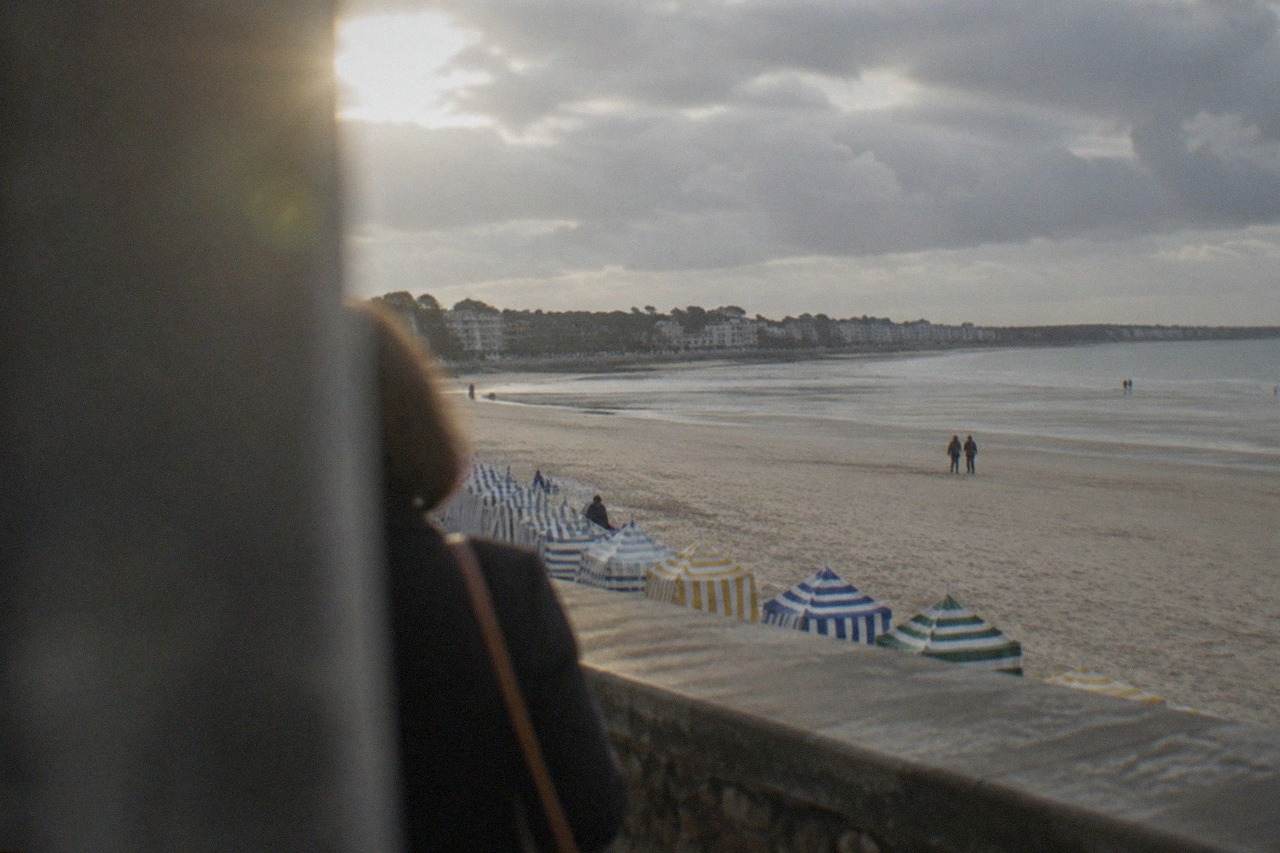
Nantes is not on the coast, but the nearest Atlantic beaches are 33 to 65 minutes away by TER train. La Baule is the closest major sandy beach at about 51 minutes from Nantes station, with Saint-Nazaire reachable in about 33 minutes, Pornic in roughly an hour, and Le Croisic in about an hour and three minutes.
Nantes, in the Loire-Atlantique department of the Pays de la Loire region in western France, is an inland river city: the Loire and the Erdre run through it, and the sea does not. That is the honest starting point, and it is also the reason beach planning here is unusually simple. Almost every worthwhile stretch of Atlantic coast in this department is strung along a single rail corridor running west from Nantes station towards Saint-Nazaire, La Baule and Le Croisic, with a second branch to Pornic country. This guide sets out the essentials: exact train times, honest climate numbers, entry prices for the coastal attractions worth building a day around, and how to organise the whole thing with or without a car. For wider trip planning around the city itself, the Nantes Travel Guide homepage collects the essentials.
Are There Beaches In Nantes Itself?
There are no ocean beaches in Nantes itself, because the city sits roughly 50 km up the Loire from the Atlantic shore at Saint-Nazaire, and the river inside the city is tidal, silty and not a swimming spot. The nearest real sand is on the coast of Loire-Atlantique, reachable by TER train in 33 minutes to Saint-Nazaire and about 51 minutes to La Baule. Waterfront leisure in Nantes means river terraces, the Erdre, and the Navibus boats, not swimming.
That distinction matters, because plenty of lazy write-ups blur it. The Loire at Nantes is a working, tidal estuary river: in February 2026 it reached 8.18 m at the Pont Anne-de-Bretagne, the first time it had passed 8 m in about 15 years, which closed parts of the riverside including the Mémorial de l'abolition de l'esclavage, whose own practical page confirms it shuts during Loire floods. Nobody swims in that water. What Nantes does offer on hot days is riverbank life: the green line of Le Voyage à Nantes, guinguettes on the banks, and boat trips on the Erdre aboard the Navibus N3 or the Na Boa cruise, all covered in the Erdre river cruise guide.
The jet-ski session sold near Nantes is the one genuinely water-based activity on this site's roster that hints at how locals handle the summer: a short thrill on enclosed water rather than a beach day. It runs from EUR 35.00 per person for a 10-minute session, priced in euros exactly as the operator lists it, with reviews available on the live listing. If your trip is short and you want water, splash, sun and a quick return to the city centre, that is the fastest option on file.
For everything else, the honest answer is a day trip west. The free things to do in Nantes page covers the zero-cost city days; this page is about the coast.
Which Beach Towns Are Closest To Nantes By Train?
Four coastal towns sit within about an hour of Nantes by direct TER train: Saint-Nazaire at about 33 minutes, La Baule at about 51 minutes, Pornic at roughly 59 to 65 minutes, and Le Croisic at about one hour and three minutes. All run from Nantes station along the same western corridor, so no car is needed for any of them, and a standard TER ticket covers the journey. Trains run regularly through the day on this line.
Those journey times come from the SNCF Connect route data on file, and they are the numbers to plan around. Saint-Nazaire is the industrial port face of the coast: big ships, submarine history, and the Escal'Atlantic liner museum rather than a resort beach. La Baule is the grande dame, the long bay of hotels and sand that people mean when they say "the beach near Nantes". Pornic faces south over a sheltered, rocky shoreline. Le Croisic and Batz-sur-Mer are the saltier, wilder end, where the coast turns to rocks and the Guérande salt marshes begin just inland.
| Coastal town | Fastest TER from Nantes | What the coast is like there |
|---|---|---|
| Saint-Nazaire | ~33 min | Port city, shipyard heritage, Escal'Atlantic museum, small local beaches |
| La Baule | ~51 min | Long sandy bay, resort town, promenade, the classic family beach day |
| Pornic | ~59-65 min | Sheltered coves and rocky shoreline on a south-facing coast |
| Le Croisic | ~1 h 03 | Rocky wild coast, fishing port, edge of the salt-marsh country |
A useful bonus on file: the Pass Nantes, the city's tourist pass, includes one TER return journey to Clisson, not to the coast, so it does not cover the beach trains. The coastal TER is simply bought like any regional ticket. Check the getting around Nantes guide for how the transport layers fit together.
Before committing a full day to the coast, many visitors spend their first morning getting oriented in the city itself. The short walk with a local is the cheapest guided option on the roster for exactly that.
What Is The Beach At La Baule Like?
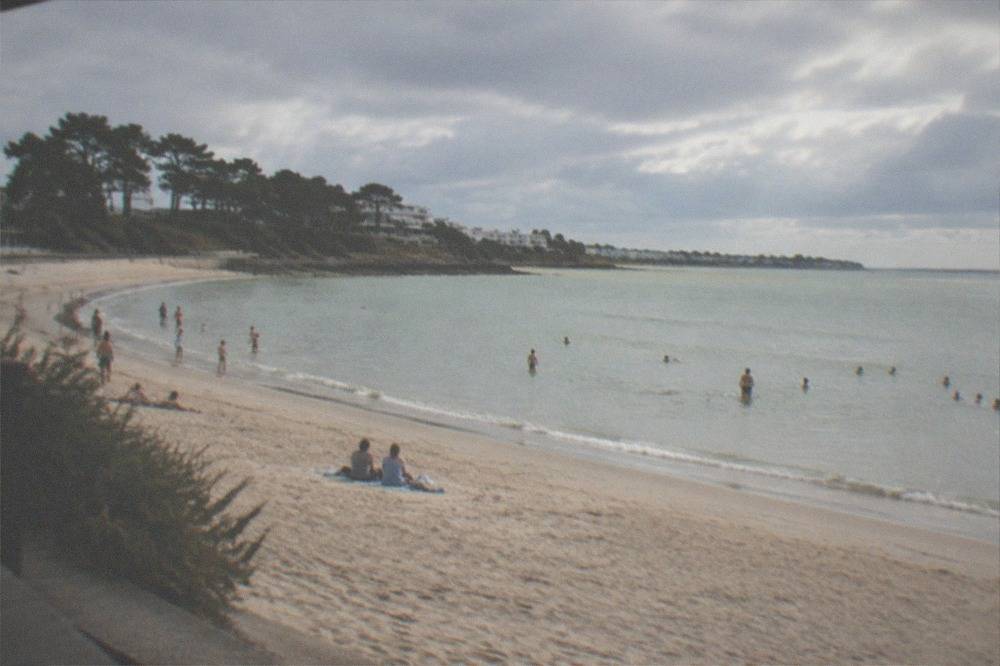
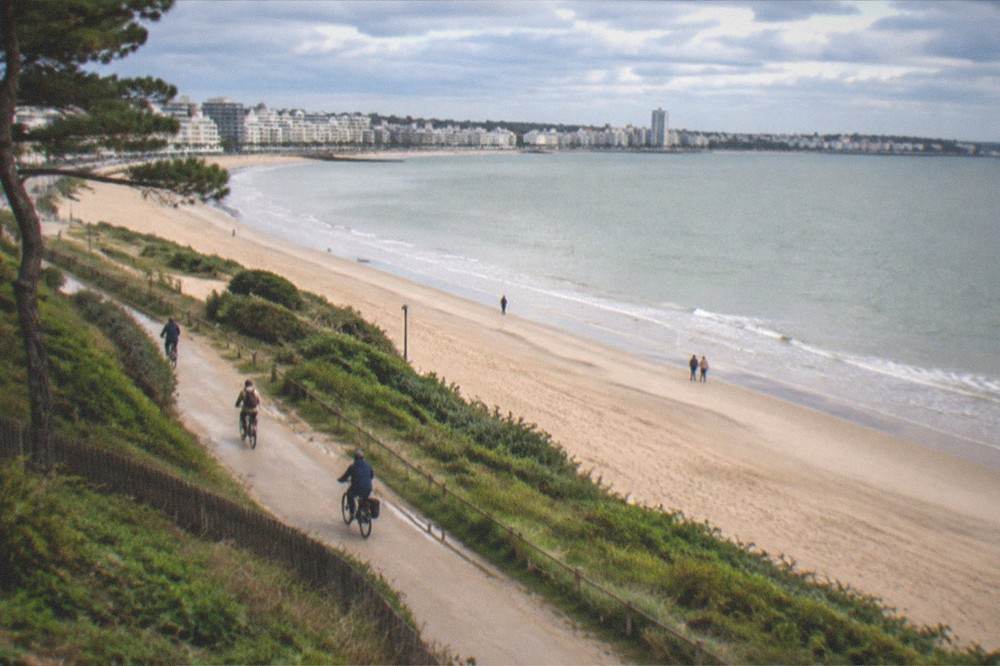
La Baule is the closest thing Nantes has to a proper resort beach: a long, continuous sandy bay backed by a promenade, Belle Époque hotels and villas, reached in about 51 minutes by TER from Nantes station. Its length is disputed even in local reporting, with Ouest-France in 2026 questioning the "about 9 km" figure long attached to it, but every source agrees it is one of the longest single bay beaches in Europe.
The disputed length is worth a line of its own because it says something about the place. When a beach's measurement is a live local controversy, you know it is big enough that nobody has ever walked it end to end and complained. The practical shape of a La Baule day is simple: arrive at La Baule-Escoublac station, walk the short distance to the sand, and you have the full resort stack, cafés, ice cream, hired beach gear and supervised swimming zones in summer, without needing local knowledge.
The beach is also the stage for big events. The 39th Triathlon Audencia ran on 19-20 September 2026 with around 9,000 athletes and roughly 70,000 spectators estimated in local reporting, and the resort's September 2026 calendar included exhibitions, the Salon de l'Automne from 26 September and a teenagers' beach club, La Crique, that ran through July and August 2026. If you like your beach with a crowd and a finish line, race weekend is memorable; if you do not, check the calendar first.
Because La Baule is the default family answer for a Nantes beach day, it is also the busiest on any sunny weekend in July and August. The best time to visit Nantes guide goes into the seasons in depth; for the beach specifically, June and September are the sweet spots on file.
Is Pornic Worth The Train Ride For A Beach Day?
Pornic takes roughly 59 to 65 minutes by TER from Nantes, faces south over a sheltered, rockier shoreline than La Baule, and is best treated as a cove-and-harbour day rather than a long-sand day. The train data on file gives no faster figure than that range, so it is the longest of the three "easy" options, and it earns it with a completely different character: small beaches, a château above the harbour, and a coast that feels Breton.
That Breton feel is not an accident of geography, only of history: Loire-Atlantique was part of Brittany until a 1941 decree, a story unpacked on the is Nantes in Brittany page, and Pornic's granite and fishing harbour still carry it. The town's coastline is a series of small sandy coves between rocky points, so a Pornic day involves short walks between beaches rather than settling on one expanse of sand. Swimmers who like calm water prefer it to the open bay at La Baule, where Atlantic swell reaches the shore directly.
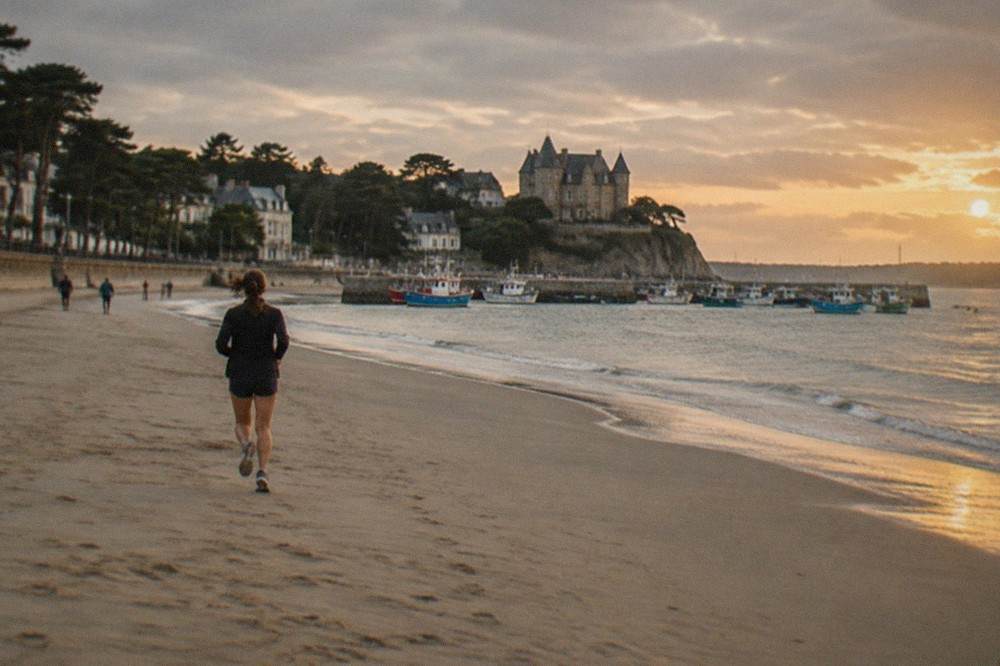
There is no verified attraction-pricing data on file for Pornic itself, so this guide will not invent any: no entry fee, no castle ticket, no parking figure appears here for Pornic. What is on file is the journey time, and the fact that the TER route serves it directly from Nantes. Plan around the train times, bring cash for harbour-side crêperies, and treat the day as a coastal walk between coves.
For a fuller flavour of what the coast around Nantes eats, the Nantes food guide covers beurre blanc, the sauce born in this region's kitchens and traditionally served with the Loire fish that coastal towns like Pornic still land.
What About Le Croisic, Batz-Sur-Mer And The Wild Coast?
Le Croisic is the far end of the beach line at about one hour and three minutes by TER from Nantes, and beyond it Batz-sur-Mer marks the shift from sandy bay to rocky, salt-making coast. This is the wildest shoreline near Nantes, where the beaches are coves between rocks, the horizon is the open Atlantic, and the Guérande salt marshes sit just inland, about 80 km from Nantes by road with an exceptional 2026 salt harvest on record.
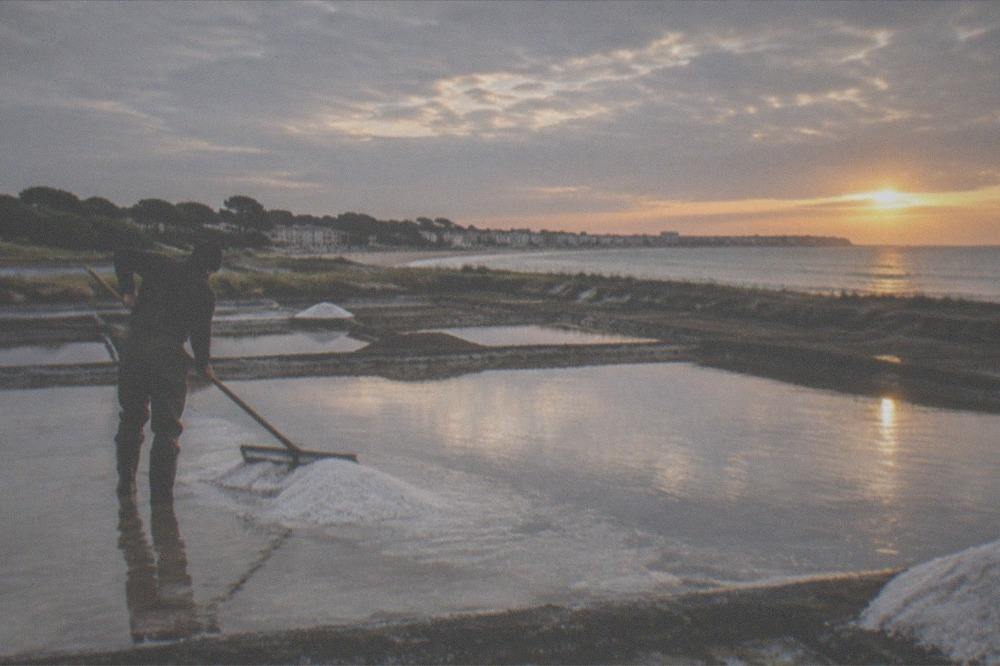
The salt is the detail that makes this end of the coast different. Local reporting from September 2026 describes a doubled harvest, with an average of around 1.5 tonnes per salt pan and some above 3 tonnes, thanks to the summer heat; the same heat wave that set Nantes's all-time record of 42.2 °C on 24 June 2026. Terre de Sel runs guided visits of the marshes year-round, and the area is noted in the research for around 200 bird species. The medieval town of Guérande sits inside its ramparts at the edge of this landscape, and the full story, including the 2026 water-network works affecting the boulevard du Général de Gaulle area from late September, is on the Guérande guide.
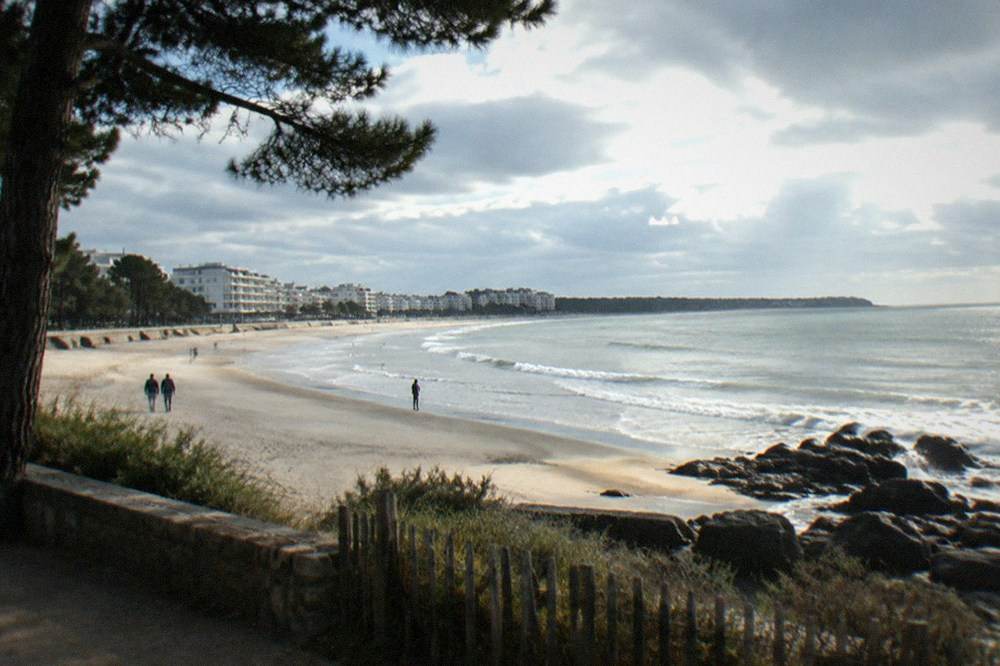
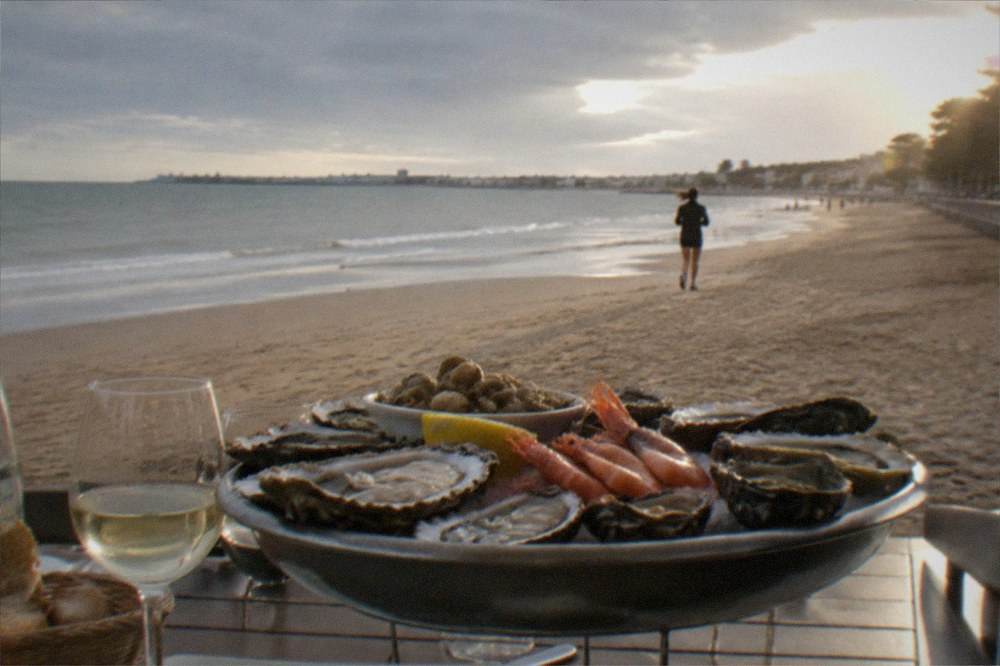
Batz-sur-Mer and the coast between it and Le Croisic are for walkers and photographers more than swimmers: the rocks and the light are the attraction, and the oyster beds of the peninsula are the food reason to come. Le Croisic itself is a working fishing port with a marine aquarium heritage and a harbour where the day's catch goes straight to the quayside restaurants.
One timing note from the events file: if your coastal day doubles as a music trip, Hellfest at Clisson ran 18-21 June 2026 and its 20th-anniversary edition is set for 17-20 June 2027, but Clisson is inland on a different line, so it does not combine with a beach day by train.
When Is The Best Time Of Year For Beaches Near Nantes?
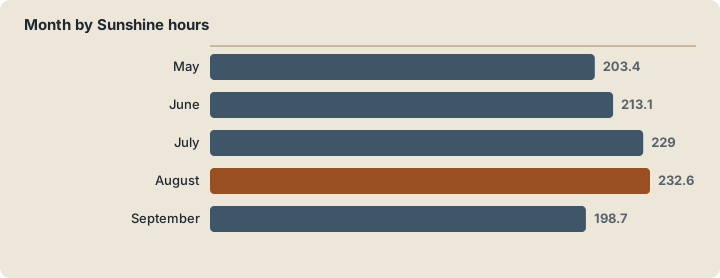
The verified Météo-France normals for the Nantes-Bouguenais station show a temperate oceanic climate, not a Mediterranean one: mean daily maxima of 23.0 °C in June, 25.1 °C in July and 25.4 °C in August, falling to 22.4 °C in September, with June the wettest summer month at 48.5 mm and July the driest at 44.2 mm. Beach weather is real here, but it is Atlantic beach weather, and the sea takes longer to warm than the air.
Those figures come from the 1991-2020 normals for the station, and they are the numbers that should set expectations. Nantes is on the same climatic footing as its coast: mild, green, occasionally stormy, with 819.5 mm of rain spread across 119.7 days of at least 1 mm in an average year. What the normals also show is how good the shoulder months are. September averages a 22.4 °C daily maximum with only 59.5 mm of rain and 198.7 hours of sunshine, and June averages 213.1 hours of sunshine, more than July's 229.0 hours falls only just short of August, the sunniest month at 232.6 hours.
| Month | Mean max °C | Mean min °C | Rain mm | Sunshine hours |
|---|---|---|---|---|
| May | 19.6 | 9.8 | 61.0 | 203.4 |
| June | 23.0 | 12.7 | 48.5 | 213.1 |
| July | 25.1 | 14.3 | 44.2 | 229.0 |
| August | 25.4 | 14.2 | 50.3 | 232.6 |
| September | 22.4 | 11.8 | 59.5 | 198.7 |
Two recent years colour in the extremes behind those averages. Summer 2025 reached a maximum of 37.4 °C with 12 days above 30 °C and 701 sunshine hours across the season, while June 2026 brought the all-time station record of 42.2 °C on 24 June, with several days above 40 °C and heat alerts in Loire-Atlantique. July 2026 also set a monthly sunshine record of 382 hours in Nantes. The takeaway for beach planning: the sea warms late and holds its heat into September, crowds peak in July and August, and the smart money on file is June or September, when the Nantes weather normals are at their best balance.
Do You Need A Car To Reach The Beaches Near Nantes?
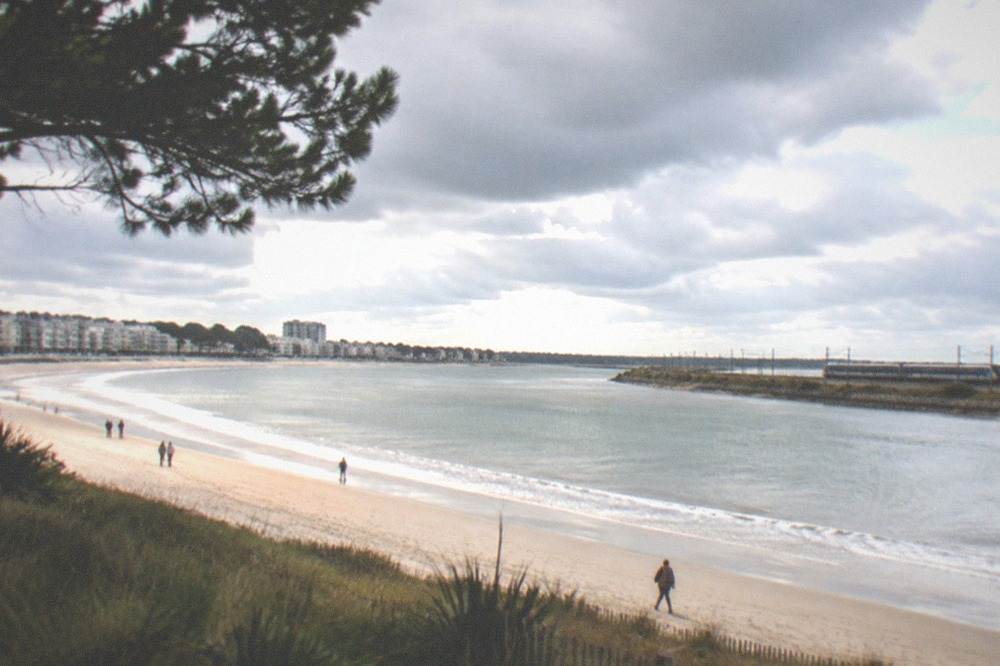
No, you do not need a car for the main beaches: Saint-Nazaire, La Baule, Pornic and Le Croisic are all served by direct TER trains from Nantes, with the fastest journeys running 33 minutes to about one hour and three minutes. A car only becomes useful for Guérande's salt marshes and the smaller coves between towns, where the research gives about 80 km by road from Nantes, and for flexibility along the coast road itself.
The train-first plan is the one this guide recommends, and not only for the environmental reason. Nantes station is the hub of the whole region, and the western TER line along the Loire estuary drops you within walking distance of sand at La Baule and of the harbour at Le Croisic. On weekends there is an extra sweetener on file: the Naolib network inside the agglomeration is free for everyone from Saturday 00:00 to Sunday 23:59, though the airport shuttle is excluded from that and always costs 10 EUR. That weekend rule covers the city end of your journey, not the TER to the coast, which is a separate regional ticket.
| Ticket | Price | What it covers |
|---|---|---|
| Naolib 1 h ticket | 1.80 EUR | Tram, bus, Navibus and TER inside the métropole for one hour |
| Naolib 10 × 1 h | 17.80 EUR | Carnet of ten one-hour tickets |
| Naolib 24 h ticket | 6.80 EUR | A full day on the network |
| Naolib 24 h, 4 people | 15 EUR | Group day ticket |
| Airport shuttle | 10 EUR | Airport to city, always charged, even on free weekends |
If you do drive, the car hire Nantes guide covers the rental side, and the honest pattern on file is this: the coast road between La Baule, Le Croisic and Guérande is a genuinely lovely drive, salt pans on one side, ocean on the other, and parking at the smaller coves is part of the reason people take it. The one thing the verified pack does not contain is parking prices at the beaches, so this guide prints none: assume paid parking in every resort town in July and August, and check signs.
What Else Can You Combine With A Beach Day On This Coast?
The coast near Nantes is not only sand: Saint-Nazaire's Escal'Atlantic charges 15 EUR adult, 13 EUR reduced and 7.50 EUR for children aged 4-17 with under-4s free, the Guérande salt marshes run year-round guided visits, and Le Croisic supplies the seafood lunch. Those three anchor a beach day into a full coastal itinerary.
Escal'Atlantic, inside the former submarine base at Saint-Nazaire, is the strongest all-weather anchor on the coast: a self-guided tour through the liner age, roughly one to one and a half hours, with guided tours daily from around 1 April to 1 November at 10:30 and English-language guiding in summer. Its 2026 schedule includes daily opening from 19 October to 1 November, and a temporary exhibition on the liner Normandie runs from July 2026 to September 2027. The research also notes it is part of a local pass and that pets are not admitted apart from guide dogs.
| Escal'Atlantic, Saint-Nazaire | 2026 price |
|---|---|
| Adult | 15 EUR |
| Reduced | 13 EUR |
| Child 4-17 | 7.50 EUR |
| Under 4 | Free |
The salt-marsh visit is the second anchor. Guérande's 2026 harvest was exceptional, as covered above, and Terre de Sel's guided visits run year-round, which makes the marshes one of the few coastal attractions that works in October as well as July. The third anchor is simply lunch: the oyster beds of the Le Croisic peninsula and the fish landed at Pornic and Saint-Nazaire feed the quayside restaurants, and the regional pairing on every menu is fish with beurre blanc, the Nantes sauce that local restaurateurs were pursuing protected traditional-specialty status for as of 2025 reporting.
If you would rather see the coast from the water than beside it, the jet-ski option near Nantes covers the fast-adrenaline version, and the Na Boa cruise on the Erdre covers the calm one, though its price is not published by the operator and renders only through its own listing. For the full catalogue of guided options out of the city, the tours hub is the place to browse.
How Much Does A Beach Day From Nantes Actually Cost?
The train-first beach day carries a TER return fare to the coast, beach time which is free on the public strands, and optional extras: Escal'Atlantic at 15 EUR adult, salt-marsh visits with no verified price printed here, and resort-town lunches. A Pass Nantes does not help on this route, as its included TER return is to Clisson only, so the honest arithmetic is: train ticket plus lunch plus any single paid attraction you choose.
The verified Pass Nantes prices are worth having on the table anyway, because many visitors buy one for the city portion of their trip before heading coastwards, and the pass's inclusions, château museum, Galerie des Machines, Carrousel, transport, one airport-shuttle return, stop short of the sea.
| Pass Nantes (from 1 April 2026) | Full | Reduced | Family |
|---|---|---|---|
| 24 h | 30 EUR | 20 EUR | 80 EUR |
| 48 h | 40 EUR | 26 EUR | 106 EUR |
| 72 h | 49 EUR | 31 EUR | 129 EUR |
| 7 days | 75 EUR | 45 EUR | 195 EUR |
For the city nights before and after your beach day, one reported cost to attribute rather than print as bare fact: Nantes Métropole's 2026 tourist tax runs at 2.86 EUR per person per night at 4-star hotels, 1.87 EUR at 3-star and 1.10 EUR at 2-star, figures reported from the tax schedule rather than fetched directly, with unclassified stays at 5.5% of the nightly price capped at 5.39 EUR. The where to stay in Nantes guide puts those tiers in context, and the Nantes on a budget page shows how to keep the whole trip lean.
What If You Only Have Half A Day Or Less?
With half a day, Saint-Nazaire is the practical pick at about 33 minutes each way by TER, giving you the estuary, the submarine-base heritage and a quick harbour-side lunch within a tight window. With a full day, La Baule at about 51 minutes is the sand answer; with a long weekend, add Pornic and Le Croisic. The golden rule from the timetable data is that every extra hour of beach costs you only its train time, and the whole coast is on one line west.
Half-day planning from Nantes has a rhythm to it. The morning starts with the city: the 60-minute orientation walk with a local covers the core of the old town in the time it takes your coffee to wear off, and the departure board at Nantes station does the rest. By late morning you can be on the coast, and back in Nantes for dinner, which is a claim few inland cities in France can make so cheaply.
The electric-bike panoramic tour is the other half-day-friendly option on the roster: two and a half hours of guided riding that shows the river faces of the city, before you decide whether the afternoon goes to the coast or to a terrace. Some visitors split it exactly that way, city by bike in the morning, TER west after lunch, sand by three.
For the deeper itinerary versions, the day trips hub collects the coastal and inland options together, and the one-day and three-day city itineraries show how a beach day slots into a longer stay. However you build it, keep one thing from this page's numbers in your head: the Atlantic is closer to Nantes than people tend to assume, and the train, not the car, is the way the region itself gets there.
Common Questions About Beaches Near Nantes
Are There Any Beaches In Nantes Itself?
No. Nantes is an inland city on the Loire and Erdre, roughly 50 km from the Atlantic shore. The river through the city is tidal and not for swimming; water-based leisure in Nantes means the Navibus boats, the Erdre and riverside terraces.
What Is The Closest Beach To Nantes By Train?
Saint-Nazaire is the closest coastal stop at about 33 minutes by TER from Nantes, but it is a port city with small local beaches. The closest major sandy beach is La Baule, about 51 minutes by TER.
How Far Is La Baule From Nantes?
The fastest TER trains cover Nantes to La Baule-Escoublac in about 51 minutes on the route data on file. The bay itself is one long stretch of sand whose length is locally disputed, with even the traditional "about 9 km" figure questioned in 2026 reporting.
Can You Swim At The Beaches Near Nantes?
Yes, in summer. The climate is temperate oceanic, with mean daily maxima of 25.1 °C in July and 25.4 °C in August at the Nantes-Bouguenais station, and the sea warms gradually, holding its heat into September, when the mean daily maximum is still 22.4 °C.
Is The Beach At La Baule Free?
The public beach is free to access, as public beaches in France are. Costs come from optional extras: hired beach gear, cafés and restaurants, and any paid attraction such as the salt-marsh visits or, at Saint-Nazaire, Escal'Atlantic at 15 EUR adult.
Do You Need A Car To Visit The Beaches Near Nantes?
No. Saint-Nazaire, La Baule, Pornic and Le Croisic are all on direct TER lines from Nantes with fastest journeys of 33 minutes to about one hour and three minutes. A car only helps for the smaller coves and the Guérande salt-marsh country, about 80 km from Nantes by road.