Saumur
Saumur, in the Loire Valley upstream of Nantes, pairs a fairytale château above the river with serious sparkling wine country, and it works as a full day out from the Pays de la Loire's capital.
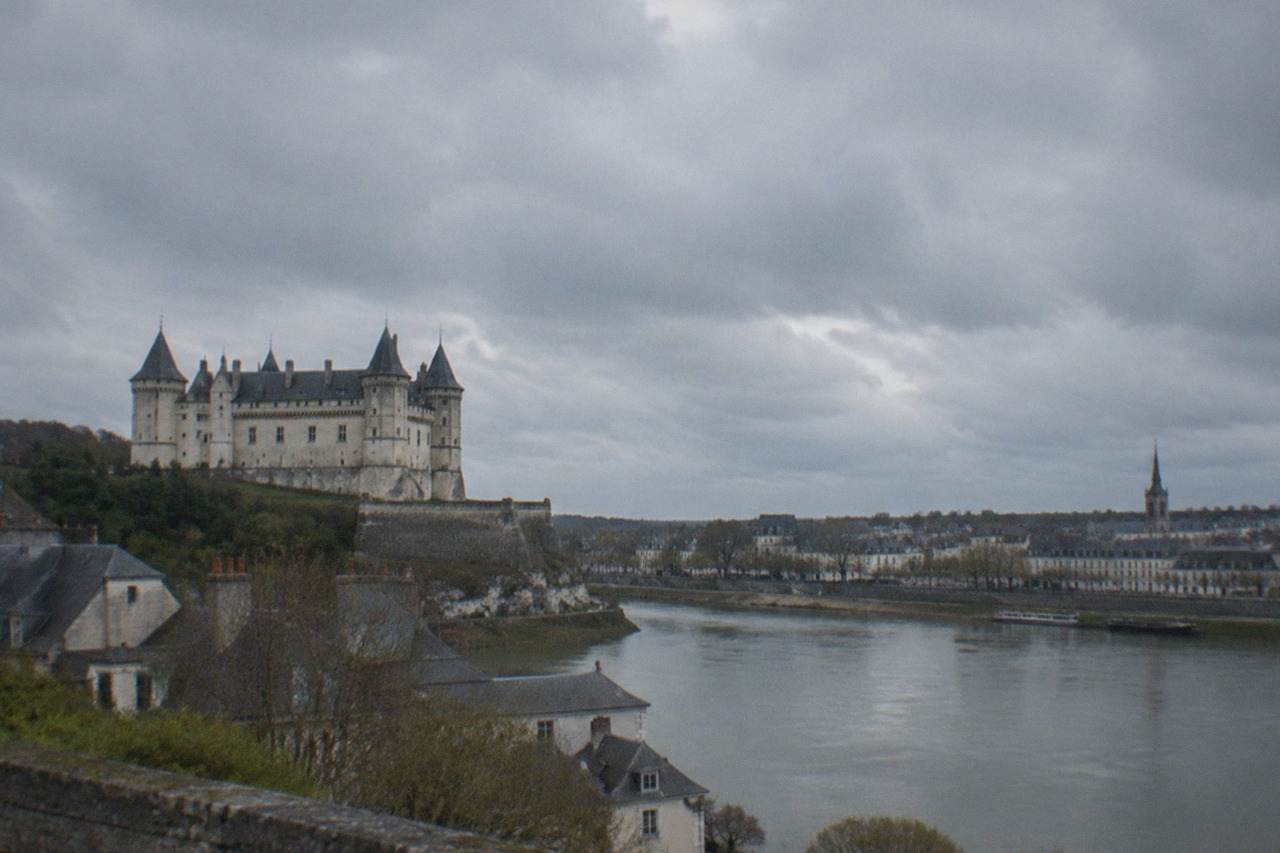
Short answer
Saumur is a Loire Valley town east of Nantes in western France, known for its riverside château, its riding academy tradition and its red and sparkling wines. Most visitors from Nantes treat it as a full-day trip by car or train, combining the old town, the château and a cellar tasting.
Saumur gives Nantes, in the Loire-Atlantique department of the Pays de la Loire region of western France, something the city itself cannot: a Loire Valley château perched on a hill above the river, cave cellars carved into the tuffeau limestone, and a wine country that makes its name in red and sparkling bottles rather than the Muscadet whites of the Nantes area. The town sits upstream on the Loire, in the Maine-et-Loire, and it rewards a full day rather than a rushed afternoon. This guide sets out what to see, how the trip fits with a Nantes stay, and what the verified numbers say about costs, seasons and pairings, with the wine, château and transport facts checked against primary sources rather than travel-brochure memory.
Where Is Saumur And Why Does It Pair So Well With Nantes?
Saumur lies in the Maine-et-Loire, on the north bank of the Loire upstream of Nantes, in the same Pays de la Loire region but outside the Loire-Atlantique department. It is a wine town with a château, a national riding academy and cave cellars in tuffeau stone, the natural inland counterpart to Nantes: one city on the Loire's tidal reach, one town where the valley of châteaux begins. The trip also changes the wine, from Muscadet whites to Cabernet Franc reds and Chenin Blanc sparkling.
The pairing works because the two towns bookend a single river. Nantes sits where the Loire broadens toward the ocean, its history tied to trade, shipbuilding and the Muscadet vineyards that hug the Sèvre and Maine rivers south and east of the city. Saumur sits where the valley narrows again, the white tuffeau cliffs appear, and the wine map flips to the Anjou-Saumur styles. Drive or ride between them and you trace the whole character of the middle Loire in one day, which is why this trip appears on so many Pays de la Loire itineraries alongside the coastal runs to Guérande and La Baule.
For travellers basing themselves in Nantes, the site's day trips overview is the fuller menu: Atlantic beaches to the west, Brittany to the north, and the Loire Valley to the east. Saumur belongs firmly in the eastern group, alongside Angers and the wider circuit of Loire Valley châteaux, and it is the option that best mixes architecture, wine and riverside walking in a single stop.
One warning before the practicalities: the Nantes end of the trip is not static. The Tour Bretagne has no rooftop access in 2026, the natural history museum is closed for works until 2029, and the cathedral partially reopened on 27 September 2025 with full reopening planned for 2028. Plan the Nantes half of the day from current information, not from older guidebooks.
What Are The Best Things To See In Saumur On A Day Trip?
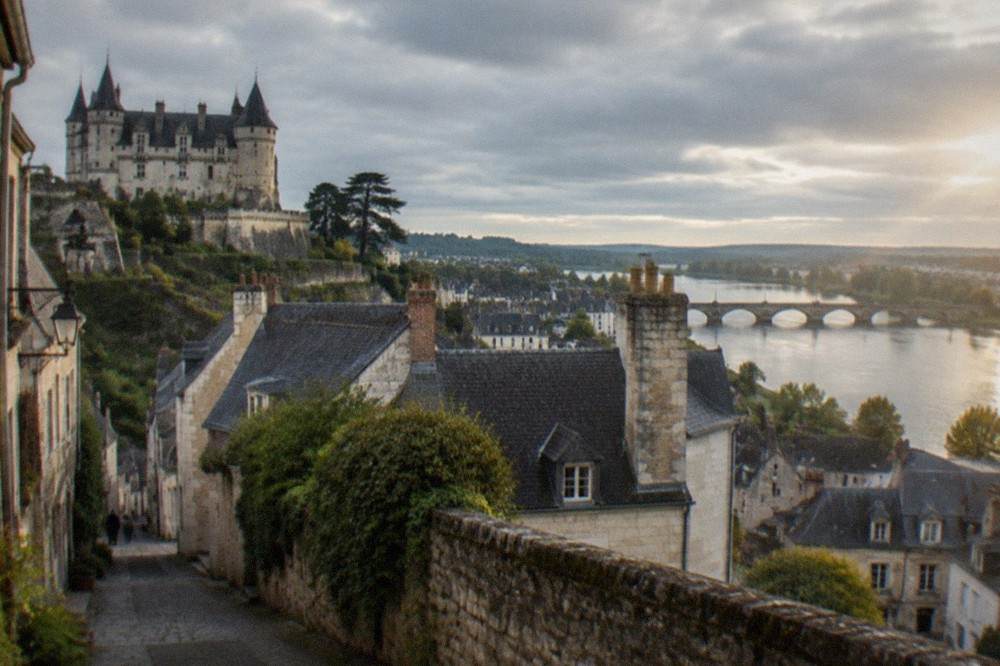
The four essentials in Saumur are the château on its hill above the Loire, the old town of stone and slate beneath it, the riverside quays, and a cave-cellar visit in the tuffeau cliffs ending in a tasting of Saumur's red and sparkling wines. The château holds the town's decorative arts museum, while the riding tradition of the Cadre Noir, the French national equitation academy, is the cultural signature many travelers know before they arrive. Fit the first three by foot in half a day.
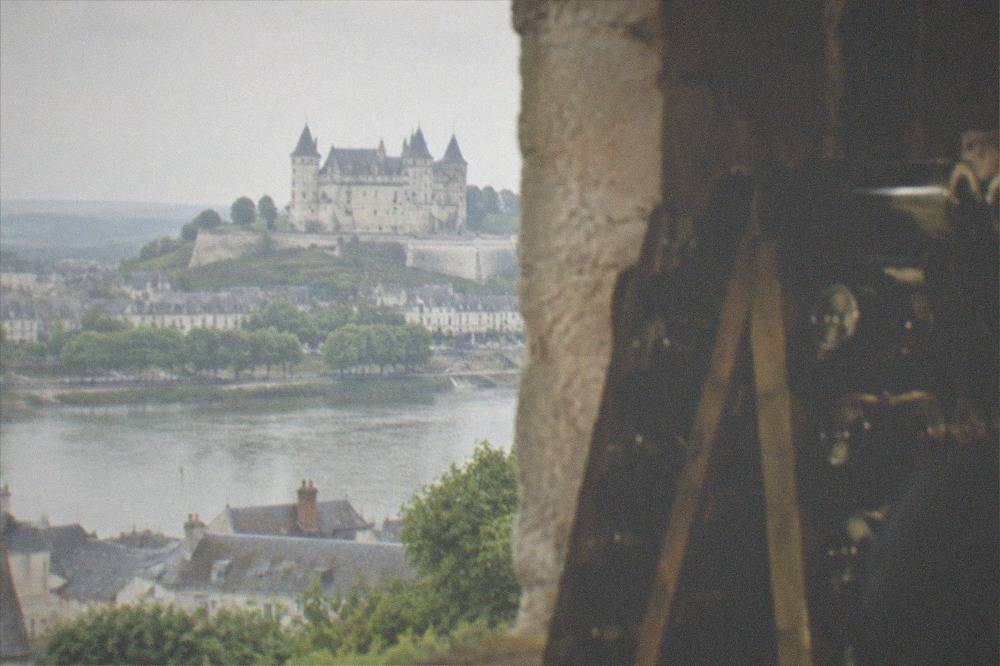
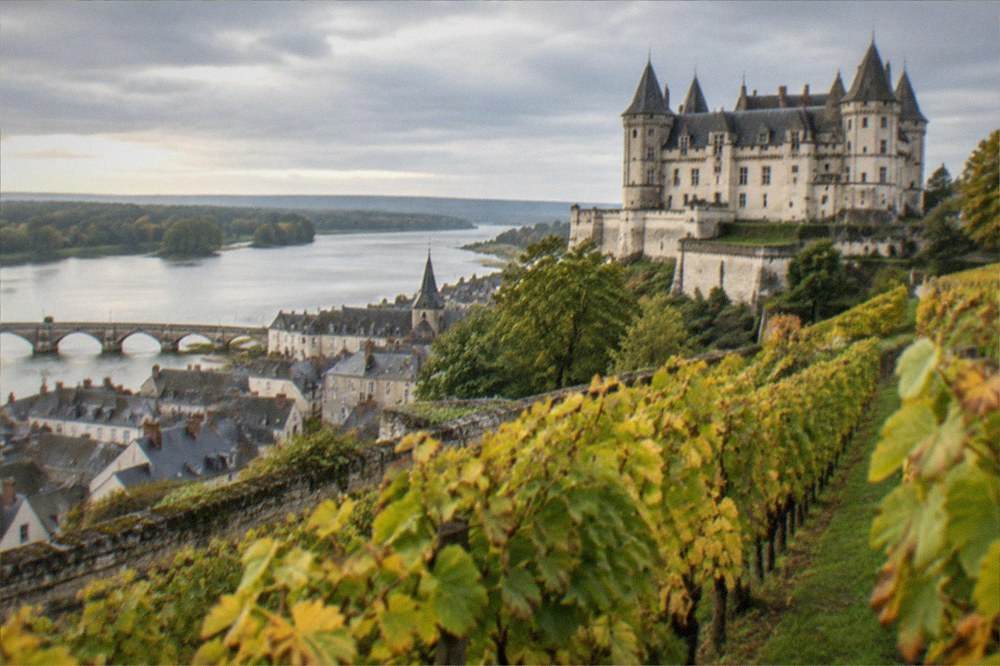
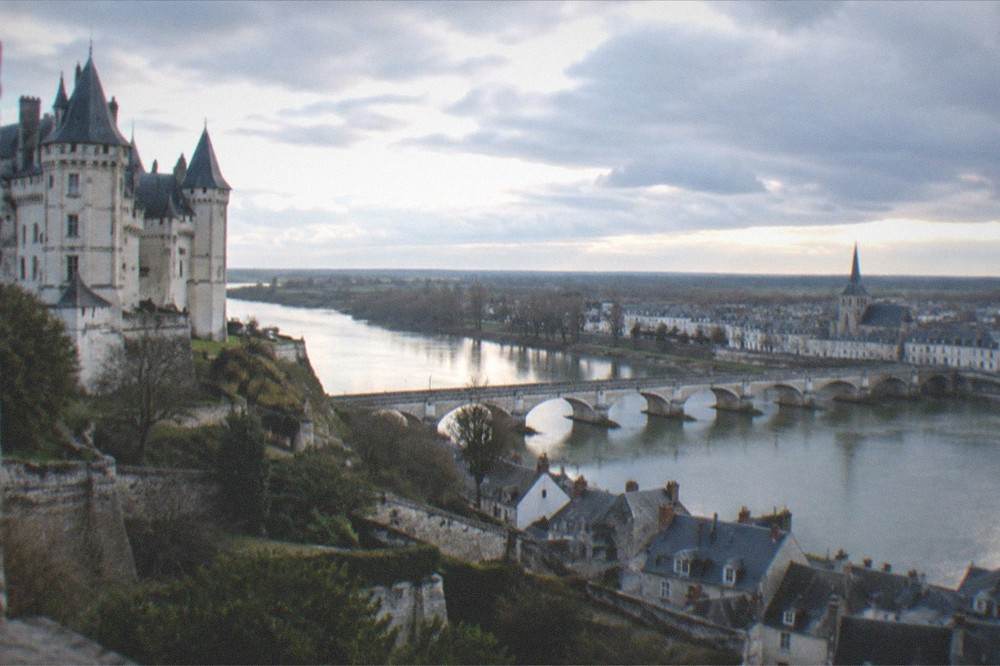
The château is the image of Saumur, the fairytale silhouette printed on labels of Saumur's sparkling wines and photographed from the opposite bank for good reason. Its position above the river was military long before it became romantic, and the building you see today reflects centuries of rebuilding after war damage and decline. Check the château's own site before you visit for current opening arrangements, museum access and any temporary closures, because Saumur's monument, like the Château des ducs de Bretagne in Nantes, runs variable hours and rotating exhibitions that a printed guide cannot keep pace with.
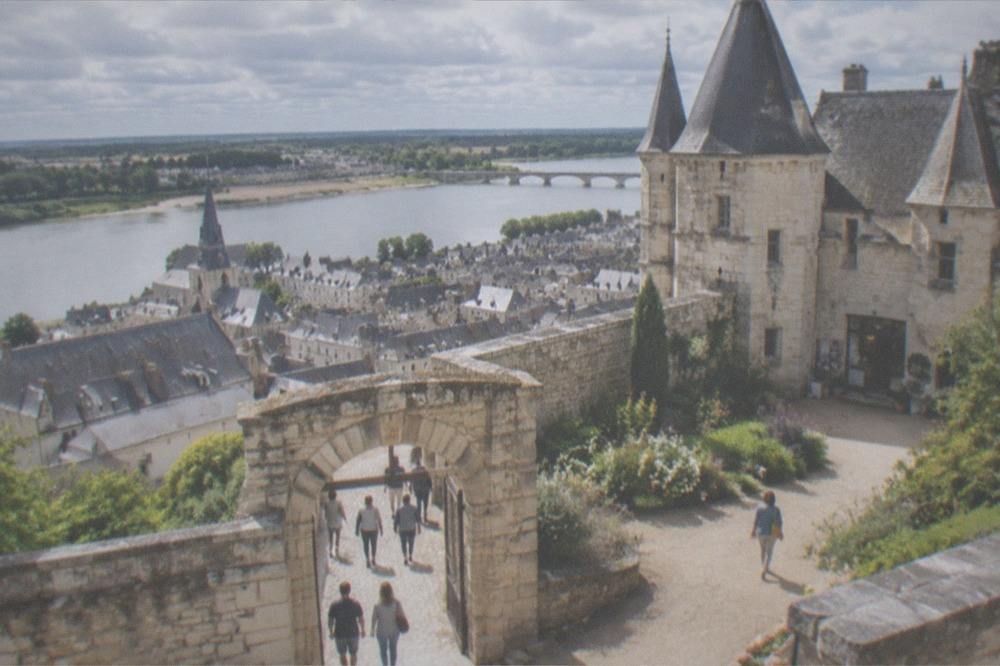
Below the fortress, the old town steps down to the Loire in narrow streets of tuffeau stone, and the quays give the classic view back up at the towers. The riverbank is the natural midday stop, and in summer the water level and the sandbanks change the whole character of the scene. It is also the spot to grasp why this stretch of the Loire earned the valley its château-country reputation, a landscape of vineyards and pale cliffs rather than the industrial reaches around Nantes.
The fourth essential takes you below ground. The tuffeau limestone that built the châteaux was quarried in galleries along the valley, and those caves became the region's cellars, mushroom farms and even dwellings. In and around Saumur, several producers open their tunnels for visits that explain the sparkling wine method and finish at the tasting counter. That, more than any single monument, is the experience that separates Saumur from every other day trip in this region.
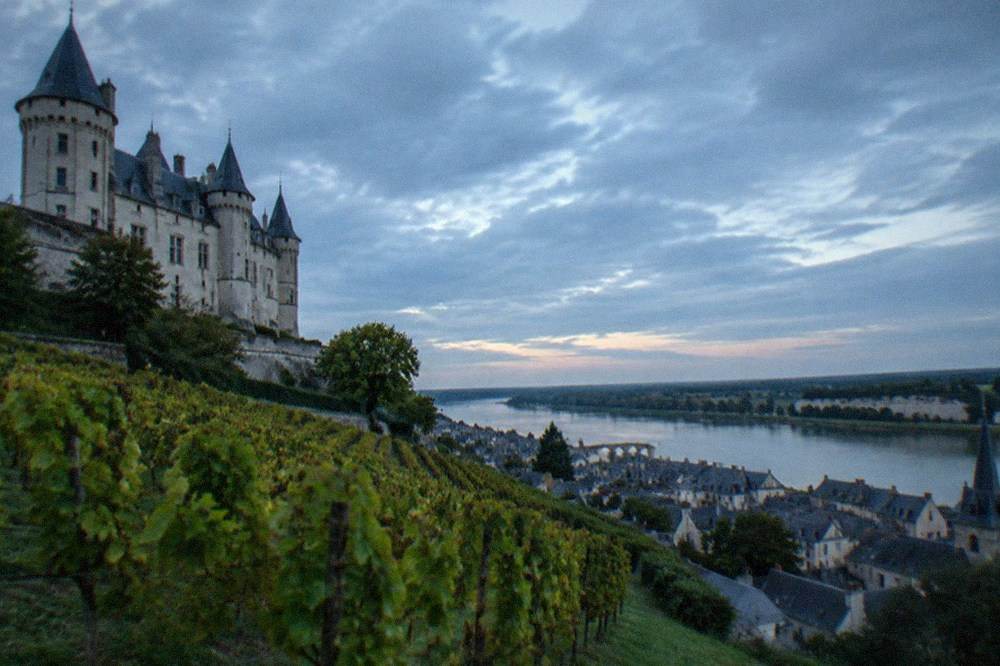
Riding enthusiasts should note the Cadre Noir carefully. The academy is a living institution, the home of French classical equitation, and its public presentations and performances are scheduled events rather than everyday attractions. Tickets for gala performances sell out far ahead, and a day-tripper arriving without a booking should expect to see the town and the stables' exterior rather than the riders themselves. Treat any visit as a bonus, not the plan.
How Do You Get From Nantes To Saumur?
Saumur is reached from Nantes either by car along the Loire valley roads of the Pays de la Loire, or by train with a connection, typically routed via Angers, since no direct high-speed link serves Saumur the way the Nantes to Paris TGV corridor serves Angers itself. The figures that matter for planning sit on the Nantes side, covered below. For Saumur itself, check the live rail timetable rather than any printed duration.
That last sentence is deliberate. Plenty of guides quote a journey time for Nantes to Saumur, but no official, fetchable figure for that exact journey sits in the verified facts behind this site, and a number typed from memory would be exactly the kind of guess this guide refuses to print. What the sources do verify is the rail geography of the region: Nantes connects to Paris Montparnasse with roughly 24 daily trains each way and fastest direct services of about two hours, and the TER network fans out from Nantes to the region's towns, including Angers to the north-east, which is the natural rail gateway to Saumur country. Combine the verified Nantes to Angers leg with the Angers to Saumur regional leg on the day, and buy through tickets so a missed connection is the operator's problem rather than yours.
Drivers have the more scenic and more flexible option. The D-road network follows the north and south banks of the Loire, passing vineyards, troglodyte villages and viewpoints, and a car lets you break the journey at a cellar door or a riverside lunch stop that the train timetable skips. Parking in Saumur is concentrated around the town centre and the quays, and arriving early in the day eases both parking and the light for photographs of the château from the south bank.
Before you leave Nantes, the city's own transport numbers are worth knowing, and they are verified. The Naolib one-hour ticket costs 1.80 €, the 24-hour ticket 6.80 €, and a 24-hour ticket for four people 15 €. At weekends, the entire Naolib network, trams, buses, Navibus river shuttles and TER trains inside the metropolitan perimeter, is free for everyone from 00:00 Saturday to 23:59 Sunday, with one exclusion that catches visitors out: the airport shuttle always costs 10 € and is never part of the weekend free travel. That shuttle runs every 20 minutes from April to October and every 30 minutes from November to March, takes about 20 minutes between the station area and the terminal, and since 30 March 2026 its city stop has been at the Gare routière, quai A.
For contrast, here is what the verified sources give for the quick rail day trips around Nantes, useful if you are weighing Saumur against a shorter hop:
| Day trip from Nantes | Rail link | Verified journey figure | Character |
|---|---|---|---|
| Clisson | TER | from about 15 minutes, averaging about 23 | Italianate town, château, vineyards |
| Saint-Nazaire | TER | from about 33 minutes | Shipbuilding port, submarine base, Escal'Atlantic |
| La Baule | TER | from about 51 minutes | Long sandy beach, Belle Époque villas |
| Pornic | TER | about 59 to 65 minutes | Fishing port, coastal paths, oysters |
| Le Croisic | TER | from about 1 hour 3 minutes | Salt marshes and rocky coves |
Saumur sits beyond that quick-rail ring, which is precisely its appeal for travellers who want the Loire Valley proper rather than the coastal fringe.
Is Saumur A Good Wine Destination Compared With Muscadet Country?
Saumur makes a genuinely different wine proposition from the Muscadet country around Nantes: where the Nantes area grows Melon de Bourgogne into dry, saline whites with the sea in reach, Saumur country grows Cabernet Franc for reds and Chenin Blanc for its traditional-method sparkling wine, aged in the tuffeau caves that were quarried to build the châteaux above them. Both are Loire Valley wine zones, both are reachable from Nantes, and a visitor with two free days can honestly do both.
The contrast is the reason to go. Muscadet, the wine of this site's Muscadet vineyards guide, is a white-only story defined by grape, soil and the sur lie ageing that gives the best bottles their texture; the Maison des vins de Muscadet at Vallet is the recognised starting point, and the 2026 vintage will be remembered for its record-early harvest, its ban declared on 11 August 2026, and its reduced yields. Saumur is the mirror: reds and sparkling wines, cliff cellars, and a wine culture that grew alongside the riding academy rather than the fishing ports.
A cave visit in Saumur usually covers three things in one stop: the geology of the tuffeau, the history of the galleries, and the bottle-aging racks of the traditional method, the same technique as Champagne but with Chenin Blanc and Cabernet Franc in the blend. Tastings typically end the visit. As always on this site, treat tasting fees as planning ranges and confirm on the spot, because cellar-door pricing changes with the season and the cellar, and no verified Saumur tasting tariff sits in the facts pack behind this page.
For the Nantes side of the wine story, a guided option exists. The Loire Valley wine tours hub collects the verified products, and the vineyard van tour below is the shortest of them:
| Wine zone | Signature grape | Signature style | Recognised starting point | Notes from the 2026 season |
|---|---|---|---|---|
| Muscadet, Nantes area | Melon de Bourgogne | Dry white, often sur lie | Maison des vins at Vallet | Harvest ban declared 11 August 2026, yields around 30 to 40 hl/ha |
| Saumur, Anjou-Saumur | Cabernet Franc | Red, also blended into sparkling | Saumur cave cellars in tuffeau | Cellar visits combine geology, history and tasting |
If the table reads as "one or the other", do not let it. The two zones are complementary rather than rival, and visitors who spend three or more days in Nantes, the case our three days in Nantes itinerary covers, have room for a coastal or a wine day plus one inland valley day.
Where Should You Eat And What Should You Taste In Saumur?
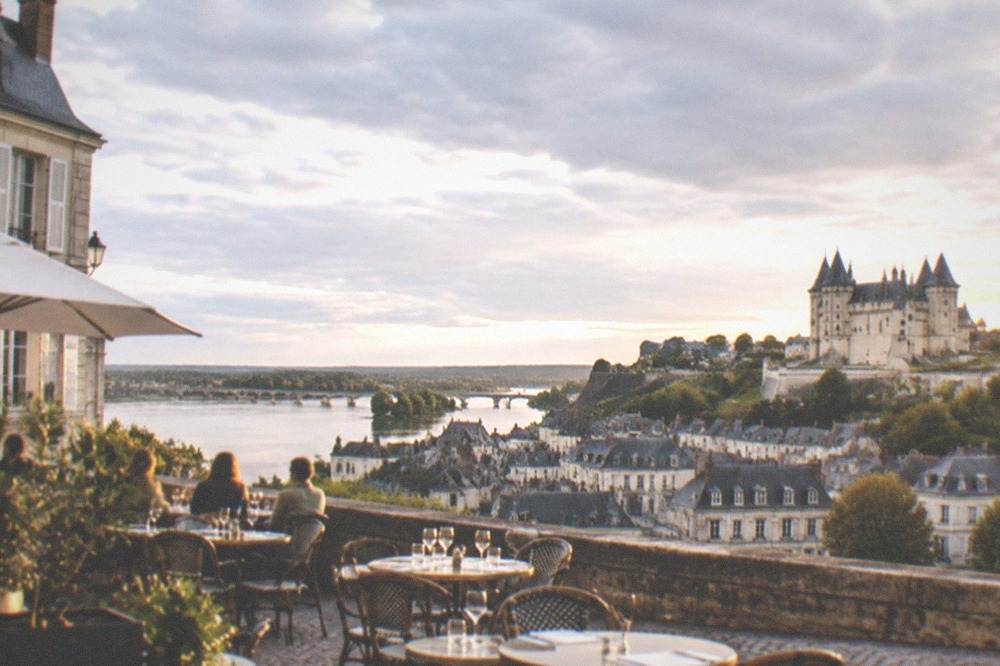
Saumur's table is Loire Valley cooking built on river fish, goat cheese from the hills around the town, and produce from the market gardens of the Anjou, washed down with the local red and sparkling wine rather than the seafood emphasis of Nantes. Old-town bistros below the château and the quayside cafés facing the Loire are the two natural settings.
The essential tastes are a glass of Saumur brut sparkling, a pour of Cabernet Franc red, and the local chèvre, from one of the Loire's classic cheese appellations.
That is the qualitative shape of the day's eating, and the honest limit of it: no verified Saumur restaurant figures, price ranges or names sit in this site's facts pack, so this guide will not invent a bistro tariff or a "best table" the way a brochure might. What can be printed with confidence is the regional frame. Nantes's own food identity, covered in the site's Nantes food guide, leans on Muscadet and beurre blanc, the emulsified butter sauce that Nantes restaurateurs are campaigning to have protected as a traditional speciality, plus the biscuits and sweets of LU heritage. Saumur's leans the other way, inland and red.
Two practical notes carry the day. First, lunch windows in provincial French towns close early by urban standards, and a day-tripper arriving in Saumur at midday should eat before exploring rather than after, when the kitchen may have stopped. Second, the market squares and food shops of the old town are the fallback: bread, cheese, fruit and a bottle bought at a cellar door make a riverside picnic that costs less than any restaurant and uses the quays as they were meant to be used. Other pages covering the same trip are gathered on Nantes Travel Guide.
For the wine, order by the local names. A traditional-method sparkling from Saumur, a still red from the same Cabernet Franc, and, if the list runs to it, a sweet Chenin from the broader Anjou, give the full arc of what the valley does. The sparkling is the bottle the town is proudest of, and it ages in the same caves visitors walk through, which is a story the waiter or cellar guide will happily tell.
How Long Should You Spend In Saumur, And What Can You Combine It With?
Saumur works best as one full day from Nantes, with the château, the old town and a cellar visit filling a comfortable schedule, though two days let you add the Cadre Noir, a second cellar and a drive into the troglodyte villages of the surrounding tuffeau country. Ambitious visitors base themselves in Saumur and combine it with Angers and the western Loire châteaux. Families with only one spare day should choose between Saumur and the coast rather than attempt both.
The honest sizing depends on what kind of traveller is doing the maths. A visitor whose main base is Nantes, working from the one day in Nantes or two days in Nantes itineraries, has one realistic shape: leave early, spend the middle of the day in Saumur, return in the evening. That single day covers the château exterior and museum, the old town, lunch and one cellar. It does not cover the Cadre Noir, which is a scheduled ticket, nor the wider troglodyte country, which wants a car and a second day.
The circuit option suits wine and château travellers. Angers, upstream on the Maine just before it meets the Loire, holds a fortress château with its famous medieval wall hanging, and the stretch between Angers and Saumur is among the densest sections of the whole valley. Add Saumur and you have the core of the western Loire in two nights. The trade-off is time away from Nantes itself, and the city's own weight, the Machines de l'île, the château museum, the reopened cathedral, argues for keeping at least one full city day.
Families should read the pairing carefully. Saumur is calmer, lower-key and less mechanical than Nantes's attractions, and children who loved the Grand Éléphant may find a cave cellar and a stone château slower company. The site's Nantes with kids guide is the comparison to make before committing a family's single free day.
What Does A Nantes-Plus-Saumur Trip Cost?
The verified cost figures for this trip all sit on the Nantes side: the Pass Nantes runs from 30 € for 24 hours to 75 € for seven days at full rate, the Machines de l'île charges 12 € full price for each of its three attractions with a 29 € three-activity day package, and the château museum is 9 € full and 5 € reduced. For Saumur's own entry prices, tastings and parking, this site has no figures, so check each venue's own listing before travel.
The Pass Nantes is the one product that touches both halves of the trip. Valid from 1 April 2026, it includes unlimited travel on the Naolib network, one airport shuttle return, park-and-ride for 24 hours, one TER return between Nantes and Clisson, and one entry per partner site including the château museum and two of the Machines attractions. It does not include the Grand Éléphant ride, and it does not cover Saumur, so its value depends on how much Nantes sightseeing surrounds your valley day.
| Pass Nantes duration | Full | Reduced (ages 4 to 17, students under 26, disability card) | Family (2 adults + 2 children) |
|---|---|---|---|
| 24 hours | 30 € | 20 € | 80 € |
| 48 hours | 40 € | 26 € | 106 € |
| 72 hours | 49 € | 31 € | 129 € |
| 7 days | 75 € | 45 € | 195 € |
The Nantes attractions you can stack around the trip have verified prices too, and they hold steady for 2026:
| Nantes sight | Full price | Reduced | Key conditions |
|---|---|---|---|
| Musée d'histoire de Nantes, in the château | 9 € | 5 € | Free under 18; closed Mondays |
| Machines de l'île, each attraction | 12 € | 10 € (8 € ages 4 to 12) | 2 attractions 20 €, 3 attractions 29 € |
| Musée d'arts de Nantes | 9 € | 4 € | Free under 18; closed Tuesdays |
| Musée Jules Verne | 4 € | 1.50 € | Closed Tuesdays |
Two 2026 conditions matter for the Machines specifically. The Carrousel des Mondes Marins closed for maintenance from 22 to 25 September 2026, and there are no Grand Éléphant rides from 2 November 2026 to 28 February 2027 for its maintenance window. The elephant also needs advance booking when it is running, because slots sell out. None of that affects Saumur, but it affects the day before or after, and a trip plan that books an elephant ride inside the maintenance window is a trip plan that fails.
Accommodation tax, if you overnight in the métropole rather than in Saumur, is reported by local sources as tiered by hotel rating for 2026: roughly 2.86 € per person per night for a four-star property, 1.87 € for three stars and 1.10 € for two stars, with unclassified lets charged as a percentage of the nightly price. Treat those as reported figures and confirm at your hotel, since the voted grille is the authority.
When Is The Best Time Of Year To Visit Saumur From Nantes?
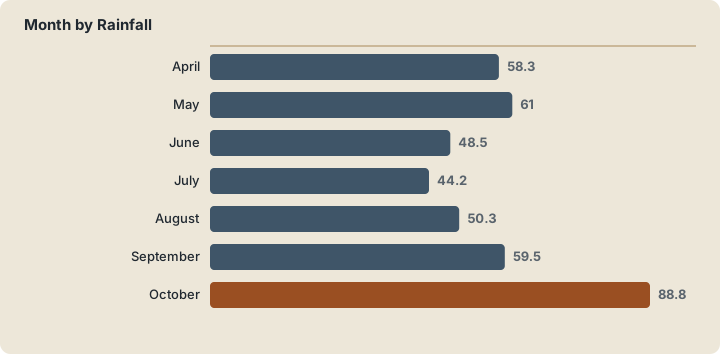
The best window for a Saumur day trip from Nantes is late spring through early autumn, with May, June and September as the standout months for warm, bright days without peak crowds, matching the temperate oceanic climate of the Pays de la Loire rather than any Mediterranean assumption.
The verified Nantes normals show mean daily maximums rising from 19.6 °C in May to 25.4 °C in August, and September's 22.4 °C with under 60 mm of rain makes it the classic month for combining châteaux with outdoor tastings.
The climate facts behind that advice come from the Météo-France normals for the Nantes-Bouguenais station, 1991 to 2020, and they describe the region Saumur shares: mild, Atlantic-fed, wetter in the cold half of the year and warmest in July and August. The full annual picture is 819.5 mm of rain, 119.7 days with at least 1 mm, and 1,873.3 hours of sunshine, figures this site uses because they are the official station normals rather than the inflated numbers that circulate on second-hand travel pages.
| Month | Mean daily maximum | Mean daily minimum | Rainfall |
|---|---|---|---|
| April | 16.2 °C | 6.6 °C | 58.3 mm |
| May | 19.6 °C | 9.8 °C | 61.0 mm |
| June | 23.0 °C | 12.7 °C | 48.5 mm |
| July | 25.1 °C | 14.3 °C | 44.2 mm |
| August | 25.4 °C | 14.2 °C | 50.3 mm |
| September | 22.4 °C | 11.8 °C | 59.5 mm |
| October | 17.6 °C | 9.5 °C | 88.8 mm |
Seasonal logic follows from the table. Spring brings the vines back to life and the valley to its greenest, with cellar visits comfortable at any hour. Summer is the busiest and warmest window, and the riding season at the Cadre Noir and the visitor flow to the château peak with it; book everything ahead in July and August. September is the harvest month, the most atmospheric time to stand in a vineyard in the Anjou-Saumur, though the 2026 harvest across the wider region ran record-early, a reminder that vintage dates shift with the heat. October brings colour to the valley and the first of the serious rain, and the winter months trade crowds for grey skies and shorter visiting hours, with the Loire at Nantes having shown in February 2026, when it reached 8.18 metres at the Pont Anne-de-Bretagne, that winter water levels can genuinely disrupt riverbank life.
One event worth flagging for music travellers: Folle Journée, Nantes's classical festival, runs 27 to 31 January 2027 with a Beethoven theme, which makes a late-January Nantes stay attractive in its own right, though it is a city occasion rather than a valley one, and Saumur in deep winter is a quieter, more indoor proposition.
What Should You Book Ahead For A Nantes And Saumur Trip?
Book three things ahead: any Cadre Noir performance or presentation in Saumur, because seats are limited and scheduled; a Grand Éléphant ride slot in Nantes outside its maintenance closure, because the operator's own site says rides sell out; and rail travel between Nantes and the Saumur direction if you are going by train, since the TER and TGV legs are cheapest bought in advance. Cellar visits in Saumur usually take walk-ins, but a tasting group in summer is worth reserving. Everything else can be decided on the day.
The booking order matters because the failures hurt differently. Missing a cellar walk-in is a shrug; there is usually another hour. Missing the elephant is a child's disappointment and a wasted journey to the Île de Nantes, and the operator's own practical pages are blunt that advance booking is the way. Missing a Cadre Noir gala is missing the reason some visitors choose Saumur at all, and those dates are published well ahead, so there is no excuse beyond leaving it late.
For the Nantes half, the ticketed products this site verifies are all bookable through their live listings, with free cancellation as the standard reassurance:
Beyond the bookings, the trip needs little logistics. Nantes is a walkable, tram-served city with free weekend transport, and Saumur is a compact town whose château, old town and quays link on foot. The hardest practical decision is the car-versus-train one, and the tie-breaker is simple: drivers get the cellar doors and viewpoints between the two towns, rail travellers get a stress-free connection via Angers and no parking search in the old town. Choose by appetite, not by fear of either.
Common Questions About Saumur Day Trips From Nantes
Is Saumur worth a day trip from Nantes?
Yes, for travellers who want the Loire Valley experience of a hilltop château, cave cellars and red and sparkling wines, which the Nantes area does not offer. Saumur is the strongest inland pairing with Nantes, and it contrasts directly with the Muscadet vineyards and coastal day trips on the city's western side. Allow a full day rather than a half.
How do I get from Nantes to Saumur without a car?
By train, typically connecting through Angers on the regional TER network, buying a through ticket so connections are the operator's responsibility. No official door-to-door journey figure for Nantes to Saumur sits in this site's verified facts, so check the live timetable when you book rather than trusting a duration quoted from memory.
What wine is Saumur famous for?
Saumur is known for reds made from Cabernet Franc and for its traditional-method sparkling wine, largely from Chenin Blanc, matured in tuffeau limestone caves. That is the opposite profile to the Muscadet whites of the Nantes area, which come from the Melon de Bourgogne grape, so the two zones make a natural wine contrast for visitors with two spare days.
What is the best time of year to visit Saumur?
May, June and September, when the verified regional normals show mean daily maximums of roughly 20 to 23 °C and monthly rainfall below 60 mm. July and August are warmest at 25.1 and 25.4 °C but busiest, and September adds the atmosphere of the harvest. Winter is quiet, grey and better suited to indoor visits.
Can you combine Saumur and Angers in one trip from Nantes?
Yes, and it is the natural two-day circuit of the western Loire Valley: Angers with its fortress château and famous medieval wall hanging, Saumur with its château, riding academy and cave cellars, both reachable from Nantes by rail via the same corridor. Allow at least one overnight, since each town earns a full day of its own.
The pairing of Nantes and Saumur is, in the end, a pairing of two river towns that France happens to have left close together: one tidal, trading and Muscadet-soaked, the other perched, sparkling and carved from white stone. Build the trip on the verified numbers above, book the three things that need booking, and let the valley do the rest.