Stade De La Beaujoire
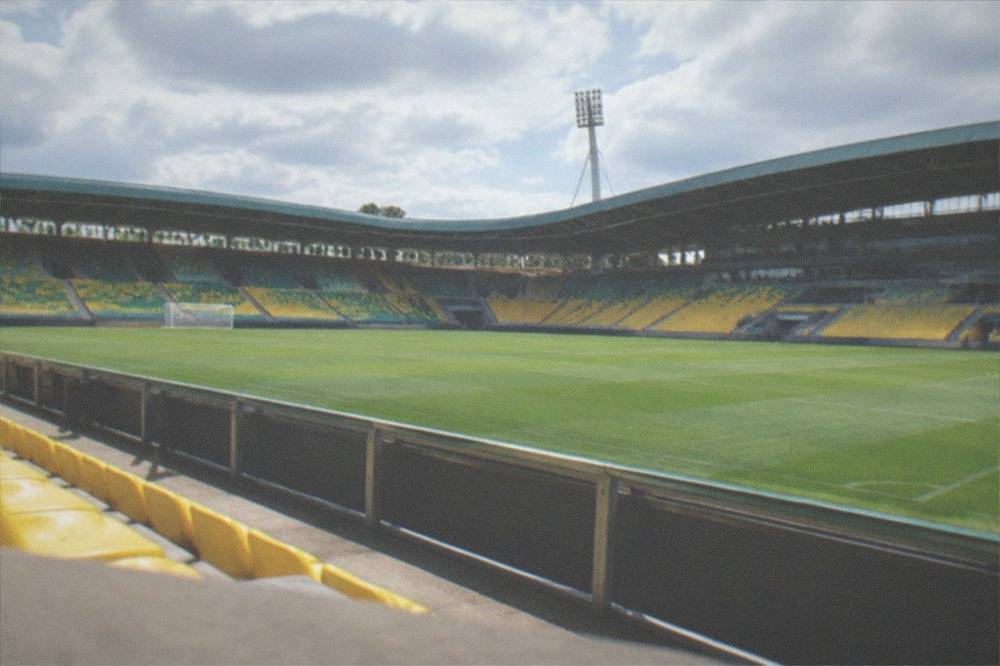
The Stade de la Beaujoire is the principal football ground of Nantes in western France, the home of FC Nantes and one of the biggest regular crowd-pullers on the city's calendar. This guide covers what the stadium is, how to reach it on the Naolib network, when to plan a football trip, and what to do nearby before or after kick-off.
Short answer
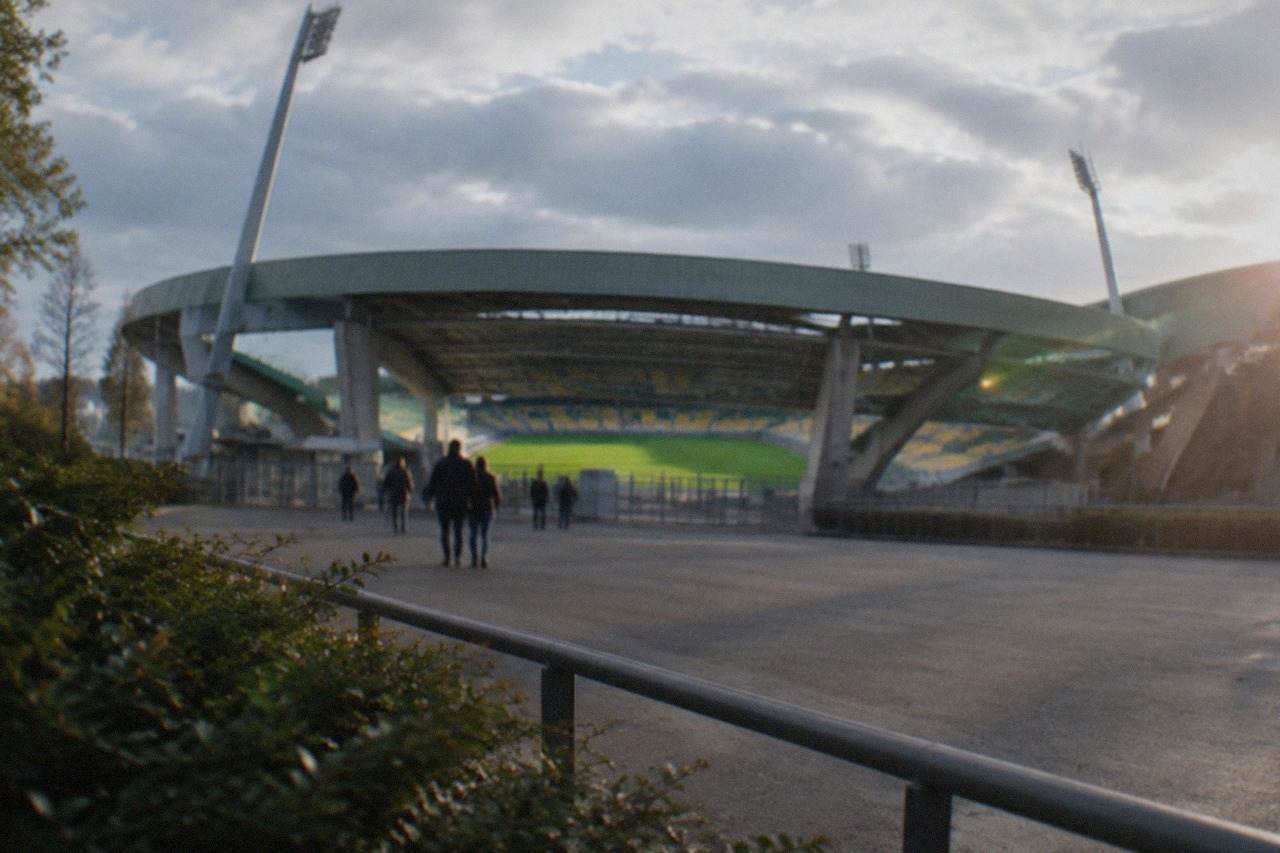
The Stade de la Beaujoire is the main football stadium of Nantes, France, and the home ground of FC Nantes. It sits in the Beaujoire area of the city, is served by the Naolib tram network, and is at its busiest on home matchweekends, when tens of thousands of supporters travel to the ground.
The Stade de la Beaujoire is the principal football stadium of Nantes, in the Loire-Atlantique department of the Pays de la Loire region of western France. It is the home ground of FC Nantes, one of France's best-known football clubs, and on home matchweekends it draws the largest regular crowds of any venue in the city. For many visitors a fixture here is the single biggest event of their trip, and for locals it is a fixed point of the calendar, as predictable as the Saturday markets and the festivals along the Erdre.
What surprises many first-time visitors is how little of the experience is about football alone. A matchday here runs through the same tram network, the same tickets and the same weekend rhythms as every other part of the city, which makes the Beaujoire one of the easiest major stadiums in France to fold into an ordinary sightseeing plan. This guide, written by the Nantes Travel Guide editorial desk, walks through the stadium, the transport, the seasons and the surrounding neighbourhoods, using only figures checked against official local sources.
What Is The Stade De La Beaujoire In Nantes?
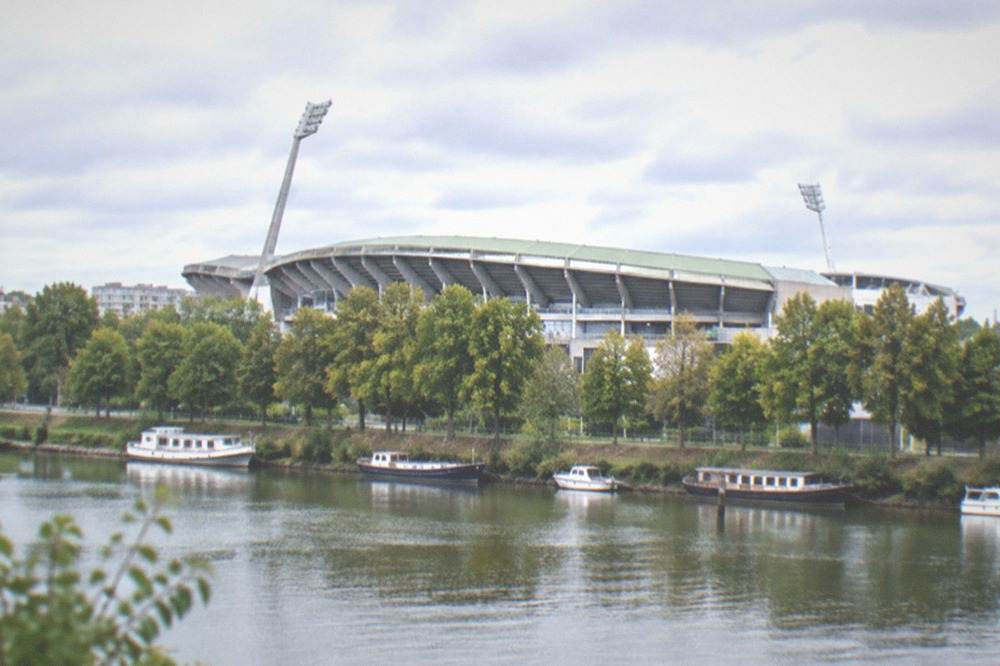
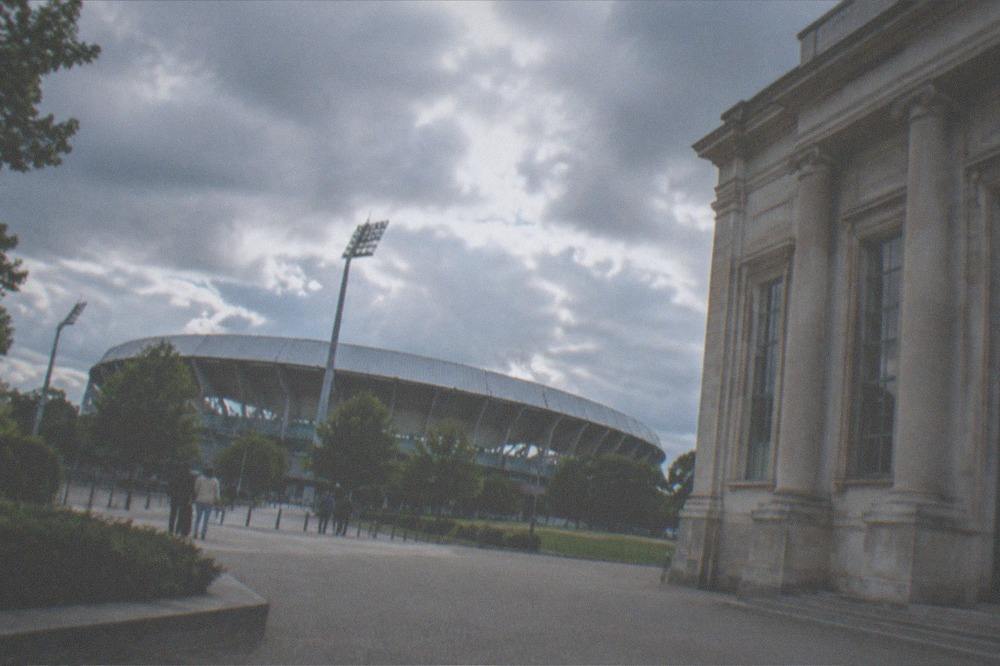
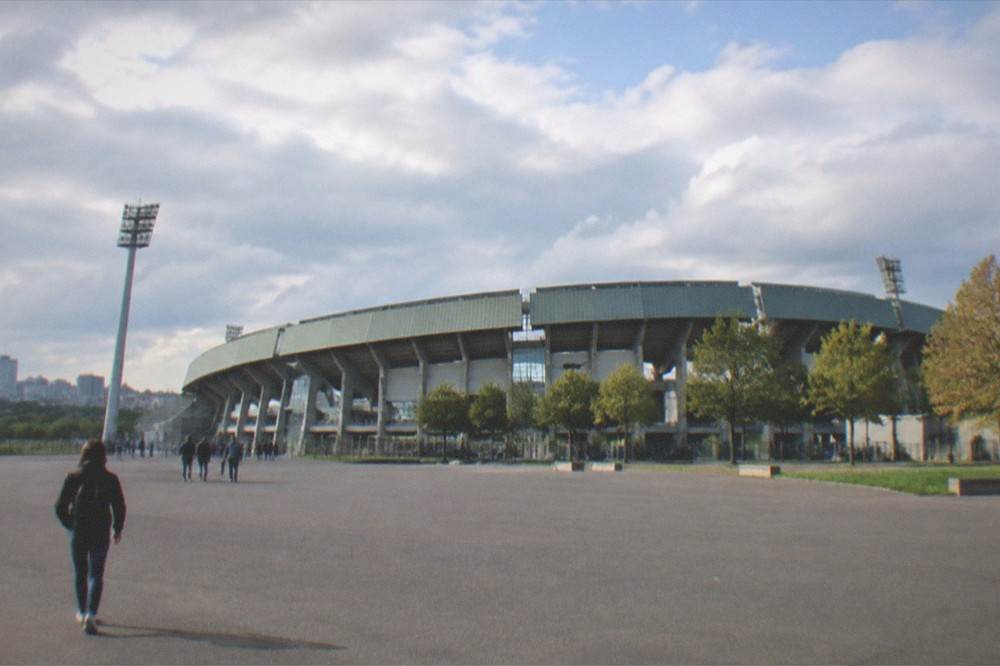
The Stade de la Beaujoire is the main football stadium of Nantes and the long-time home ground of FC Nantes, sitting in the Beaujoire area on the city's north-eastern side, near the Erdre river. It is a purpose-built football ground rather than a multi-sport arena, and it exists first and foremost for the club's home fixtures, hosting nothing else on a comparable scale across the year.
FC Nantes is the club that fills it. The club's identity is woven through the city: the canary yellow and green of its colours shows up on scarves, shop windows and murals well beyond the stadium itself, and matchdays change the mood of whole tram carriages heading north-east. Nantes is a city that takes its football seriously without letting it dominate, which is a fair description of how the stadium sits in the urban fabric: big, busy on the day, and otherwise a quiet neighbour to the parks and residential streets around it.
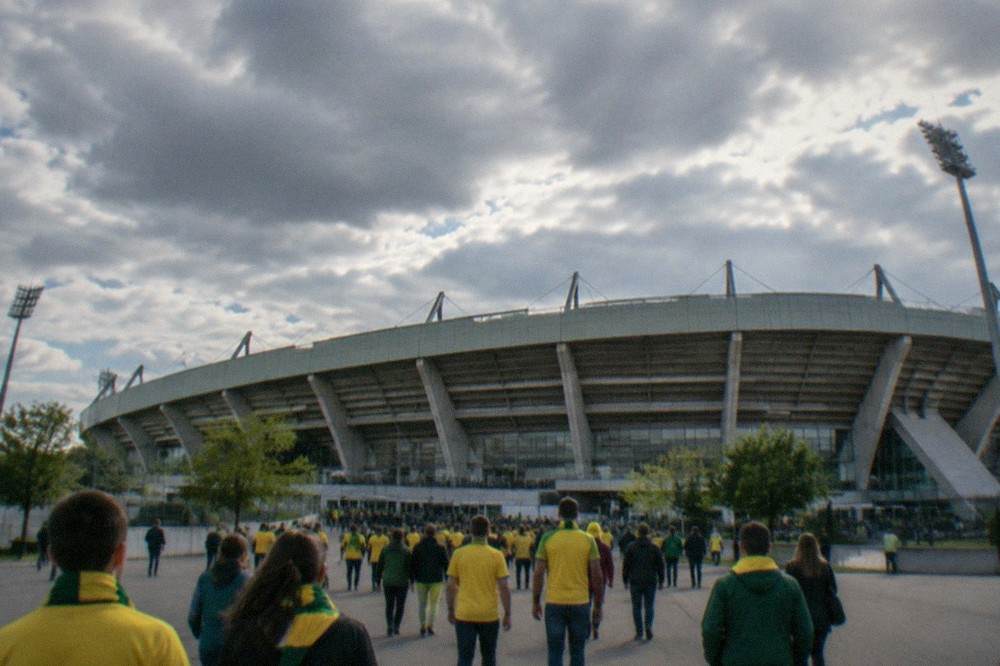
The setting matters more than most visiting supporters expect. The Beaujoire quarter is one of the greener corners of Nantes, close to the Erdre river and to large public parks used for walking, sport and picnics. A day at the football here does not mean a day hemmed in by traffic and concrete; it pairs naturally with a morning along the riverbank or a stroll through a park, and the public transport links put the historic centre within easy reach before and after the game.
The stadium also anchors the north-east of the city on the wider visitor map. Visitors tend to arrive in the Bouffay old town and the Graslin quarter and never leave the centre, which is a shame, because the stretch of Nantes between the centre and the Beaujoire passes through some of the city's most pleasant parkland. If your only reason to head this way is a fixture, treat it as a bonus: you will see a side of Nantes that the classic itineraries skip.
Can You Visit The Stade De La Beaujoire On A Non-Match Day In Nantes?
On a day without a fixture, the Stade de la Beaujoire is essentially a working football ground rather than a visitor attraction: there is no standing museum or permanent public exhibition inside it that this site can verify. Tour and behind-the-scenes availability changes with the club's season and schedule, so the only honest advice is to consult FC Nantes's own official channels for what is currently bookable before making the trip.
That is a deliberately careful answer, and it is worth explaining why. Many European stadiums run daily tours with published timetables, and plenty of online summaries will promise the same here, but tour arrangements at club grounds in France genuinely move with the fixture list, training schedules and event bookings, and nothing in the verified local sources for this site confirms a fixed, daily offering. The club's own ticketing and information pages are the place where current availability is actually published, and that is where any visit should be planned from.
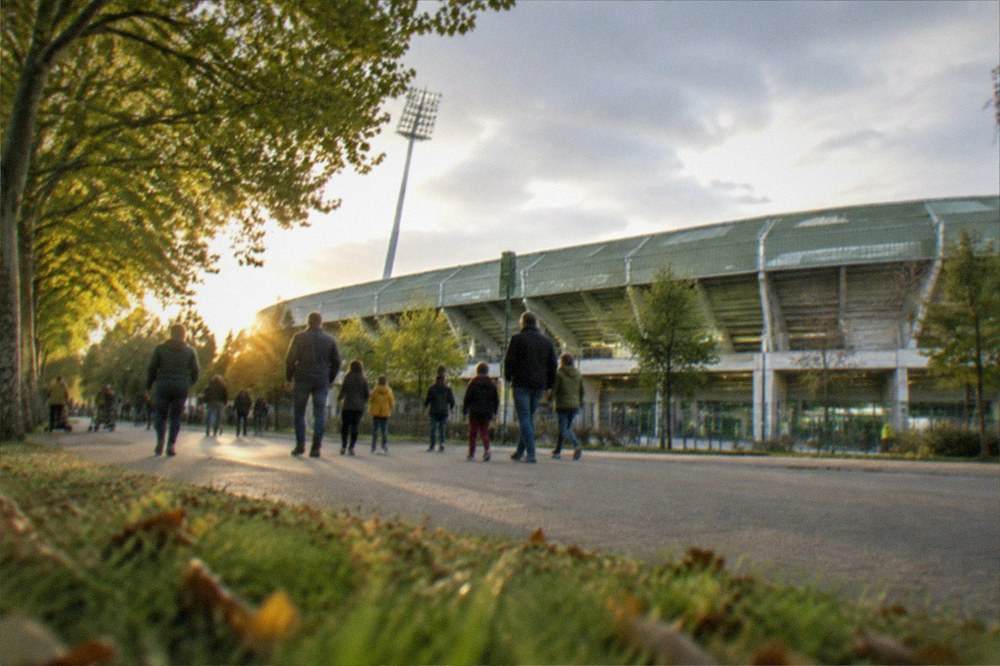
What does not change is the matchday experience itself, and for most visitors that is the better plan anyway. Attending a home fixture gives you the stadium as it is meant to be used: the walk from the tram, the crowds in club colours, the noise building through the stands, and the slow drift back toward the centre afterwards. Nantes handles these crowds routinely, and the city's transport network is built with them in mind.
If you cannot align your trip with a home fixture, the honest alternative is to treat the stadium as a landmark on a wider exploration of the city's east side, combining it with the riverside and parkland around it. That is how many locals use the area: the ground is a reference point for jogging routes and park walks more than a destination in itself on quiet weeks.
For visitors who prefer structure, a guided city walk is a sensible companion piece to any Nantes trip, football or not, because a local guide covers the centre efficiently and leaves the rest of your day free. The options below include a private custom format that adapts to what you want to see.
How Do You Get To The Stade De La Beaujoire In Nantes?
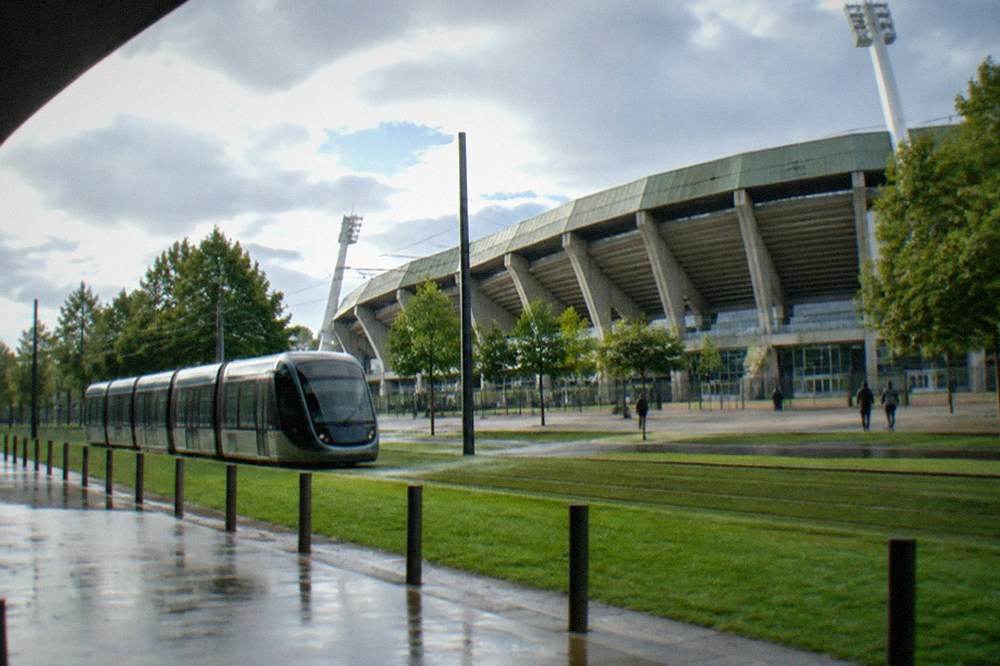
You reach the Stade de la Beaujoire on the Naolib network, Nantes's public transport system, which runs three tram lines plus buses, the Busway and the Navibus river shuttles. A standard one-hour ticket costs 1.80 EUR and covers trams, buses and river crossings, while a 24-hour ticket costs 6.80 EUR, and all Naolib travel is free on weekends from Saturday 00:00 to Sunday 23:59.
The tram is the artery that connects the stadium to everything visitors come to see. The network's 45.6 km of lines and 84 stations link the Beaujoire area with the train station, the Château des ducs de Bretagne, the Île de Nantes and the old town, and the club's home fixtures are timed around the ordinary scheduled service rather than special arrangements. On matchdays the trams heading toward the ground fill with supporters, which makes them both the fastest and the most atmospheric way to arrive.
| Naolib ticket | Price | What it covers |
|---|---|---|
| 1 h ticket | 1.80 EUR | Any tram, bus, Busway or Navibus trip, plus TER trains inside the métropole |
| 10 × 1 h carnet | 17.80 EUR | Ten one-hour tickets at a reduced unit price |
| 24 h ticket | 6.80 EUR | Unlimited travel on the whole network for 24 hours |
| 24 h ticket for 4 people | 15.00 EUR | A shared day ticket for a group or family of four |
| Weekend travel | Free | Every Saturday 00:00 to Sunday 23:59 for everyone, airport shuttle excluded |
The weekend rule deserves special attention from football visitors, because most club fixtures are played on weekends, and it is one of the most generous visitor schemes of any French city. Naolib travel has been free on Saturdays and Sundays since 2021, covering trams, buses, Navibus river shuttles and even regional TER trains inside the agglomeration, with park-and-ride car parks included when you validate. The one standing exception is the airport shuttle, which always costs 10 EUR regardless of the day, a detail worth remembering if you are flying in directly for a match.
Cycling is the other natural option. Nantes is a genuinely bike-friendly city, one of the reasons it was named European Green Capital in 2013, and the flat terrain between the centre and the Beaujoire area makes for an easy ride along traffic-calmed streets and riverside paths. The city's Bicloo bike-share scheme runs stations across Nantes, and its current tariff is published on the operator's own pages.
Driving is the option to treat with caution. Park-and-ride car parks paired with a tram or bus ride are the sensible compromise, and the network's own rules make them work: a park-and-ride day ticket covering parking plus transport for up to five people is reported at 4.50 EUR on the Naolib pages, and the parking is free at weekends when combined with network use. Parking directly at a football stadium on matchday, in any city, is a plan that tends to end in queues.
When Is The Best Time Of Year To Watch Football In Nantes?
The French club season runs from late summer to late spring, so almost any visit between August and May can catch a fixture, but the most comfortable months for an outdoor evening in Nantes are late spring and early autumn, when daytime highs average around 17 to 25 C. Winter fixtures are perfectly playable but colder and wetter, with December the wettest month at 101 mm of rain.
The climate here is temperate oceanic, moderated by the Atlantic far to the west, never Mediterranean and never harshly continental. What that means in practice for football is mild, changeable weather rather than extremes: the Météo-France 1991-2020 normals for the Nantes-Bouguenais station show a mean maximum rising from 9.3 C in January to 25.4 C in August, with 819.5 mm of rain spread across 119.7 wet days a year. Only rarely does summer heat bite hard enough to matter, though it can: the station's all-time record high, 42.2 C, was set on 24 June 2026 during an exceptional June heatwave.
| Month | Mean max C | Mean min C |
|---|---|---|
| January | 9.3 | 3.4 |
| February | 10.5 | 3.0 |
| March | 13.5 | 4.9 |
| April | 16.2 | 6.6 |
| May | 19.6 | 9.8 |
| June | 23.0 | 12.7 |
| July | 25.1 | 14.3 |
| August | 25.4 | 14.2 |
| September | 22.4 | 11.8 |
| October | 17.6 | 9.5 |
| November | 12.9 | 5.9 |
| December | 9.8 | 3.7 |
| Year | 17.1 | 8.3 |
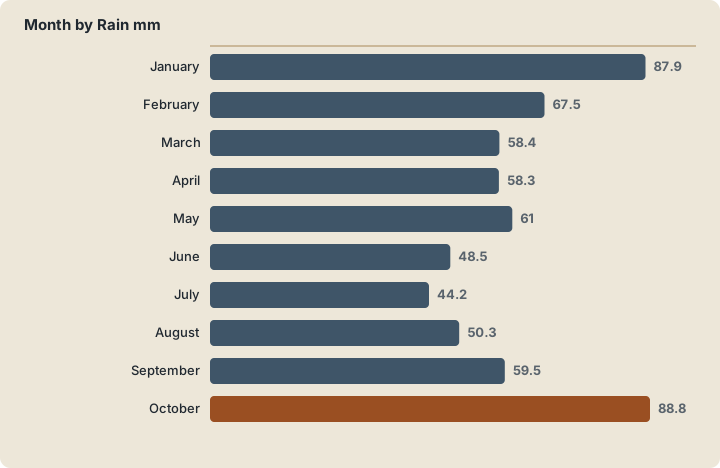
The rain table tells the more useful story for anyone planning an outdoor afternoon. The wettest months are October through December, each carrying 88 mm or more, while the driest is July at 44.2 mm, and June, July and August each see roughly seven wet days. Frost is a winter-only phenomenon, averaging 7.8 days in January and none at all from May through September, so a summer fixture will never be a freezing one; it may simply be a damp one at any time of year, which is the oceanic climate's signature.
| Month | Rain mm | Days with 1 mm or more |
|---|---|---|
| January | 87.9 | 12.5 |
| February | 67.5 | 10.6 |
| March | 58.4 | 9.4 |
| April | 58.3 | 9.7 |
| May | 61.0 | 9.6 |
| June | 48.5 | 7.6 |
| July | 44.2 | 7.1 |
| August | 50.3 | 7.2 |
| September | 59.5 | 7.8 |
| October | 88.8 | 11.8 |
| November | 94.1 | 13.0 |
| December | 101.0 | 13.5 |
| Year | 819.5 | 119.7 |
Beyond the weather, timing a trip around football means timing it around the city's other calendar. Late January brings La Folle Journée, the classical music festival that fills the Cité des Congrès, and a winter fixture pairs well with it; summer visitors can align a matchday with Le Voyage à Nantes, the city-wide art trail that runs through July and early September with its green line painted along about 20 km of streets. The Folle Journée festival guide covers the winter option in detail.
What Is There To See Near The Stade De La Beaujoire In Nantes?
The stadium's immediate surroundings are parkland and the Erdre riverbank rather than monuments, so the smart plan is to pair a matchday with the city's headline sights before kick-off: the Château des ducs de Bretagne, Les Machines de l'île and the Musée d'arts de Nantes are all within easy reach, and their verified entry prices run from free courtyards to 12 EUR.
Start close to the ground. The green space around the Beaujoire area and the Erdre river is one of Nantes's underused pleasures, and the waterway itself is best explored from the water: Naolib's Navibus routes cross the Loire and the Erdre using ordinary transport tickets, and dedicated river cruises run longer trips along the tree-lined banks. The Parc de Procé guide covers one of the finest of the riverside parks, an English-style garden that sits on the Erdre's bank north of the centre.
Heading back toward the centre, the heavyweight sights stack up quickly. The Château des ducs de Bretagne is the old castle of the dukes of Brittany, whose free courtyard and ramparts open daily from 8:30 to 19:00, with the Musée d'histoire de Nantes inside costing 9 EUR full tariff. On the Île de Nantes, Les Machines de l'île is the city's most famous modern attraction, where each of the mechanical attractions costs 12 EUR full price. The Musée d'arts de Nantes rounds out the trio at 9 EUR, closed Tuesdays but open late on Thursdays.
| Sight | Entry price | Opening notes |
|---|---|---|
| Château courtyard and ramparts | Free | Daily 8:30-19:00, summer evenings to 20:00 |
| Musée d'histoire de Nantes, in the château | 9 EUR full, 5 EUR reduced | 10:00-18:00, closed Mondays |
| Machines de l'île, each attraction | 12 EUR full, 8 EUR ages 4-12 | Seasonal hours, book elephant rides ahead |
| Musée d'arts de Nantes | 9 EUR full, 4 EUR reduced | 11:00-19:00, closed Tuesdays, Thursdays to 21:00 |
| Musée Jules Verne | 4 EUR full, 1.50 EUR reduced | Afternoons, closed Tuesdays |
| Musée Dobrée | 9 EUR full, 6 EUR reduced | Wednesday to Sunday, 10:00-18:00 |
Two closures matter for planning. The Muséum d'histoire naturelle has been shut since November 2025 for a renovation that runs until 2029, so no itinerary should include it, and any guide suggesting it as a rainy-day stop is out of date. On the Île de Nantes, the Grand Éléphant pauses its rides entirely from 2 November 2026 to 28 February 2027, which matters if a winter football trip doubles as a Machines visit; the Galerie and the Carrousel continue in the meantime.
Food anchors the pre-match hours as much as sights do. The Marché de Talensac is the city's great covered market, open Tuesday to Friday from 8:00 to 13:00 and weekends to 13:30, and it is the place to assemble a picnic or an early lunch of Muscadet country produce. The Jardin des Plantes makes a gentle walk between market and tram, and for a sit-down meal with history attached, the brasserie La Cigale near the theatre is the classic Nantes institution, its tiled dining room among the most photographed interiors in the city.
For visitors who prefer a fixed itinerary, the castle and the Machines are the two sights that benefit most from pre-booked tickets, and both are available as bookable entries from the selection below.
How Much Does Getting Around Nantes Cost On Match Day?
Getting around Nantes on a matchday is cheap to free: weekend Naolib travel costs nothing at all, a one-hour weekday ticket is 1.80 EUR and a 24-hour pass is 6.80 EUR. The main optional extra is the tourist pass, the Pass Nantes, which from 1 April 2026 costs 30 EUR for 24 hours up to 75 EUR for seven days and bundles transport with museum entries.
The Pass Nantes is worth weighing up honestly rather than recommending blindly. It includes unlimited Naolib travel, a return trip on the airport shuttle, one TER return to Clisson, and one entry per partner site, including the château museum, the Galerie des Machines and the Carrousel des Mondes Marins, with the notable exclusion of the Grand Éléphant ride. Whether it pays off depends entirely on how many of those you will actually visit: two museum entries and a day of transport can already justify the 24-hour card, but a football-first weekend with little sightseeing will not.
| Pass Nantes duration | Full | Reduced | Family, 2 adults + 2 children |
|---|---|---|---|
| 24 hours | 30 EUR | 20 EUR | 80 EUR |
| 48 hours | 40 EUR | 26 EUR | 106 EUR |
| 72 hours | 49 EUR | 31 EUR | 129 EUR |
| 7 days | 75 EUR | 45 EUR | 195 EUR |
Reduced rates apply to children aged 4 to 17, students under 26 and disability card holders, and children under 4 never need a pass at all. One practical footnote: some partner activities require a reservation even with the pass, so if a fixture fills your weekend, book the museum slots you care about in advance rather than assuming entry on arrival.
If you are staying overnight for a Sunday fixture, the cost that quietly appears on your hotel bill is the tourist tax, which local hosts' portals report as tiered by classification for 2026: from 2.86 EUR per person per night in a 4-star hotel down to 1.10 EUR in a 2-star, with unclassified accommodation charged as 5.5 percent of the nightly price, capped at 5.39 EUR. It is a small line item, but it is one that surprises visitors who booked a bargain weekend rate and found the tax added at checkout.
| Accommodation class | Reported 2026 tourist tax, per person per night |
|---|---|
| 4-star | 2.86 EUR |
| 3-star | 1.87 EUR |
| 2-star | 1.10 EUR |
| Unclassified | 5.5% of nightly price, capped at 5.39 EUR |
Museum lovers should also compare the Pass Nantes against the much cheaper Pass Musées, a 15 EUR card valid for a full year that covers the Musée d'arts, the Musée d'histoire de Nantes in the château, the Musée Jules Verne and the Chronographe in Rezé. If you already have your transport sorted by the free weekend rule, the Pass Musées does the cultural heavy lifting at a fraction of the price.
How Does The Beaujoire Fit Into A Longer Nantes Weekend?
The stadium sits comfortably at the edge of a classic two-day Nantes itinerary: keep one day for the old town, the château and the Île de Nantes, give the other to the riverside and the fixture, and let the free weekend transport tie them together. A fixture at the Beaujoire works best as the anchor of a Saturday, with the city's compact centre filling the hours before kick-off.
The geometry is on your side. Nantes is a walkable, flat city where the major sights cluster within a triangle bounded roughly by the château, the Passage Pommeraye and the Île de Nantes, and the tram network stitches the whole thing together in minutes. A realistic matchday runs like this: a morning market at Talensac, a walk through the Bouffay old town and the Nantes cathedral, lunch near the Passage Pommeraye, then a tram ride north-east to the stadium as the supporters' colours thicken along the way.
There are two caveats about the cathedral that every 2026 visitor should know, because older guides get them wrong. The cathedral partially reopened on 27 September 2025 after the restoration that followed the 2020 fire, so it can be visited again, but works continue on the western facade under scaffolding, with full completion planned for 2028. Any source that tells you it is simply closed, or simply finished, is describing a different year than this one.
If the weekend stretches to three days, the coasts and vineyards open up. The Muscadet country sits just south-east of the city, its cellar doors reachable in under an hour, and La Baule and the salt marshes of Guérande make the classic seaside pairing. The TER network radiating from Nantes makes all of these feasible without a car, and weekend trains inside the agglomeration ride free on the same Naolib rules, though longer hops such as La Baule, roughly 51 minutes by TER, need ordinary tickets.
For a fuller rundown of the city's highlights, the complete Nantes attractions roundup covers everything this page touches and more, and the Île de Nantes guide goes deep on the island quarter where the Machines and the Hangar à Bananes sit. If you would rather have a local organise the walking for you, the private custom format below is the one that adapts most freely to a matchday schedule.
A second evening in the city rewards the wanderers. The Anneaux de Buren, the great glowing rings on the Île de Nantes quay, are best seen after dark, and the riverside bars along the old banana warehouse of the Hangar à Bananes keep late hours. None of it needs a plan more detailed than a tram ticket and a sense of which direction the river is in.
If tickets and tours for the headline sights appeal, this final selection gathers the castle, the Machines and the private walking format in one place.
Common Questions About The Stade De La Beaujoire In Nantes
What is the Stade de la Beaujoire?
It is the principal football stadium of Nantes in western France and the home ground of FC Nantes. It sits in the Beaujoire area on the city's north-eastern side, near the Erdre river, and hosts the club's home fixtures, which draw the largest regular crowds of any venue in the city.
Can you do a stadium tour of the Stade de la Beaujoire?
There is no fixed daily tour arrangement that this site can verify, and availability at club grounds in France changes with the season, the fixture list and event bookings. Consult FC Nantes's own official ticketing and information pages for what is currently bookable, and plan the visit around a home fixture if you want to be certain of seeing the ground in use.
How much does it cost to get to the Stade de la Beaujoire?
A standard Naolib one-hour ticket costs 1.80 EUR and covers trams, buses, the Busway and the Navibus river shuttles. A 24-hour ticket is 6.80 EUR, or 15 EUR for a group of four, and all Naolib travel is free on weekends from Saturday 00:00 to Sunday 23:59, with the airport shuttle the one standing exception at 10 EUR.
Is public transport in Nantes free at weekends?
Yes. Naolib trams, buses, Busway, Navibus and TER trains inside the agglomeration are free for everyone from Saturday 00:00 to Sunday 23:59, a scheme running since 2021. Park-and-ride car parks are included when combined with network use. The 10 EUR airport shuttle is excluded at all times, including weekends.
What else is there to do near the stadium?
The immediate area is parkland and the Erdre riverbank, best enjoyed as a walk or a Navibus river crossing. The city's headline sights, including the Château des ducs de Bretagne, Les Machines de l'île and the Musée d'arts de Nantes, are all a short tram ride away, and the Marché de Talensac makes a strong pre-match lunch stop.
When is the best time of year to visit for a match?
The French club season runs from late summer to late spring, so fixtures are possible almost any time from August to May. Late spring and early autumn are the most comfortable, with mean highs of 17 to 25 C, while winter fixtures are colder and wetter: December averages 101 mm of rain and 13.5 wet days, the wettest month of the year at the Nantes-Bouguenais station.
The Beaujoire will never top a list of Nantes landmarks the way the château or the Machines do, but that is precisely its charm: it is the city at its most local, forty thousand people doing what they do, reached by the same tram, the same ticket and the same free weekend travel as everything else. Plan the fixture, fill the rest of the day with the old town and the river, and the stadium earns its place in the itinerary.