Parc De Proce
Parc de Procé is a free public park in Nantes, France, one of the calm green spaces that earned the city its reputation for livability, and this guide covers how to visit it, when to go, and what to combine it with.
Short answer
Parc de Procé is a free public park in Nantes, in the Loire-Atlantique department of the Pays de la Loire region of western France. Entry costs nothing, the Naolib tram and bus network reaches it with a 1.80 EUR single ticket, and weekend transport across the city is free for everyone. The best months are April to May and September, when the temperate oceanic climate is mild and the summer crowds thin out.
Parc de Procé is a public park in Nantes, France, a city of about 327,734 people in the Loire-Atlantique department of the Pays de la Loire region, on the Loire and Erdre rivers in western France. It is one of the quieter green spaces in a city that has built much of its modern identity around parks, gardens and riverside walking, and unlike the headline attractions on the Île de Nantes it costs nothing to enter and asks nothing of you but an afternoon. This guide from Nantes Travel Guide covers what the park is, the best time of year to visit, how to reach it on the Naolib network, and the free and paid sights worth combining with it.
What Is Parc De Proce In Nantes, France?
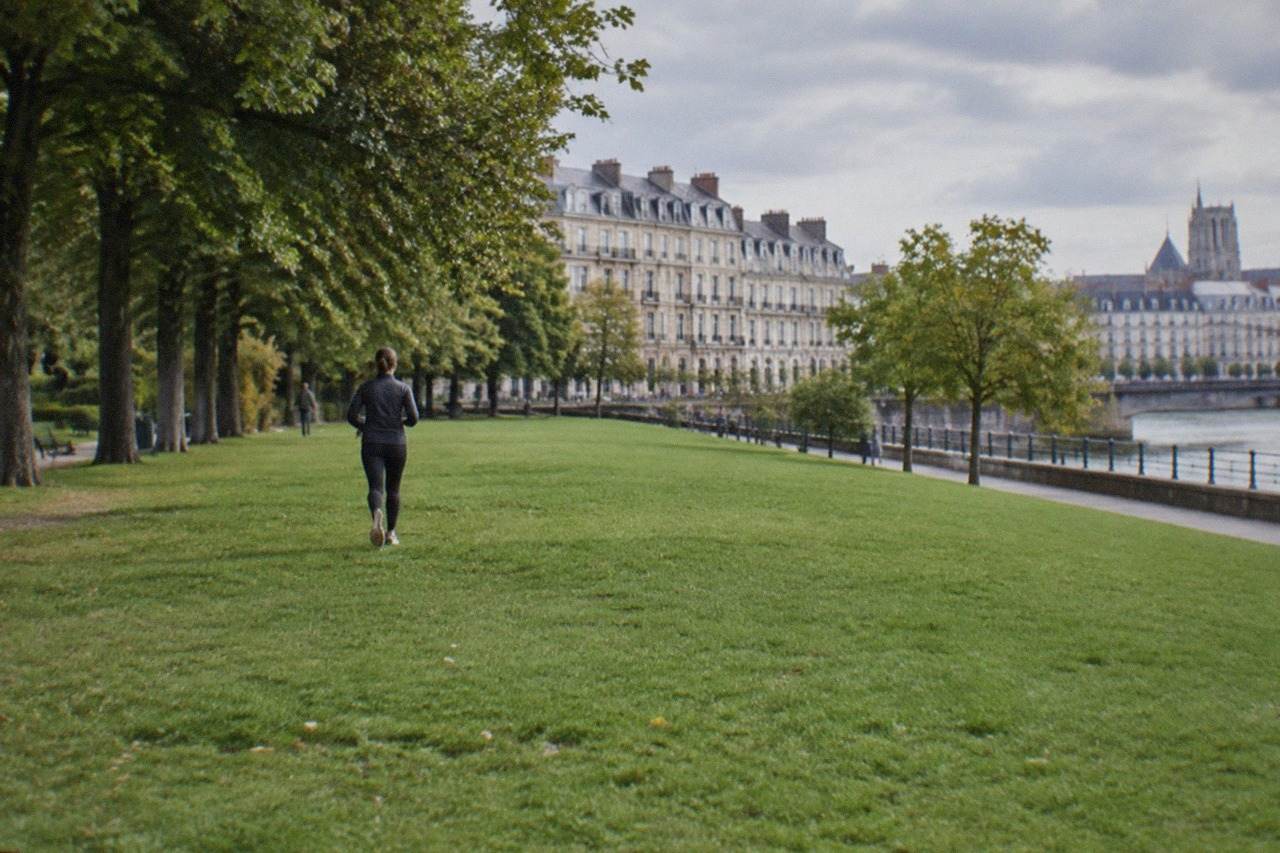
Parc de Procé is a public park in Nantes, in the Loire-Atlantique department of the Pays de la Loire region of western France. Entry is free, as it is across the city's principal green spaces, and it is looked after by the same metropolitan authority that runs the Jardin des Plantes and the Île de Versailles. The park is a calm, residential-flavoured green space rather than a headline attraction, which is why travellers who want a slower afternoon in Nantes often end up here.
Nantes treats its parks as part of the city's public infrastructure rather than as fenced-off showpieces. That attitude has deep roots: the city was named European Green Capital in 2013, an award the European Commission gave it explicitly for its transport policy, its climate work and its management of green space, and Time Magazine had already called it "the most liveable city in Europe" in 2004 as quoted on the same European Commission page. A visitor arriving today sees the results of that legacy in the sheer spread of free green space across the metropolitan area.
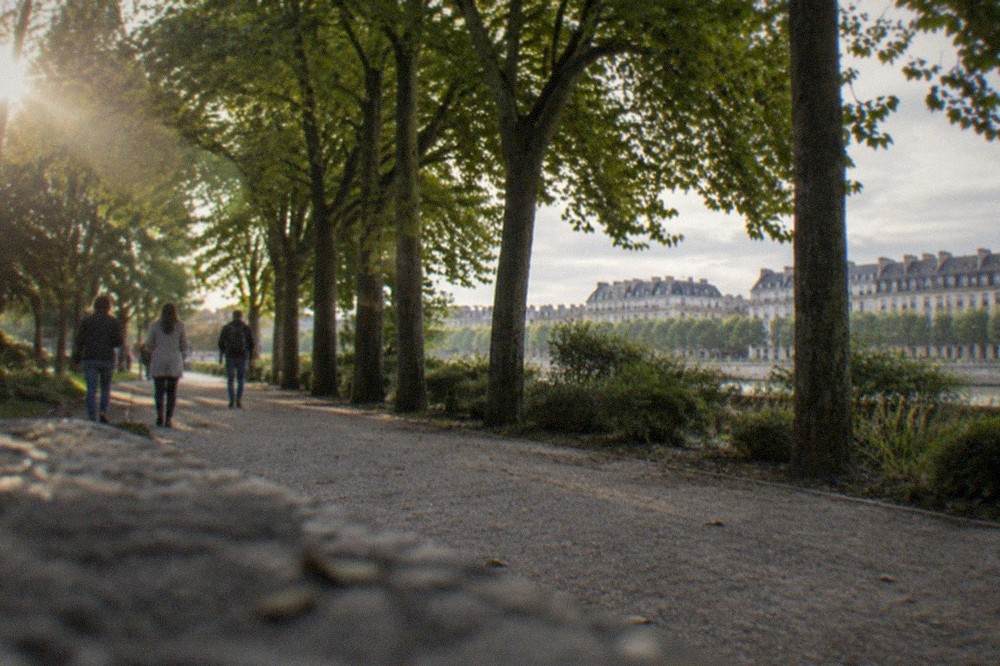
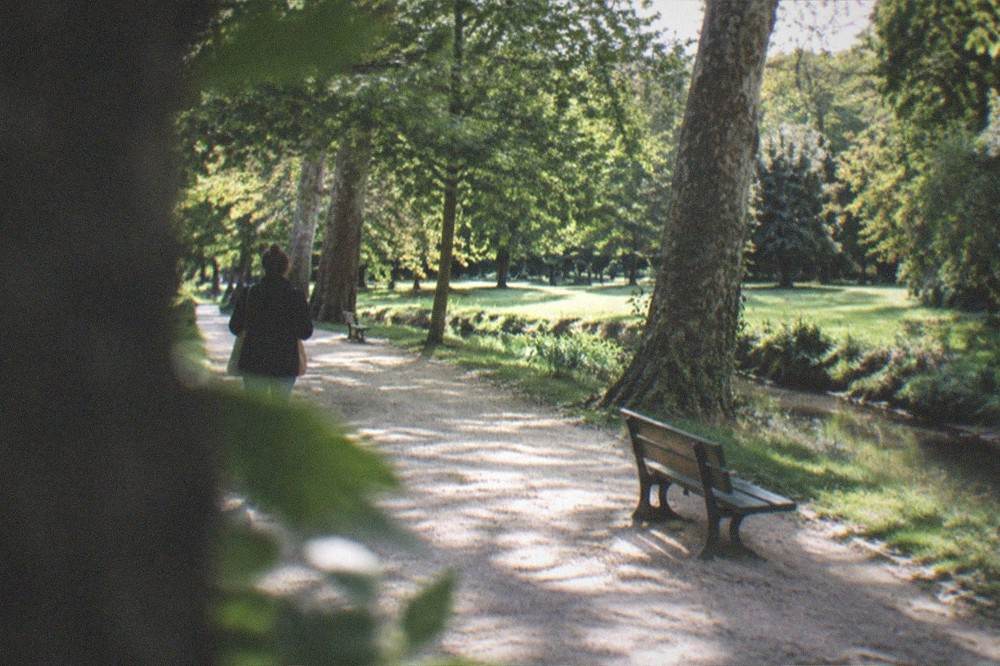
Parc de Procé fits into that picture as a neighbourhood park rather than a destination park. It has none of the mechanical elephants of the Machines de l'île and none of the botanical labelling of the Jardin des Plantes. What it offers instead is the thing Nantes residents use parks for most: lawns, mature trees, shaded paths and somewhere to sit on a warm evening. The surrounding streets are residential, so the park keeps a local rhythm, busier after school and on Sunday afternoons than at mid-morning.
That local character is worth understanding before you plan a visit. If your Nantes itinerary is short, an hour here works best as a pause between heavier sightseeing, not as a sight in itself. If you are staying longer, or travelling with children, or simply want to see the city as the people who live in it see it, a morning or late afternoon in the park is one of the more honest experiences Nantes offers, and it costs nothing.
Why Is Nantes Such A Good City For Parks Like Parc De Proce?
Nantes is a good city for parks because its green spaces are free, extensive and woven into the transport network, and because the city has spent decades treating them as public infrastructure. The European Commission named Nantes European Green Capital in 2013 for its green space and transport policy, and the metropolitan network now carries 154 million trips a year, which puts a park within a short tram ride of almost anywhere in the city. Free weekend transport makes the same network free on Saturdays and Sundays.
The numbers behind that claim come from official sources. Naolib, the metropolitan transport operator, recorded 154 million trips on its network in 2024, according to the Nantes Métropole projects page, and the network runs three tram lines totalling 45.6 km with 84 stations, a busway line, Chronobus lines and the Navibus river shuttles. On weekends the whole system is free for everyone from 00:00 on Saturday to 23:59 on Sunday, with one exception worth remembering: the airport shuttle always costs 10 EUR and is excluded from the weekend-free rule.
For a park visitor this matters more than it first appears. Free weekend transport means a Sunday that strings together several green spaces costs almost nothing beyond lunch, and a single 1.80 EUR ticket on a weekday covers an hour of tram, bus or Navibus travel. The climate cooperates too: Nantes has a temperate oceanic climate, with Météo-France's 1991-2020 normals for the Nantes-Bouguenais station showing mean daily highs from 9.3 C in January to 25.4 C in August, so parks are usable for most of the year rather than for a short summer window.
Here is how the principal green spaces of Nantes compare, using figures from the official pages of each site:
| Green space in Nantes | Entry cost | Notes from the official listings |
|---|---|---|
| Parc de Procé | Free | Public neighbourhood park, no ticketed attractions inside |
| Jardin des Plantes | Free | Botanical garden, seasonal opening roughly 8:30 to 18:00 or later in summer |
| Île de Versailles | Free | Japanese garden on the Erdre, seasonal hours, roughly 8:30 to 17:30 or 21:30 |
| Château des ducs de Bretagne, courtyard and ramparts | Free | Open daily 8:30 to 19:00, to 20:00 in July and August |
| Château moat garden (Jardin des douves) | Free | Open daily 8:00 to 19:00, to 20:00 in summer |
Every major park in the city is free, so your choice between them is about character and convenience, not price. Parc de Procé is the one to pick when you want calm and locals rather than spectacle; the Jardin des Plantes guide is the better pick for botanical interest; the Île de Versailles walk suits you if you want water alongside your trees.
If you would rather have a local show you the city's green structure before exploring it alone, a short guided walk is the efficient way to do it:
When Is The Best Time Of Year To Visit Parc De Procé In Nantes?
The best time to visit Parc de Procé is April to May or September, when Nantes's temperate oceanic climate is mild, rainfall is moderate and the summer holiday crowds have thinned. July and August are the warmest months, with mean daily highs of 25.1 C and 25.4 C, and they suit visitors who want heat, while January is the coldest at a 9.3 C mean high. Expect around 819.5 mm of rain a year, so a light rain layer is wise in any season.
The seasonal advice for Nantes consistently points to the shoulders of the year, and the verified climate data explains why. Spring and early autumn combine mild daytime temperatures with the driest stretch of the calendar: the Météo-France normals give March as the driest month at 58.4 mm and July as the driest summer month at 44.2 mm, with December the wettest at 101.0 mm. Summer 2026 showed the other side of the picture, with a new all-time station record of 42.2 C set on 24 June 2026, so high-summer visits need shade and water, which a leafy park does provide.
Here is the full monthly picture from the official 1991-2020 normals for the Nantes-Bouguenais station:
| Month | Mean daily high (C) | Rainfall (mm) | Sunshine (hours) |
|---|---|---|---|
| January | 9.3 | 87.9 | 72.6 |
| February | 10.5 | 67.5 | 102.3 |
| March | 13.5 | 58.4 | 147.3 |
| April | 16.2 | 58.3 | 182.7 |
| May | 19.6 | 61.0 | 203.4 |
| June | 23.0 | 48.5 | 213.1 |
| July | 25.1 | 44.2 | 229.0 |
| August | 25.4 | 50.3 | 232.6 |
| September | 22.4 | 59.5 | 198.7 |
| October | 17.6 | 88.8 | 122.7 |
| November | 12.9 | 94.1 | 91.3 |
| December | 9.8 | 101.0 | 77.6 |
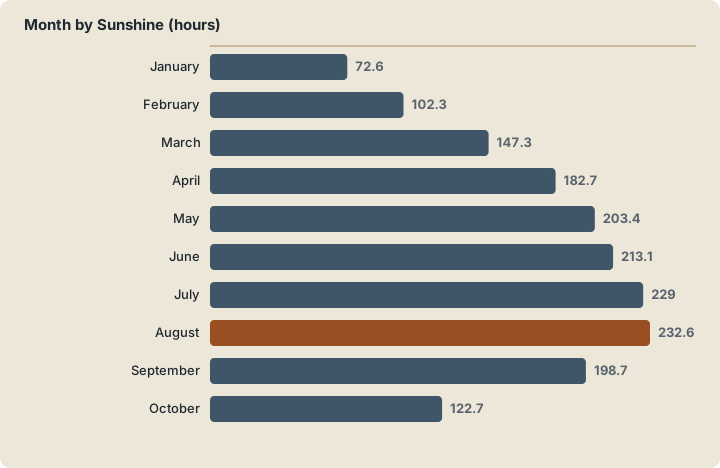
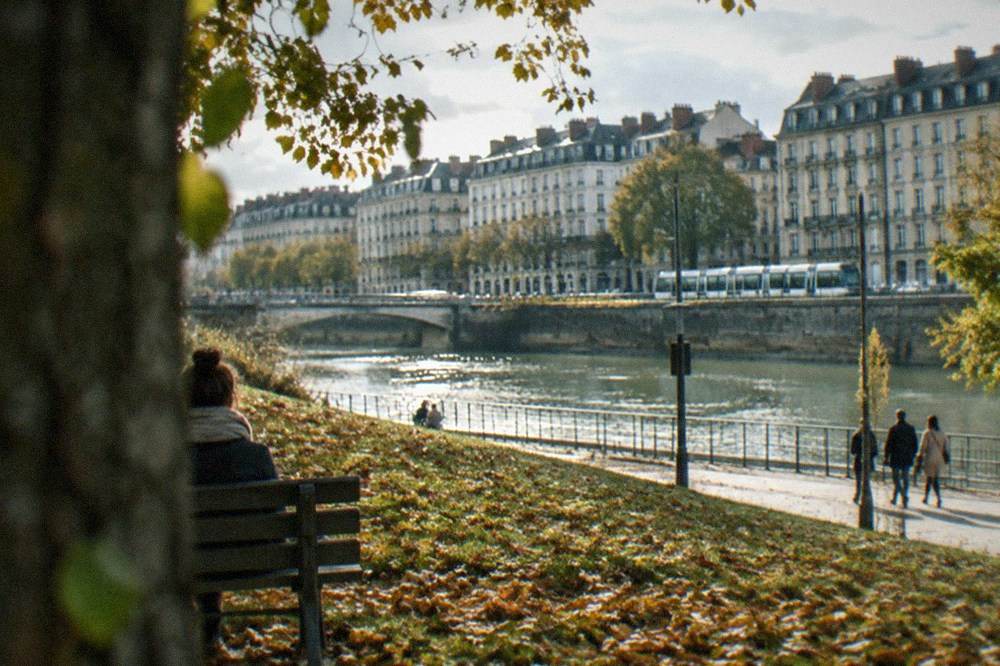
Read the table as a planning tool rather than a forecast. Sunshine peaks in August at 232.6 hours and the warmest highs arrive the same month, so a park visit that doubles as sunbathing belongs in the school holidays; a visit that doubles as autumn colour belongs in late September or October, when the mean high is still a comfortable 17.6 C. Winter visits are perfectly possible, and the park's mature trees make a cold, bright January afternoon more attractive than the raw numbers suggest, but the days are short and the rain days cluster in November to January, with 13.0 to 13.5 days of at least 1 mm in that stretch.
The shoulder seasons are also the most comfortable months for walking the city before settling into a park bench, and if a local orientation is part of your plan, this is the window to book it in.
How Do You Get To Parc De Procé By Public Transport In Nantes?
Parc de Procé sits inside the Naolib network, so a single 1.80 EUR ticket covers an hour of tram, bus, busway or Navibus travel to it, and a 6.80 EUR 24-hour ticket covers a full day. On Saturdays and Sundays the entire network is free for everyone from 00:00 Saturday to 23:59 Sunday, with only the airport shuttle excluded, which always costs 10 EUR. Check the Naolib journey planner for the exact route and stop on your travel day, because line works can shift services.
The Naolib fare table below comes from the operator's own tariff page, and it is the honest basis for budgeting a day around the parks:
| Naolib ticket | Price | What it covers |
|---|---|---|
| Single 1-hour ticket | 1.80 EUR | One hour of tram, bus, busway, Navibus and TER inside the métropole |
| Carnet of 10 single tickets | 17.80 EUR | Ten 1-hour journeys, valid for sharing |
| 24-hour ticket | 6.80 EUR | Unlimited network travel for 24 hours |
| 24-hour ticket for 4 people | 15 EUR | A group day ticket |
| Airport shuttle (Navette Aéroport) | 10 EUR | Station to airport, valid 1 hour on the network, always charged, even on free weekends |
| Park-and-ride ticket | 4.50 EUR | 24 hours of parking plus transport for up to 5 people, as reported |
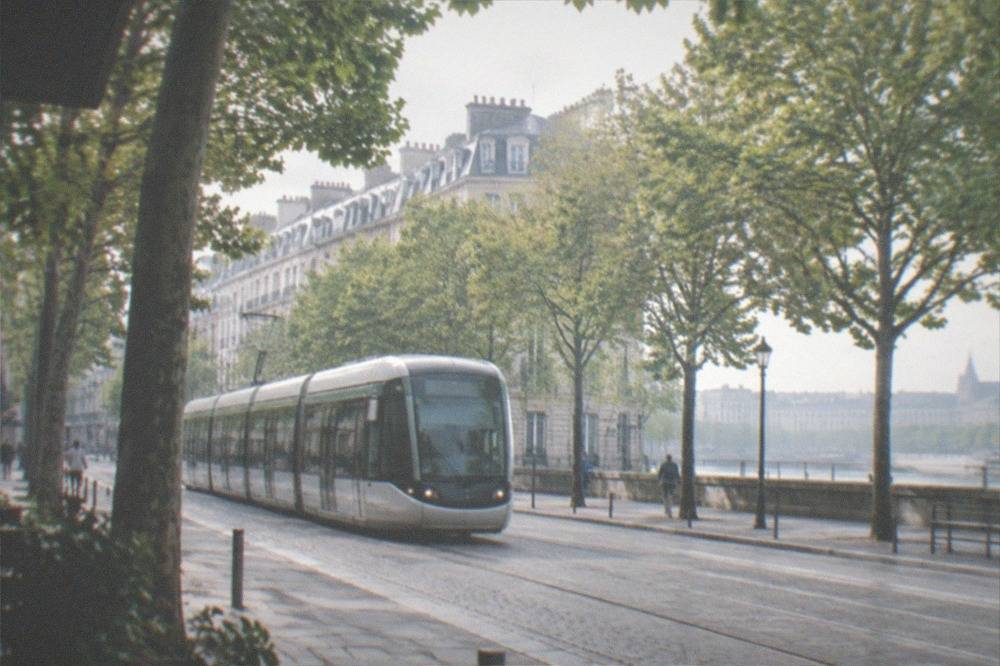
Two practical notes shape most park visits. First, the free-weekend rule means a Saturday or Sunday park circuit is the cheapest sightseeing day available in Nantes, and you should simply walk on and off the trams without validating anything. Second, the network is mid-way through its biggest expansion in a generation: lines 6 and 7 are being built now, with first rails laid in Rezé in December 2025 and on boulevard Léon Bureau in February 2026, and services are targeted for the end of 2027. The metropolitan projects page carries the current state of the works, and the Naolib site lists the temporary changes they cause.
Cycling is the other obvious way to reach a park in a flat city, and Nantes runs a bike-share scheme, though its 2026 pricing is unverified, so check the operator's current tariff before relying on a figure. For orientation before you set off alone, a guided walk is a sensible first morning:
What Can You See And Do Inside Parc De Procé?
Inside Parc de Procé you get the classic ingredients of a landscaped public park: open lawns, mature trees, winding paths and quiet corners, with no ticket, no queue and no timed entry. The park's pleasure is unstructured, so the activities that work here are walking, reading, picnicking and letting children run on grass. Visitors who want programmed entertainment, rides or exhibitions should go to the Machines de l'île or the city's museums instead, where a Galerie visit costs 12 EUR full price.
The honest way to describe the park is by what it is not. It is not the Machines de l'île, where the Galerie, the Carrousel des Mondes Marins and the Grand Éléphant each cost 12 EUR full price and rides need booking ahead, and where elephant maintenance pauses rides entirely from 2 November 2026 to 28 February 2027. It is not the Jardin des Plantes, a botanical garden with a plant collection and seasonal hours. It is a place to be rather than a place to see, and the visitors who enjoy it most arrive with a book, a picnic or a child's ball rather than a checklist.
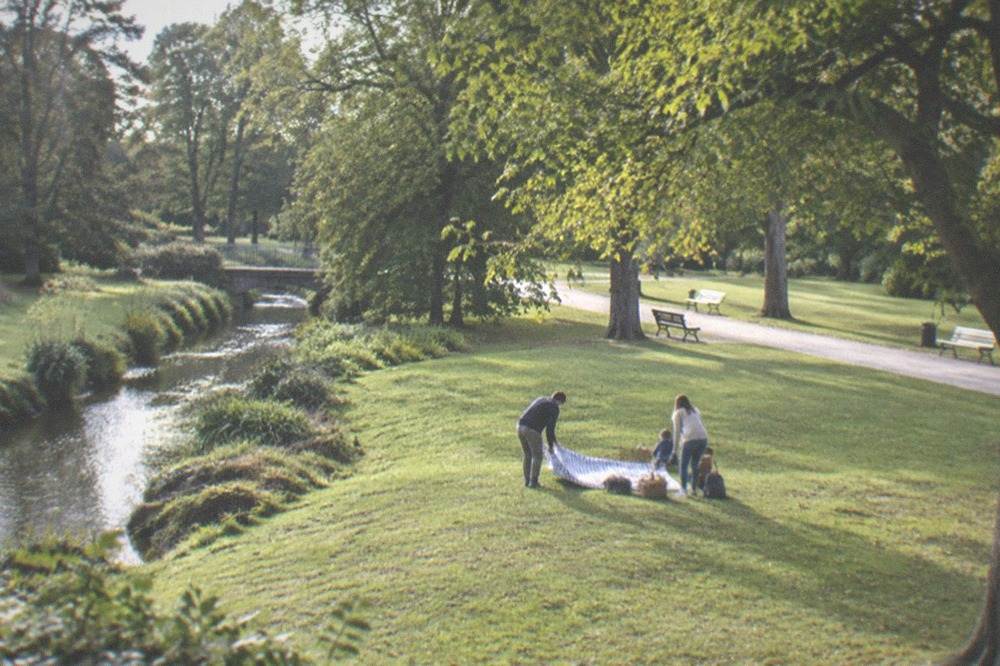
A workable rhythm for a full day is to reverse the usual order. Spend the morning on one ticketed sight, eat lunch near the park, then let the afternoon dissolve into grass and shade. Nantes makes that combination easy because its paid attractions cluster tightly in and around the centre, and the next table gathers each site's own full and reduced prices:
| Sight in central Nantes | Full price | Reduced price | Opening pattern |
|---|---|---|---|
| Musée d'Arts de Nantes | 9 EUR | 4 EUR | 11:00 to 19:00, closed Tuesdays, Thursdays to 21:00 with free entry 19:00 to 21:00 |
| Musée d'histoire de Nantes, Château des ducs de Bretagne | 9 EUR | 5 EUR | 10:00 to 18:00, closed Mondays, free for under-18s |
| Musée Jules Verne | 4 EUR | 1.50 EUR | Afternoons, closed Tuesdays, extended summer hours |
| Musée Dobrée | 9 EUR | 6 EUR | Wednesday to Sunday, free for under-26s |
| Planétarium | 7 EUR | 3 EUR | Session-based visits of about an hour |
| Galerie des Machines, Machines de l'île | 12 EUR | 8 EUR to 10 EUR by category | Seasonal hours, last entry 45 minutes before closing |
One closure to plan around: the Muséum d'histoire naturelle is closed for major works until 2029, so it is not a rainy-day option in any season, despite appearing on older lists of things to do in Nantes with children. The museums above are the working alternatives, and the museums overview and the individual attraction pages carry their current hours.
What Free Things To Do Near Parc De Procé In Nantes Pair Well With It?
The best free pairings with Parc de Procé are the Jardin des Plantes, the Île de Versailles, the free courtyard and ramparts of the Château des ducs de Bretagne, the Mémorial de l'abolition de l'esclavage and the cathedral of Saint-Pierre-et-Saint-Paul, which partially reopened on 27 September 2025 after the 2020 fire with full reopening planned for 2028. All of them cost nothing, and on a weekend the Naolib network that connects them is free too.
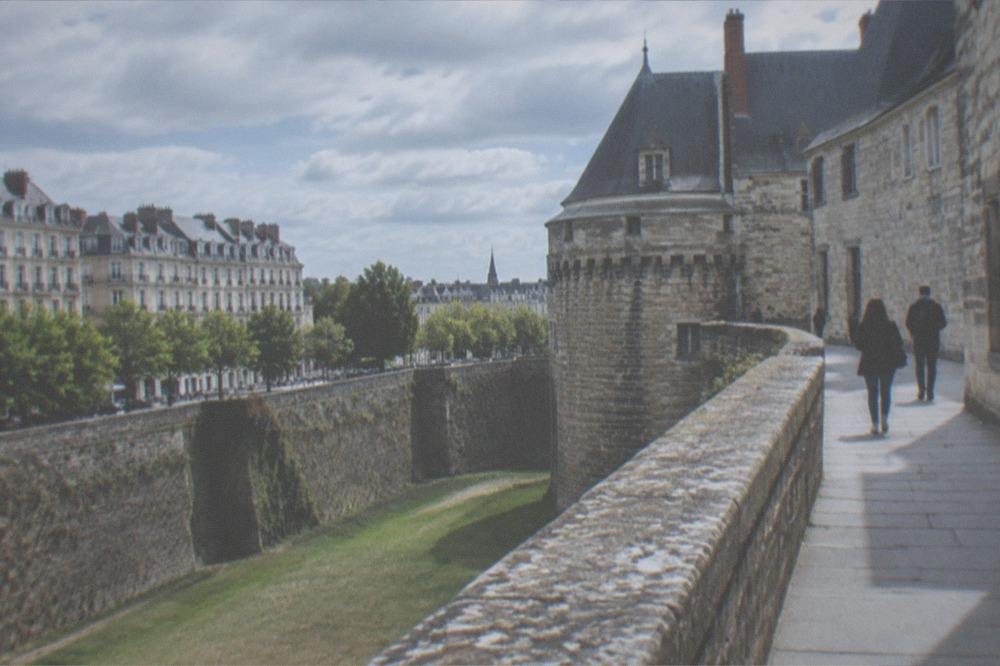
That list deserves a little explanation, because several items surprise visitors. The château's paid museum sits inside ramparts you can walk for free every day from 8:30 to 19:00, and its moat garden opens from 8:00, both verified on the château's own hours page. The Mémorial on the Quai de la Fosse is a free public memorial to the slave trade that made Nantes France's leading slaving port, with 1,714 expeditions out of at least 4,220 French ones, 43% of the French total, before the city's traders withdrew in 1830; those figures come from the memorial's own historical pages and they give any Nantes visit a seriousness that the parks alone do not.
The cathedral deserves its own note because its status is widely misreported. It is not closed: it partially reopened on 27 September 2025, and the west facade remains under scaffolding while works run toward a planned 2028 completion, so you enter through the side portals and see a building mid-restoration rather than off-limits. Entry is free. Combine it with the Château des ducs de Bretagne for a free history morning, then spend the money you saved on lunch before an afternoon in the park.
For a greener chain of free visits, walk the Jardin des Plantes in the morning, take the tram to the Île de Versailles for its Japanese garden on the Erdre, and finish in Parc de Procé when the afternoon heat softens. All three are free, all three are gardens rather than museums, and the whole day needs only a single 24-hour Naolib ticket on a weekday, or nothing at all on a Saturday or Sunday.
What Does A Visit To Parc De Procé Cost In Nantes?
A visit to Parc de Procé itself is free, and the only costs are getting there and whatever you eat. A single Naolib ticket is 1.80 EUR, a 24-hour ticket is 6.80 EUR, and weekend travel is free.
Travellers planning several paid sights should price the Pass Nantes, which runs from 30 EUR for 24 hours to 75 EUR for seven days at full rate and includes transport, the airport shuttle return, the château museum, the Galerie des Machines and the Carrousel, though not the Grand Éléphant ride.
The Pass Nantes tariff below comes from the official Le Voyage à Nantes pages, and it is the one pass worth pricing if your itinerary mixes parks with museums:
| Pass Nantes duration | Full | Reduced (4 to 17, students under 26, disability card) | Family (2 adults + 2 children) |
|---|---|---|---|
| 24 hours | 30 EUR | 20 EUR | 80 EUR |
| 48 hours | 40 EUR | 26 EUR | 106 EUR |
| 72 hours | 49 EUR | 31 EUR | 129 EUR |
| 7 days | 75 EUR | 45 EUR | 195 EUR |
For a park-centred visit the pass rarely pays off, because parks are free and the pass exists to bundle paid sights. For a mixed visit that includes the château museum, the Machines de l'île and a museum or two, the arithmetic can work, especially on the family rate, which covers two adults and two children with the second child pass free. Note the one famous exclusion: the Pass Nantes covers the Galerie and the Carrousel but not the Grand Éléphant ride, so budget that separately, and remember the ride pauses entirely from 2 November 2026 to 28 February 2027 for maintenance.
There is one accommodation cost worth knowing even on a parks page. Nantes Métropole charges a tourist tax per person per night, tiered by hotel classification and reported at 2.86 EUR for a 4-star, 1.87 EUR for a 3-star and 1.10 EUR for a 2-star property, rates collected by your host. It is small, but it appears on your bill, and knowing it exists prevents the usual checkout surprise.
Is Parc De Procé In Nantes A Good Park For Families?
Parc de Procé works well for families because it is simple: open grass, shade and space to run, with no queues, no tickets and no timed entry. The city around it adds the rest, from the free under-18 entry at the Musée d'histoire de Nantes inside the château to the 8 EUR child ticket at the Galerie des Machines, and free weekend transport makes a two-park family Saturday cost nothing beyond food. For rainy days, the museums carry the day instead.
Families travelling to Nantes have an unusually generous set of free and cheap options, and the verified price table earlier in this guide is the practical core of planning them. Under-18s enter the Musée d'Arts de Nantes and the Musée d'histoire de Nantes free on any open day, under-26s enter the Musée Dobrée free, and the cathedral is free for everyone. The Planétarium's 3 EUR child sessions for ages 4 to 8 last about half an hour, which suits younger children better than a full museum.
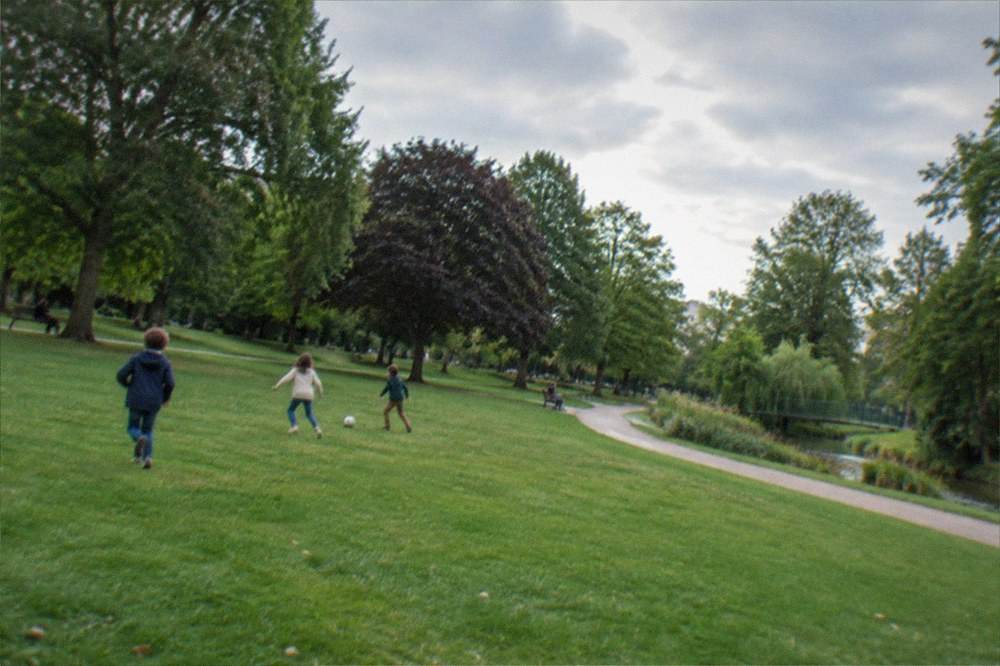
The park's own role in a family day is the cheap middle of the day: the pause between a morning museum and an evening meal. August helps, because the extended summer hours at the château courtyard, the Île de Versailles and the Jardin des Plantes keep the free green spaces open later, and the mean August high of 25.4 C makes the shade genuinely useful. In the opposite season, the Muséum d'histoire naturelle's closure until 2029 removes one traditional rainy-day option, so book the Planétarium or the Musée Jules Verne instead.
If your family trip extends beyond the city, the Pays de la Loire region around Nantes opens up: the answers to what is the Pays de la Loire famous for range from Muscadet vineyards to Atlantic beaches, and a guided day trip can stitch several of them together without you driving:
A full-day excursion works best on the day you would otherwise spend on logistics, since the minibus handles the driving and the stops are timed for you. Book it early in your stay, keep the park afternoons free for the slow hours, and leave the city's flat, tram-friendly centre for the days in between.
How Does Parc De Procé Fit Into A Nantes Itinerary?
Parc de Procé fits into a Nantes itinerary as a free, low-effort pause rather than a fixed stop: a morning at the château museum or the Machines de l'île, lunch, then an hour or two of park before an evening in the Bouffay old town. In a two or three day itinerary it slots into the afternoon of the day that also covers the centre, and on a weekend free transport makes moving between all of it cost nothing.
The sequencing matters less than the timing of the paid sights around it. The Musée d'histoire de Nantes closes on Mondays, the Musée d'Arts de Nantes closes on Tuesdays, and both stop selling tickets 30 minutes before closing, so check the day of the week before committing a morning. The Machines de l'île's last admission is 45 minutes before its seasonal closing time, and the Grand Éléphant's slots in the autumn run from mid-morning to mid-afternoon on weekdays, so the machine sights want either a booked morning or an early afternoon.
A sensible centre-and-park day looks like this:
| Time | Activity | Cost at full rate |
|---|---|---|
| Morning | Château museum or Musée d'Arts | 9 EUR, free for under-18s |
| Midday | Lunch near the centre or Talensac market area | Market price |
| Early afternoon | Free ramparts walk or cathedral visit | Free |
| Afternoon | Parc de Procé for grass, shade and a rest | Free |
| Evening | Bouffay old town or a créperie | Restaurant price, 12 to varies by venue for an inexpensive meal as aggregated in 2026 |
The inexpensive-meal range above is a market aggregate, not a promise from any restaurant, so treat it as a planning band and check the room. For an evening, the Bouffay old town area around the city's historic crêperies and brasseries, including the ornate 19th-century brasserie that is itself a listed sight, gives a Nantes day a proper finish.
Common Questions About Parc De Procé In Nantes
Is Parc de Procé free to visit?
Yes. Entry to Parc de Procé is free, like the other principal green spaces of Nantes, including the Jardin des Plantes, the Île de Versailles and the château's courtyard, ramparts and moat garden. Only the paid museums and attractions carry tickets, and under-18s enter the principal museums free.
What is Parc de Procé in Nantes, France?
Parc de Procé is a free public park in Nantes, in the Loire-Atlantique department of the Pays de la Loire region of western France. It is a calm, residential green space with lawns, mature trees and paths, rather than a ticketed attraction, and it suits travellers who want a quiet afternoon between the city's museums and monuments.
When is the best time to visit Parc de Procé?
April to May and September are the best months, with mild temperatures, moderate rain and thinner crowds. July and August are the warmest, with mean daily highs of 25.1 C and 25.4 C, while January averages a 9.3 C daily high. Nantes has a temperate oceanic climate with about 819.5 mm of rain a year, so pack a light rain layer in any season.
How do I get to Parc de Procé by public transport?
The park sits inside the Naolib network, so a 1.80 EUR single ticket covers an hour of tram, bus, busway or Navibus travel, and a 6.80 EUR ticket covers 24 hours. On Saturdays and Sundays the whole network is free for everyone, except the airport shuttle, which always costs 10 EUR. Check the Naolib journey planner for the route and stop on your day of travel, because works for the future tram lines 6 and 7 can shift services.
Is Parc de Procé good for children and families?
Yes. The park's open lawns and calm paths give children space to run, with no queues or timed entry, and the city around it adds free under-18 museum entry, a 4 EUR Musée Jules Verne ticket and 3 EUR child sessions at the Planétarium. On rainy days, the museums carry the day, and the Muséum d'histoire naturelle is not an option because it is closed for works until 2029.
What else can I do near Parc de Procé in Nantes?
The free pairings include the Jardin des Plantes, the Île de Versailles, the château's courtyard and ramparts, the Mémorial de l'abolition de l'esclavage and the cathedral, which partially reopened on 27 September 2025 with full reopening planned for 2028. Paid options nearby include the Musée d'Arts de Nantes at 9 EUR, the Musée Jules Verne at 4 EUR and the Galerie des Machines at 12 EUR.
A final park, a free tram ride home and an evening in the old town is about as good as a Nantes day gets, and the fact that almost none of it costs anything is the quiet argument for building a park afternoon into every itinerary through the city.