Butte Sainte Anne In Nantes, France
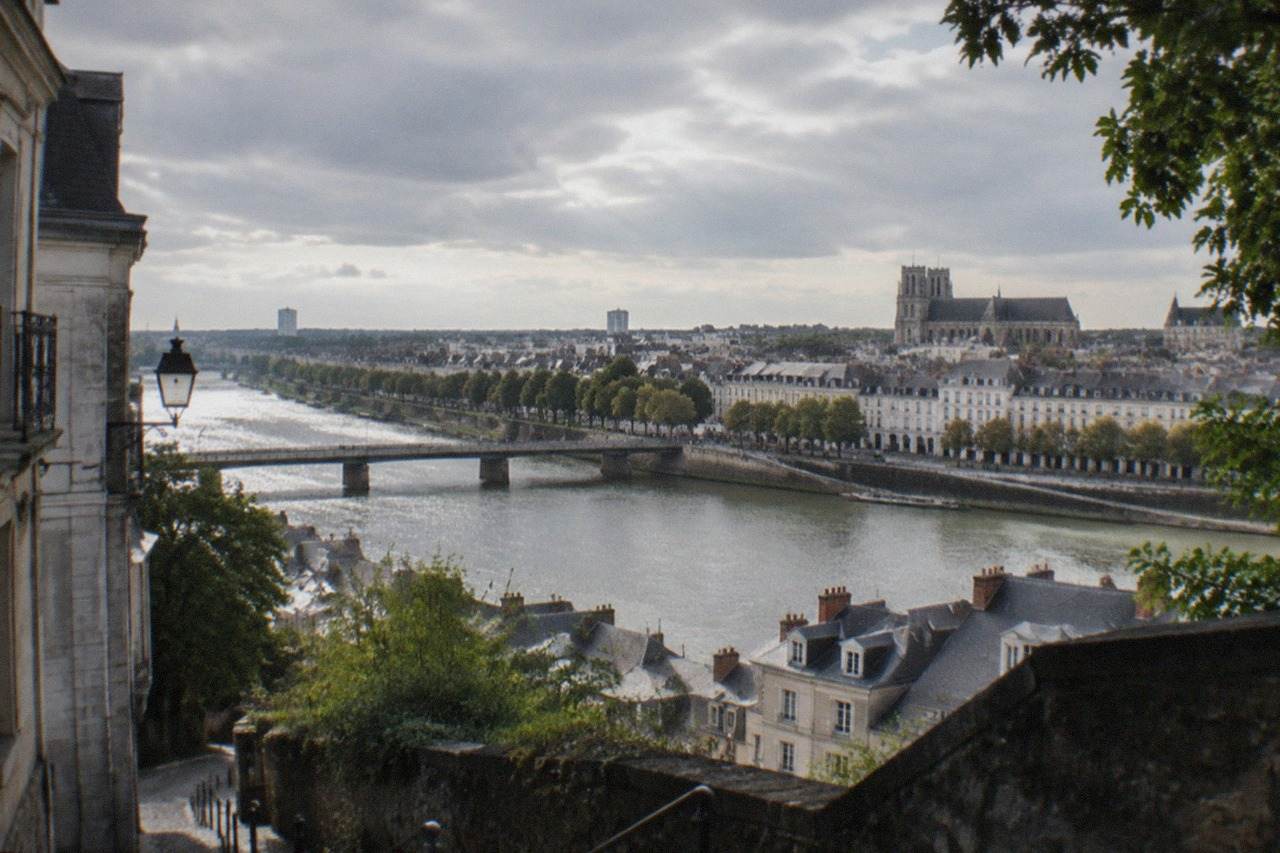
The Butte Sainte Anne rises over the south bank of the Loire in Nantes, France, a hillside quarter of steep streets, river views and the city's Jules Verne museum.
Short answer
The Butte Sainte Anne is a hillside quarter in Chantenay, on the Loire's south bank in western Nantes, France, known for the Musée Jules Verne, its panoramic river views and its Navibus link to Trentemoult.
The Butte Sainte Anne is a hillside quarter in the Chantenay district of Nantes, in the Loire-Atlantique department of the Pays de la Loire region of western France. It stands on the south bank of the Loire, west of the Île de Nantes, and it looks out across the river towards the city centre. This is the part of Nantes that keeps a low profile in most guidebooks, yet it holds one of the city's most distinctive museums and some of its best viewpoints over the water. The Nantes Travel Guide treats it as a half-day area: a morning in the museum, a slow wander down through the streets, and a Navibus river crossing to Trentemoult afterwards.
What Is The Butte Sainte Anne In Nantes?
The Butte Sainte Anne is a hillside quarter in Chantenay, on the south bank of the Loire in western Nantes, France, in the Loire-Atlantique department of the Pays de la Loire region. Its name comes from the chapel that once stood on its heights. The quarter is best known for the Musée Jules Verne at 3 rue de l'Hermitage, for its steep streets of former workers' houses, and for long views north over the Loire towards the Île de Nantes and the city centre.
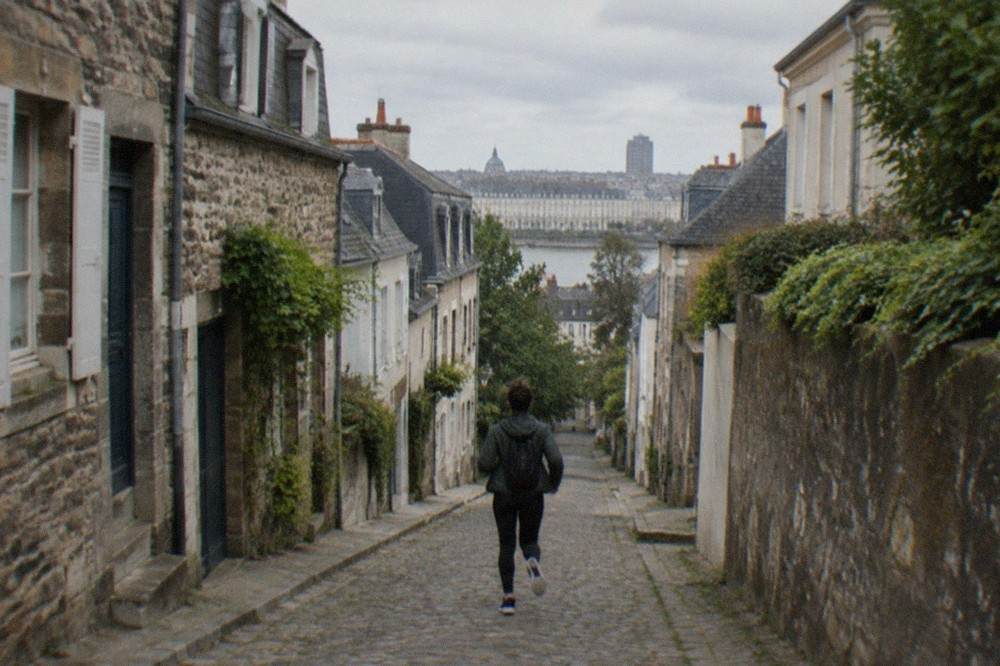
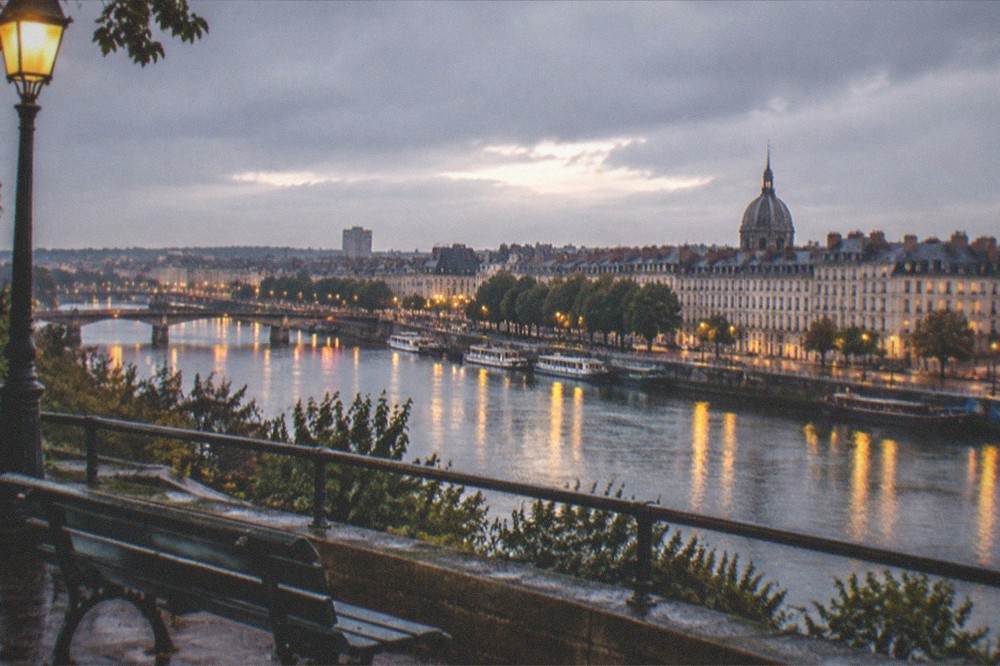
Chantenay grew as a riverside village before Nantes absorbed it, and the Butte Sainte Anne was its residential spine: houses stacked up the slope, stairs cutting between streets, and small gardens squeezed onto terraces. The atmosphere is quieter and more residential than the Bouffay old town or the Graslin quarter on the other side of the river. Nantes city-trip planning usually splits the city into a compact historic core and a set of peripheral quarters worth a deliberate trip, and this is firmly in the second group. The reward for the climb is a landscape few people ever see from here: the Loire widening out, the harbour cranes of the former docks, and the rooftops of Trentemoult on the opposite bank.
Jules Verne is the quarter's most famous association, though he was born on the Île Feydeau in 1828 rather than here. The museum dedicated to him sits at the top of the hill, and it is the anchor that draws visitors up the Butte in the first place. Around it spreads a neighbourhood that rewards aimless walking: dead-end lanes that end at a railing and a drop to the river, painted shutters, and the occasional view framed between two houses. The 2026 edition of Le Voyage à Nantes, the city's summer art programme, even reached the Jardin Extraordinaire in this quarter, placing monumental sculptures by Barbara Schroeder among the terraces of the former quarry garden.
For orientation, think of the Butte Sainte Anne as the high ground and Bas-Chantenay as the strip at the water's edge below it. The two are connected by steep streets, and Bas-Chantenay is where the newer developments sit, including the Hangar à Bananes district a little further east. The future Cité des Imaginaires, the expanded Jules Verne cultural site planned in the Cap 44 building in Bas-Chantenay, is under construction with an opening targeted for 2028, which makes this quarter one to watch rather than one that is finished.
How Do You Get To The Butte Sainte Anne And Chantenay?
You reach the Butte Sainte Anne by Naolib tram or bus to the Chantenay side of the Loire and then on foot up the hill, or across the water on the Navibus N2 river shuttle, which links Trentemoult, Bas-Chantenay and the Hangar à Bananes following the extension launched on 12 November 2025. A standard Naolib ticket costs 1.80 EUR and covers trams, buses and Navibus for an hour, and the network runs free for everyone on weekends, from Saturday midnight to Sunday 23:59.
The practical detail that matters is the ticket, because everything on this side of the river is Naolib territory. A one-hour ticket is 1.80 EUR; a carnet of ten is 17.80 EUR; a 24-hour ticket is 6.80 EUR; and a 24-hour ticket for up to four people travelling together is 15 EUR. The weekend free-transport rule covers trams, buses, Navibus and even TER trains inside the agglomeration, so a Saturday visit to the Butte Sainte Anne costs nothing to reach. Only the airport shuttle is excluded from that weekend rule, and it always costs 10 EUR, though that is a concern for arrivals rather than for getting around the city.
| Naolib option | Price | What it covers |
|---|---|---|
| 1-hour ticket | 1.80 EUR | Tram, bus, Navibus and TER inside the metropole for one hour |
| 10 x 1-hour carnet | 17.80 EUR | Ten one-hour tickets |
| 24-hour ticket | 6.80 EUR | Unlimited travel for 24 hours |
| 24-hour ticket, 4 people | 15 EUR | A group of up to four travelling together |
| Weekend travel | Free | Saturday 00:00 to Sunday 23:59 for everyone, airport shuttle excluded |
| P+R (park and ride) | 4.50 EUR | 24 hours of parking plus transport for up to five people |
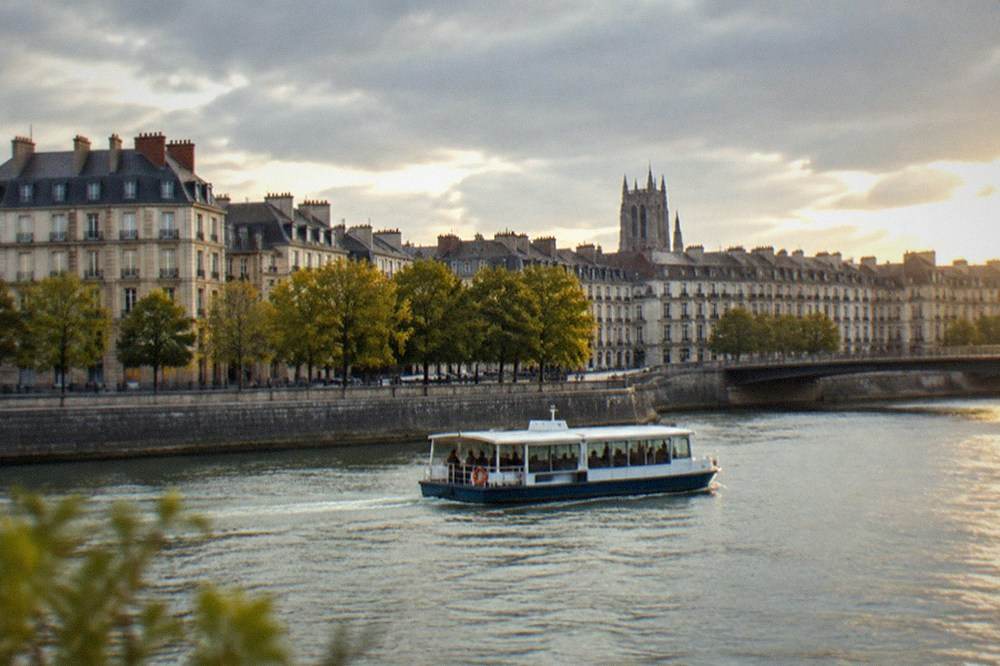
The Navibus N2 deserves its own word because it is the scenic way in. Launched in its extended form on 12 November 2025, it runs between Trentemoult Sablières, Bas-Chantenay and the Hangar à Bananes, with a new 46-metre pontoon at Trentemoult and a 140-space park-and-ride on that side. A normal Naolib ticket covers it. Crossing the Loire by boat rather than by bridge changes how the city reads: the Butte Sainte Anne appears as a real hill, which is exactly what it is, and the former docklands of the Île de Nantes slide past in the middle distance.
For visitors who prefer to let a local structure the walking, a guided option takes the guesswork out of the hillside's stairs and dead ends:
The professional-guide private walk is the deepest of the city's walking options, though its price is not published by the operator, so the listing itself is the place to check the current figure. Two alternatives suit the Butte Sainte Anne well, and both appear in the band below alongside it. A self-guided app tour lets you set your own pace up the hill, and an all-inclusive food tour of the old town makes a strong pairing if you plan to eat your way back down towards the centre afterwards.
Whichever way you arrive, the last stretch is on foot. The Butte's streets were built for people and hand-carts, not cars, and the gradient is the point.
What Can You See And Do On The Butte Sainte Anne?
The main sight on the Butte Sainte Anne is the Musée Jules Verne at 3 rue de l'Hermitage, a small museum dedicated to the author's life, voyages and manuscripts, open afternoons with an admission of 4 EUR full and 1.50 EUR reduced. Beyond the museum, the quarter's attractions are free: the hillside streets, the terraces of the Jardin Extraordinaire, the viewpoints over the Loire, and the riverside walk through Bas-Chantenay towards the Hangar à Bananes.
The museum is compact and personal. It stands on the slope below the Rocher, at the address Nantes has long associated with Verne's memory, and its displays tie the author back to the port city he watched from the banks of the Loire. The museum's stated hours are afternoons: Monday and Wednesday to Friday 14:00 to 18:00, Sunday 14:00 to 18:00, and Saturday morning 10:00 to 12:00 plus the afternoon. It closes on Tuesdays. In July and August 2026 it runs daily from 10:00 to 19:00, which makes high summer the easiest season for a morning visit. One practical note from the museum's own preparation page: the building is not air-conditioned, which matters in a city whose station record now stands at 42.2 C, set on 24 June 2026.
Below and around the museum, the quarter itself is the exhibit. Three suggestions fill a half day without strain. First, walk the top of the hill along rue de l'Hermitage and its neighbours, following the sightlines north until a gap between houses opens onto the Loire. Second, drop down into Bas-Chantenay, where the Jardin Extraordinaire occupies a former quarry and served as a 2026 Voyage à Nantes site, its terraces hosting sculptural works during the summer programme. Third, follow the water east towards the Hangar à Bananes, the old banana warehouse turned bar-and-gallery strip, where the HAB Galerie staged the INTERSTELLAR exhibition from 23 May to 27 September 2026.
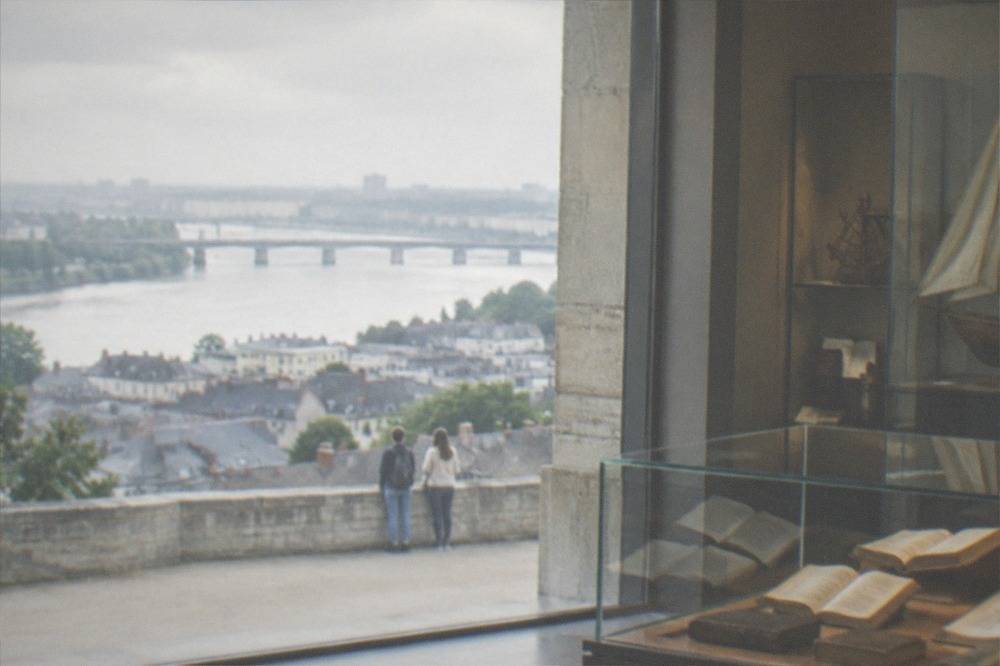
If you want the hillside unpacked rather than merely walked, a private guide turns the stairways into a narrative, and this is the conversion point where booking makes sense for most first-time visitors.
For a cheaper, self-paced alternative, the app-based walking route covers 35 stops around the city and can be trimmed to the riverside quarters:
The quarter also connects naturally to the city's bigger sights. The Hangar à Bananes sits at the western edge of the Île de Nantes, whose mechanical attractions are covered in our Machines de l'île guide, and a day that starts on the Butte can finish on the island without backtracking. Families will find the pairing works well with the suggestions in Nantes with kids.
What Does A Visit To The Butte Sainte Anne Cost?
The Musée Jules Verne charges 4 EUR full price and 1.50 EUR reduced, and the 15 EUR Pass Musées covers it for a year alongside the Musée d'arts, the Musée d'histoire de Nantes in the château and the Chronographe. Everything else on the Butte Sainte Anne is free: the streets, the viewpoints, the Jardin Extraordinaire and the riverside. Free first-Sunday entry applies to the museum from September to June, excluding July and August.
That makes this one of the cheapest outings in Nantes. A visitor holding a one-hour Naolib ticket at 1.80 EUR, paying 4 EUR at the museum door and walking the rest of the quarter spends under 6 EUR before lunch. The Pass Musées at 15 EUR only pays off if you plan to visit three or more of the covered museums, but for a longer stay covering the château and the Musée d'arts, it is sound arithmetic.
| Item | Cost | Notes |
|---|---|---|
| Musée Jules Verne, full | 4 EUR | Ages 26 and over |
| Musée Jules Verne, reduced | 1.50 EUR | Standard concession categories |
| First Sunday, September to June | Free | Excludes July and August |
| Pass Musées | 15 EUR | One year, four museums, Jules Verne included |
| Butte Sainte Anne streets and viewpoints | Free | Open public space |
| Jardin Extraordinaire | Free | Public garden in the former quarry |
| Navibus N2 crossing | 1.80 EUR | Standard Naolib 1-hour ticket; free at weekends |
Two caveats keep the numbers honest. The natural history museum, which once drew 140,000 or more visitors a year, has been closed for works since November 2025 and stays shut until 2029, so it cannot be part of any museum arithmetic on this or any Nantes page. And the Pass Nantes, the tourist pass valid from 1 April 2026 at 30 EUR for 24 hours up to 75 EUR for seven days, includes transport and partner sites but is a whole-city product rather than something the Butte on its own justifies.
For visitors building the day around food, the old-town food tour is the one product that pairs eating with walking, and its all-inclusive format means the stops are covered in the listing rather than paid along the way:
Its price is not published by the operator, so check the live listing for the current figure before planning the budget around it.
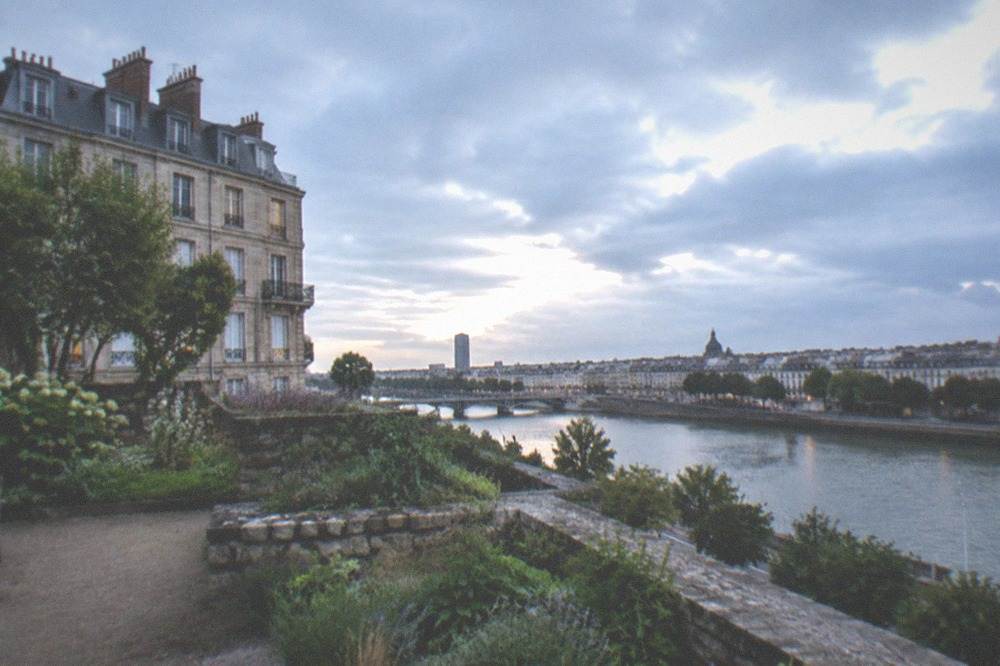
When Is The Best Time To Visit The Butte Sainte Anne In Nantes?
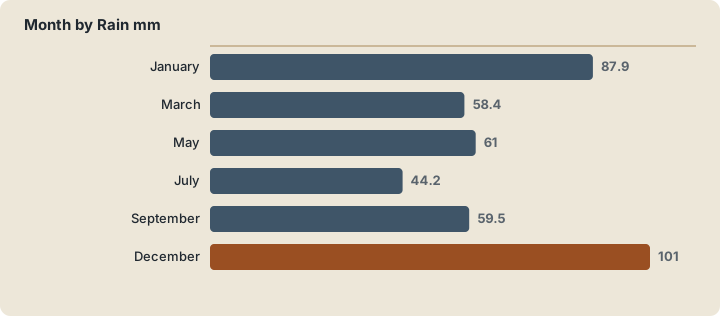
The best months to visit the Butte Sainte Anne are April to June and September, when Météo-France's 1991-2020 normals for the Nantes-Bouguenais station show mean maximums of 16.2 C in April, 19.6 C in May and 23.0 C in June, with September at 22.4 C and the year's lowest rain days in summer. Nantes has a temperate oceanic climate, not a Mediterranean one, with 819.5 mm of rain across the year and December the wettest month at 101.0 mm.
The hill is exposed, so the season matters more here than in the sheltered old town. Summer is warm, with a July mean maximum of 25.1 C, but 2026 rewrote the extremes: the station record reached 42.2 C on 24 June 2026, and the year set records for days at or above 30 C and 35 C. The Jules Verne museum's own page warns it is not air-conditioned, which argues for morning visits in July and August, when its summer hours run 10:00 to 19:00 daily. Winter is mild rather than harsh, with a January mean maximum of 9.3 C and a mean minimum of 3.4 C, but the slopes feel every degree of the wind off the Loire.
| Month | Mean max C | Mean min C | Rain mm |
|---|---|---|---|
| January | 9.3 | 3.4 | 87.9 |
| March | 13.5 | 4.9 | 58.4 |
| May | 19.6 | 9.8 | 61.0 |
| July | 25.1 | 14.3 | 44.2 |
| September | 22.4 | 11.8 | 59.5 |
| December | 9.8 | 3.7 | 101.0 |
One seasonal nuance comes from the city's cultural calendar. Le Voyage à Nantes runs its summer programme from early July to early September, and in 2026 it used the Jardin Extraordinaire and even the cathedral crypts as sites, so an art-inclined visitor gets a double reason to be on the Butte in July or August. In late January, the Folle Journée classical festival fills the Cité des Congrès across the city, and the 2027 edition runs 27 to 31 January with a Beethoven theme; a cold-weather city break built around it can use the Butte's museums and covered spaces for the grey hours. For a fuller month-by-month picture, see our best time to visit Nantes and Nantes weather guides.
How Does Chantenay Connect To Trentemoult Across The Loire?
Chantenay connects to Trentemoult across the Loire by the Navibus N2 river shuttle, extended on 12 November 2025 to link Trentemoult Sablières, Bas-Chantenay and the Hangar à Bananes, with a new 46-metre pontoon and a 140-space park-and-ride at Trentemoult. The crossing uses a standard Naolib ticket at 1.80 EUR, or nothing at weekends, and it takes the place of the long walk or tram ride around the river loop.
Before the extension, reaching Trentemoult's painted fishermen's houses from the Chantenay side meant going into the centre or around by road. The direct boat link changed that, and it effectively stitches three of the city's riverside quarters into one itinerary: the Butte Sainte Anne above, the Hangar à Bananes strip at the water's edge, and Trentemoult on the opposite bank. Our Trentemoult area guide covers the village side in detail, and the pairing is now the most satisfying riverside circuit in the city.
The wider neighbourhood context is worth a line, because Chantenay is not only a postcard. In December 2025 the local collège ran in a degraded mode with shortened hours because of staffing and safety concerns for around 800 pupils, a reminder that this is a living district with ordinary pressures, not a museum piece. On the safety question, the city's recorded delinquency rose about 2 per cent in 2025 while the tourist and historic quarters, including this riverside band, remain among the city's livelier and better-patrolled areas; our is Nantes safe page treats the detail.
| Riversidestretch | What it offers | Link to the Butte |
|---|---|---|
| Bas-Chantenay | Jardin Extraordinaire, riverside walk, Cap 44 works for the future Cité des Imaginaires | Steep streets on foot |
| Hangar à Bananes | Bars, restaurants, HAB Galerie, Warehouse club | Navibus N2 or riverside walk east |
| Trentemoult | Painted houses, quayside cafés, village atmosphere | Navibus N2 across the Loire |
| Île de Nantes | Les Machines de l'île, Galerie, Carrousel | East along the river from the Hangar |
How Does The Butte Sainte Anne Fit Into A Longer Nantes Stay?
The Butte Sainte Anne fits a longer Nantes stay as the riverside morning of a two- or three-day visit, paired with Trentemoult by boat and followed by the Île de Nantes in the afternoon, leaving the old town and Graslin for the full day they deserve. Its museum needs an hour or two, the streets reward another hour of wandering, and the Navibus crossing adds the final stretch, so budget a half day rather than a full one.
Most first visits to Nantes start in the centre, and rightly so. The one day in Nantes itinerary squeezes the essentials, and a single day rarely leaves room for the Chantenay hillside. From two days onward the picture changes: the two days in Nantes plan can dedicate an afternoon to the riverside west, and the Butte slots in neatly before or after the old town's covered attractions. Visitors staying in the Bouffay old town or the Graslin and Commerce quarter will find the quarter a short tram ride away, and those based on the Île de Nantes can walk the riverside west directly.
Day trips are a further extension rather than a conflict. Clisson, Guérande and the coast all leave from the south side of the city, and the Nantes day trips overview collects them; the TER towards Clisson takes about 23 minutes on average from the centre, and the Pass Nantes even includes one Clisson return. None of that competes with a hillside morning.
For the full list of what the city offers, our Nantes attraction overview page is the starting point, and the walking options below cover the quarter with or without a guide:
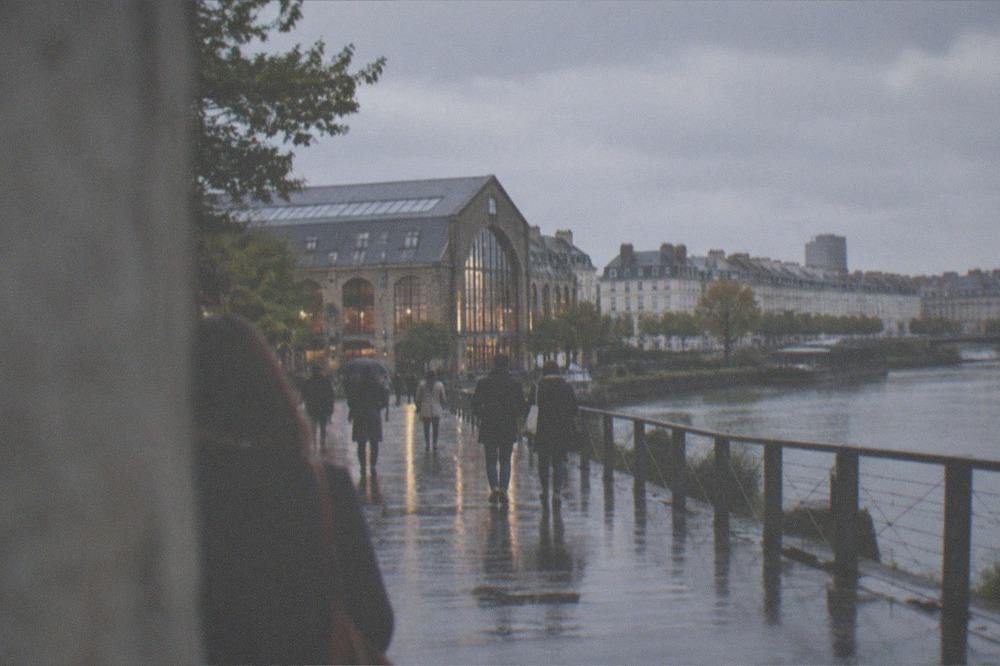
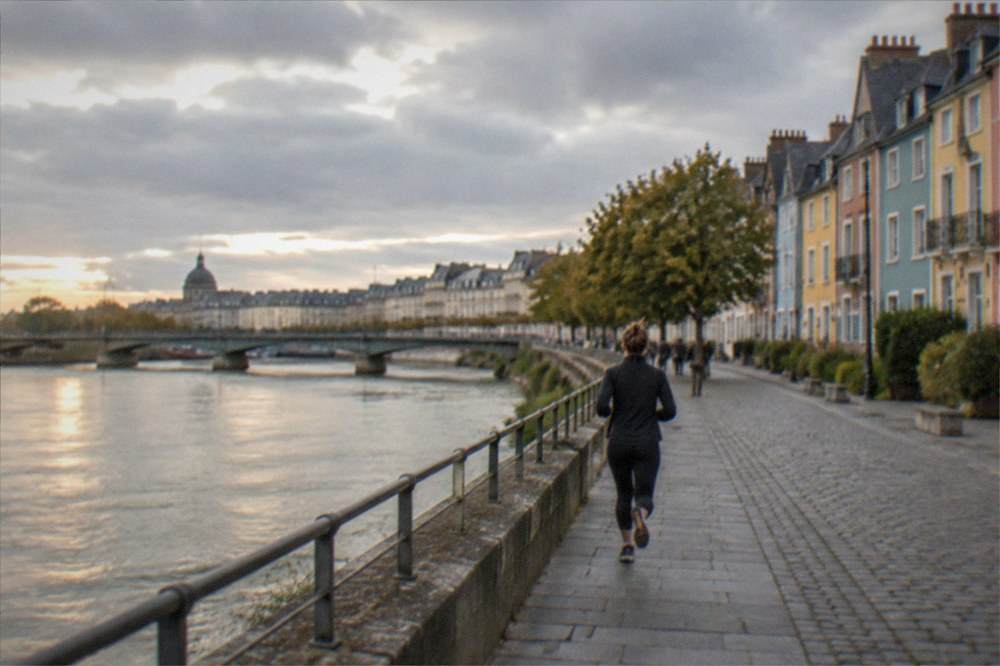
Common Questions About The Butte Sainte Anne In Nantes
What is the Butte Sainte Anne?
The Butte Sainte Anne is a hillside quarter in the Chantenay district of Nantes, France, on the south bank of the Loire. It is best known for the Musée Jules Verne on rue de l'Hermitage and for its views over the river towards the city centre and the Île de Nantes.
How much does the Musée Jules Verne cost?
Admission to the Musée Jules Verne is 4 EUR full price and 1.50 EUR reduced. It is included in the 15 EUR Pass Musées, which also covers the Musée d'arts, the château's history museum and the Chronographe for a year, and entry is free on the first Sunday of the month from September to June.
When is the Musée Jules Verne open?
The museum's stated hours are 14:00 to 18:00 on Monday and Wednesday to Friday, Saturday morning 10:00 to 12:00 plus 14:00 to 18:00, and Sunday 14:00 to 18:00. It is closed on Tuesdays, and in July and August 2026 it runs daily from 10:00 to 19:00.
Is the Butte Sainte Anne free to visit?
The quarter itself is free: the streets, the viewpoints over the Loire, the Jardin Extraordinaire and the riverside walk through Bas-Chantenay are all public space. Only the museum charges, at 4 EUR full price, and reaching the area by Naolib costs 1.80 EUR or nothing at weekends.
Can you cross from Chantenay to Trentemoult?
Yes. The Navibus N2 river shuttle links Trentemoult Sablières, Bas-Chantenay and the Hangar à Bananes following the extension launched on 12 November 2025, using a standard Naolib ticket. It replaced the long way around by road with a direct Loire crossing of a few minutes.
Is the Butte Sainte Anne worth visiting?
It is worth a half day if you enjoy hillside streets, river views and small museums. The Musée Jules Verne anchors the visit, the terraces of the Jardin Extraordinaire and the viewpoints cost nothing, and the Navibus N2 turns the trip into a loop through the Hangar à Bananes and Trentemoult.
The Butte Sainte Anne will keep changing over the next few years: the Cité des Imaginaires is due in 2028, the riverside keeps gaining links, and the Jules Verne museum stands as the reason to climb today. Go up in the morning, come down by the water, and the quarter pays for the climb.