Street Art Nantes
Nantes, in the Loire-Atlantique department of western France, treats public art as city infrastructure rather than decoration. Since 2011 a painted green line has threaded about 20 km of the centre, linking permanent installations, festival works and the odd surprise around almost every corner.
Short answer
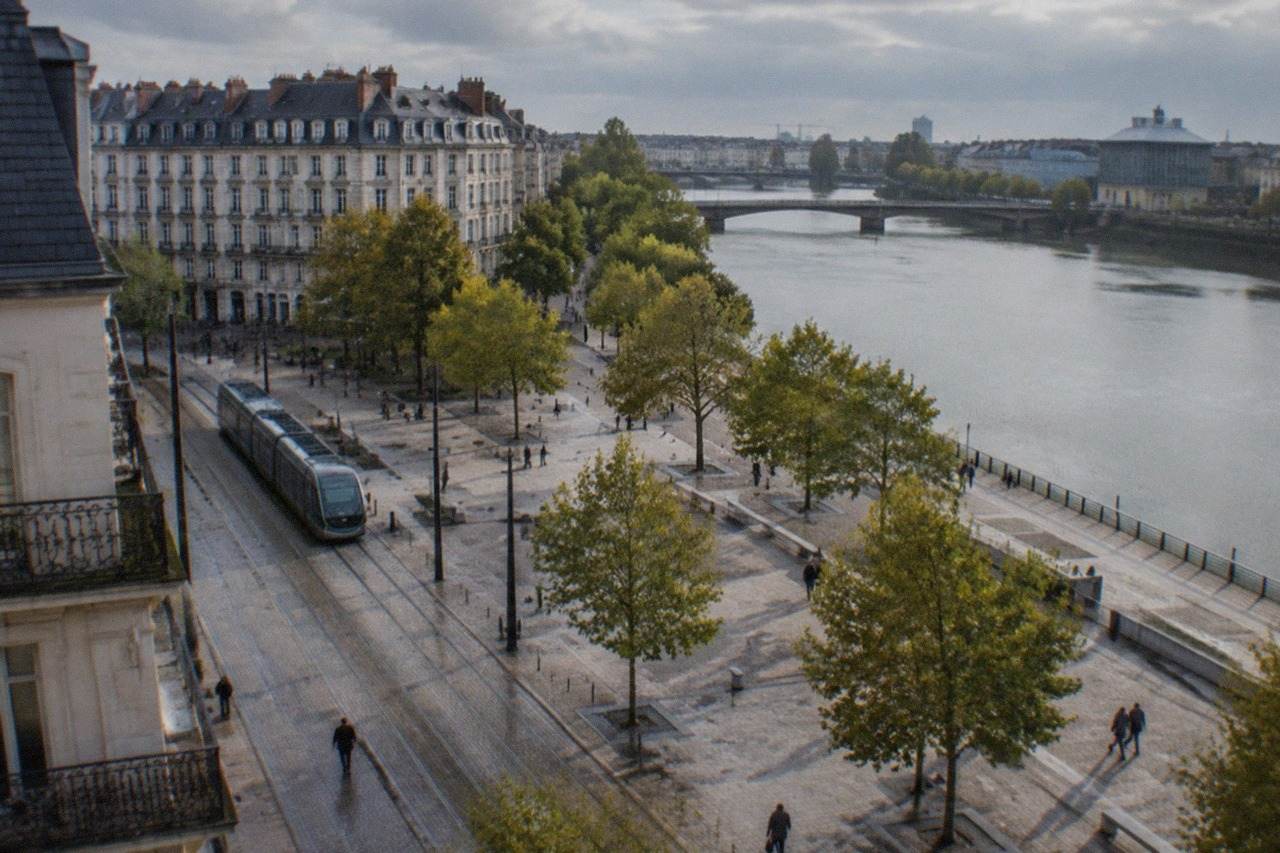
The best street art in Nantes follows the green line, a painted trail of about 20 km through the city centre, refreshed each summer by the Voyage à Nantes festival. Key areas are Bouffay and Graslin in the historic centre, the Île de Nantes around Les Machines, and Bas-Chantenay near the Jardin Extraordinaire. Almost all of it is free to see on foot.
Nantes, in the Loire-Atlantique department of the Pays de la Loire region in western France, has built one of Europe's most unusual public-art programmes. Rather than scattering a few murals and calling it a scene, the city paints a green line on its pavements and invites visitors to follow it past installations, video works, mechanical machines and contemporary pieces that appear in gardens, church crypts and disused factories. The green line is permanent, the artworks rotate, and almost everything along it costs nothing to look at.
That approach comes from Le Voyage à Nantes, the body created in 2011 whose summer event has run every year since 2012. Its 2026 edition, the fifteenth, ran from 4 July to 6 September under the theme of Earth, the first in a four-year cycle on the elements. Some of the strongest pieces from that programme stayed in place into autumn, so even outside festival weeks the city reads like an open-air museum. This guide walks through where the art is, what the green line actually is, which neighbourhoods repay a slow wander, and what a street-art day in Nantes realistically costs.
Where Is The Best Street Art In Nantes?
The best street art in Nantes sits along the green line, which the Voyage à Nantes team describes as a painted trail of roughly 20 km linking permanent and temporary works across the centre. The densest clusters are Place Graslin and the Bouffay quarter in the historic core, the Île de Nantes around Les Machines de l'île, and Bas-Chantenay at the Jardin Extraordinaire. The trail is free, signposted on the ground, and walkable in sections rather than in one go.
The line matters because it solves the problem every street-art city has: art this dispersed is easy to miss. In Nantes you simply keep an eye on the pavement. Where the green paint goes, art follows, whether that is a monumental sculpture on a formal square, a sound piece in a small public garden or a video work hidden in the crypts of the cathedral. Visitors who prefer structure can pick one neighbourhood per half-day and follow the line through it, then break for lunch and move on.
It helps to know what kind of art you are walking towards. The programme leans contemporary and conceptual rather than purely graffiti: think sand sculptures evoking archaeology, metal palm trees in castle moats and film projections in underground spaces. Classic mural painting exists on side streets and utility boxes, especially around Bouffay and the Île de Nantes, but the signature Nantes experience is installation art in unexpected public settings, curated at city scale. For background on how the city's festivals fit together, our Voyage à Nantes festival guide goes deeper into the programme's structure.
What Is The Green Line In Nantes?
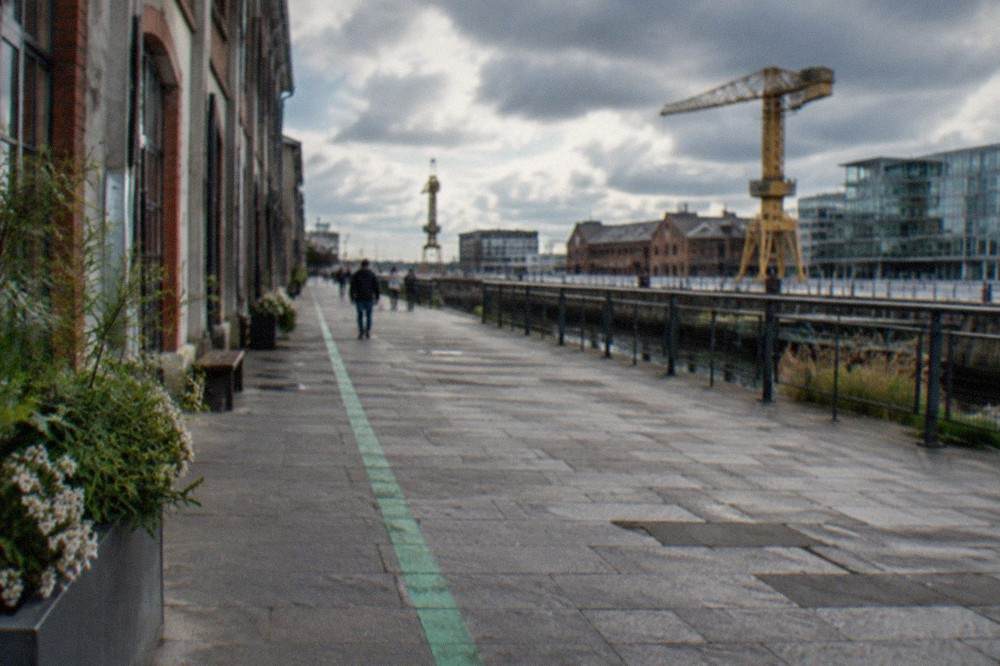
The green line in Nantes is a painted trail of about 20 km that the Voyage à Nantes uses to guide visitors through the city's public art, permanent monuments and festival installations. The official "to see" page gives its length as 22 km, while a 2026 maintenance report measured 20.5 km, so "about 20 km" is the honest figure. You follow it on foot, at no cost, and it is repainted and adjusted each year.
A maintenance report from April 2026 recorded 6.3 km of the line repainted that spring, which tells you something about the scale of the operation: this is municipal infrastructure for art, not a one-off stunt. The line's route is deliberate. It pulls walkers from the château and cathedral in the historic centre, down through Graslin and its grand theatre, across to the Île de Nantes, and out along the Loire towards Bas-Chantenay, stringing together works new and old so the city reads as a single exhibition.
The 2026 summer edition placed roughly nine to fourteen new or site-specific pieces along it, depending on how you count the ephemeral works, and for the first time it used the crypts of the Cathédrale Saint-Pierre-et-Saint-Paul and the Jardin Extraordinaire as venues. Reported highlights show the range:
| 2026 work | Artist | Where it stood |
|---|---|---|
| Fossil Opera | Théo Mercier | Place Graslin, a large sand sculpture evoking archaeology and opera |
| La Machine du Sacré | Ali Cherri | Place Félix Fournier, inspired by a Jules Verne text |
| Notre dit pays | Louis Guillaume | The Château des ducs de Bretagne moats, a 14-metre metal palm tree |
| Les Mistériennes | Barbara Schroeder | Jardin Extraordinaire, six monumental columns worked in earth and dung |
| Atlantique and other video works | Anne-Charlotte Finel | The cathedral crypts |
| Video installation | Pierrick Sorin | A disused Jardin des Plantes aviary, possibly longer-term |
Pieces like these are why the green line rewards repeat visits. A work standing in August may be gone by October, and the spaces themselves, from castle moats to church crypts, change how each piece lands. Sound works appeared in 2026 too, including a piece by Dominique Petitgand in the Square Daviais and soil-based works by Caroline Le Méhauté at the Passage Sainte-Croix, so occasionally the art is something you hear or smell rather than see.
If you would rather have someone decode all of this as you walk, a private guide can shape the route around what is actually standing that week:
Which Nantes Neighbourhoods Should You Walk For Street Art?
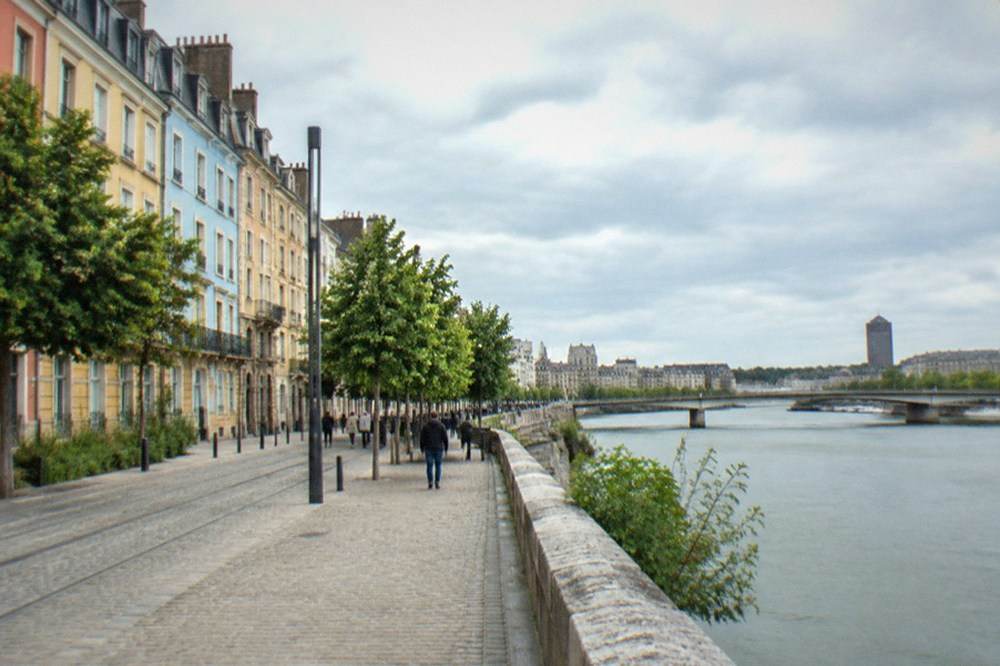
For street art in Nantes, walk Bouffay and Graslin first for the densest mix of historic squares and contemporary installations, then the Île de Nantes for large-scale mechanical and industrial pieces, then Bas-Chantenay for the Jardin Extraordinaire and the developing Cité des Imaginaires quarter. Trentemoult, across the Loire and reachable by the Navibus N1 river shuttle, adds painted riverfront facades and a different light entirely.
Each area has its own character, and the green line links them so you rarely need to plan a route from scratch. A reasonable pattern is one neighbourhood per morning or afternoon, with the tram network, three lines covering 45.6 km and 84 stations, stitching the gaps. The table below summarises what each quarter offers and what anchors it:
| Neighbourhood | What to expect | Anchor sights |
|---|---|---|
| Bouffay | Historic pedestrian quarter, murals on side streets, festival pieces tucked into courtyards | Cathedral, Château des ducs de Bretagne, Passage Pommeraye |
| Graslin | Grand squares used as sculpture plinths, theatre district, shopping arcades | Place Graslin, Théâtre Graslin, Passage Pommeraye |
| Île de Nantes | Industrial-scale art, machines, warehouses-turned-galleries | Les Machines de l'île, Hangar à Bananes, HAB Galerie |
| Bas-Chantenay | Hillside terraces, quarry garden, new cultural builds | Jardin Extraordinaire, future Cité des Imaginaires |
| Trentemoult | Painted fishermen's facades, river views, small galleries and bars | Loire riverfront, Navibus N1 link to the city |
The Île de Nantes deserves the most time if your taste runs big. Les Machines de l'île, inaugurated on 30 June 2007 with the Grand Éléphant and joined by the Carrousel des Mondes Marins in 2012, is public art you can ride, and the surrounding former shipyard buildings host rotating exhibitions. Note that no Grand Éléphant rides run from 2 November 2026 to 28 February 2027 because of maintenance, so if the walking elephant is on your list, time the visit outside that window. The HAB Galerie on the Hangar à Bananes hosted the INTERSTELLAR exhibition on reimagining Earth from 23 May to 27 September 2026, a good example of how the island's indoor spaces extend the outdoor trail.
Bas-Chantenay is the quiet rising star. The Jardin Extraordinaire, a terraced garden in a former quarry, first joined the festival programme in 2026, and the Cité des Imaginaires, a major cultural project in the former Cap 44 building, is under construction with a full opening targeted for 2028. Walking there now means seeing a neighbourhood mid-transformation, with the green line as your guide through the works in progress.
A local guide can turn these neighbourhoods into a single coherent walk rather than four separate outings, which is the fastest way to cover the ground if your time is short:
Is The Voyage à Nantes Festival Free To Visit?
Yes, the core Voyage à Nantes parcours, including the green line and the public-space artworks installed along it, is free to visit with no ticket required. The festival ran from 4 July to 6 September 2026 in its fifteenth edition. Paid elements sit at the edges rather than the centre: entry to Les Machines de l'île's attractions, some exhibitions and some boat or guided experiences charge separately, but the trail itself never does.
That free core is the festival's whole philosophy. The city funds art in streets, squares and gardens precisely so that a visitor with no ticket and no plan encounters it anyway. In 2026 that meant the sand and earth of Théo Mercier's and Barbara Schroeder's pieces standing in open squares, and Anne-Charlotte Finel's videos playing in the cathedral crypts during the building's opening hours. The cathedral itself, which partially reopened on 27 September 2025 after the 2020 fire and aims for full reopening in 2028, charges no entry fee, so its crypt works cost nothing but the walk there.
The seasonal structures around the trail follow the same generous logic. In 2026 the Station Nuage on the Loire ran from 1 April to 20 September, the Cantine du Voyage from 2 April to 13 September, and the Bateau-Lavoir from 30 March to 11 October. These are places to pause rather than ticketed attractions, and they anchor the trail's riverbank stretches. Some artworks had autumn extensions beyond the official 6 September end date, so the line rarely goes quiet the morning after the festival closes.
| Voyage à Nantes fact | Figure |
|---|---|
| Body created | 2011 |
| Summer event running | Every year since 2012 |
| 2026 edition (15th, theme Earth) | 4 July to 6 September 2026 |
| Green line length | About 20 km (official page says 22 km) |
| Cost of the trail and public works | Free |
| Station Nuage season 2026 | 1 April to 20 September |
| Cantine du Voyage season 2026 | 2 April to 13 September |
| Bateau-Lavoir season 2026 | 30 March to 11 October |
For anyone mapping a budget around the city, our free things to do in Nantes guide collects the other no-cost sights, and the Nantes on a budget guide works through the rest of the arithmetic.
What Permanent Public Art Should You See In Nantes?
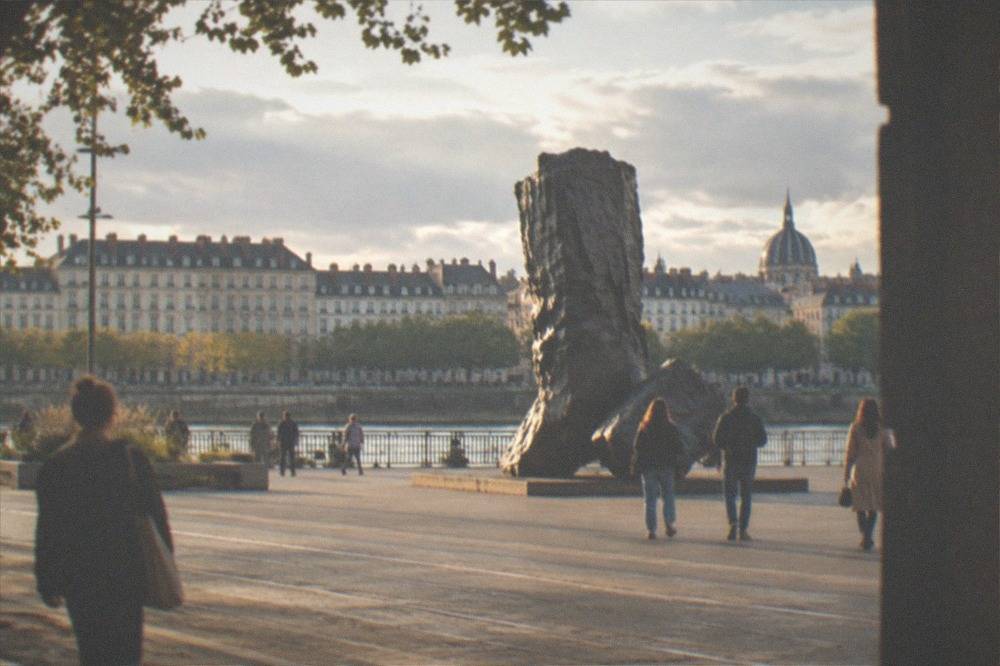
The permanent public art every Nantes visitor should see includes Les Machines de l'île, inaugurated in 2007 with the Grand Éléphant, the Carrousel des Mondes Marins from 2012, the Mémorial de l'abolition de l'esclavage from 2012 on the Quai de la Fosse, and the Estuaire art trail linking 33 works across 23 sites between Nantes and Saint-Nazaire. Each is a fixture rather than a festival piece, so they hold up in any season.
The Mémorial deserves particular attention, and not only for its design. Nantes was the largest French slave-trading port, running 1,714 expeditions between the mid-17th century and its withdrawal in 1830, 43% of the French total, and the memorial confronts that history directly on the quays the ships used. Entry is free, it opens daily from 9:00 to 18:00 between mid-September and mid-May and to 20:00 in summer, with last access 30 minutes before closing. It closes during Loire floods, which matters in a city where the river reached 8.18 m at the Pont Anne-de-Bretagne in February 2026, the first time above 8 m in about 15 years. Our Nantes slave trade history guide covers the background properly.
The Estuaire trail extends the idea of art-as-route beyond the city. Its 33 works sit on 23 sites strung along the Loire between Nantes and Saint-Nazaire, mixing riverside sculptures, industrial landmarks and landscape interventions. You do not need to complete it; even the first stretch out of Nantes gives a sense of how the curators treat the whole estuary as a canvas. Further afield, our Nantes history guide explains the layers the artworks keep referencing, from the dukes of Brittany to the port's industrial century.
| Permanent work | Year | Where | Entry |
|---|---|---|---|
| Les Machines de l'île (Grand Éléphant) | 2007 | Île de Nantes | Paid per attraction |
| Carrousel des Mondes Marins | 2012 | Île de Nantes | Paid, included in day packages |
| Mémorial de l'abolition de l'esclavage | 2012 | Quai de la Fosse | Free |
| Estuaire trail | Ongoing | Nantes to Saint-Nazaire, 33 works on 23 sites | Free |
| Green line | Since 2012 | City centre and riverbanks | Free |
One caveat keeps this list honest: the Arbre aux Hérons, the giant tree-and-herons project once planned for the Machines site, was abandoned by Nantes Métropole in September 2023 over cost overruns, and the building company filed a legal claim against the métropole in December 2025. Only the prototype branch remains visitable as part of the Machines tickets. Any guide still promising the full tree as a coming attraction is several years out of date, and it is worth knowing that before you build an itinerary around it. Everything else covered here is indexed on Nantes Travel Guide.
When Is The Best Time Of Year For Street Art In Nantes?
The best time of year for street art in Nantes is early July to early September, when the Voyage à Nantes summer edition installs its new works along the green line, though September and October suit visitors who prefer mild weather and thinner crowds. July is the warmest month at a mean maximum of 25.1 °C and August the sunniest, while the permanent works and the green line itself are walkable year-round with rain gear in winter.
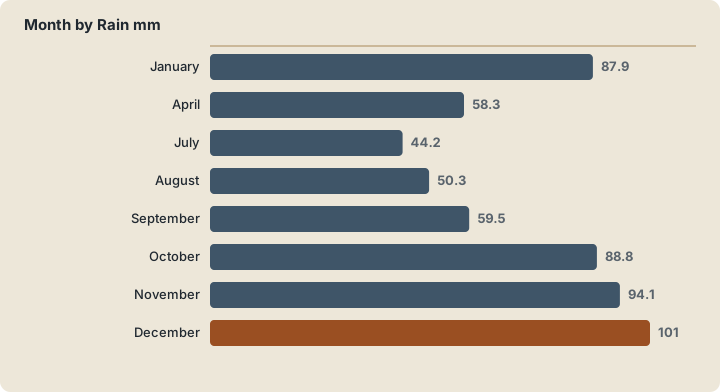
The climate numbers explain the shape of the year. Nantes has a temperate oceanic climate, not a Mediterranean one: Météo-France's 1991-2020 normals for the Nantes-Bouguenais station give an annual mean maximum of 17.1 °C and 819.5 mm of rain spread across 119.7 days with at least 1 mm. December is the wettest month at 101.0 mm and July the driest at 44.2 mm. What that means in practice is that summer walking is usually comfortable, spring is changeable, and a winter visit simply needs a coat and shorter loops between café stops.
| Month | Mean max °C | Rain mm | Street-art notes |
|---|---|---|---|
| January | 9.3 | 87.9 | Permanent works only; shortest days |
| April | 16.2 | 58.3 | Line repainted in spring; gardens reopening |
| July | 25.1 | 44.2 | Festival edition live from early July |
| August | 25.4 | 50.3 | Peak festival month, sunniest stretch |
| September | 22.4 | 59.5 | Late-summer works, milder and quieter |
| October | 17.6 | 88.8 | Autumn extensions of some pieces |
| November | 12.9 | 94.1 | Line quiet; indoor museums compensate |
| December | 9.8 | 101.0 | Wettest month; Christmas market season |
One recent wrinkle worth planning around is heat. June 2026 set a new all-time station record of 42.2 °C on 24 June, beating the previous 42.0 °C from July 2022, and 2026 logged more days at or above 30 °C than any year on record at the station. Extreme summer heat is no longer a theoretical reason to shift a walking day to the morning, and the shaded stretches of the line, through the Jardin des Plantes and the château's moat garden, become the sensible midday sections. For the fuller picture month by month, see our best time to visit Nantes and Nantes weather guides.
How Do You Explore Street Art In Nantes On Foot?
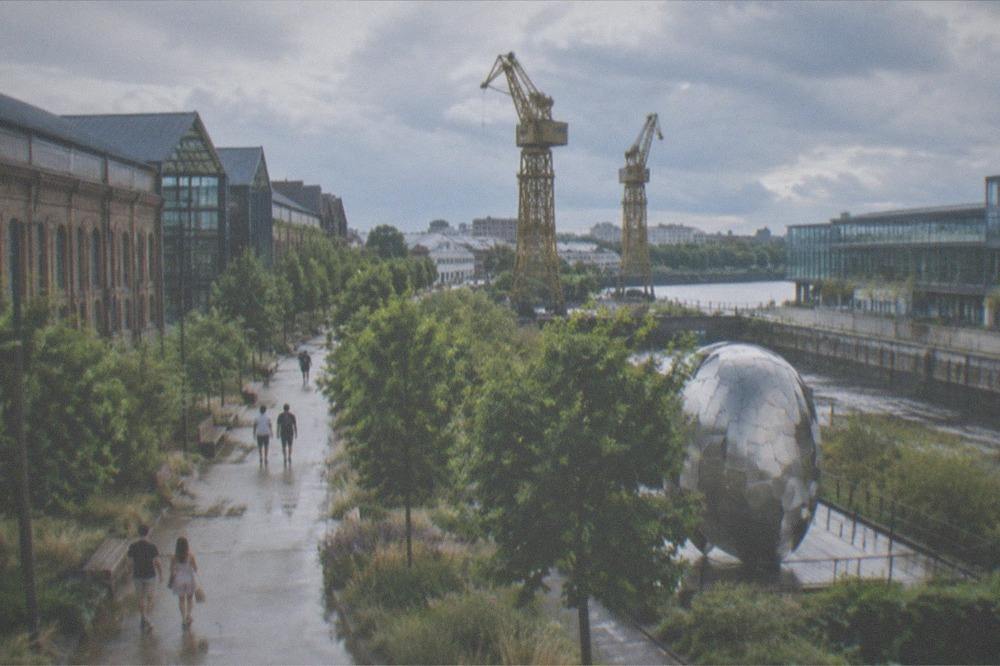
You explore street art in Nantes on foot by following the green line in sections, choosing one neighbourhood per outing and letting the painted trail route you between works, with the tram covering the longer gaps. Comfortable shoes matter more than timing: the trail runs about 20 km end to end, a half-day outing covers 5 to 8 km on foot, and the city centre itself is compact and largely pedestrianised, which Nantes's walkability reputation rests on.
Self-guiding works well because the line removes almost every decision. Start at the château or the cathedral, follow the paint, and stop whenever something stops you. The city's transport makes recovery easy: a Naolib ticket costs 1.80 € for one hour across tram, bus and the Navibus river shuttles, a 24-hour ticket is 6.80 €, and the whole network is free for everyone from Saturday 00:00 to Sunday 23:59, with the airport shuttle the one paid exception at 10 €. The getting around Nantes guide has the full detail.
If you would rather not read a pavement for hours on end, a short orientation walk can cover the essentials first:
With the lay of the land established, a longer private walk lets you go deeper on whichever stretch interested you most, and the guide can point out works the line passes quickly. This is the option that suits the green line best, because the trail's real content is context rather than surface:
One honest note on this particular tour: the operator has not published a price, so treat the listing itself as the source for the current figure rather than any number quoted elsewhere. Its rating, from a small review base, sits at the top of the scale, but with single-figure review counts a small sample is a small sample, and the fresher listing data always wins.
Food and art pair naturally here too, because the trail runs straight through the old town's eating streets. A guided food walk through Bouffay doubles as a street-art route with stops:
That tour's price is likewise unpublished by the operator, and its modest review count reflects a young listing rather than a verdict on quality. What the old town itself offers, from beurre blanc to LU's Petit Beurre heritage, is covered in our Nantes food guide if you would rather eat your way through independently.
What Does A Street Art Day In Nantes Cost?
A street-art day in Nantes can cost almost nothing, because the green line, the public installations, the Mémorial and the cathedral are all free. The paid items are optional add-ons: Les Machines de l'île charges 12 € per attraction full price, the Musée d'histoire de Nantes inside the château is 9 € full and 5 € reduced, and the Musée d'arts de Nantes is 9 € full and 4 € reduced, with free entry for under-18s across the city's museums.
Those museum prices matter on an art day because the indoor collections complete the outdoor trail. The Musée d'arts holds the fine-art counterweight to the street programme, open 11:00 to 19:00 and closed Tuesdays, with a free Thursday nocturne from 19:00 to 21:00. The château museum, open 10:00 to 18:00 and closed Mondays outside July and August, frames the city's history, and its courtyard and ramparts are free to walk at any time from 8:30 to 19:00, which the 2026 palm tree in the moats made a genuine art stop in its own right.
| Item on a street-art day | Cost |
|---|---|
| Green line and public works | Free |
| Cathedral (reopened 27 Sept 2025, full reopening 2028) | Free |
| Mémorial de l'abolition de l'esclavage | Free |
| Château courtyard and ramparts | Free |
| Musée d'histoire de Nantes | 9 € full, 5 € reduced, free under 18 |
| Musée d'arts de Nantes | 9 € full, 4 € reduced, free under 18 |
| Machines de l'île, per attraction | 12 € full, 8 € ages 4-12, 10 € reduced |
| Machines day packages | 20 € for 2 attractions, 29 € for 3 |
| Naolib single ticket | 1.80 € for one hour |
The city's multi-attraction passes are worth a glance once you total a full day. The Pass Nantes, valid at 2026 prices from 1 April, includes unlimited Naolib transport, one airport-shuttle return, and entries including the château museum, the Galerie des Machines and the Carrousel, though not the Grand Éléphant ride. Whether the pass beats pay-as-you-go depends on how many paid stops you stack, and the arithmetic is laid out in our Pass Nantes guide. Whatever you choose, book the elephant in advance if it is running, because slots sell out, and check the maintenance calendar first.
Guided options round out the day, and these three cover the main angles, from a quick orientation to a private deep-dive:
Common Questions About Street Art In Nantes
Is street art in Nantes free to see?
Yes. The green line, the public-space installations of the Voyage à Nantes, the Mémorial de l'abolition de l'esclavage and the cathedral are all free. Paid items are the optional ones: Machines de l'île attractions at 12 € each full price, and the city's museums at 9 € full price.
How long is the green line in Nantes?
About 20 km. The official Voyage à Nantes "to see" page states 22 km, while a 2026 maintenance report measured 20.5 km in total, with 6.3 km repainted that spring. Walk it in neighbourhood sections rather than in one outing.
When does the Voyage à Nantes festival run?
The summer edition runs from early July to early September. The 2026 edition, the fifteenth, ran 4 July to 6 September 2026 with the theme of Earth, and some works had autumn extensions beyond the official end date.
Where is the best street art in Nantes at night?
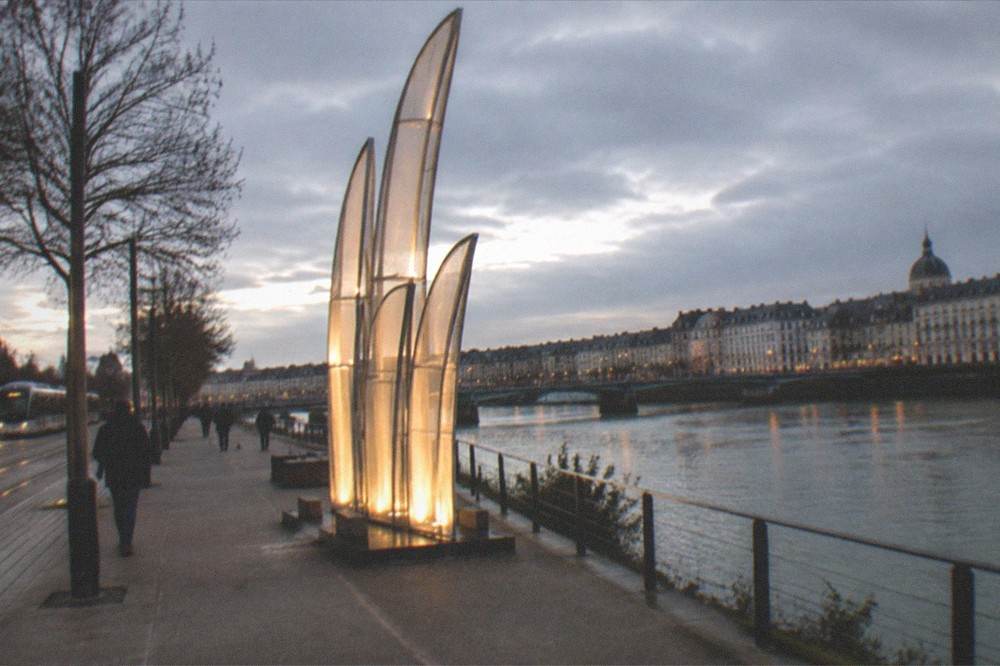
The illuminated works along the Loire, especially around the Île de Nantes and the Hangar à Bananes, hold up best after dark, and the riverside promenades stay lively. The trail's garden sections, including the Jardin des Plantes, close in the evening, so plan those for daylight.
Can you see Nantes street art with a guide?
Yes. Private walking tours with a professional guide cover the green line's highlights and the history behind the works, and shorter local-led walks give a one-hour orientation. Prices for some listings are unpublished, so check the operator's live listing for the current figure.
Is the Estuaire art trail part of the street art in Nantes?
It extends it. The Estuaire trail places 33 works on 23 sites along the Loire between Nantes and Saint-Nazaire, and it is free to visit in the same way the green line is, with the river itself acting as the connecting route.
Nantes has quietly made public art the reason to walk its streets, and the green line is the thread that pulls the whole scheme together. Follow it in sections, time your visit against the festival calendar and the maintenance windows, and the city hands you an open-air museum that changes every summer and costs almost nothing to enter.