Nantes Festivals
Nantes, in the Loire-Atlantique department of the Pays de la Loire region of western France, runs one of the fullest festival calendars of any mid-sized French city, with something scheduled in almost every month of the year.
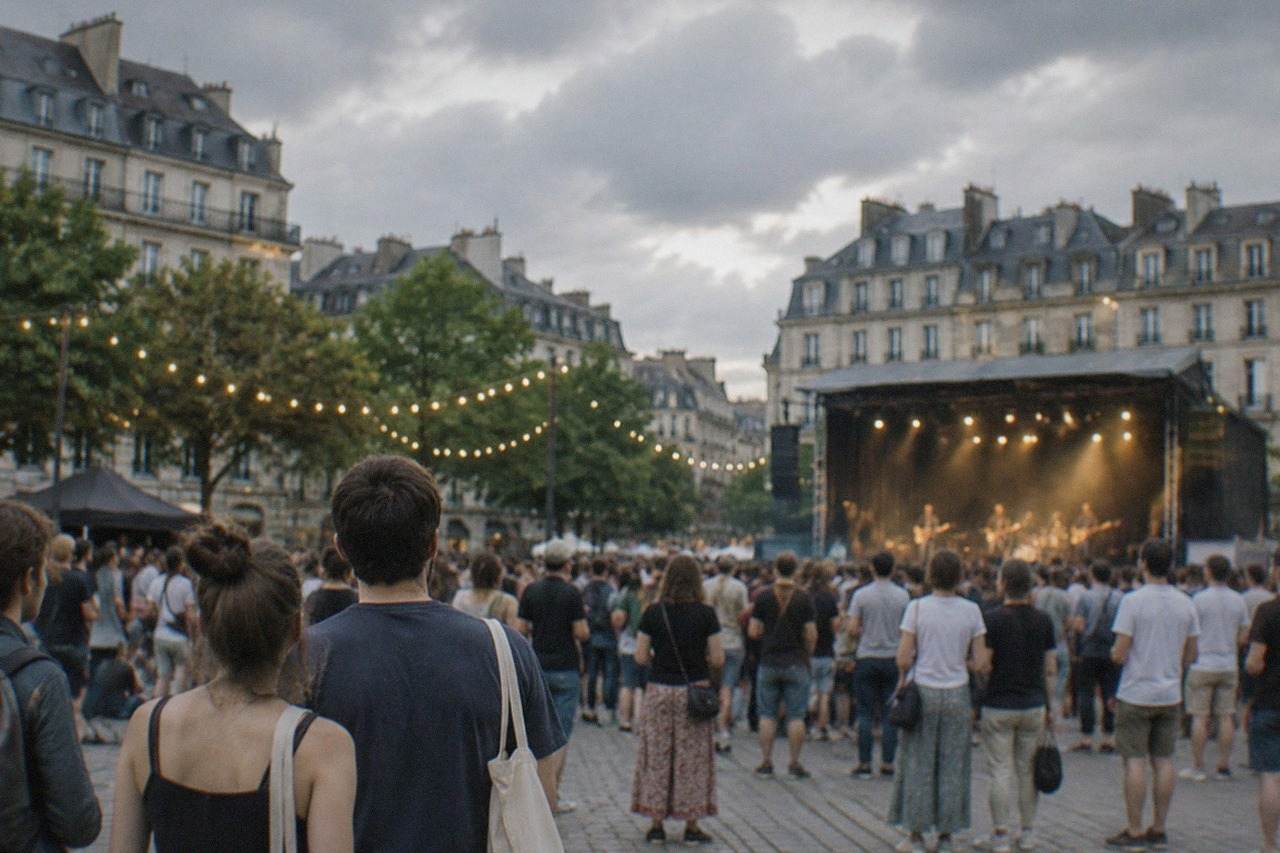
Short answer
The five anchors of the Nantes festival year are La Folle Journee (late January), Hellfest at nearby Clisson (June), Le Voyage a Nantes with its green line (July to early September), the Rendez-vous de l'Erdre jazz and boating festival (late August) and the Christmas market (mid-November to late December).
Nantes, in the Loire-Atlantique department of the Pays de la Loire region of western France, keeps a festival calendar that very few cities of its size can match. A classical music marathon fills five days in late January, a free contemporary art trail stitches the whole city together for two summer months, a jazz and heritage-boat festival takes over the Erdre river in August, and one of Europe's biggest metal festivals sits a short train ride away in Clisson each June. Between them sit a riverside summer of guinguettes, a large Christmas market and a food scene anchored by the Talensac market and the Muscadet vineyards that surround the city.
This guide walks through each event in calendar order, with verified dates for the 2026 and 2027 editions, what each festival actually feels like on the ground, and the practical details that decide whether a trip lands well. Where a date is not yet confirmed, it says so plainly rather than guessing.
When Do The Nantes Festivals Take Place Each Year?
The five fixed anchors of the Nantes festival year are La Folle Journee in late January, Hellfest at Clisson in mid-June, Le Voyage a Nantes from early July to early September, the Rendez-vous de l'Erdre jazz festival in late August and the Marche de Noel from mid-November until just after Christmas. Each one repeats annually, and the 2026 and 2027 dates for all five are confirmed. Around them, seasonal riverside venues run from spring to autumn.
The rhythm matters more than the individual dates. January belongs to classical music, with the Cite des Congres filling concert after concert. June belongs to Hellfest, which pulls a huge international crowd to Clisson, a small Italianate town about 15 minutes from Nantes by train on the fastest TER service. July and August belong to the city itself, as Le Voyage a Nantes turns streets, moats, crypts and gardens into an open-air museum. August closes with jazz on the Erdre. Then November swings the year toward Christmas.
| Festival | 2026 dates | 2027 dates | Venue |
|---|---|---|---|
| La Folle Journee (classical) | Late January 2026 | 27 to 31 January 2027 | Cite des Congres, Nantes |
| Hellfest (metal) | 18 to 21 June 2026 | 17 to 20 June 2027 | Clisson, about 15 min by fastest TER |
| Le Voyage a Nantes (art trail) | 4 July to 6 September 2026 | Not yet announced | Citywide, green line route |
| Rendez-vous de l'Erdre (jazz, boats) | 24 to 30 August 2026 | 23 to 29 August 2027 | Erdre river and quays |
| Marche de Noel (Christmas market) | 19 November to 27 December 2026 | Not yet announced | Place Royale and Place du Commerce |
Two further seasonal fixtures fill the shoulders of the year. The Cantine du Voyage, the Station Nuage and the Bateau-Lavoir, three of the Voyage a Nantes organisation's riverside venues, run from late March or early April into September or October, and their 2026 seasons are all confirmed. The Estuaire art trail between Nantes and Saint-Nazaire, with 33 works on 23 sites along the Loire, is permanent and can be visited at any time of year.
What Is La Folle Journee, Nantes's Classical Music Festival?
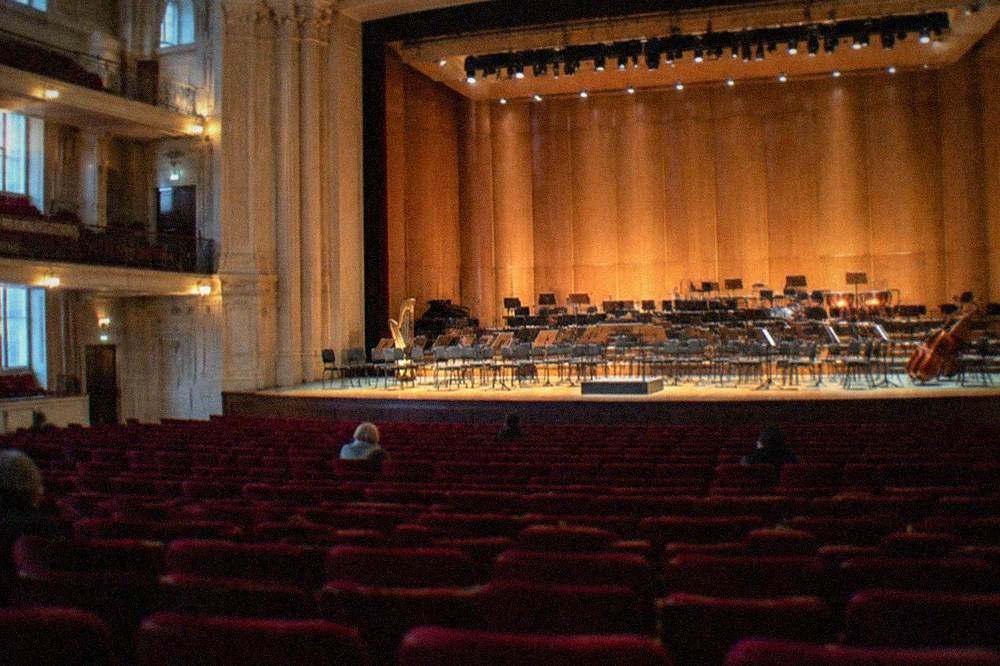
La Folle Journee is a five-day classical music marathon founded in Nantes in 1995, held mainly at the Cite des Congres, whose 33rd edition runs 27 to 31 January 2027 under the theme "Galaxie Beethoven", marking the 200th anniversary of Beethoven's death. It was built around short, affordable, back-to-back concerts rather than long evening recitals. The first edition in 1995 took Mozart as its theme.
The format is the thing. Instead of one long concert per evening, the festival stacks dozens of short sessions across the day, which lets a visitor wander the Cite des Congres and catch several performances in an afternoon. Themes change annually, and the 2026 edition took "Les fleuves", the rivers, as its subject. The 2027 edition turns to Beethoven's galaxy, and the anniversary framing means the programme will lean heavily on his catalogue.
A practical complication is coming. The Cite des Congres begins auditorium works in July 2026 and closes fully from February to December 2027, which lands right on top of the 2027 festival. Organisers are considering alternatives, with the Lieu Unique, the former LU biscuit factory turned national theatre on the Loire-side, and the Conservatoire both named in reporting. Anyone booking for January 2027 should check which venues are actually in use before fixing a hotel.
Late January is also the quietest and cheapest stretch of the Nantes hotel year, which partly offsets winter travel. The city's temperate oceanic climate means January days average a mean maximum of 9.3 C, cold for sitting still outdoors but irrelevant to a festival that happens indoors. Our best time to visit Nantes guide breaks the trade-offs down month by month, and the Nantes weather guide covers what to pack for a winter weekend.
| Folle Journee facts | Detail |
|---|---|
| 2027 dates | 27 to 31 January 2027 |
| Edition | 33rd |
| 2027 theme | Galaxie Beethoven |
| Main venue | Cite des Congres (works from July 2026) |
| Alternative venues under study | Lieu Unique, Conservatoire |
| Founded | 1995, first theme Mozart |
What Is Le Voyage A Nantes And The Green Line?
Le Voyage a Nantes is the city's summer contemporary art festival, whose 15th edition ran from 4 July to 6 September 2026 under the theme "Earth", the first of a four-year cycle on the elements. Its backbone is a green line painted about 20 km through the streets, linking permanent and temporary works. The parcours is free, and the 2026 edition added roughly nine to fourteen new pieces in public space.
Follow the green line and the city becomes a museum without walls. The 2026 edition sent visitors into the crypts of the Cathedrale Saint-Pierre-et-Saint-Paul and the Jardin Extraordinaire for the first time, planted a 14-metre metal palm tree by Louis Guillaume in the moats of the Chateau des ducs de Bretagne, and put Theo Mercier's sand sculpture "Fossil Opera" on Place Graslin. Barbara Schroeder's "Les Mysterieuses", six monumental columns built from earth and cow dung, stood at the Jardin Extraordinaire, and Pierrick Sorin's video work occupied a disused aviary in the Jardin des Plantes.
The line itself is the quiet triumph of the whole operation. Painted on pavements, it runs about 20 km across the city, past monuments, permanent installations and each summer's temporary additions, and it needs no ticket, no app and no guide. The festival's own "to see" page describes all 22 kilometres of it, while a 2026 maintenance report put the repainted total at 20.5 km, which is why "about 20 km" is the safest phrasing. A full walking traversal is a serious undertaking, so visitors tend to bite off a district at a time.
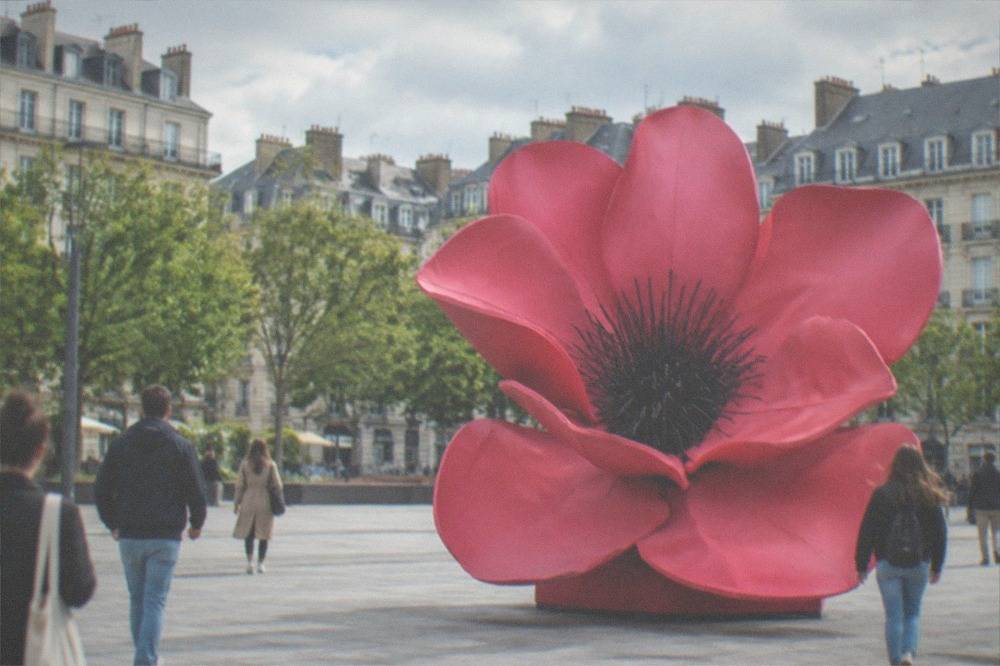
For anyone who wants structure rather than a painted line, a self-guided walking tour with 35 stops puts the city's landmarks in order at your own pace, or a private custom walk can be shaped around whatever the summer edition has just installed. The full summer picture, including the 2026 artworks and the Nuit du VAN opening night on 4 July, is in our dedicated Le Voyage a Nantes guide, and the free side of the programme is covered in free things to do in Nantes.
The app-driven tour sits somewhere between the green line's total freedom and a guided walk, covering 35 stops at a self-guided pace, and the live listing carries the current price and calendar.
| Voyage a Nantes seasonal venues | 2026 season |
|---|---|
| Cantine du Voyage | 2 April to 13 September 2026 |
| Station Nuage | 1 April to 20 September 2026 |
| Bateau-Lavoir | 30 March to 11 October 2026 |
| Summer parcours (green line) | 4 July to 6 September 2026 |
| INTERSTELLAR exhibition, HAB Galerie | 23 May to 27 September 2026 |
What Is The Nantes Christmas Market Like?
The Marche de Noel, the "Voyage en Hiver", runs its 26th edition from 19 November to 27 December 2026, spread across Place Royale and Place du Commerce, with free entry and roughly 140 chalets according to the market's own listing. Opening hours are 11:00 to 21:30 Monday to Saturday and 11:00 to 20:00 on Sundays, with Christmas Eve closing early at 18:00.
In a city that takes its food seriously, the Christmas market doubles as a giant tasting hall. Chalets sell the regional classics: berlingots nantais, the multicoloured boiled sweets that date to the late 19th century, gâteau nantais, the almond and rum cake now enjoying a strong revival in the city's patisseries, and Petit Beurre biscuits from LU, the biscuit maker founded in Nantes in 1846 whose flagship was invented in 1886. Mulled wine and Muscadet, the local white, do the drinking.
The setting does a lot of the work. Place Royal sits at the heart of the Graslin quarter with its theatre and shops, and the market's evening hours mean most visits happen with the facades lit. Full detail on the stalls, the squares and what to buy lives in our Nantes Christmas market guide, and the food background is in the Nantes food guide.
| Christmas market details | 2026 |
|---|---|
| Dates | Thursday 19 November to Sunday 27 December 2026 |
| Edition | 26th |
| Squares | Place Royale and Place du Commerce |
| Hours, Monday to Saturday | 11:00 to 21:30 |
| Hours, Sunday | 11:00 to 20:00 |
| Hours, 24 December | 11:00 to 18:00 |
| Entry | Free |
A weekend around the market pairs naturally with a walk through the old town's kitchens. The all-inclusive food tour of the Old Town runs three and a half hours with a local guide, and the operator has not published a price, so the live listing is the only place to see the current figure.
What Is The Rendez-vous De L'Erdre Festival?
The Rendez-vous de l'Erdre is a free jazz festival held along the Erdre river and the Nantes-Brest canal, whose 40th edition ran 24 to 30 August 2026 and whose 2027 edition is confirmed for 23 to 29 August. It combines roughly 110 to 120 concerts with a fleet of classic wooden boats, and it finishes in Nantes after passing through several communes along the water.
The pairing is unusual and it works. By day the quays and the river itself fill with heritage vessels, the elegant traditional boats the Erdre is known for, and the concerts are staged along the banks and out on the water, so an afternoon's listening comes with a floating boat show attached. The whole programme is free, which makes it one of the most accessible festival experiences in western France: the only real cost is getting there and eating well while it happens.
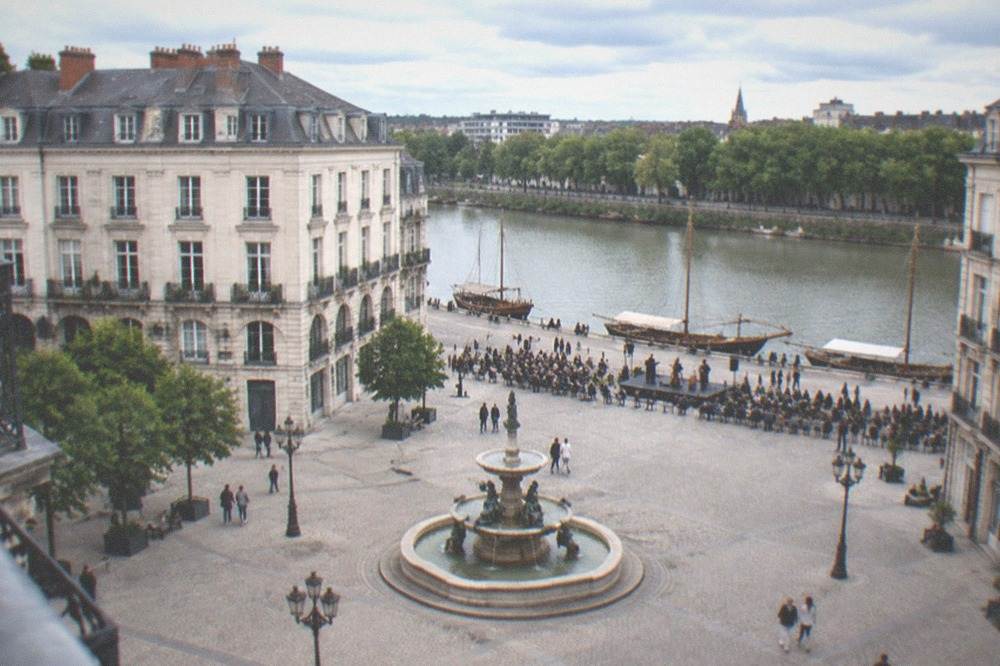
The Erdre itself deserves the billing. It is the river Nantes locals treat as their own, quiet and tree-lined, running from the north into the Loire at the city, and the festival is simply the busiest week of its year. The Navibus N3 shuttle boat runs the length of it from Gachet to Grimaudiere on normal Naolib tickets, so moving between concert spots can be done on the water. Our Erdre river guide covers the full picture, and a three-hour cruise aboard the Na Boa is a quieter alternative for the rest of the summer.
For visitors who prefer a fixed narrative with the festival as a backdrop, a private walking tour with a professional guide can be routed along the quays and the old town; the operator has not published a price for this walk, and the live listing carries the current figure and the calendar.
A guided river-and-city walk is the right pace for the festival week for many visitors, and the block above shows the operator's own listing details.
Is Hellfest In Clisson Worth A Day Trip From Nantes?
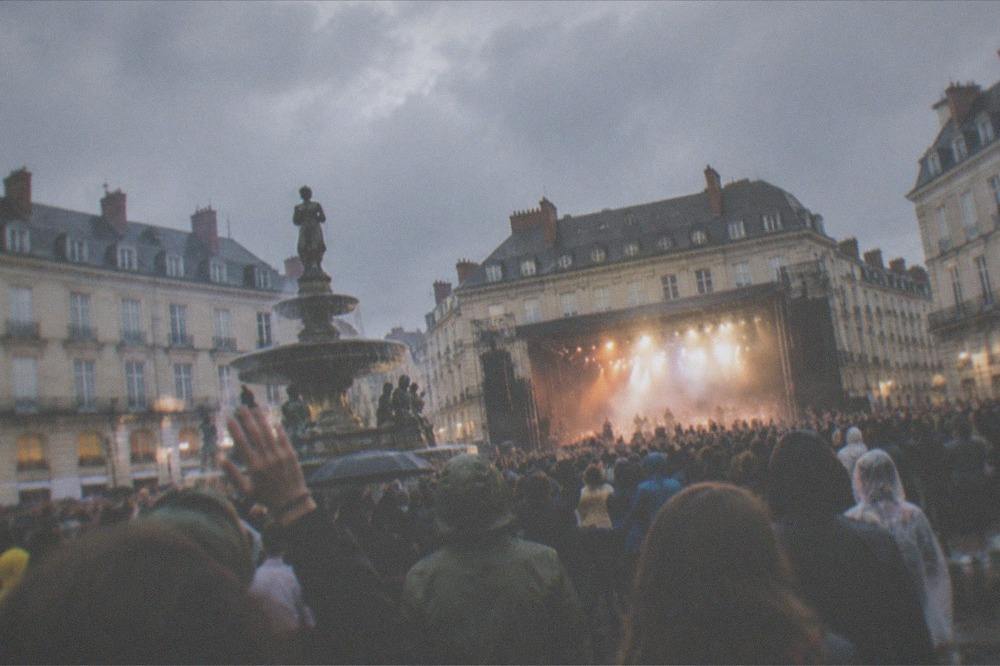
Hellfest, held at Clisson a short train ride from Nantes, ran 18 to 21 June 2026 and returns 17 to 20 June 2027 for its 20th anniversary, reported at around 300 groups across 10 stages with daily attendance of 60,000 to 70,000. The 4-day pass, fees included, cost a step up from the prior edition and sold out quickly.
Scale is the honest pitch. Clisson is a small town of Italianate architecture, a ruined chateau and the vineyards of the Muscadet country, and for four days each June it hosts one of the largest metal festivals in the world. The 2027 anniversary edition is the biggest yet on paper, and the reporting around the pass sales tells the practical story: the four-day passes went fast, the organisers run an official resale platform, and one-day passes were expected to follow in early 2027.
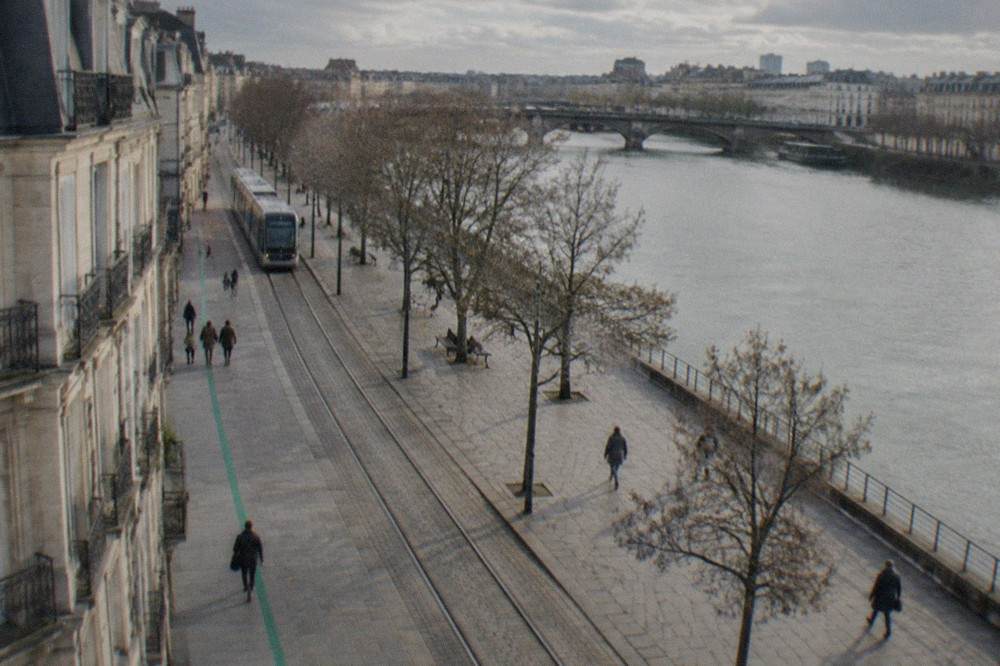
Getting there is simple. The fastest TER services cover Nantes to Clisson in about 15 minutes, and the average service takes a little over 20, which is why so many festival-goers base themselves in Nantes and commute. That puts the festival within a normal Nantes itinerary rather than requiring a separate trip, though accommodation in the city books up sharply for those dates. Our Hellfest guide covers tickets and logistics, and the Clisson day trip guide shows what the town offers the rest of the year.
| Hellfest facts | Detail |
|---|---|
| 2026 dates | 18 to 21 June 2026 |
| 2027 dates (20th anniversary) | 17 to 20 June 2027 |
| Scale, as reported | Around 300 groups, 10 stages |
| Daily attendance, as reported | 60,000 to 70,000 |
| 4-day pass 2027 | varies by venue, plus varies by venue in fees |
| Pass status | 4-day passes sold out; official resale open |
Where Does Food Fit Into The Nantes Festival Year?
Food runs underneath every Nantes festival rather than forming one single event, anchored by the Talensac market, open Tuesday to Friday 08:00 to 13:00 and Saturday and Sunday to 13:30, closed Mondays, and by the city's signature products: beurre blanc, Muscadet, berlingots nantais and the gâteau nantais. The 2026 Muscadet harvest began on 11 August 2026, a record-early date, with yields down at 30 to 40 hectolitres per hectare.
Talensac is the city's main market and its rhythm is the local rhythm. Produce from the surrounding Pays de la Loire countryside, fish from the Atlantic an hour west, and the cheeses and cakes of the region fill its stalls six days a week, and every festival week in Nantes is, in practice, also a market week. The stallholders' schedule holds through festival periods, with the one caveat that the market follows public holidays rather than the events calendar, so a Monday visit finds it shut.
The wine story is genuinely local. Muscadet, from the Melon de Bourgogne grape, is grown in the vineyards immediately south and east of the city, with the Maison des vins at Vallet as the appellation's base, and the vineyards can be reached as a day trip. The 2026 vintage will be an interesting one: the harvest ban was declared on 11 August 2026, eight days ahead of the previous record from 2003, and growers reported lower yields but good quality from the strong sunshine. On the plate, beurre blanc, the shallot, wine and butter emulsion that Nantes restaurateurs are campaigning to have protected, remains the dish to order with river fish.
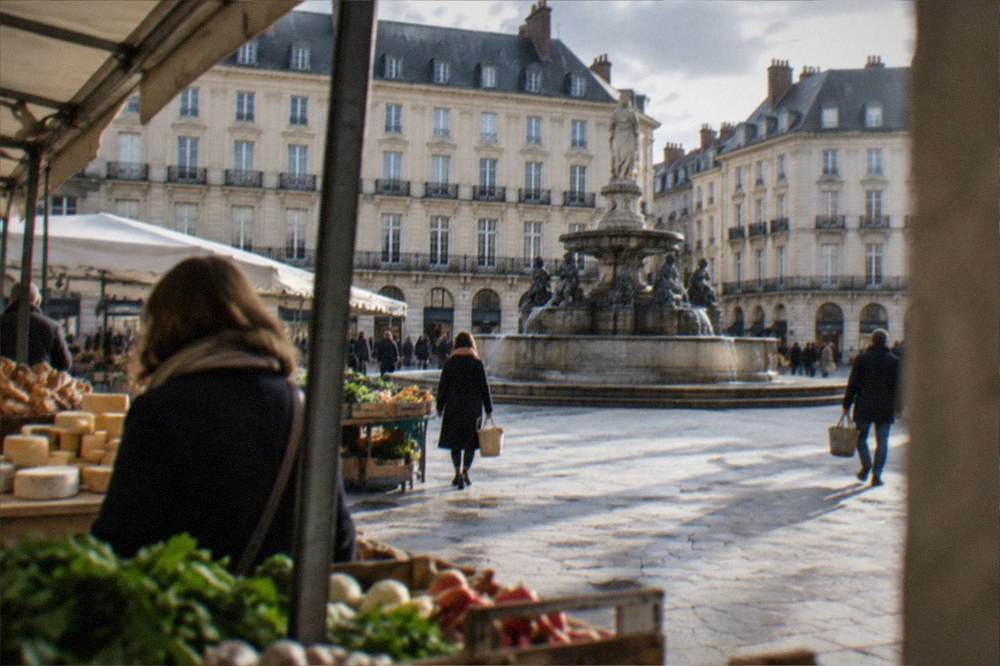
For a structured introduction to the old town's kitchens, the all-inclusive food tour of the Old Town with a local guide runs three and a half hours and samples its way through Bouffay; the operator has not published a price, and the live listing shows the current figure and available dates.
Full background on the market, the sweets and the wine is spread across our Talensac market guide, the Nantes food guide and the best restaurants in Nantes guide. A food-first weekend around any of the festival calendar's quieter gaps is easy to build from those pages.
What Is The Weather Like During Festival Season In Nantes?
Nantes has a temperate oceanic climate, not a Mediterranean one: Météo-France's 1991-2020 normals for the Nantes-Bouguenais station give a mean maximum of 25.4 C in August, the warmest month, against 9.3 C in January, with 819.5 mm of rain a year spread over 119.7 days. July and August, the core festival months, average mean maxima of 25.1 C and 25.4 C with just 44.2 mm and 50.3 mm of rain respectively.
What that means for festival planning is simple: the summer programme is reliably warm but not reliably dry, and the winter programme is mild rather than harsh. The summer art trail and the Erdre festival both involve hours outdoors, so a packable rain layer matters more than heavy sun protection, though recent summers have pushed the other way. The all-time station record is now 42.2 C, set on 24 June 2026, and 2026 set the station's records for days at or above 30 C, so heat planning has joined rain planning as a summer consideration.
Late summer and early autumn are the connoisseur's window. September averages a mean maximum of 22.4 C with 59.5 mm of rain and the summer crowds thin out while the seasonal venues run into October. February, by contrast, is the coldest and dampest stretch, which is precisely why the city programmes its big indoor classical festival in January instead.
| Month | Mean max (C) | Rain (mm) | Festival relevance |
|---|---|---|---|
| January | 9.3 | 87.9 | La Folle Journee, indoors |
| April | 16.2 | 58.3 | Seasonal riverside venues open |
| June | 23.0 | 48.5 | Hellfest weekend |
| July | 25.1 | 44.2 | Voyage a Nantes green line |
| August | 25.4 | 50.3 | Green line tail end, Rendez-vous de l'Erdre |
| September | 22.4 | 59.5 | Venues wind down, quiet streets |
| November | 12.9 | 94.1 | Christmas market opens 19 November |
| December | 9.8 | 101.0 | Market in full swing, wettest month |
The full month-by-month picture, including the flooding the Loire can bring in winter, is in the Nantes weather guide.
How Do You Plan A Trip Around The Nantes Festivals?
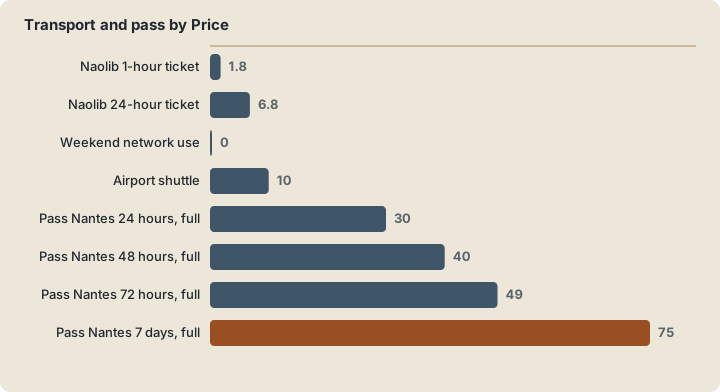
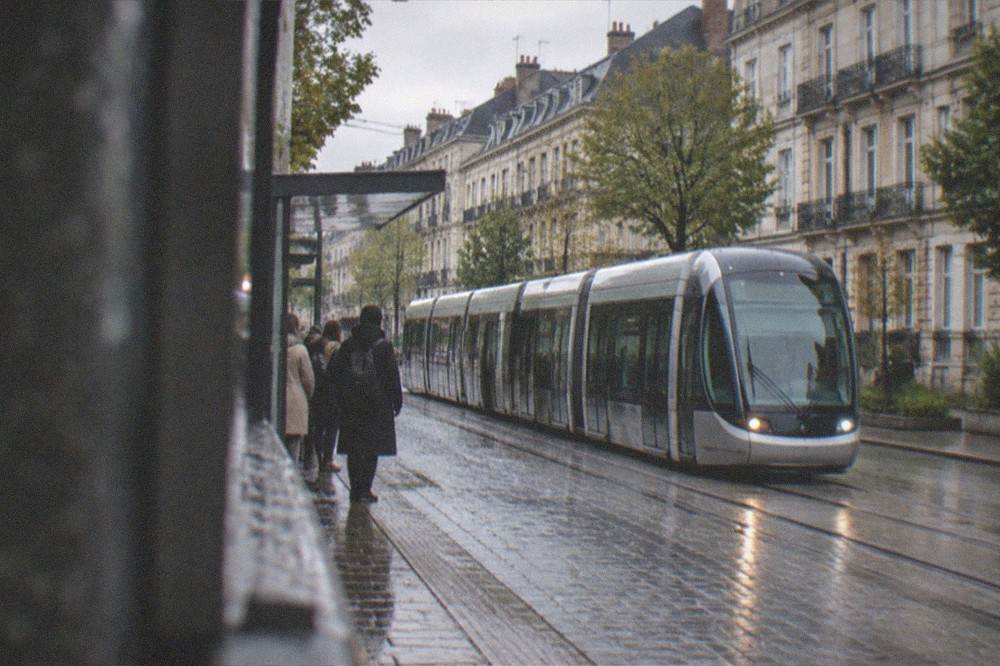
Plan around three practical rules: book Hellfest and La Follee Journee tickets and accommodation months ahead because both sell out, use the free weekend Naolib transport from Saturday 00:00 to Sunday 23:59 for getting around, and remember the airport shuttle is excluded from that free weekend rule and always costs 10 EUR. A 1-hour Naolib ticket is 1.80 EUR and a 24-hour ticket is 6.80 EUR, with the Pass Nantes covering attractions as well.
The free weekend transport rule is the one that surprises people. Since 2021, every Naolib tram, bus, Navibus boat and in-agglomeration TER has been free for absolutely everyone from midnight Saturday to 23:59 Sunday, which makes a festival weekend in Nantes unusually cheap to move around in. The single exclusion is the airport shuttle, which keeps its 10 EUR fare seven days a week. During the week, the standard tickets apply, and the Pass Nantes, from 30 EUR for 24 hours at the full rate, bundles transport with entries to partner sites including the chateau museum and the Machines de l'ile gallery, as laid out in our Pass Nantes guide.
Where to stay depends on the festival. For La Follee Journee, the city centre around the Cite des Congres keeps everything walkable; for the summer art trail, a base near a green line district works better, and our where to stay in Nantes guide maps the quarters honestly. Hellfest weeks push city prices up sharply, and Clisson itself is small, so booking early matters more than usual. The getting around Nantes guide covers trams, bikes and boats in detail, and Nantes on a budget lists what is free.
| Transport and pass | Price |
|---|---|
| Naolib 1-hour ticket | 1.80 EUR |
| Naolib 24-hour ticket | 6.80 EUR |
| Weekend network use | Free, Saturday 00:00 to Sunday 23:59 |
| Airport shuttle | 10 EUR, excluded from the free weekend rule |
| Pass Nantes 24 hours, full | 30 EUR |
| Pass Nantes 48 hours, full | 40 EUR |
| Pass Nantes 72 hours, full | 49 EUR |
| Pass Nantes 7 days, full | 75 EUR |
Whatever the season, the events calendar is the backbone of the city's appeal, and the pages of this Nantes Travel Guide break each festival out in detail, from the Voyage a Nantes to the Christmas market and Hellfest.
Any of these three formats slots neatly between festival sessions: a food walk through Bouffay, a self-guided app tour of the landmarks, or a private guided walk whose price the operator publishes only on the live listing. Whichever month you choose, Nantes will have something on.
Common Questions About Nantes Festivals
When Do The Nantes Festivals Take Place Each Year?
The five anchors are La Folle Journee in late January, Hellfest at Clisson in mid-June, Le Voyage a Nantes from early July to early September, the Rendez-vous de l'Erdre in late August and the Marche de Noel from mid-November to late December. The 2026 and 2027 dates for all five are confirmed.
What Is La Folle Journee?
A five-day classical music marathon founded in Nantes in 1995 and held mainly at the Cite des Congres. The 33rd edition runs 27 to 31 January 2027 with the theme "Galaxie Beethoven". Note that the Cite des Congres closes fully for works from February to December 2027, so check the venue list before booking.
What Is Le Voyage a Nantes?
The city's summer contemporary art festival, free to follow, built around a green line painted about 20 km through the streets. The 15th edition ran 4 July to 6 September 2026 with the theme "Earth", the first of a four-year cycle on the elements.
What Is The Rendez-vous de l'Erdre Festival?
A free jazz festival along the Erdre river and the Nantes-Brest canal, combining roughly 110 to 120 concerts with a fleet of classic wooden boats. The 40th edition ran 24 to 30 August 2026 and the 2027 edition runs 23 to 29 August.
Is Hellfest Near Nantes?
Yes. Hellfest is held at Clisson, about 15 minutes from Nantes on the fastest TER service. The 2026 edition ran 18 to 21 June, and the 20th anniversary edition runs 17 to 20 June 2027, reported at around 300 groups across 10 stages.
Is Transport In Nantes Free During Festival Weekends?
On Saturdays and Sundays, yes: the Naolib network is free for everyone from 00:00 Saturday to 23:59 Sunday, including trams, buses, Navibus boats and in-agglomeration TER services. The airport shuttle is the one exception and always costs 10 EUR.