Saint Malo
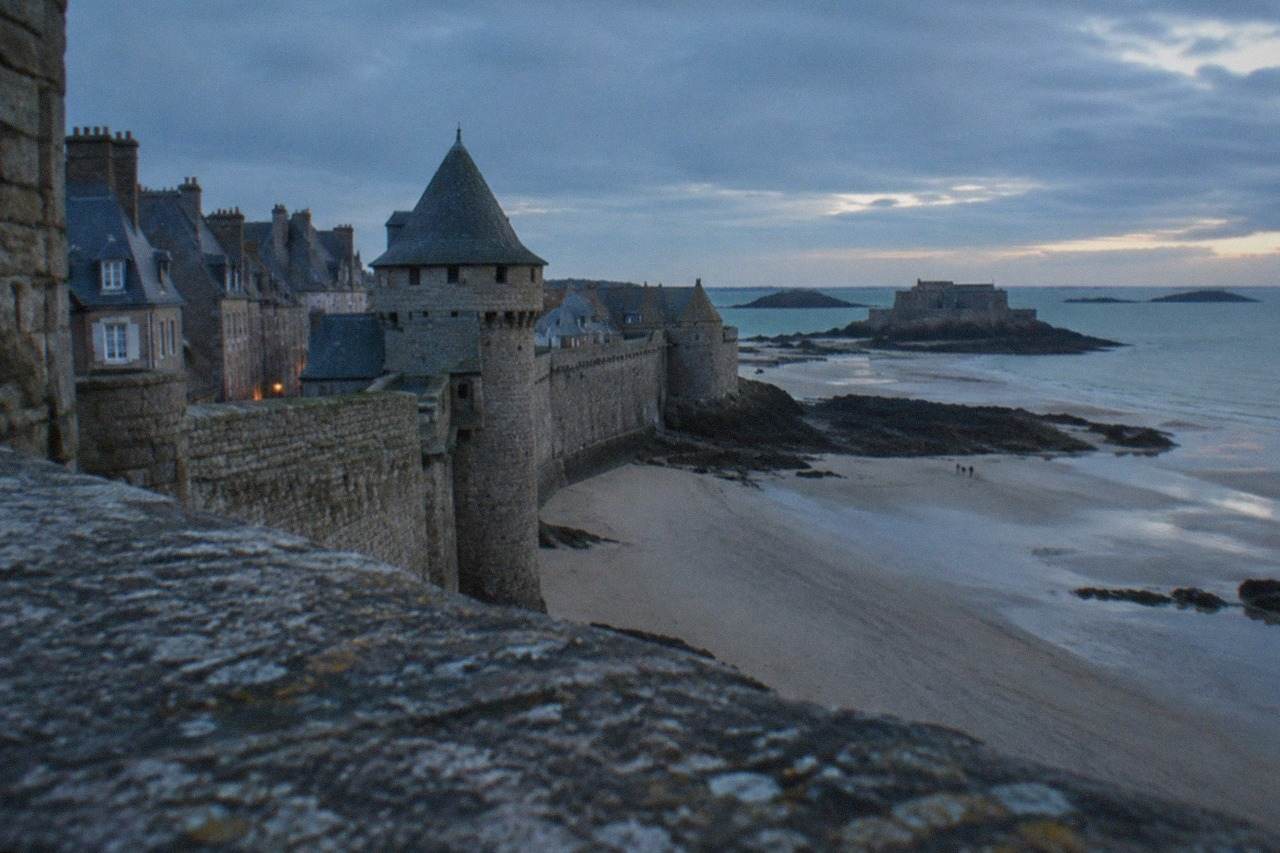
Saint Malo, the walled corsair city on the Brittany coast, is one of the most ambitious day trips you can take from Nantes, in the Pays de la Loire region of western France.
Short answer
Saint Malo is a walled port city in Brittany, reachable from Nantes for a long day trip by train. Plan the rail connection around the tide times, walk the ramparts on foot, and pair the visit with a coastal or vineyard stop on the way back if your schedule allows.
Saint Malo sits on the Brittany coast, far beyond the Loire-Atlantique department that Nantes calls home, and it is the most ambitious seaside target on this site's day-trip list. Nantes, in the Pays de la Loire region of western France, makes a workable base for it because the city's rail links run west as well as east, and because a long summer day in this temperate oceanic climate gives you daylight from early morning well into the evening. The Météo-France normals for the Nantes-Bouguenais station give a July mean maximum of 25.1°C and 229 hours of sunshine, so a midsummer departure buys the most usable hours of any month.
This guide covers what a Saint Malo day trip from Nantes realistically involves: the journey, the walled city itself, the tides that shape every visit, food, pairings with nearer destinations, and the practical details of leaving Nantes prepared. The verified facts pack for this site does not carry a checked train time for the Nantes to Saint Malo route, so this page deliberately gives no minute count for that leg. Check the live timetable when you book, and treat everything below as the planning frame around it.
Why Visit Saint Malo On A Day Trip From Nantes?
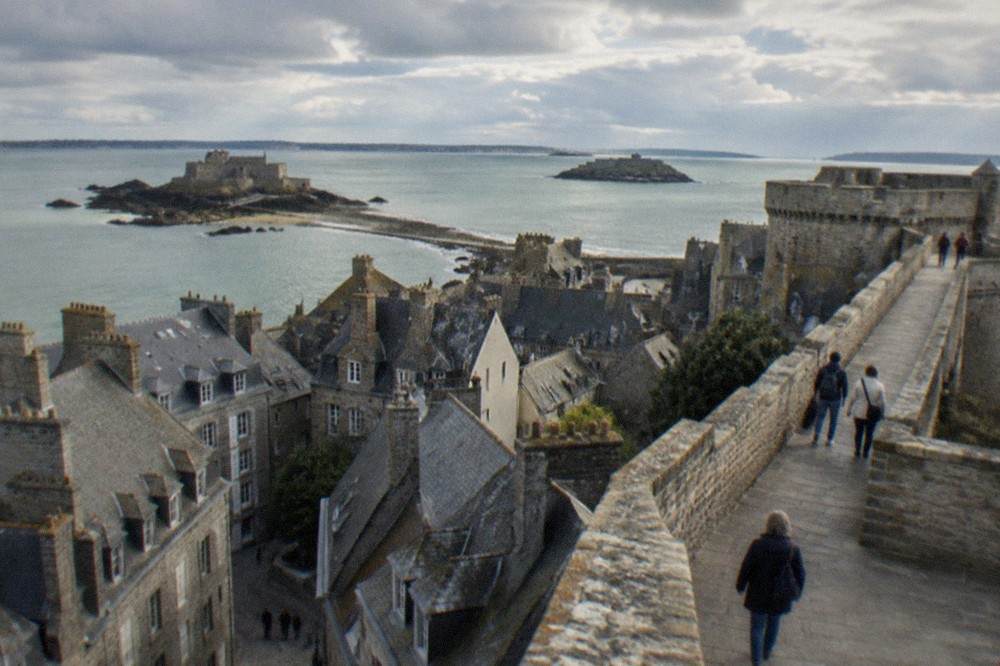
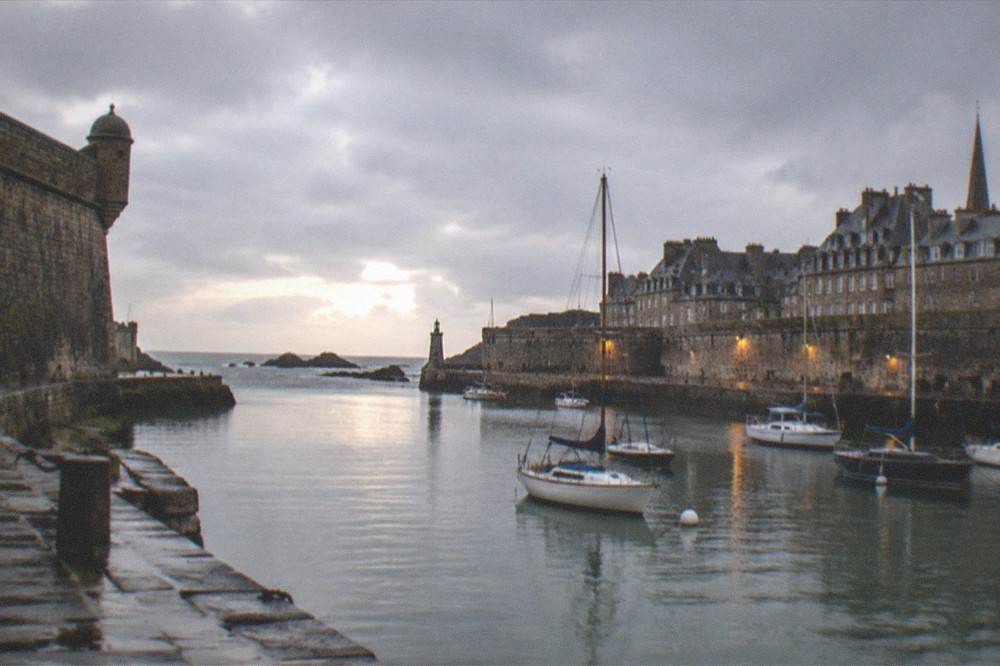
Saint Malo rewards a day trip because it compresses a completely different France into one walkable perimeter: a granite walled city, tidal beaches, corsair history, and a Breton maritime atmosphere that Nantes, for all its own charms, does not offer. The ramparts circle the old city on foot in a single loop, the tide transforms the shoreline twice a day, and the whole experience feels like a different country even though you left the Pays de la Loire the same morning.
Nantes and Saint Malo belong to two different worlds. Nantes is a river city, once the great port of the Loire trade, rebuilt around trams, museums and the mechanical creations of Les Machines de l'île. Saint Malo is a tidal city, a privateer stronghold whose granite houses were largely rebuilt after the Second World War and whose economy has revolved around the sea for centuries. The contrast is the point. A visitor who spends three days in Nantes and then one day in Saint Malo sees two faces of north-western France: the Loire's soft, green, wine-growing valley, and Brittany's hard, salt-scoured granite coast.
The other reason to go is the sheer drama of the setting. The walled city stands on a former island, and at low tide the sea retreats far enough to expose sands that at high tide disappear entirely. That twice-daily transformation is not a tourist invention; it is the reason the city exists where it does, and it dictates almost every practical decision about your day. Time your visit around the tide table rather than the clock, and the same walk delivers two entirely different seascapes.
How Do You Get From Nantes To Saint Malo?
The practical route is a direct or one-change train from Nantes station, booked in advance on the SNCF Connect service, with the journey treated as a long but feasible rail day. The verified facts pack for this site carries no checked journey time for the Nantes to Saint Malo leg, so this page will not invent one; what it does confirm is the Paris benchmark of roughly two hours for Nantes' premier rail link and a Nantes to Rennes TER fastest time of about 1 hour 16.
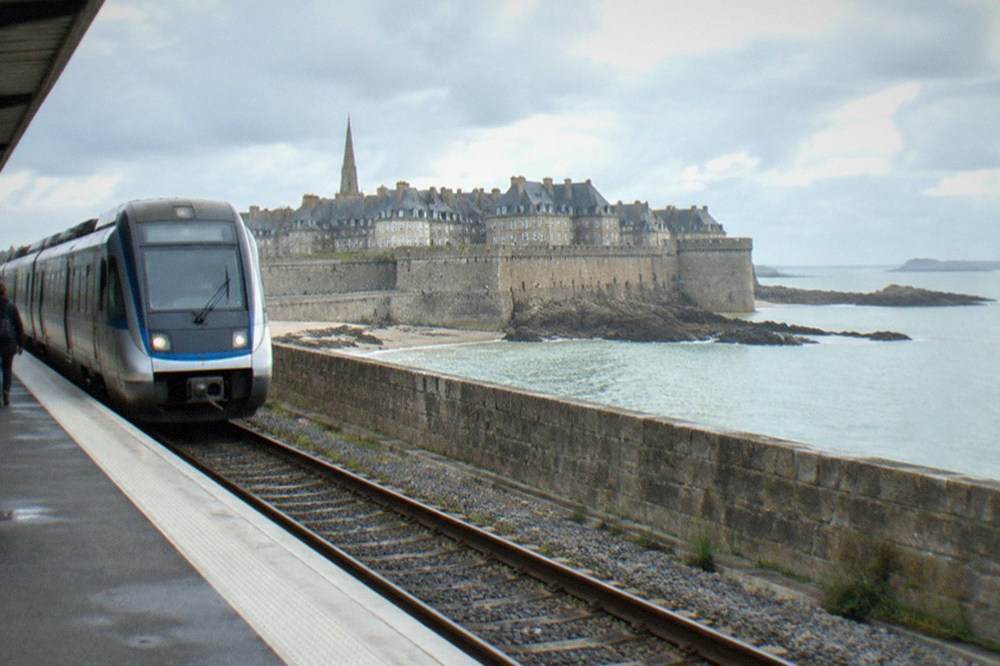
Start from what the pack does verify. Nantes station handles around 24 daily trains each way to Paris Montparnasse, with the fastest direct services at roughly two hours, so Nantes is a serious rail hub by regional standards. Westwards, the verified TER figure is Nantes to Rennes at about 1 hour 16 fastest, and Saint Malo lies beyond Rennes on the Breton coastal line. Plan the day on the assumption of a morning departure, a connection at Rennes in most cases, and an arrival in Saint Malo before midday if the timetable cooperates.
Before you leave Nantes, sort your local transport. A single Naolib ticket costs 1.80 EUR and covers tram, bus and Navibus for an hour, and a 24-hour ticket costs 6.80 EUR, or 15 EUR for a group of four. On Saturdays and Sundays the entire Naolib network is free for everyone from midnight to the end of Sunday service, with one hard exception: the airport shuttle always costs 10 EUR and is never included. If your Saint Malo day falls on a weekend, your ride to the station costs nothing.
| Naolib option | Price | What it covers |
|---|---|---|
| Single 1-hour ticket | 1.80 EUR | Tram, bus, Navibus, TER inside the métropole |
| Carnet of 10 tickets | 17.80 EUR | Ten 1-hour tickets at a discount |
| 24-hour ticket | 6.80 EUR | Unlimited network travel for one person |
| 24-hour ticket, 4 people | 15 EUR | Group day travel |
| Airport shuttle | 10 EUR | Always charged, free weekend travel excluded |
Book the outward train the moment your dates are fixed. Long Breton coastal routes sell out in July and August, and the pack notes that July 2026 set a new monthly sunshine record of 382 hours in Nantes, which tells you exactly how busy the coast gets in high summer. A seat reservation on the return leg matters even more than the outbound one, because a missed evening train from Saint Malo turns an ambitious day trip into an unplanned overnight.
What Are The Best Things To See In Saint Malo?
The essential Saint Malo visit is the rampart walk: a complete circuit of the walled city on foot, with sea views on one side and the dense granite old town on the other, broken by descents into the tidal sands below the walls. Add the old town's lanes, the fortified islets visible at low tide, and a first-hand look at the tide's reach, and you have the core of a full day without buying a single ticket.
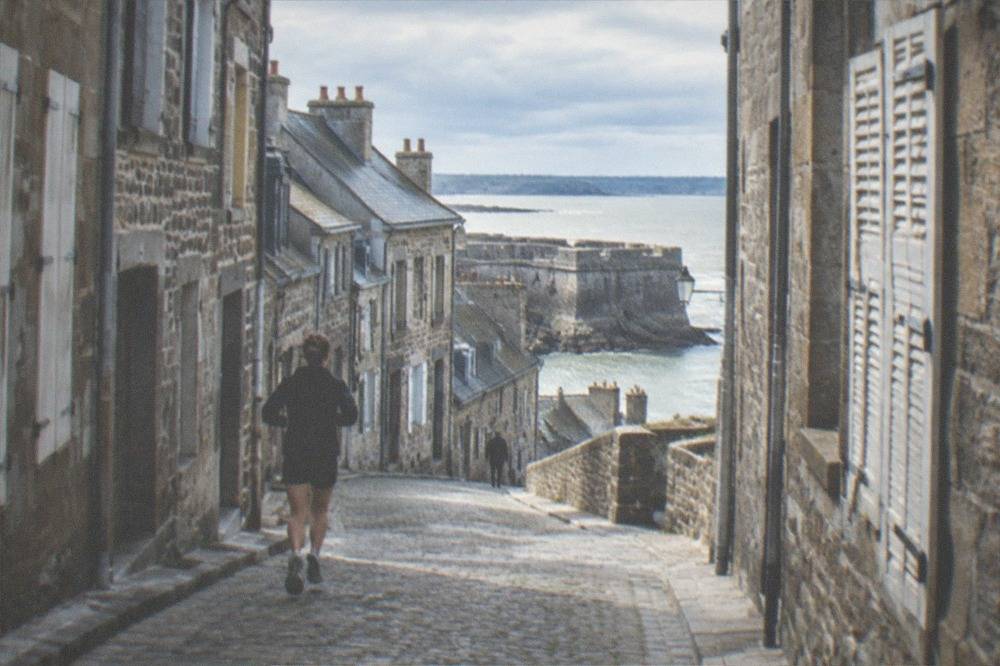
The ramparts are the main event. They ring the intra-muros, the walled old town, and walking the full circuit gives you the city's layout in a way no map does: the harbour to one side, the open tidal beach to the other, and the fortified islets offshore that appear and vanish with the water. The pack does not carry a verified walking time for the circuit, so do not trust any source that quotes one without saying where it comes from; a leisurely loop with photo stops simply takes the good part of a morning.
The tides are the second attraction, and they are free. At low tide, the sands below the walls open into a vast flat beach, and the islets that look unreachable at midday can be reached on foot at the right hour. At high tide, the same shoreline is entirely water. This is why the tide table, not the train timetable, should shape your walking plan. The pack does not verify a specific tidal range figure for Saint Malo, and this page will not print one; consult the local tide tables when you set your dates, and build your rampart walk for the hours either side of low water.
The old town inside the walls deserves unhurried time between rampart sections. Its lanes are dense with shops, crêperies and biscuit sellers, and its street pattern preserves the footprint of a city built for a compact, defensive life. Saint Malo's corsair past, the privateer era that made it wealthy, is the historical thread to hold onto as you walk: this was a city that lived off sea raiding and trade, and the architecture reflects both the money and the fear of attack.
If you want a booked experience nearer to home base, Nantes itself carries a strong roster, and a half-day guided excursion there can anchor the rest of a Brittany-coast itinerary. The half-day vineyard van tour is the one this site highlights most for travellers pairing Nantes with a coastal day, because the Muscadet country sits directly on the route between the city and the sea.
The Muscadet connection matters more than many might expect. The pack confirms the 2026 Muscadet harvest began with a ban declared on 11 August 2026, a record eight days ahead of the previous mark, following heat and drought, with yields down. The vineyards between Nantes and the coast are therefore living through a historically early era, and a tasting stop puts your Saint Malo day into its proper regional context: the same oceanic climate that softens Nantes' winters ripens the Melon de Bourgogne grape that made this coast's wine.
Where Should You Eat On A Saint Malo Day Trip?
The short answer is the old town's crêperies and seafood rooms, eaten early by French standards, because the coastal lunch service fills fast in season and the return train will not wait. Book a table if your visit falls in July or August, or plan an earlier lunch than the local norm so the kitchen can serve you without rushing you back to the station.
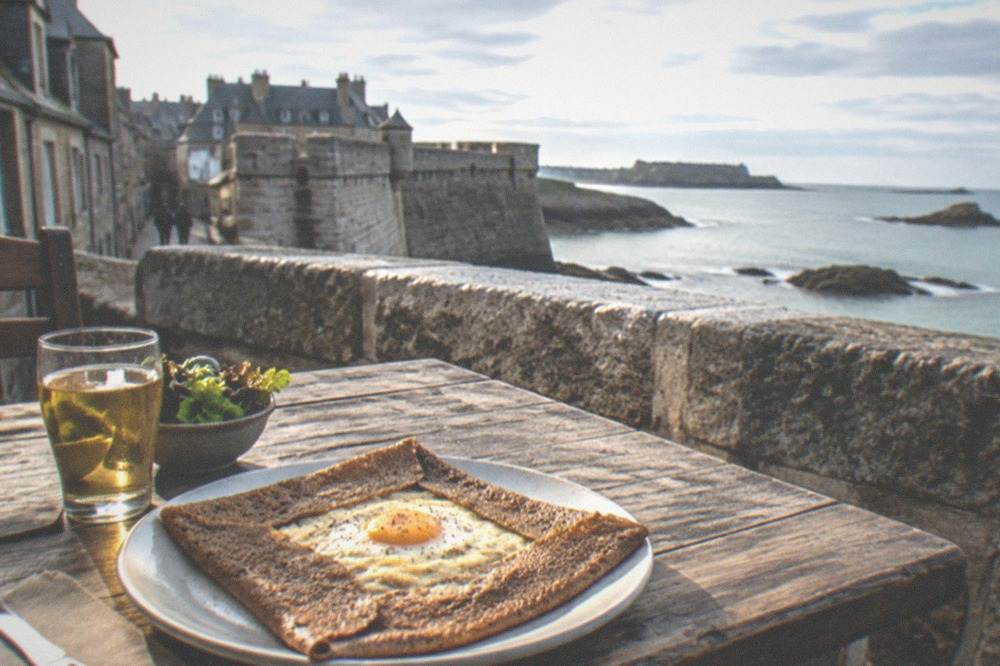
Brittany's food identity travels with you. The pack's food facts for the wider region centre on buckwheat crêpes and cider, and on the Nantes side, on beurre blanc, the emulsified butter sauce that local restaurateurs have been pursuing protected traditional status for, and on gâteau nantais, the almond-and-rum cake now enjoying what local reporting calls a strong revival in the city's patisseries. A Saint Malo day naturally leans Breton: galettes and cider at midday, and a sweet crêpe later if the tide walk earns it. Everything else covered here is indexed on Nantes Travel Guide.
For budgeting, the pack's restaurant aggregates give a planning frame, not promises. An inexpensive meal in Nantes sits at the lower end of the scale, while a mid-range dinner for two without drinks comes in at a step up, with peak-season coastal spots skewing pricier still. Coastal Saint Malo skews to the higher end of those bands in peak season, so treat them as orientation, not quotation. A draft beer and a cappuccino both count as inexpensive café purchases in the Nantes aggregates, useful for calibrating a café stop on the ramparts.
| Meal type, Nantes aggregate | Typical figure | Observed range |
|---|---|---|
| Inexpensive meal | ~15 EUR | 12-23 EUR |
| Mid-range dinner for two, no drinks | ~varies by venue | 35-varies by venue |
| Three-course dinner, good restaurant | ~25 EUR | 17.50-varies by venue |
| Draft beer, domestic pint | ~7 EUR | varies by venue |
| Cappuccino | ~varies by venue | varies by venue |
One Nantes habit worth exporting: the city's markets. Talensac, the reference market, runs Tuesday to Friday from 08:00 to 13:00 and Saturday to Sunday from 08:00 to 13:30, closed Monday. If your train leaves early, a breakfast sourced the previous day at Talensac, a LU Petit Beurre or a slice of gâteau nantais, travels well and turns the outward journey into a proper picnic.
If the day is running long and you would rather someone else handle the logistics on another day of your trip, a guided excursion is the low-effort option, with free cancellation on most listings so a change of weather costs you nothing.
Can You Pair Saint Malo With Other Stops Near Nantes?
The realistic pairing strategy is to accept that Saint Malo absorbs most of a day on its own, and to use your other half-days around it for the nearer, pack-verified destinations: the Muscadet vineyards on the route out, or the coastal towns of La Baule and Le Croisic on a different day entirely. Attempting Saint Malo plus a second coastal stop in one excursion usually leaves both short-changed.
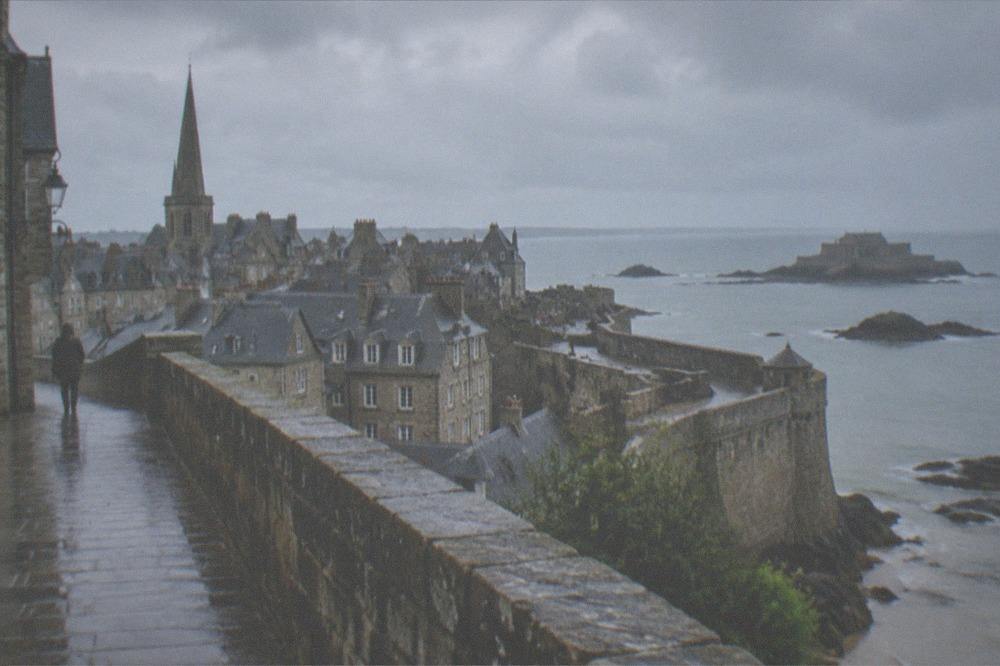
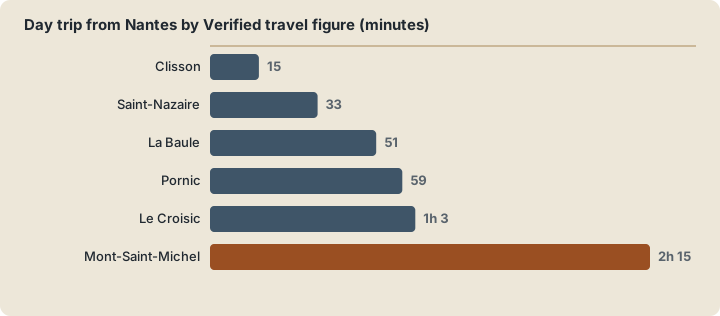
The geography is the constraint. The pack's verified TER times from Nantes run like this: Clisson from roughly 15 minutes, Saint-Nazaire from about 33 minutes, La Baule from about 51 minutes, Pornic at roughly 59 to 65 minutes, and Le Croisic from about 1 hour 3. Saint Malo sits beyond all of them, past Rennes at about 1 hour 16, so every extra stop multiplies a day that is already long. The smart pattern is one big Brittany day, then a separate, gentler coastal day using the nearer towns.
| Day trip from Nantes | Verified travel figure | What the pack confirms |
|---|---|---|
| Clisson | TER from ~15 min, avg ~23 min | Italianate town, château, Pass Nantes TER return included |
| Saint-Nazaire | TER from ~33 min | Escal'Atlantic, liner experience, adult 15 EUR |
| La Baule | TER from ~51 min | Major resort beach, 39th Triathlon Audencia Sept 2026 |
| Pornic | TER ~59-65 min | Seaside port and castle town |
| Le Croisic | TER from ~1 h 03 | Oyster coast at the Loire mouth |
| Mont-Saint-Michel | ~2 h 15 drive, road ~160-190 km | The abbey island, Brittany's other marquee day trip |
If Saint Malo's tide-and-granite appeal is what draws you, Mont-Saint-Michel is the obvious companion: the pack gives a drive of roughly two and a quarter hours from Nantes, on roads of about 160 to 190 kilometres depending on route. Between the two, you cover Brittany's two most iconic coastal images, and doing them on separate days from a Nantes base is exactly why a day-trips hub strategy works so well here.
For the vineyard pairing, the pack gives real anchors. The Muscadet appellation grows the Melon de Bourgogne grape, and the Maison des vins sits at Vallet. The site's Muscadet vineyards guide covers that country in detail, and a guided van excursion is the practical way to fold a tasting into a coastal itinerary without doubling your driving.
What Should You Know Before You Leave Nantes?
The essentials are the tide table, a booked return train, layered clothing for wind on the ramparts, and an honest read of the season. The Nantes-Bouguenais normals run from a mean maximum of 9.3°C in January to 25.4°C in August, with 819.5 mm of rain across 119.7 rain days a year. The pack also verifies a new all-time record of 42.2°C on 24 June 2026, so summer planning should account for heat as well as showers.
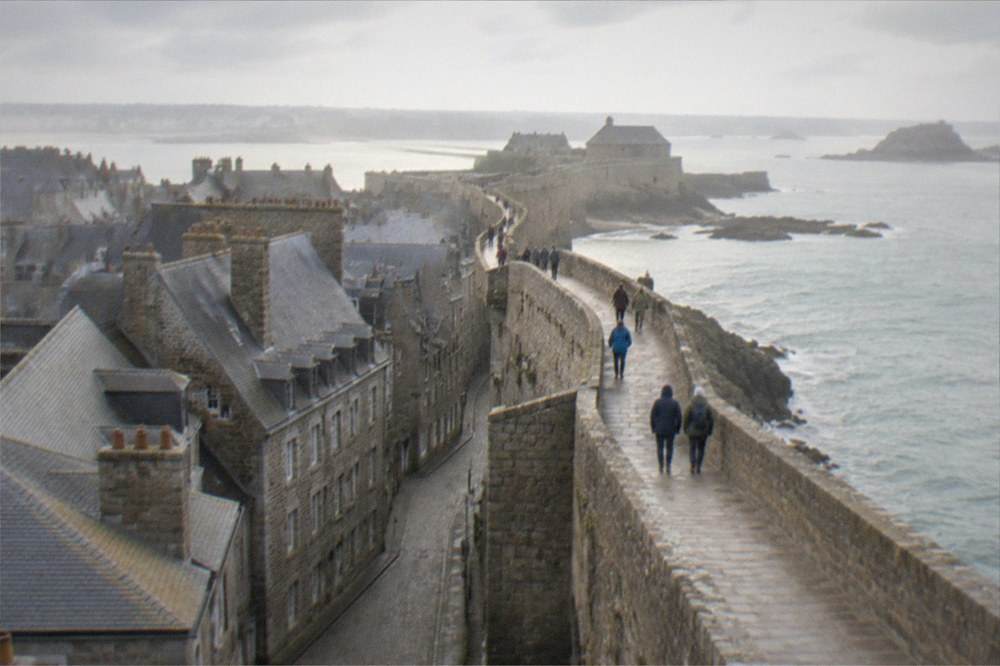
Timing the season matters. The pack's visitor-weather guidance points to mid-June to mid-September as the warm, outdoor-friendly window, with shoulder seasons in April-May and September-October offering a balance of decent weather and thinner crowds. September is repeatedly highlighted as mild and sunny, and the pack's own August sunshine record for 2026 confirms how strong late summer can be. For a long rail day with a tide-dependent walk at the far end, the months either side of the peak give you the best ratio of daylight to crowds.
| Month | Mean max °C | Rain mm | Sunshine h |
|---|---|---|---|
| January | 9.3 | 87.9 | 72.6 |
| April | 16.2 | 58.3 | 182.7 |
| July | 25.1 | 44.2 | 229.0 |
| September | 22.4 | 59.5 | 198.7 |
| December | 9.8 | 101.0 | 77.6 |
Clothing follows the numbers. A rampart walk in any month can turn windy, and the same day that starts in warm sunshine can end in drizzle, because the oceanic regime the Meteo-France fiche describes for Nantes holds all along this coast. Pack a windproof layer and something waterproof regardless of the forecast, and treat the 819.5 mm annual figure as a planning baseline rather than a prediction.
Money is simple on this route. France is in the Eurozone and the Schengen area, and the local till currency is the euro all the way from the Naolib ticket to the crêperie bill. The pack's tourist tax figures, reported rates rather than bare official numbers, run at 2.86 EUR per person per night at four-star Nantes hotels, 1.87 EUR at three-star and 1.10 EUR at two-star, so a returning traveller staying in the city should see small nightly additions on the hotel bill.
How Does Saint Malo Compare With Other Nantes Day Trips?
Saint Malo is the biggest single-day commitment on this site's day-trip list, a full rail expedition compared with the sub-hour hops to Clisson or Saint-Nazaire, and it earns that commitment with a setting none of the nearer options match. If your time in Nantes is short, the nearer coastal and vineyard trips deliver more per hour travelled; if you have a spare full day and want the definitive Breton image, Saint Malo is the one to spend it on.
Think of the options in tiers. The quick tier, Clisson and Saint-Nazaire, works for half-days and even evenings. The middle tier, La Baule, Pornic, Le Croisic and the Guérande salt country, fills a relaxed day with a single focus, and the pack's Guérande reporting notes an exceptional 2026 salt harvest with average production around 1.5 tonnes per salt pan and up to more than 3, driven by summer heat. The top tier is Saint Malo and Mont-Saint-Michel, the two trips that justify an early start and a booked return.
For travellers building a full Brittany itinerary rather than a single day, the site's day-trips hub and the dedicated pages on Vannes, Carnac and La Rochelle lay out the multi-day alternatives. A road trip that links Saint Malo with the Breton coast south-westwards is a different project from a Nantes day trip, and the pack's road distances for Mont-Saint-Michel, roughly 160 to 190 kilometres depending on route, hint at the scale involved.
Back in Nantes, the city's own anchor sights fill the days between trips. The Château des ducs de Bretagne charges 9 EUR full and 5 EUR reduced for its history museum, free for under-18s, and its courtyard and ramparts are free daily from 8:30 to 19:00. The Machines de l'île charge 12 EUR per attraction full price, with a 20 EUR two-attraction and 29 EUR three-attraction day package, though note the pack's maintenance window: no Grand Éléphant rides from 2 November 2026 to 28 February 2027.
A final word on pacing. The temptation with Saint Malo is to overstuff, adding a vineyard tasting, a second coastal town and a late Nantes dinner to an itinerary already built around tides and trains. Resist it. One walled city, one rampart circuit, one long seafood lunch and one unhurried tide walk is a complete day, and the return train to Nantes, arriving in a city whose transport is free on weekends, will still be running.
Common Questions About A Saint Malo Day Trip
Is Saint Malo worth a day trip from Nantes?
Yes, if you have a full spare day and want Brittany's definitive walled coastal city. The commitment is much larger than the nearer pack-verified trips such as Clisson or Saint-Nazaire, so weigh it against a second shorter excursion if your Nantes time is limited.
How do I get from Nantes to Saint Malo?
By train from Nantes station, generally with a connection at Rennes, where the pack's verified onward figure begins; the pack carries no checked end-to-end time for the Saint Malo leg, so book through SNCF Connect and plan from the live timetable. Allow a morning departure and a booked evening return.
What is the best time of year for a Saint Malo day trip?
The pack's visitor-weather guidance points to mid-June to mid-September as the warm outdoor window, with September often highlighted as mild and quieter. July and August deliver the strongest sun, the pack records a new Nantes sunshine record of 382 hours in July 2026, but also the biggest coastal crowds.
Do I need to worry about the tides at Saint Malo?
Yes, the tide is central to the visit. The shoreline below the walls transforms between high and low water, and the islets offshore appear and vanish with it. Check the local tide table when you fix your dates and build the rampart walk around the hours either side of low water.
Should I book restaurants for a Saint Malo day trip?
In July and August, yes. The pack's Nantes restaurant aggregates put an everyday meal in the inexpensive bracket and a full dinner for two in mid-range territory, with coastal venues in season running pricier, so a booked table also protects your budget from tourist-trap pricing.
Can I combine Saint Malo with a vineyard visit?
A guided half-day vineyard excursion from Nantes works best on a separate day, or as the anchor of a Loire-side itinerary. The Muscadet country between Nantes and the coast is on the broad route towards Brittany, and the pack confirms the Maison des vins at Vallet as the appellation's home base.