La Rochelle
Nantes, in the Loire-Atlantique department of western France, sits far enough inland that the Atlantic calls from time to time, and La Rochelle answers that call better than almost anywhere on this coast.
Short answer
La Rochelle is a feasible day trip from Nantes by direct regional train, best enjoyed around its old harbour towers, arcaded streets and seafood quays. This guide covers how to plan it, what it costs and when to go.
Nantes, in the Loire-Atlantique department of the Pays de la Loire region of western France, is a river city with an ocean habit. The Loire runs through it, the Erdre eases along its northern edge, and the Atlantic sits a train ride away. When the pull of the sea gets strong, La Rochelle is one of the most rewarding answers: a historic harbour town in Charente-Maritime, south of Nantes along the coast, famous for its old port guarded by medieval stone towers, its arcaded streets and its oyster and seafood culture. This guide from the Nantes Travel Guide desk lays out how to think about the trip, what to weigh up before committing a full day to it, and what the verified numbers say about the alternatives.
Why Is La Rochelle A Popular Day Trip From Nantes?
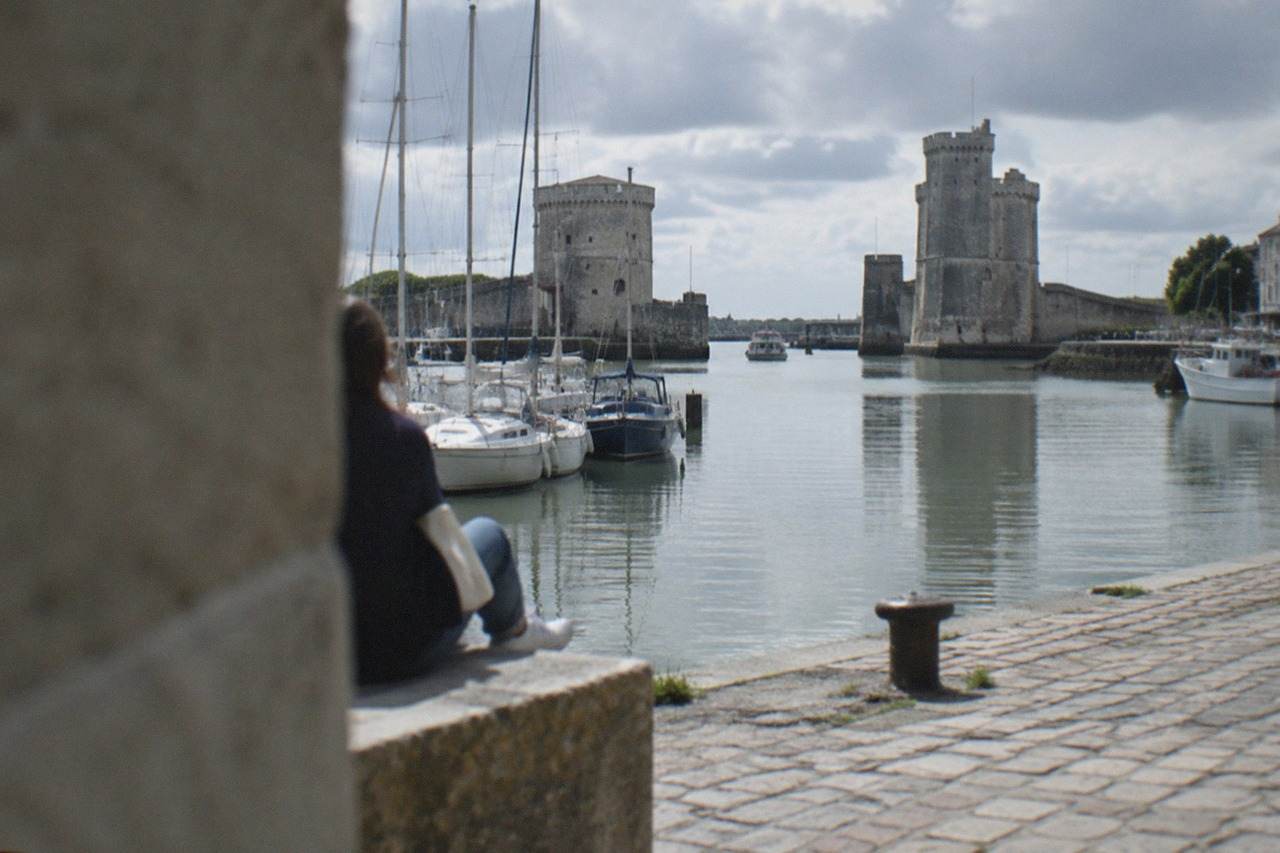
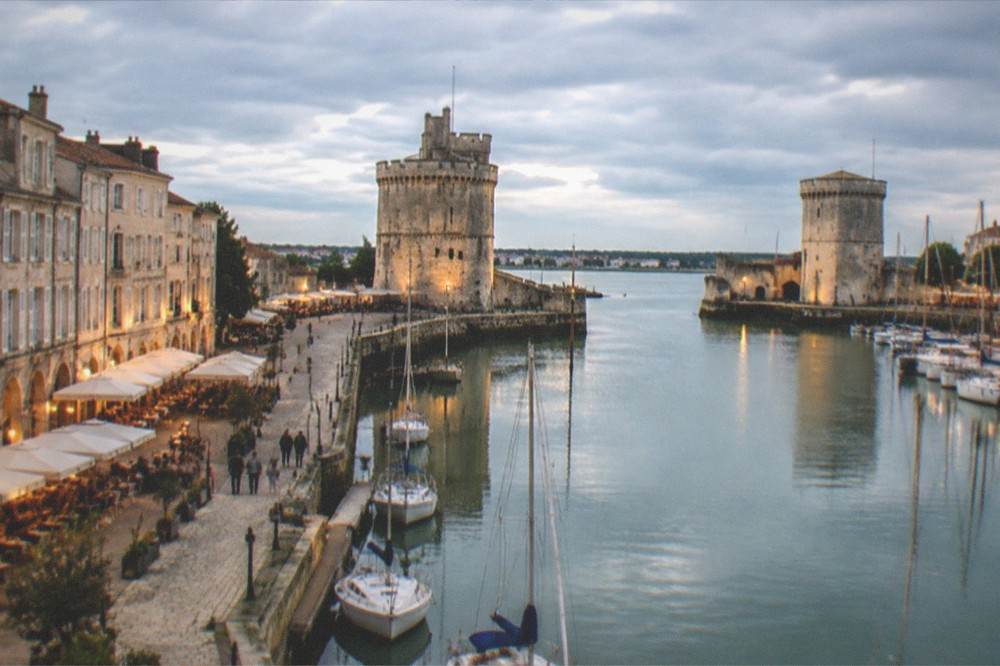
La Rochelle earns its day-trip reputation with three things Nantes cannot offer: a working old harbour framed by medieval towers, a stretch of Atlantic seacoast within a short walk of the town centre, and a seafood and oyster culture tied directly to the Marennes-Oleron basin just south of the town. It is a compact place, built for wandering on foot between the port, the arcaded shopping streets and the quays, so a single well-planned day covers a great deal of it. The contrast with Nantes is the whole point. Nantes gives you the Château des ducs de Bretagne, the Machines de l'île and the Passage Pommeraye; La Rochelle gives you salt air, boats and the sea horizon.
That contrast is why this trip suits particular travellers. If your Nantes itinerary is heavy on museums and indoor sightseeing, a coastal day rebalances it. Families usually find the harbour front easy and entertaining, with boats of every size, street performers in season and a flat, pushchair-friendly quayside. Photographers get the classic composition of towers framing a channel of moored yachts, and the light off the Atlantic is different from the softer light on the Loire.
There is also the pleasure of arrival by train. A day trip that starts and ends with a rail journey through the Marais poitevin edge and the coastal plain feels like a proper excursion rather than a suburb hop. For more ideas in the same spirit, our day trips from Nantes overview collects every option with verified times and prices.
How Do You Get From Nantes To La Rochelle Without A Car?
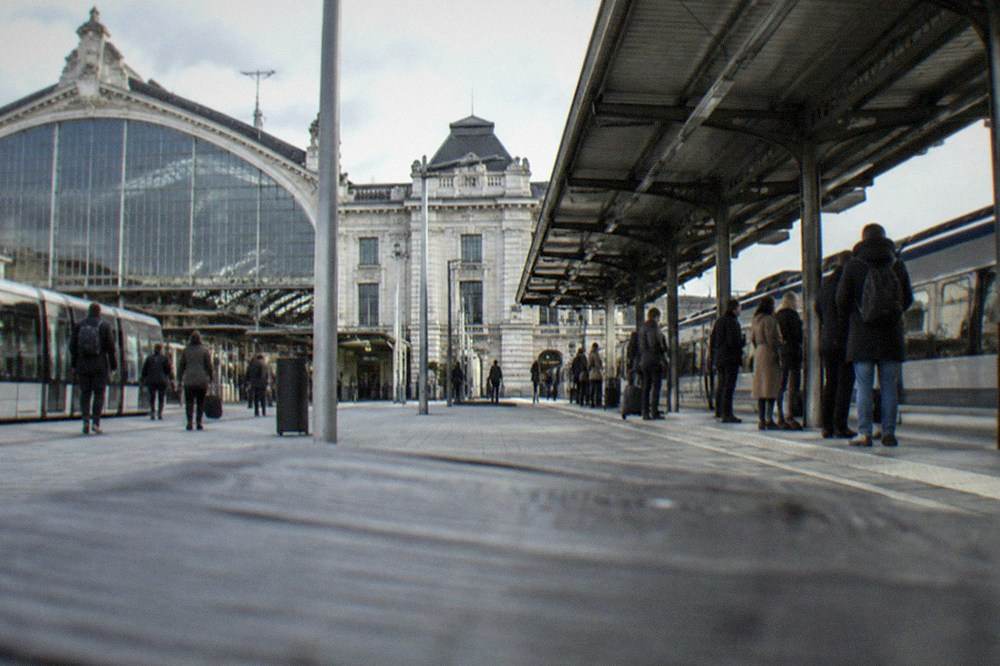
The practical answer is the direct regional train, which links Nantes and La Rochelle along the coastal line through the Vendée and Charente-Maritime; no verified door-to-door journey time is on file for this route, so check the live timetable on SNCF Connect before committing to a day plan, and buy tickets in advance in high summer when coastal trains fill up. Driving is the alternative, and parking outside the town centre is the usual compromise. The railway approach drops you within walking distance of the old port, which is the single best argument for taking the train over the car.
A few planning details matter. Regional trains in France carry bikes, so a cycle-and-rail combination is possible if you want to ride the coast, though La Rochelle itself is flat and walkable enough that most day-trippers never need wheels. If you drive, arrive early: the streets near the Vieux Port are old, narrow and in demand, and the further-out car parks with a walk or shuttle into the centre are the realistic choice in July and August.
To put the rail options in context, here are the verified regional train times from Nantes to the other classic coastal day trips, all drawn from the site's researched figures:
| Destination | Fastest regional train from Nantes | Character of the trip |
|---|---|---|
| Clisson | about 15 minutes | Italianate town and château, the shortest hop |
| Saint-Nazaire | about 33 minutes | Shipbuilding city and the Loire estuary |
| La Baule | about 51 minutes | Bay beach resort with a wide sandy curve |
| Pornic | about 59 to 65 minutes | Small Breton-Vendée port and rocky coves |
| Le Croisic | about 1 hour 3 minutes | Oyster port at the end of the line |
La Rochelle sits beyond all of these, further down the coast, which is precisely why it feels like a genuine excursion rather than a suburban outing. If a seafront day closer to base appeals, La Baule reaches the sand in under an hour, and our answer piece is La Baule worth visiting? weighs it up.
If you would rather have someone else handle the day, these are the tour products verified on this site's roster:
What Should You See In La Rochelle On A Day Trip?
Plan the day around the old harbour and let everything else radiate from it: the towers that guard the port entrance, the arcaded old streets immediately behind the quays, the daily fish and seafood market atmosphere around the port, and, if the schedule allows, a crossing to or a view towards the nearby island of Ré, reached by its long toll bridge. One careful walking loop of the port and the old town is the shape of a good single day. The town's scale rewards depth over breadth: three or four things done slowly beat a checklist done at speed.
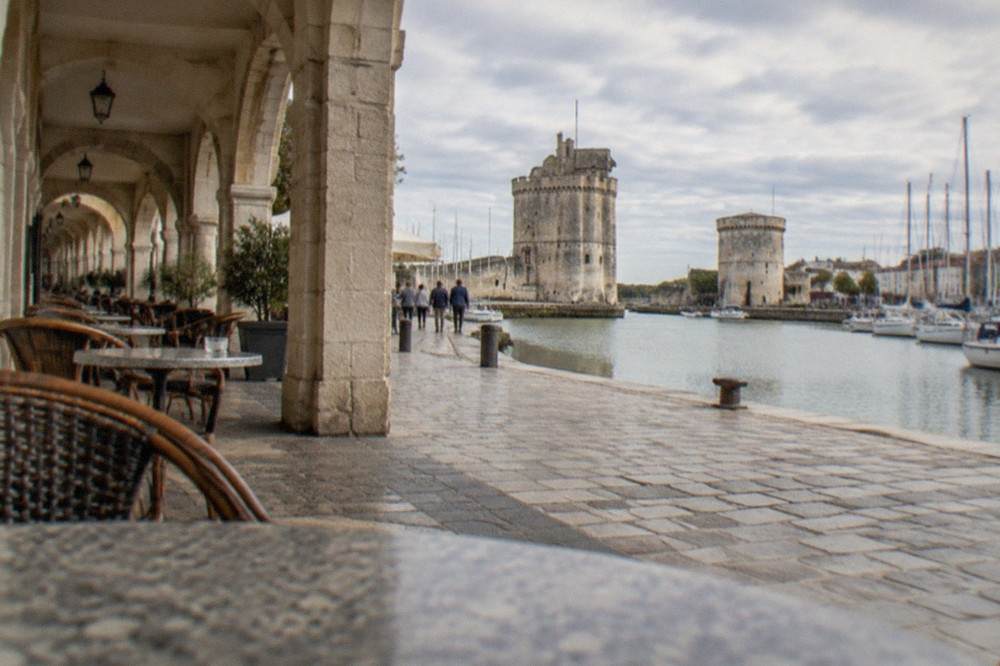
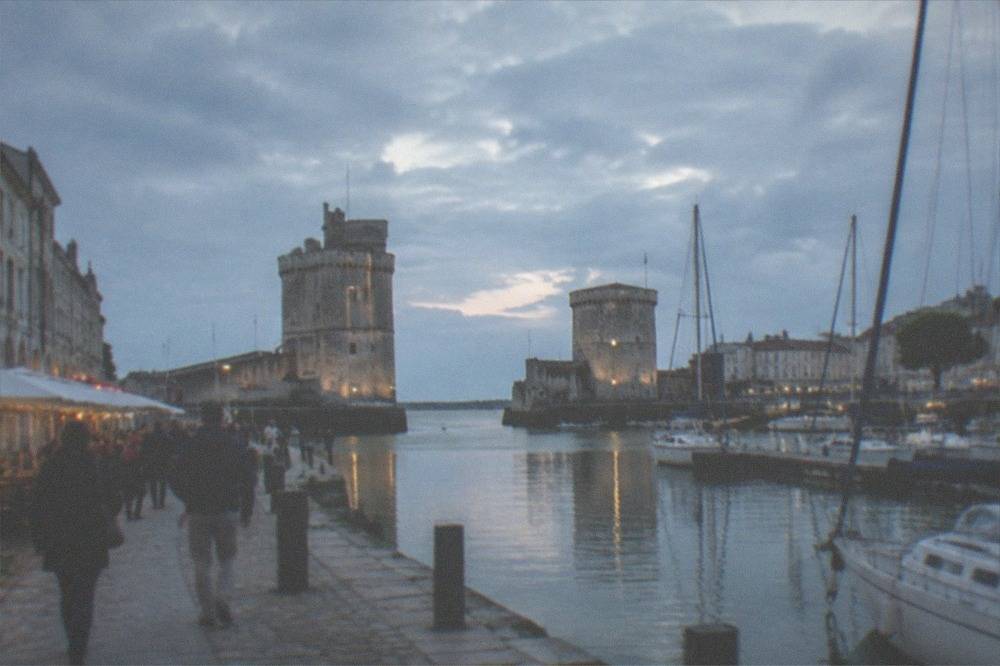
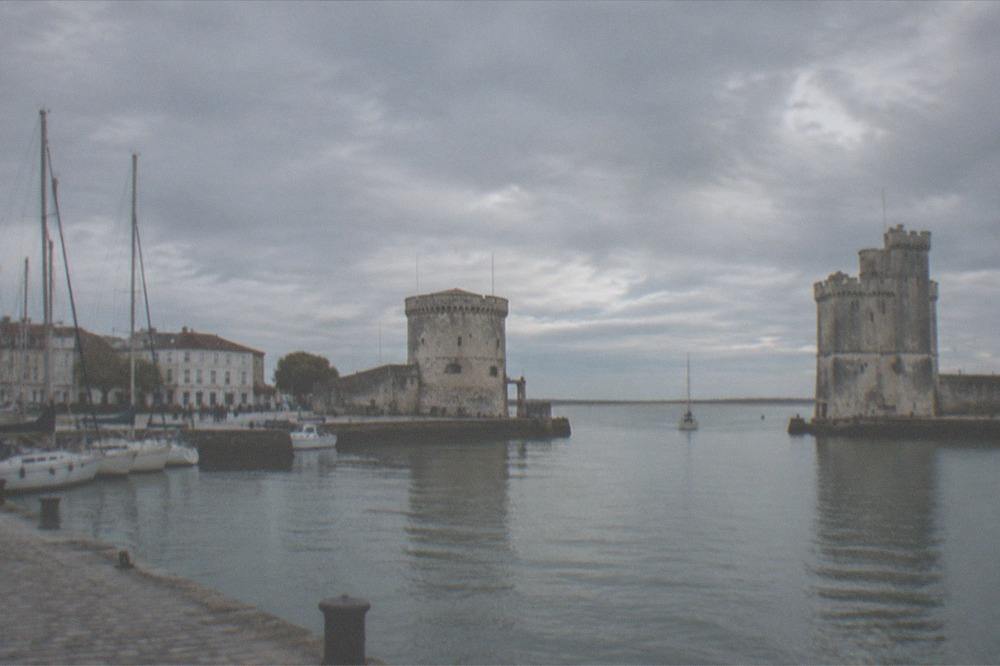
Start at the water. The old port is the postcard and the living heart at once, with its moored sailing boats, working fishermen's quays and the stone towers that have watched the channel for centuries. Walking the full circuit of the harbour, out along the breakwater as far as is open to the public and back along the opposite quay, gives you the town from every angle. The towers themselves, the Lanterne, the Chain tower and the Saint-Nicolas tower, are the landmark trio; opening arrangements vary by season, so treat a tower climb as an option rather than the plan.
Behind the port, the arcaded streets are the second act. La Rochelle's old centre is one of the most complete arcaded towns on the French Atlantic coast, and the cool, shaded walkways make summer wandering pleasant in a way that open boulevards are not. This is also the shopping and cafe quarter: window shopping, a long lunch and a pause for coffee under the arches is a legitimate use of an hour or two.
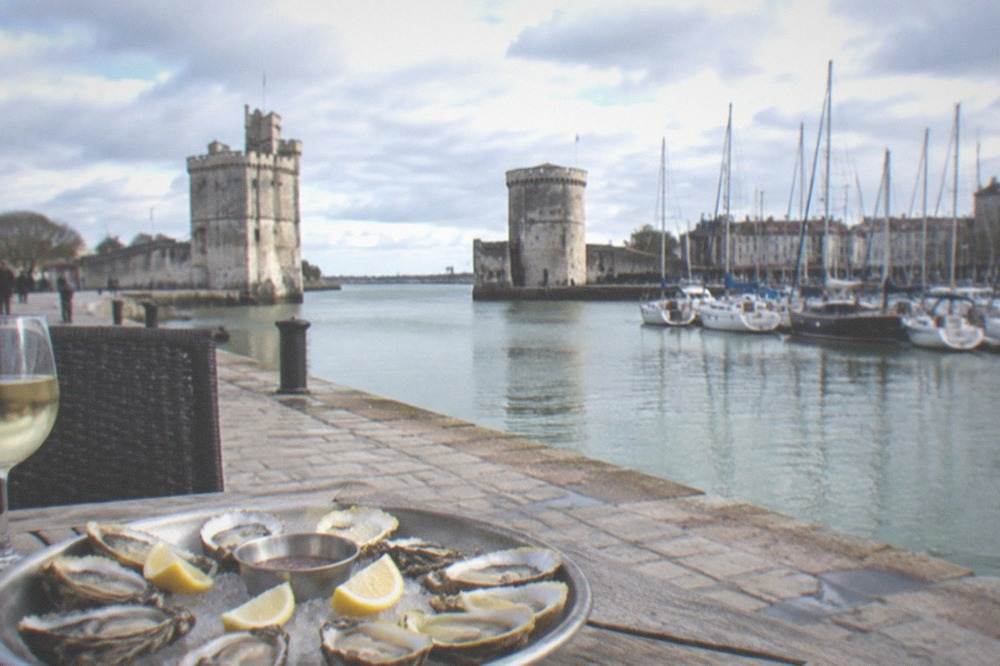
Lunch is not an afterthought here. The town's tables run on local oysters, sea bass, sardines and the salt-marsh produce of the surrounding coast, and a seafood lunch on a quayside terrace is for many visitors the highlight of the day. Reserve in July and August or eat early by French standards; the good rooms fill. If you want a taste of the same Atlantic larder without leaving the Nantes side, the city's own La Cigale brasserie serves its own historic take on the region's cooking.
In the afternoon, choose one thing. The island of Ré, connected by bridge, tempts day-trippers, but a genuine visit to its villages and salt pans is its own outing; seen from La Rochelle, treat it as scenery and a possible future trip. The town's aquarium is the rainy-day favourite and one of the largest in the country; no admission figure for it is on file with this desk, so budget for it as an unknown rather than a promised number. Otherwise, give the last hours to the seafront promenade west of the port, where the Atlantic finally arrives unhindered.
For a different kind of afternoon back in Nantes, a half-day among the vines pairs well with a coastal day earlier or later in the week, and the Muscadet vineyards day trip covers that ground in full. The Passage Pommeraye, Nantes's 1843 shopping arcade, is the inland counterpart to La Rochelle's arcades, and you can book ahead:
What Does A La Rochelle Day Trip Cost Compared With A Day In Nantes?
Budget the way you would for any French coastal day: the train fare and lunch dominate, and the sightseeing itself can cost very little because the old port and the arcaded streets are free to wander, while the verified prices on file all sit on the Nantes side, from a 1.80 EUR Naolib ticket to a 9 EUR château museum entry, so a La Rochelle day costs more in transport and food and less in admission than a museum day in Nantes. The table below sets out the figures on file for both sides of the trip.
| Item | Verified price | Where it applies |
|---|---|---|
| Naolib 1 hour ticket | 1.80 EUR | Nantes trams, buses and Navibus |
| Naolib 24 hour ticket | 6.80 EUR | Nantes network, one day |
| Naolib 24 hour, 4 people | 15 EUR | Small groups on the same network |
| Château des ducs de Bretagne museum | 9 EUR full, 5 EUR reduced | Nantes, in the château |
| Musée d'arts de Nantes | 9 EUR full, 4 EUR reduced | Nantes, closed Tuesdays |
| Musée Jules Verne | 4 EUR full, 1.50 EUR reduced | Nantes, Butte Sainte-Anne |
| Les Machines de l'île, each attraction | 12 EUR full, 8 EUR child 4-12 | Nantes, Île de Nantes |
The lesson in those numbers is that Nantes is a low-admission city once you have arrived, and La Rochelle behaves the same way if you keep to the port and the old streets. The real swing factors are the rail fare, which varies with how early you book and when you travel, and lunch, which can be a quayside splurge or a modest arcaded-street stop. Set a rough framework before you leave and the day manages itself.
If you are building a multi-day plan around Nantes with occasional coastal outings, the Pass Nantes deserves a look. Its prices, valid from 1 April 2026, are verified and worth knowing even if La Rochelle itself is not covered:
| Pass duration | Full | Reduced (ages 4-17, students under 26, disability card) | Family (2 adults + 2 children) |
|---|---|---|---|
| 24 hours | 30 EUR | 20 EUR | 80 EUR |
| 48 hours | 40 EUR | 26 EUR | 106 EUR |
| 72 hours | 49 EUR | 31 EUR | 129 EUR |
| 7 days | 75 EUR | 45 EUR | 195 EUR |
The pass includes unlimited Naolib transport, one airport shuttle return, and one entry per partner site including the château museum, the Galerie des Machines and the Carrousel des Mondes Marins, though not the Grand Éléphant ride. It is a Nantes instrument, not a coast one, so buy it for the city days and pay separately for the La Rochelle train.
If the cost of a full coastal day gives you pause, a guided half-day among the Muscadet vineyards is the gentler budget option, and the operator's live listing carries the current price and availability:
La Rochelle Or The Nantes Coast: Which Day Trip Should You Pick?
Pick La Rochelle for the strongest single sense of elsewhere: a walled harbour, towers, arcades and a distinctly southern-Atlantic character that no trip from Nantes to its own nearest shore can imitate. Pick La Baule or Le Croisic instead when you want the sea with less travel, a beach afternoon or an oyster port, and keep Saint-Nazaire for estuary history and shipbuilding scale rather than charm. Each of the coastal options answers a different mood, and the fastest train times in the table above are the honest deciding factor for many travellers.
Here is how the main verified options compare on price, using figures on file for the attractions you would actually visit:
| Day-trip attraction | Adult price | Notes from the verified file |
|---|---|---|
| Escal'Atlantic, Saint-Nazaire | 15 EUR | Liner-themed visit; reduced 13 EUR, child 7.50 EUR |
| Puy du Fou, one-day ticket | from varies by venue advance | Historic theme park, season 4 April to 1 November 2026 |
| Les Machines de l'île, Nantes | 12 EUR per attraction | Two-attraction day package 20 EUR, three attractions 29 EUR |
| Château museum, Nantes | 9 EUR | Free courtyard and ramparts every day |
| Guérande salt-marsh guided visits | price varies | Salt town about 80 km by road from Nantes |
The pattern is clear. Within easy reach of Nantes, the big-ticket days are Puy du Fou and the coastal attractions, while the city's own sights are inexpensive or free. La Rochelle sits in between: the journey is the cost, the town is mostly free, and one good lunch is the day's luxury. Our guide to what the Pays de la Loire is famous for gives the wider regional frame, and the Pays de la Loire region guide maps how the departments fit together.
When Is The Best Time Of Year To Visit La Rochelle From Nantes?
Go between late May and September for the fullest version of a harbour day, with the caveat that July and August bring the biggest crowds and the highest demand for train seats and lunch tables; May, June and September are the sweet spots with warm quays and manageable numbers, while winter days are quieter, greyer and better suited to arcades, seafood and the aquarium than to seafront strolling. The climate facts on file are for Nantes, and they describe the oceanic regime both cities share: warm summers, mild winters, rain spread across the year.
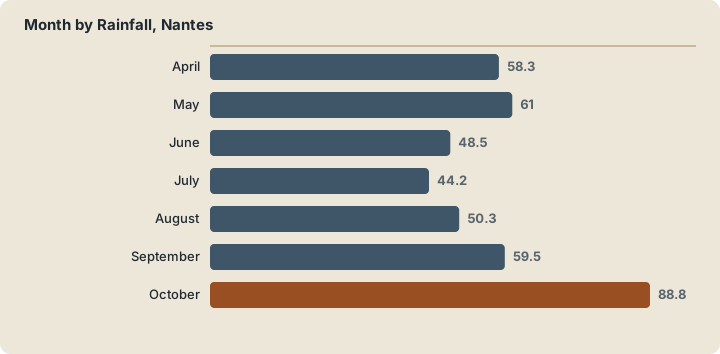
The verified normals for the Nantes-Bouguenais station, 1991 to 2020, show exactly what that regime looks like month by month, and La Rochelle's coastal version runs a degree or so cooler in summer with a similar rhythm:
| Month | Mean maximum, Nantes | Rainfall, Nantes |
|---|---|---|
| April | 16.2 C | 58.3 mm |
| May | 19.6 C | 61.0 mm |
| June | 23.0 C | 48.5 mm |
| July | 25.1 C | 44.2 mm |
| August | 25.4 C | 50.3 mm |
| September | 22.4 C | 59.5 mm |
| October | 17.6 C | 88.8 mm |
July is both the warmest and the driest of the summer months in those normals, and August close behind, which is why the coast is busiest then. September keeps most of the warmth with the summer crowds gone, and for the Atlantic coast specifically, September is the month local advice tends to favour. October still works, but the rain nearly doubles and the seafront loses its buzz.
One hard weather note for planners: that June 2026 heat made a seafront day attractive and a sun-exposed harbour circuit punishing, with multiple days above 40 C in a single week, so pack water and a hat whatever the forecast says. For the fuller picture, our answer on the coldest month in Nantes and the seasonal guides cover the rest of the year.
What If You Would Rather Explore Closer To Nantes?
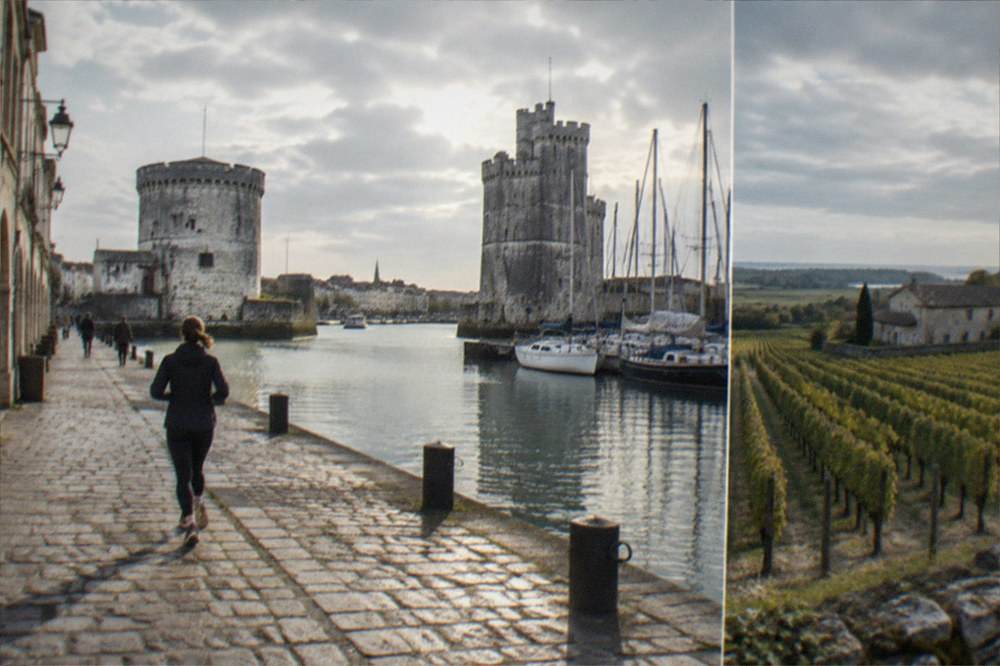
The honest alternative to La Rochelle is a Muscadet half-day: the vineyards sit in the Nantes region itself, tastings are short journeys rather than a coast expedition, and the verified wine products on this site's roster include a half-day van tour with a strong rating, a shorter two-hour version and a sensory tasting experience, so a vineyard afternoon can replace the seaside day at a fraction of the travel. For many visitors one big excursion per trip is enough, and the vineyards are the natural one.
The half-day van tour is the related product for this page, and the verified listing carries its own rating and review count:
The 2026 harvest was historic in this region, which is a genuine piece of local colour for the tasting table: the Muscadet picking ban was declared on 11 August 2026, a record eight days earlier than the previous mark from 2003, with lower yields but strong quality from the sunshine. Ask about it in the cellar; growers will happily talk about the earliest harvest anyone remembers.
Beyond wine, the closer alternatives stack up quickly: Clisson for a short Italianate hop, Guérande for salt marshes and a walled town, and the city's own long list collected under the main Nantes guide. Pairing one coastal day with one vineyard day and the rest in the city is the itinerary shape that suits most week-long visits.
Common Questions About A La Rochelle Day Trip From Nantes
Can you do La Rochelle as a day trip from Nantes?
Yes. Direct regional trains link the two cities along the coast, and the town's old port, arcaded centre and quays are compact enough for a single well-planned day. Check the live timetable on SNCF Connect before booking anything else, since no verified journey time for this specific route is on file with this desk, and buy rail tickets early in summer.
How do you get from Nantes to La Rochelle without a car?
Take the regional train from Nantes towards La Rochelle. The station sits within walking distance of the old harbour, and the town centre is flat and pedestrian-friendly, so no local transport is needed once you arrive. Regional trains in France also carry bikes if you want to combine rail with a coastal ride.
What are the main things to see in La Rochelle in one day?
The old port and its medieval towers come first, then the arcaded old streets behind the quays, a seafood lunch on the water, and one afternoon choice: the seafront promenade, the aquarium on a rainy day, or a view towards the island of Ré and its bridge. Tower openings vary by season, so check locally on arrival.
Is La Rochelle expensive for a day trip?
The town itself is mostly free to enjoy: the port, the quays and the arcaded streets cost nothing. The two big costs are the rail fare, which varies by booking time and season, and lunch, which ranges from a modest street stop to a full quayside seafood spread. No verified La Rochelle admission prices are on file with this desk, so treat any figure you see elsewhere as unconfirmed.
What is the best month to visit La Rochelle from Nantes?
June or September. The verified Nantes climate normals show July and August as the warmest and driest months, but they are also the most crowded on the coast and the hardest for train seats. September keeps a 22.4 C mean maximum with the summer crowds gone, which is why local advice tends to favour it.
Is there a guided tour that covers the La Rochelle coast from Nantes?
No coastal day-tour product from Nantes to La Rochelle is on this site's verified roster. The verified day-trip products from Nantes go instead to the Muscadet vineyards and to Clisson and Trentemoult, so treat La Rochelle as an independent rail trip and save the guided day for the vines.
Before the coastal day, a lighter guided option can round out the week, and a photoshoot walk is one of the verified products on file for capturing the Nantes side of the trip:
A final note on timing from the verified calendar: if your trip falls in late autumn, know that the Grand Éléphant at Les Machines de l'île pauses for maintenance from 2 November 2026 to 28 February 2027, and the Muséum d'histoire naturelle in Nantes is closed for works until 2029, so plan the city days around the château, the Musée d'arts and the Machines' Galerie and Carrousel instead. La Rochelle, by contrast, asks for nothing but a train ticket, a fair-weather window and an appetite, and it rewards all three generously.