Ile D'yeu
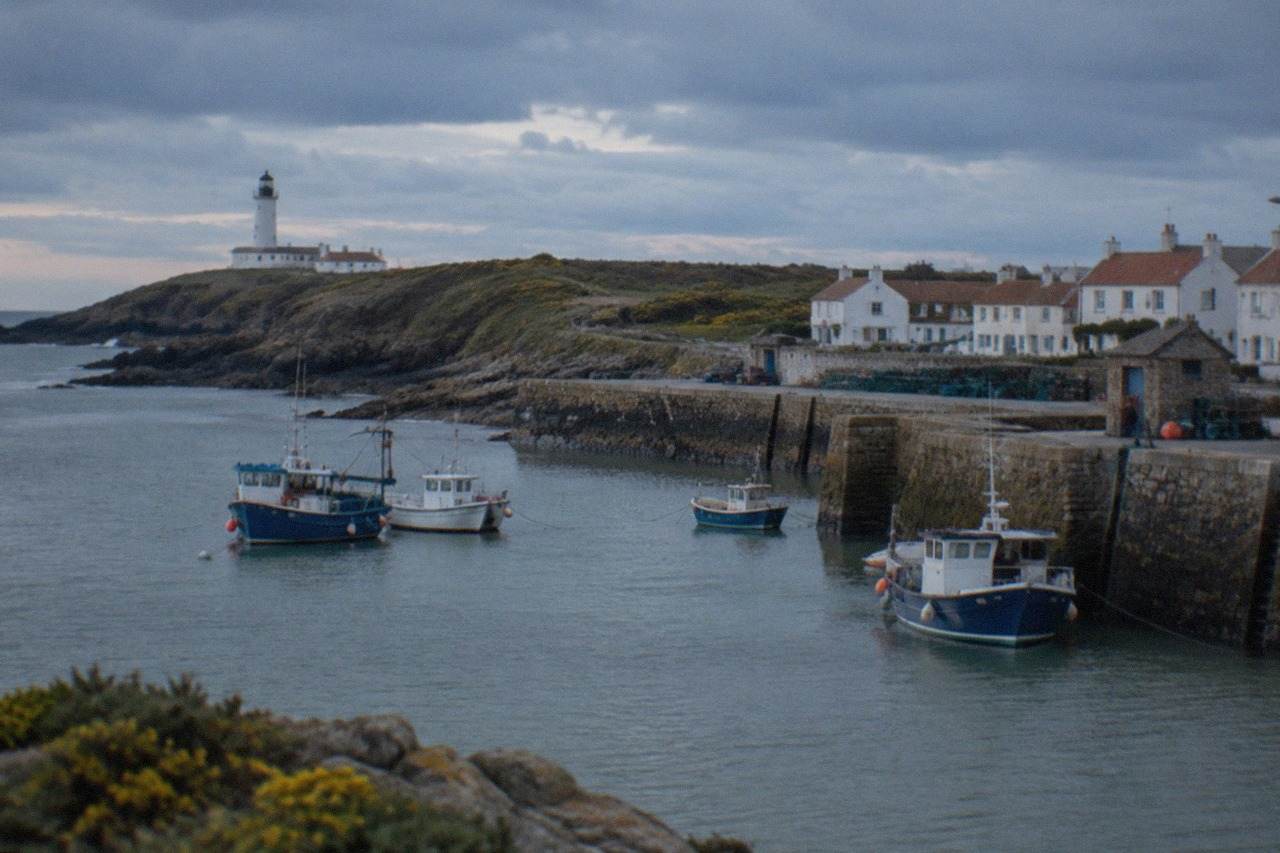
Ile d'Yeu is the wilder, quieter island escape on the Atlantic coast reached from the Nantes area, a day of fishing ports, coastal paths and Atlantic air that feels nothing like the city you left in the morning.
Short answer
Ile d'Yeu is a low, sea-girt island off the French Atlantic coast, reached by ferry from a mainland port rather than by direct train from Nantes. It suits confident travellers who want coastal walking, fishing-village atmosphere and a real crossing, and it rewards planning: sailings, weather and season all shape the day.
Nantes, in the Loire-Atlantique department of the Pays de la Loire region in western France, sits far enough inland that the Atlantic feels like a different world, and Ile d'Yeu is the furthest-flung flavour of that world you can taste in a single day. The island is the one on the horizon that stays an island: no bridge, no causeway, no road running out to it, just a ferry crossing and whatever the sea decides to do about it. That inaccessibility is the whole appeal. Where Noirmoutier can be reached by road and the mainland resorts sit at the end of a rail line, Ile d'Yeu keeps a measure of separation that shapes everything on it, from the pace of the ports to the price of a plate of fish.
This guide sets out what the island offers a visitor based in Nantes, how the journey actually works, what it costs alongside the city's other escapes, and how to choose between it and the easier island option, Noirmoutier. Because almost nothing about the crossing is bookable through a city service, the honest planning advice is to check the ferry operator's own current sailings before committing to anything, and to hold a wet-weather alternative in reserve. Nantes itself, as the Nantes Travel Guide homepage lays out, has more than enough to fill a rained-off day.
Where Is Ile d'Yeu, And Why Does It Suit A Nantes Day Trip?
Ile d'Yeu is an island off the Vendée coast of western France, within the wider Pays de la Loire region that Nantes anchors, and it is reached by ferry from a mainland port rather than by any bridge or direct rail link. Its character is maritime and low-key: fishing ports, coastal walking, sandy coves and a quieter rhythm than the mainland resorts. The trade-off for that separation is dependence on sailings and weather.
The island belongs to the same broad Atlantic world as the mainland coastal day trips from Nantes, but it sits apart from them in one decisive respect. Saint-Nazaire, La Baule and Le Croisic are all rail destinations: you step off a train and you are there. Ile d'Yeu asks for an extra link in the chain, a crossing by sea, and that link is governed by tides, season and demand in a way a rail timetable is not. Anyone planning the day around a fixed return time needs to treat the ferry schedule as the single most important document of the trip.
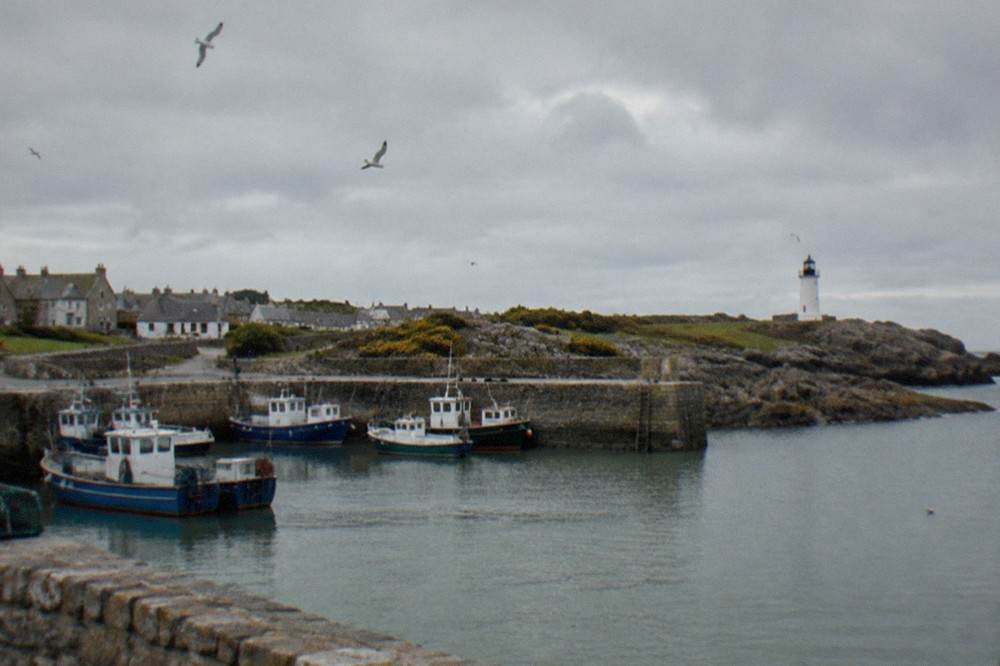
What the island gives back for that friction is a different register of quiet. The ports are working ports first and visitor attractions second. The coastline mixes dune-backed beaches with low rocky stretches and open Atlantic horizons. Inland, the scale is small enough that a determined walker can cross a meaningful share of the island on foot between a morning arrival and an afternoon sailing. The comparison that Nantes visitors most often weigh it against is Noirmoutier, the northerly island of the same stretch of coast, and this guide returns to that choice later with a table.
A word on expectations, because honesty saves a day. The island is not a theme-park version of itself. Out of the summer peak it is a small, partly year-round community with an economy built on fishing and, increasingly, visitors who arrive exactly as you would: by boat, for a day, curious. Restaurants and bike hire cluster around the arrival points; beyond them you are largely on your own with a map, a coastal path and the wind. For many people that is the recommendation rather than the warning.
How Do You Get To Ile d'Yeu From Nantes?
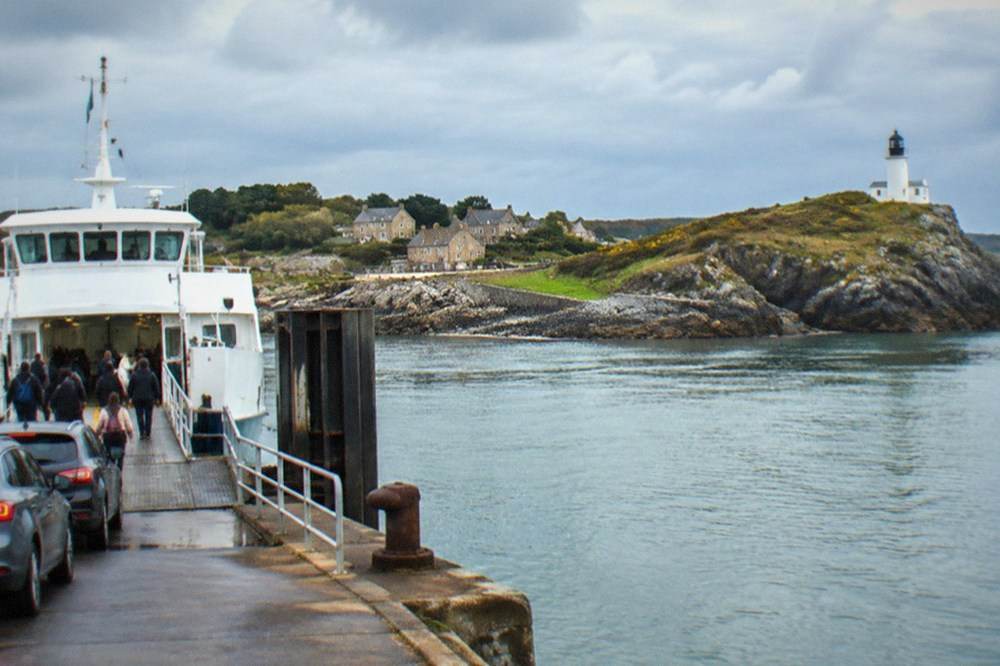
There is no direct train, bridge or causeway to Ile d'Yeu from Nantes: the journey runs by rail or road to a mainland ferry port on the Vendée coast, then across to the island by ferry. Sailing times, frequencies and fares are set by the ferry operator and change with season and demand, so the operator's own current timetable, not any guide page, is the source to book against. Build the day around the last return sailing.
The rail leg out of Nantes is the familiar one. Trams and TER regional trains run from the city's station through the Loire-Atlantique countryside toward the coast, and the mainland port towns that serve the island sit beyond the end of the direct coastal lines, with a connecting road or local bus leg for the final stretch. None of that is complicated, but it is multi-stage: city transport to the station, a train toward the coast, a transfer to the port, then the crossing itself. Treat it as a morning's travel each way, and pack accordingly.
Two Nantes specifics matter for the outbound leg. First, Naolib weekend fares: the whole network, trams, buses and Navibus, is free for everyone from 00:00 Saturday to 23:59 Sunday, so getting to the station on a weekend morning costs nothing on the city side. The airport shuttle is the one exception and always carries its own charge, though it is irrelevant here. Second, the 24-hour Naolib ticket at 6.80 EUR, or the 1.80 EUR single, covers the city-side hop if you travel midweek. Neither covers anything beyond the agglomeration, so the regional train fare is a separate purchase.
For the crossing itself, the only reliable planning facts are these: sailings are seasonal, with the fullest timetables in summer and thin winter service; crossings can be delayed or cancelled by sea state; and fares are not published on this site because they belong to the operator and shift with fuel, season and boat type. Checking sailings the evening before, and again on the morning, is not fussiness. On an island trip it is the difference between a day on the coast and a day watching a closed harbour.
What Are The Best Things To Do On Ile d'Yeu In A Day?
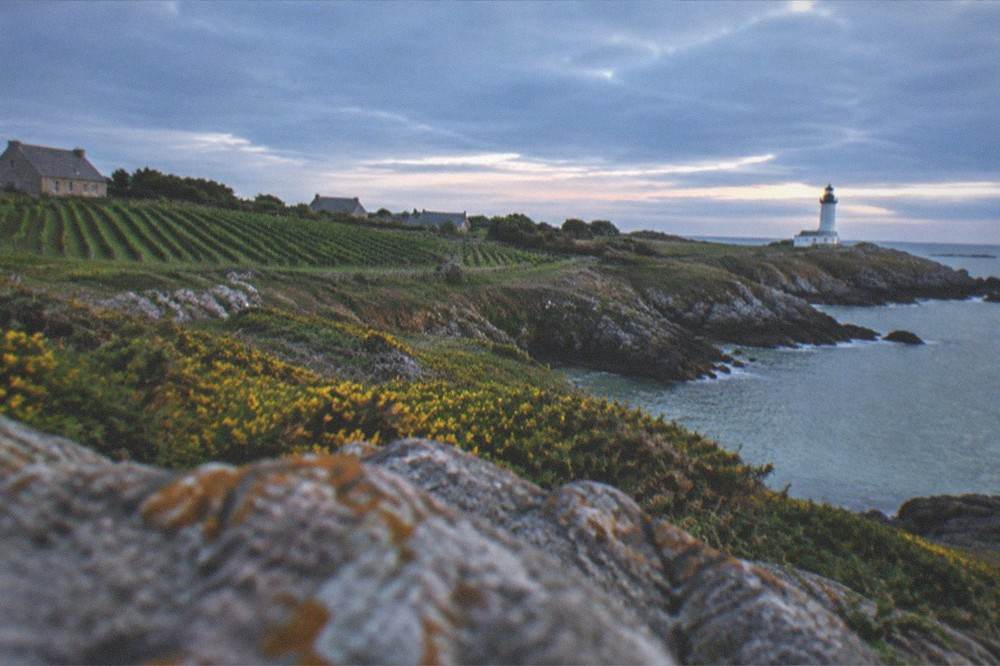
The core of a day on Ile d'Yeu is walking the coastal path between the ports, eating fish landed on the island, and visiting the two anchor sights most day visitors head for: the old clifftop fortress on the southern side and the lighthouse at the island's northern end. Cycling covers more ground; walking gives you the coast at its own pace. Pick one anchor sight and one long walk rather than attempting the whole island.
The old fortress is the island's signature ruin, a medieval stronghold standing on a rocky promontory above open sea, reached on foot and worth the walk for the setting alone. No verified opening details or admission figures are carried in this site's facts pack, so check the current arrangements with the island's tourist office before setting out; seasonal closure of unstaffed monuments on small islands is normal. The lighthouse at the other end of the island is the second classic objective, again a modest walk from the main ports, and the stretch of coast between the two gives you the island's scenery in its purest form.
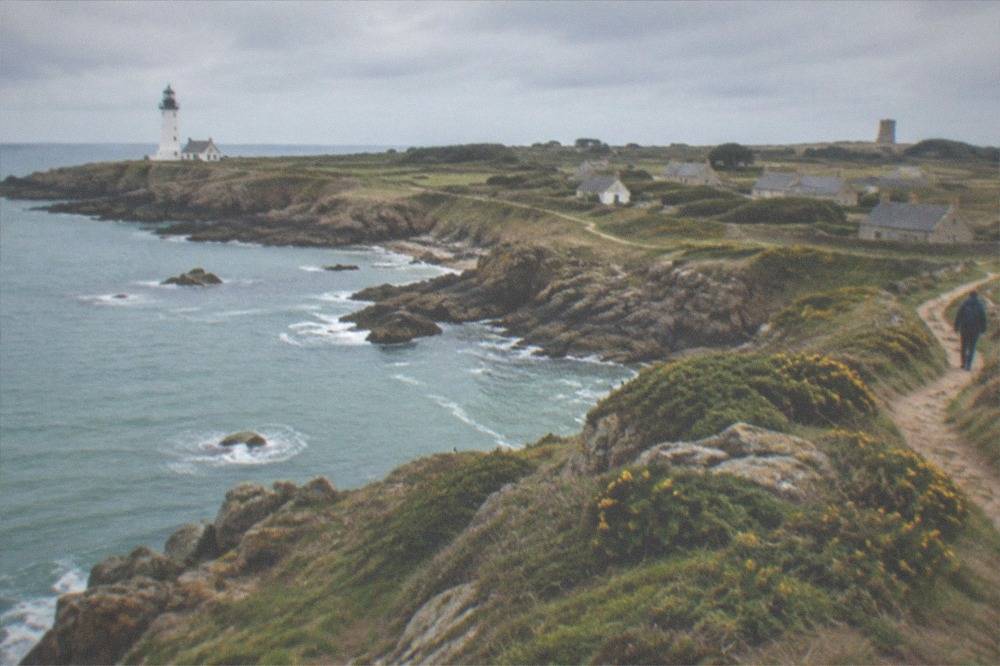
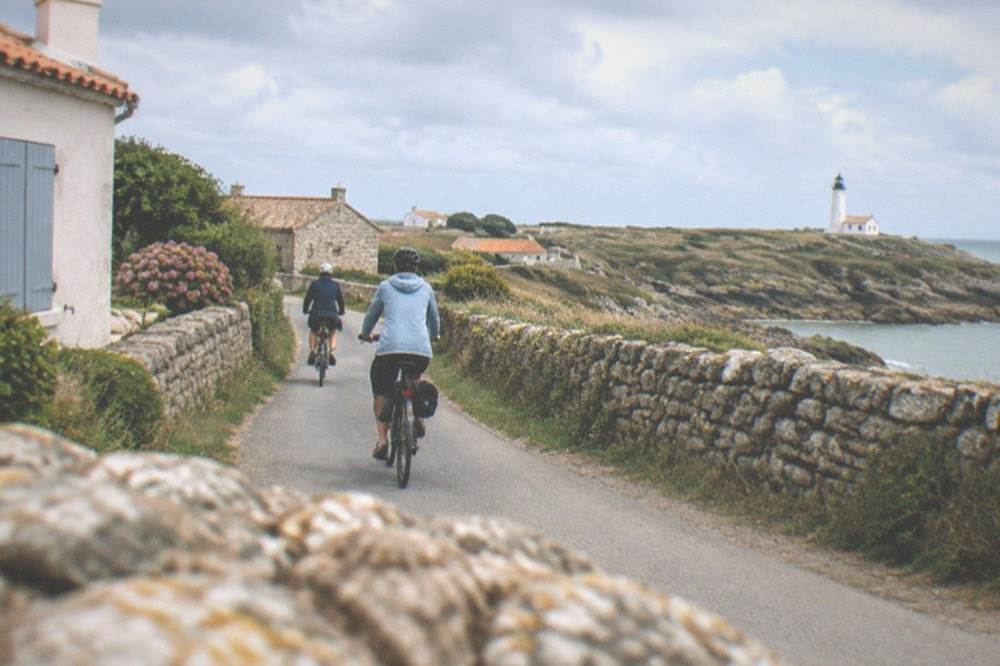
Between those anchors, the day fills itself. The main harbour villages concentrate the restaurants, bike hire and the practical services; the beaches on the sheltered side suit a swim if the season allows; and the flat lanes inland make easy cycling for anyone who would rather pedal than walk. Fish and shellfish are the honest menu choice, and the small local producers, salt among them on this coast generally, are worth a look if you see a sign. The coastal character of the region is a shared inheritance, but the island version of it is quieter than any mainland equivalent.
Do not over-plan the afternoon. The return sailing imposes its own deadline, ports are small, and distances that look trivial on a map take real time on foot with a sea breeze in your face. A single loop, harbour to fortress and back, or harbour to lighthouse and back, is a full day done properly. If the weather turns, the island contracts rather than closes: a long lunch in a port village is a legitimate Atlantic itinerary, and there is no shame in spending the crossing home watching the coast reappear.
For travellers who prefer structure over self-navigation, or whose ferry day is blown out by weather, guided alternatives exist that keep the day productive without leaving the region. The pairing that works best for this route is wine country: the Muscadet vineyards sit between Nantes and the coast, and a guided vineyard trip is the natural swap for a cancelled crossing.
If the island day goes ahead but you want a steadier introduction to Nantes itself on another day, the city's own attractions are covered across this site, from the Machines de l'île on Ile de Nantes to the museums and covered passages of the centre. A practical note for any rainy-day backup: the Muséum d'histoire naturelle in Nantes is closed for major works until 2029 and should not be counted in any current itinerary, while the cathedral partially reopened on 27 September 2025 with full reopening planned for 2028, both worth knowing before you promise either to a disappointed party.
When Is The Best Time To Visit Ile d'Yeu From Nantes?
The most reliable window for an Ile d'Yeu day trip is late spring through early autumn, roughly May to September, when the fullest ferry timetables run, sea conditions are most often kind and the coastal path is dry underfoot. Within that, June and September trade the biggest crowds for warm, settled weather. Winter crossings run but are sparse, colder and more easily cancelled.
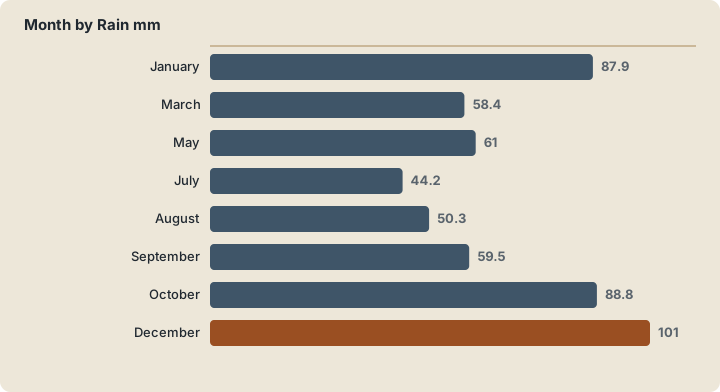
The climate data for Nantes itself, from Météo-France's 1991-2020 normals for the Nantes-Bouguenais station, tells you what the Atlantic side of France is like, and the island runs a slightly more maritime version of the same story: warmest in July and August, wettest in late autumn and early winter, temperate oceanic rather than anything Mediterranean. The table below shows the city's monthly picture, which is the closest verified series this site carries to the island's own.
| Month | Mean max °C | Rain mm |
|---|---|---|
| January | 9.3 | 87.9 |
| March | 13.5 | 58.4 |
| May | 19.6 | 61.0 |
| July | 25.1 | 44.2 |
| August | 25.4 | 50.3 |
| September | 22.4 | 59.5 |
| October | 17.6 | 88.8 |
| December | 9.8 | 101.0 |
Two caveats to that table, both from the same verified series. July, not a winter month, is the driest of the year at 44.2 mm, and December the wettest at 101.0 mm, out of an annual total of 819.5 mm. And recent summers have run far beyond those averages: the station's all-time record high is now 42.2°C, set on 24 June 2026, with 2026 also recording more days at or above 30°C than any year in the series. A June or September crossing is not just a crowd choice; it is the sensible reading of a warming record.
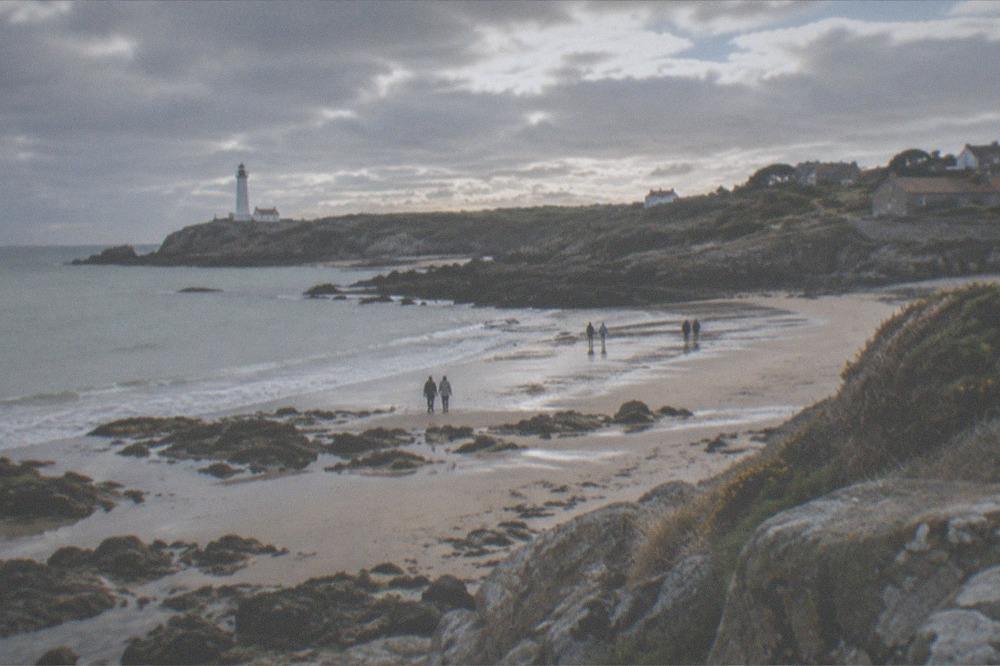
Season also changes what is open on the island. The full visitor economy, bike hire, restaurants beyond the harbour, guided extras, runs at its peak from around June to early September and thins sharply either side of it, exactly as the ferry timetable does. A May or late-September day can be the best of the year: settled sea, empty paths, everything open. A February day is a different proposition entirely, and one that suits only travellers who genuinely want an off-season Atlantic island, checked sailings and all.
What Does A Day Trip To Ile d'Yeu Cost, And How Does It Compare?
The honest answer is that this site cannot quote a ferry fare, because island crossings are priced by the operator and vary by season, boat and demand. The costs you can pin down in advance are the Nantes side: city transport, where a 24-hour Naolib ticket is 6.80 EUR and weekends are free, the regional rail fare, and the Pass Nantes, whose 2026 prices are listed below. Budget the crossing from the operator's own tariff.
The Pass Nantes, valid from 1 April 2026, is worth a look even for a day-tripper, though it is built for the city rather than the coast. It bundles unlimited Naolib transport, one airport shuttle return, and single entries to partner sites including the château museum and the Machines de l'île gallery and carousel, with the Grand Éléphant ride explicitly excluded. It also includes one TER return between Nantes and Clisson, which is useful for a different day trip, not this one.
| Pass Nantes | Full | Reduced | Family |
|---|---|---|---|
| 24 hours | 30 EUR | 20 EUR | 80 EUR |
| 48 hours | 40 EUR | 26 EUR | 106 EUR |
| 72 hours | 49 EUR | 31 EUR | 129 EUR |
| 7 days | 75 EUR | 45 EUR | 195 EUR |
Reduced rates apply to children aged 4 to 17, students under 26 and disability card holders; the family rate covers two adults and two children, with a second child's pass free. For a single island day, the 24-hour pass only pays for itself if you pack it with paid entries in the city before or after; for a longer stay that mixes coast and city, the 72-hour and 7-day versions start to make sense.
On the island itself, the spend pattern is simple: the crossing, bike hire if you choose it, lunch, and not much else. The anchor sights are either free to walk to or modestly priced at most, and the coastal path costs nothing. Back in Nantes, if your island day collapses and you pivot to the city, the verified till prices for the major sights are these:
| Sight in Nantes | Entry | Notes |
|---|---|---|
| Cathedral Saint-Pierre-et-Saint-Paul | Free | Partially reopened 27 September 2025 |
| Château des ducs de Bretagne, courtyard and ramparts | Free | Open 8:30-19:00 daily |
| Château museum (Musée d'histoire de Nantes) | 9 EUR full, 5 EUR reduced | Closed Mondays |
| Machines de l'île, each attraction | 12 EUR full, 8 EUR child 4-12 | 2 attractions 20 EUR, 3 for 29 EUR |
| Mémorial de l'abolition de l'esclavage | Free | Closed during Loire floods |
| Musée d'arts de Nantes | 9 EUR full, 4 EUR reduced | Free Thursday 19:00-21:00 |
One maintenance window worth flagging if a Machines visit forms your backup plan: no Grand Éléphant rides run from 2 November 2026 to 28 February 2027, and the Carrousel des Mondes Marins closed for maintenance 22-25 September 2026. The Galerie itself carries on. Meanwhile the Muséum d'histoire naturelle remains closed until 2029, so the city's indoor list is shorter than older guides suggest.
Ile d'Yeu, Noirmoutier Or The Mainland Coast: Which Island Day Fits Your Plans?
Choose Ile d'Yeu if you want a true sea crossing, walking-centred sightseeing and the quietest version of the Atlantic coast; choose Noirmoutier if you want an island reachable by road with easier logistics and a gentler day; choose the mainland resorts if you want a rail timetable you can rely on and the shortest travel legs. The mainland options all sit on verified TER times from Nantes, while both islands add a ferry or bridge stage.
The table below sets out the verified rail-side journey times for the mainland coastal escapes, which is the comparison that actually informs the island choice. Neither island appears as a direct rail destination; that is the point.
| Coastal day trip from Nantes | Rail journey | Connection to the island or resort |
|---|---|---|
| Saint-Nazaire | TER from around 33 minutes | None needed, town on the rail line |
| La Baule | TER from around 51 minutes | None needed, resort on the rail line |
| Le Croisic and Batz-sur-Mer | TER from around 1 hour 3 minutes | None needed, terminus town |
| Pornic | TER from around 59 to 65 minutes | Local connection onward |
| Noirmoutier | Rail part of the way, then road | Island reachable by road bridge |
| Ile d'Yeu | Rail or road to a mainland port | Ferry crossing required, no bridge |
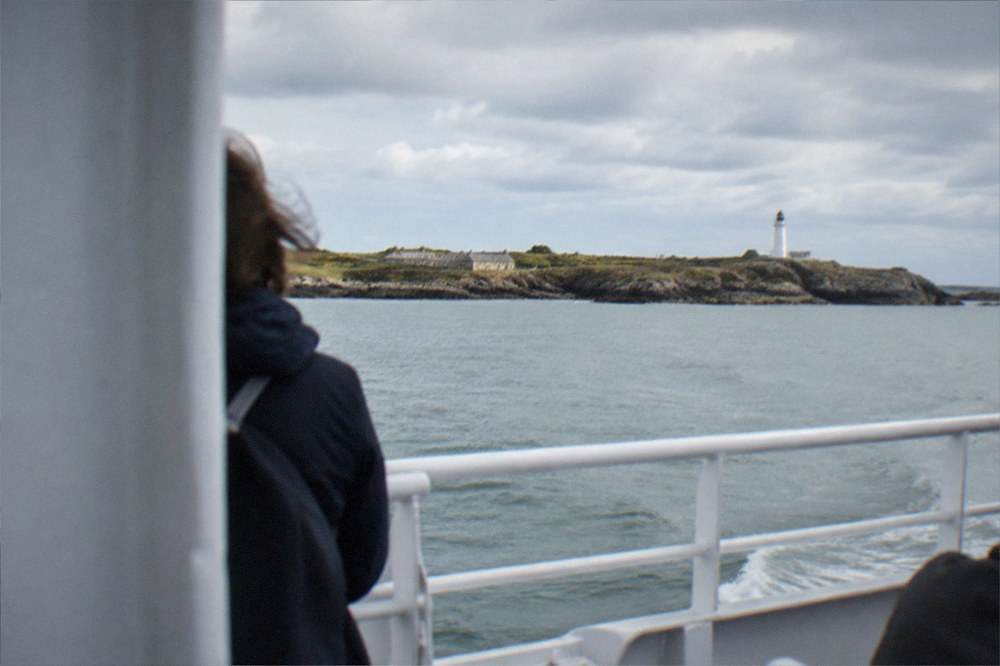
The Noirmoutier comparison is the one most Nantes visitors make, and it is a fair fight. Noirmoutier trades some of its island identity for convenience, since the bridge means a single set of wheels can carry you there and back, which matters if your party includes small children or anyone who dislikes boats. Ile d'Yeu keeps the crossing and, with it, the stronger sensation of having gone somewhere. On a fine day in high summer, that crossing is half the pleasure. On a grey March Tuesday it is the reason the boat is nearly empty.
The mainland resorts, La Baule and its bay, or the oyster coast toward Le Croisic, are the low-variance options: a train, a beach, a lunch, a train home, no sea state in the equation. If your trip has one unbendable day in it, a rail day trip is the safer allocation for that slot, and the island belongs on a day with flex in it either side. The broader set of options is collected in the site's overview of day trips from Nantes, including Saint-Nazaire and Pornic for other coastal moods.
For families, a note from the verified city side: the decision is less about the island's child-friendliness, which is real, and more about the crossing's length and the impossibility of leaving early if a small traveller has had enough. The Nantes-with-kids material elsewhere on this site takes the same view: fixed-return boat days with small children are a gamble on the child, not the destination.
What Can You Pair With An Ile d'Yeu Trip Around Nantes?
The strongest pairing is Muscadet wine country, which sits in the hinterland between Nantes and the Atlantic and shares the same maritime landscape: a vineyard visit before or after an island day, or as its substitute when a crossing is cancelled, turns transport time into the day's second experience. Guided vineyard tours from Nantes exist in several formats, and the city's food and walking tours cover the same terroir without leaving town.
Muscadet is the Nantes region's white wine, made from the Melon de Bourgogne grape, and the Maison des vins at Vallet anchors the appellation's visitor infrastructure. The 2026 harvest made the news for its earliness, with the ban de vendange declared on 11 August 2026, a record eight days ahead of the previous mark from 2003, and yields down at roughly 30 to 40 hectolitres per hectare against around 55 in a reference year like 2018. Heat and drought drove both, and the producers' own reports describe the quality as good despite the smaller crop. What that means for a visitor is that the tasting rooms are, if anything, keener to see you.
| Muscadet fact | Verified detail |
|---|---|
| Grape | Melon de Bourgogne |
| Maison des vins | At Vallet, in the vineyard belt south-east of Nantes |
| 2026 harvest ban | 11 August 2026, record early |
| 2026 yields | Around 30-40 hl/ha, against about 55 hl/ha in 2018 |
| Classic local pairing | Beurre blanc, the emulsified butter sauce of Nantes cookery |
The Muscadet vineyards guide covers that ground in full. What this page can add is the specific tour formats that exist for it, drawn from the verified roster this site carries: a short guided van tour of the vineyards, a half-day version for a deeper run at the appellation, and a sensory tasting experience in the city for anyone who would rather stay in Nantes and drink like they went. There is also a direct comparison worth knowing about on the north side of the same coast, the salt marshes of Guérande, covered in the site's Guérande guide, where the same Atlantic economy expresses itself in white gold instead of wine.
The vineyard van tour is the one this page pairs with the island by design: it is a half-day format, it leaves from Nantes, and it slots into either side of an island day or replaces one outright. Beyond it, the roster includes two city-based formats that suit a weather pivot, a historical city game that turns the centre of Nantes into a puzzle, and a self-guided app walking tour with 35 stops that covers the city at your own pace. Both are family-friendly in ways an island crossing is not automatically.
The historical city game is the more involved of the two city formats, an alchemist-themed trail that sends you through the old streets solving clues. Bookings for it and for the walks below are all handled through the operator's live listing.
Between that guided puzzle and the self-guided option there is a genuine difference of style worth pausing on. The city game gives you a narrative and a structure; the app walk gives you freedom and a fixed, modest price point. Families with older children tend to prefer the first, and travellers who like to stop for coffee every twenty minutes tend to prefer the second. For the island trip itself, the same logic applies loosely: the crossing is the guided part of your day, and what you do on land is up to you.
The self-guided option deserves its own word because it solves a real problem on multi-day Nantes trips: the day you do not book anything. It runs on your phone, it stops when you stop, and it costs a fraction of a guided walk, though the exact figure renders on the listing rather than being quoted here.
For a broader sweep of the region, the site's guides to the Loire valley châteaux and the Atlantic islands generally fill out a longer itinerary, and the Sables-d'Olonne page covers the other great seaside escape of the Vendée coast, the one with the long beach and the famous yacht race.
Common Questions About Ile d'Yeu Day Trips From Nantes
Can you do Ile d'Yeu as a day trip from Nantes?
Yes, though it is one of the longest day trips from the city because the journey runs by train or road to a mainland port and then by ferry across to the island. It works best as an early-start day built around the ferry operator's current sailings, with the last return crossing treated as a hard deadline. In the fullest summer season the timetable supports it comfortably; in winter the sparse sailings can make it impractical.
How do you get to Ile d'Yeu from Nantes?
There is no bridge, causeway or direct train: you travel from Nantes toward the Vendée coast by regional train or car, transfer to the mainland ferry port, and take the sea crossing. The rail and road legs are straightforward; the crossing is the part to check, because sailings are seasonal and can be affected by sea conditions. The ferry operator's own timetable is the only reliable source for times and fares.
Ile d'Yeu or Noirmoutier: which is the better day trip from Nantes?
Noirmoutier is easier: it is reachable by road bridge, so a car or a transfer takes you onto the island with no boat in the equation. Ile d'Yeu is more of an island in feel, quieter outside the peak, and centred on coastal walking between its ports, fortress and lighthouse. If your day is fixed and tight, choose Noirmoutier or a rail-side mainland resort; if your day is flexible and the forecast is kind, Ile d'Yeu is the more distinctive experience.
Do you need to book the Ile d'Yeu ferry in advance?
This site carries no verified booking rules or fares for the crossing, so the operator's own channels are the only safe answer. In practice, summer peak sailings and car crossings on small-island routes are the categories most likely to sell out, while foot passengers usually have more slack. Checking availability the day before, and confirming the last return sailing on the morning itself, is the sensible routine for any island day.
What is there to do on Ile d'Yeu if the weather is bad?
The honest answer is: less. The island's appeal is outdoors, coastal paths, ports, beaches and the walk to the fortress, and a wet Atlantic day compresses it into harbour restaurants and whatever indoor sights are open in season. This is why the recommendation throughout this guide is to hold a backup, either a Nantes museum day or a Muscadet vineyard tour, and to make the pivot early rather than after a wasted morning at the port.
Is Ile d'Yeu worth visiting in winter?
For most Nantes visitors, no: winter sailings are thin, the sea is at its least forgiving, and the visitor economy on the island runs down with the timetable. The exceptions are travellers who specifically want an off-season Atlantic island, empty paths and working ports, and who have checked the sparse crossings carefully. For everyone else, the May to September window, with June and September as the sweet spots, is when the island is at its best.
A last practical thread ties the whole day together: the island rewards travellers who treat the ferry timetable as the plan and everything else as options. Check the sailings, hold a vineyard or museum backup, start early, and let the Atlantic decide the rest.