Noirmoutier
Nantes, in the Loire-Atlantique department of the Pays de la Loire region of western France, sits close enough to the Atlantic that an island escape is a realistic day out, and Noirmoutier is the island the French themselves queue for.
Short answer
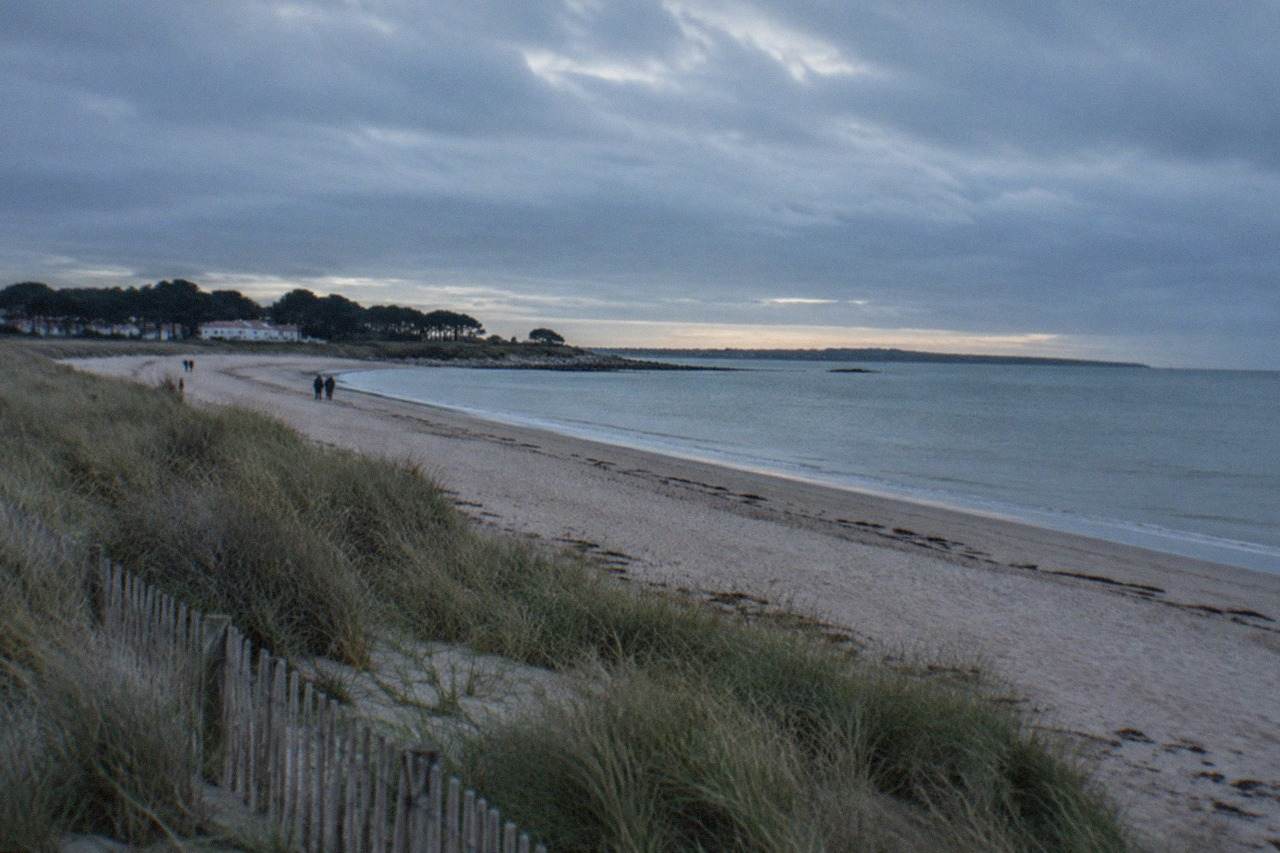
Noirmoutier is a low, pine-fringed island in the Vendée, south of the Loire estuary, reachable from Nantes by car. Its draws are the Passage du Gois causeway, salt marshes, oyster beds, white beaches and a sleepy village core, and it makes a rewarding full-day trip for visitors based in Nantes.
Nantes, in the Loire-Atlantique department of the Pays de la Loire region of western France, sits on the Loire river a short hop from the Atlantic, and the island of Noirmoutier is the coast's great reward. It is a day trip of a different character from the others in our day trips from Nantes collection: less about a single monument, more about an entire landscape, an island of salt pans, oyster beds, pine woods and pale sand that has drawn French holidaymakers for well over a century. You go for the pace of the place as much as for any one sight.
Why Go To Noirmoutier From Nantes?
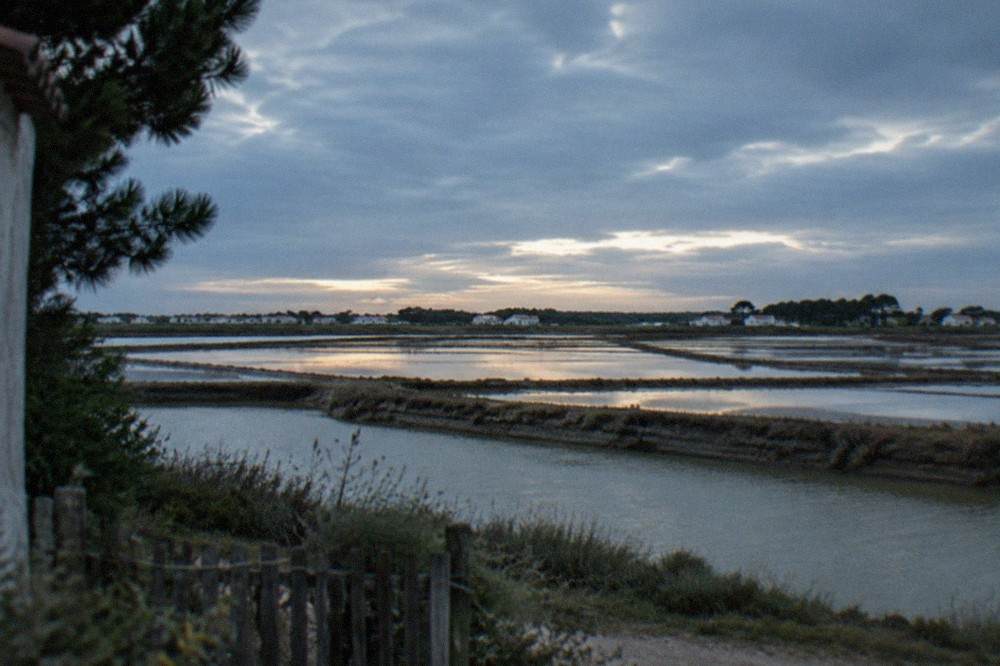
Noirmoutier earns its day trip by offering, in one small island, the three things the coast near Nantes does best: Atlantic beaches, working salt and oyster landscapes, and a causeway, the Passage du Gois, that is submerged by the sea twice a day. Add a village core of white walls and hollyhocks, a small medieval château, and woods of umbrella pines, and the island delivers a complete day that no single mainland town in the region matches.
Compare it with the alternatives and the appeal is obvious. Pornic gives you a pretty harbour and cliffs. La Baule gives you a long resort bay. Saint-Nazaire gives you shipbuilding scale and a beach suburb. Noirmoutier gives you all of the moods at once, plus the frisson of an arrival that depends on the tide. That arrival is genuinely part of the attraction: the Gois, a stone causeway laid across the seabed, appears and disappears with the water, and driving it at low tide is one of the memorable motoring experiences of the French Atlantic coast.
The island also fits the rhythm of a Nantes stay. Nantes itself is a city of trams, museums and the Machines de l'île, and after two or three urban days the flat light and salt air of the coast reset the whole trip. It is a contrast visitors remember, and one that the smaller Île d'Yeu offers in a wilder, more remote register for those who want a second island later in the week.
What Is The Passage Du Gois?
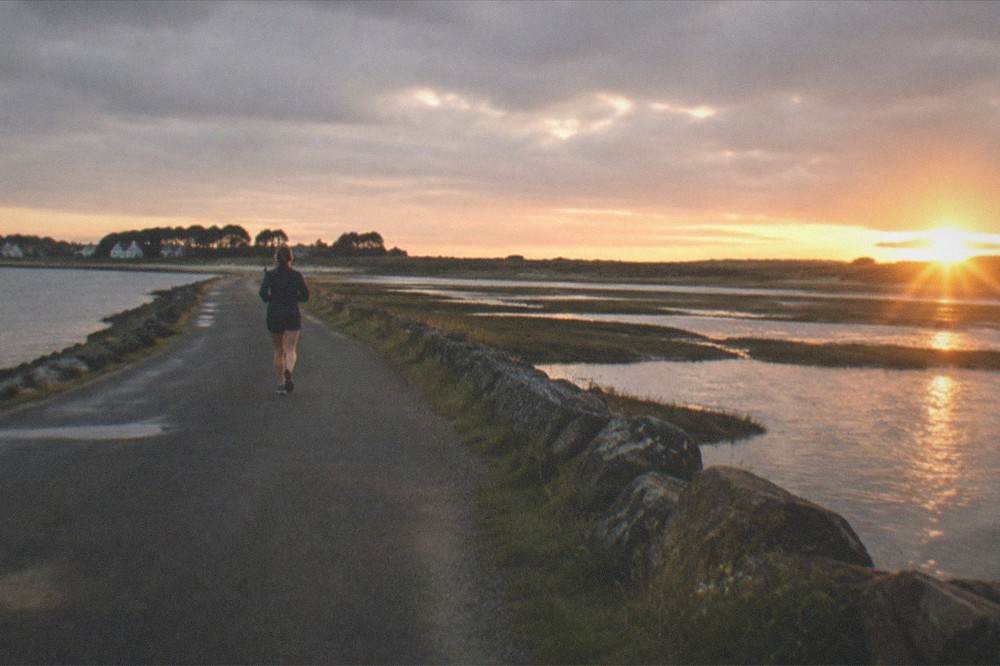
The Passage du Gois is a stone causeway, roughly four kilometres long, that links the island to the mainland at low tide and is covered by the sea at high tide, so it is only open for a window each day when the tide is out. It has served islanders for centuries, and today it is both a working road and the single most famous image of Noirmoutier, with signs at each end marking when crossing is safe.
Twice a day the Atlantic pours back over the paving. Anyone caught mid-crossing as the water rises is advised to climb the rescue towers placed along the route and wait for help, which is why the causeway is closed on the highest tides of the year, when the equinox and spring tides coincide. The alternative is always there: the bridge from the mainland, which is open at any hour and any tide, and which most day visitors from Nantes use for at least one leg of the journey.
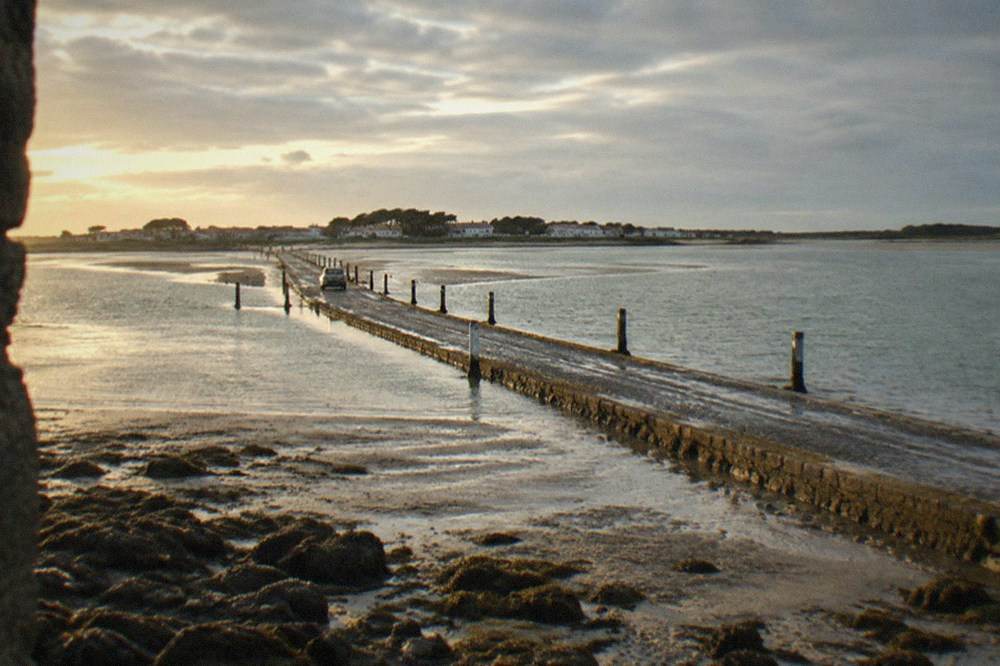
The practical planning point is simple: check the tide tables published for the Gois before you set out from Nantes, decide whether the low-tide window fits your day, and treat the bridge as your fallback. Some visitors time an outbound crossing by causeway and return by bridge, or vice versa, which gives the day its structure. The causeway is also why the island has its reputation: it feels earned, remote, and slightly daring even though the bridge makes it perfectly ordinary.
How Do You Get To Noirmoutier From Nantes?
There is no direct rail link to the island, so the realistic route from Nantes is by car: drive south through the Loire-Atlantique and Vendée countryside toward the mainland shore at Fromentine or Barbâtre, then cross either by the bridge or by the Passage du Gois at low tide. It is a straightforward day's motoring on quiet roads, and hiring a car in Nantes is the standard way visitors do it.
Our car hire in Nantes notes cover the practicalities of picking up a vehicle in the city. Once rolling, the drive south passes through the Marais Breton, the low saltmarsh country that lies between Nantes and the coast, which is itself a scenic stretch of the morning: drainage ditches, grazing land, and the flat horizon of the Vendée. The Guérande peninsula on the north bank of the Loire makes an entirely different salt-landscape pairing if you prefer a day trip with a train option.
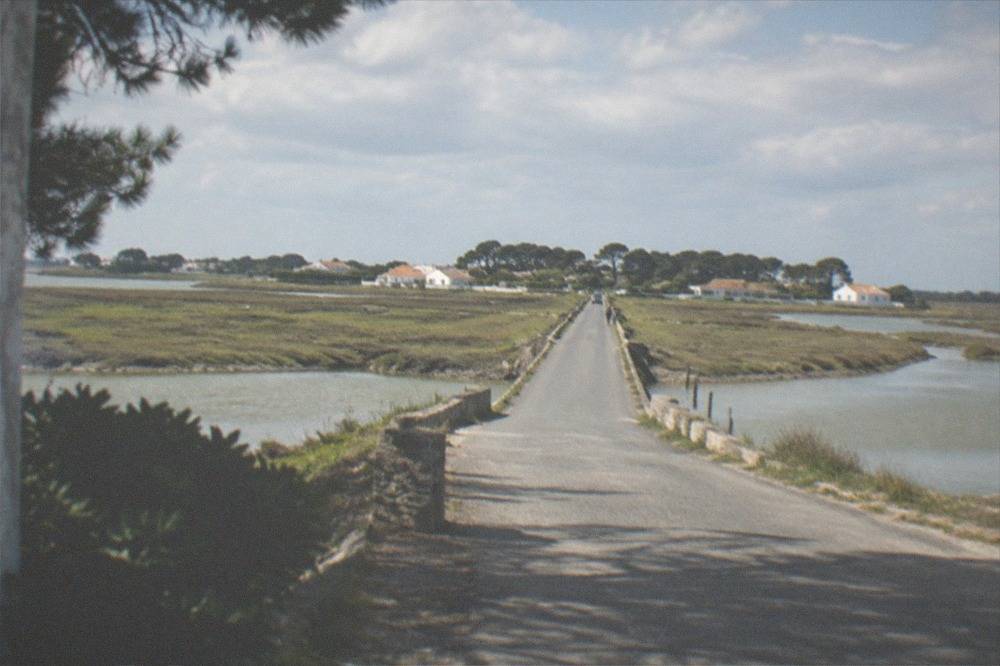
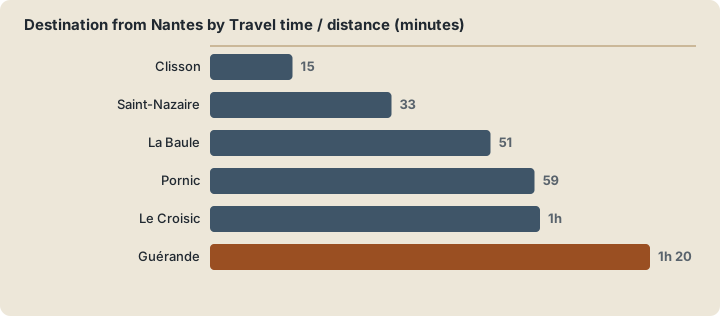
For comparison, here is how the principal coastal day trips from Nantes actually compare on verified travel figures. The times below are rail timings for the destinations served by TER trains, and road distances for the places you drive to; Noirmoutier is in the drive-only group, which is exactly why it stays quieter than the rail resorts.
| Destination from Nantes | How you travel | Travel time / distance | Character |
|---|---|---|---|
| Clisson | TER train | about 15 to 23 minutes | Italianate town and château |
| Saint-Nazaire | TER train | about 33 minutes | Shipyards, submarine base, Escal'Atlantic |
| La Baule | TER train | about 51 minutes | Long resort bay |
| Pornic | TER train | about 59 to 65 minutes | Harbour town, cliffs, coastal path |
| Le Croisic | TER train | about 1 hour 3 minutes | Fishing port, rocky coast |
| Guérande | Road | about 80 km | Walled town and salt pans |
| Noirmoutier | Road, then bridge or causeway | drive-only island day | Beaches, salt marshes, oysters |
If a car-free day trip appeals more, every rail row in that table is reachable with a standard Naolib connection to Nantes station and a TER ticket, and the Muscadet vineyards sit between Nantes and the coast for a tasting stop. One note from the pack of verified transport facts: weekend travel on the Nantes network is free from Saturday midnight to Sunday evening, but the airport shuttle is excluded and always costs 10 euro, so it never applies to an island road trip in any case.
What Are The Best Things To Do On Noirmoutier?
The core of a Noirmoutier day is simple: walk or bathe at Plage des Dames and the beaches of the north-east coast, visit the small château in Noirmoutier-en-l'Île, drive the lanes of the Bois de la Chaise with its pines and old villas, and stop at a salt marsh or oyster farm to see how the island's two signature products are made. None of it needs booking; all of it rewards a slow pace.
Noirmoutier-en-l'Île, the main town, is white-walled and low, arranged around the château's keep, with lanes that open suddenly onto the harbour. The château itself is modest by the standards of the Loire, but its keep and walls are striking against the flat island skyline, and a circuit of the town takes an unhurried hour. From the town it is a short hop to Plage des Dames, the classic Noirmoutier beach, with its wooden breakwaters and pale sand backed by pines, reached along a boardwalk that has been part of the resort's charm since the late 19th century.
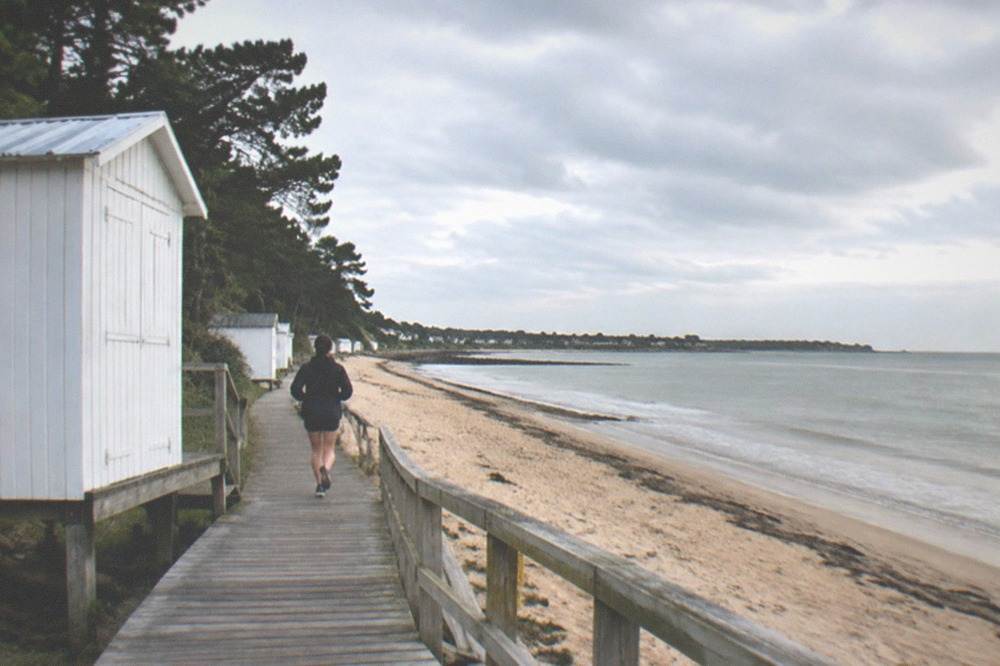
The Bois de la Chaise, on the north-east corner, is the island's most photographed landscape: umbrella pines, holm oaks, narrow sandy coves and the grand old timber villas of the first resort era. Its lanes are the place to park and wander. On the island's west coast the mood flips: the plage de l'Herbaudière area around the fishing and oyster port is working, salty and unvarnished, with boats, hatcheries and the smell of the day's catch. The contrast between the two coasts, holiday east and working west, is the honest shape of the island.
Salt and oysters are the two industries that made the island, and both can be visited. Salt producers along the marshes sell fleur de sel and coarse salt at the farm gate, and the summer harvest, raked by hand from shallow clay pans, is the same tradition practised on the Guérande peninsula on the other side of the Loire. Oyster farmers at l'Herbaudière and Le Vieil sell by the dozen from the water's edge; the standard island ritual is a paper tray of oysters and a slice of bread eaten looking at the boats that grew them.
Where Do You Eat On The Island?
Eating on Noirmoutier means oysters and seafood at the ports, salt-caramel and potato dishes made with the island's famously early new potatoes, and simple crêperies and cafés in Noirmoutier-en-l'Île; you eat what the island produces, at the water's edge, and you do not come here for gastronomic theatre. The two products to seek out by name are the oysters of l'Herbaudière and the island's new potatoes, which command a following across France.
The potato story is worth knowing before you go. The island's early new potatoes, harvested young in spring and sold within hours of lifting, are a national delicacy, appearing on Paris menus and in gourmet shops; on the island they are simply the local crop, served boiled with butter or salt. The salt pans give the second signature: fleur de sel, the fine crystals skimmed from the pan surface, which finishes both the potatoes and the day's fish. Together they make a meal that tastes only of Noirmoutier.
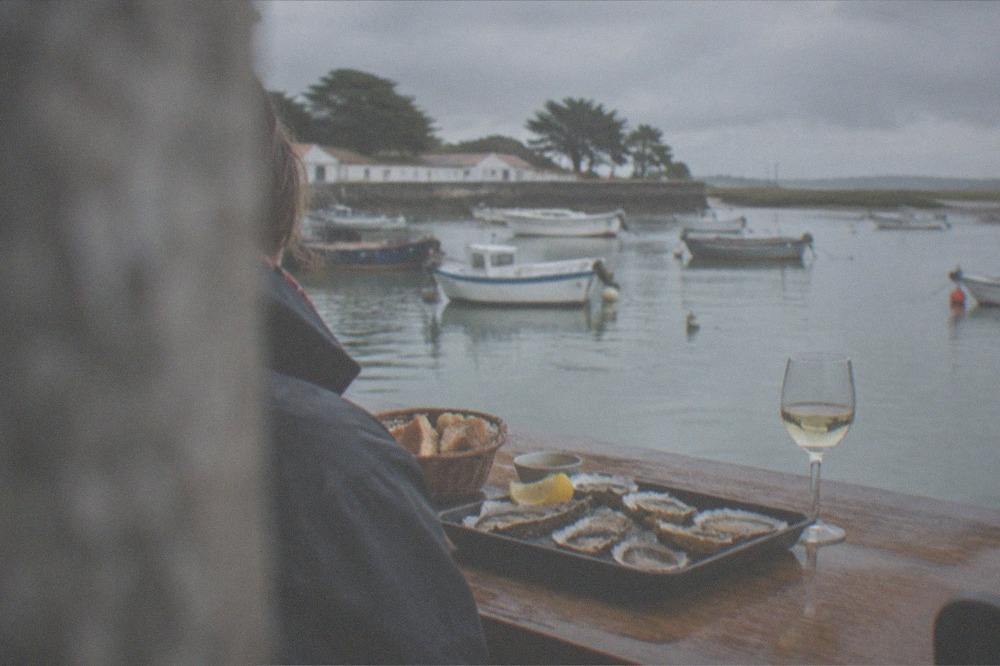
Back in Nantes, the same Atlantic larder reappears at city prices, and the Muscadet that grows between Nantes and the coast is the white wine the island's seafood calls for. A tasting in the city before your island day teaches you exactly why: the wine's saline snap was made for oysters. You can Check availability for the Muscadet sensory tasting that pairs with this coastline, and the 2026 harvest was historically early, with the picking ban declared on 11 August 2026, eight days ahead of the previous record from 2003, with yields lower at around 30 to 40 hectolitres per hectare, according to local producers' reports.
What Does A Noirmoutier Day Trip Cost?
A day on the island is mostly a driving day with modest spending on top: entry to the château, a seafood lunch, farm-gate salt and a tray of oysters, none of them expensive by resort standards. If you are building a wider Nantes itinerary, the Nantes CityPass prices below are the figures to plan around, and the Pass Nantes does not cover the island, which lies outside the métropole's transport and attraction perimeter.
The Pass Nantes, priced as follows and valid from 1 April 2026, is a city-and-region pass: it covers Naolib transport, one airport shuttle return, a TER return to Clisson and one entry per partner site including the château museum in Nantes and the Machines de l'île. It is a tool for your Nantes days, not for the island day.
| Pass Nantes duration | Full price | Reduced (4-17, students under 26, disability card) | Family (2 adults + 2 children) |
|---|---|---|---|
| 24 hours | 30 euro | 20 euro | 80 euro |
| 48 hours | 40 euro | 26 euro | 106 euro |
| 72 hours | 49 euro | 31 euro | 129 euro |
| 7 days | 75 euro | 45 euro | 195 euro |
Two verified transport figures matter for your budgeting. A single Naolib 1-hour ticket costs 1.80 euro, and a 24-hour ticket costs 6.80 euro, or 15 euro for a group of four, on the tram, bus, Navibus and TER inside the métropole. The museum pass, the Pass Musées, is 15 euro for a year of unlimited access to the Musée d'arts, the Musée Jules Verne, the Chronographe and the château's history museum in Nantes. For the island itself, none of these apply: budget for fuel, lunch and gate purchases.
| Item | Price | Notes |
|---|---|---|
| Naolib 1-hour ticket | 1.80 euro | Tram, bus, Navibus, TER inside the métropole |
| Naolib 24-hour ticket | 6.80 euro | 15 euro for a group of 4 people |
| Pass Musées | 15 euro | One year, four metropolitan museums |
| Airport shuttle | 10 euro | Always charged, weekends included, valid 1 hour on the network |
A wine tasting before or after the island day is the one bookable extra that fits this itinerary naturally, and it can be reserved with free cancellation through the operator's live listing.
When Is The Best Time Of Year To Visit Noirmoutier?
The island season runs from late spring to early September, with July and August the warmest and busiest months, and the shoulder months of May, June and September the best balance of open facilities and thin crowds; the Passage du Gois is most dramatic on the big spring and equinox tides, when the causeway closes entirely, so check tide tables whatever the month. Like Nantes, the island has a temperate oceanic climate, not a Mediterranean one.
The climate data for the Nantes region is the honest planning baseline, since the coast sits under the same Atlantic influence. These are the Meteo-France 1991-2020 normals for the Nantes-Bouguenais station, and the coastal islands run a degree or two cooler in summer under the sea breeze:
| Month | Mean maximum C | Mean minimum C | Rain mm |
|---|---|---|---|
| May | 19.6 | 9.8 | 61.0 |
| June | 23.0 | 12.7 | 48.5 |
| July | 25.1 | 14.3 | 44.2 |
| August | 25.4 | 14.2 | 50.3 |
| September | 22.4 | 11.8 | 59.5 |
| October | 17.6 | 9.5 | 88.8 |
One caution worth repeating for the Nantes region generally: the summer of 2026 broke records, with a new all-time high of 42.2 C at Nantes-Bouguenais on 24 June 2026, and several days above 40 C that same week. Heat like that changes an island day trip for the better in one way, the sea, and for the worse in another, the unshaded salt pans. Travel with water, and lean on the morning and late afternoon for the walk-able parts of the island, leaving the midday for the beach.
How Does Noirmoutier Compare With The Other Island And Coast Trips?
Noirmoutier, the Île d'Yeu, Pornic and La Baule together form the Atlantic string of day trips from Nantes: Noirmoutier for salt, oysters and causeway drama, Île d'Yeu for wilder cliffs and a ferry arrival, Pornic for a compact harbour walk, and La Baule for a classic resort bay. They share one coastline, but they do not substitute for one another, and regular visitors end up doing several across a summer.
The Île d'Yeu, covered in its own guide, is the connoisseur's pick: reached by ferry, flatter of the two in tone but wilder in shore, with cycling as the natural way around. Noirmoutier is the easier, softer, more varied day, with the car letting you cover all four corners between lunch and the evening return. If the weather turns, the coastal day trips lose their appeal fast, and our rainy day in Nantes guide is the fallback that saves the day.
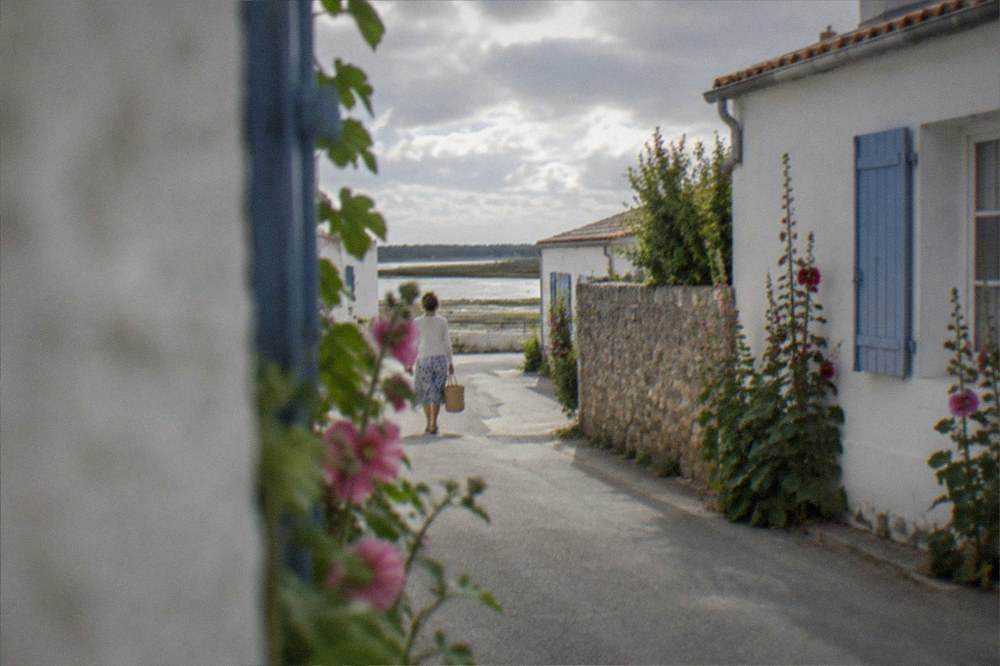
One more pairing worth planning around: the Loire valley châteaux east of Nantes are the inland counterweight to all this coast. A week based in Nantes splits naturally into two or three river-and-château days, two or three coast days including Noirmoutier, and the city days themselves, which our Nantes Travel Guide homepage maps out. The island day is the one visitors write home about, but it earns that place by contrast with the others.
Common Questions About Noirmoutier
Can you do Noirmoutier as a day trip from Nantes?
Yes, by car. The island is a drive from Nantes through the Vendée saltmarsh country, then a crossing by bridge or, at low tide, by the Passage du Gois causeway. Allow a full day: an early start, the island until late afternoon, and the return in the evening. There is no direct rail link, so a hire car or a full-day driving plan is the standard approach.
Is the Passage du Gois dangerous?
The causeway is only passable around low tide and is covered by the sea twice a day, so crossing outside the safe window is genuinely risky. Escape towers are placed along the route for anyone caught out, and the causeway closes entirely on the highest spring and equinox tides. Check the tide tables before setting out, and use the bridge, which is open at all hours, if the timings do not work.
Is Noirmoutier worth visiting in winter?
The island stays beautiful and dramatically quieter in the cooler months, but many beach cafés, oyster stands and seasonal facilities close, and the Atlantic storms make the coast feel more rugged than relaxing. Winter visitors tend to come for the tides, the light and long empty walks rather than a beach day. For a full rundown of the cold season in the region, see our Nantes in winter guide.
Can you stay overnight on Noirmoutier?
Yes, and many visitors do, from campsites to small hotels and guesthouses clustered around Noirmoutier-en-l'Île and the ports. Note that the Nantes Métropole tourist tax applies only to accommodation within the métropole itself, so the island, which lies in the Vendée, falls outside the rates we publish for Nantes. Check your specific property for its local charges.
What food is Noirmoutier famous for?
Three things: oysters from the island's beds, fleur de sel raked from the salt pans, and the island's early new potatoes, which are prized across France and served simply with butter or salt. Together with Muscadet from the vineyards between Nantes and the coast, they make the island's classic lunch.
Do you need a car on Noirmoutier?
For a single day from Nantes, a car is effectively essential, since you arrive by road and the island's key points, the town, the Bois de la Chaise, l'Herbaudière and the salt marshes, are spread out. Once on the island the pace is slow and the lanes are quiet, so driving is easy. Visitors staying several days often switch to bicycles for exploring.
Noirmoutier is the day trip from Nantes that rewards planning least and a full day most: check the tides, take the car, eat the oysters, walk the pines, and let the island set the pace rather than the clock.