Maille Breze
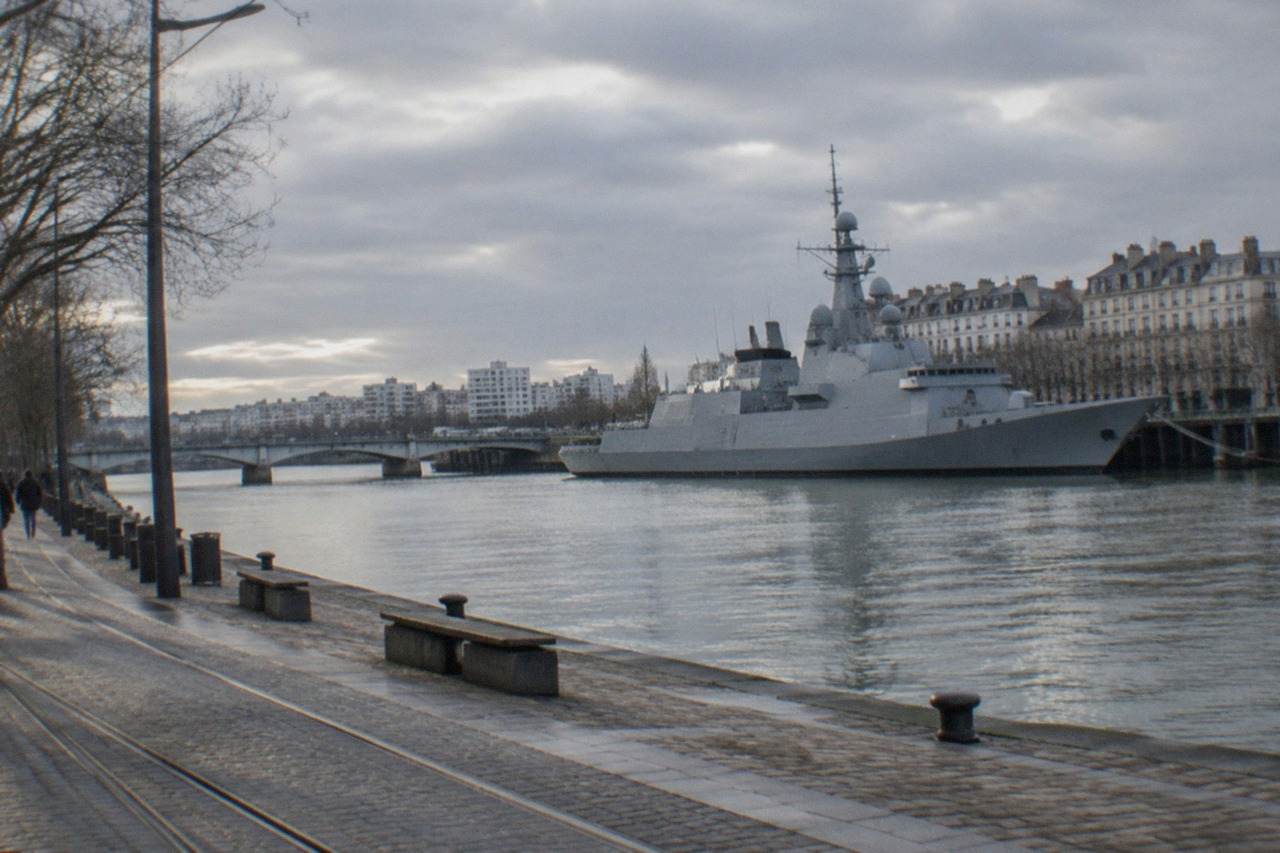
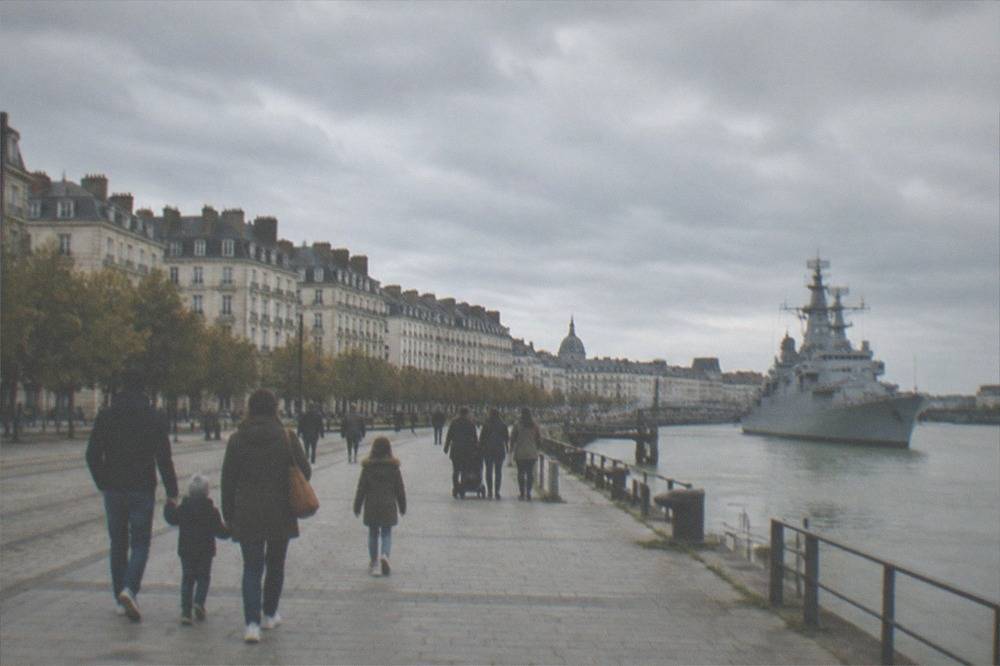
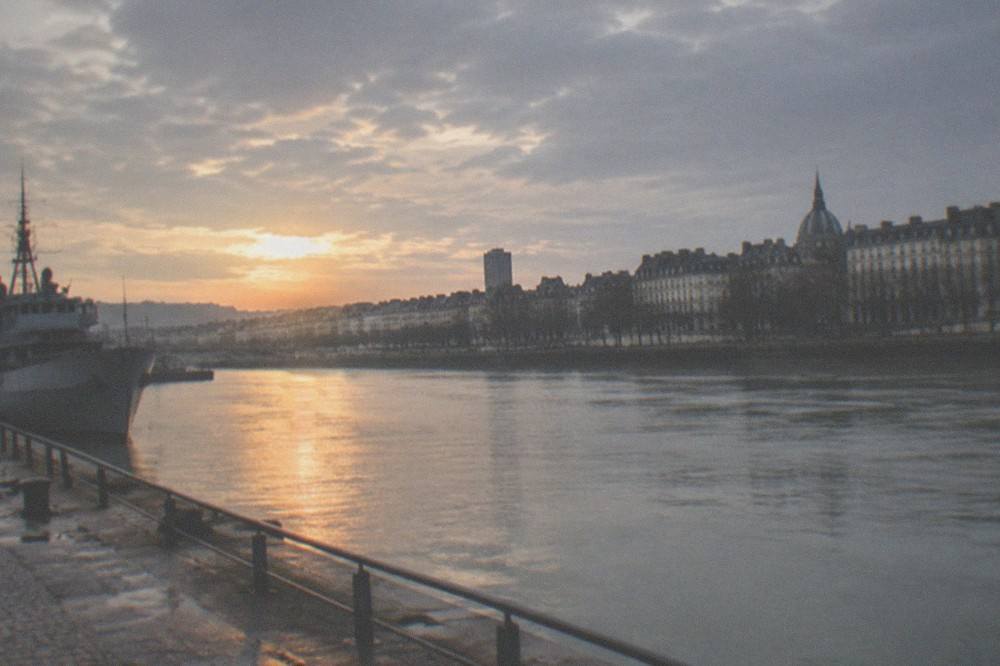
Moored on the north bank of the Loire in Nantes, France, the Maille Breze is a retired T 47-class French Navy destroyer, now a floating museum tied up alongside the Anneaux de Buren with the Machines de l'ile across the water.
Short answer
The Maille Breze in Nantes, France, is a retired T 47-class French Navy destroyer now moored as a floating museum on the north bank of the Loire, alongside the Anneaux de Buren, across the water from the Machines de l'ile. Reach her by tram, busway or Navibus; the network is free on weekends apart from the airport shuttle.
The Maille Breze in Nantes, in the Loire-Atlantique department of the Pays de la Loire region of western France, is a retired French Navy destroyer, moored as a floating museum on the Loire beside the Anneaux de Buren. She is one of the last surviving ships of the T 47 class, the escorteurs d'escadre built for the Marine nationale in the postwar years, and she shares her stretch of riverbank with some of the most photographed quays in western France. Across the water sit the Machines de l'ile and the Hangar à Bananes; inland, the old town and the cathedral close a loop that makes a full day of the visit.
What Is The Maille Breze In Nantes?
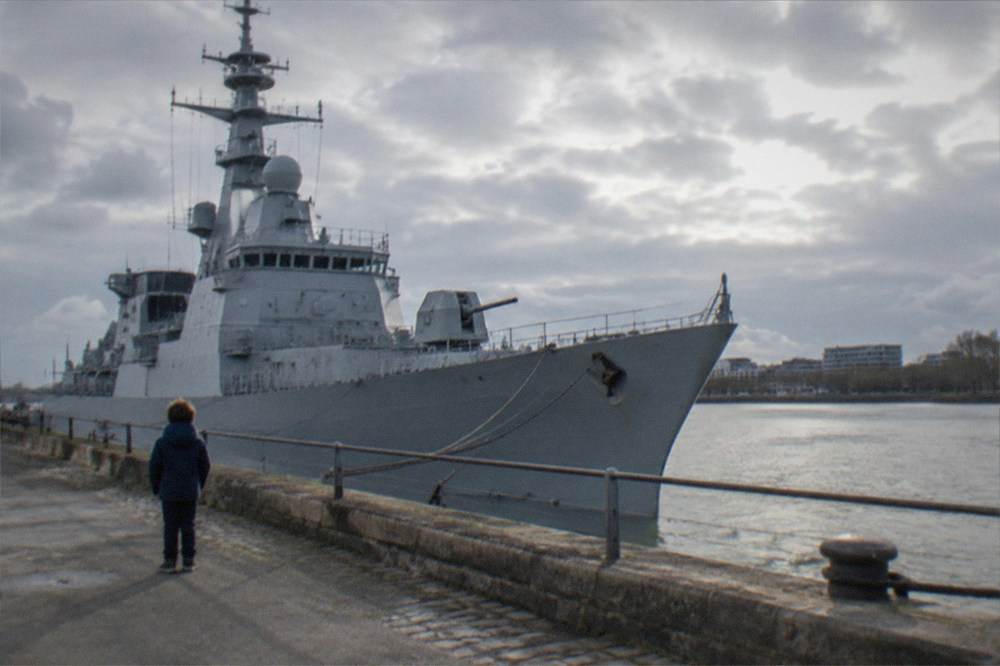
The Maille Breze in Nantes, Loire-Atlantique, is a retired French Navy destroyer, a T 47-class escorteur d'escadre built for the Marine nationale after the Second World War. Named after a 17th-century French admiral, she served the fleet for decades before being withdrawn, and she has been moored on the Loire as a floating museum ever since. She is one of the last surviving ships of her class open to the public.
The T 47 class was the workhorse of the rebuilt postwar French fleet: the escorteurs d'escadre that carried the Marine nationale through the decades when France was reconstructing a navy from the wreckage of the Second World War. Most of that class went to the breakers long ago. The Maille Breze survived because Nantes took her in, and she has been tied to the city's quays ever since, maintained by a dedicated association and opened to visitors as she was in service, rather than rebuilt as a showroom.
Her name reaches back well beyond the ship herself. Jean de Maille Breze, the 17th-century naval commander she honours, was one of the great admirals of the French crown, and French warships have carried versions of his name for generations. That layering of history is typical of the ship's appeal: she is at once a machine of the postwar era, a monument to a much older naval tradition, and a fixture of a riverbank whose own story, from the dukes of Brittany to the Atlantic trade, is told in the museums around her.
The rest of Nantes Travel Guide covers that riverbank in detail, from the Machines de l'ile to the old town, but the ship holds her own among them. Few cities in France can offer a walkable waterfront that runs from a Renaissance castle to a naval relic to a mechanical elephant in a single afternoon, and Nantes does it without a car.
| Detail | The Maille Breze |
|---|---|
| Ship type | T 47-class escorteur d'escadre (destroyer) |
| Operator in service | French Navy (Marine nationale) |
| Namesake | Jean de Maille Breze, 17th-century French admiral |
| Built | Postwar French fleet programme |
| Service era | Decades of postwar fleet service, before withdrawal to Nantes |
| Status in Nantes | Floating museum, moored on the north bank of the Loire |
| Location | North bank of the Loire, alongside the Anneaux de Buren |
| Across the water | Île de Nantes, the Machines de l'ile and the Hangar à Bananes |
Where Is The Maille Breze Moored, And How Do You Get There?
The Maille Breze is moored on the north bank of the Loire in Nantes, alongside the Anneaux de Buren, with the Île de Nantes and the Machines de l'ile across the water. Naolib covers the city with three tram lines, a busway line and Navibus river shuttles; a one-hour ticket costs 1.80 EUR, a 24-hour ticket 6.80 EUR, and from Saturday 00:00 to Sunday 23:59 the entire network, the airport shuttle excepted at 10 EUR, is free.
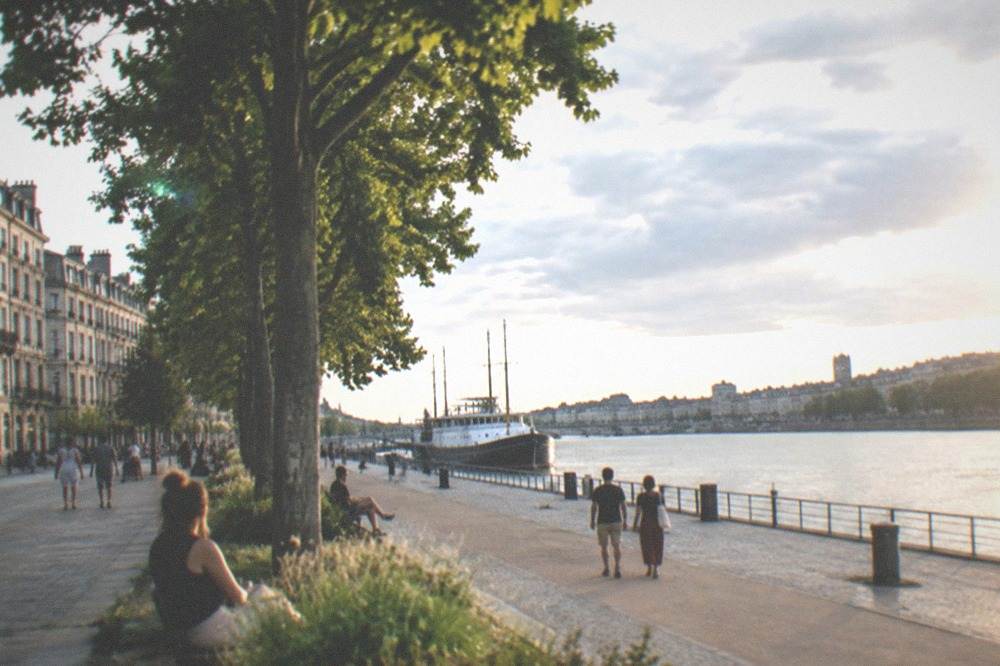
The setting is a big part of the visit. the Buren rings along the quay run beside the ship, and they transform at nightfall, when the Loire's north bank becomes one of the most distinctive riverside walks in France. Looking south from the deck lines of the ship, the skyline of Île de Nantes rises across the water: the warehouse sheds of the Hangar à Bananes, the cranes of the old shipyards, and, further east, the Galerie des Machines and its companions in the Machines de l'ile.
Getting there is straightforward. Nantes runs one of the finest public transport networks of any French city of its size, and the quays sit inside the fare zone that a standard ticket covers. The table below sets out the options and what each one costs, using the Naolib figures the network publishes. The weekend rule deserves special attention: trams, buses, busway and Navibus are free for everyone, visitors included, from the first minute of Saturday to the last minute of Sunday, and that has been the case since 2021.
| Ticket | Price | What it covers |
|---|---|---|
| 1-hour ticket | 1.80 EUR | Trams, buses and Navibus, plus TER trains inside the métropole |
| 10 x 1-hour carnet | 17.80 EUR | The same network, in a pack of ten |
| 24-hour ticket | 6.80 EUR | Unlimited Naolib travel for one day |
| 24-hour ticket, 4 people | 15 EUR | A group day ticket for four travelling together |
| Weekend travel | Free | Saturday 00:00 to Sunday 23:59, for everyone; no ticket needed |
| Airport shuttle (Navette Aéroport) | 10 EUR | Airport to city, valid one hour on the whole network; always charged, weekends included |
| Park-and-ride (P+R) | 4.50 EUR | 24 hours of parking plus transport for up to five people |
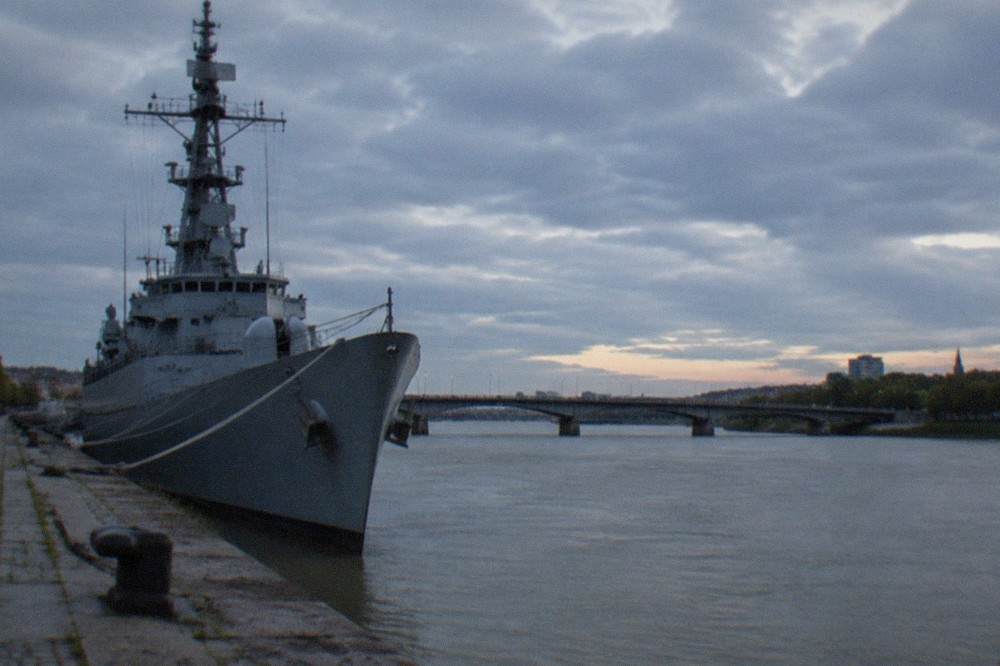
A guided walk is the other way in, and for the waterfront it earns its keep. The quays around the Maille Breze pack industrial history, art installations and the ship herself into a couple of kilometres, and a professional guide can untangle the layers faster than any plaque. The private walking tour below is led by a professional guide; the operator has not published a price, so the live listing carries the current figure. Check availability
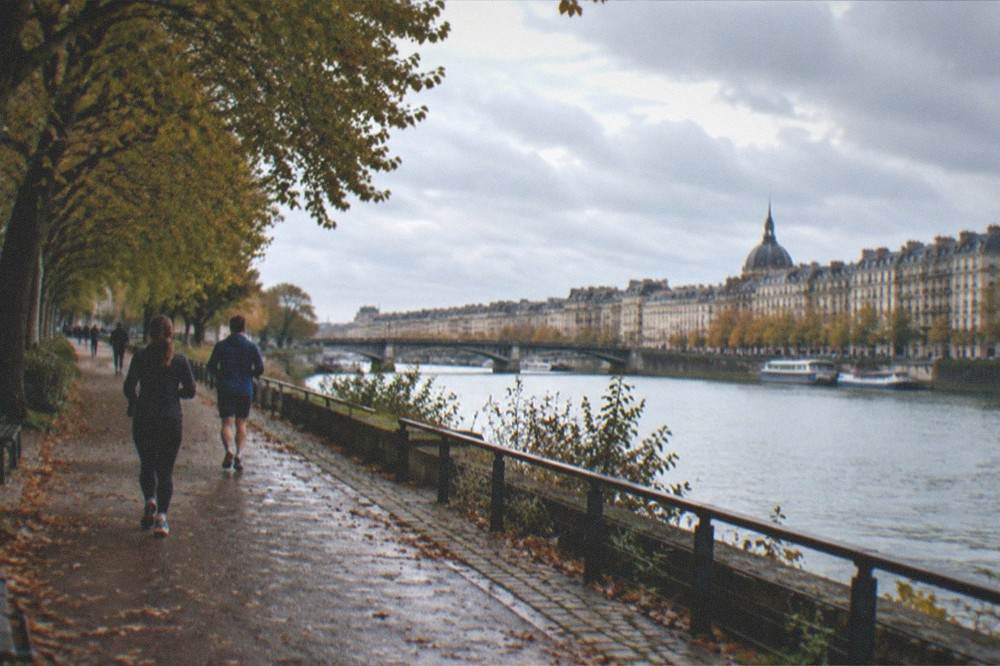
Whatever way you arrive, aim to be on the quay rather than simply passing it. The riverside works in both directions: the ship gives the north bank its silhouette, and the walk east or west along the Loire gives the ship its frame. Cyclists will find the quay belongs to the same flattish riverside geography that makes the rest of the city easy to cover by bike; pedestrians will find the same stretch rewards an unhurried hour, especially in the evening light.
What Can You See On Board The Maille Breze In Nantes?
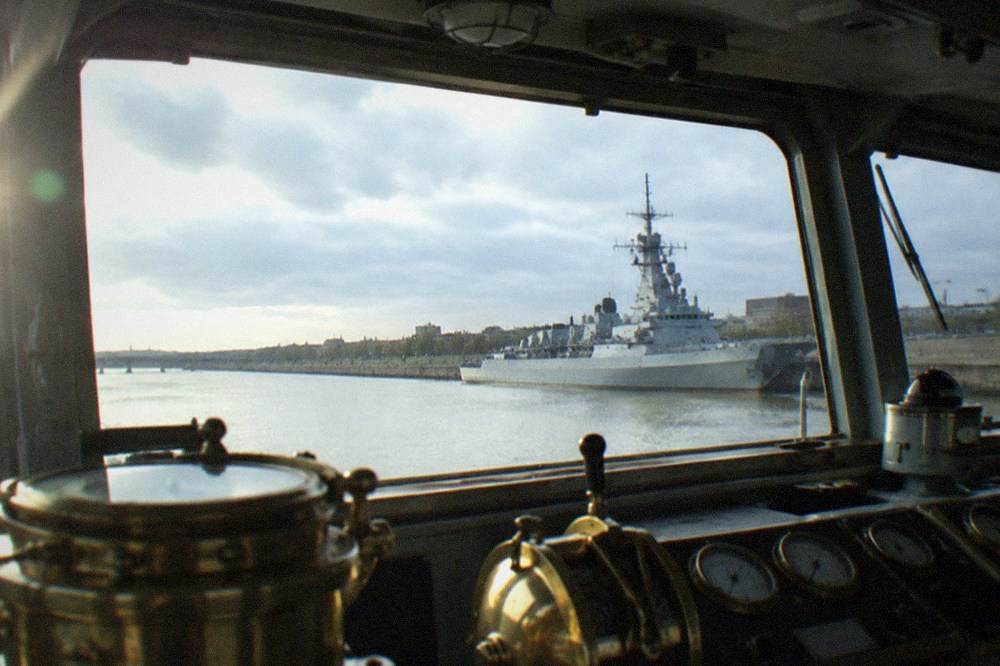
A visit aboard the Maille Breze in Nantes walks you through a retired destroyer from her crew spaces to her technical heart: the navigation bridge with its instruments, the machinery rooms, the gun turrets and the torpedo tubes that armed a T 47-class escorteur d'escadre, and the mess decks and quarters where her sailors lived for months at sea. The ship is maintained as she was in French Navy service, so the spaces read as operational rather than staged.
That distinction matters. Many museum ships are polished into something closer to a film set; this one keeps the feel of a working vessel, from the companionways to the plated machinery. The bridge alone repays the climb: the view down the Loire from a warship's window line is a perspective the quays cannot give, with the river bending away toward the west and the city stacked on both banks. Below decks, the engineering spaces show what it took to drive a destroyer-sized hull, and the turrets and tubes above make the class's role plain: these were escorts, built to screen a fleet and to fight.
The ship belongs to the decades after the Second World War, but the riverbank around her carries the war years openly. The timeline below places her in the city's longer story, using the dates the city's own heritage institutions publish. The contrast is the point: a postwar hull now rests within sight of streets that absorbed some of the heaviest bombing of the war in western France.
| Year | Nantes at the time | Where to see it today |
|---|---|---|
| 1434 | Gothic rebuild of the cathedral begins, a project that ran 457 years | Nantes Cathedral |
| 1466 | Francis II begins rebuilding the ducal château | Château des ducs de Bretagne |
| 1843 | Passage Pommeraye opens across three sloping floors | Passage Pommeraye |
| September 1943 | Allied bombing strikes Nantes | The old-town streets around Bouffay |
| 12 August 1944 | The German garrison leaves ahead of the arriving US 3rd Army | The city centre |
| 7 January 1985 | France's first modern tram line opens in Nantes | The tram network |
| 30 June 2007 | Les Machines de l'ile inaugurated with the Grand Éléphant | Île de Nantes |
Allow the visit its own pace rather than bolting it to a schedule. Warship interiors move you through narrow passages and steep ladders, and a ship that carried a full crew in service now carries a queue of visitors in season. A calm midweek morning gives the machinery rooms the quiet they deserve; a weekend adds the atmosphere of a riverside crowd but costs you elbow room.
One practical note belongs here: as an association-run museum ship, the Maille Breze sets her own admission terms, opening calendar and visit rules, and these pages do not print figures the site facts have not verified. Check the ship's own arrangements before you set out, especially outside the summer months, when smaller museum vessels across France often run reduced schedules.
How Much Does A Day Around The Maille Breze In Nantes Cost?
Entry to the Maille Breze is set by the association that maintains her, so confirm current admission, family rates and opening times before you travel; this guide does not print admission figures it has not verified. Around her, though, the costs are clear: the Anneaux de Buren quay is free, the Machines de l'ile charges 12 EUR per attraction, the Château des ducs de Bretagne museum costs 9 EUR, and the cathedral is free.
The honest budgeting answer for a day on this stretch of the city is that the riverbank itself costs almost nothing and the headline attractions cost very little by the standards of Europe's bigger cities. The quays, the Loire views, the rings and the botanical garden are all free; the paid layer, the ship aside, is a set of attractions that mostly sit under 10 EUR full price. The table below gathers the published figures for the sights a visitor would realistically combine with the Maille Breze on the same day.
| Sight | Entry price | Notes |
|---|---|---|
| Anneaux de Buren quay | Free | Rivers, rings and ship, at any hour |
| Machines de l'ile, one attraction | 12 EUR full, 8 EUR ages 4-12, 10 EUR reduced | Galerie, Carrousel or Grand Éléphant; 2-attraction day package 20 EUR, 3 attractions 29 EUR |
| Grand Éléphant maintenance | Rides paused 2 Nov 2026 to 28 Feb 2027 | The Galerie and Carrousel keep running |
| Château des ducs de Bretagne museum | 9 EUR full, 5 EUR reduced | Free under 18; the courtyard and ramparts are free |
| Nantes Cathedral | Free | Partially reopened 27 September 2025; full reopening planned for 2028 |
| Musée d'arts de Nantes | 9 EUR full, 4 EUR reduced | Free first Sunday of the month, September to June |
| Passage Pommeraye | Free | Open 1843 shopping arcade |
| Jardin des Plantes | Free | Botanical garden a short way from the river |
If you plan to do several of the paid sights, the city's own pass changes the arithmetic. Pass Nantes, at the prices in force since 1 April 2026, bundles transport with a set of entries, and the Machines inclusion comes with one specific catch: the pass covers the Galerie des Machines and the Carrousel des Mondes Marins but not the Grand Éléphant ride, so elephant-bound visitors still buy that ticket separately.
| Pass Nantes | Full | Reduced (4-17, students under 26, disability card) | Family (2 adults + 2 children) |
|---|---|---|---|
| 24 hours | 30 EUR | 20 EUR | 80 EUR |
| 48 hours | 40 EUR | 26 EUR | 106 EUR |
| 72 hours | 49 EUR | 31 EUR | 129 EUR |
| 7 days | 75 EUR | 45 EUR | 195 EUR |
The pass also includes unlimited Naolib travel, one airport shuttle return and a TER return to Clisson, which makes it a genuine option for a packed 48 hours rather than a marketing extra. For a single relaxed day built around the ship, the quays and one paid attraction, ordinary tickets will usually do the job for less.
When Is The Best Time To Visit The Maille Breze In Nantes?
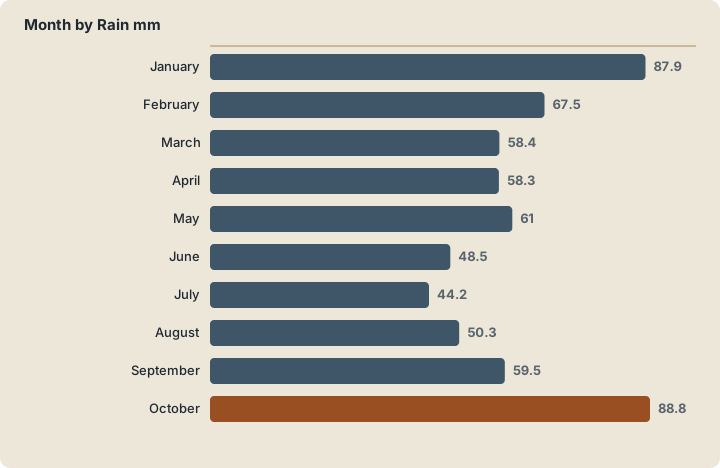
The best months to visit the Maille Breze in Nantes are May to September, when the Météo-France normals for the Nantes-Bouguenais station show mean daily maxima from 19.6 C in May to 25.4 C in August, and riverside walking is at its easiest. Shoulder months April, May and September to October bring 17-22 C highs with fewer crowds, while October to January is the wettest, coolest stretch, with December the wettest month at 101 mm.
The climate here is temperate oceanic, not Mediterranean, and the numbers bear it out: 819.5 mm of rain a year spread over 119.7 days with at least 1 mm, so a rain layer belongs in the bag in any season. Nantes is a city that takes its weather calmly. The quays drain well, the arcades and museums sit within a short walk of one another, and the free first Sunday of the month at several museums, from September to June, is a handy wet-weekend anchor.
| Month | Mean max C | Mean min C | Rain mm |
|---|---|---|---|
| January | 9.3 | 3.4 | 87.9 |
| February | 10.5 | 3.0 | 67.5 |
| March | 13.5 | 4.9 | 58.4 |
| April | 16.2 | 6.6 | 58.3 |
| May | 19.6 | 9.8 | 61.0 |
| June | 23.0 | 12.7 | 48.5 |
| July | 25.1 | 14.3 | 44.2 |
| August | 25.4 | 14.2 | 50.3 |
| September | 22.4 | 11.8 | 59.5 |
| October | 17.6 | 9.5 | 88.8 |
| November | 12.9 | 5.9 | 94.1 |
| December | 9.8 | 3.7 | 101.0 |
Two recent extremes are worth knowing when you time a riverside visit. The all-time station record for Nantes is now 42.2 C, set on 24 June 2026, and summer heat in the city has become a real planning factor rather than a footnote; early mornings and evenings are the comfortable hours on exposed quays in a heatwave. At the other end, the Loire reached 8.18 metres at Nantes in February 2026, its first flood above 8 metres in roughly fifteen years, and some riverside sites close when the river runs high. A flooded Loire is rare, but it reshapes a waterfront day, so a quick check of river conditions in winter costs nothing.
September is the connoisseur's month: the mean maximum sits at 22.4 C, the school holidays have emptied out, and the light on the river in early autumn gives the quays their best colour. May runs it close, with the gardens and the Jardin des Plantes in full stride before the summer crowds arrive.
Is The Maille Breze A Good Nantes Visit For Families?
Yes, the Maille Breze works well for families visiting Nantes with children: a warship is one of the most tactile sights a child can explore, with ladders, turrets, machinery and mess decks to climb through, and the free quayside around her, from the Anneaux de Buren to the Machines de l'ile's 12 EUR attractions, makes a low-cost half day. Reduced rates for ages 4-12 apply across the Machines attractions at 8 EUR, and under-4s go free there.
Children engage with ships in a way they rarely engage with paintings. A destroyer is a climbing frame with history bolted on, and the visit route, with its companionways and steep stairs, is exactly the sort of environment that holds a seven-year-old's attention for an hour without any effort from the adults. The surrounding quays finish the job: the Buren rings at night, the Loire traffic, and the mechanical creatures across the water give a family day more than one high point.
The Machines side of the pairing deserves its billing. The family discount there is 15 percent for a group of five with at most two adults, valid for same-day visits, and the three-attraction day package at 29 EUR full price is the efficient way to cover the Galerie, the Carrousel and the elephant together. Remember the maintenance window: no Grand Éléphant rides from 2 November 2026 to 28 February 2027, though the Galerie and the Carrousel keep running through it.
For a family rhythm that mixes paid attractions with free ones, the Jardin des Plantes makes a gentle midday stop between the river and the old town, and Talensac market covers lunch better than most restaurants, with opening hours that run Tuesday to Friday until 13:00 and weekends until 13:30, closed Monday. The fuller list of things to do in Nantes rounds out the family options across the city.
Can You Combine The Maille Breze With Wine, Food And Day Trips From Nantes?
The Maille Breze pairs naturally with a Nantes wine or food day: the Muscadet vineyards sit just south of the city around Vallet, where the Maison des vins de Muscadet anchors the appellation built on the Melon de Bourgogne grape, and the city centre holds the Bouffay old-town food scene and Talensac market. Guided wine and food products run through the year, with current prices on their live listings, and day trips by TER reach Clisson in about 15 to 23 minutes.
Muscadet is the local pour, and its story runs surprisingly close to current events. Producers reported that the 2026 harvest was declared on 11 August 2026, a record early date, with yields down after a hot, dry summer; the wine that results, from the Melon de Bourgogne grape, remains the dry white that the region has built its name on. A vineyard tour by van reaches the growers without a hire car, and the guided version below handles the logistics and the tastings in one booking.
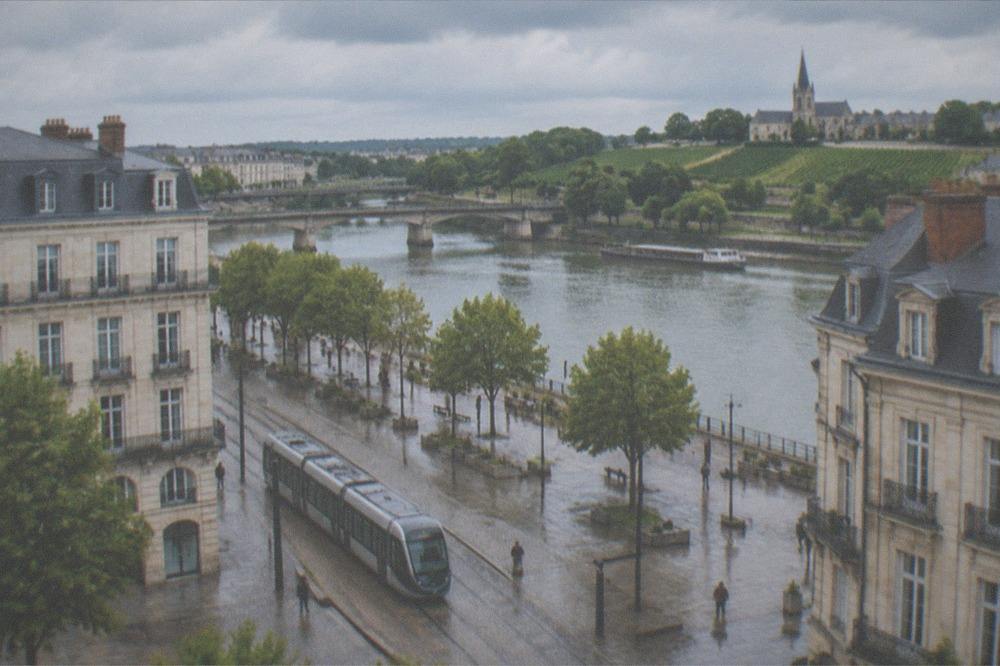
The food half of the pairing stays in town. Beurre blanc, the emulsified butter sauce that Nantes claims as its own, was born for the river's fish and now anchors half the menus in the old town, and the biscuit history of the city, from the LU Petit Beurre invented in Nantes in 1886 to the berlingot nantais, gives the shops a story beyond souvenirs. A guided food tour of the old town strings the producers together; the operator has not published a price, so the live listing carries the current figure.
Beyond the vineyards, the TER network makes the wider Loire-Atlantique countryside and coastline a same-day proposition. The table below gathers the fastest rail timings from the city, a fair picture of how far a day can stretch without a car. Guérande's salt marshes, Clisson's Italianate town and the beaches at La Baule all sit inside these journeys, and the Pass Nantes even includes one Clisson return as part of its bundle.
| Destination | Fastest TER from Nantes | The draw |
|---|---|---|
| Clisson | 15 to 23 minutes | Italianate town, château, vineyards |
| Saint-Nazaire | 33 minutes | Shipyards, the Escal'Atlantic liner museum |
| La Baule | 51 minutes | The long bay beach |
| Pornic | 59 to 65 minutes | The fortified port and coastal paths |
| Le Croisic | 1 hour 03 | Oyster ports and the Atlantic coast |
Which Nantes Sights Sit Within Reach Of The Maille Breze Quay?
Within a short riverside stretch of the Maille Breze quay, Nantes lines up its signature sights: the Anneaux de Buren themselves are free, the Machines de l'ile on the opposite bank runs the Grand Éléphant, the Galerie des Machines and the Carrousel des Mondes Marins, the Hangar à Bananes sits opposite with its bars and the HAB Galerie, and the Jardin des Plantes offers a free botanical pause inland. Visitors can string these together as a single waterfront day.
The obvious walk crosses the river, not away from it. From the ship's stretch of the north bank, the Île de Nantes begins almost within touching distance, and the Hangar à Bananes marks the western end of the island's cultural strip: bars and restaurants in a former banana warehouse, with the HAB Galerie upstairs, which in 2026 hosted the INTERSTELLAR exhibition from 23 May to 27 September. East of it, the Galerie and the Carrousel hold the mechanical marvels, and the Carrousel des Mondes Marins in particular rewards the crossing.
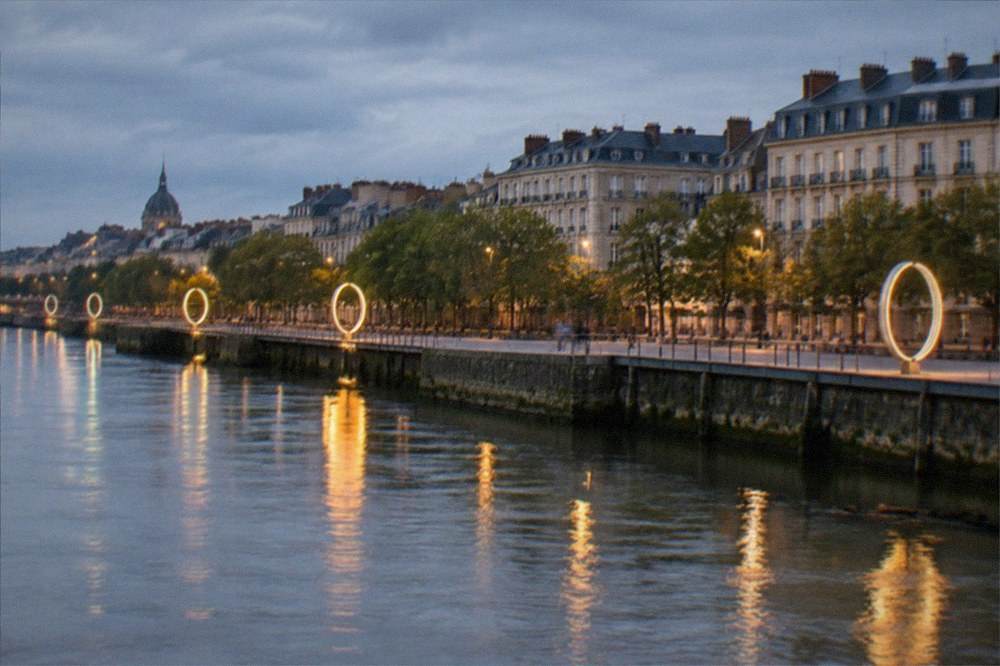
Inland, the day grows older and richer. The old town stacks the cathedral, the Passage Pommeraye and the Bouffay district within a walk of the quays, and the histories deepen as you go: the slave trade that made the port wealthy is faced directly at the Memorial to the Abolition of Slavery, the ducal centuries are held in the Château des ducs de Bretagne, and the paintings in the Musée d'arts de Nantes catch the city at its most cosmopolitan. Nantes Cathedral, partially reopened since 27 September 2025 with full restoration aimed at 2028, and the Passage Pommeraye sit close enough together to do both in a single unhurried hour.
For a themed alternative, the Jules Verne trail runs from the quays inland too: Verne was born on the Île Feydeau in 1828, and the Jules Verne Museum on the Butte Sainte-Anne looks back over the river he grew up beside, at 4 EUR full price and 1.50 EUR reduced, with free entry on the first Sunday of the month outside the July and August stretch. A mechanical elephant on one bank and the father of science fiction on the other is a fair summary of what this city does with its rivers.
Common Questions About The Maille Breze In Nantes
What is the Maille Breze in Nantes?
A retired French Navy destroyer, a T 47-class escorteur d'escadre built for the Marine nationale in the postwar years and named after a 17th-century French admiral. She served the fleet for decades before being withdrawn, and she has been moored on the north bank of the Loire as a floating museum ever since, alongside the Anneaux de Buren.
Where is the Maille Breze moored?
On the north bank of the Loire in Nantes, France, alongside the Anneaux de Buren, with the Île de Nantes, the Machines de l'ile and the Hangar à Bananes across the water. The quays around her are free to walk at any hour.
How much does the Maille Breze cost to visit?
Admission is set by the association that maintains the ship, and this guide does not print figures it has not verified, so check the ship's own arrangements before travelling. The surrounding sights are cheaper than most: the Machines de l'ile charges 12 EUR per attraction, the Château des ducs de Bretagne museum 9 EUR, and the cathedral and quays are free.
When is the best time to visit the Maille Breze in Nantes?
May to September, when mean daily maxima run from 19.6 C to 25.4 C, with September a particularly good month at 22.4 C and thinner crowds. October to January is the wettest and coolest stretch. In winter it is worth checking Loire conditions, since riverside sites can close when the river runs high.
Can you combine the Maille Breze with the Machines de l'ile?
Yes, and the two pair well: the ship sits on the north bank and the Machines on the island opposite, so the pairing is a walk rather than a journey. Note that the Grand Éléphant pauses for maintenance from 2 November 2026 to 28 February 2027, while the Galerie and the Carrousel keep running, and that Pass Nantes covers those two attractions but not the elephant ride.