Which Region Of France Is Nantes In?
Nantes is the prefecture of the Loire-Atlantique department in the Pays de la Loire region of western France, a city with a Breton past and a regional present. Here is what that means in practice.
Nantes is a city in western France, in the Loire-Atlantique department, within the Pays de la Loire region, standing on the Loire where the Erdre and the Sèvre Nantaise flow into it. That single sentence answers the question, but it hides a century of argument. Nantes was for centuries the home of the dukes of Brittany, and the Château des ducs de Bretagne still anchors the city centre, so plenty of visitors, and more than a few residents, assume the city belongs to Brittany. Administratively it does not, and the story of how it came to sit in Pays de la Loire instead is one of the more tangled chapters in French regional geography.
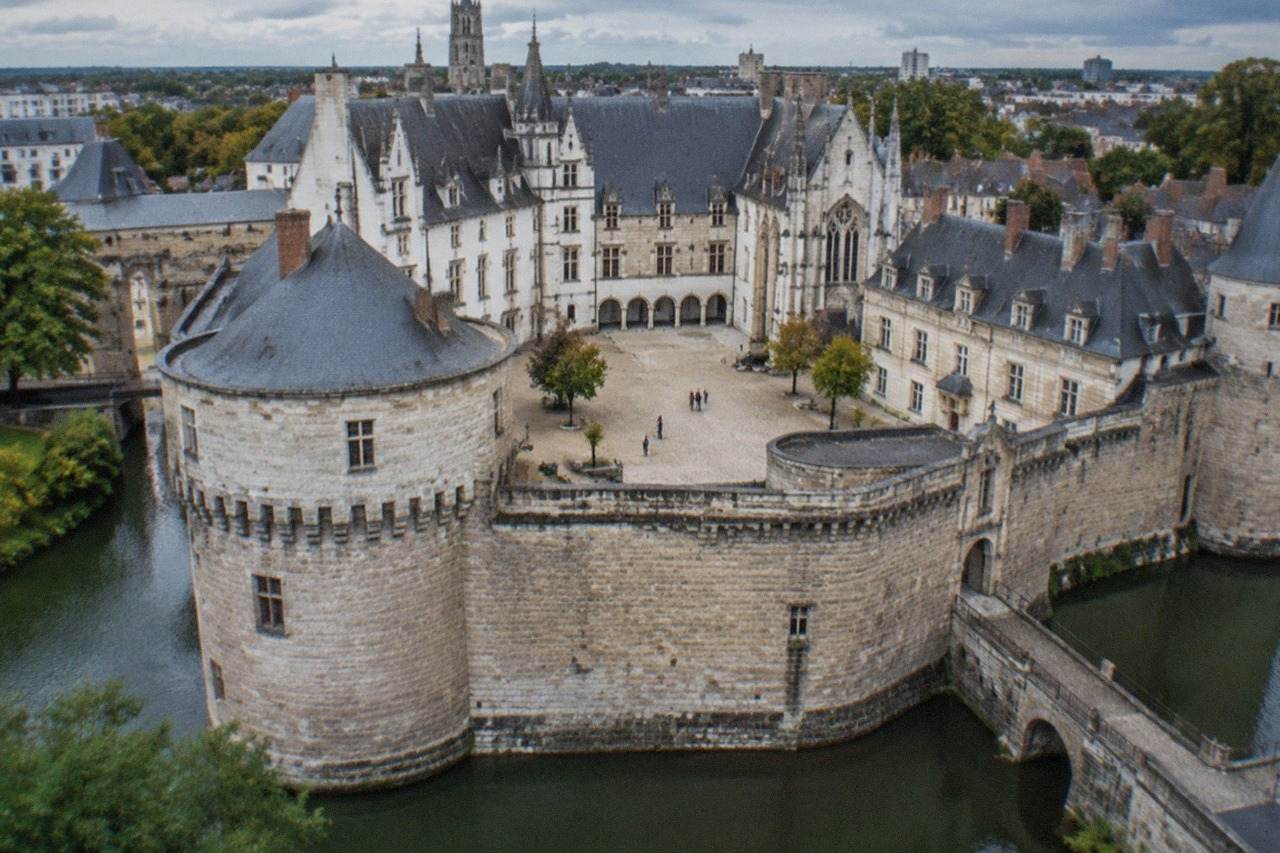
This page sets out exactly where Nantes sits on the French administrative map, why it left Brittany on paper while keeping a Breton soul, and what the Pays de la Loire region actually contains. The Nantes Travel Guide covers the city district by district elsewhere; this one is about the map behind the city.
Which Region Of France Is Nantes In?
Nantes is in the Pays de la Loire region of western France, and it is the seat of the Loire-Atlantique department within it. The city stands on the Loire, close to where the Erdre and the Sèvre Nantaise join the great river, and the commune counted 327,734 inhabitants in 2023, the sixth most populous in France and the first in the west of the country. The wider Nantes Métropole authority was reported at 689,456 inhabitants in 2023, on INSEE-based figures.
France organises its territory into regions, then departments, then communes, and Nantes holds senior rank at the first two levels. It is the departmental prefecture of Loire-Atlantique, meaning the administrative services of the department are headquartered there, and it dominates the region economically as well. The density figure for the commune, 5,027.4 inhabitants per square kilometre in 2023, with annual growth of about 1.0 per cent between 2017 and 2023, describes a compact, still-growing city rather than a sprawling one.
| Administrative level | Where Nantes sits | Key figure |
|---|---|---|
| Country | France | Founding Schengen member, Eurozone, EUR at the till |
| Region | Pays de la Loire, western France | Nantes is the leading commune of western France |
| Department | Loire-Atlantique | Nantes is the prefecture |
| Commune | Nantes | 327,734 inhabitants, 2023 |
| Urban authority | Nantes Métropole | Reported at 689,456 inhabitants, 2023 |
| Rivers | Loire, with the Erdre and Sèvre Nantaise joining it | Confluence city |
The simplest way to hold it in your head: Nantes is to Pays de la Loire roughly what a regional capital is to its region, but with the complication that its own historical identity points west, towards Brittany, rather than inland along the Loire.
Why Isn't Nantes In Brittany?
Nantes was the historic seat of the dukes of Brittany, and Francis II began rebuilding the Château des ducs de Bretagne from 1466, yet the city is not administratively Breton today. A Vichy decree of 30 June 1941 attached the then Loire-Inférieure department to an Angers-centred zone, separating it from Brittany, and on 9 March 1957 the department took its present name, Loire-Atlantique. The administrative divorce is real, but the cultural argument has never fully closed.
The ducal connection is not decorative. Anne of Brittany, eldest daughter of Francis II, was born at the château of Nantes on 25 January 1477, and the union of the duchy of Brittany with the kingdom of France in 1532 sealed the region's absorption into the French state, with Nantes at the centre of ducal power. The tomb of Francis II by Michel Colombe remains one of the treasures of the city's heritage. If you want the full dynastic story, our pages on where the dukes of Brittany lived and on whether Brittany and Bretagne are the same unpack it in detail.
| Year | Event | Effect on Nantes |
|---|---|---|
| 1466 | Francis II begins rebuilding the château | Ducal seat rises on the Loire |
| 25 January 1477 | Anne of Brittany born at the château | Dynastic bond with Brittany deepens |
| 1532 | Duchy of Brittany united with the kingdom of France | Brittany enters the French crown's orbit |
| 30 June 1941 | Vichy decree attaches Loire-Inférieure to an Angers-centred zone | Department separated from Brittany |
| 9 March 1957 | Loire-Inférieure renamed Loire-Atlantique | Present departmental name adopted |
Note the date precision: the month and year of the 1941 decree are documented, and the rename of 1957 is a firm date. What the decree did was draw a line that wartime convenience made and post-war administration kept. Ever since, Breton activists and local politicians have periodically proposed reattaching Loire-Atlantique to a modern Brittany region, and the debate resurfaces in local politics with regularity. The practical answer for a visitor is that Nantes is Breton in its stones, its history and much of its self-image, and Pays de la Loire on every official form. Our piece on why Brittany is different from France gives the wider cultural background.
What Is The Pays de la Loire Region?
Pays de la Loire is the administrative region of western France that groups five departments along the lower Loire and its approaches: Loire-Atlantique with Nantes as its prefecture, Maine-et-Loire around Angers, Mayenne, Sarthe and Vendée. Nantes, the first commune of western France by population, anchors the coastal end of the region. The regional name refers to the lands of the Loire, not to the historic duchy of Brittany, which is the root of most confusion.
The region's name is a twentieth-century administrative label, and that matters for understanding the identity question. Where Brittany, Normandy or Alsace name territories with deep historical roots, Pays de la Loire names a grouping built around the river valley that runs to the Atlantic at Saint-Nazaire. Angers, reachable as a day trip from Nantes, anchors the department of Maine-et-Loire upstream, while the Vendée coast, including Les Sables-d'Olonne, lies to the south of the Loire estuary. Nantes pulls the whole set westwards: its airport, its port history and its position at the river's near-mouth make it the region's gateway.
For travellers, the regional frame is mostly a planning convenience. The places that justify a Nantes base cluster along the coast and the lower valley: the salt marshes of Guérande, the beach at La Baule, the Italianate town of Clisson, and the vineyards of Muscadet, all covered in our day trips from Nantes pages. The region is the box on the map; the Loire is the thread that ties it together.
If you want the geography brought to life rather than described, a guided walk puts the layers of the city in sequence, ducal ramparts first, then the port era, then the modern city. The options below cover the main formats.
How Does Nantes Fit Its Region On The Ground?
On the ground, Nantes behaves like a regional capital: it runs the densest public transport network in its part of France, with three tram lines totalling 45.6 km and 84 stations, carrying 154 million trips in 2024, and it was named European Green Capital in 2013. The rivers that define the city, the Loire, the Erdre and the Sèvre Nantaise, also define the region's geography, flowing west and north-west towards the Atlantic.
The tram figure is worth pausing on. Nantes relaunched the modern French tram on 7 January 1985, the first such network in the country, and Naolib, today's operator, recorded 154 million trips across the network in 2024. Weekend travel on the network is free for everyone from Saturday midnight to Sunday 23:59, with the airport shuttle excluded. That scale of mobility is what you would expect of a city that serves a whole region rather than a single commune.
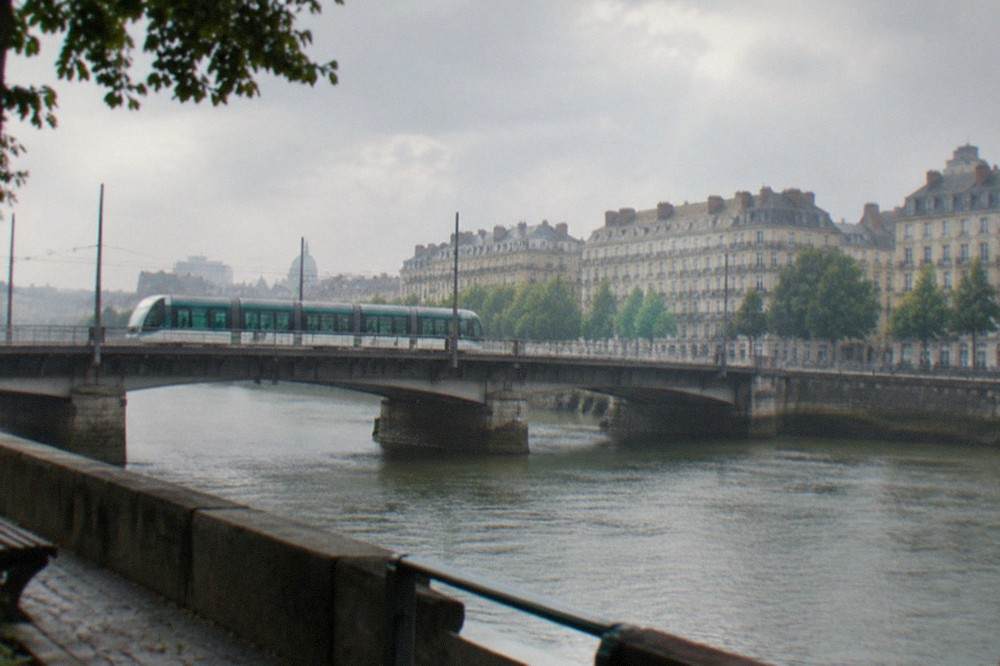
The Green Capital award of 2013, following Time Magazine calling Nantes "the most liveable city in Europe" in 2004, as quoted by the European Commission's own award page, signals how the city presents itself regionally: green, compact, cultural. Jules Verne, born on the Île Feydeau in 1828, remains the emblematic local figure, and the museum bearing his name sits on the Butte Sainte-Anne overlooking the Loire.
One of the best ways to absorb this layering is with a professional guide who can point at a street and name its century. The private professional-guided walk below has its price unpublished by the operator, so check the live listing for the current figure before booking.
The same operator listing also covers the tour in the box below, which is a good fit if your visit to Nantes is the first stop of a wider Pays de la Loire trip and you want the city's story told in one concentrated loop.
Does Nantes Feel Breton Or Regional?
In daily life Nantes feels like neither a museum of Brittany nor a neutral regional capital, but a city holding both stories at once. The ducal château, the tomb of Francis II and the name of the local department all point to the Breton past, while the city's transport, its cultural festivals and its modern development run on the Pays de la Loire administration. Residents argue the identity question warmly; the paperwork settled it in 1941 and 1957.
The visitor-facing traces of the dual identity are easy to find. The Musée d'histoire de Nantes inside the château tells the city's whole arc, ducal capital, slave-trading port, industrial city, and is closed on Mondays, while the free courtyard and ramparts are open daily from 8:30. The Edict of Nantes, signed by Henri IV at the château in April 1598, the château's own page gives 30 April, gives the city a further claim to national history that sits oddly with its regional label. Meanwhile the modern era of the city, the Machines de l'île inaugurated with the Grand Éléphant in 2007, and the green line of the Voyage à Nantes, about 20 km of painted trail, belongs squarely to the creative city of the 2000s.
Language is part of the story too, and visitors often ask about it. Our pages on what language they speak in Nantes and what Nantes means in French cover the naming and linguistic side, and the short version is that the city is French-speaking today, with its historical identity carried in place names and institutions rather than everyday speech.
The question of how far the city sits from salt water, and from the Breton coast beyond it, is answered on our page about how far Nantes is from the ocean, but the regional answer is simple: the estuary runs west, and the Atlantic is the region's other half.
If a single guided experience captures this mix of old and new, the trio below covers the main formats, from a professional-led private walk to a food tour of the old town.
Common Questions About Nantes And Its Region
Which region of France is Nantes in?
Nantes is in the Pays de la Loire region of western France, as the prefecture of the Loire-Atlantique department.
Is Nantes in Brittany?
Administratively, no. The department of Loire-Atlantique has been separated from Brittany since a decree of 30 June 1941, and the department took its present name on 9 March 1957. Historically and culturally, the connection to Brittany remains strong.
What department is Nantes in?
Nantes is in Loire-Atlantique, the department renamed from Loire-Inférieure on 9 March 1957. Nantes is its prefecture.
What rivers flow through Nantes?
The Loire runs through the city, joined by the Erdre and the Sèvre Nantaise. The Erdre in particular is a signature Nantes waterway, with riverside parks and cruises along it.
Was Nantes a ducal city?
Yes. Francis II began rebuilding the Château des ducs de Bretagne in 1466, and Anne of Brittany was born at the château on 25 January 1477. The ducal period ended with the union of the duchy with the kingdom of France in 1532.
Is Nantes worth visiting for more than a day?
Yes, and the city rewards two or three days once the surrounding region is added. See our guide to how many days to spend in Nantes for a fuller breakdown.
The regional map is the least glamorous thing about Nantes and the most useful: once you know the city anchors Pays de la Loire from the departmental seat of Loire-Atlantique, every train line, day trip and coastal excursion from it falls neatly into place.