Are Brittany And Bretagne The Same?
Bretagne is simply the French spelling of Brittany, but the modern French region excludes Nantes and Loire-Atlantique. Here is the full story for visitors.
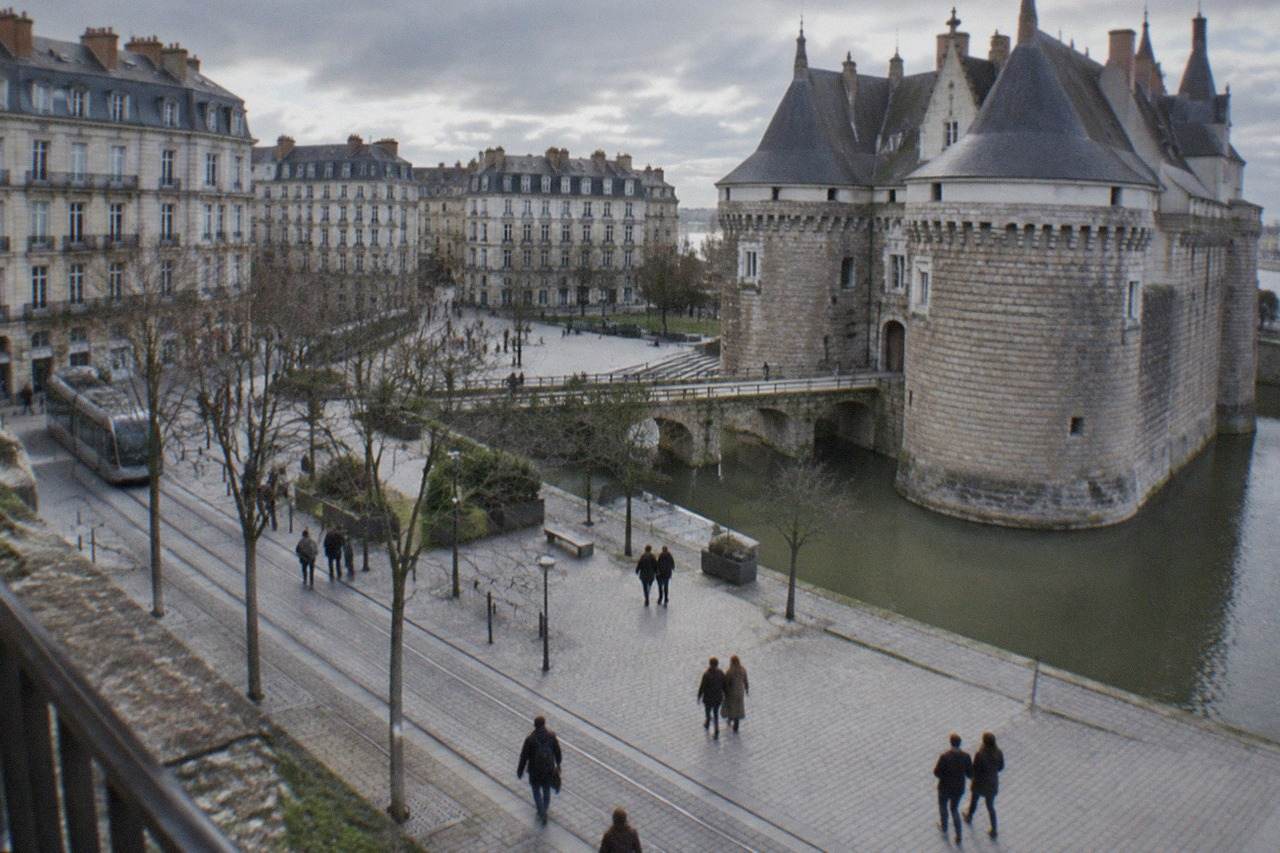
Bretagne is simply the French word for the peninsula that English speakers call Brittany, and Nantes, in the Loire-Atlantique department of the Pays de la Loire region of western France, is the place where the two names cause the most arguments. The short answer is that the names are the same but the maps are not. Historical Brittany, the land ruled by the dukes whose castle still stands in central Nantes, included the city. The modern administrative region that France calls Bretagne does not. Between those two sentences sits a story of dukes, a queen, a wartime decree and a renaming, and it explains why a Nantes travel guide keeps having to answer this question.
Are Brittany And Bretagne The Same?
Yes: Brittany and Bretagne are two spellings of one name, English and French, for the peninsula in north-west France. The modern administrative region called Bretagne, though, is smaller than the historical duchy of the same name, and it does not include Loire-Atlantique, the department that holds Nantes. So the names are the same place, but the region on today's French map excludes the city that was once the dukes' seat, which is why visitors see both names used in seemingly contradictory ways.
Bretagne is not a different country, a separate province or a variant with its own borders. Open a French map and the region labelled Bretagne sits at the north-western tip of the country, facing the Atlantic. Open an English-language guidebook and the same peninsula appears as Brittany, with the same coastline, the same granite towns and the same crêpes. The word travelled across the Channel in the Middle Ages and picked up an English spelling on the way, nothing more.
The trap for a Nantes visitor is that the administrative region named Bretagne, one of the regions France created and repeatedly reshaped for government purposes, draws its lines differently from the historical duchy. The duchy, whose rulers built the Château des ducs de Bretagne that anchors the city today, stretched along the Loire well past Nantes. The modern region stops short of the river's mouth, leaving the department of Loire-Atlantique, and Nantes with it, inside the neighbouring Pays de la Loire region instead.
This is why you will meet locals who say Nantes is Breton in history and culture, and officials who place it firmly in Pays de la Loire on every map, form and timetable. Both are correct on their own terms, and the rest of this page untangles which term applies when.
| Name | Language | What it refers to |
|---|---|---|
| Bretagne | French | the peninsula of north-west France and its modern administrative region, which excludes Loire-Atlantique |
| Brittany | English | the same peninsula, as used in travel writing and everyday speech |
| The Duchy of Brittany | historical | the state ruled by dukes from their Nantes seat until it was united with the kingdom of France in 1532 |
Why Is Nantes In The Pays De La Loire, Not Brittany?
Nantes sits in Loire-Atlantique, and that department belongs to the Pays de la Loire region rather than Bretagne because of a decree dated 30 June 1941, when the Vichy government attached Loire-Inférieure, as the department was then called, to the Angers region and separated it from Brittany. The department was renamed Loire-Atlantique on 9 March 1957, and it has stayed outside the administrative region of Bretagne ever since, even as the city's Breton heritage remained visible in its monuments and its street names.
The 1941 decree is the hinge of the whole story. Before it, the department around Nantes, then called Loire-Inférieure, was grouped with the Breton departments. The wartime government redrew the regional map and moved it eastward, attaching the department to the region centred on Angers. When France rebuilt its administration after the war, the separation stuck, and the department's 1957 renaming to Loire-Atlantique gave the new arrangement a name of its own.
Visitors feel the consequences in small, practical ways. Timetables, regional marketing and official tourism bodies all place Nantes under Pays de la Loire. The city's TGV connections, its airport and its transport network are organised around that region, and a search for Breton regional services will not return Nantes results. Yet walk five minutes from the train station and you reach the Château des ducs de Bretagne, whose very name announces the city's older allegiance.
For a fuller treatment of the region question, see our guide to whether Nantes belongs to Brittany, and for the cultural side, our answer on why Brittany is different from France.
| Date | What happened |
|---|---|
| 1466 | Francis II begins rebuilding the Château des ducs de Bretagne in Nantes |
| 1532 | the Duchy of Brittany is united with the kingdom of France |
| 30 June 1941 | a Vichy decree attaches Loire-Inférieure to the Angers region, separating it from Brittany |
| 9 March 1957 | Loire-Inférieure is renamed Loire-Atlantique |
If this history is what draws you to the city, a guided walk is the most efficient way to see the landmarks that carry the story, and these are the options our site compares for Nantes.
Was Nantes Ever Part Of The Duchy Of Brittany?
Yes, and for centuries it was the duchy's capital in all but name. Francis II began rebuilding the Château des ducs de Bretagne in 1466, and his daughter Anne of Brittany, born at the Nantes château on 25 January 1477, inherited the duchy before becoming queen of France twice over. The Duchy of Brittany was united with the kingdom of France in 1532, and the city's grandest monument still carries the dukes' name today.
Anne's story explains why the question of Nantes and Brittany stirs feeling rather than just pedantry. Born in the castle her father was rebuilding, she became duchess as a child, spent her reign defending the duchy's independence, and died in 1514 after two royal marriages that pulled Brittany into the French crown's orbit. The union of 1532 completed what her marriages had begun, and the duchy ceased to exist as a separate state while keeping its name as a province. The full index of guides sits on Nantes Travel Guide.
The physical evidence is everywhere in the city centre. The château itself, with its ramparts free to walk daily, houses the history museum of Nantes inside the dukes' former residence. The Basilique Saint-Nicolas, the Bouffay quarter's medieval streets and the old quarter around the cathedral all predate the 1532 union and belong to the city's Breton centuries. Visitors who want the full ducal story can follow our answer on where the dukes of Brittany actually lived.
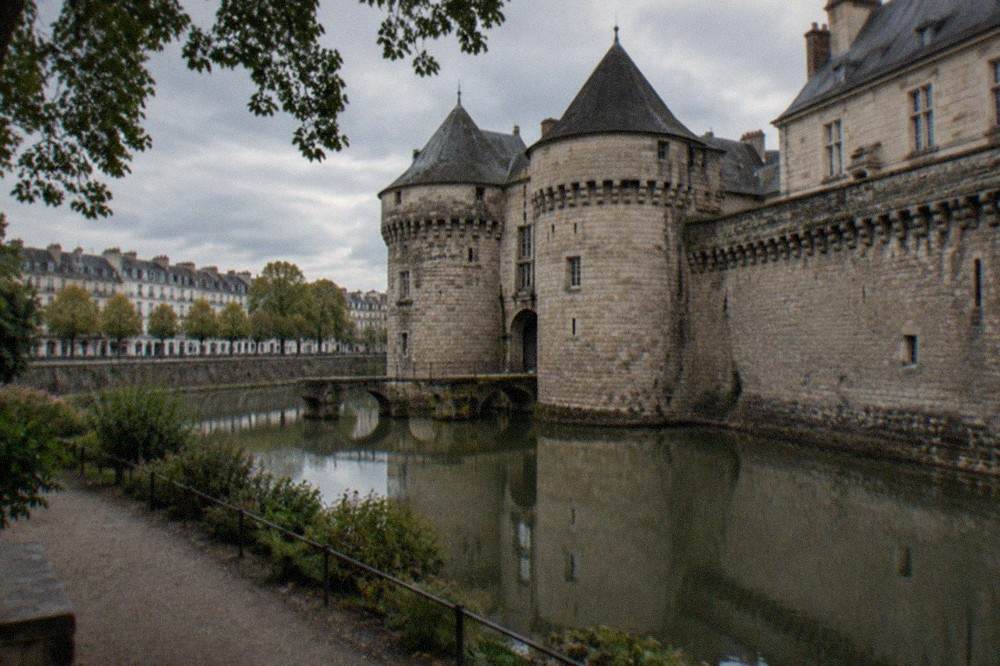
The 1941 separation did not delete this heritage; it only redrew the administrative label. That distinction, between a living cultural inheritance and a bureaucratic boundary, is what most confuses first-time visitors, and being able to state it precisely is the difference between a good answer and a guess.
How much of the dukes' city can you see in a single day, though, without rushing?
How Far Is Nantes From Today's Bretagne Region?
Rennes, the capital of the modern Bretagne region, is about 1 hour 16 minutes from Nantes on the fastest TER train, and Mont-Saint-Michel lies roughly 2 hours 15 minutes away by car, while the Atlantic resorts of Loire-Atlantique sit even closer. Nantes therefore works as a base for both the administrative region of Bretagne and the old Breton lands inside Pays de la Loire, with the quickest Breton connection under ninety minutes each way.
The rail network makes the crossing easy. TER trains run from Nantes toward Rennes regularly through the day, and the fastest services cover the distance in about 1 hour 16 minutes, which puts the Breton capital firmly in day-trip range. The pack of times below gathers the most useful connections for visitors planning trips from the city, whether into today's Bretagne or around the Loire-Atlantique coast that belonged to the duchy.
| Place | Fastest time from Nantes | Region today |
|---|---|---|
| Clisson | about 15 minutes by TER | Pays de la Loire |
| Saint-Nazaire | about 33 minutes by TER | Pays de la Loire |
| La Baule | about 51 minutes by TER | Pays de la Loire |
| Pornic | about 59 to 65 minutes by TER | Pays de la Loire |
| Le Croisic | about 1 hour 3 minutes by TER | Pays de la Loire |
| Rennes | about 1 hour 16 minutes by TER | Bretagne |
| Mont-Saint-Michel | roughly 2 hours 15 minutes by car | Normandy |
Notice how the table splits. Everything from Clisson down to Le Croisic lies inside Pays de la Loire today, but all of it was Breton land under the dukes, and the coast around Le Croisic and the Guérande salt marshes keeps the granite and crêpe culture visitors associate with Brittany. Only Rennes, in this list, sits inside the administrative region of Bretagne, and Mont-Saint-Michel lies beyond it in Normandy, reached across country roads. For a fuller ranking of Breton towns, our answer on the most beautiful town in Brittany covers the pick of them.
Is Nantes A Good Base For Exploring Brittany?
Nantes works well as a base for exploring Brittany on both definitions: the fastest TER reaches Rennes, capital of today's Bretagne, in about 1 hour 16 minutes, and the same station connects the city to the Loire-Atlantique coast, the old duchy's southern half, in under an hour. A city walk between trips covers the ducal castle, the cathedral and the Passage Pommeraye, so the base itself supplies the Breton heritage that the day trips extend.
The practical case is strong. Trains leave from the city's central station, the destinations cluster within easy distances, and the city's own sights fill the days between trips. Visitors planning a longer circuit can follow our Brittany road trip itinerary from Nantes, which strings the duchy's coastline together from the same starting point. If you would rather have the history explained while you walk it, a private guide makes the ducal quarter and the old town far easier to read, and the listing below shows the most flexible option for exactly that.
For combining the city's heritage with its food and its covered shopping gallery, these are the other products worth comparing before you book anything.
Common Questions About Brittany And Bretagne In Nantes
Are Brittany and Bretagne the same?
Yes. Bretagne is the French name and Brittany the English name for the same peninsula in north-west France. The complication is that the modern French administrative region called Bretagne does not include Loire-Atlantique, the department of Nantes, which sits in the Pays de la Loire region instead.
Is Nantes in Brittany or in France?
Nantes is in France, in the Loire-Atlantique department of the Pays de la Loire region of western France. Historically the city was the seat of the dukes of Brittany, but since the decree of 30 June 1941 its department has been administered separately from the region of Bretagne.
Why is Nantes not in the region of Bretagne?
A Vichy decree dated 30 June 1941 attached the then department of Loire-Inférieure to the Angers region, separating it from Brittany, and the arrangement survived the war. The department was renamed Loire-Atlantique on 9 March 1957 and has remained part of what is now the Pays de la Loire region.
Was Nantes the capital of Brittany?
The dukes of Brittany kept their principal residence at the Château des ducs de Bretagne in Nantes, which Francis II began rebuilding in 1466, and Anne of Brittany was born there in 1477. The duchy was united with the kingdom of France in 1532, and no modern administrative capital designation exists for historical Brittany.
Do they speak Breton in Nantes?
The everyday language of Nantes is French, and our page on languages in Nantes covers what visitors can realistically expect. Breton survives in parts of the Bretagne region to the north and west, but the city's own linguistic identity is French with local expressions.
Can you visit Brittany as a day trip from Nantes?
Yes. The fastest TER trains cover Nantes to Rennes, the capital of the Bretagne region, in about 1 hour 16 minutes, and Mont-Saint-Michel is roughly 2 hours 15 minutes away by car, so both halves of the old duchy are reachable without moving hotels.
The distinction, in the end, is simple to hold in your head. The names are one name in two languages, the region is a modern administrative line, and the duchy is the history that put a Breton castle in the middle of a Pays de la Loire city. Walk the ramparts of the Château des ducs de Bretagne with that in mind and the whole of Nantes, its river, its cathedral and its markets, reads like the border city it has always been.