Is Nantes On The Coast?
No, Nantes is an inland river city on the Loire in western France, but the Atlantic beaches of Loire-Atlantique are under an hour away by train. Here is how the geography works and which seaside towns are closest.
Nantes, in the Loire-Atlantique department of the Pays de la Loire region in western France, is a river city, not a seaside one. It grew rich where the Erdre and the Sèvre Nantaise flow into the Loire, some distance upstream from the river's mouth at Saint-Nazaire, and its streets, quays and island neighbourhoods all belong to that inland setting. Yet the confusion is understandable: Nantes spent centuries as one of France's great Atlantic ports, its department owns a long stretch of Atlantic coast, and the beaches of Loire-Atlantique sit close enough for an easy day trip. This page settles the geography and then puts it to use.

Is Nantes On The Coast?
No, Nantes is not on the coast. It is an inland city built on the Loire, at the point where the Erdre and the Sèvre Nantaise join it, inside the Loire-Atlantique department of the Pays de la Loire region in western France. The Atlantic Ocean does however border the same department, and the fastest trains link Nantes with the coast at Saint-Nazaire in about 33 minutes, so the sea is a short regional ride away rather than a distant ambition.
That single fact, a river city inside a coastal department, explains almost every confusion people have about Nantes and the sea. The Loire reaches its mouth at Saint-Nazaire, 64 km from Nantes by rail, and everything between the two is still the same department, Loire-Atlantique. Visitors arriving by plane at Nantes Atlantique, which sits south-west of the centre, sometimes assume the airport's name promises an ocean nearby. It does not. What it promises is a city that has always traded through the ocean without ever standing beside it.
The rivers are the real story of Nantes's setting. The Loire is the broad, island-scattered waterway that shapes the city's geography, and the Erdre, which French sources often praise as an exceptionally pretty river, runs through its northern districts before joining the Loire. The Sèvre Nantaise arrives from the south. Three rivers, one city, no coastline. If you want the fuller picture of how the distances stack up, our companion page on how far Nantes is from the ocean breaks the routes down town by town.
How Far Is Nantes From The Atlantic?
By train, the Atlantic coast of Loire-Atlantique lies between roughly 33 minutes and about an hour from Nantes, depending on which resort you choose. Saint-Nazaire, at the mouth of the Loire, is the quickest at around 33 minutes, La Baule follows at about 51 minutes, Pornic takes roughly 59 to 65 minutes and Le Croisic around one hour and three minutes. By road the times stretch further, and Guérande, just inland of the salt marshes, sits about 80 km from the city.
These are rail figures, and the rail route matters: the Nantes to Saint-Nazaire line follows the Loire's southern bank most of the way, so the journey itself is part of the day out. A note on confidence, since honesty is the house rule here: the Saint-Nazaire, La Baule, Pornic and Le Croisic timings are the fastest scheduled connections as reported by the train operator's own journey planner, not door-to-door averages, so treat them as the best case for a direct service. Allow longer if you need to change.
| Coastal destination | Fastest TER time from Nantes | What you go for |
|---|---|---|
| Saint-Nazaire | about 33 min | The Loire's mouth, shipbuilding heritage and the Escal'Atlantic liner museum |
| La Baule | about 51 min | A long curving bay beach and a classic belle époque resort town |
| Pornic | about 59-65 min | A small rocky harbour, coves and a Breton-toned old port |
| Le Croisic | about 1 h 03 | A fishing port, oyster beds and the wilder granite shore of the Croisic peninsula |
One practical point worth folding into your planning: weekend travel on the Nantes area network is free, but that generosity applies to the urban network and not to every regional line, so check the fare rules for your specific TER journey before assuming a free ride to the beach. The city itself, meanwhile, rewards being understood on its own terms. Nantes is genuinely walkable in its core, as our page on whether Nantes is a walkable city explains, and a morning spent on foot along the quays is the best way to internalise the river geography before you chase the tide.
If you would rather have someone fix the layout of the city in your head, a short guided option covers the essentials in about an hour, from the old town out towards the water, and pairs well with an afternoon train seaward. The trio below shows the city-walk style of tour alongside two very different Nantes experiences, a food tour of the old town and a half-day vineyard run, all of which work on a coast-and-city itinerary.
Which Beaches Are Closest To Nantes?
The nearest well-known beach to Nantes is La Baule, roughly 51 minutes away by TER and the closest of the big resort beaches, while Saint-Nazaire, at about 33 minutes, is the closest coastal town though its shoreline is as much about industry and the Loire estuary as sunbathing. Beyond them, Pornic and Le Croisic add the rockier, more Breton-flavoured coves. None of them is inside Nantes itself: there is no city beach.
La Baule is the classic answer when locals talk about "the beach near Nantes". Its bay is long, sandy and backed by villas, and the resort sits at the end of the same rail corridor that serves Saint-Nazaire, so the two combine naturally into one trip. The resort's beach length is actually a matter of local debate, with recent reporting in the regional press disputing the commonly quoted figure, so it is safer to say simply that the bay is long. For a fuller verdict on the town, read our page on whether La Baule is worth visiting.
Saint-Nazaire is the more surprising destination, and often the better one for a first look at the ocean from Nantes. The town was rebuilt around shipbuilding, and the Escal'Atlantic museum inside the former submarine base tells the story of the transatlantic liners built here, with 2026 listed admission of 15 EUR for adults, 13 EUR reduced and 7.50 EUR for children aged 4 to 17, according to the Saint-Nazaire tourism office. A temporary exhibition on the liner Normandie runs there from July 2026 into September 2027. Combine it with a look at the estuary where the Loire finally meets the sea, and the geography lesson of this whole page lands in person. More of these guides are collected on Nantes Travel Guide.
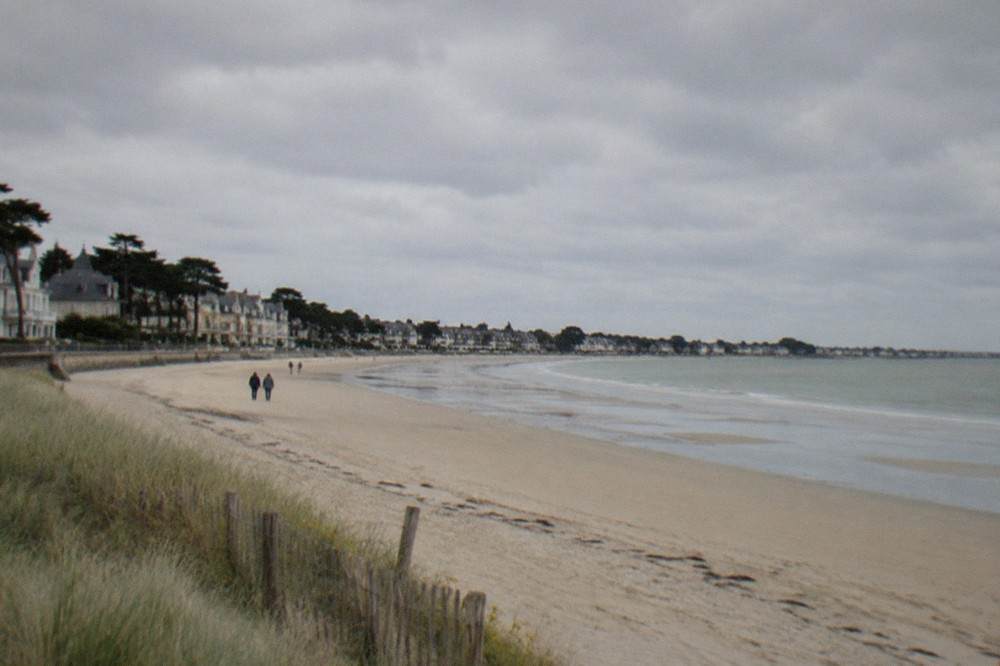
South of the estuary, Pornic offers a smaller, stone-built harbour and coves, at roughly an hour by train. Le Croisic, at about one hour and three minutes, is the oyster and granite option, drier in character and windier in weather. Guérande sits just inland of the coast and is best reached by road rather than rail, but it earns its place on any coastal itinerary for the medieval walled town and the salt marshes, whose guided visits run all year.
Thinking about a seaside day within a longer stay? The question of how many days to spend in Nantes usually resolves to two or three in the city, with a coastal day bolted on, and the TER network makes that painless.
Why Does Nantes Feel So Maritime If It Is Inland?
Nantes feels maritime because it was one of France's greatest Atlantic ports for centuries, even though the ships had to travel the full length of the Loire estuary to reach open water. The Mémorial de l'abolition de l'esclavage records that the port fitted out 1,714 slave-trade expeditions, 43 per cent of the French total, before Nantes withdrew from that trade in 1830. That history, plus shipbuilding, timber and colonial goods, left the city with a salty identity it never lost.
The numbers deserve to be stated plainly, because the memorial states them plainly: 1,714 expeditions out of at least 4,220 French ones, and a withdrawal in 1830, some years before Le Havre stopped. That trade, and the wider Atlantic commerce around it, built the fortunes visible today in the Île Feydeau facades and the Graslin quarter. So when a visitor senses "port" in the air of a city that is miles from the open sea, that instinct is historically correct. Nantes was the ocean's accountant, if not its neighbour.
The Loire made it possible. Deep-draught ships could work their way upriver to the city's quays, and the same relationship continued in friendlier form when Saint-Nazaire grew into one of France's shipbuilding capitals at the river's mouth. The two cities remain linked by the same rail line a modern beachgoer uses, which is a neat closing of the circle: the corridor that once carried maritime wealth inland now carries sunseekers seaward.
The legacy also explains why so many people assume Nantes is coastal in the first place. Guidebook language about "Atlantic port city" gets half-remembered as "Atlantic city". The truth is more interesting. If you are untangling the region itself, our page on which region of France Nantes is in covers the department, the region and the whole Brittany question.
Is Nantes A Good Base For A Coast And City Trip?
Yes, Nantes works very well as a base that combines a river city with Atlantic day trips, because the coastal towns all sit on direct TER lines of an hour or less, and the city itself holds enough for two or three full days. A typical pattern is two days in Nantes followed by a beach day at La Baule or an estuary day at Saint-Nazaire, or a vineyard morning inland followed by an evening on the quays.
The rail geometry is what makes the plan so simple. Saint-Nazaire, La Baule and Le Croisice share one western corridor, Pornic sits on a second line to the south, and Clisson, an inland Italianate town in the opposite direction at roughly 15 minutes by TER, rounds out the options on days the weather turns. The Pass Nantes visitor pass even includes one TER return journey between Nantes and Clisson, alongside transport and museum entries, which is a rare case of a city pass reaching beyond its own boundaries.
Closer to home, the Muscadet vineyards wrap around the city's southern and eastern edges, and the same department that owns the coast owns the wine. The 2026 harvest began on 11 August, the earliest on record according to local reporting, with lower yields but strong quality from the sunshine, so tastings in and around Nantes carry a genuinely current story this year. You can explore the vineyards independently, or join a half-day guided run that handles the driving, both of which appear in the selection below alongside the city walks.
For the city half of the trip, the compact option is a short walk with a local that covers the essentials, the river, the old town and the main squares, in about an hour. It suits a first afternoon, when you are still orienting yourself, and it leaves the rest of the day free for the Machines de l'île or the château. If you want to see what that looks like before committing, you can check availability through the operator's live listing.
In short, do not come to Nantes for a beach holiday, because the city will not give you one. Come for a river city with the Atlantic folded into the same department, an hour's ride down a rail line that follows the water all the way to the sea. That arrangement, city and coast stacked so close together, is the thing that makes Nantes genuinely unusual among French cities, and it is better understood than mistaken for.
Common Questions About Nantes And The Coast
Is Nantes on the coast?
No. Nantes is an inland city on the Loire river, in the Loire-Atlantique department of the Pays de la Loire region of western France. The Atlantic coast of the same department is a short train ride away, with Saint-Nazaire reachable in roughly 33 minutes.
How far is Nantes from the ocean?
By rail, the mouth of the Loire at Saint-Nazaire is about 33 minutes from Nantes, La Baule about 51 minutes, Pornic roughly 59 to 65 minutes and Le Croisic about one hour and three minutes. The fastest trains, not averages, are the basis for those timings.
Is there a beach in Nantes itself?
No, there is no beach in Nantes. The city sits on rivers. The nearest major resort beach is at La Baule, on the same department's Atlantic shore, a direct TER journey of about 51 minutes.
Why is Nantes called an Atlantic port if it is inland?
Because ocean-going ships historically worked up the Loire estuary to the city's quays, making Nantes one of France's leading ports despite the distance from open water. The port fitted out 1,714 slave-trade expeditions, 43 per cent of the French total, before withdrawing from that trade in 1830.
Is Nantes in Brittany or by the sea in Brittany?
Nantes is in the Pays de la Loire region, in the Loire-Atlantique department, not in the administrative region of Brittany, though the city's history is deeply Breton. Its coastline, where it has one nearby, is the Atlantic shore of its own department.